
Picture this: you’re standing in one of the world’s most arid deserts, where rain might not fall for years at a time. The scorching sun beats down mercilessly, and every drop of moisture seems to have vanished into thin air. Yet somehow, life not only survives but thrives in this seemingly impossible environment. What if I told you that some plants have figured out how to literally drink from the air itself, creating their own personal weather systems to harvest water from nothing but humidity?
The Namib Desert’s Miraculous Water Harvester
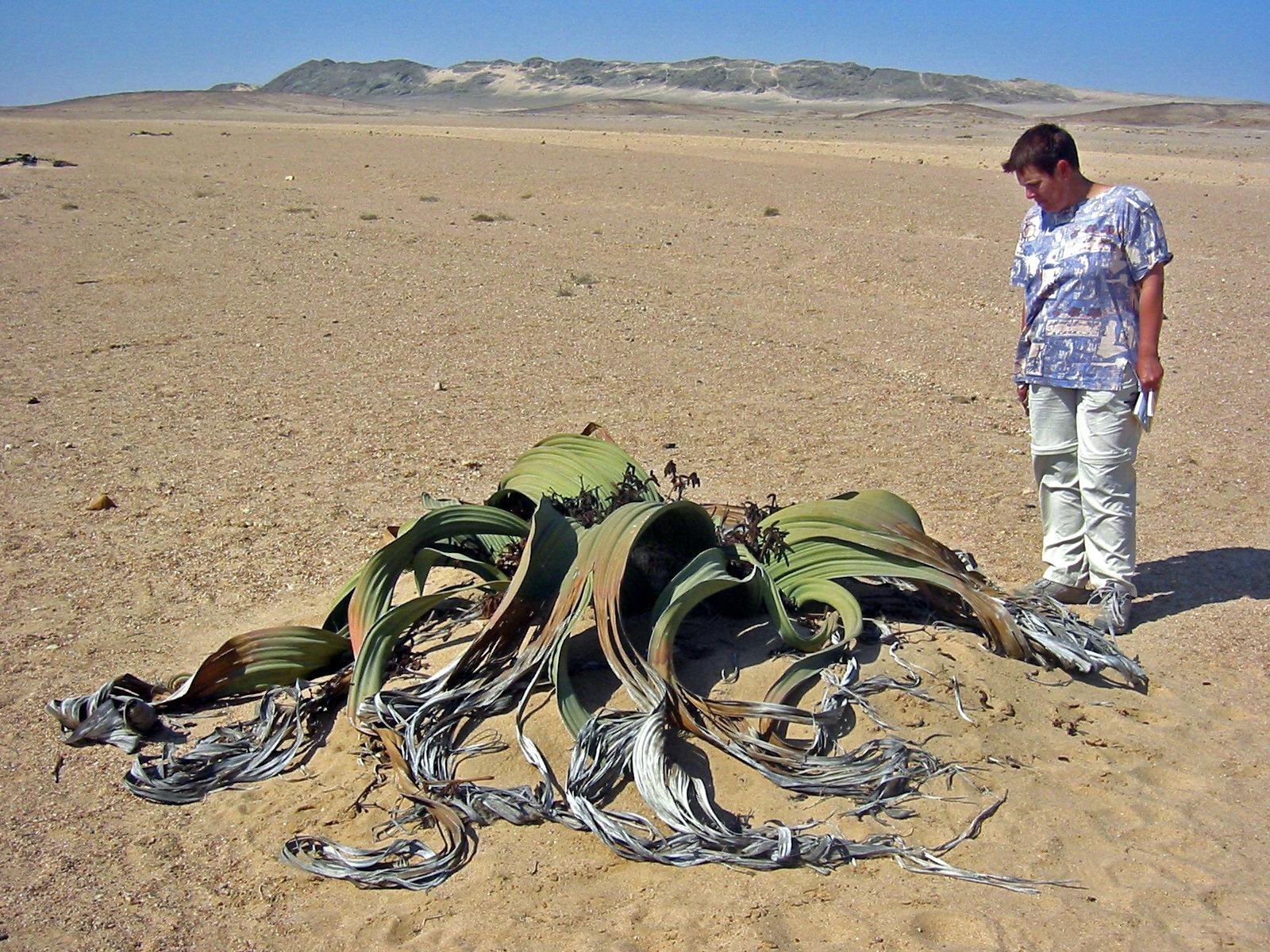
Deep in the heart of the Namib Desert, one of the oldest and driest places on Earth, grows a plant that seems to defy every rule of survival. The Welwitschia mirabilis, often called simply the “desert octopus,” has mastered a technique so ingenious that scientists are still trying to fully understand how it works. This ancient plant can live for over 1,000 years in conditions that would kill most vegetation within days. Its secret lies in its remarkable ability to manipulate the very air around it, turning invisible water vapor into life-giving droplets. The plant’s twisted, ribbon-like leaves act as sophisticated water-catching machines that would make any engineer jealous.
How Plants Learned to Become Weather Makers

Evolution has a funny way of solving impossible problems, and the ability to create fog is perhaps one of nature’s most elegant solutions. Plants that harvest atmospheric moisture didn’t develop this skill overnight – it took millions of years of trial and error in the harshest environments on the planet. These botanical survivors discovered that even the driest air contains some water vapor, usually in amounts too small for most plants to use. But through incredible adaptations, certain species learned to concentrate this scattered moisture into usable quantities. Think of it like having a tiny rain cloud that follows you around, except these plants create their own clouds from scratch.
The Science Behind Atmospheric Water Harvesting

The physics of fog creation might sound complicated, but it’s actually quite simple once you break it down. When warm, humid air meets a cool surface, the water vapor condenses into tiny droplets – the same principle that creates dew on your car windshield in the morning. Desert plants have evolved specialized surfaces that cool down rapidly at night, creating the perfect conditions for condensation. Their leaves and stems act like natural air conditioners, dropping their temperature below the dew point of the surrounding air. This temperature difference is the key that unlocks water from seemingly empty air, turning an invisible resource into visible, drinkable droplets.
Microscopic Structures That Work Like Magic

If you could shrink down and explore the surface of these water-harvesting plants, you’d discover a landscape more intricate than any human-made technology. Tiny hairs, grooves, and specialized cells create a complex network designed to capture even the smallest water molecules from passing air. These microscopic structures work together like a perfectly orchestrated team, each playing a specific role in the water collection process. Some areas of the leaf attract water droplets, while others repel them, creating channels that guide the precious liquid toward the plant’s roots. It’s like having thousands of miniature funnels working together to collect every possible drop of moisture from the atmosphere.
The Beetle That Inspired Plant Evolution
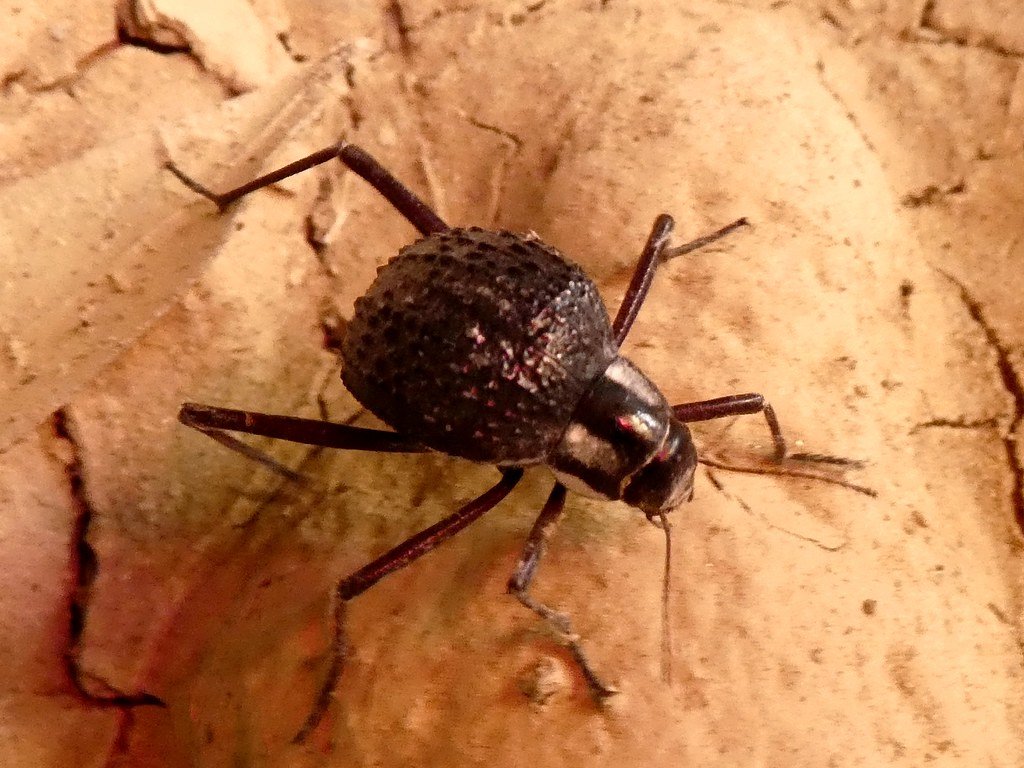
Interestingly, plants aren’t the only desert dwellers that have mastered this water-harvesting technique. The Namib Desert beetle has been collecting water from fog for millions of years using a similar principle, and some scientists believe plants may have evolved their fog-catching abilities by mimicking these resourceful insects. The beetle’s shell has alternating areas of water-attracting and water-repelling surfaces that create channels for collected droplets to flow directly into its mouth. This same pattern appears in many fog-harvesting plants, suggesting that nature often finds the same brilliant solutions independently. It’s a perfect example of how evolution rewards innovation, even when that innovation seems impossible at first glance.
Temperature Tricks That Create Instant Clouds
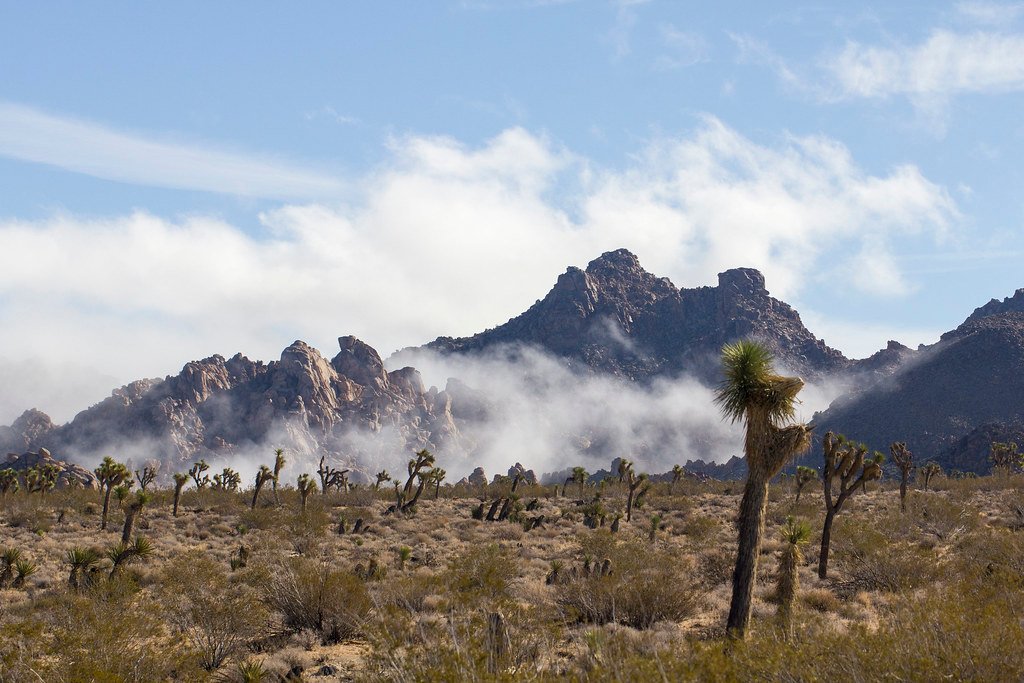
The most fascinating aspect of plant fog creation is how these organisms manipulate temperature to their advantage. During the scorching desert day, these plants actually store heat in their thick, waxy leaves and stems, almost like natural batteries storing energy. When night falls and the air temperature drops, these plants remain warmer than their surroundings for several hours, creating a temperature gradient that draws moisture from the air. As the night progresses, the plants gradually cool down, reaching the critical temperature where water vapor begins to condense on their surfaces. This perfectly timed cooling process maximizes the amount of water they can harvest from each night’s atmospheric moisture.
Survival Strategies for the Impossible

Living in a desert requires more than just the ability to collect water – it demands a complete reimagining of how plants function. Fog-harvesting plants have developed incredibly efficient water storage systems, often holding months’ worth of collected moisture in specialized tissues. Their roots spread wide rather than deep, creating extensive networks just below the surface to catch any runoff from their aerial water collection. Many of these plants also have waxy coatings that prevent water loss during the day, essentially turning themselves into living canteens. Some species can survive for over a year without any additional water sources, relying entirely on their nightly fog harvesting to stay alive.
The Role of Wind in Desert Water Collection

Wind might seem like an enemy in the desert, constantly drying out any available moisture, but fog-harvesting plants have learned to use it as an ally. Moving air carries more water vapor than still air, providing a constant supply of fresh humidity for these botanical water collectors. The shape and orientation of water-harvesting leaves are specifically designed to create gentle air currents that bring more moisture into contact with their specialized surfaces. Some plants even change their leaf positions throughout the night, following air currents like natural weather vanes to maximize their water collection efficiency. It’s like having a built-in irrigation system that operates entirely on wind power.
Chemical Signals That Predict Moisture

Perhaps most remarkably, many fog-harvesting plants can actually sense when atmospheric conditions are right for water collection, even before the first droplets appear. These plants release specific chemical compounds that help trigger the condensation process, essentially seeding their own personal clouds. They can detect subtle changes in humidity levels that are impossible for humans to notice without sophisticated instruments. This early warning system allows them to prepare their water-collection surfaces before the optimal conditions arrive, maximizing their harvesting efficiency. It’s like having a built-in weather forecasting system that’s more accurate than anything humans have created.
Geographic Hotspots for Fog-Dependent Flora

While the Namib Desert is famous for its fog-harvesting plants, similar species have evolved in coastal deserts around the world. The Atacama Desert in Chile, parts of coastal California, and even some Mediterranean regions host plants with atmospheric water collection abilities. These locations share common characteristics: they’re near large bodies of water that provide humidity, but receive very little rainfall. The combination of oceanic moisture and arid land conditions creates the perfect environment for fog-dependent plant communities to thrive. Each region has developed its own unique species with slightly different water-harvesting techniques, showing how versatile this survival strategy can be.
Nighttime Water Factories in Full Operation
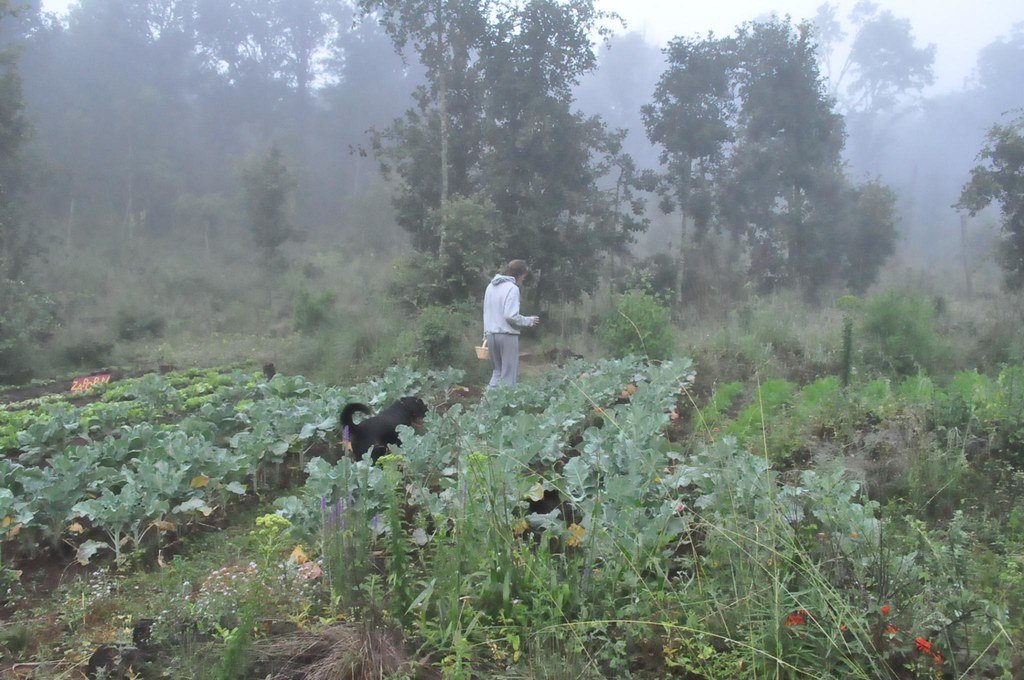
When the sun sets in fog-harvesting plant habitats, an invisible transformation begins that’s more dramatic than any science fiction movie. As temperatures drop and humidity rises, these plants literally begin manufacturing water from thin air. You can actually watch droplets form and grow on their surfaces in real-time, starting as microscopic beads and eventually becoming streams that flow down toward waiting roots. The entire process is surprisingly fast – a single plant can collect several ounces of water in just one night when conditions are optimal. It’s like watching nature’s own desalination plant in action, except it’s powered entirely by temperature differences and surface chemistry.
Seasonal Adaptations for Maximum Efficiency

Fog-harvesting plants don’t just randomly collect water whenever they can – they’ve developed sophisticated seasonal strategies to make the most of changing atmospheric conditions. During cooler months when fog is more frequent, these plants may focus more energy on leaf production and water collection surface maintenance. In hotter, drier periods, they shift their focus to water conservation and storage, sometimes even shutting down non-essential functions to preserve their collected moisture. Some species actually change the microscopic structure of their leaves seasonally, optimizing their surfaces for different humidity levels throughout the year. This seasonal flexibility is what allows them to thrive in environments where water availability can vary dramatically from month to month.
The Energy Economics of Atmospheric Water
Creating specialized water-harvesting surfaces requires significant energy investment from plants, which raises an interesting question: is it worth the cost? Research shows that fog-harvesting plants have incredibly efficient energy budgets, often collecting more water per unit of energy spent than plants that rely solely on root-based water uptake. The metabolic cost of maintaining water-collection surfaces is actually lower than developing extensive deep root systems in many cases. This efficiency explains why atmospheric water harvesting has evolved independently in multiple plant families – it’s simply a better return on investment in arid environments. These plants have essentially discovered that it’s cheaper to farm water from the air than to dig for it underground.
Predator Protection Through Water Abundance

Having a reliable water source in the desert provides more than just survival benefits – it offers significant protection from herbivores and competing plants. Animals in arid environments are often so focused on finding water that they’ll risk almost anything for a reliable source, but fog-harvesting plants can afford to invest energy in defensive compounds and structures. Their water security allows them to produce toxic chemicals, thorns, or bitter-tasting compounds that keep hungry desert animals at bay. Additionally, the microenvironments these plants create around themselves often support beneficial insects and microorganisms that help protect them from threats. It’s like having a personal bodyguard service funded by your superior water-collection technology.
Symbiotic Relationships in Harsh Environments
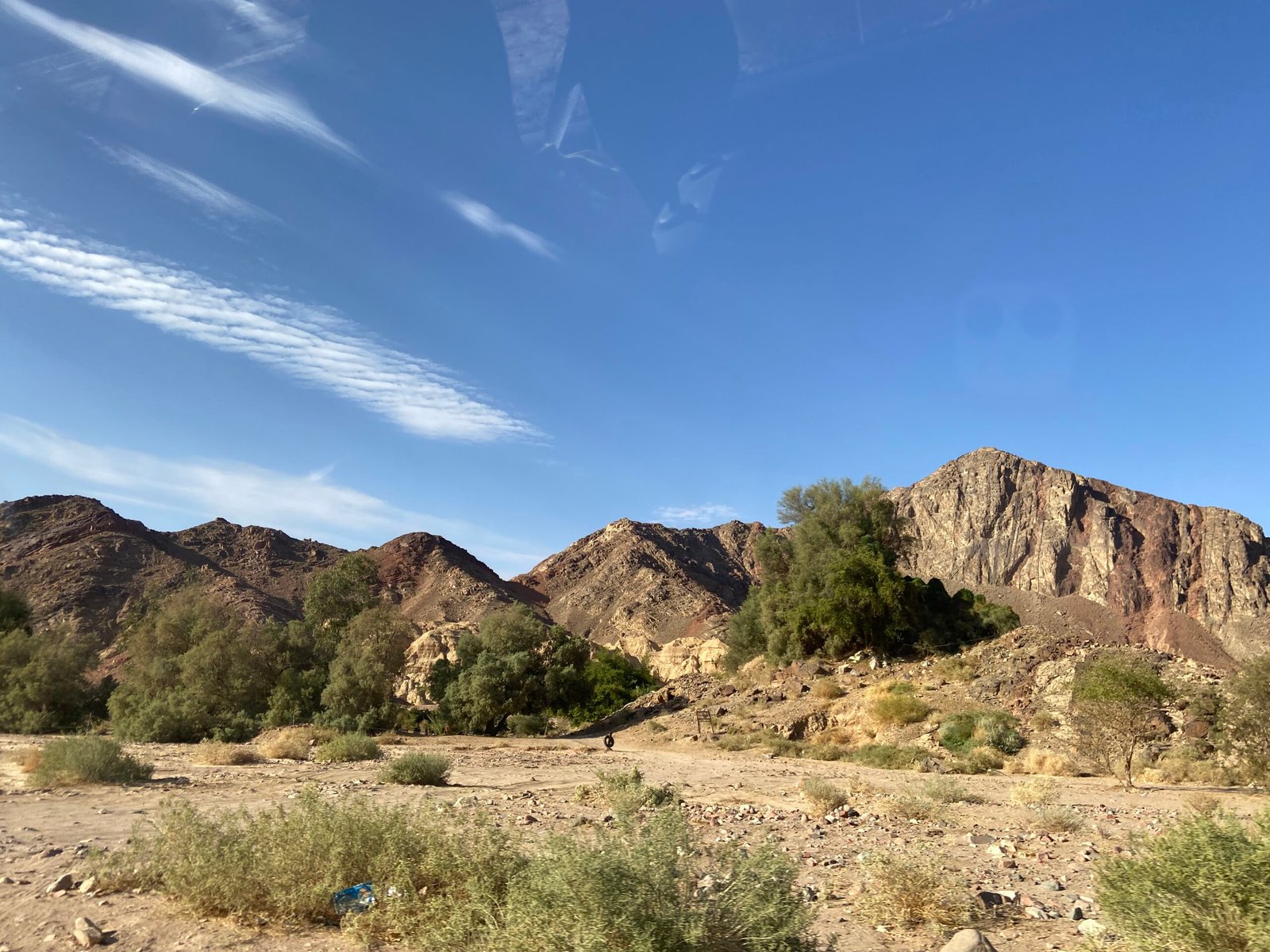
Fog-harvesting plants rarely exist in isolation – they often become the foundation for entire desert ecosystems. Small animals, insects, and even other plants depend on the microclimates and water sources these atmospheric harvesters create. Some desert animals have learned to time their activities around the water collection cycles of these plants, essentially using them as natural drinking fountains. Certain fungi and bacteria form partnerships with fog-harvesting plants, helping them process nutrients in exchange for access to their collected water. These relationships create island communities of life in otherwise barren landscapes, proving that cooperation often trumps competition in the world’s harshest environments.
Climate Change and the Future of Fog Harvesting

As global climate patterns shift, the delicate balance that makes atmospheric water harvesting possible is changing in many regions. Rising temperatures and altered humidity patterns could disrupt the precise conditions these plants need to survive, potentially threatening entire ecosystems that depend on fog-dependent species. However, some researchers believe that increasing atmospheric moisture in certain regions might actually expand the range where fog-harvesting plants can thrive. The adaptability these plants have shown over millions of years suggests they might be better equipped to handle climate change than many other desert species. Their ability to literally create their own water sources could make them surprisingly resilient in an uncertain climate future.
Biomimicry Applications in Human Technology

Engineers and inventors around the world are studying fog-harvesting plants to develop new technologies for water collection in arid regions. Large-scale fog nets inspired by plant surface structures are already being used to provide clean drinking water in several desert communities. Researchers are working on everything from building materials that collect atmospheric moisture to clothing fabrics that could help hikers and soldiers stay hydrated in dry environments. The microscopic surface patterns of water-harvesting leaves are being replicated in laboratory settings, potentially leading to more efficient water collection systems for drought-stricken regions. These plants are essentially providing blueprints for solving one of humanity’s most pressing challenges – water scarcity.
Conservation Challenges and Protection Efforts

Many fog-harvesting plant species are incredibly rare and face increasing threats from habitat destruction, climate change, and human development. The specialized conditions they require make them particularly vulnerable to environmental changes, and some species exist in only a few square miles of habitat worldwide. Conservation efforts for these plants often require protecting entire ecosystems rather than individual species, making them expensive and complex to manage. Several international organizations are working to establish protected areas specifically for fog-dependent plant communities, recognizing their unique ecological value and potential benefits for human technology. The loss of even one fog-harvesting species could mean losing millions of years of evolutionary innovation in atmospheric water collection.
The Ancient Wisdom of Desert Survivors

These remarkable plants represent some of the oldest survival strategies on Earth, with fossil evidence suggesting that atmospheric water harvesting techniques evolved over 100 million years ago. Their ability to thrive in conditions that would challenge even the most advanced human technology demonstrates the incredible power of evolutionary problem-solving. The fact that multiple plant families independently developed fog-harvesting abilities shows that this strategy is so effective that nature “invented” it several times over. In a world where water scarcity is becoming an increasingly urgent human concern, these ancient desert dwellers might hold keys to our own survival, proving that sometimes the best solutions come from simply paying attention to what life has already figured out.
The next time you see morning dew forming on grass or fog rolling across a landscape, remember that somewhere in the world’s driest places, plants are performing their nightly magic of creating water from thin air. These botanical alchemists challenge our basic assumptions about what’s possible in nature, turning the invisible into the essential with nothing more than specialized surfaces and perfect timing. In a universe where water is precious and life finds a way, perhaps the most profound question isn’t how these plants survive – it’s what other “impossible” solutions are waiting for us to discover them?