
Imagine walking through what appears to be a traditional natural history museum, only to have a wild javelina trot past your feet or witness a mountain lion gracefully padding through authentic desert terrain just steps away from ancient artifact displays. This isn’t a fever dream or some elaborate virtual reality experience – it’s the revolutionary approach that’s redefining how we think about museums, conservation, and wildlife education. Hidden in plain sight across the American Southwest and beyond, a new breed of institutions is quietly transforming the dusty halls of traditional museums into living, breathing ecosystems where education meets conservation in the most unexpected ways.
When Stuffed Animals Come to Life

The concept of combining traditional museum exhibits with live wildlife habitats seemed impossible just decades ago. Museum curators worried about insurance, safety protocols, and the logistics of maintaining both delicate artifacts and living creatures under one roof. Yet today’s innovative desert museums have cracked the code, creating spaces where visitors can observe a genuine desert tortoise munching on prickly pear cactus just meters from a display case containing 10,000-year-old pottery shards. These institutions prove that learning doesn’t have to happen behind glass barriers or through static displays. The magic happens when you can smell the creosote bush, feel the desert heat, and watch real animals exhibit their natural behaviors while simultaneously discovering the rich cultural heritage of desert peoples.
The Arizona-Sonora Desert Museum Pioneer

Leading this revolutionary approach is the Arizona-Sonora Desert Museum in Tucson, which has been quietly perfecting this model since 1952. Unlike traditional zoos or museums, this 98-acre facility houses over 230 animal species and 1,200 plant varieties, all native to the Sonoran Desert region. Visitors regularly encounter roadrunners darting between exhibits, coyotes lounging in naturalistic habitats, and over 60 species of reptiles going about their daily routines. The museum’s philosophy centers on the idea that you can’t truly understand desert ecosystems by looking at preserved specimens alone. When a kit fox emerges from its den during feeding time, or when hummingbirds zoom past your ear to reach flowering plants, the educational impact becomes visceral and unforgettable.
Desert Predators in Museum Settings

One of the most thrilling aspects of these wildlife havens involves their big cat exhibits, where mountain lions and bobcats demonstrate hunting behaviors in expansive, naturalistic enclosures. These predator encounters offer visitors unprecedented opportunities to observe behaviors that would be impossible to witness in traditional museum settings. The cats often display stalking techniques, territorial marking, and social interactions that textbooks can only describe in abstract terms. Watching a mountain lion leap effortlessly across rocky outcroppings while learning about predator-prey relationships through interactive displays creates educational moments that stick with visitors for years. The careful balance between safety and authenticity means these encounters feel genuine while maintaining appropriate boundaries between humans and wild animals.
Underground Worlds Above Ground

Desert museums have revolutionized how we experience subterranean desert life by creating walk-through cave systems and underground habitats. These artificial cave networks house bats, blind cave fish, and various invertebrates that visitors would never encounter in nature without specialized equipment and permits. The engineering behind these underground exhibits involves complex climate control systems that maintain the precise humidity and temperature conditions required by cave-dwelling species. Some facilities feature glass tunnels that allow visitors to walk through recreated mine shafts and limestone caves while observing genuine underground ecosystems. These exhibits often include live colonies of Mexican free-tailed bats, which emerge for dramatic evening flight demonstrations that rival any natural spectacle.
The Secret Life of Desert Birds

Free-flight aviaries in desert museums create some of the most breathtaking wildlife encounters imaginable, with massive enclosed spaces that allow native birds to soar, hunt, and nest naturally. Visitors find themselves sharing airspace with Harris’s hawks, great horned owls, and Gambel’s quail in environments that feel more like pristine wilderness than museum exhibits. These aviaries often span several acres and include multiple habitat zones, from riparian areas with cottonwood trees to rocky desert uplands with saguaro cacti. The birds demonstrate natural behaviors like cooperative hunting, territorial displays, and intricate mating rituals that would be difficult to observe in the wild. Many facilities schedule guided walks during peak activity periods, allowing visitors to witness dawn choruses or evening hunting sessions that showcase the remarkable adaptations of desert avifauna.
Venomous Neighbors You Never Knew

The reptile and arthropod collections in these desert museums often house some of North America’s most dangerous creatures, yet they present them in ways that inspire respect rather than fear. Visitors encounter live rattlesnakes, Gila monsters, scorpions, and tarantulas in naturalistic habitats that demonstrate their ecological importance. These exhibits frequently debunk common myths about venomous animals while highlighting their crucial roles in desert food webs. Interactive displays might show how different rattlesnake species have evolved distinct heat-sensing abilities or how scorpions use ultraviolet light for navigation. The educational impact proves profound when visitors realize that the “dangerous” animals they’ve feared are actually fascinating creatures with complex behaviors and essential ecological functions.
Desert Gardens That Think They’re Wild

The botanical components of these museums blur the lines between cultivated gardens and wild desert landscapes so effectively that many plants self-seed and spread naturally throughout the grounds. These living collections showcase the incredible diversity of desert plant life, from towering saguaro cacti to delicate wildflowers that bloom for just a few days each year. Visitors often discover that desert plants exhibit far more variety in form, color, and survival strategies than they ever imagined. The gardens frequently include demonstration areas showing traditional uses of desert plants by indigenous peoples, creating connections between natural history and cultural heritage. Seasonal changes in these gardens provide dramatically different experiences throughout the year, with spring wildflower displays rivaling any traditional botanical garden.
Night Creatures in Daylight Hours

Special nocturnal exhibits allow visitors to observe the secretive desert animals that emerge only after dark, using reversed lighting cycles that make nighttime creatures active during museum hours. These exhibits feature animals like ringtails, kit foxes, kangaroo rats, and various owl species in environments designed to mimic nighttime conditions. The sophisticated lighting systems create twilight atmospheres that trigger natural behaviors while allowing visitors to safely observe animals they would rarely encounter in the wild. These nocturnal zones often include interactive elements that demonstrate how these animals navigate in darkness, from echolocation in bats to the extraordinary night vision of desert predators. The experience of watching a great horned owl silently glide past your face creates memories that no photograph or video could replicate.
Conservation Success Stories Walking Around
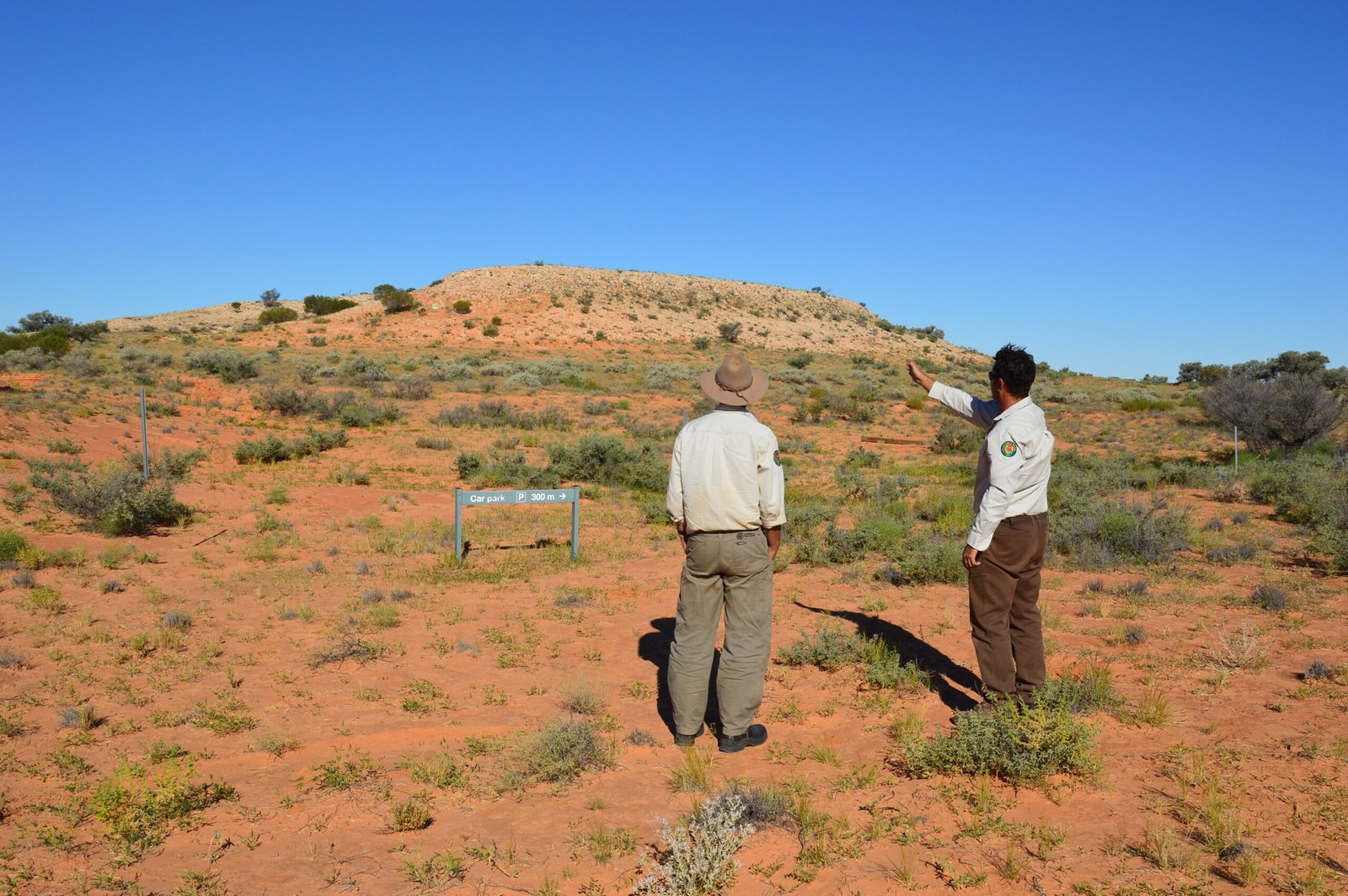
Many desert museums serve as breeding centers for endangered species, giving visitors the unique opportunity to observe conservation efforts in action. These facilities often house desert pupfish, Sonoran pronghorn, thick-billed parrots, and other species that teeter on the brink of extinction. Visitors might witness breeding behaviors, observe young animals learning survival skills, or even participate in release preparations for animals returning to the wild. The conservation programs extend beyond simply maintaining captive populations to include habitat restoration, genetic research, and community education initiatives. Success stories abound, with some museums contributing to the recovery of species that were once considered doomed to extinction.
Ancient Cultures in Living Landscapes

The cultural components of these institutions often include reconstructed archaeological sites, traditional dwellings, and demonstrations of indigenous technologies within the same spaces where wild animals roam freely. Visitors might observe a roadrunner hunting lizards near a replica Hohokam pit house or watch desert bighorn sheep graze in areas that also contain ancient petroglyphs. These juxtapositions create powerful connections between human and natural history, showing how desert peoples developed sophisticated survival strategies over thousands of years. Interactive demonstrations might show traditional hunting techniques, plant processing methods, or astronomical knowledge while the same species used by ancient peoples continue their natural behaviors nearby.
Climate-Controlled Ecosystems That Feel Real

The engineering marvels behind these museums include climate control systems that maintain distinct microenvironments within single facilities, allowing for incredible diversity in relatively small spaces. Some areas might simulate the cool, moist conditions of desert springs while others recreate the harsh heat of summer badlands, all within walking distance of each other. These environmental controls enable facilities to house species with vastly different habitat requirements while maintaining the illusion of seamless natural transitions. Visitors experience dramatic changes in temperature, humidity, and even air pressure as they move between different exhibit zones. The technology involved often includes sophisticated misting systems, radiant heating, and specialized ventilation that creates authentic sensory experiences.
Feeding Frenzies and Natural Behaviors

Scheduled feeding times in these museums create some of the most exciting wildlife viewing opportunities available anywhere, as animals display natural hunting and foraging behaviors in front of captivated audiences. Visitors might watch otters crack open freshwater mussels, observe hawks tear apart prey items, or see desert tortoises methodically demolish prickly pear cactus pads. These feeding demonstrations often include educational components that explain predator-prey relationships, nutritional requirements, and seasonal feeding patterns. The unpredictability of animal behavior during feeding times means that no two visits are exactly alike, with occasional dramatic moments when territorial disputes erupt or unexpected social interactions occur.
Research Happening Before Your Eyes
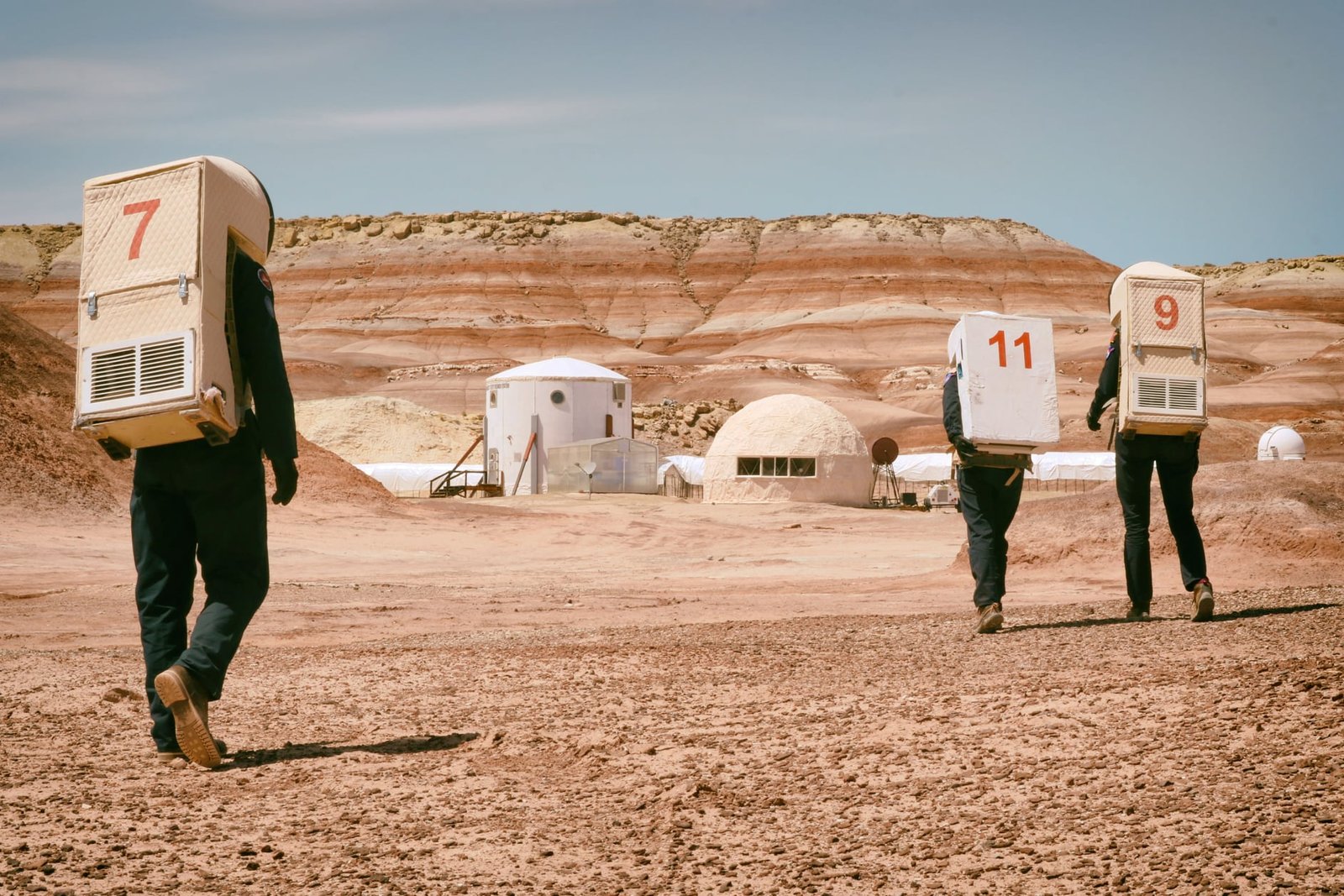
Many desert museums conduct active research programs that visitors can observe, from behavioral studies to breeding research to habitat restoration projects. Scientists might be radio-collaring bighorn sheep, monitoring nesting birds, or conducting genetic sampling while visitors watch and learn about current conservation challenges. These research programs often address pressing environmental issues like climate change impacts, habitat fragmentation, and invasive species management. Visitors gain insights into the scientific process while observing real data collection and analysis techniques. The integration of research activities with public education creates unique opportunities for citizen science participation and community involvement in conservation efforts.
The Unexpected Urban Wildlife Factor

Perhaps most surprisingly, these desert museums often attract substantial populations of truly wild animals that take advantage of the consistent water sources, abundant food, and protected habitats provided by the facilities. Free-roaming wildlife frequently includes species not officially part of the collection, from migrating birds to opportunistic mammals that have learned to coexist with exhibit animals. Visitors might spot wild javelinas mingling with exhibit animals, observe migrating hummingbirds feeding alongside resident species, or encounter wild snakes that have taken up residence in naturalistic habitats. These spontaneous wildlife encounters add an element of unpredictability and authenticity that enhances the overall experience. The museums essentially function as wildlife corridors and habitat islands within increasingly urbanized desert landscapes.
Behind-the-Scenes Magic Most Visitors Never See

The infrastructure supporting these living museums involves complex networks of veterinary facilities, specialized kitchens, breeding areas, and quarantine spaces that operate like small cities dedicated to animal welfare. Visitors occasionally get glimpses of these operations through special tours or observation windows into treatment areas. The staffing requirements include veterinarians, animal behaviorists, horticulturists, educators, and specialized maintenance crews working around the clock to maintain these artificial ecosystems. Many facilities operate their own breeding programs, food preparation areas, and even specialized hospitals equipped to handle everything from snake bites to broken bird wings. The logistics of maintaining hundreds of species while ensuring visitor safety and educational value requires coordination that rivals major theme parks or zoos.
Weather Days That Change Everything

Desert weather creates dramatic variations in the museum experience, with monsoon storms, extreme heat, and rare winter freezes triggering different animal behaviors and opening new educational opportunities. Summer thunderstorms might activate dormant desert toads, while winter cold snaps could bring unusual bird migrations or trigger hibernation behaviors in reptiles. These weather events often create some of the most memorable visitor experiences, as animals respond to environmental changes in ways that textbooks can only describe. Staff members often schedule special programs around weather patterns, offering storm-watching opportunities or early morning tours when animals are most active during hot periods. The unpredictability of desert weather ensures that repeat visitors encounter new experiences throughout the year.
Educational Impact That Lasts Generations

The long-term educational impact of these immersive desert museums extends far beyond single visits, with many guests reporting that their experiences fundamentally changed their relationships with wildlife and desert environments. Children who grow up visiting these facilities often pursue careers in biology, conservation, or environmental education, inspired by early encounters with live animals and natural systems. Adult visitors frequently become involved in local conservation efforts, volunteer programs, or citizen science projects after experiencing the connection between wildlife viewing and conservation needs. The museums serve as catalysts for broader environmental awareness, with visitors taking newfound knowledge and appreciation back to their communities. Follow-up studies suggest that the combination of live animal encounters with traditional educational exhibits creates more lasting behavioral changes than either approach alone.
The transformation of traditional desert museums into living wildlife havens represents more than just an innovative approach to education – it’s a fundamental reimagining of how humans can connect with and understand the natural world. These institutions prove that effective conservation education requires emotional engagement alongside factual knowledge, creating experiences that transform visitors into advocates for desert ecosystems and their inhabitants. As urban development continues to fragment desert habitats, these museums increasingly serve as both sanctuaries for wildlife and bridges between human communities and the natural world. The success of this model suggests that the future of museums lies not in preserving the past behind glass cases, but in creating living laboratories where past, present, and future intersect in meaningful ways. What would our relationship with the natural world look like if every museum offered such immediate, visceral connections to living ecosystems?