
Down in the black, crushing cold of the deep ocean, there are places on our own planet that are more alien than Mars. We’ve sent probes beyond our solar system, yet we still haven’t fully mapped the seafloor of Earth, and entire mountain ranges, trenches, and ecosystems remain hidden in the dark. The deepest parts of our oceans are like locked rooms beneath our feet, holding stories four billion years in the making.
What makes this even more haunting is how close it all is. A few kilometers below a sunlit beach, there may be life forms we’ve never seen, chemical reactions we barely understand, and clues to how life began. The deep ocean is not just a backdrop for nature documentaries; it’s a frontier that could change how we think about climate, medicine, energy, and even the possibility of life on other worlds.
The Abyss Begins Where Sunlight Dies
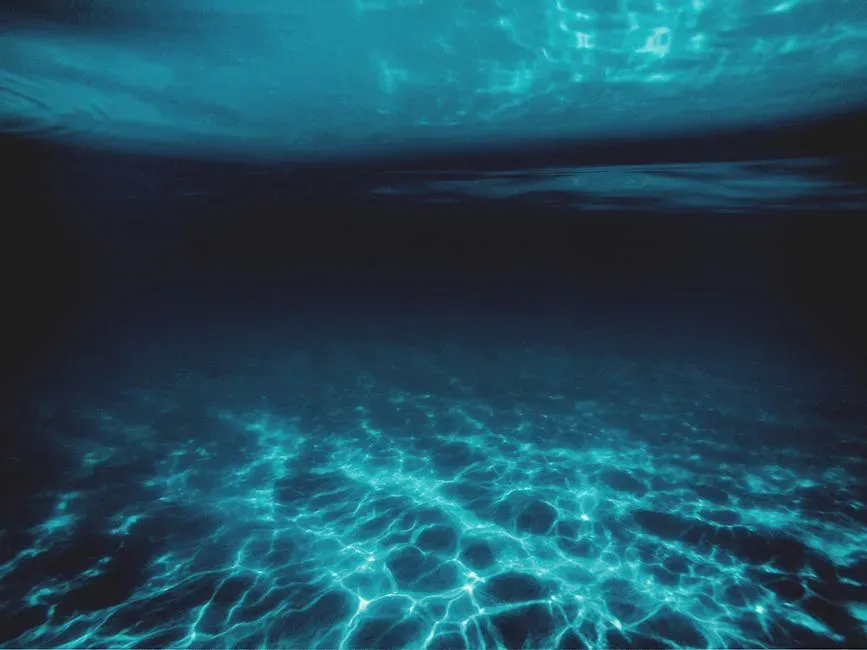
Imagine swimming down into the sea and watching the light disappear above you like a closing door. Below a few hundred meters, sunlight can no longer support photosynthesis, and by about one thousand meters, the world is essentially pitch black. This is where the deep ocean truly begins, and beyond that, into the abyssal and hadal zones, you enter a realm of permanent night, near-freezing temperatures, and pressures so intense they would crush most human-made objects.
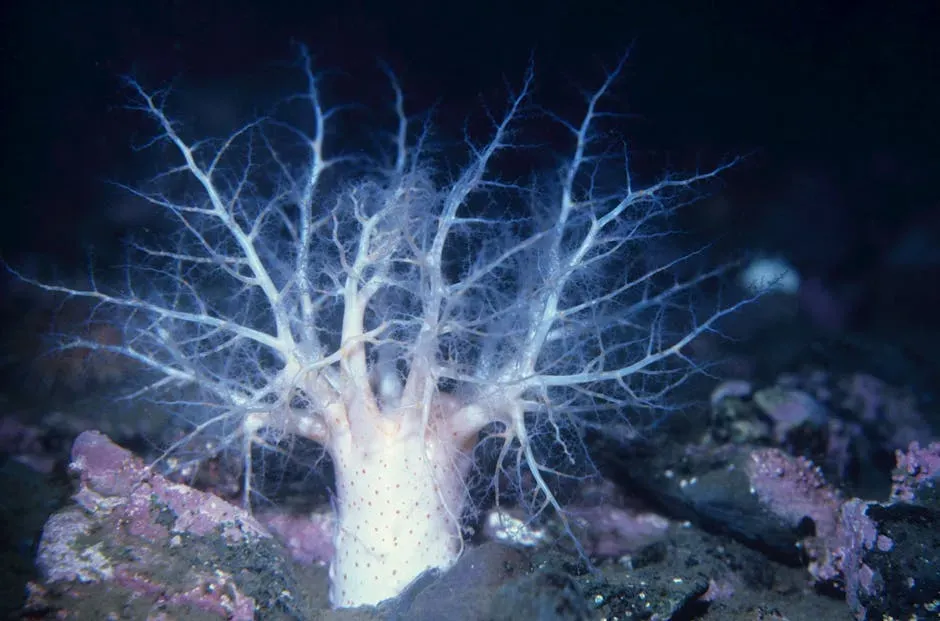
Despite this, life is everywhere down there, clinging to rocks, drifting in the water, and crawling across the mud. Most of it is still invisible to science: many experts believe the majority of Earth’s species could live in the oceans, and a huge share of those might be in the deep. Every expedition seems to find something nobody expected, from transparent sea cucumbers to strange, gelatinous creatures that look like they swam in from a science fiction film.
The Mariana Trench: Earth’s Most Extreme Valley
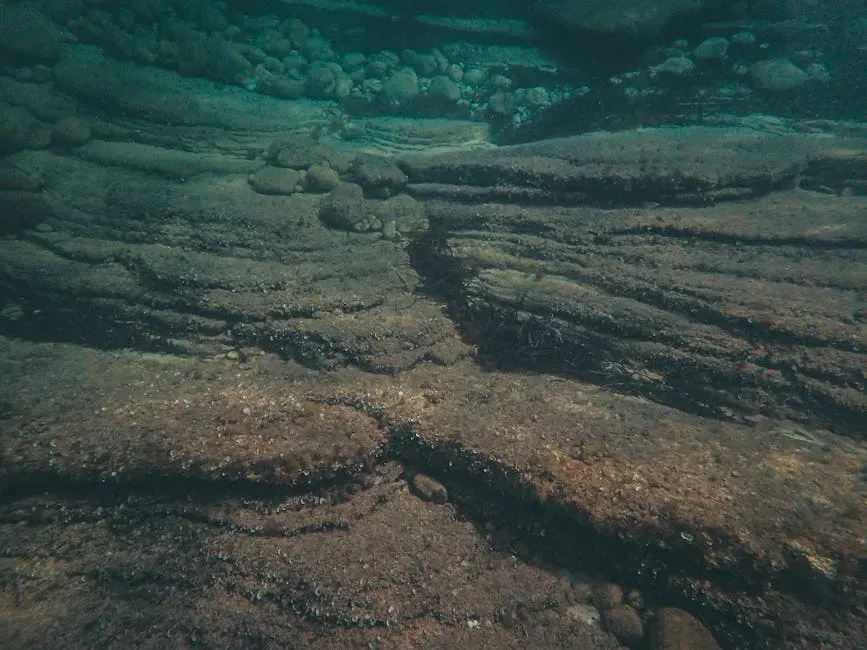
The Mariana Trench in the western Pacific is the deepest known point in our oceans, dropping down to around eleven kilometers. To picture that, think of Mount Everest turned upside down and still having room to spare. At the trench’s lowest point, known as the Challenger Deep, the pressure is more than a thousand times what we feel at sea level, and the temperature is barely above freezing.
For decades, almost nobody had been there, and visits were rare, risky, and incredibly expensive. In the last few years, specially built submersibles have made more journeys, revealing life even in this extreme environment. Researchers have found snailfish, shrimp-like amphipods, and microbial communities eating chemicals in the sediment. Yet huge stretches of the trench walls and floor have never been directly observed, which means we’re still effectively staring at a map with blank spaces where the most extreme habitats on Earth should be.
Life Without Sunlight: The Power of Chemical Energy
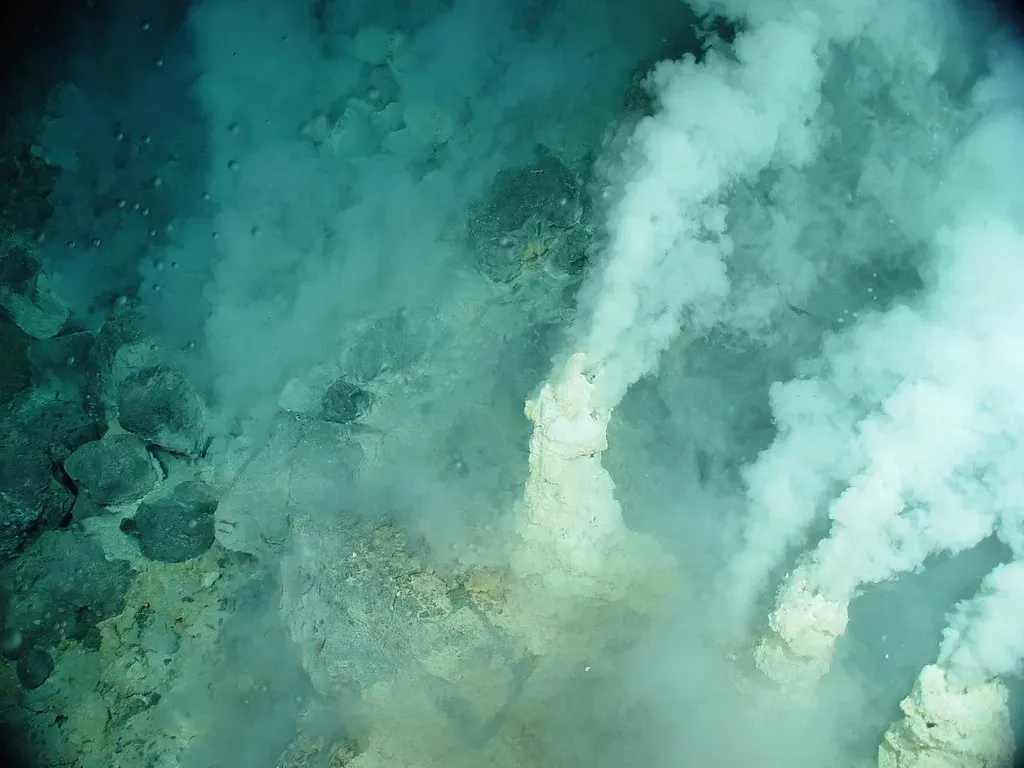
For most of human history, people assumed all life ultimately depended on sunlight and plants. Then oceanographers discovered hydrothermal vents on the seafloor, spewing superheated, mineral-rich fluids into the icy deep. Around these vents, thriving communities of worms, clams, crabs, and bacteria live entirely off chemical energy, using processes called chemosynthesis instead of photosynthesis.
This changed everything about how we think life can exist. If complex ecosystems can survive without light, powered only by chemistry and geology, then similar systems might exist beneath the icy crust of moons like Europa or Enceladus. The deepest oceans are basically natural laboratories showing us that life is more stubborn, more creative, and more adaptable than we ever imagined. And scientists keep finding new kinds of vents and cold seeps, each with its own cast of improbable creatures.
Strange Creatures Built for Crushing Depths
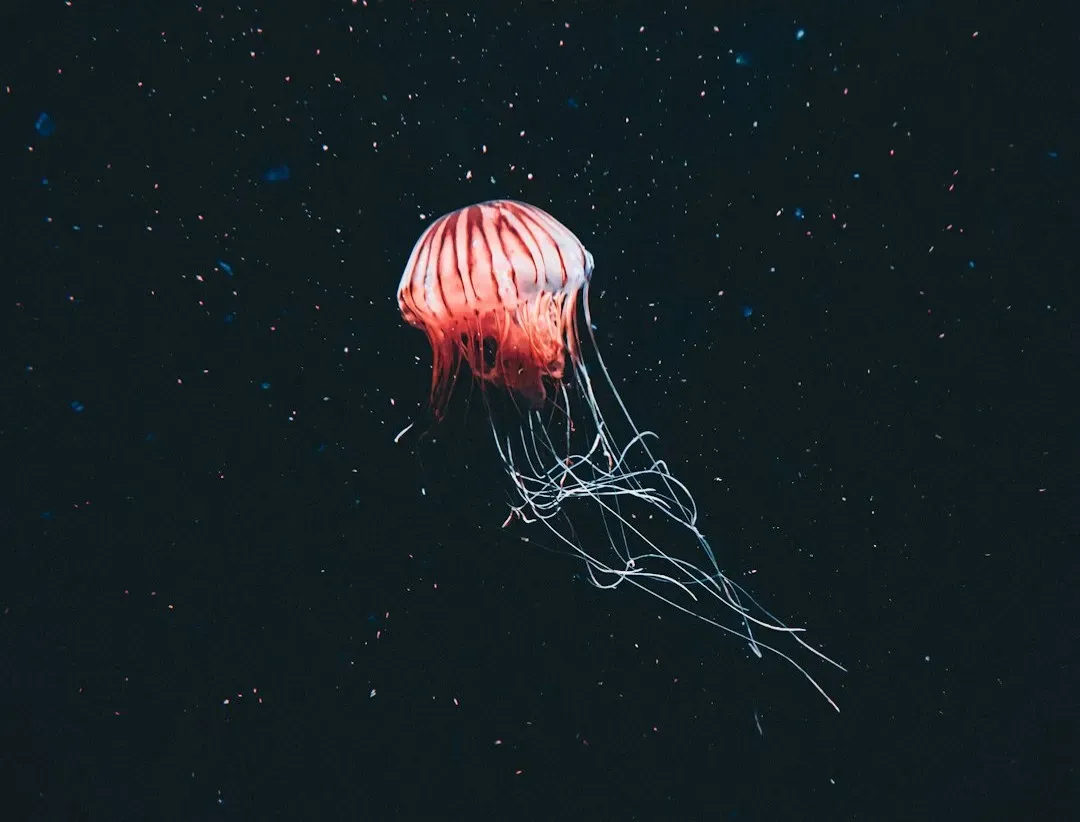
Creatures that live thousands of meters down have to solve problems our bodies can’t even begin to handle. Some deep-sea fishes have soft, jelly-like skeletons that can flex under massive pressure, and special molecules in their cells that keep proteins from collapsing. Others have huge mouths and expandable stomachs so they can swallow prey almost as big as themselves, because food falls from above unpredictably, like random paychecks from the sky.
Then there’s the light show. In a world with no sunlight, many animals create their own light through bioluminescence, using chemical reactions to glow blue, green, or even red. They use these lights to lure prey, confuse predators, or communicate in a silent, endless night. Some of the strangest species we’ve seen so far – like translucent octopuses, ghostly jellyfish, and fish with transparent heads – feel less like animals you would find on Earth and more like visitors from another dimension.
Hidden Mountains, Canyons, and Underwater Waterfalls
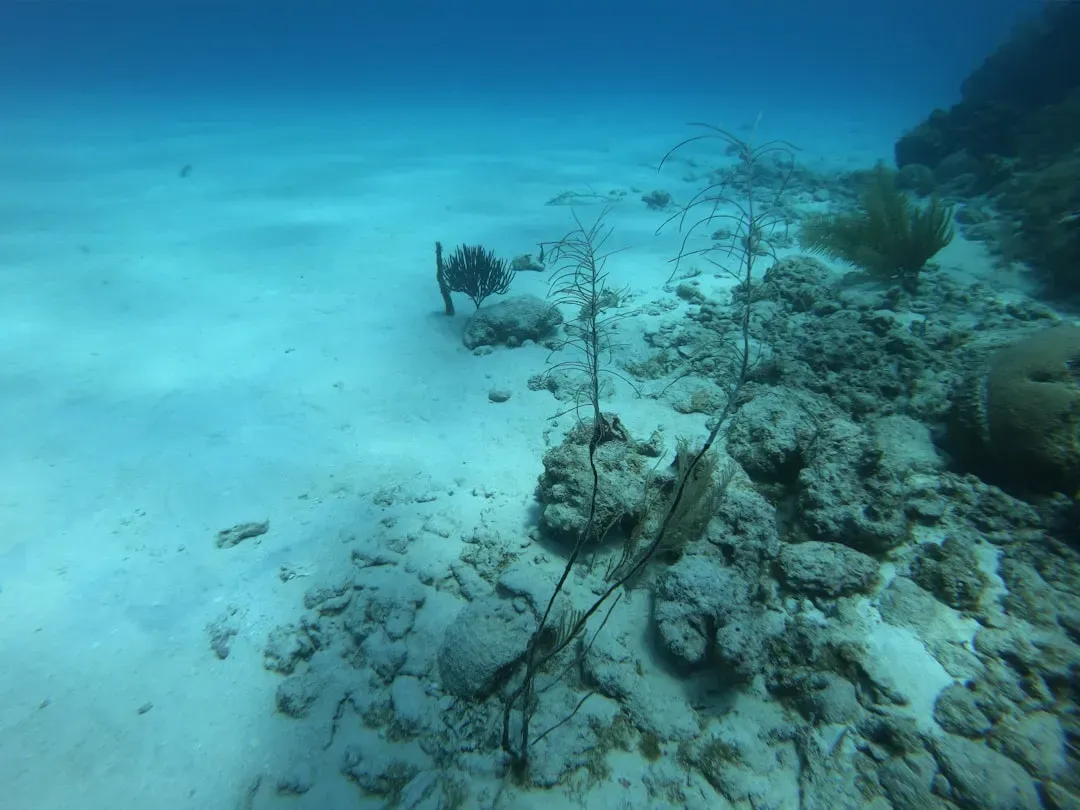
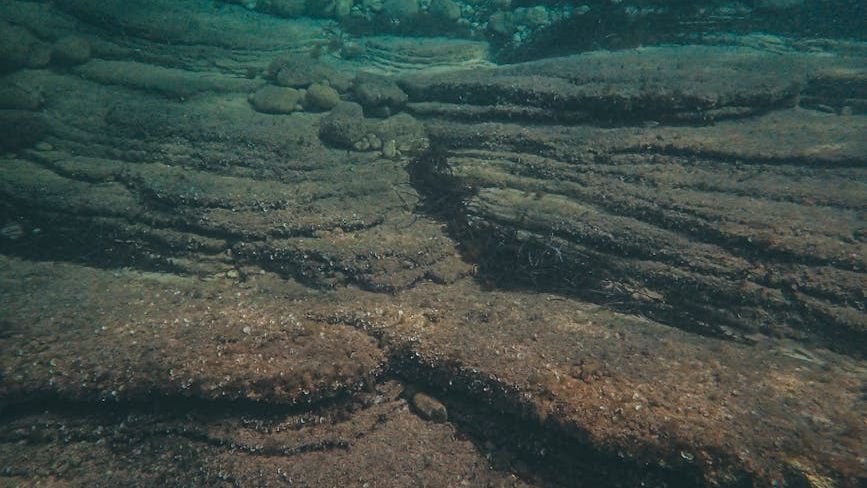
When most people picture the seafloor, they imagine a flat, muddy plain. In reality, it’s anything but flat. There are underwater mountain ranges much longer than the Andes or the Himalayas, deep canyons that slice through the crust, and even underwater volcanoes that erupt quietly under kilometers of water. Many of these features have only been sketched out using sonar mapping, and huge areas are either low-resolution or completely unmapped.
One of the wildest ideas is that in some places, dense, salty water flows down slopes like underwater rivers, creating what scientists sometimes describe as “submerged waterfalls.” There are also isolated seamounts – underwater peaks – that act like islands in the dark, hosting unique life forms. Until we can map these landscapes in detail and visit them more often, we’re missing big pieces of Earth’s geological story and the habitats that depend on it.
Deep Oceans and the Planet’s Climate Engine
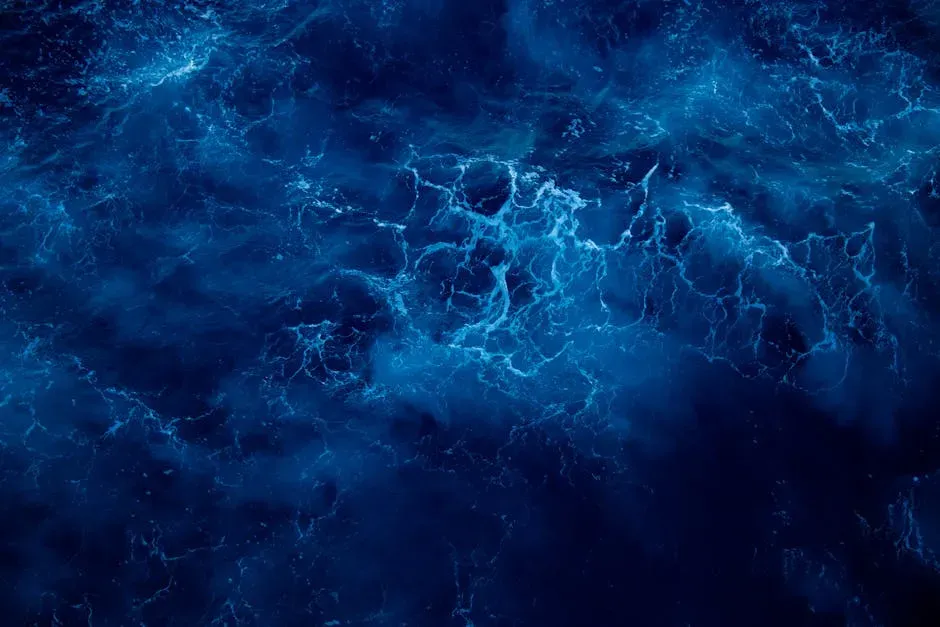
The deep ocean doesn’t just sit there silently; it’s an active part of the climate system. Cold, dense water sinks in certain parts of the world and slowly moves through the deep ocean like a global conveyor belt, transporting heat and carbon around the planet. This deep circulation helps moderate temperatures at the surface and stores massive amounts of carbon dioxide, buying us time as greenhouse gases rise in the atmosphere.
But we don’t fully understand how stable this system is, or how it’s changing as the planet warms. Small shifts in deep currents, oxygen levels, or mixing patterns could have big consequences for marine life and long-term climate. Without better observations and instruments in the deep ocean, we’re trying to predict the future of the climate while leaving most of the engine room uninspected and half in the dark.
Pollution Reaches Even the Greatest Depths
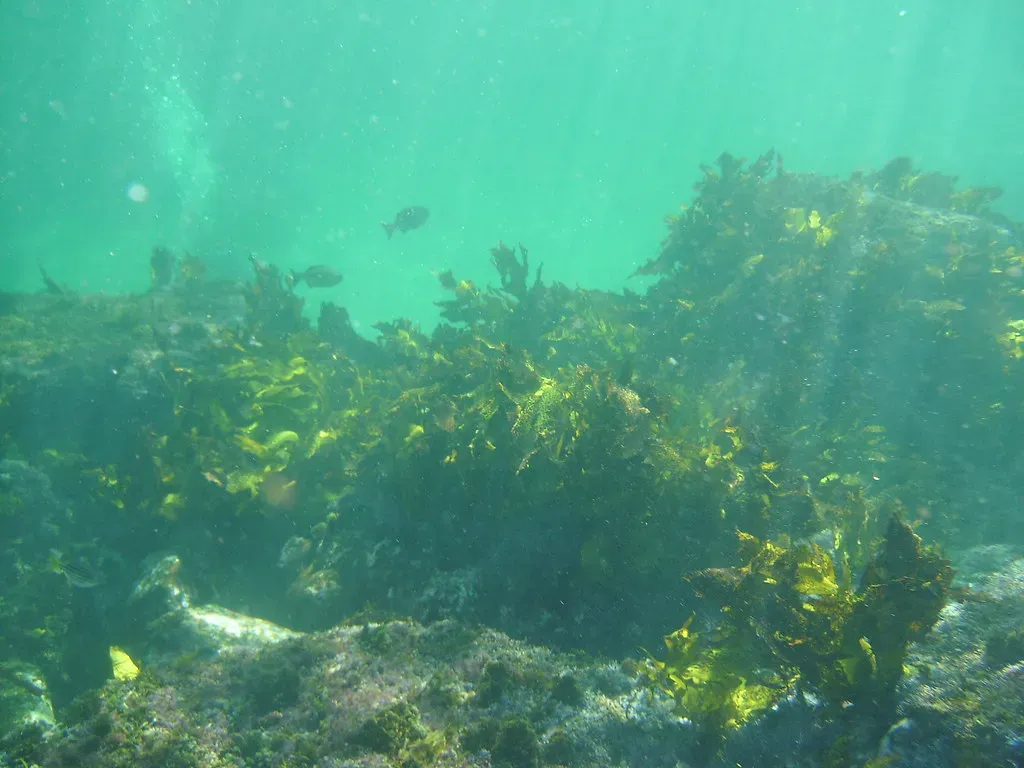
One of the most unsettling discoveries of the last decade is that human pollution has reached even the deepest trenches. Samples from the Mariana and other trenches have shown traces of industrial chemicals and microplastics in sediments and in the bodies of animals living there. Even species that have never seen a ray of sunlight are now touched by our plastic waste and chemical leftovers.
These findings shatter the comforting idea that the deep sea is somehow untouched or pristine. It means our everyday choices on land – what we throw away, how we produce energy, what chemicals we use – eventually seep into the most remote corners of the planet. The deepest ocean is turning into a mirror, reflecting back the long-term consequences of our decisions, even when we never planned for them to go that far.
New Technologies to See the Unseen
For a long time, the deep ocean was simply too hard to access: too dark, too deep, too dangerous. Now, advances in robotics, sensors, and artificial intelligence are finally cracking it open. Autonomous underwater vehicles can map the seafloor in detail, gliders can drift silently for months collecting data, and small, more affordable submersibles are putting researchers closer to the action without needing enormous ships and budgets every time.
High-resolution sonar and imaging are revealing shipwrecks, vent fields, and entire ecosystems we didn’t know existed. Machine learning helps sift through hours of blurry video to spot rare animals or unusual patterns. We’re still in the early days of this technological wave, but it feels a bit like when telescopes first turned to the sky: suddenly, we’re seeing that the supposedly empty darkness is actually full of structure, activity, and life.
Why These Hidden Depths Matter to Our Future
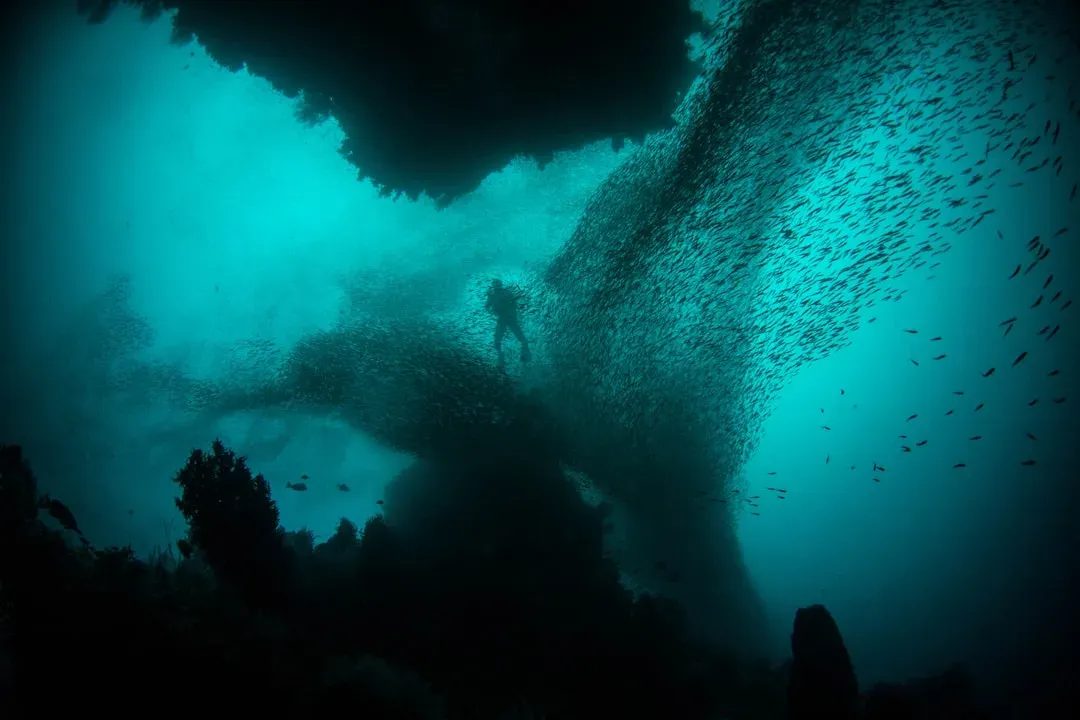
It can be tempting to see the deep ocean as distant and irrelevant, something only explorers and scientists need to worry about. But the reality is that what happens down there quietly shapes the air we breathe, the weather we feel, and the resources we depend on. The deep sea could hold new medicines, rare minerals, and insights into resilience that might help us navigate a century full of environmental stress and rapid change.
At the same time, there’s a risk that we rush in before we understand what we’re dealing with, especially when it comes to deep-sea mining and industrial exploitation. The life and landscapes that took millions of years to form could be damaged in a few seasons of reckless activity. The deepest parts of our oceans remind us that mystery still exists on Earth and that not all frontiers should be conquered in a hurry. How much are we willing to learn before we decide what to take?