
When you think about alien life, your mind probably drifts toward outer space. You imagine distant planets, strange atmospheres, and beings that defy all logic. Yet there’s a world right here on Earth, hidden beneath thousands of feet of seawater, where creatures exist that seem pulled straight from a fever dream. The deep sea remains largely unexplored, a vast frontier where darkness reigns and pressure would crush most living things in an instant. Here’s the thing though: life finds a way down there, and honestly, it’s both haunting and mesmerizing.
These animals have evolved in ways that shatter our understanding of what’s possible. From fish with transparent heads to squids draped in cloaks like gothic vampires, the deep ocean hosts a bizarre parade of survivors. Let’s dive into this hidden realm and meet nine of its most extraordinary inhabitants.
The Anglerfish: A Living Nightmare with Its Own Lantern
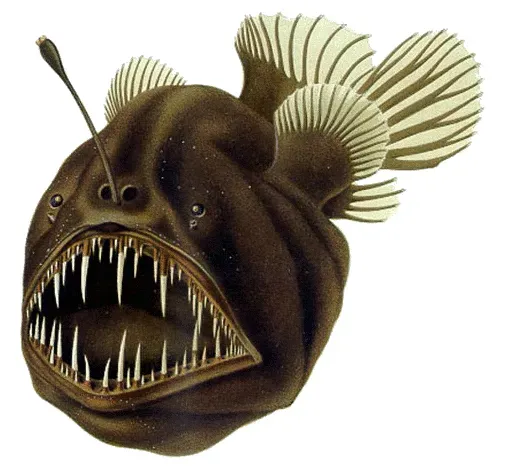
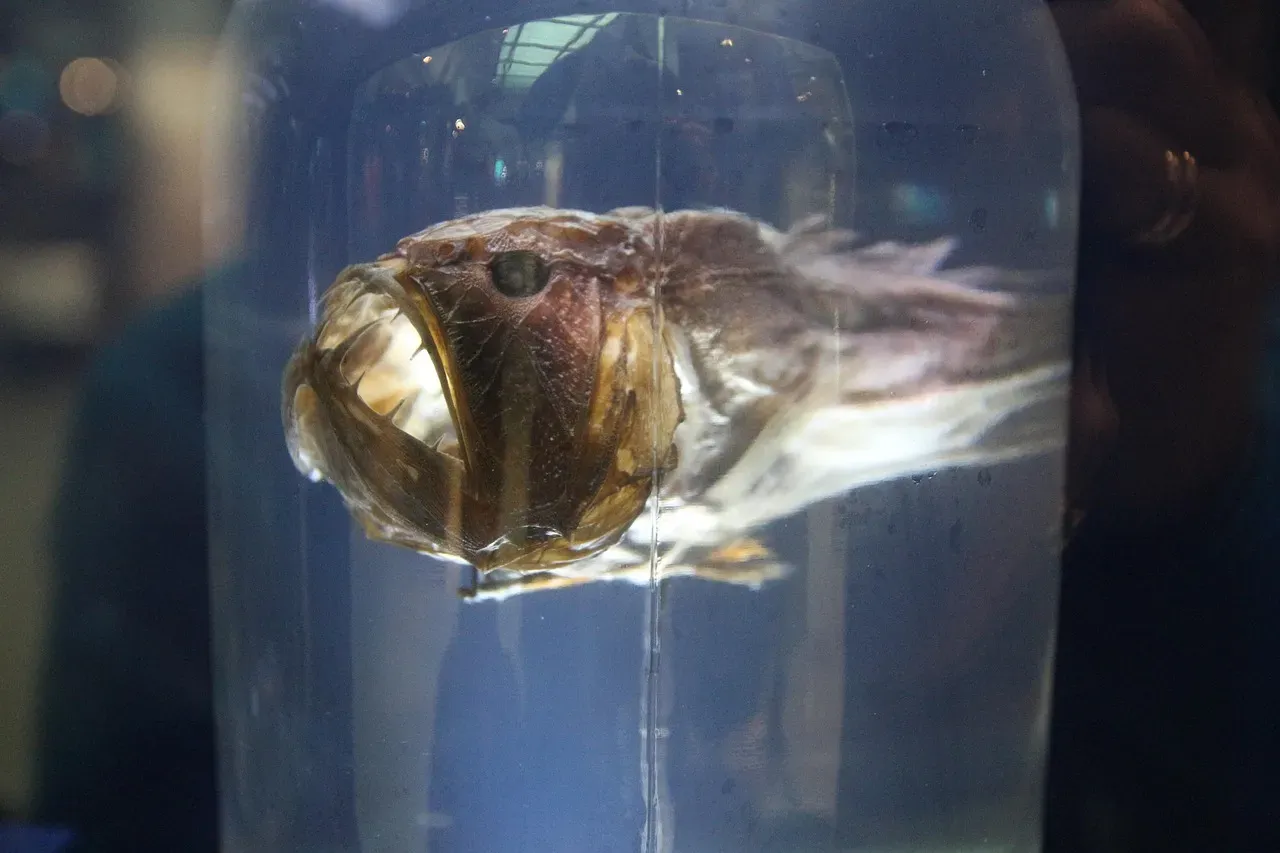
Deep-sea anglerfish are some of the most bizarre animals of the ocean, named for the glowing lure they use to attract the fish and crustaceans they eat. Picture this: you’re drifting through total darkness when suddenly a tiny light appears, swaying gently like a beacon of hope. You move closer, drawn by curiosity, only to realize too late that the light dangles from the head of a grotesque predator.
The female anglerfish possesses a glowing lure, a bioluminescent bulb that dangles from a rod-like spine on its head, waving this light in the pitch black, mimicking the movement of small prey, and when an unsuspecting fish draws near, the anglerfish strikes with lightning speed, swallowing its victim whole. Even stranger is the mating ritual. The much smaller male anglerfish fuses permanently to the female’s body, becoming little more than a living appendage, providing sperm on demand. That’s commitment taken to a nightmarish extreme.
The Vampire Squid: A Gothic Phantom of the Abyss
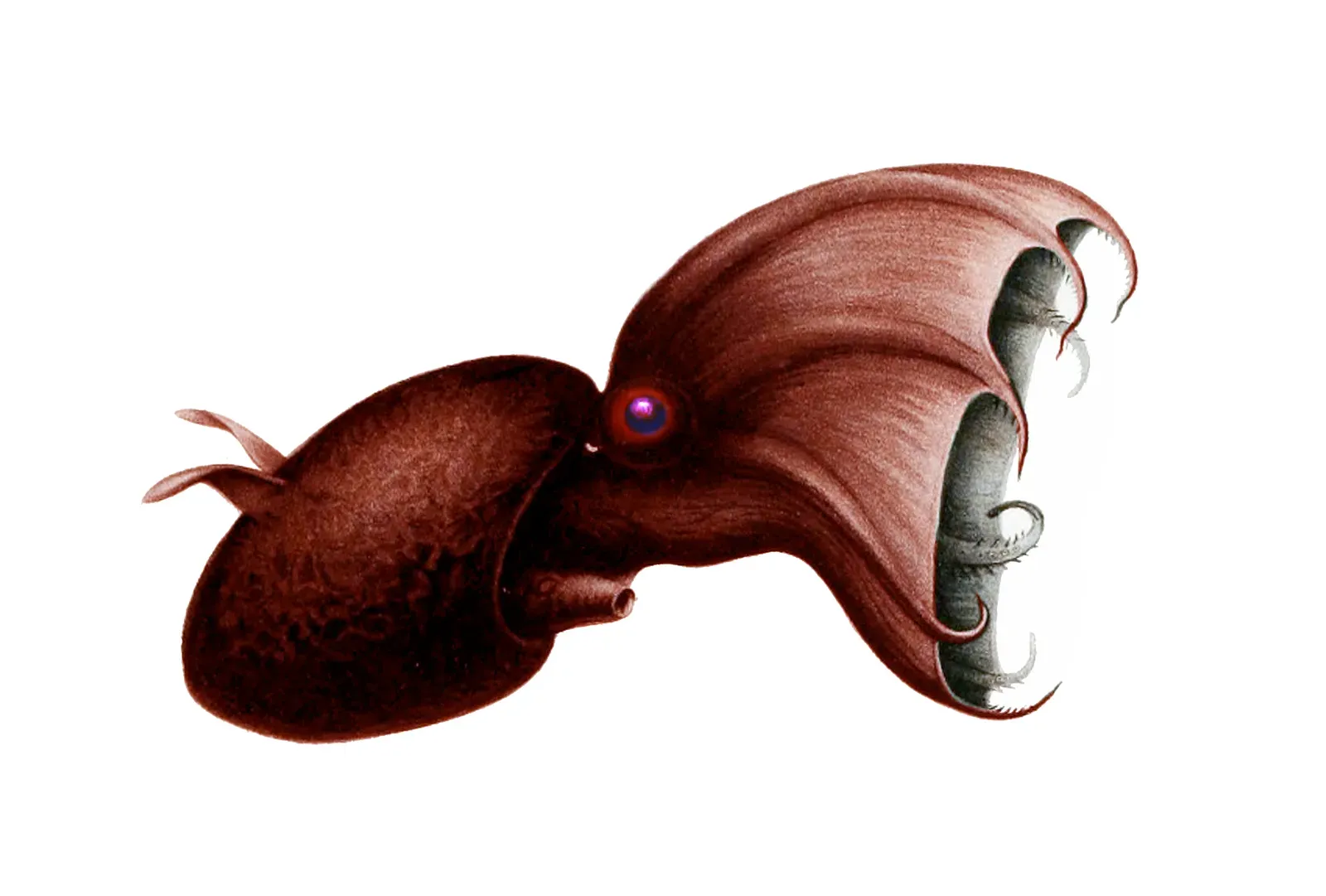
Despite its menacing name, the vampire squid isn’t actually out for blood. The vampire squid, known to scientists as Vampyroteuthis infernalis, looks like something that swam out of a late-night science fiction movie, growing to only about six inches in length. What makes this creature so captivating is its appearance and survival strategy.
The vampire squid’s eight arms are connected with a webbing of skin, which makes it look more like an octopus than a squid, and when threatened, the squid can draw its arms up over itself and form a defensive web that covers its body. When threatened, it turns itself inside out, revealing glowing blue lights along its arms, and in the crushing darkness, this light show confuses predators, making the vampire squid vanish into shadow. Instead of hunting living prey, it survives on marine snow, the ghostly debris that drifts down from the sunlit world above.
The Blobfish: Misunderstood Master of the Deep
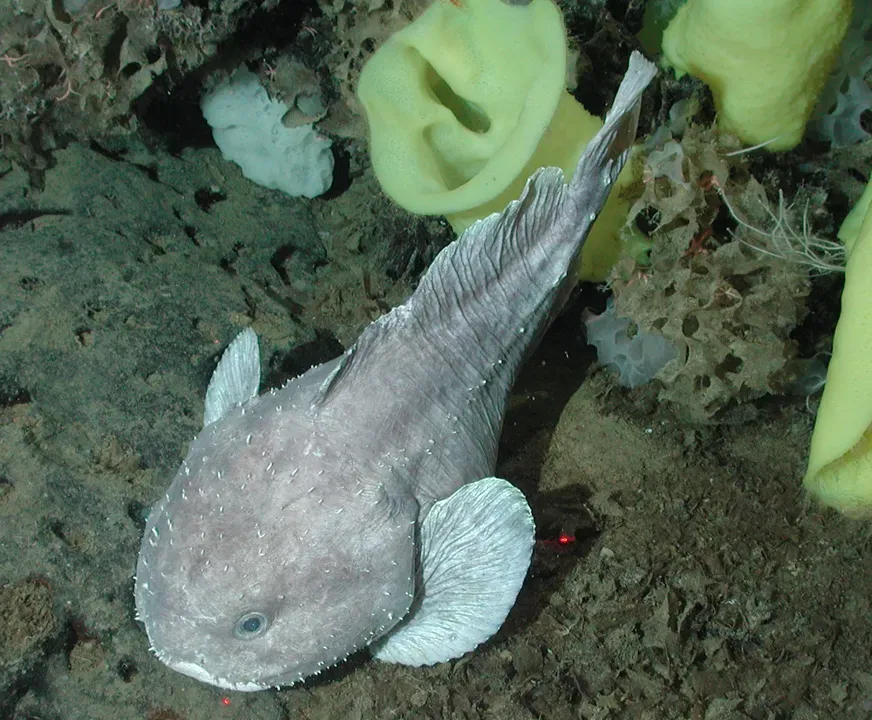
In an online poll carried out by a British Organization, the Blobfish is named the ugliest animal in the world. That viral fame came from a fundamental misunderstanding of how this creature actually looks in its natural habitat. The sad, droopy face we associate with the blobfish is actually what happens when you drag it up from extreme depths.
Living at depths of up to 4,000 feet, where pressure is immense, the blobfish’s gelatinous body is perfectly adapted to the environment, and at those depths, it looks like a normal fish, but when brought to the surface, the pressure difference causes its body to expand and deform, giving it its famously sad appearance. Down in the crushing darkness where it belongs, the blobfish is actually quite efficient, soft and buoyant, perfectly suited to its environment. Beauty really does depend on perspective.
The Giant Squid: The Kraken Made Real
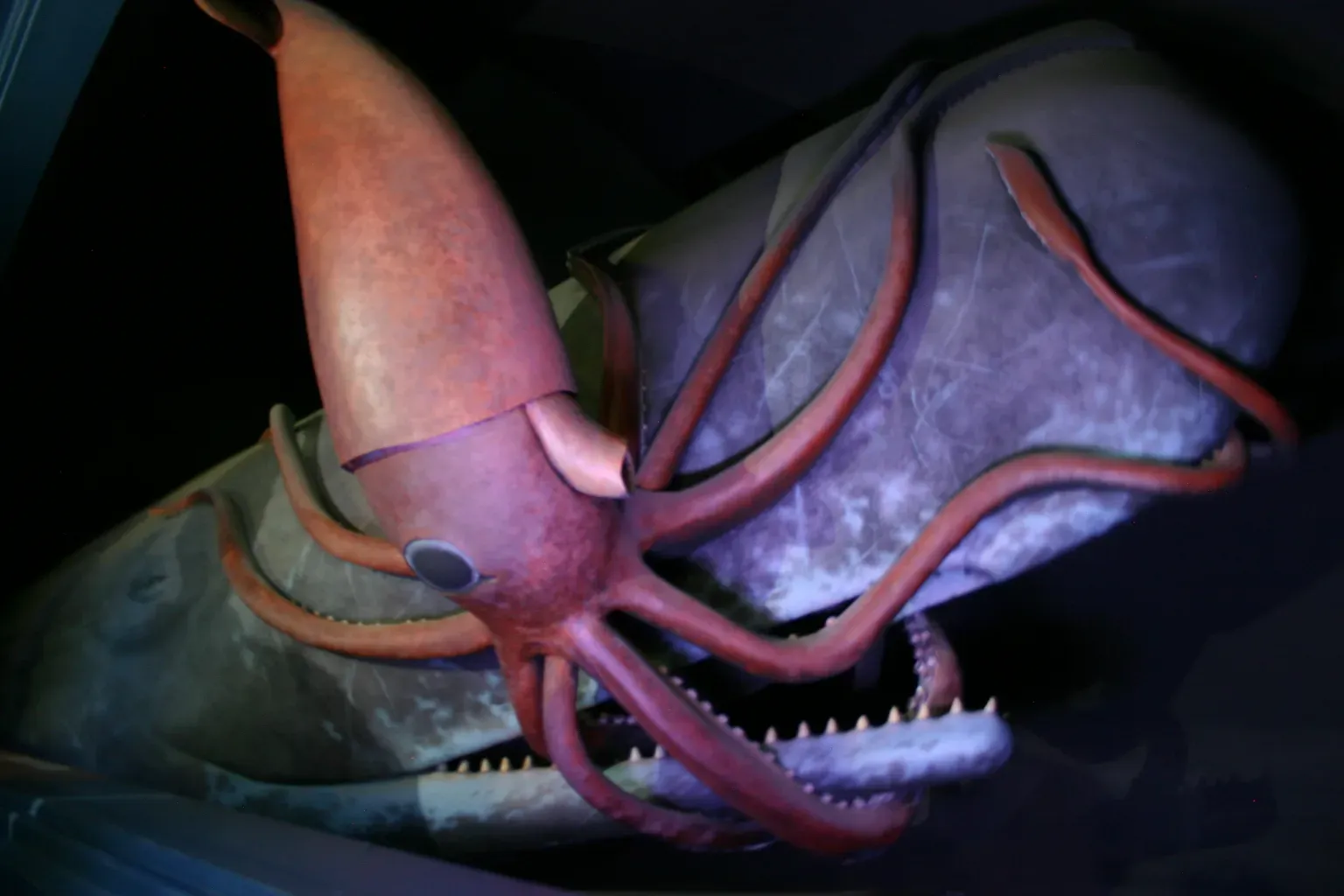
For centuries, sailors whispered about tentacled monsters rising from the deep to drag entire ships beneath the waves. Most dismissed these as myths born from fear and imagination. The Giant Squid is one of the largest invertebrates on Earth, growing up to 43 feet long, and it remained unseen until the first live footage was captured in 2004 off Japan’s coast.
Its enormous eyes, the size of dinner plates, are perfectly adapted to the blackness of the deep, detecting even the faintest glimmer of movement, and with eight arms and two long tentacles lined with serrated suckers, the giant squid is a master predator, capable of ensnaring prey with terrifying precision. Despite its power and size, it remains elusive, a ghost drifting silently through the abyss. We’ve explored more of the moon’s surface than the ocean depths where this creature hunts.
The Barreleye Fish: A Transparent Head Full of Surprises
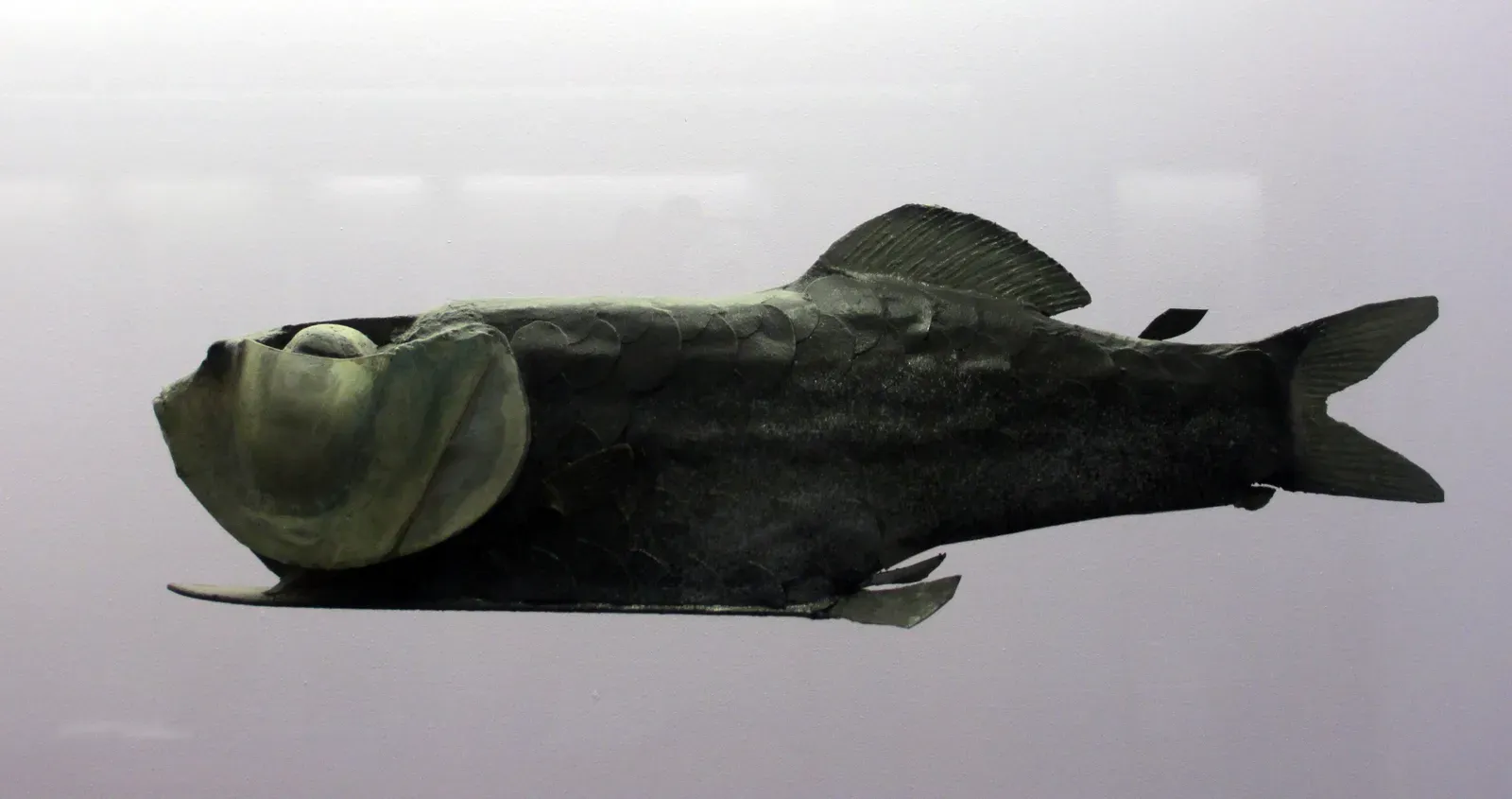
The barreleye fish, also known as Macropinna microstoma, is a fascinating and unusual deep-sea fish known for its unique, transparent head, found in the deep, dark waters of the Pacific Ocean. Imagine a fish where you can literally see its brain and eyes encased in a fluid-filled dome.
One of the most striking features of the barreleye fish is its tubular eyes, which are encased in a transparent, fluid-filled dome on top of its head, allowing the fish to see in multiple directions, often upward to spot prey silhouetted against faint light from above, and forward when needed, with tubular eyes highly sensitive to light, helping it detect prey in the near-total darkness of the deep sea. Two indentations at the front of its head, which look like they should be eyes, are actually the fish’s olfactory sensors, while its eyes are bright green and barrel-shaped and point straight up. This bizarre adaptation is evolution at its most creative.
The Gulper Eel: All Mouth and Whip-Like Tail
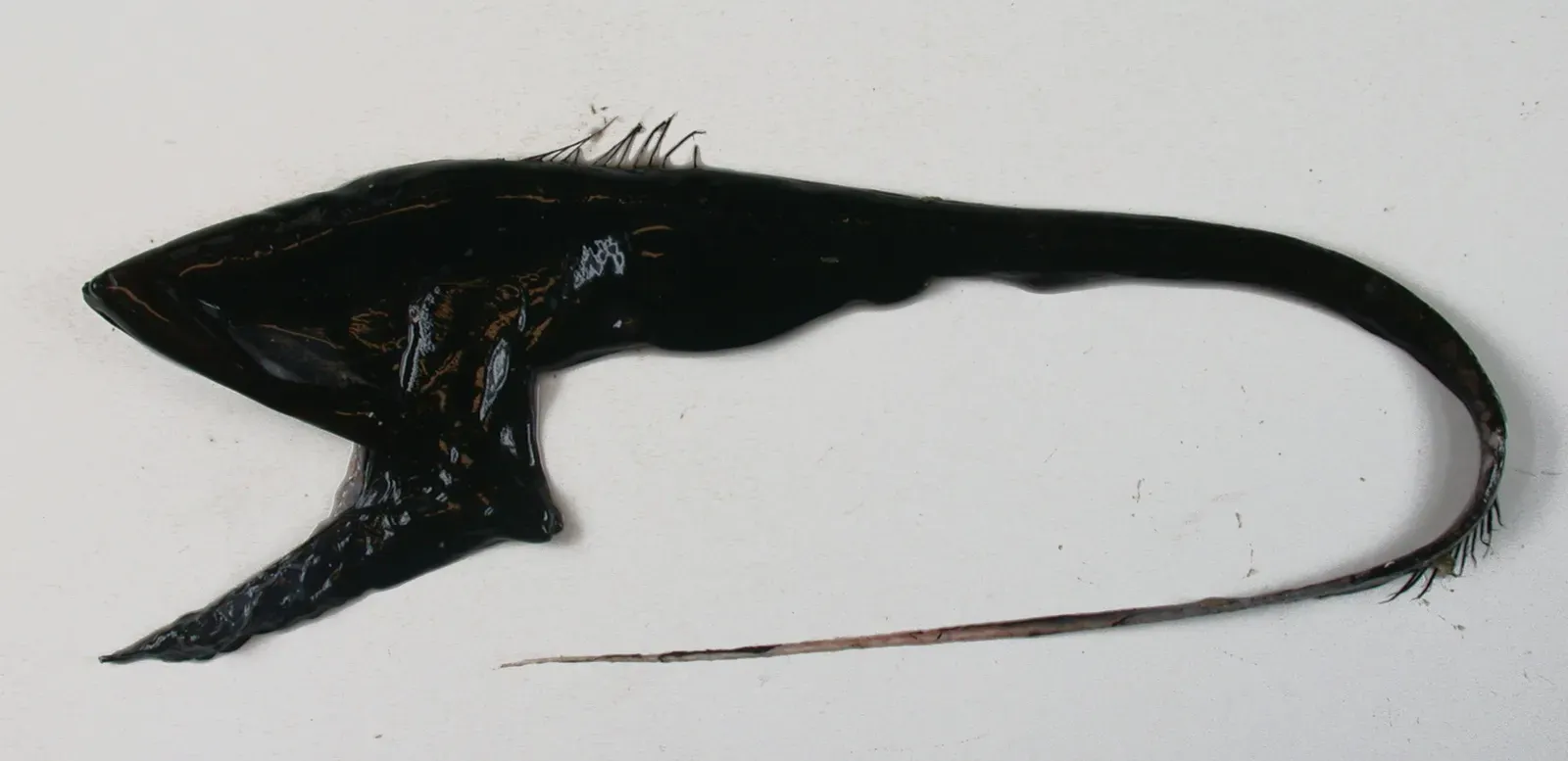
The gulper eel, known scientifically as Eurypharynx pelecanoides, is one of the most bizarre looking creatures in the deep sea, with its most notable attribute being the large mouth that is much larger than the eel’s body. Honestly, when you first see footage of this creature, it’s hard to process what you’re looking at.
The mouth is loosely hinged, and can be opened wide enough to swallow an animal much larger than itself, and the hapless fish is then deposited into a pouch-like lower jaw, which resembles that of a pelican. The end of the tail is tipped with a light-producing organ known as a photophore, and through a process known as bioluminescence, the photophore glows pink and can give off occasional red flashes, as the eel uses this light as a fishing lure to attract fish and other creatures close to its enormous mouth. It’s like nature designed a living fishing net.
The Giant Isopod: An Armored Tank on the Seafloor
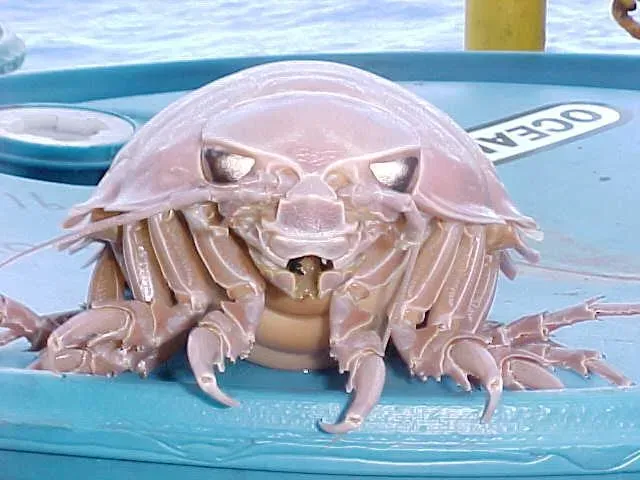
Looking like it just crawled out of a bad science fiction movie, the giant isopod is without a doubt one of the strangest creatures found in the deep sea, known scientifically as Bathynomus giganteus, and it is also the largest known members of the isopod family, a group of crustaceans closely related to shrimps and crabs, and the giant isopod is also related to the small pillbugs that you can find in the garden.
The giant isopod can grow to a length of over 16 inches, and like its terrestrial cousin, the pillbug, the giant isopod’s body is protected by a hard shell that is divided into segments, allowing it to be strong and flexible at the same time, and when threatened, this animal can roll itself into a ball to protect its vulnerable underside. As food is scarce in the deep-ocean biome, giant isopods must take advantage of whatever food they have available, and they are adapted to long periods of famine and have been known to survive over 5 years without food in captivity. Five years without eating? That’s survival taken to another level entirely.
The Frilled Shark: A Living Fossil with 300 Teeth
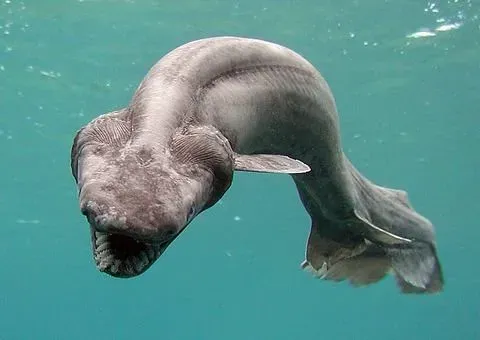
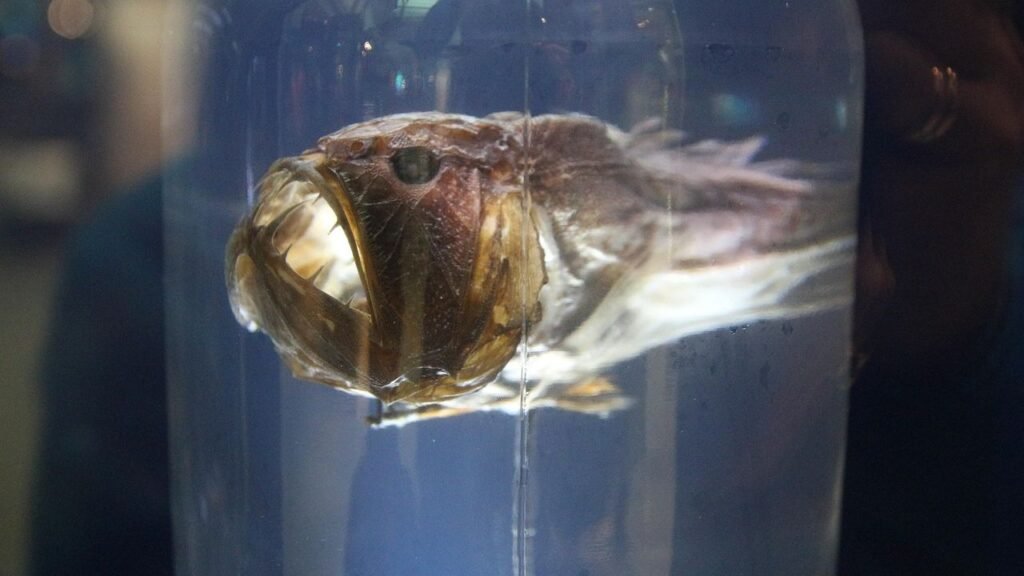
When the Frilled Shark was first discovered, scientists thought it was a sea serpent, and with its eel-like body and prehistoric features, it’s easy to see why, as this ancient predator dates back 80 million years and looks like it swam straight out of the fossil record. This creature is evolution’s way of saying, “If it ain’t broke, don’t fix it.”
Its six pairs of frilled gills give it its name and a haunting beauty, and the frilled shark hunts by lunging forward and swallowing prey whole, using over 300 backward-facing teeth arranged in rows, capable of striking with incredible speed despite its sluggish appearance, capturing fish and squid that drift too close. Looking at this shark is like peering through a window into the ancient past, a reminder that some designs are simply timeless.
The Goblin Shark: A Prehistoric Nightmare
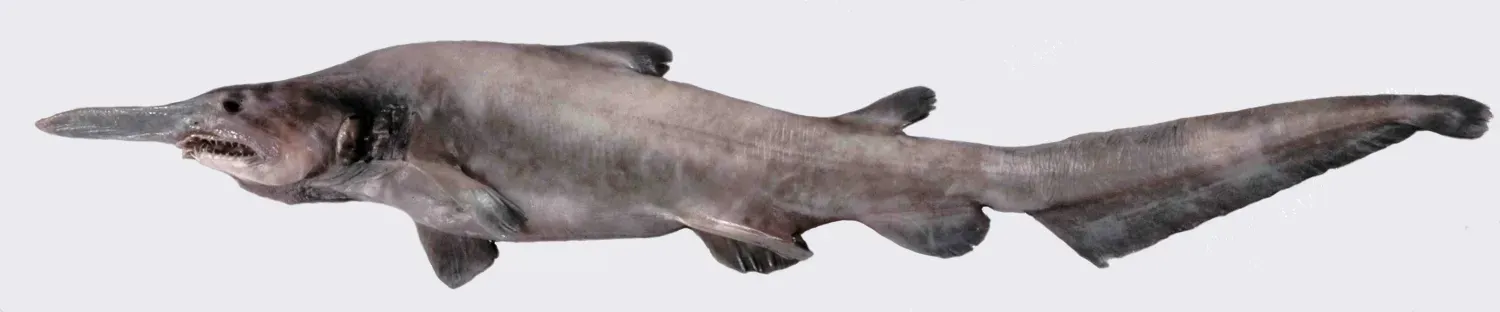
Goblin sharks are rare and can be identified by the shape of their snouts which are long and flattened, and the goblin shark commands attention and they have 50 teeth in their mouths. This shark looks like something that shouldn’t exist outside of horror films or paleontology textbooks.
The goblin shark looks very prehistoric, and this shark can be found deep in the ocean with its extremely long nose, small eyes and jagged teeth, and this rare species normally has a pinkish or purplish gray color. What makes the goblin shark particularly unsettling is its ability to extend its jaws forward when attacking prey, shooting them out like a hidden mechanism. It’s a reminder that the deep sea doesn’t play by the rules we’re used to up here on the surface.
Conclusion: The Ocean’s Hidden Universe
We often look to space for mystery, but the ocean is our planet’s true final frontier, as more than eighty percent of it remains unmapped, unobserved, and unexplored, and every new expedition reveals species we never dreamed existed. These nine creatures represent just a tiny fraction of what lurks in the crushing darkness below.
Each one has adapted in remarkable ways to survive in an environment that would kill most living things instantly. They’ve evolved bioluminescence, transparent heads, expandable stomachs, and the ability to survive years without food. The deep sea is a masterclass in evolution’s creativity, a place where life refuses to give up, no matter how extreme the conditions. What other wonders are waiting down there, hidden in the unexplored trenches and canyons? What do you think we’ll discover next?