
The deepest parts of the ocean used to be treated like a blue void on the map: cold, distant, and mostly ignored, a place where human curiosity simply ran out of light. That blank space is now being filled in at an astonishing pace, as new technologies pull back the curtain on an ecosystem more alien than many exoplanet fantasies. In the past few years alone, scientists have discovered hidden mountain ranges, vast coral gardens, ghostly animals, and even potential clues to how life began on Earth. At the same time, mining companies, climate change, and plastic pollution are creeping into these same depths. The race is on: can we understand and protect this world before we irrevocably change it?
The Hidden Clues Beneath the Last Blue Frontier
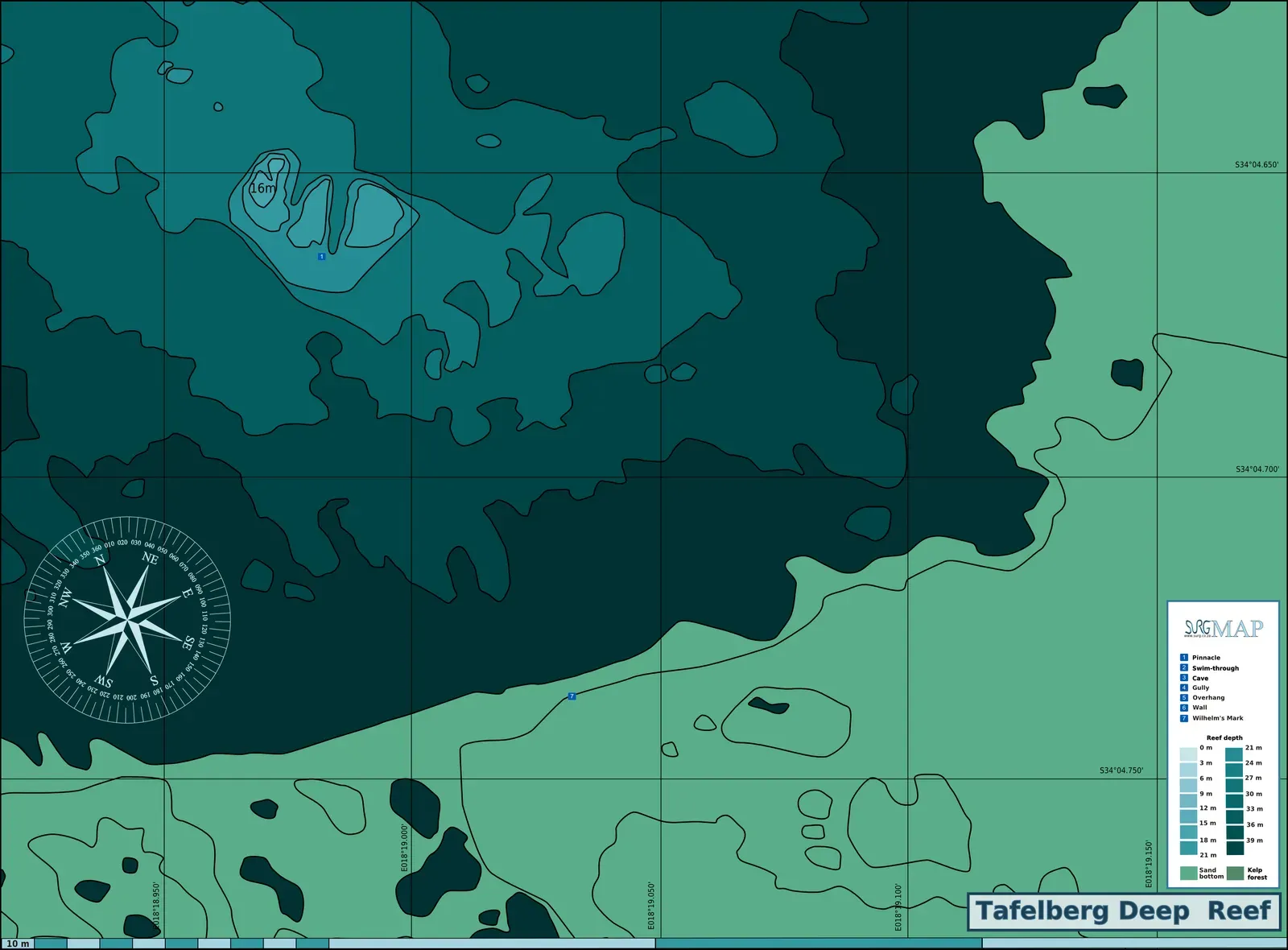
One of the most surprising truths about the deep ocean is just how much of it we still have not seen; by some estimates, the vast majority of the seafloor remains unmapped in high resolution. That means every new expedition has the potential to feel like a first landing on a new planet, complete with strange landscapes and stranger life. Recently, high‑definition mapping has revealed sprawling seamount chains, steep canyons, and even ancient river channels carved when sea levels were far lower. These features are not just pretty terrain; they shape deep currents, concentrate nutrients, and create hotspots where life gathers in the otherwise sparse abyss. When researchers stumble upon a dense community of sponges or brittle stars perched on a newly mapped ridge, it is like discovering a hidden city in the dark.
These geological clues are turning out to be forensic tools for reconstructing Earth’s past. Layers of sediment, undisturbed for thousands of years, lock away stories about ancient climates, volcanic eruptions, and even shifts in the planet’s magnetic field. Scientists now drill into these layers and use chemical fingerprints to infer past ocean temperatures and circulation patterns. That knowledge feeds directly into today’s climate models, helping to predict how the ocean will respond as greenhouse gases climb. The deep ocean, in other words, is not just a mysterious backdrop; it is an archive, and we are only beginning to learn how to read it.
From Ancient Tools to Modern Science: How We Finally Got Down There
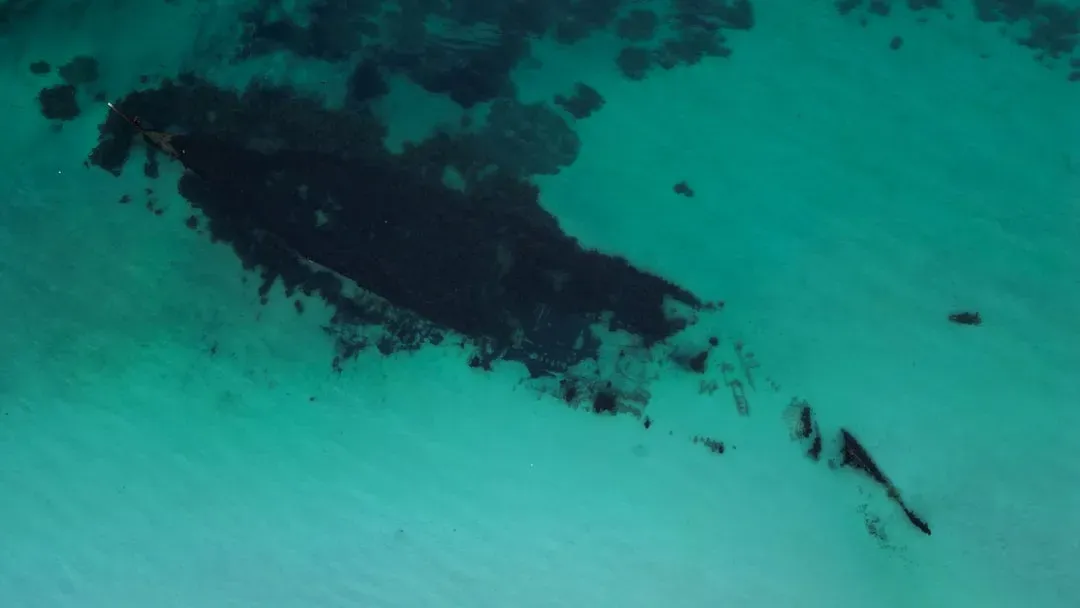
For most of human history, deep‑sea exploration was limited to lowering weighted lines and guessing what lay below when they came back up wet. Even the early bathyspheres of the twentieth century were essentially glorified steel balls with tiny windows, brave but blunt instruments smashed against enormous pressure. What has changed the game is the combination of robust materials, advanced sensors, and stunningly capable robotics. Modern submersibles and remotely operated vehicles (ROVs) now descend several miles into the ocean, carrying cameras, robotic arms, chemical sniffers, and even DNA samplers. They can hover over a fragile coral, pluck a sample the size of a fingernail, and leave the rest of the ecosystem untouched.
Autonomous underwater vehicles (AUVs) take this even further by roaming the abyss without a tether, pre‑programmed to trace patterns across the seafloor or follow promising chemical trails. They map terrain with multibeam sonar, measure water chemistry in three dimensions, and send back compressed data packets when they resurface. Some of the most exciting recent discoveries, like hidden cold seeps and previously unknown vent fields, have come from this kind of robotic scouting, followed by targeted visits from crewed or remotely controlled craft. It is a striking shift from the era when a single dive might yield only a few fuzzy photographs. Now, each mission can return with terabytes of imagery and data, enough to keep research teams busy for years.
Alien Worlds on Our Own Planet: Life at the Extremes
If you picture the deep ocean as a lifeless desert, the reality now emerging feels almost shocking. At hydrothermal vents, where superheated, mineral‑rich water gushes from the crust, entire ecosystems thrive without any sunlight at all. Instead of using photosynthesis, microbes there tap chemical energy from sulfur and methane, and larger animals feed on or partner with those microbes. Giant tubeworms, ghostly white crabs, and eyeless shrimp cluster around these chimneys like crowds around a city market. Similar, but colder, communities have been found at methane seeps, where gas quietly bubbles up through the seafloor, feeding dense mats of bacteria and soft‑bodied animals.
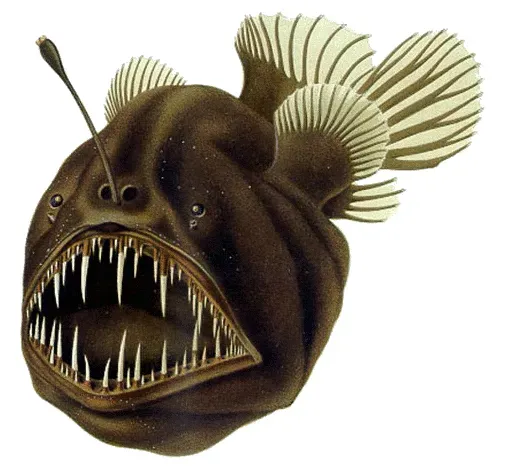
And then there are the animals drifting through the water column, some of which look like they were designed by a science‑fiction illustrator having a strange dream. Researchers have described new species of gelatinous comb jellies, transparent octopuses, and fish with heads so translucent you can see their eyes from the inside. Many of these creatures use bioluminescence, converting chemical energy into light to lure prey, confuse predators, or signal to mates. At certain depths, nearly every organism glows in some way, turning the darkness into a silent, flickering conversation. In recent years, scientists have also started scanning seawater for environmental DNA, essentially reading the genetic breadcrumbs organisms leave behind. Those studies suggest that the catalog of deep‑sea life we know today is only a small fraction of what actually exists.
Hidden Highways and Climate Engines: The Deep Sea’s Secret Work
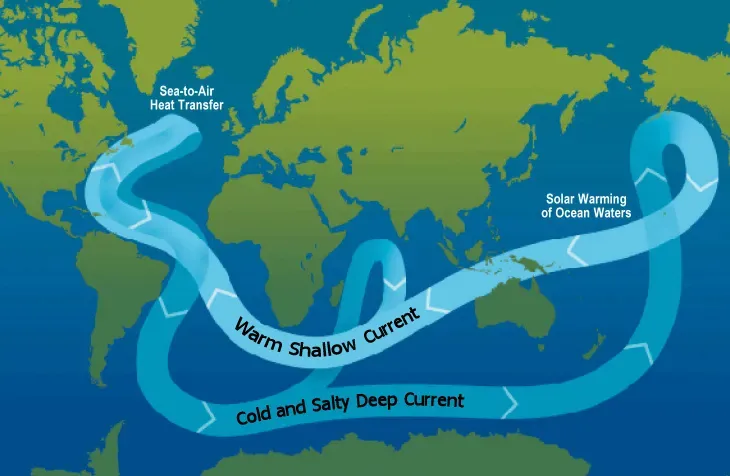
Beyond its role as a biological wonderland, the deep ocean is an engine quietly stabilizing the planet’s climate. Cold, dense water sinks in polar regions and then creeps along the abyssal plains like a slow‑moving river, taking centuries to circle the globe. As it flows, it absorbs and stores enormous amounts of heat and carbon dioxide, acting as a buffer that keeps surface warming in check. Many climate scientists now think that changes in this deep circulation have played a role in major climate swings over Earth’s history. When data from deep‑sea sensors show even subtle shifts in temperature or current strength, modelers pay close attention.
Recent work has also revealed towering plumes of organic particles, sometimes called marine snow, cascading from the surface into the abyss. These snowfalls feed deep‑sea communities but also lock carbon away for long timescales, helping to slow the buildup of greenhouse gases in the atmosphere. New instruments are tracking how quickly that material sinks, how much is eaten on the way down, and how much reaches the seafloor. Meanwhile, long‑term observatories on the bottom are starting to provide continuous records instead of scattered snapshots. Piece by piece, scientists are assembling a global picture of how the deep ocean breathes, and how that breathing might change as the planet warms.
Why It Matters: The High Stakes of an Invisible World
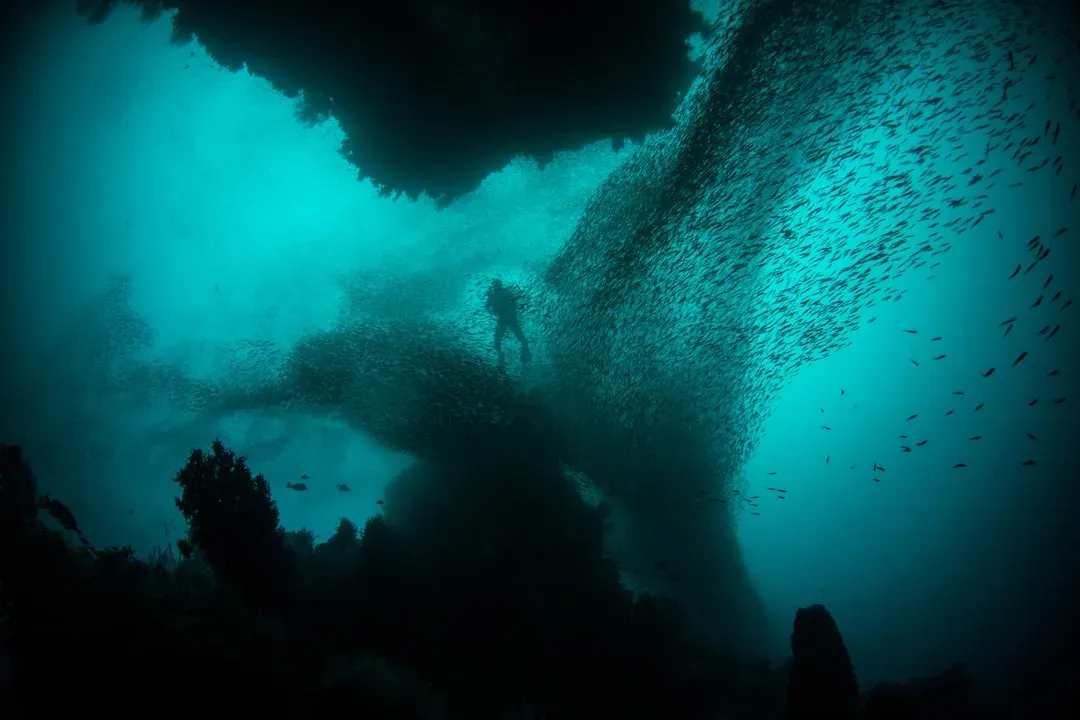
It is easy, sitting on land, to treat the deep ocean as out of sight and out of mind, but the consequences of what happens there reach directly into daily life. The abyssal plains and seamounts are home to mineral‑rich nodules and crusts that have drawn intense interest from companies eager to mine metals for batteries and electronics. Proposals to scrape these nodules from the seafloor have triggered fierce debates among scientists, governments, and environmental groups. Many researchers argue that we simply do not know enough about deep‑sea ecosystems to predict how they would respond to industrial disturbance. Recovery in these slow‑growing communities could take centuries, if it happens at all.
There is also a moral dimension here that goes beyond economics. Deep‑sea corals can be older than many human civilizations, and some vent communities may host unique genes and compounds with potential medical or industrial uses. We risk erasing them before we even know they exist. At the same time, the deep ocean’s role in regulating climate means that disrupting its processes could feed back into weather extremes, sea‑level rise, and food security on land. Compared with traditional scientific focus on forests, rivers, or the atmosphere, the deep sea has been an afterthought. That imbalance is slowly shifting, but the decisions made in the next decade will determine whether exploration leads to stewardship or exploitation.
Voices From the Abyss: How New Tech Is Letting Us Listen In
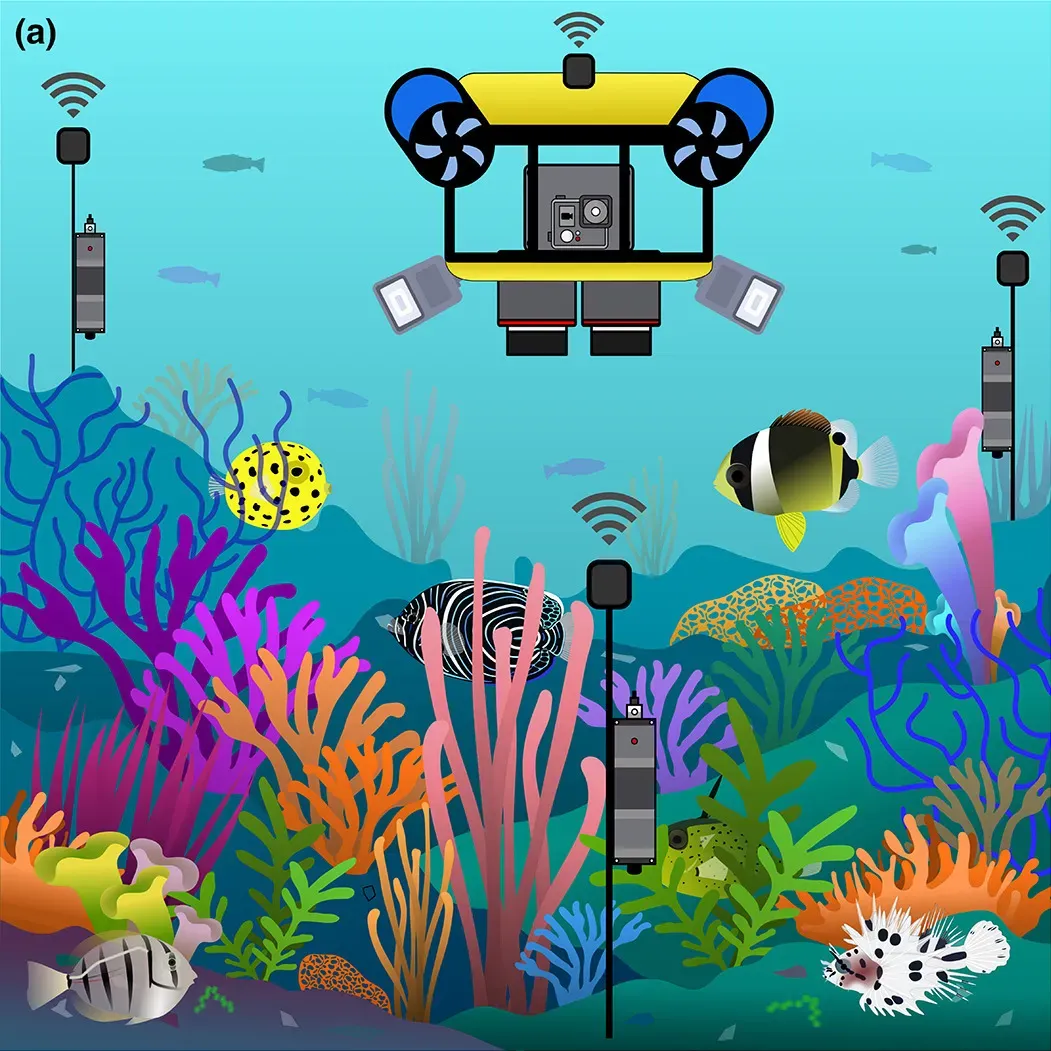
One of the biggest leaps in recent deep‑sea science has been the ability not just to see but to listen to what is happening down there. Networks of hydrophones are now recording the soundscape of the abyss: the calls of whales diving to extreme depths, the crackle of shifting ice, the distant rumble of undersea earthquakes, even the low hum of passing ships. By analyzing these sound patterns, researchers can trace migration routes, detect previously unknown animal behaviors, and monitor human noise creeping deeper into the ocean. In some regions, long‑term records show that the acoustic footprint of shipping has grown steadily, potentially interfering with species that rely on sound to navigate and communicate.
Alongside audio surveillance, scientists are installing seafloor observatories bristling with instruments that can operate for years with minimal maintenance. These stations measure temperature, chemistry, currents, and even tiny changes in pressure that signal tsunamis or submarine landslides. In effect, we are wiring up the deep ocean with a network of sensors, something like turning on the first streetlights in a dark city. That constant stream of data challenges old assumptions drawn from short expeditions and scattered sampling. Sudden bursts of methane, for instance, have been recorded where scientists once assumed conditions were stable, raising new questions about greenhouse gas fluxes from the seafloor.
The Future Landscape: Robots, DNA, and a Race Against Time
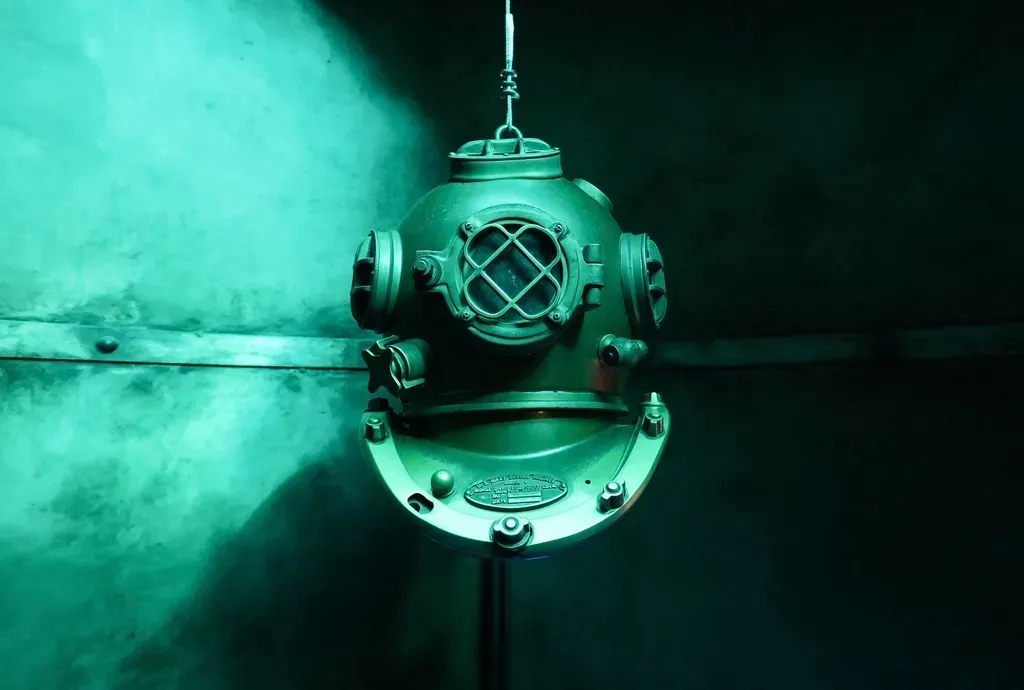
Looking ahead, the tools for exploring the deep are about to get even more nimble and more numerous. Engineers are developing fleets of smaller, cheaper AUVs that can swarm through the water column, sharing information and adjusting their missions on the fly. Machine‑learning algorithms will sift through the flood of images and sensor readings, automatically flagging unusual patterns or never‑before‑seen creatures. At the same time, advances in genetic sequencing are making it routine to capture a few liters of seawater and recover the DNA signatures of dozens or hundreds of species. Combining that environmental DNA with visual observations will allow scientists to track changes in deep‑sea biodiversity much more quickly than in the past.
Yet there is a tension at the heart of this future: the same technologies that make exploration easier also make exploitation more tempting. Deep‑sea mining tests are likely to increase, and nations are still arguing over the rules that should govern these activities in international waters. Climate change will continue to warm and acidify the ocean, potentially pushing some species beyond their limits. Upcoming decades will determine whether we use our growing knowledge to build strict protections, or whether we treat the abyss as a new frontier to be consumed. In that sense, the future landscape is not just about new gadgets; it is about whether curiosity and caution can outrun short‑term profit.
How You Can Help: Turning Wonder Into Action
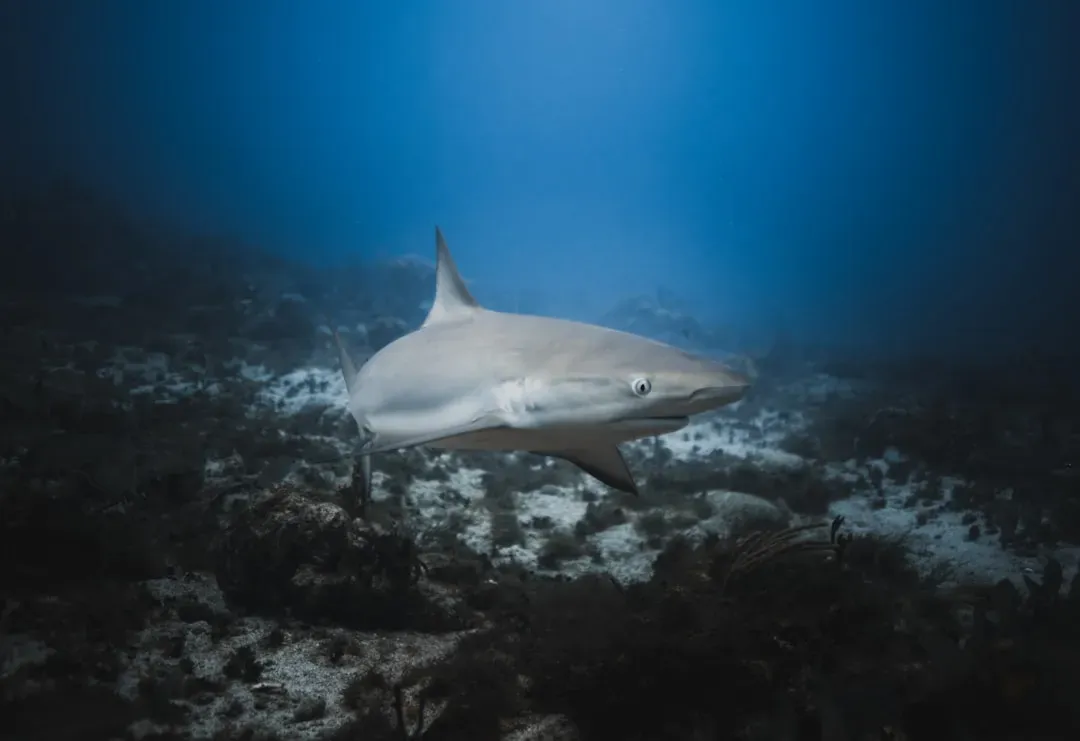
It might feel like the deep ocean is too distant for individual choices to matter, but there are surprisingly direct ways to get involved. Supporting organizations that fund or conduct ocean research helps ensure that exploration is driven by science rather than by extraction alone. Paying attention to discussions about deep‑sea mining and adding your voice in public consultations or to elected officials can influence how strict future regulations will be. Reducing plastic use, supporting sustainable seafood, and backing climate policies all cut down on the pressures that eventually reach the abyss. Every bit of reduced pollution and slower warming buys more time for scientists to understand and protect these fragile systems.
On a more personal level, simply nurturing your own curiosity has value. Watching live‑streamed deep‑sea dives, reading expedition logs, or sharing new discoveries with friends and family keeps the abyss from slipping back into obscurity. When people feel a sense of connection to a place, even one they will never visit, they are more likely to defend it. The deep ocean may be dark, but it does not have to remain invisible. The more we allow its strange beauty and silent labor to shape our imagination, the better chance we have of treating it as a living part of our world rather than a distant dump or mine.
Suhail Ahmed is a passionate digital professional and nature enthusiast with over 8 years of experience in content strategy, SEO, web development, and digital operations. Alongside his freelance journey, Suhail actively contributes to nature and wildlife platforms like Discover Wildlife, where he channels his curiosity for the planet into engaging, educational storytelling.
With a strong background in managing digital ecosystems — from ecommerce stores and WordPress websites to social media and automation — Suhail merges technical precision with creative insight. His content reflects a rare balance: SEO-friendly yet deeply human, data-informed yet emotionally resonant.
Driven by a love for discovery and storytelling, Suhail believes in using digital platforms to amplify causes that matter — especially those protecting Earth’s biodiversity and inspiring sustainable living. Whether he’s managing online projects or crafting wildlife content, his goal remains the same: to inform, inspire, and leave a positive digital footprint.