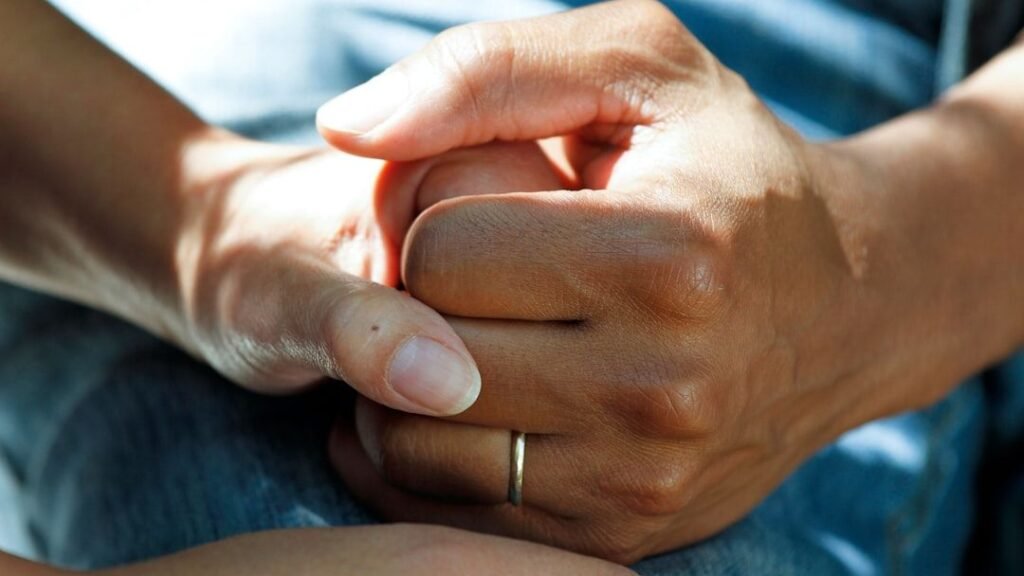

Cancer does not just attack the body; it quietly rewires the mind. People often talk about courage, hope, and “staying positive,” but far less is said about the darker psychological shifts that happen in the background. Fear, anger, numbness, and a strange kind of emotional hardening can creep in, even in the most open-hearted people.
Yet within that darkness, something complicated and powerful can emerge: emotional depth turning into emotional armor. The same sensitivity that once made someone vulnerable can become their shield. It’s not always pretty. It’s rarely gentle. But it is very real – and understanding it can make the whole experience a little less isolating, for patients and for those who care about them.
The Shock to the Psyche: When the World Suddenly Feels Unsafe

The moment someone hears the words that confirm a cancer diagnosis, reality usually splits in two: life before, and life after. Many describe this phase like watching their own life from outside their body, as if the mind steps back to protect itself from the shock. The ordinary world – work emails, grocery lists, weekend plans – suddenly feels flimsy and fake compared to the weight of survival decisions. Even people who once felt grounded and stable can find their sense of safety ripped apart in seconds.
In that first wave, dark psychology is more about raw survival instinct than evil or malice. The brain goes into threat mode, scanning for danger, replaying conversations, hunting for what was missed. Hypervigilance, disrupted sleep, and spiraling worries are common, and they’re not a sign of weakness – they’re the nervous system trying to understand how something this big managed to slip into a life that seemed, until yesterday, “fine.” The world has not actually changed overnight, but for the person with cancer, it no longer feels like a safe place to stand.
Fear, Anger, and the Hidden Aggression of Survival

Fear in cancer is not just about dying; it’s about losing control, dignity, identity, and future plans. That fear can sit quietly under the surface, or it can morph into white-hot anger aimed at almost anything: doctors, loved ones, healthy people complaining about minor problems, even the patient’s own body. This anger can feel shameful, but psychologically, it’s often the mind’s attempt to move from helplessness into some form of power. You can’t control a tumor, but you can snap at someone who says the wrong thing – that burst of control can feel like oxygen, even if it hurts relationships.
There’s also a more subtle, hidden aggression that shows up as emotional withdrawal or pushing others away. Some people start setting brutally firm boundaries, cutting off drama, and refusing to entertain trivial complaints. On the outside, it can look cold. On the inside, it can feel necessary, like boarding up windows before a storm hits. This is survival mode, and while it can damage closeness, it can also be the start of emotional armor that lets someone endure treatments, pain, and constant uncertainty without shattering.
Emotional Numbing: When Depth Turns into Protective Distance
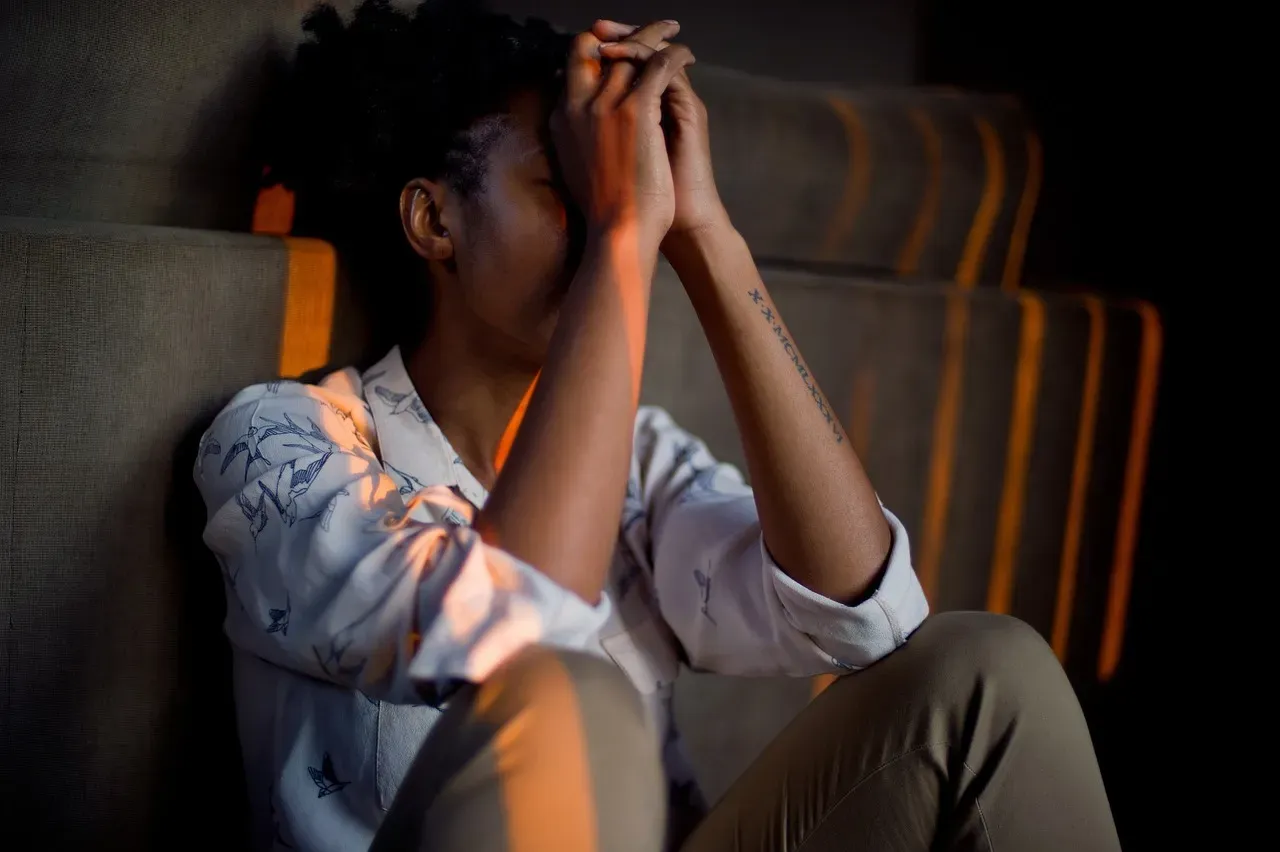
One of the strangest and most unsettling shifts is emotional numbing. People who used to cry at movies or feel everything intensely sometimes find themselves weirdly flat or detached. It’s not that they suddenly “don’t care”; it’s that caring feels too dangerous when tomorrow’s scan result could change everything again. So the mind does something primal: it dials down the volume. This numbing can feel like losing yourself, like someone quietly replaced you with a tougher, duller version of you.
But that same numbing can serve as armor in hospital rooms, during invasive procedures, or when hearing statistics no human heart should have to carry. Being able to listen, nod, and function without collapsing is, in its own way, a form of strength. The dark side is that numbness doesn’t always turn off on command. It can stick around after treatment, getting in the way of joy, intimacy, and connection. What once protected becomes a barrier, and relearning how to feel without being overwhelmed can take as much courage as the treatments themselves.
Hyper-Control, Research Rabbit Holes, and the Illusion of Certainty
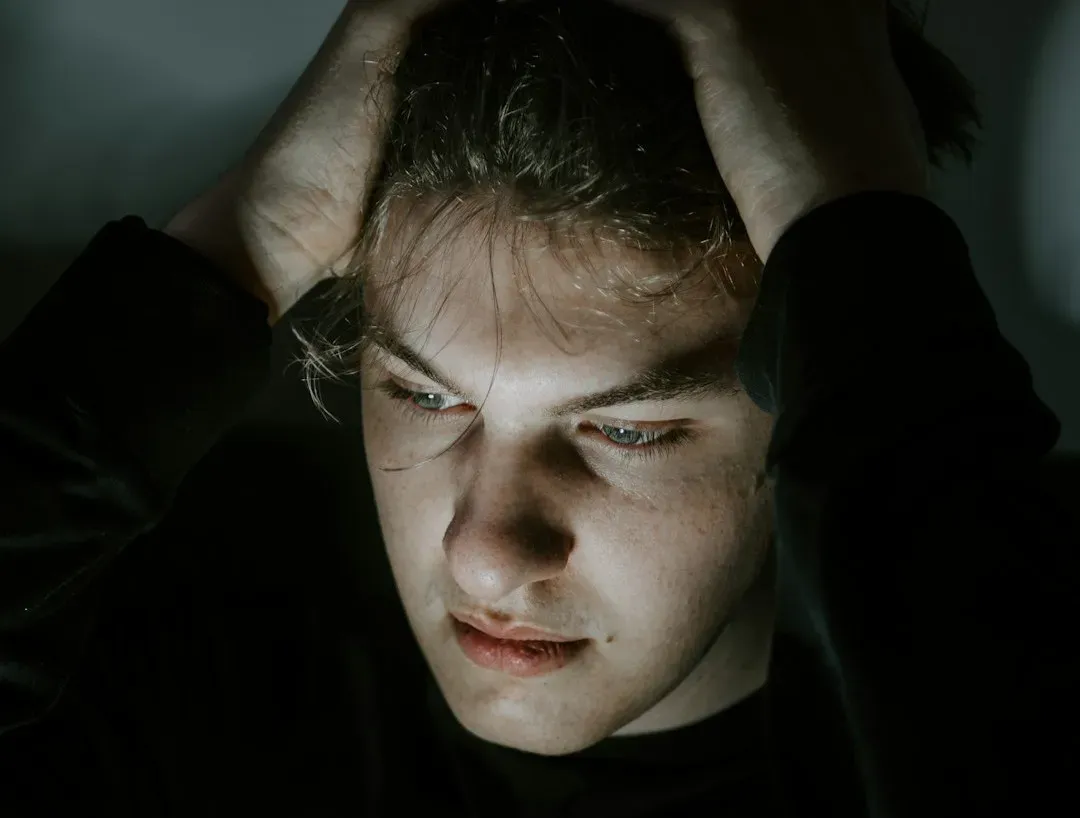
Cancer introduces chaos, and many people respond by grabbing whatever scraps of control they can find. That often looks like obsessive research, second and third opinions, syncing appointments to the minute, tracking every symptom, and analyzing every number on lab results. Part of this is rational and even helpful – being informed can genuinely improve decisions. But there’s a tipping point where the search for information becomes an attempt to negotiate with fate, as if knowing enough could guarantee an outcome.
This hyper-control can feel empowering but also exhausting. Nights spent scrolling medical forums or reading about rare complications can deepen anxiety instead of easing it. Still, for someone who feels like their body has betrayed them, mastering every detail becomes a form of armor: if I know everything, nothing can surprise me. Of course, life still surprises. The dark irony is that the mind uses control to feel safer in a situation defined by uncertainty – but the deeper truth is that learning to tolerate not knowing may be the bravest psychological shift of all.
Identity Rewritten: From “Person With Feelings” to “Patient on Display”

Before cancer, most people see themselves through a mix of roles: parent, partner, friend, professional, artist, troublemaker, caretaker, whatever fits. After diagnosis, all of that can shrink down to a single label: patient. Suddenly your body becomes a case, a chart, a sequence of images and lab values. Strangers ask you extremely intimate questions with clinical calm. You’re expected to accept invasive procedures and then answer “How are you?” with some digestible, upbeat summary. It can feel like your real self gets pushed to the background.
This pressure can lead to a strange split: the public cancer persona and the private inner world. On the outside, someone might crack jokes, post updates, and reassure everyone they’re “doing okay.” Inside, there may be rage, terror, envy of healthy people, or a sense of being permanently damaged. Over time, some people use emotional depth – honest reflection, dark humor, even a bit of defiance – as armor. They learn to own their story instead of letting the disease define it for them. The cost is that they might look stronger than they feel, and the world can start expecting that strength as if it’s endless.
Relationships Under Pressure: Guarded Hearts and Harsh Boundaries

Cancer puts relationships under a magnifying glass. People you barely knew may step up with astonishing kindness, while others you counted on might quietly fade away because they don’t know how to handle it. That inconsistency hurts, and over time it can make trust feel risky. Some patients start to ration their vulnerability, sharing only with a small inner circle or even with no one at all. Emotional walls go up not because they don’t need support, but because disappointment has become too painful.
On the flip side, some boundaries that emerge are deeply healthy. Tolerating toxic behavior, emotional neglect, or draining drama often feels impossible when you’re fighting for your life. So people cut ties, say no more often, and stop prioritizing other people’s comfort over their own sanity. It can look harsh from the outside, but from the inside it’s survival logic: energy is now a precious currency, and spending it on people who consistently hurt or drain you feels like self-sabotage. That sharper, leaner version of connection is emotional armor in its purest form.
Post-Traumatic Growth: When Armor Softens but Never Fully Comes Off
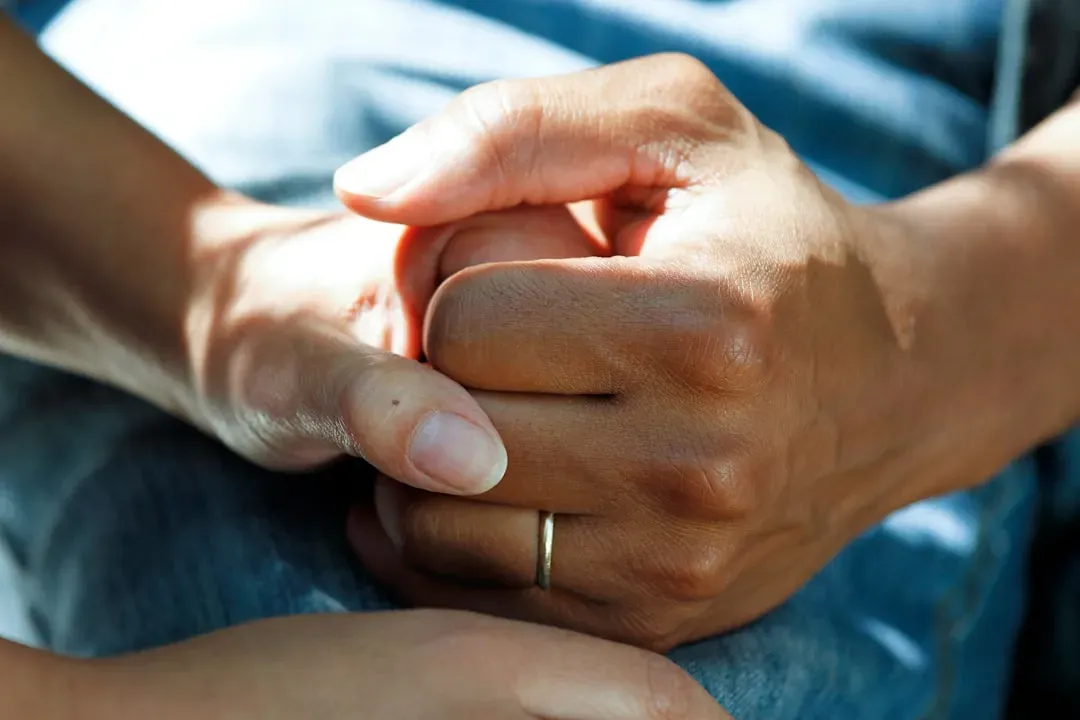
Not everyone comes out of cancer mentally stronger, and it’s important to be honest about that. Anxiety, depression, post-traumatic stress, and ongoing health fears are very real outcomes. But there is also a recognized phenomenon where some people experience post-traumatic growth: deeper appreciation for life, richer relationships, clearer priorities, and a sharper sense of what truly matters. This doesn’t cancel out the suffering; it grows around it, like new roots wrapping around a scarred tree trunk.
In this phase, emotional armor doesn’t necessarily disappear – it transforms. People often keep some guardedness, some boundaries, some refusal to waste time on superficial nonsense. But they may also become more open to genuine connection, more honest in conversations, and more willing to admit fear without feeling weak. Emotional depth, once a raw vulnerability, becomes a kind of seasoned wisdom. The darkness that once felt like a void can start to feel like a deep well – one you don’t fall into so easily anymore, but can draw understanding and empathy from. And that raises a quiet question that lingers long after treatment ends: if you had to rebuild your inner world from scratch, what would you keep, and what would you finally let go?
Living with the Armor You Didn’t Ask For

Cancer forces the mind into territory most people never imagine visiting. Fear, anger, numbness, control, detachment, and fierce boundaries are not signs of someone “failing” at being positive; they’re psychological armor built under extreme pressure. Emotional depth does not vanish in this process – it bends, hardens, and sometimes hides, but it is still there, quietly shaping how someone survives the unthinkable. The dark psychology of cancer is not about villainy; it’s about what the mind is willing to do to keep a person going when nothing feels safe anymore.
Over time, that armor can protect, isolate, clarify, and complicate life all at once. Some pieces will loosen, others will stay welded on, and each person will negotiate that balance in their own messy, human way. If anything, understanding these darker shifts can make it easier to meet yourself – and others in the same storm – with more honesty and less judgment. Underneath all the defenses, there is still a person who didn’t choose this battle, learning day by day how to live with armor they never asked to wear. What parts of your own armor would you recognize if life suddenly demanded everything from you?
Jan loves Wildlife and Animals and is one of the founders of Animals Around The Globe. He holds an MSc in Finance & Economics and is a passionate PADI Open Water Diver. His favorite animals are Mountain Gorillas, Tigers, and Great White Sharks. He lived in South Africa, Germany, the USA, Ireland, Italy, China, and Australia. Before AATG, Jan worked for Google, Axel Springer, BMW and others.