
Deep beneath the ocean’s surface, where sunlight never penetrates and pressure would crush most living things, exists one of nature’s most extraordinary phenomena. A creature so alien yet so remarkable that it challenges everything we thought we knew about brain development and regeneration. This isn’t science fiction – it’s the incredible reality of a marine animal that literally regrows its entire brain every fourteen days.
The Mysterious World of Botryllus schlosseri

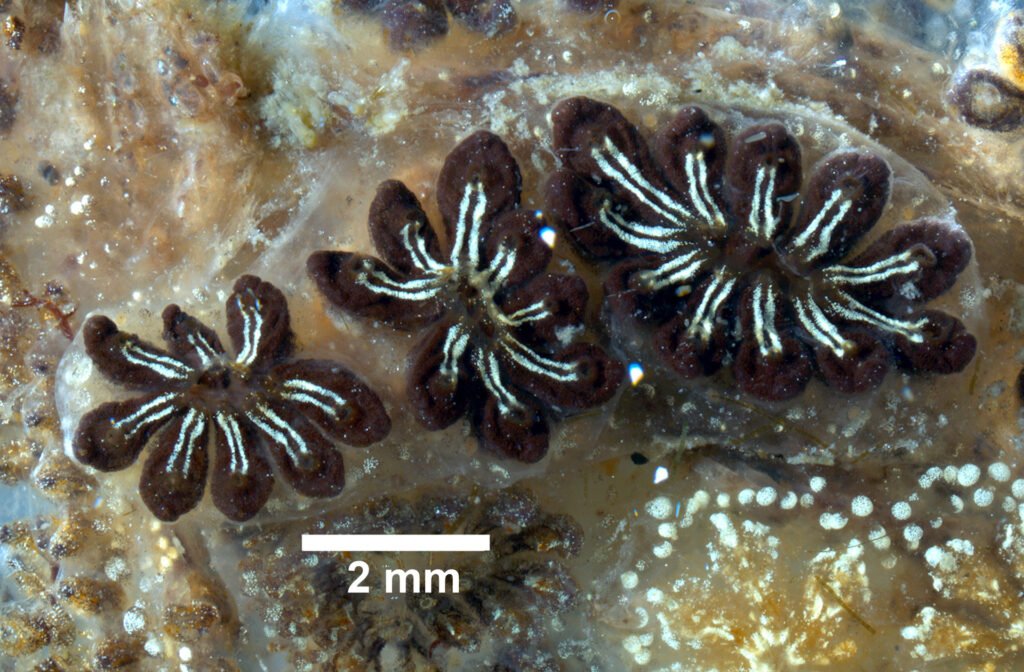
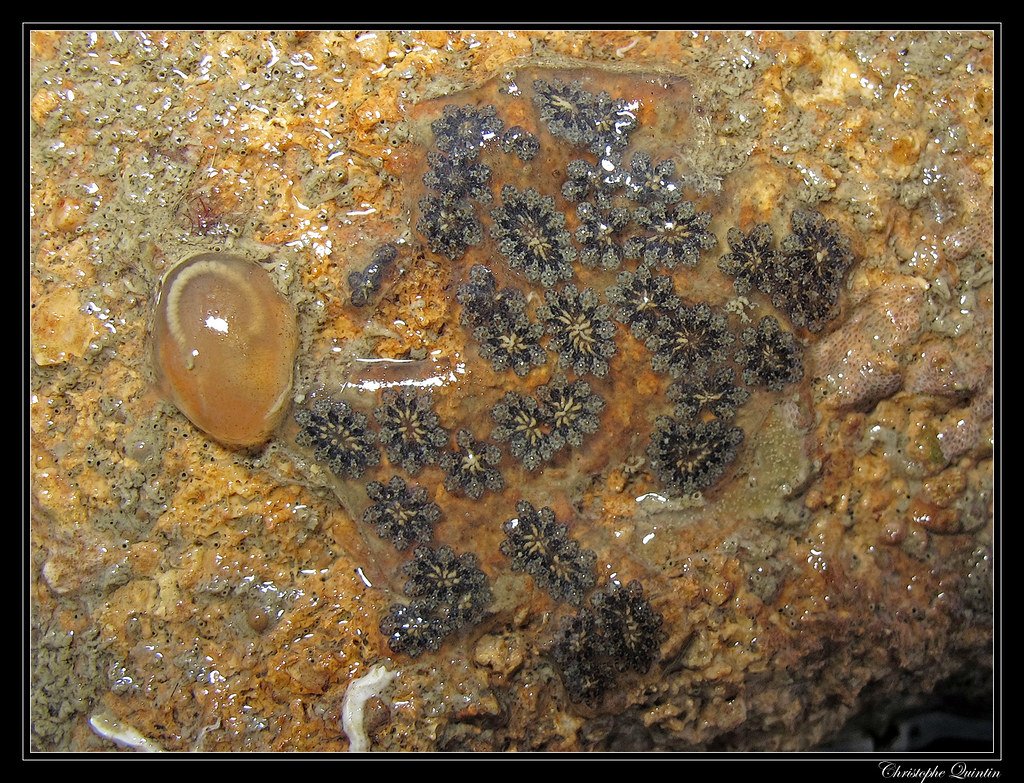
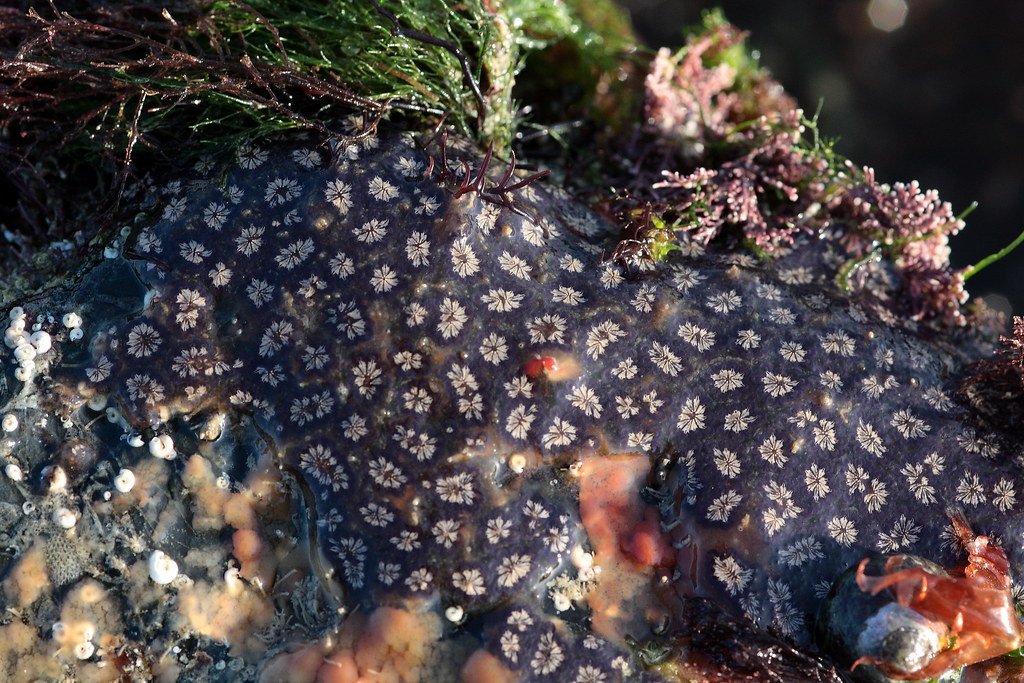
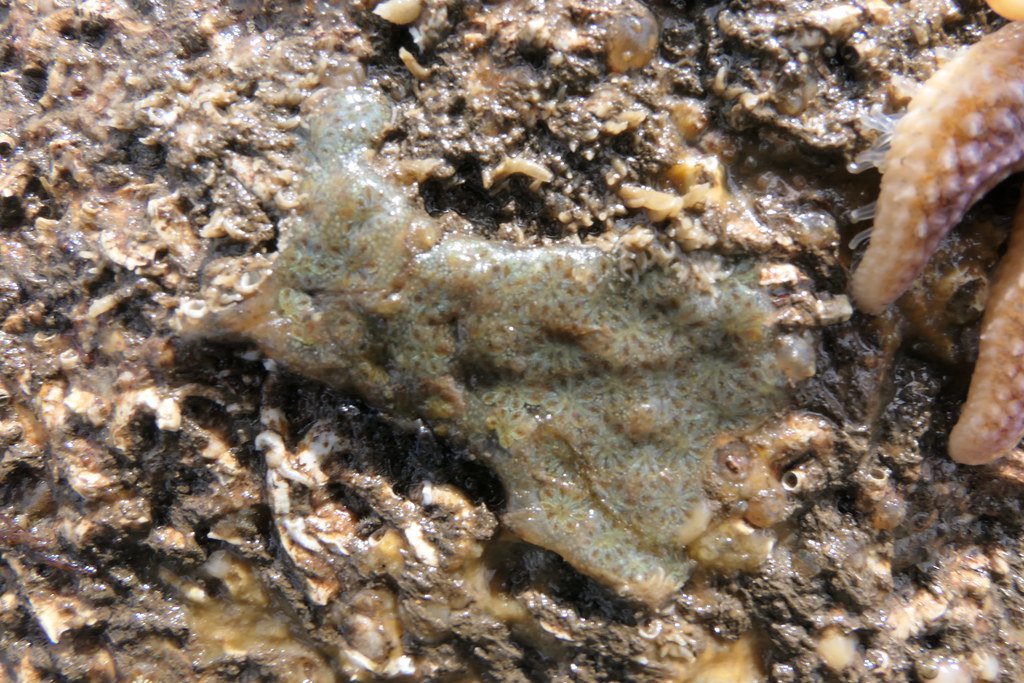
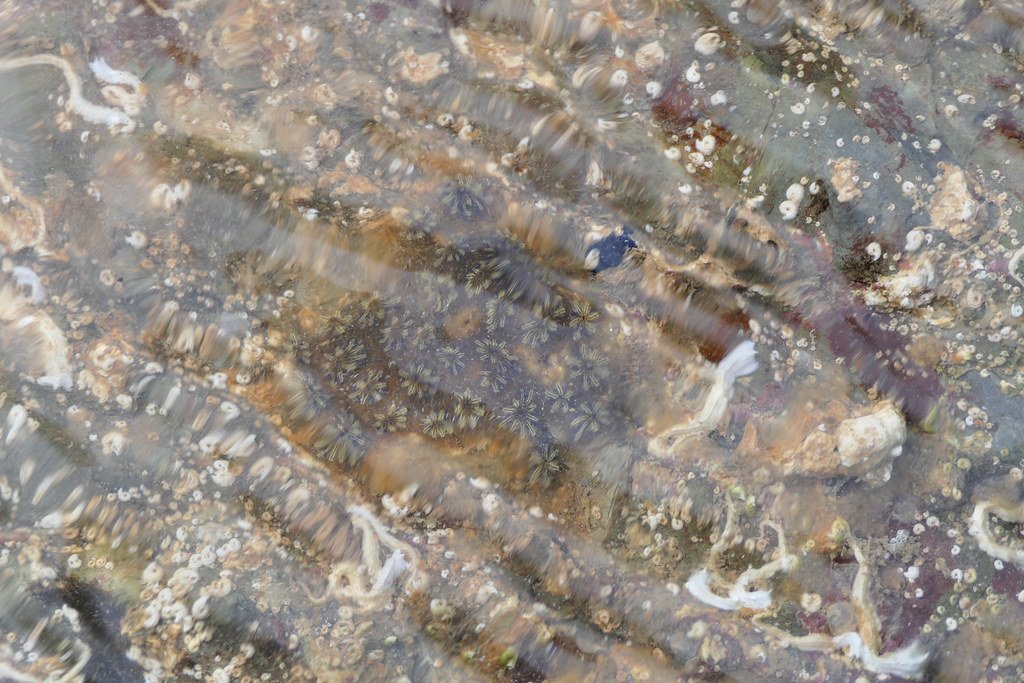
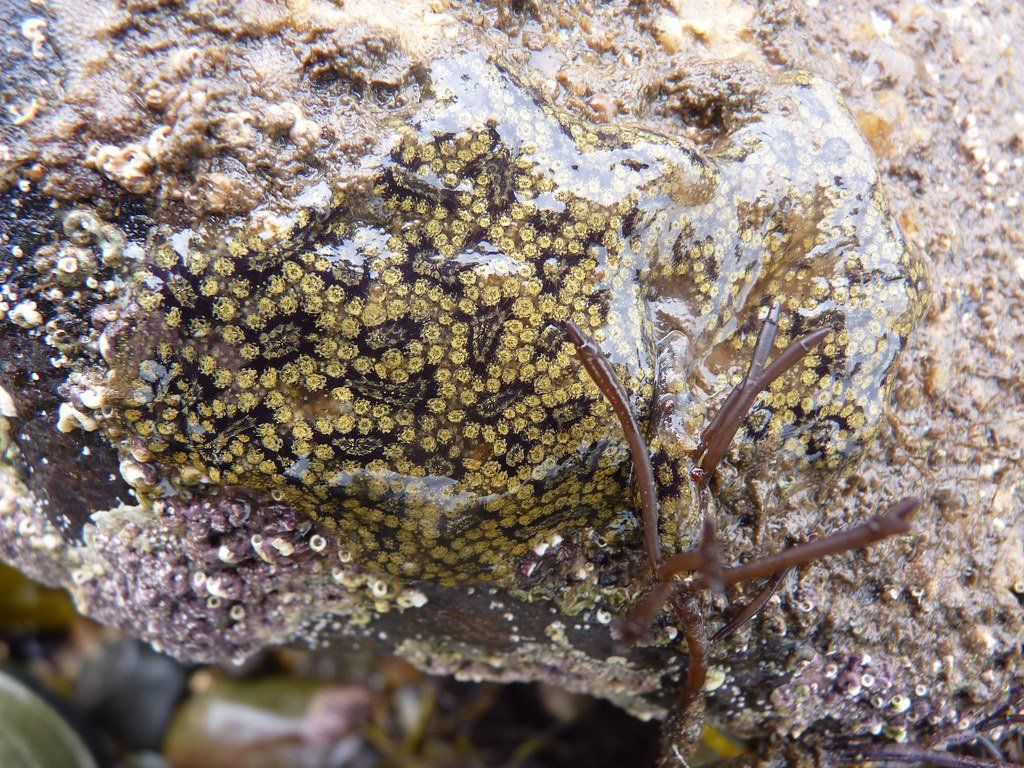
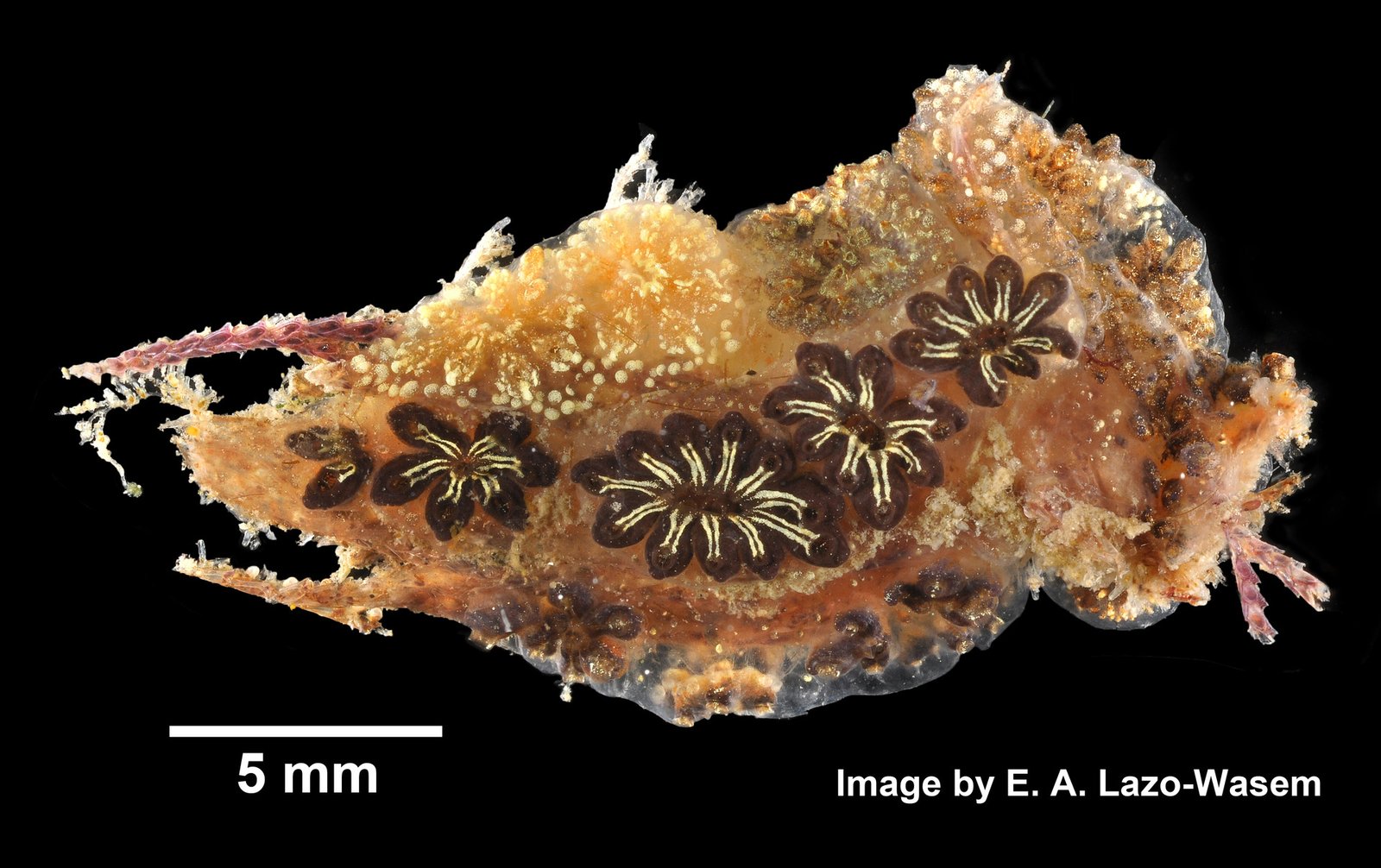
The sea squirt Botryllus schlosseri might look like nothing more than colorful blobs attached to underwater surfaces, but these colonial organisms harbor one of biology’s most stunning secrets. Each colony consists of hundreds of individual organisms called zooids, working together like a superorganism. What makes them truly extraordinary is their ability to completely regenerate their neural networks on a regular schedule.
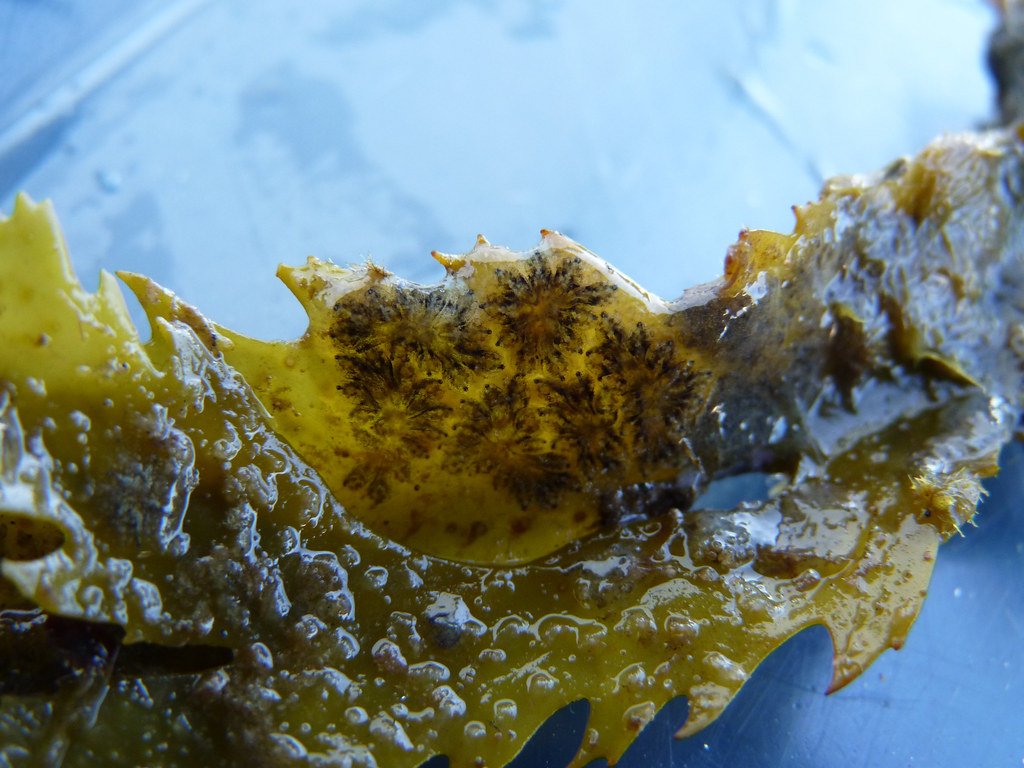
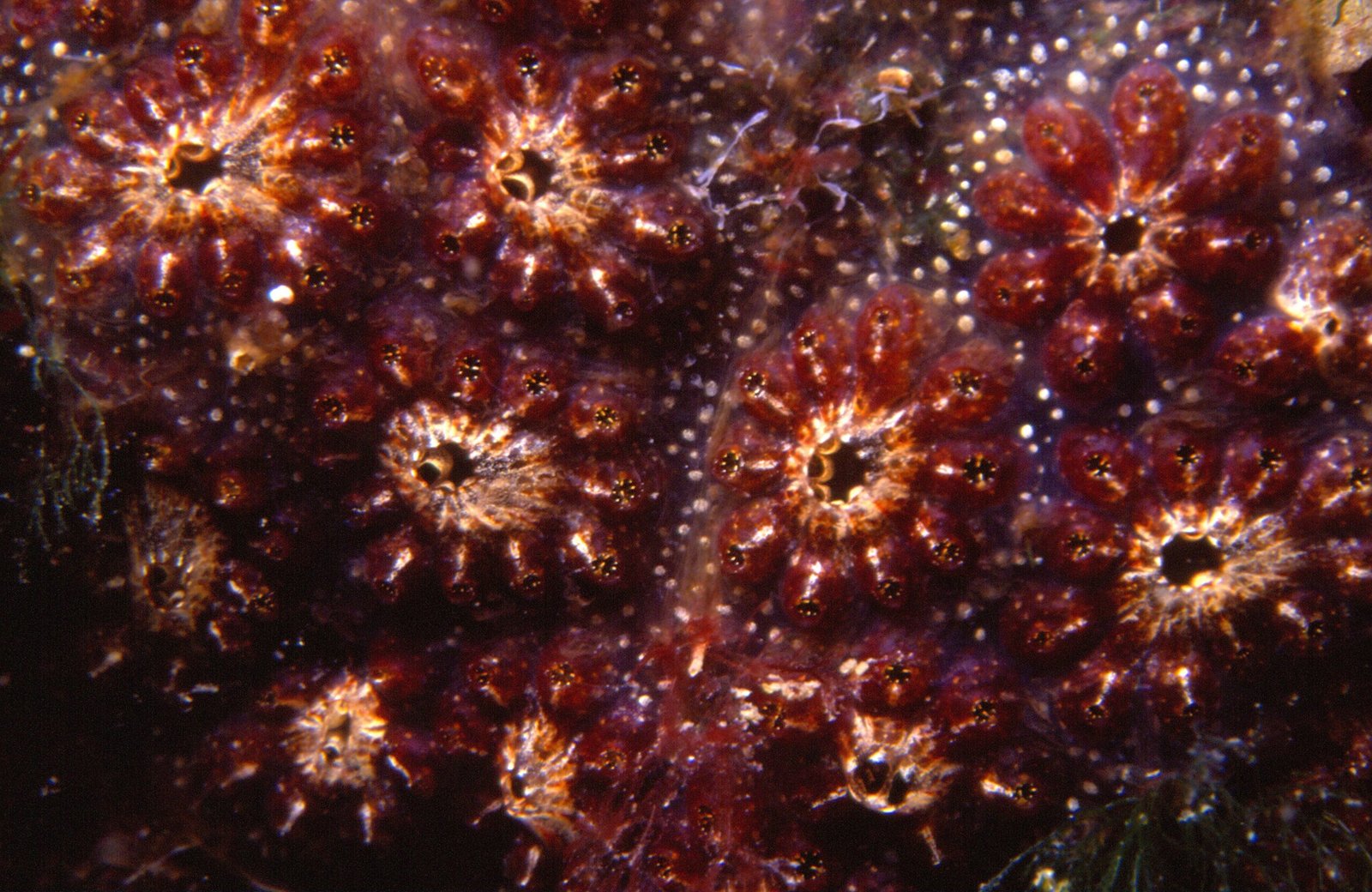
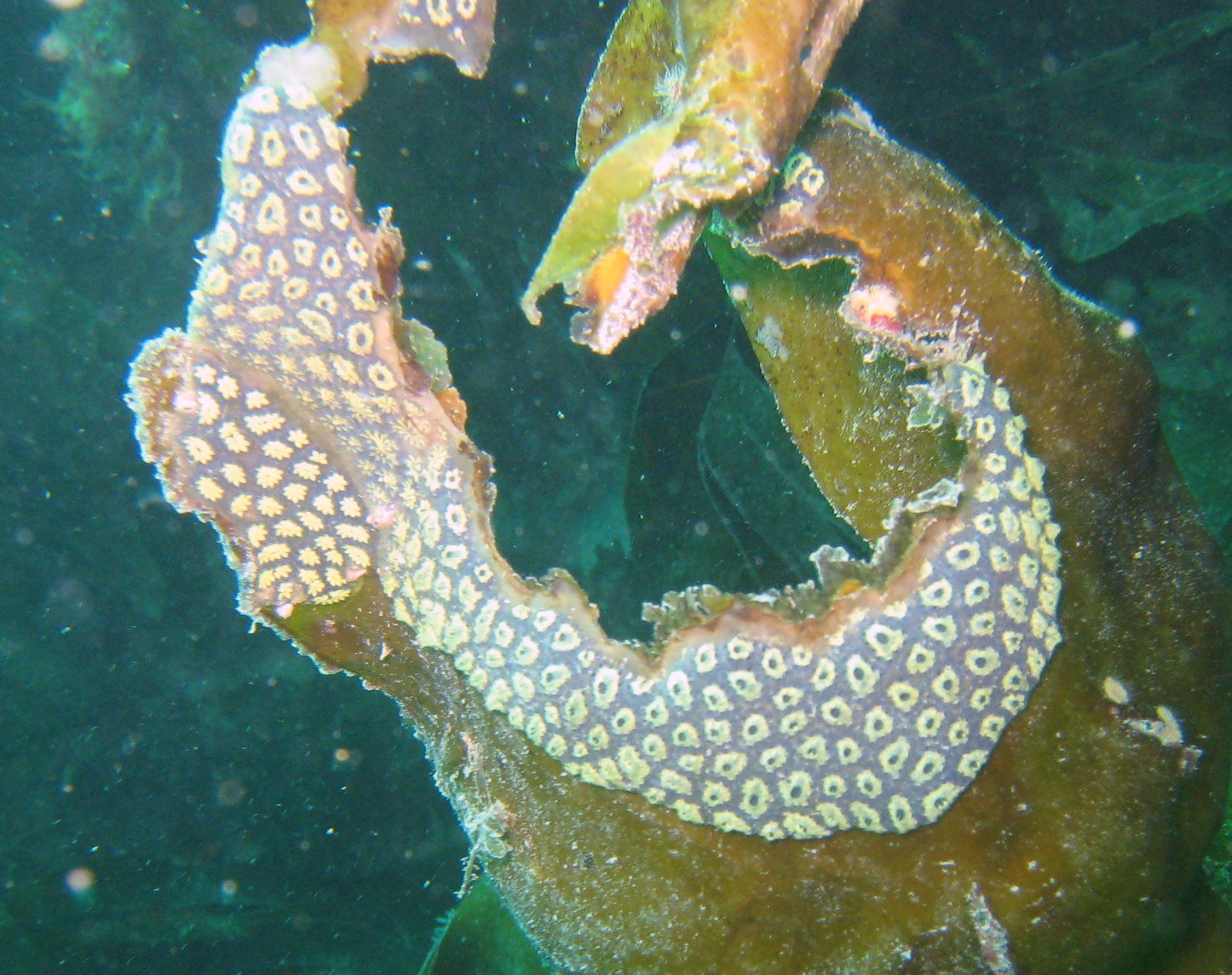
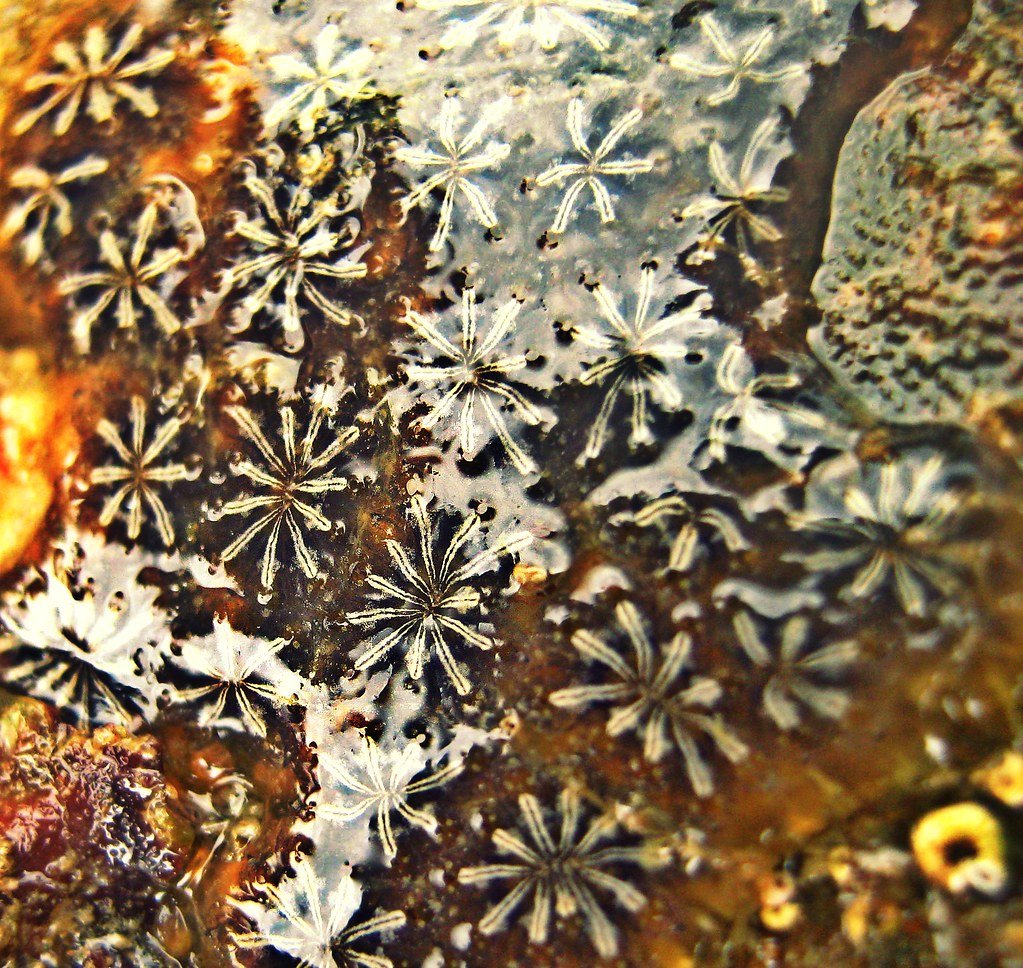
These translucent creatures cluster together in patterns that resemble underwater flowers, with each individual no larger than a grain of rice. Their vibrant colors range from deep purples to bright oranges, creating living kaleidoscopes on dock pilings and rocky surfaces. Despite their simple appearance, they’re actually our distant relatives, sharing a common ancestor with all vertebrates including humans.
The Two-Week Brain Revolution
Every fourteen days, something miraculous happens within these colonies. The entire nervous system of each zooid begins to break down and dissolve, only to be rebuilt from scratch over the following week. It’s like watching a computer completely reformat its hard drive and reinstall its operating system, except this happens in a living creature.
This process isn’t gradual or partial – it’s a complete neurological reset. Brain cells that were processing information and coordinating movement one day simply cease to exist the next. Yet within days, brand new neural pathways form, creating a fresh nervous system capable of all the same functions as before.
The timing is so precise it could set your watch by it. Scientists have observed this phenomenon across different colonies, different seasons, and different environmental conditions, and the pattern remains remarkably consistent.
What Triggers This Neural Rebirth

The catalyst for this dramatic transformation lies in the creature’s unique life cycle. Botryllus schlosseri follows a synchronized regeneration schedule that affects not just the brain, but the entire body. This process, called blastogenesis, represents one of the most extreme examples of regeneration in the animal kingdom.
Environmental factors play a crucial role in timing these cycles. Water temperature, food availability, and seasonal changes all influence when colonies decide to undergo their massive renovation project. It’s nature’s way of ensuring these creatures stay perfectly adapted to changing conditions.
The most fascinating aspect is how colonies coordinate this process across hundreds of individuals simultaneously. Like a perfectly choreographed dance, every zooid in the colony begins its neural regeneration at precisely the same moment, suggesting a sophisticated communication system we’re only beginning to understand.
The Science Behind Neural Regeneration
At the cellular level, this brain regeneration involves processes that would make any neuroscientist’s head spin. Specialized cells called neoblasts act like biological stem cells, capable of transforming into any type of cell the organism needs. When it’s time for neural regeneration, these cells spring into action with remarkable precision.
The old brain tissue doesn’t just disappear – it’s systematically broken down and recycled. Cellular components are harvested and repurposed for building the new nervous system. It’s biological recycling at its most efficient, with virtually no waste in the process.
New neurons form at an astounding rate, sometimes producing thousands of new brain cells within just a few days. These cells must then establish the correct connections, form proper neural pathways, and restore all the functions necessary for survival. The speed and accuracy of this process defies our current understanding of neural development.
Memory and Identity in a Regenerating Brain
One of the most profound questions raised by this phenomenon concerns memory and learned behavior. If an organism completely replaces its brain every two weeks, what happens to the information stored within those neural networks? The answer challenges our fundamental assumptions about consciousness and identity.
Research suggests that while the physical brain tissue is completely renewed, certain behavioral patterns and responses persist across regeneration cycles. This implies that some form of information storage exists outside the traditional neural pathways we understand. It’s as if the creature maintains a backup copy of essential functions somewhere else in its biology.
The implications extend far beyond simple reflexes or instinctive behaviors. Some studies indicate that even complex learned responses can survive the complete destruction and rebuilding of the nervous system, suggesting mechanisms of memory storage that science has yet to fully comprehend.
Evolutionary Advantages of Brain Regeneration
This extreme regeneration strategy offers several remarkable evolutionary advantages. First and foremost, it provides protection against accumulated cellular damage that typically leads to aging and death in other organisms. By completely replacing brain tissue regularly, these creatures essentially reset their biological clock every two weeks.
The system also offers incredible resilience against injury and disease. Damage to the nervous system that would be permanent in most animals becomes temporary in these remarkable creatures. A severed nerve or damaged brain region simply gets swept away during the next regeneration cycle and replaced with fresh, healthy tissue.
Perhaps most importantly, this regeneration allows for rapid adaptation to changing environments. New neural pathways can form in response to different conditions, essentially allowing the creature to upgrade its nervous system like updating software to handle new challenges.
Comparing Brain Regeneration Across Species
While Botryllus schlosseri represents the most extreme example of neural regeneration, other creatures possess remarkable abilities to repair and rebuild their nervous systems. Planarian flatworms can regrow their entire head, including the brain, if decapitated. Some salamanders can regenerate portions of their spinal cord after injury.
However, none match the complete, scheduled regeneration seen in sea squirts. Most other examples of neural regeneration occur only in response to injury or stress, while these colonial organisms treat brain replacement as routine maintenance. It’s the difference between emergency repairs and regularly scheduled system updates.
The complexity of what gets regenerated also sets sea squirts apart. While many animals can regrow simple neural structures, the sea squirt rebuilds sophisticated neural networks capable of coordinating complex colonial behaviors and responding to environmental stimuli.
The Role of Stem Cells in Neural Renewal
The regeneration process relies heavily on populations of pluripotent stem cells that remain dormant until activation signals trigger their transformation into neural tissue. These cellular reservoirs represent one of the most potent regenerative systems known to science, capable of producing any cell type needed for reconstruction.
What makes these stem cells particularly remarkable is their ability to receive and interpret complex developmental signals. They don’t just randomly produce neurons – they create the right types of neurons in the right locations with the proper connections. This level of developmental precision in adult organisms is virtually unprecedented.
The stem cell populations themselves appear to be self-renewing, maintaining their numbers across multiple regeneration cycles. This suggests these creatures have solved one of the fundamental challenges in regenerative medicine – how to maintain a reservoir of multipotent cells without depleting the supply.
Environmental Factors Affecting Regeneration
Ocean temperature plays a crucial role in regulating the timing and success of neural regeneration cycles. Warmer waters tend to accelerate the process, while cooler temperatures can slow it down or even pause it temporarily. This temperature sensitivity suggests the regeneration machinery has evolved to optimize energy expenditure based on metabolic rates.
Food availability also significantly impacts regeneration success. Colonies with abundant nutrition can complete neural regeneration more quickly and effectively than those facing starvation. The process requires enormous amounts of energy and raw materials, making adequate nutrition essential for proper brain rebuilding.
Pollution and chemical contamination can severely disrupt regeneration cycles, sometimes leading to incomplete or malformed neural development. This sensitivity to environmental toxins makes these creatures valuable indicators of ocean health and pollution levels.
Implications for Medical Research

The medical implications of understanding complete neural regeneration are staggering. If scientists could unlock the mechanisms that allow sea squirts to rebuild their brains, it could revolutionize treatment for neurodegenerative diseases, spinal cord injuries, and traumatic brain injuries. The potential applications extend to conditions like Alzheimer’s disease, Parkinson’s disease, and stroke recovery.
Current research focuses on identifying the specific genes and proteins that control the regeneration process. Several key regulatory pathways have been discovered, offering potential targets for therapeutic intervention. The challenge lies in adapting these mechanisms to work in human nervous systems that lack the same regenerative capabilities.
Perhaps more immediately achievable are applications in preventing neural aging and maintaining cognitive function throughout life. Understanding how sea squirts avoid the accumulation of cellular damage could lead to treatments that slow or reverse age-related cognitive decline.
The Genetics of Neural Regeneration
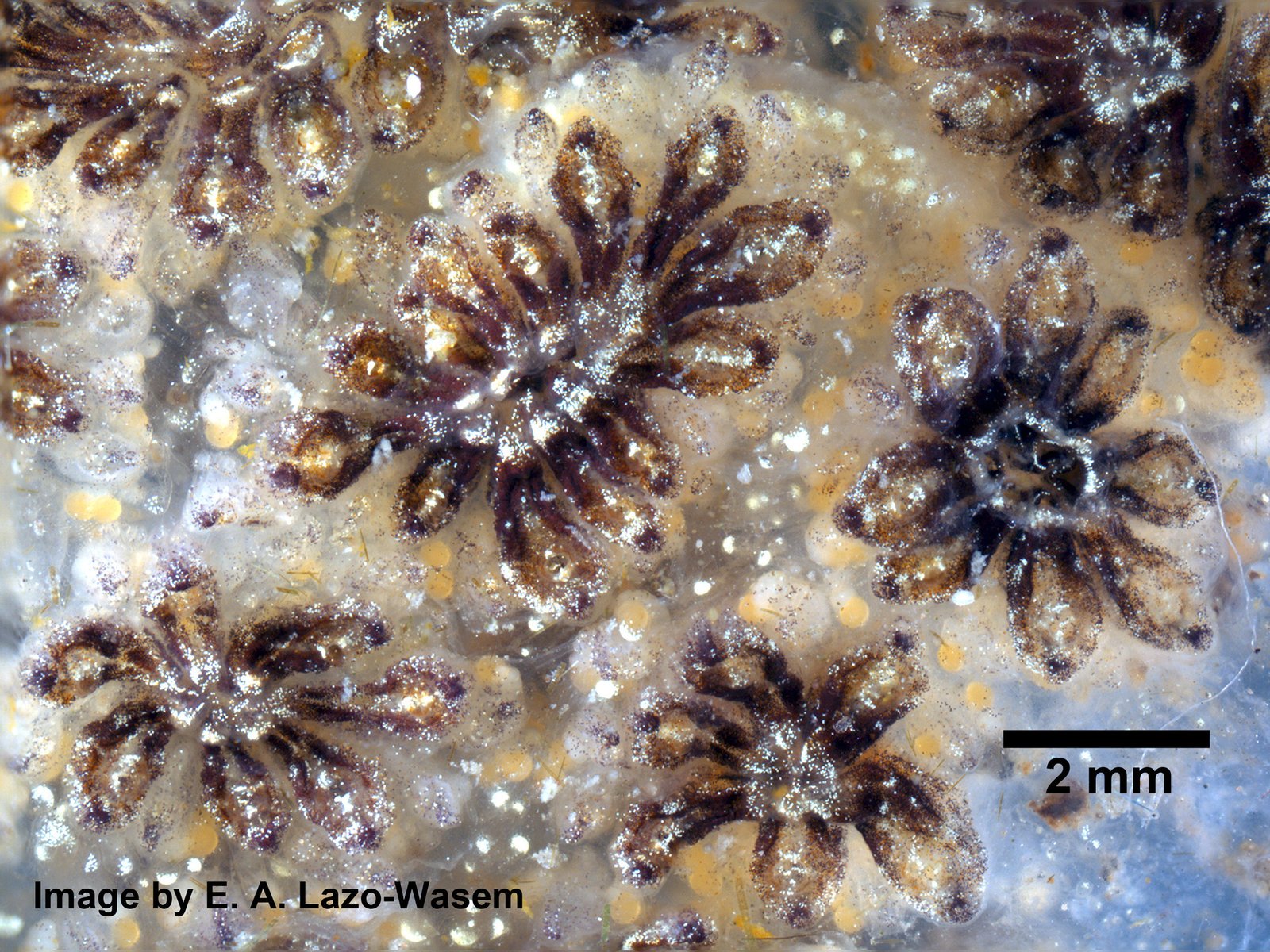
Genetic analysis has revealed that sea squirts possess several unique gene families that control their remarkable regenerative abilities. These genes orchestrate the precise timing of cell death, stem cell activation, and new tissue formation. Some of these genetic sequences have no equivalent in other animals, suggesting they evolved specifically for this extreme regeneration strategy.
Particularly intriguing are the genes that control apoptosis – programmed cell death – in the nervous system. While most organisms have safeguards to prevent neural cell death, sea squirts have evolved mechanisms to trigger it in a controlled, beneficial manner. This represents a complete reversal of typical evolutionary pressures that favor neural preservation.
The regulatory networks controlling regeneration involve hundreds of genes working in precise coordination. Small disruptions in this genetic symphony can lead to failed regeneration attempts, highlighting the incredible complexity of the system these creatures have evolved.
Observing Regeneration in Laboratory Settings
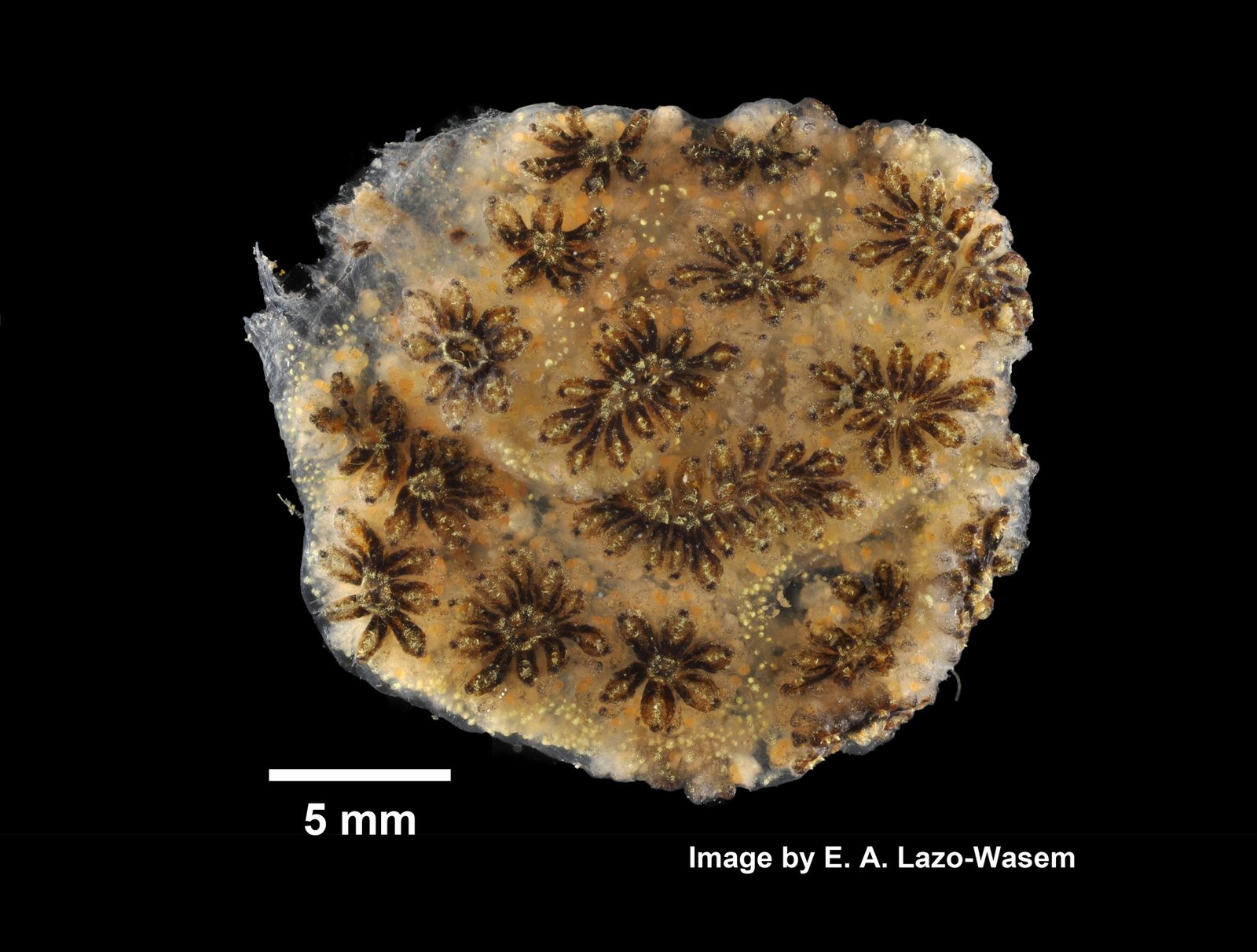
Scientists studying neural regeneration in sea squirts have developed sophisticated techniques for observing this process in real-time. Using fluorescent markers and advanced microscopy, researchers can literally watch as old neurons die and new ones form over the course of days. The visual documentation of complete brain regeneration represents some of the most striking footage in modern biology.
Laboratory colonies maintained in controlled conditions allow scientists to manipulate variables and study how different factors affect regeneration success. These experiments have revealed the remarkable plasticity of the regeneration system and its ability to adapt to changing conditions.
Time-lapse photography has captured the entire regeneration cycle, showing the systematic breakdown of neural tissue followed by the emergence of new brain structures. These videos provide unprecedented insights into one of nature’s most extraordinary processes.
Colonial Coordination During Brain Replacement
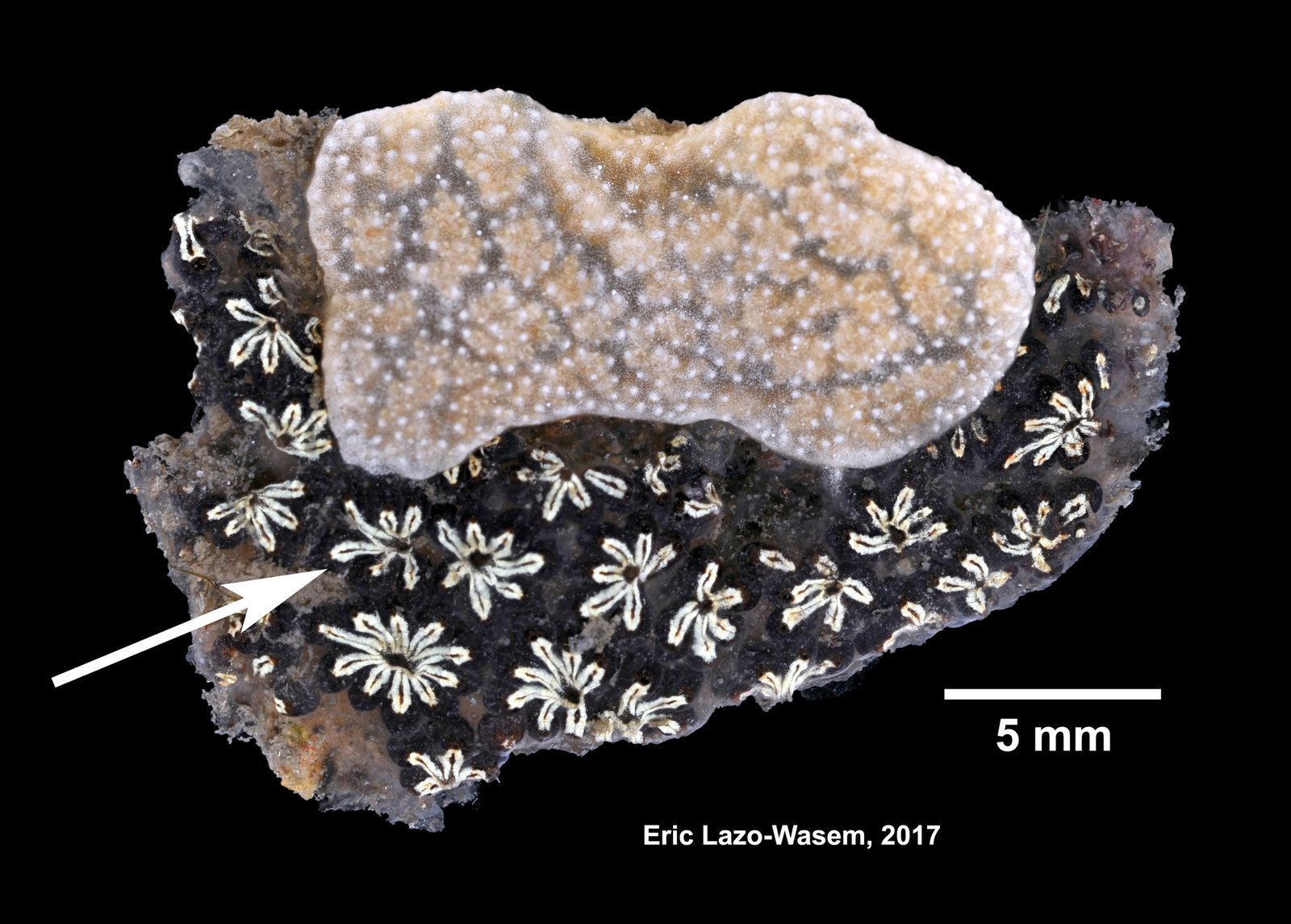
Perhaps the most mind-bending aspect of sea squirt neural regeneration is how entire colonies coordinate this process across hundreds of individuals. The synchronization requires sophisticated intercellular communication that scientists are still working to understand. Chemical signals pass between colony members, ensuring everyone begins their neural regeneration at precisely the same time.
This coordination extends beyond simple timing – colonies also appear to allocate resources to ensure successful regeneration across all members. Some individuals may delay their regeneration if colony resources are limited, demonstrating a level of collective decision-making that challenges our understanding of simple organisms.
The colonial lifestyle may actually be essential for successful neural regeneration, providing redundancy and support that individual organisms couldn’t maintain alone. It’s a biological insurance policy that allows for such extreme regenerative strategies.
Challenges and Limitations of Brain Regeneration
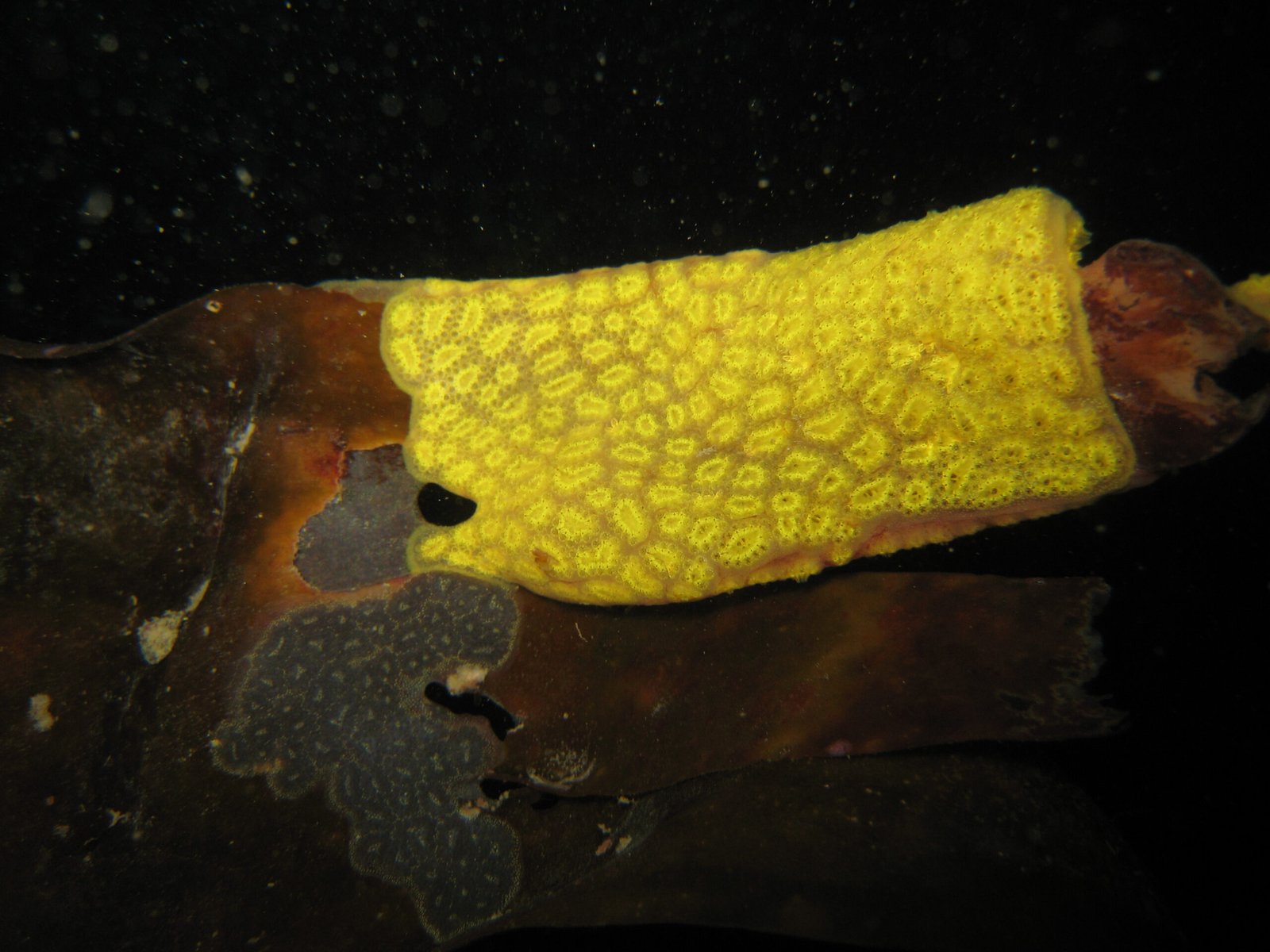
Despite its remarkable nature, the sea squirt’s regeneration system isn’t perfect. Failed regeneration cycles can occur, particularly under stressful environmental conditions or in aging colonies. When regeneration fails, entire sections of the colony may die, highlighting the risks inherent in such an extreme biological strategy.
The energy costs of complete neural regeneration are enormous, requiring these creatures to dedicate significant resources to the process. This energy expenditure may limit their ability to grow, reproduce, or respond to other environmental challenges during regeneration periods.
Additionally, the regeneration process creates periods of vulnerability when neural function is reduced or temporarily absent. Colonies must rely on stored energy and simplified behaviors during these critical windows, making them more susceptible to predation or environmental stress.
Future Research Directions

Current research efforts focus on identifying the molecular mechanisms that trigger and control neural regeneration. Advanced genetic sequencing techniques are revealing the complex gene networks involved, while protein analysis is uncovering the biochemical pathways that make regeneration possible.
Scientists are particularly interested in understanding how regenerated brains restore complex functions and maintain behavioral continuity across regeneration cycles. This research could reveal fundamental principles about neural plasticity and memory formation that apply across many species.
Collaborative efforts between marine biologists, neuroscientists, and medical researchers are exploring potential applications for human health. While complete brain regeneration in humans remains science fiction, understanding these mechanisms could lead to breakthrough treatments for neural injuries and diseases.
The Broader Impact on Neuroscience
The discovery of complete neural regeneration in sea squirts has fundamentally challenged assumptions about brain development and maintenance. Traditional neuroscience held that adult brains had limited regenerative capacity, but these creatures prove that complete neural renewal is biologically possible under the right conditions.
This research has sparked new investigations into neural plasticity across many species. Scientists are discovering that regenerative capabilities may be more widespread than previously thought, hidden in organisms we’ve overlooked or underestimated.
The implications extend to our understanding of consciousness, identity, and what makes each individual unique. If a creature can completely replace its brain and maintain its essential functions, it raises profound questions about the nature of self and continuity of experience.
Conservation and Protection of Regenerative Species
As we begin to understand the incredible value of organisms with extreme regenerative abilities, protecting their natural habitats becomes increasingly important. Sea squirt colonies are vulnerable to pollution, climate change, and coastal development that destroys their marine environments.
Many potentially valuable regenerative species remain undiscovered or poorly studied. Ocean exploration and marine conservation efforts may be key to finding other organisms with remarkable healing abilities that could benefit human medicine and our understanding of biology.
The loss of these creatures and their unique biological capabilities would represent an irreplaceable loss of natural knowledge. Their survival may hold keys to solving some of humanity’s most challenging medical problems, making their conservation a priority for both scientific and humanitarian reasons.
Conclusion
The sea squirt Botryllus schlosseri represents one of nature’s most extraordinary achievements – a creature that has mastered the ultimate biological reset button. Every two weeks, these remarkable organisms perform what seems impossible: they completely destroy and rebuild their brains while maintaining the functions necessary for survival.
This phenomenon challenges our understanding of neural development, memory, and identity while offering tantalizing possibilities for medical breakthroughs. As research continues to unravel the mechanisms behind this incredible regeneration, we may discover new ways to treat brain injuries, prevent neural aging, and restore damaged nervous systems.
The implications reach far beyond medicine, touching on fundamental questions about consciousness, adaptation, and the limits of biological possibility. These humble sea creatures, clustered on dock pilings and rocky shores, may hold answers to some of science’s most profound mysteries.
What other secrets might be hiding in the depths of our oceans, waiting to revolutionize our understanding of life itself?