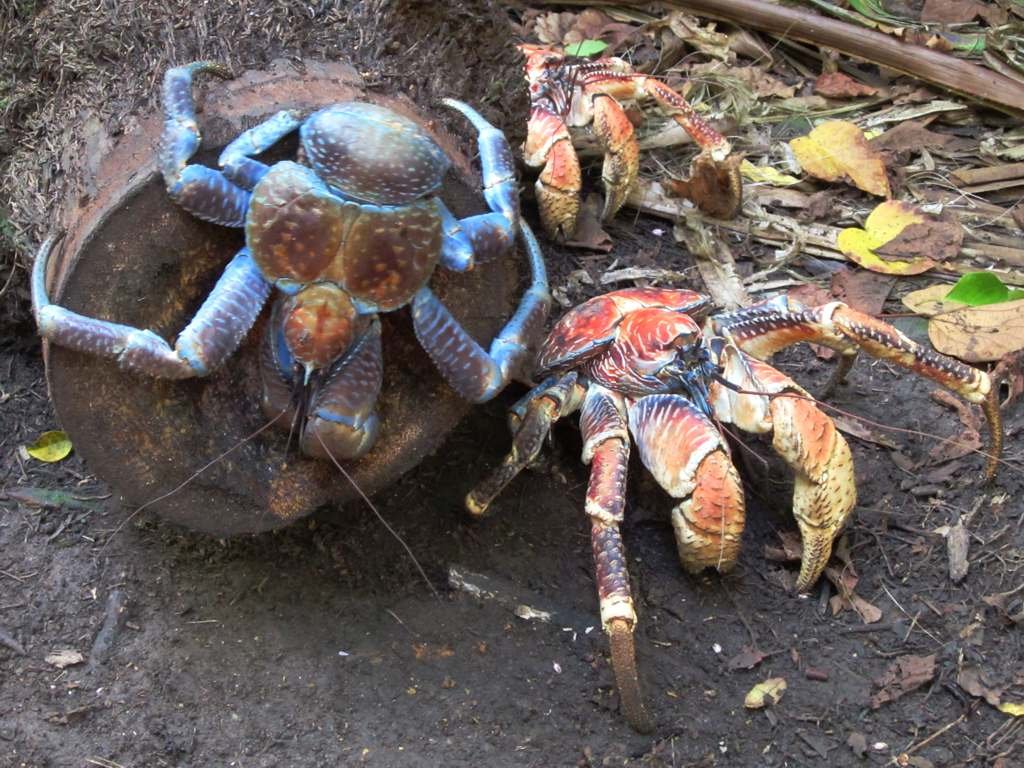

Imagine a creature so powerful, it can snap open a coconut with its bare claws—a feat many humans struggle to accomplish with tools. Meet the coconut crab, a mysterious giant of the tropics whose strength and curious lifestyle have fascinated scientists and adventurers alike. This colossal crustacean stirs both awe and disbelief, crawling silently through moonlit island forests, searching for its next meal. With a body designed for destruction and an appetite for the unusual, the coconut crab is the stuff of legends—yet it is very real. Its story is one of adaptation, survival, and sheer brute force, captivating anyone lucky enough to spot one in the wild. If you’ve never heard of the coconut crab before, prepare to be amazed by one of nature’s most remarkable engineers.
The Giant of the Land: What Is a Coconut Crab?
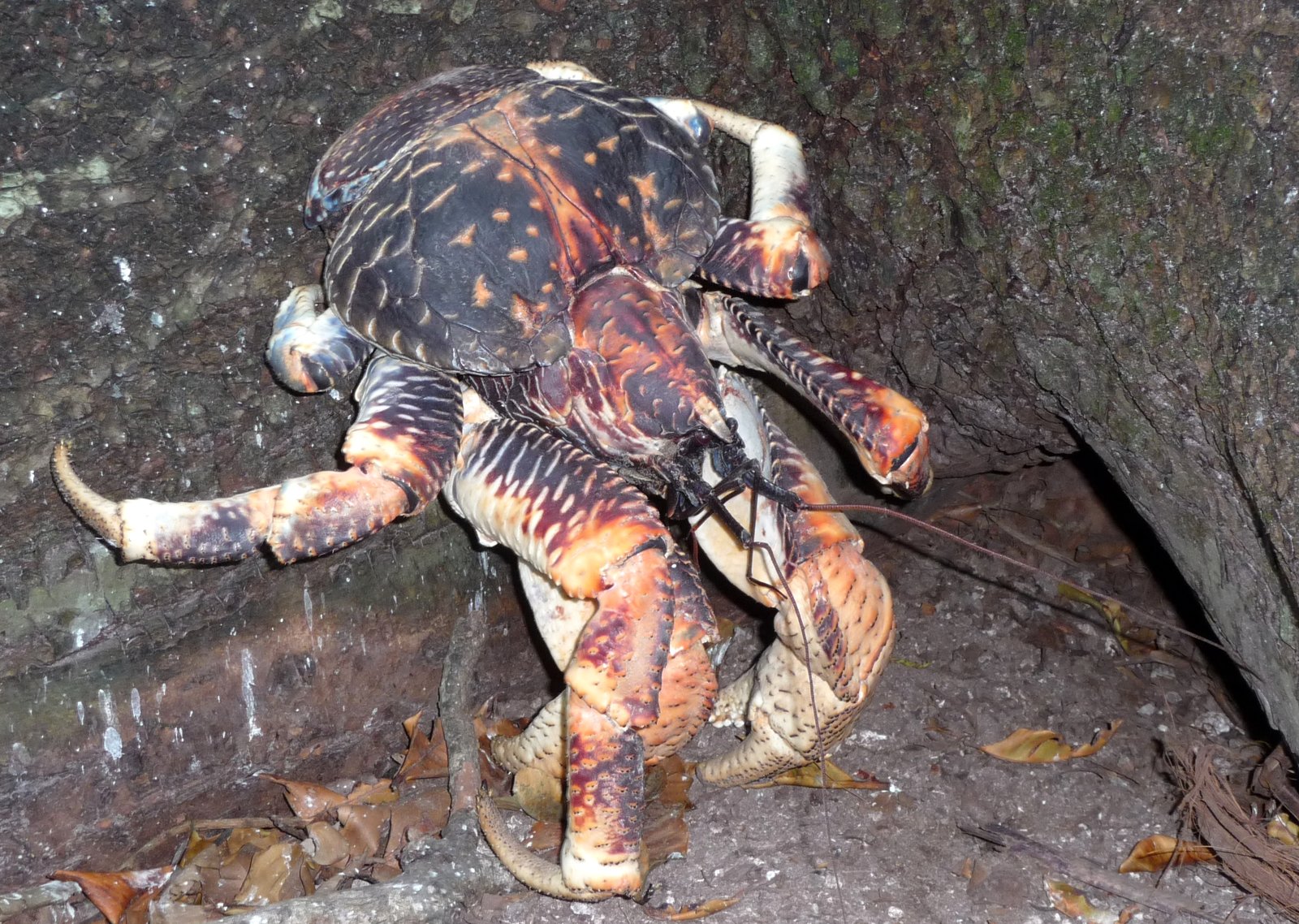
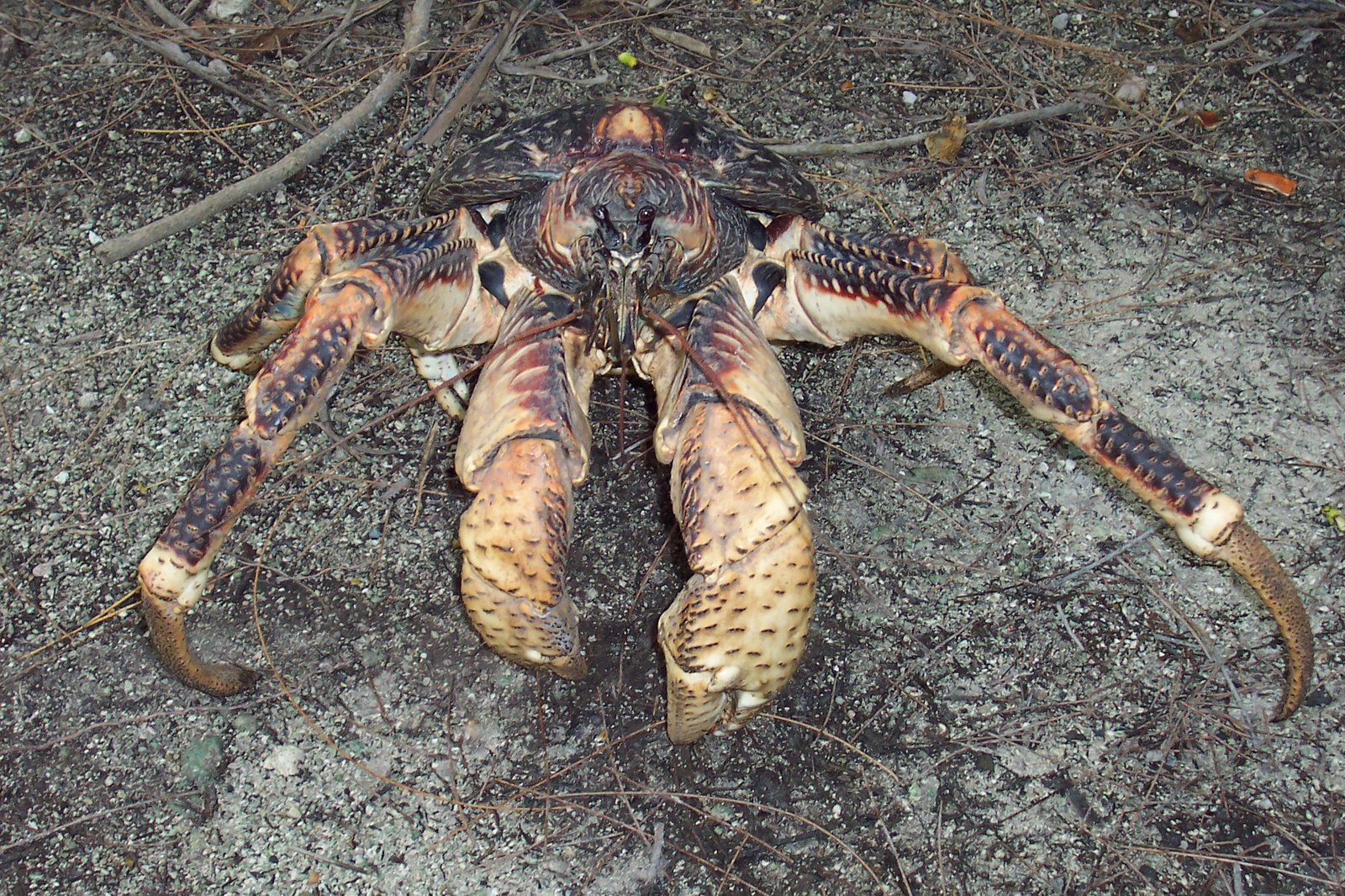
The coconut crab, also known as Birgus latro, holds the title as the world’s largest terrestrial arthropod. Unlike the small crabs you might find scuttling at the beach, these giants can grow up to three feet from leg to leg and weigh over nine pounds. They are a type of hermit crab, but as adults, they abandon shells and develop a tough exoskeleton for protection. Their sheer size is shocking to encounter, especially as they lumber over rocks and tree roots, climbing with surprising agility. With their blue, purple, or reddish bodies and thick, armored legs, coconut crabs look like something from a prehistoric era. Their presence adds an air of mystery and excitement to the remote islands they call home, making them true icons of their habitats.
Where in the World Do Coconut Crabs Live?
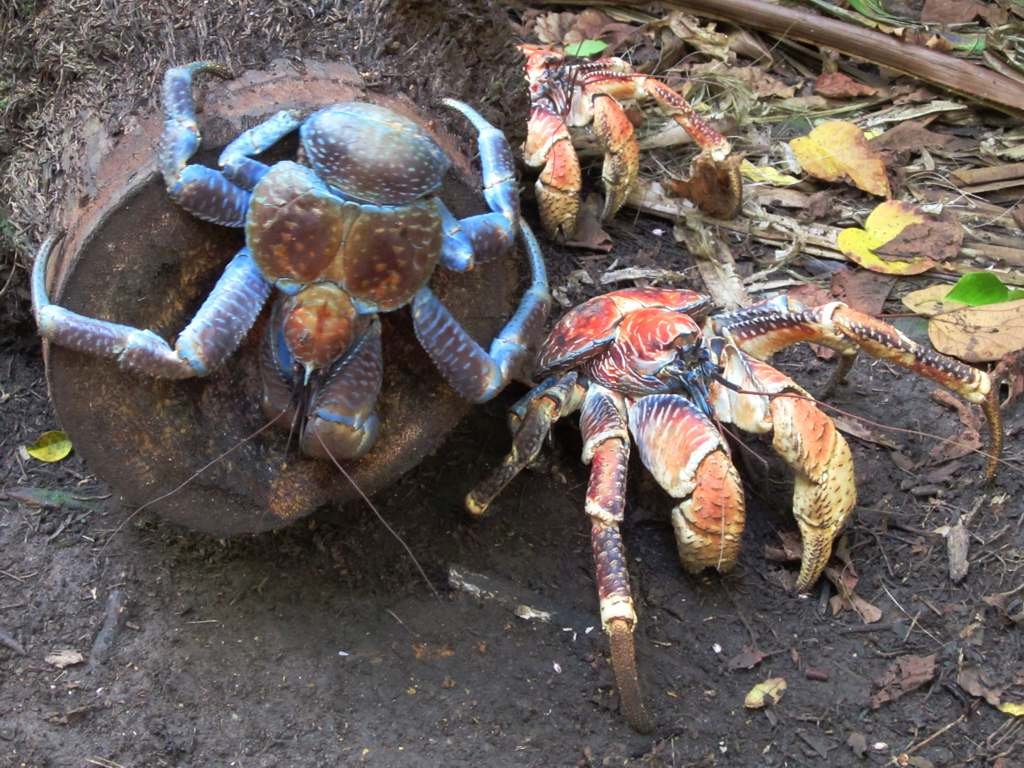
Coconut crabs are found on isolated islands across the Indian and western Pacific Oceans, from the Seychelles to the Cook Islands. They thrive in warm, humid climates with dense coastal forests, where coconut palms and other fruit trees abound. You’re most likely to encounter them on islands with little human disturbance, as they are sensitive to habitat loss and overhunting. These crabs seek out burrows in sandy soil, which they dig themselves and line with coconut fibers for comfort and moisture. At night, they emerge to roam the forest floor in search of food, usually staying close to their shelters. Their patchy distribution makes finding one a rare and unforgettable experience for travelers and researchers alike.
The Powerhouse Claws: Nature’s Nutcrackers
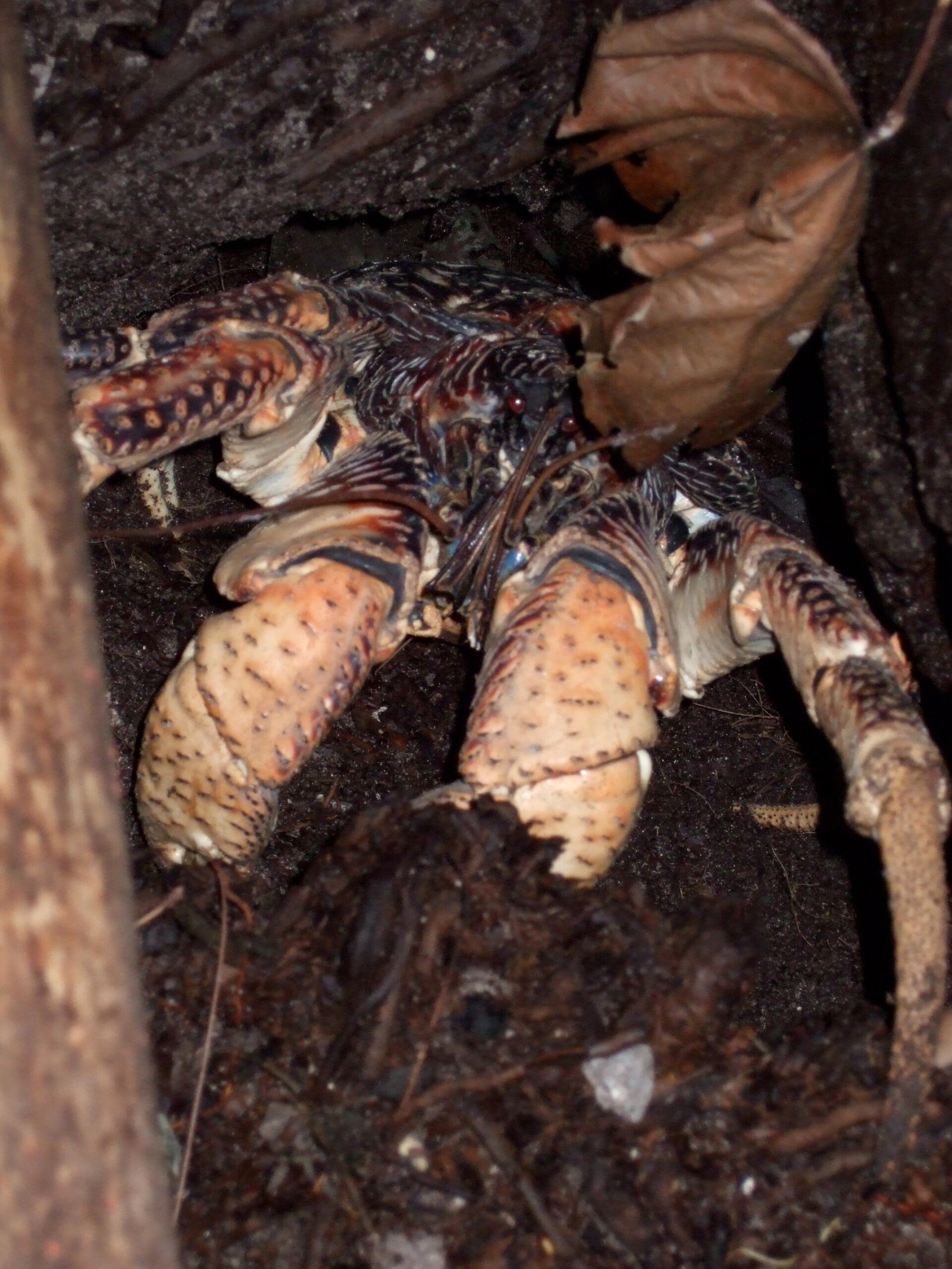
One of the coconut crab’s most astonishing features is its massive pincers, which can exert over 700 pounds of force. This is strong enough to crack open coconuts, their namesake food and a tough nut that stumps most animals. When a coconut crab finds a fallen coconut, it uses its claws to tear off the husk, then repeatedly strikes the hard shell until it splits. This process can take hours, requiring patience and raw power. Scientists believe their claws are among the strongest of any animal relative to body size. This ability gives the coconut crab access to a rich food source that few other creatures can reach, making it a dominant forager in its ecosystem.
A Surprising Diet: More Than Just Coconuts
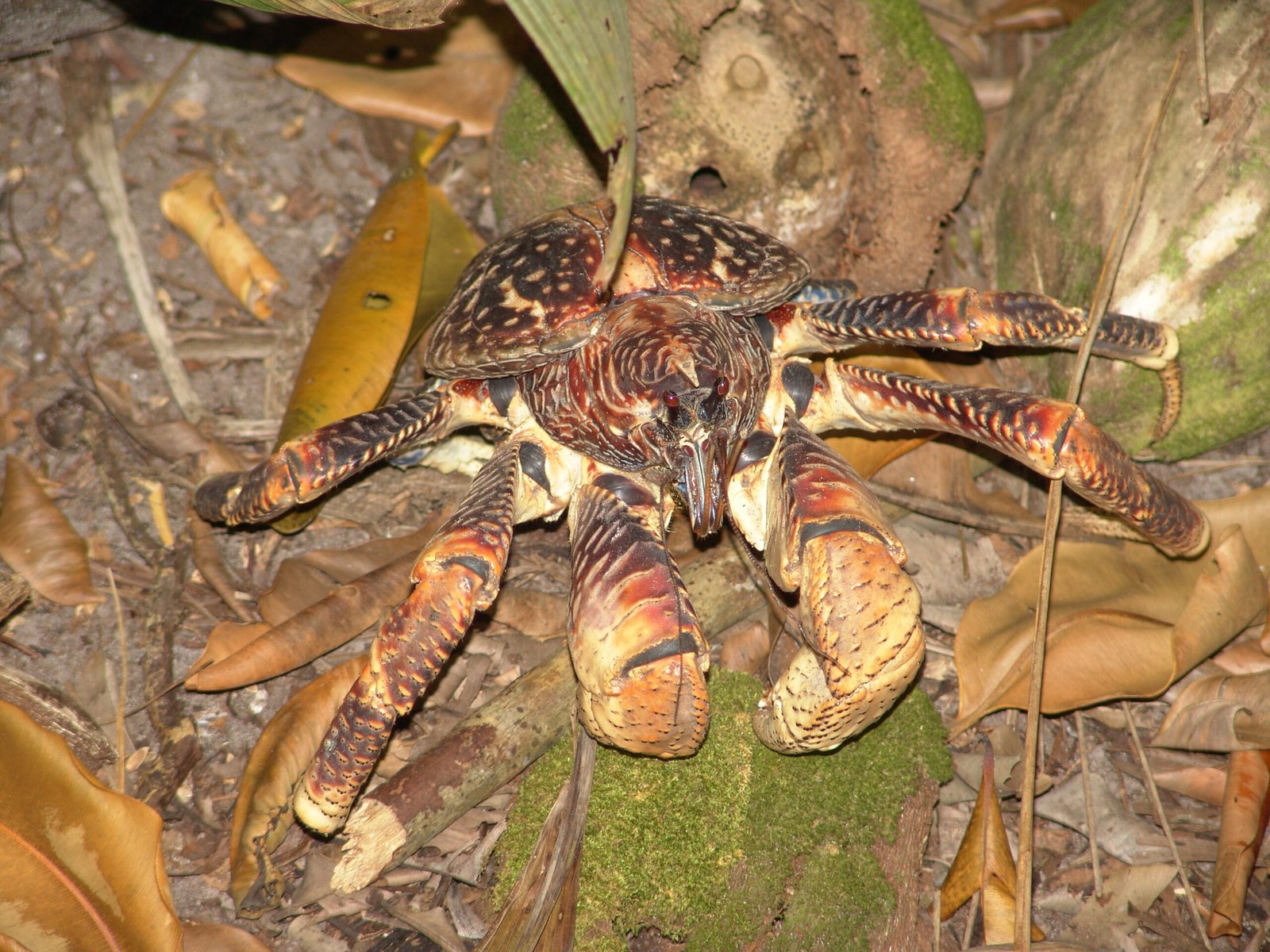
Despite their name, coconut crabs eat much more than coconuts. They are true omnivores, feasting on fruits, seeds, nuts, carrion, and even other animals. They have been known to snatch up dead birds, rats, and even their own kind if food is scarce. On occasion, they will climb trees to reach ripe fruit or eggs from bird nests. Their highly developed sense of smell helps them locate food over long distances, guiding them toward the richest meals. This flexible diet allows coconut crabs to survive in changing environments and makes them vital recyclers in their island ecosystems.
Life on Land: Unique Adaptations
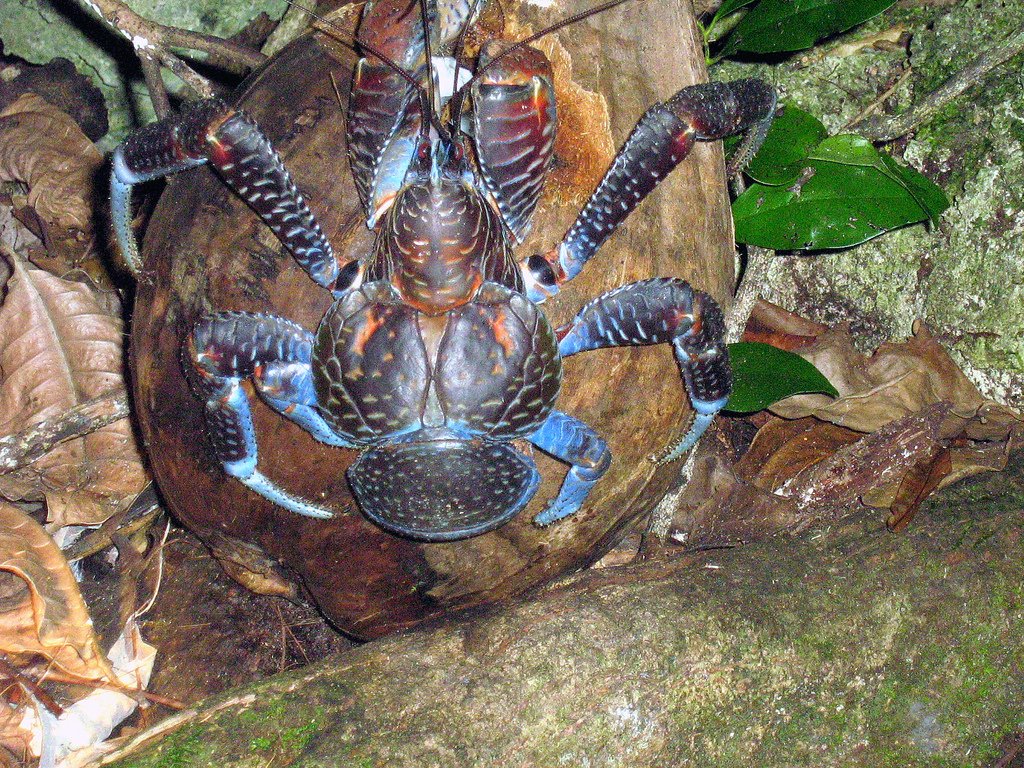
Coconut crabs have evolved to thrive on land, a rarity among crustaceans. While most crabs need to stay close to water, adults of this species will actually drown if submerged for too long. They have special organs called branchiostegal lungs, which function like a cross between gills and lungs, allowing them to breathe air efficiently. Their bodies are covered in a tough exoskeleton that helps retain moisture and protect them from predators. To conserve water, coconut crabs are mostly nocturnal, coming out at night when the air is cooler and more humid. These remarkable adaptations make them stand out not just among crabs, but among all land-dwelling invertebrates.
From Hermit to Giant: The Strange Life Cycle
Coconut crabs start life like most hermit crabs—tiny and vulnerable, they use discarded shells for protection. After hatching in the ocean, the larvae drift with the currents before settling on land as juveniles. They quickly find a shell to hide in, but as they outgrow these temporary homes, they begin developing a hardened abdomen. By adulthood, they no longer need shells and rely on their own armor for defense. This transformation from fragile sea dweller to mighty land giant is one of the animal kingdom’s most dramatic. Each stage of their life is fraught with danger, helping only the toughest crabs reach maturity.
Nighttime Wanderers: Secretive Behaviors
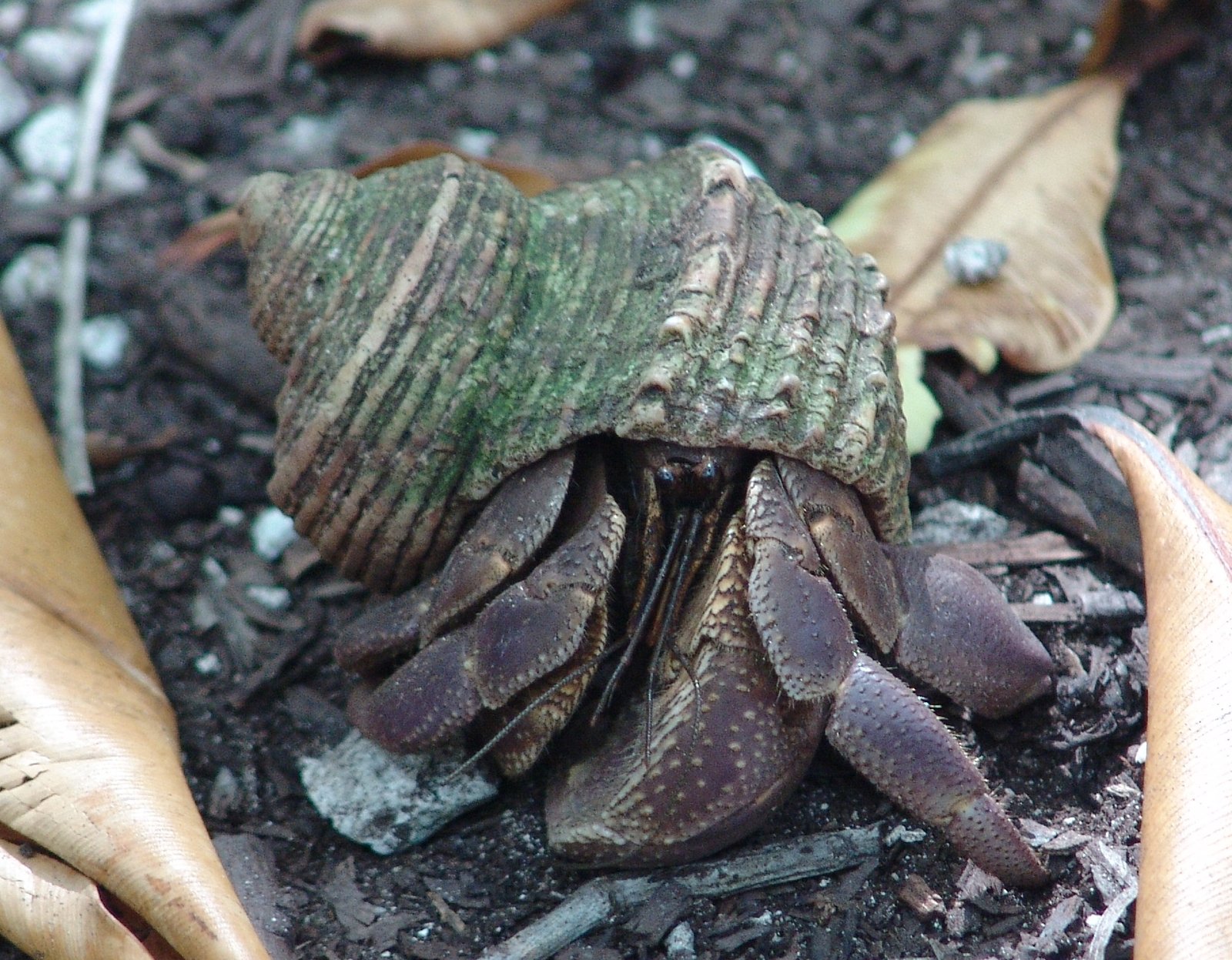
Coconut crabs are famously elusive, spending most of their day hidden in burrows or crevices. Their nocturnal habits protect them from the scorching sun and reduce the risk of dehydration. At night, they emerge to forage, often traveling great distances in search of food. They use their powerful claws not just for cracking coconuts but for digging, climbing, and defending themselves. Some locals have told tales of crabs raiding kitchens or stealing shiny objects—these stories, while exaggerated, hint at the crab’s curiosity and intelligence. Observing a coconut crab in the wild requires patience and a bit of luck, but the experience is unforgettable.
Masters of Climbing: Defying Gravity
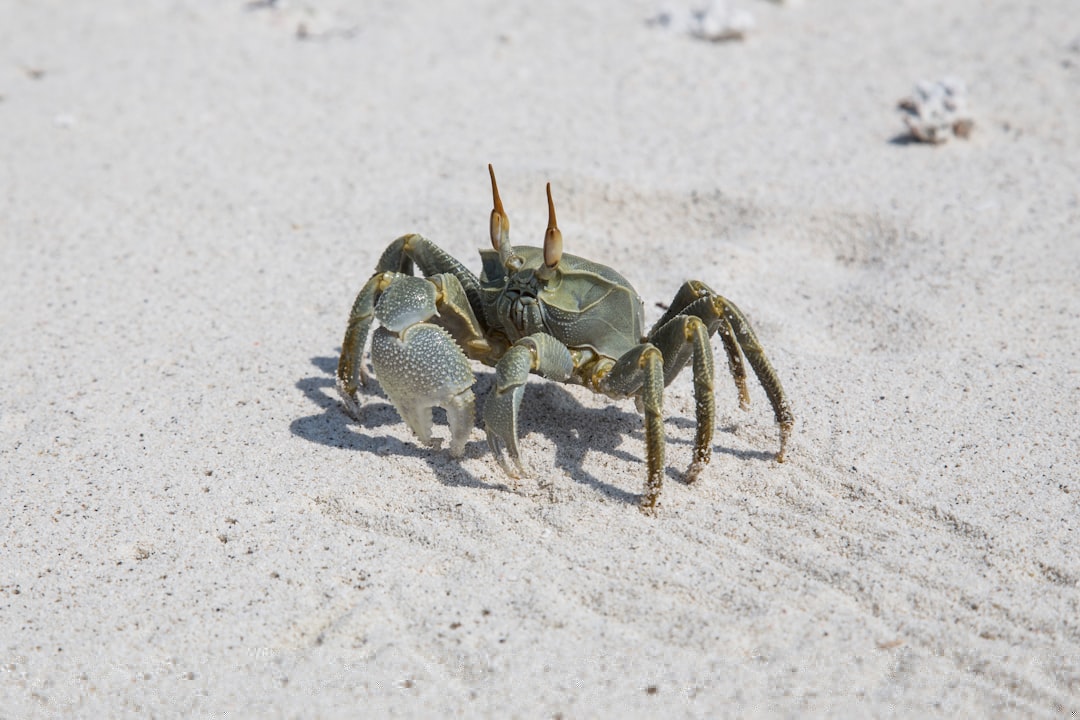
Despite their massive size, coconut crabs are expert climbers. Using the pointed tips of their legs, they scale tree trunks and branches with surprising ease. This ability helps them access food high above the ground, such as coconuts or bird eggs. They often climb at night when fewer predators are around, and the cooler temperatures make the journey safer. On rare occasions, they may even drop coconuts to the forest floor to break them open, displaying remarkable problem-solving skills. Their climbing prowess is just another way these crabs dominate their unique niche.
Remarkable Intelligence: Beyond Instinct
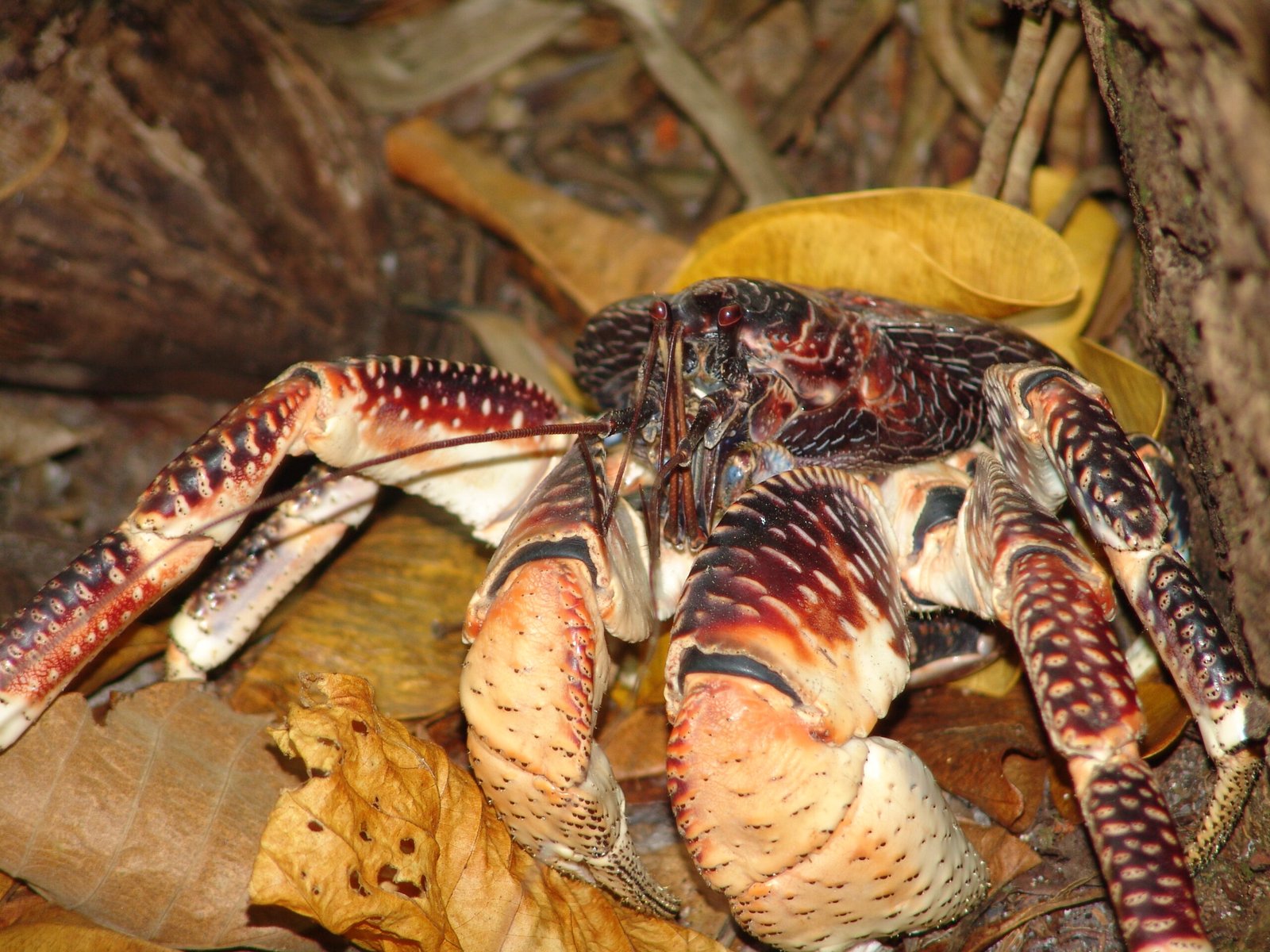
Coconut crabs are not only strong—they are also surprisingly smart. Studies have shown they can remember the layout of their territory and navigate back to their burrows with ease. They use their powerful sense of smell to detect food and even distinguish between different types of objects. Some researchers believe coconut crabs can learn from experience, adapting their techniques to new challenges. Their curiosity often gets them into trouble, as they investigate anything unfamiliar, from discarded bottles to camera equipment. This intelligence, combined with their strength, sets them apart from most other invertebrates.
Threats and Conservation Challenges
Despite their formidable appearance, coconut crabs face serious threats. Habitat loss from human development, hunting for food, and introduction of predators have reduced their numbers on many islands. Because they grow slowly and reproduce infrequently, populations can take decades to recover from decline. Conservationists are working to protect their habitats and educate local communities about the importance of these unique creatures. In some places, coconut crabs are now a protected species, but enforcement remains a challenge. The survival of the coconut crab is a test of our willingness to preserve the wonders of the natural world.
The Coconut Crab’s Place in Culture and Myth
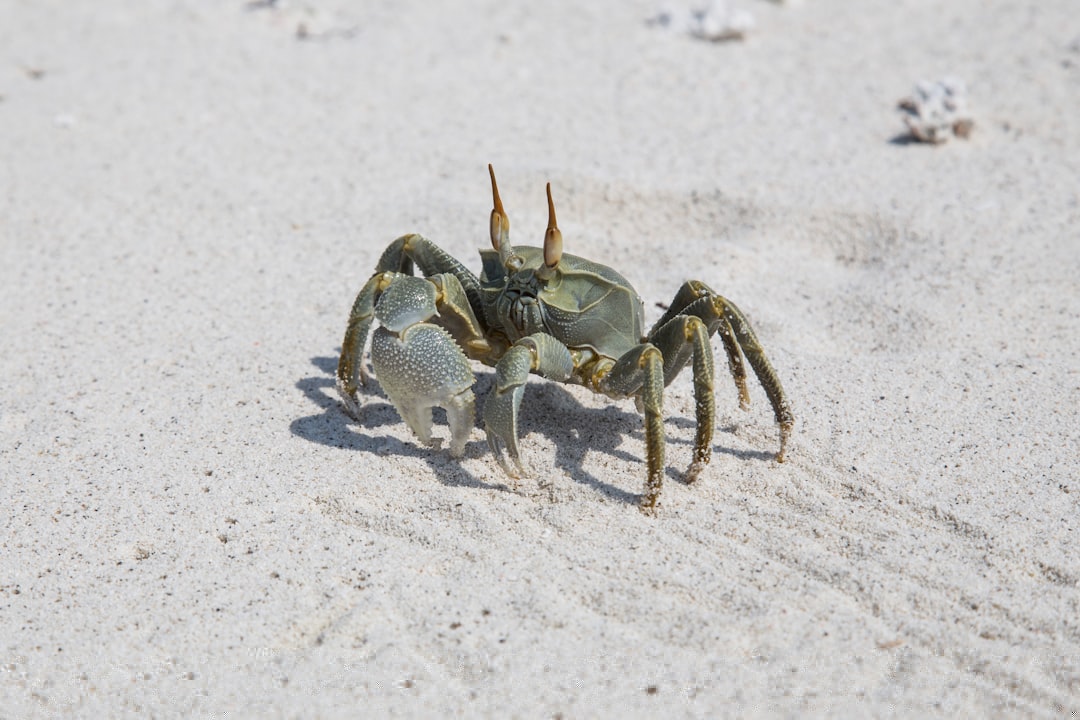
Throughout their range, coconut crabs have inspired stories and legends. Some Pacific islanders view them as symbols of strength and resilience, while others regard them with fear or awe. Their ability to crack coconuts and disappear into the forest adds to their mystique. In some cultures, they are considered a delicacy, while in others, they are protected by tradition. The crab’s presence in myth and folklore reflects its powerful impact on the people who share its home, reminding us how nature and culture intertwine in remarkable ways.
Why the Coconut Crab Captivates Us
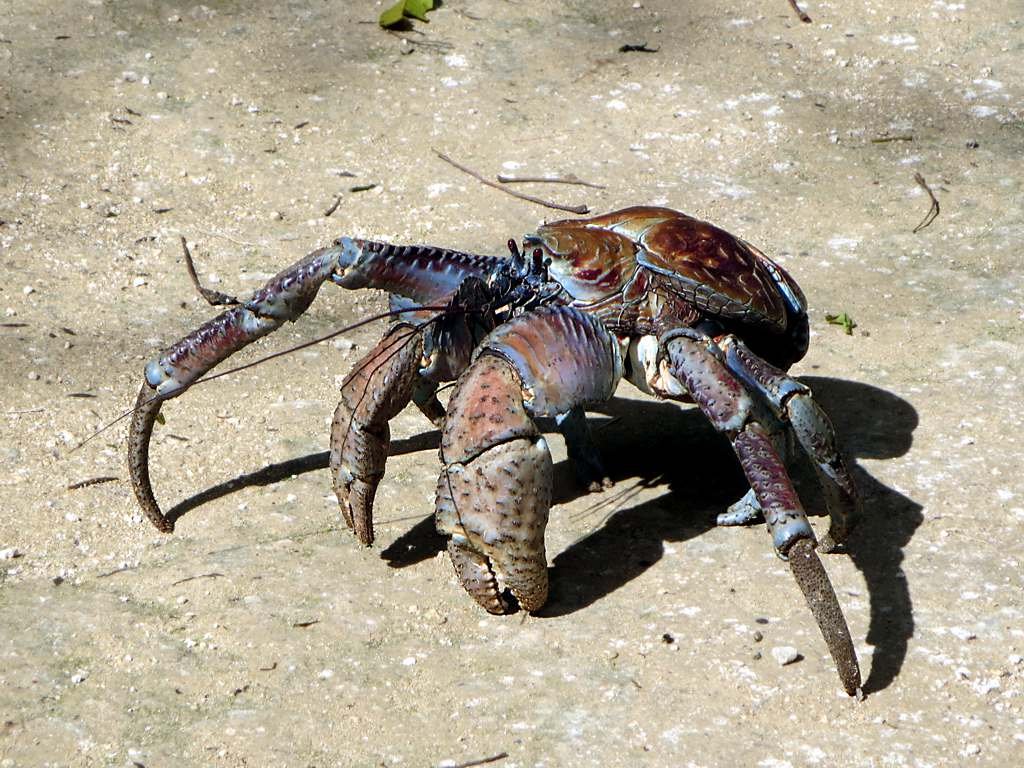
The coconut crab’s story is one of survival against the odds—a creature that has mastered both land and sea, combining strength, intelligence, and adaptability. Its almost mythical abilities make it a symbol of nature’s ingenuity, while its vulnerability highlights the fragility of island ecosystems. The coconut crab challenges our imagination and invites us to look closer at the hidden wonders of our world. How often do we pause to marvel at the creatures that live alongside us, mysterious and magnificent, just waiting to be discovered?