
When you look up at the night sky, you might think galaxies are scattered randomly across space like glitter thrown on black velvet. Turns out that couldn’t be further from the truth. Galaxies aren’t just floating around wherever they please. They’re actually part of something far more organized, far more massive, and honestly, far more mind-boggling than you might expect.
The universe has architecture. Real structure. And what connects it all is called the cosmic web, a sprawling network of dark matter, gas, and galaxies stretching across billions upon billions of light-years. It’s the largest known framework in existence, and understanding it might just unlock the secrets of how everything came to be. Let’s dive in.
An Invisible Scaffolding Holding the Universe Together
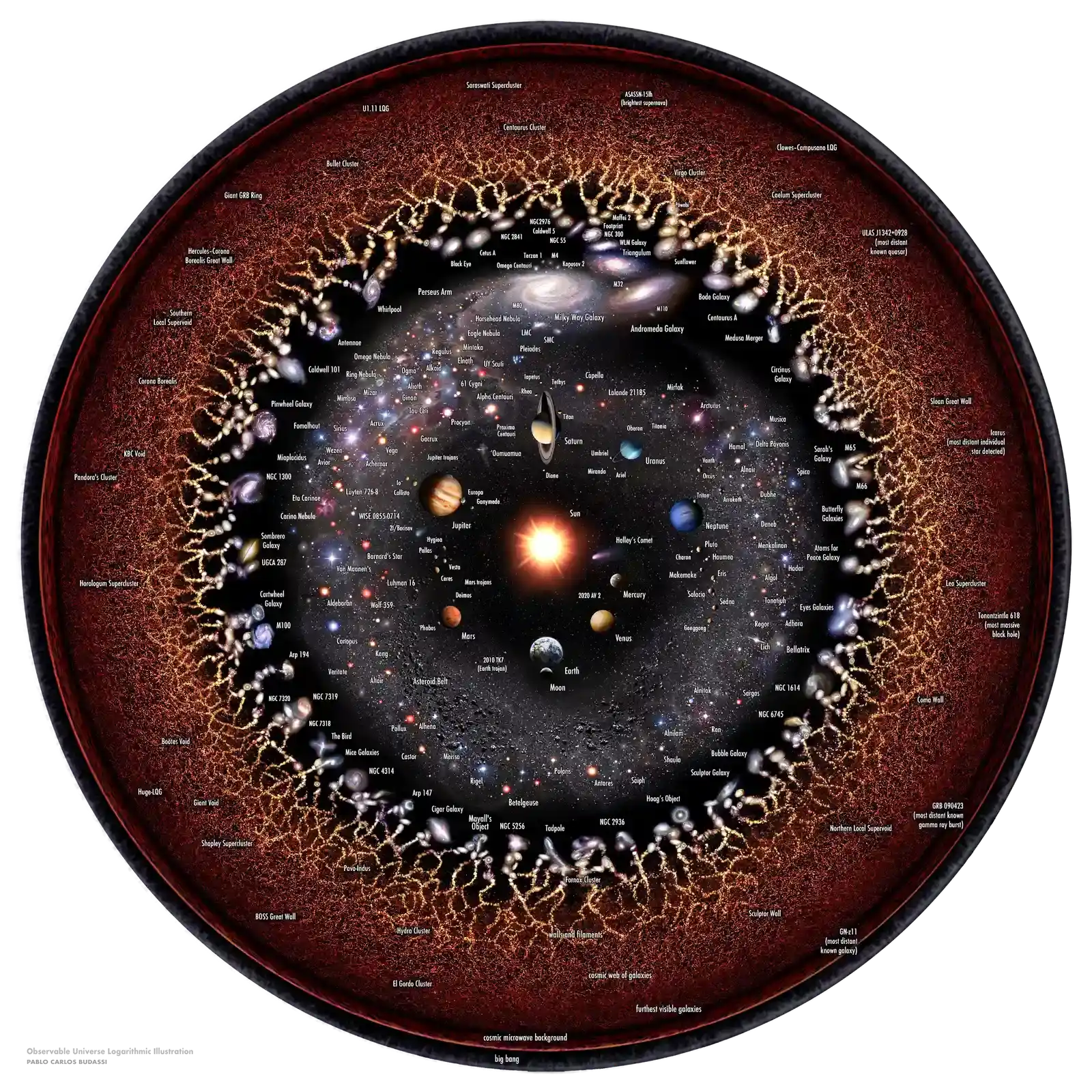
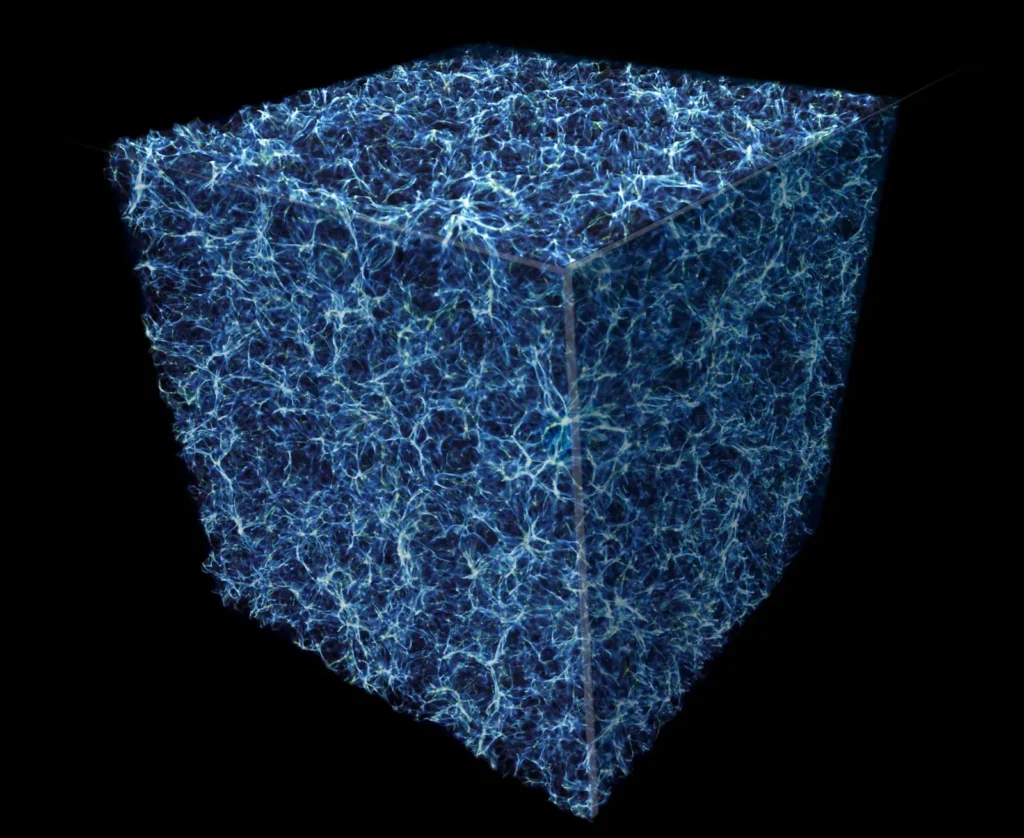
Galaxy filaments are the largest known structures in the universe, consisting of walls of galactic superclusters. Think of it like a spider web spanning the cosmos, except instead of silk threads, you have massive strands of dark matter and gas connecting galaxy clusters. This cosmic web forms the large-scale backbone of the universe. The filaments themselves can be hundreds of millions of light-years long, threading through vast voids where almost nothing exists.
Let’s be real, when you zoom out far enough, the universe looks more like foam or a sponge than anything else. Galaxies are distributed along geometric patterns outlined by huge, tenuous filaments and planar features known as sheets, and these filaments and sheets are separated by cosmic voids. These voids can stretch anywhere from roughly thirty million to over three hundred million light-years in diameter, and they’re nearly empty. It’s like most of the universe is just… space.
Dark Matter is the Real Architect Here
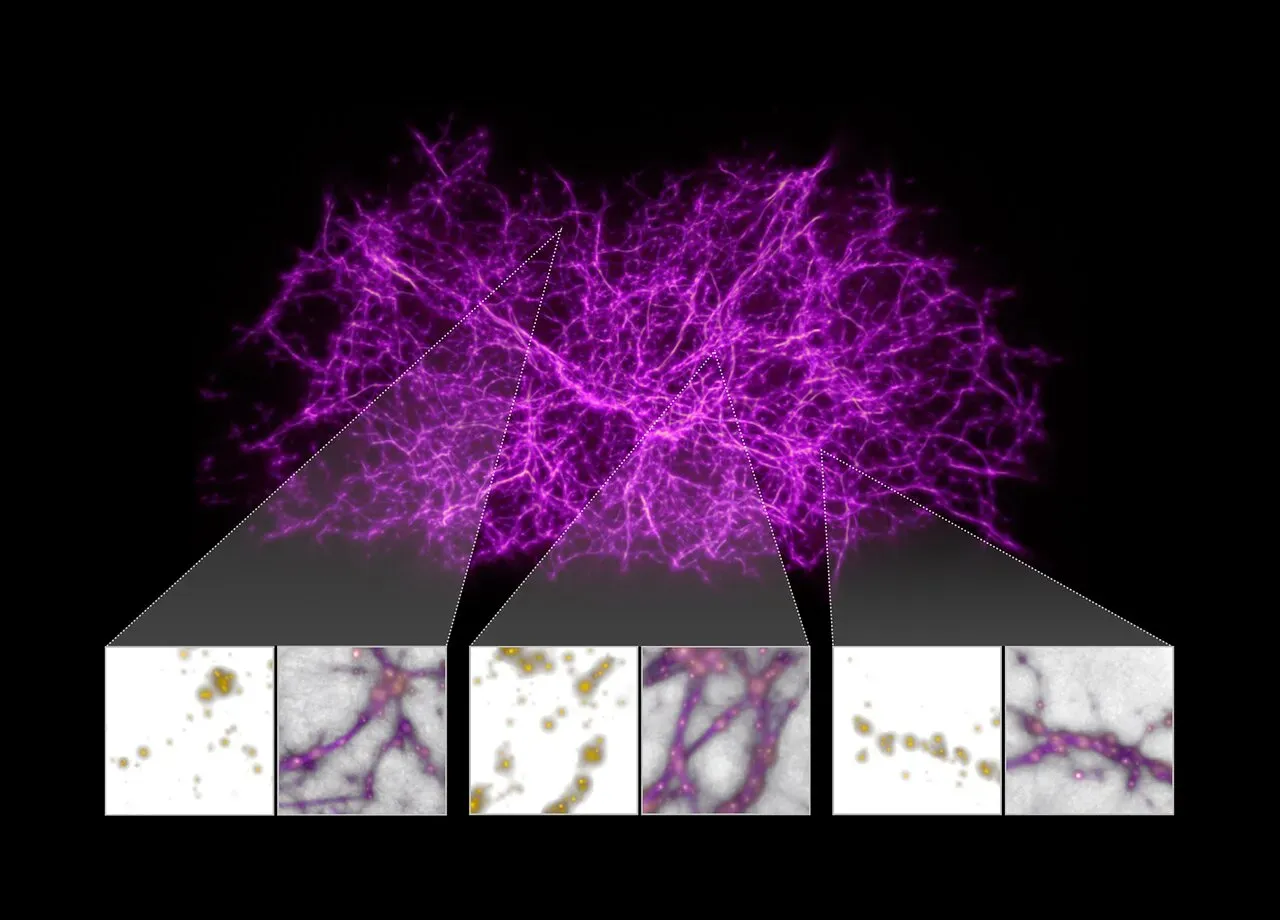
Here’s where it gets wild. You can’t actually see the cosmic web directly because most of it is made of dark matter, which doesn’t interact with light at all. Dark matter provides the scaffolding for the formation of galaxies and galaxy clusters. Roughly five-sixths of all matter in the universe is this invisible stuff, and it’s what gives the cosmic web its shape and gravitational pull.
More than 85 percent of the matter in the universe is dark, hugely dominating gravitationally over the luminous matter, and the gravity of dark matter keeps galaxies and clusters together in the first place. Without dark matter, galaxies would just fly apart. The luminous matter we can see, the stars and gas clouds, simply follows where dark matter has already laid down the tracks. Honestly, it’s hard to wrap your head around the idea that everything we see is just riding along on an invisible framework we can barely detect.
Filaments, Nodes, and the Cosmic Highway System
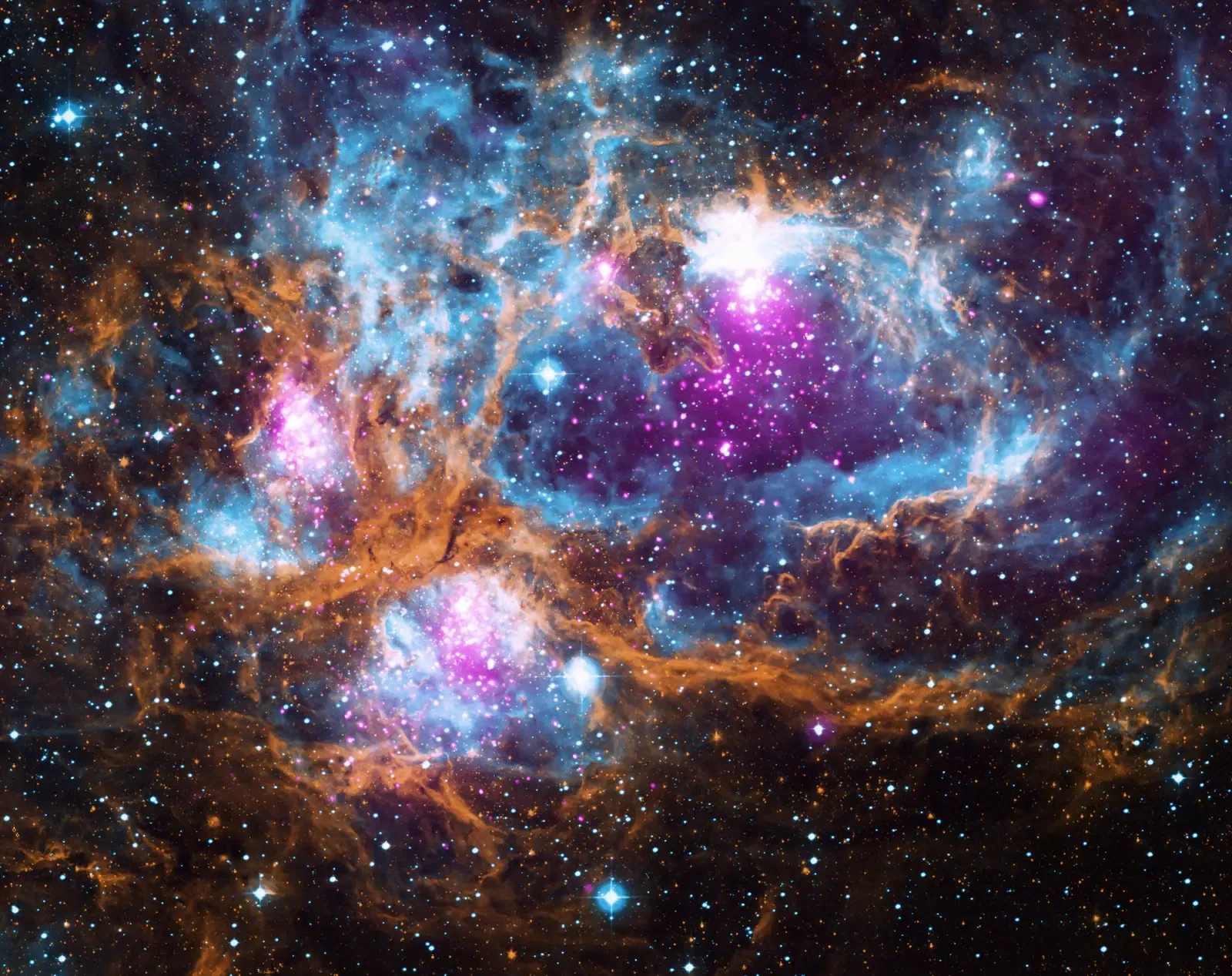
Where two or more large filaments intersect, the density of matter becomes so high that massive clusters of galaxies can form, and galaxy clusters represent the high-density “nodes” of the Cosmic Web. These nodes are like cosmic traffic junctions, packed with hundreds or even thousands of galaxies all bound together by gravity. Along the filaments themselves, matter flows like rivers feeding into lakes.
Cold, dark filaments in deep space snake their way to the galaxies, supplying them with gas, which is fuel for making more stars. You can think of these filaments as highways delivering raw materials for galaxy construction. It’s a constant flow, and it’s been happening for billions of years. The filaments are feeding galaxies, and galaxies are growing as a result.
How Did This Massive Web Even Form
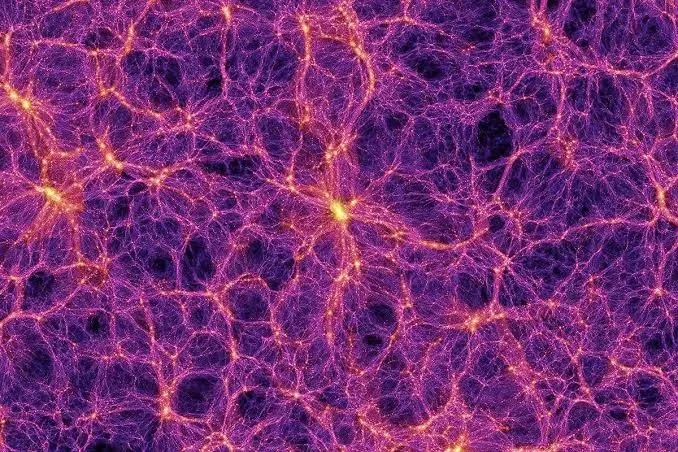
The story starts way back, shortly after the Big Bang. The cosmic web is a vast arrangement of galaxies, dark matter, and gas that emerged from minuscule density fluctuations following the Big Bang, and these fluctuations, amplified by gravity over 13.8 billion years, formed a sprawling network. In the very early universe, matter was distributed almost uniformly, with only tiny variations in density, differences of maybe one part in a hundred thousand.
The early universe was very smooth, and the distribution of matter was uniform with tiny variations in density that grew into a web-like pattern, and these areas of slightly higher density also had slightly more gravity to attract more matter. Over billions of years, those tiny differences got amplified. Gravity pulled more matter into the denser regions, and slowly but surely, the cosmic web took shape. It’s like watching ripples in a pond freeze into permanent patterns.
Recent Breakthroughs in Mapping the Web
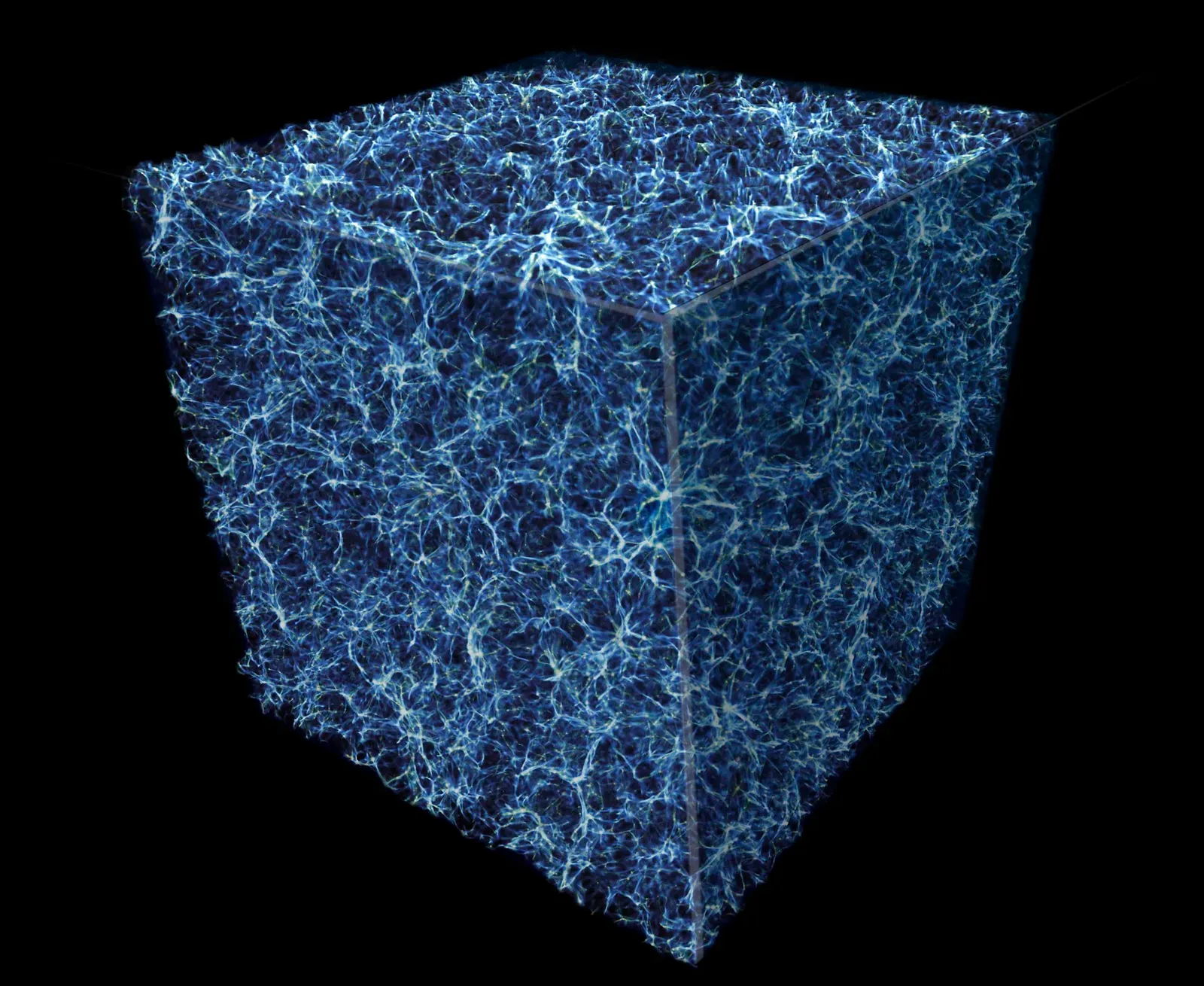
For decades, the cosmic web existed mostly in computer simulations. Scientists could predict it, but actually seeing it? That was another story. Recently though, things have changed. An international team of researchers has now obtained an unprecedented high-definition image of a cosmic filament inside this web, connecting two active forming galaxies, dating back to when the Universe was about 2 billion years old. The image captured a filament stretching three million light-years between two galaxies.
Results from the Keck Cosmic Web Imager are the first to show direct light emitted by the largest and most hidden portion of the cosmic web. Using instruments like MUSE on the Very Large Telescope and the Keck Cosmic Web Imager, astronomers have finally been able to detect the faint glow of hydrogen gas threading through the cosmic web. The gas is incredibly dim, and it took hundreds of hours of observations to capture it, but the payoff is huge.
Giant Spinning Structures Defying Expectations
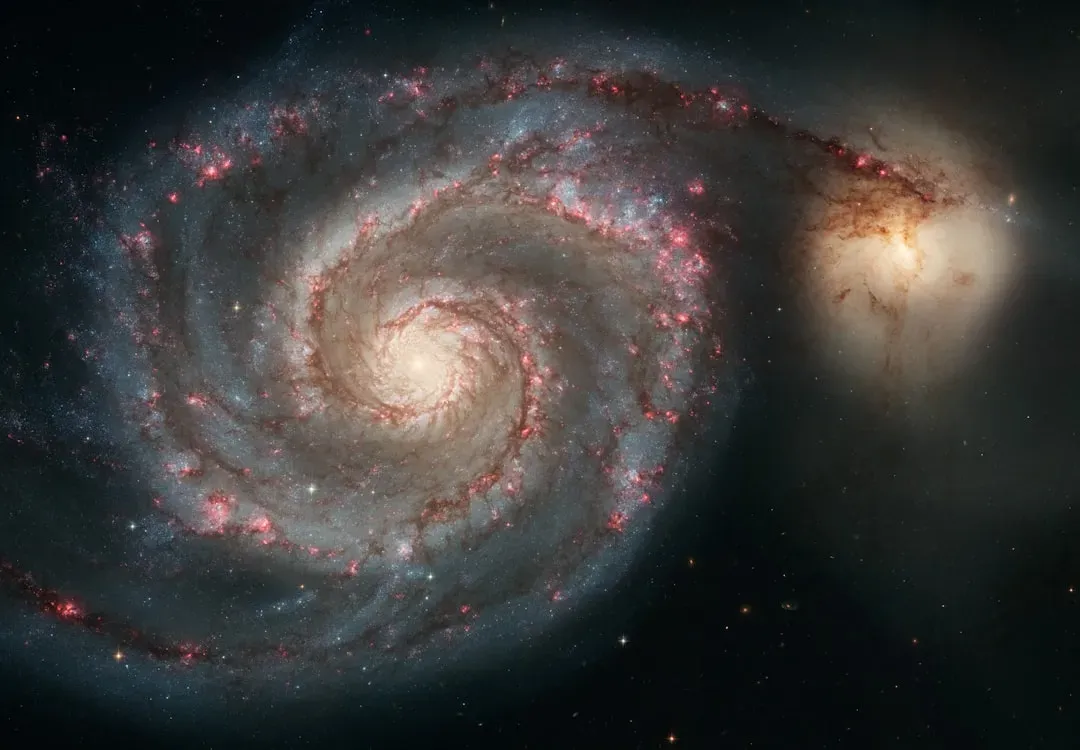
Just when you think the cosmic web can’t get any stranger, scientists discovered something truly unexpected. A giant cosmic filament was found where galaxies spin in sync with the structure that holds them together, and the razor-thin chain of galaxies sits inside a much larger filament that appears to be slowly rotating as a whole. This thing is over fifty million light-years long, and it’s spinning like a cosmic propeller.
Many of the galaxies in the thin strand appear to be rotating in the same direction as the filament itself, far more often than would be expected if their orientations were random, and this finding challenges existing models. It’s hard to say for sure what this means, but it suggests that large-scale cosmic structures might be shaping galaxy rotation far more powerfully than anyone previously believed. The discovery is making astronomers rethink how galaxies get their spin in the first place.
What the Cosmic Web Tells Us About Galaxy Evolution
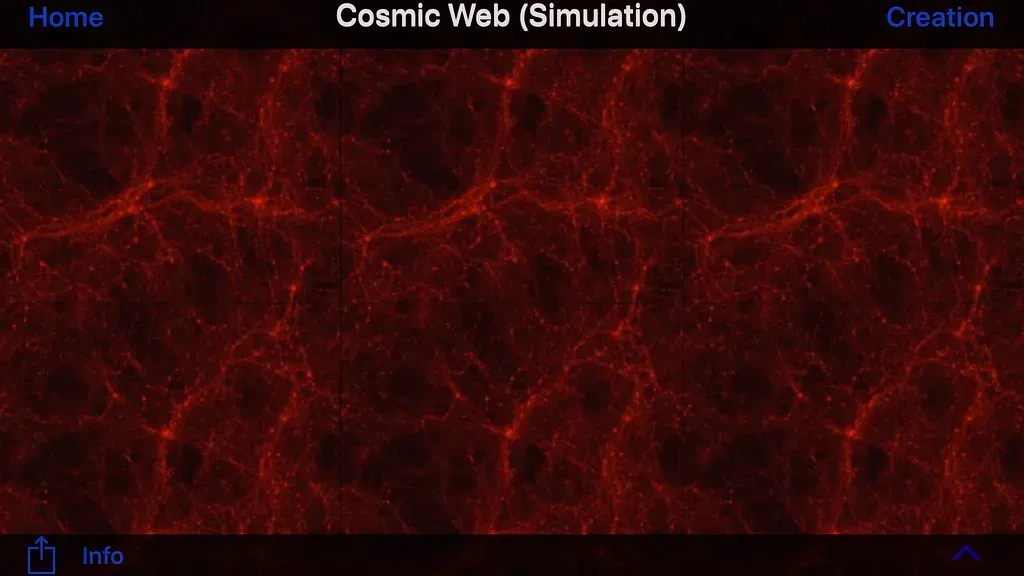
Understanding the cosmic web isn’t just about mapping the universe. It’s about figuring out how galaxies, including our own Milky Way, came to exist. These processes gave rise to a highly sub-structured network of sheets and filaments of ordinary and dark matter known as the cosmic web, which constitutes the skeleton supporting the later emergence of stars and galaxies. Every galaxy you see owes its existence to this hidden framework.
The luminous matter distribution turns out to closely follow that of dark matter, at least on Cosmic Web scales, and we see galaxies in filaments or clusters only because dark matter has formed these structures. Gas flows along the filaments, funneling into galaxies where it condenses into stars. It’s an ongoing cycle that’s been running for billions of years, and it’s still happening today. Some filaments are still young and dynamically cold, packed with hydrogen-rich galaxies actively forming stars.
The Future of Cosmic Web Research
We’re still in the early stages of truly understanding the cosmic web. New missions and telescopes are coming online that will push our knowledge even further. Upcoming missions such as Euclid, DESI, and CMB-S4 will deliver more data, and our grasp of this largest structure in the universe will only grow deeper. These instruments will map millions of galaxies, trace dark matter distribution with unprecedented precision, and help refine our models of cosmic evolution.
This detailed imaging of the web will provide astronomers with missing information they need to understand the details of how galaxies form and evolve, and the cosmic web delineates the architecture of our universe, where most of the normal matter resides. Every new observation brings us closer to answering fundamental questions about the nature of dark matter, the role of dark energy, and how the universe will continue to evolve over the next billions of years. Let’s be honest, there’s still so much we don’t know, and that’s what makes it exciting.
The cosmic web is more than just a structure. It’s a record of the universe’s entire history, written in dark matter and gas across unimaginable distances. Every filament, every void, every cluster tells a story about how tiny quantum fluctuations in the early universe grew into the galaxies we see today. So next time you look up at the stars, remember they’re not alone. They’re connected, part of an invisible web that holds the entire universe together. What do you think about this hidden cosmic architecture? Does it change how you see the night sky?