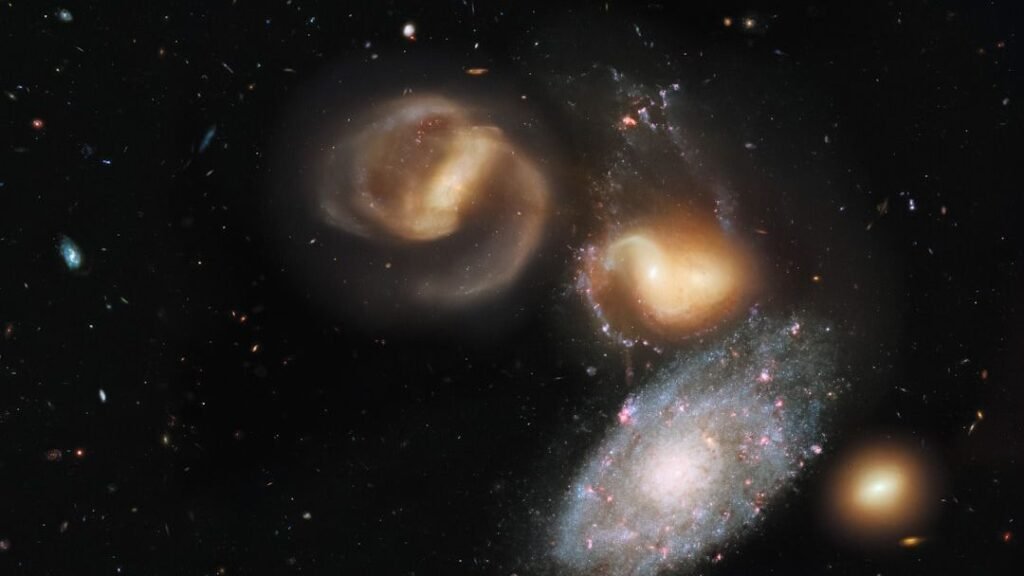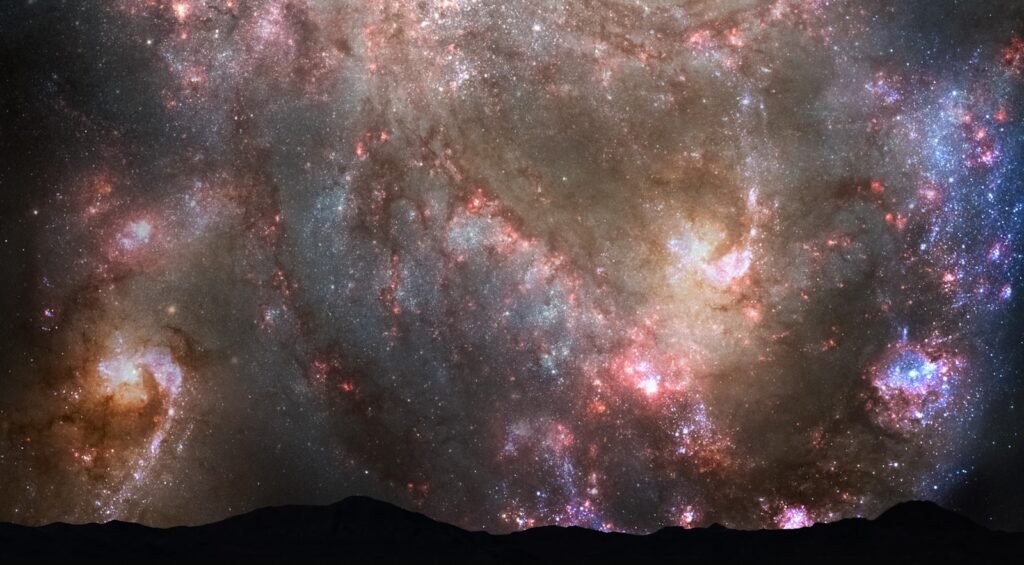

From a distance, the universe looks calm and almost empty, a vast black canvas scattered with lonely points of light. But as astronomers have learned over the past few decades, this first impression is spectacularly wrong: on the very largest scales, the cosmos is woven into a kind of three‑dimensional lace, a sprawling network of filaments, clusters, and voids. This “cosmic web” is not just an aesthetic curiosity; it is the scaffolding on which every galaxy, star, and planet – including ours – has formed. The mystery now is shifting from whether this web exists to how it grew, what invisible forces sculpted it, and how deeply its story connects to the strange rules of quantum physics and the boldest theories about the universe itself. In many ways, map by map and simulation by simulation, we are only just learning to read the universe’s own handwriting.
The Hidden Pattern Beneath the Stars
At human scales, structure is easy to grasp: cities follow roadways, rivers trace valleys, and forests cluster where conditions are right. The revelation that the universe does something similar, arranging galaxies along immense filaments like cities along intergalactic highways, is still quietly mind‑bending. When astronomers first stitched together redshift surveys – three‑dimensional maps of galaxy positions – they saw something shocking appear: bubbles and strands spanning hundreds of millions of light‑years, with galaxies clumping at the intersections and vast empty voids in between. It was as if someone had blown foam into the universe and the galaxies had frozen on the edges of the bubbles. That image, once controversial, is now one of the most robust large‑scale features in cosmology.
To put it in perspective, a single filament can stretch for more than a billion light‑years, long enough that a beam of light would need longer than Earth’s entire biological history to travel from one end to the other. Our own Milky Way is not floating alone but is part of a local filament that feeds into a larger supercluster known as Laniakea, itself just one region of the web. Computer simulations that start from nearly uniform early‑universe conditions and then let gravity and dark matter do their work naturally grow the same filamentary pattern we see in observations. That remarkable match tells scientists they are on the right track – but it also raises a harder question: what exactly is doing the pulling and shaping behind the scenes?
From Ancient Sky Stories to Precision Cosmic Cartography
For most of human history, the night sky was a static dome, a place for myths, navigation, and calendars. Ancient observers charted planets and bright stars with astonishing skill, but the idea that those faint smudges were entire “island universes,” let alone that they formed a vast web, was far beyond the tools and frameworks they had. That changed over the twentieth century as telescopes grew larger and detectors more sensitive, turning specks of light into measurable galaxies with distances and velocities. What started as simple lists of objects evolved into systematic surveys of the cosmos, where each dot on a chart represented a galaxy or cluster living in three dimensions.
The real tipping point came with massive programs such as the Sloan Digital Sky Survey and, more recently, newer mapping efforts that have cataloged millions of galaxies. When scientists plotted these galaxies in three‑dimensional space, a pattern emerged that statistics alone could not explain. Long chains, sheets, and knots of matter appeared, ringing enormous voids that contain far fewer galaxies than a random distribution would suggest. Each new generation of instruments, from ground‑based observatories to space missions, sharpened this picture and pushed it deeper in time, closer to the universe’s infancy. What began as an abstract idea – that matter on large scales might be clumpy – solidified into direct visual evidence of a cosmic web stretching as far as we can measure.
Gravity, Dark Matter, and the Quantum Roots of Structure
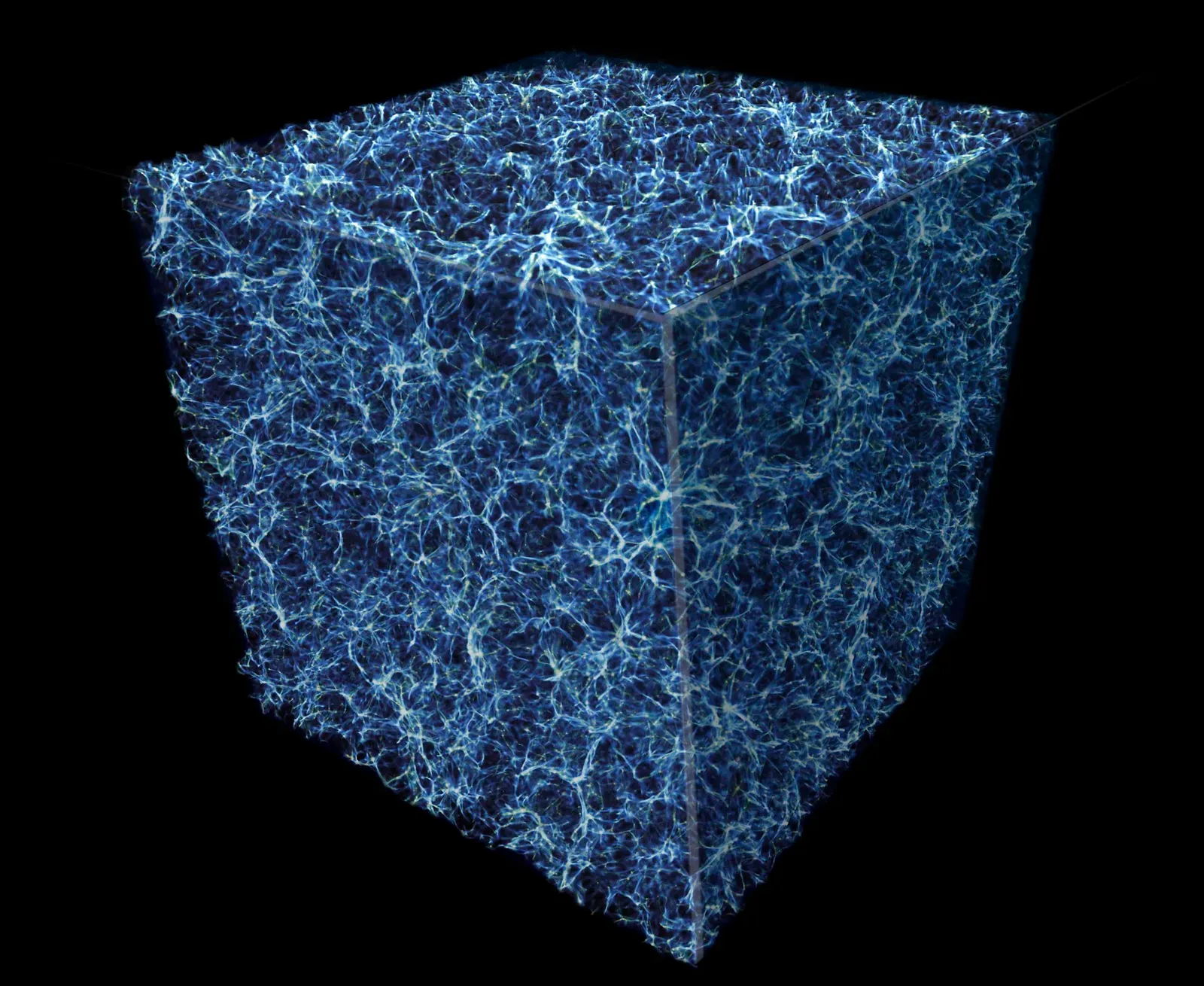
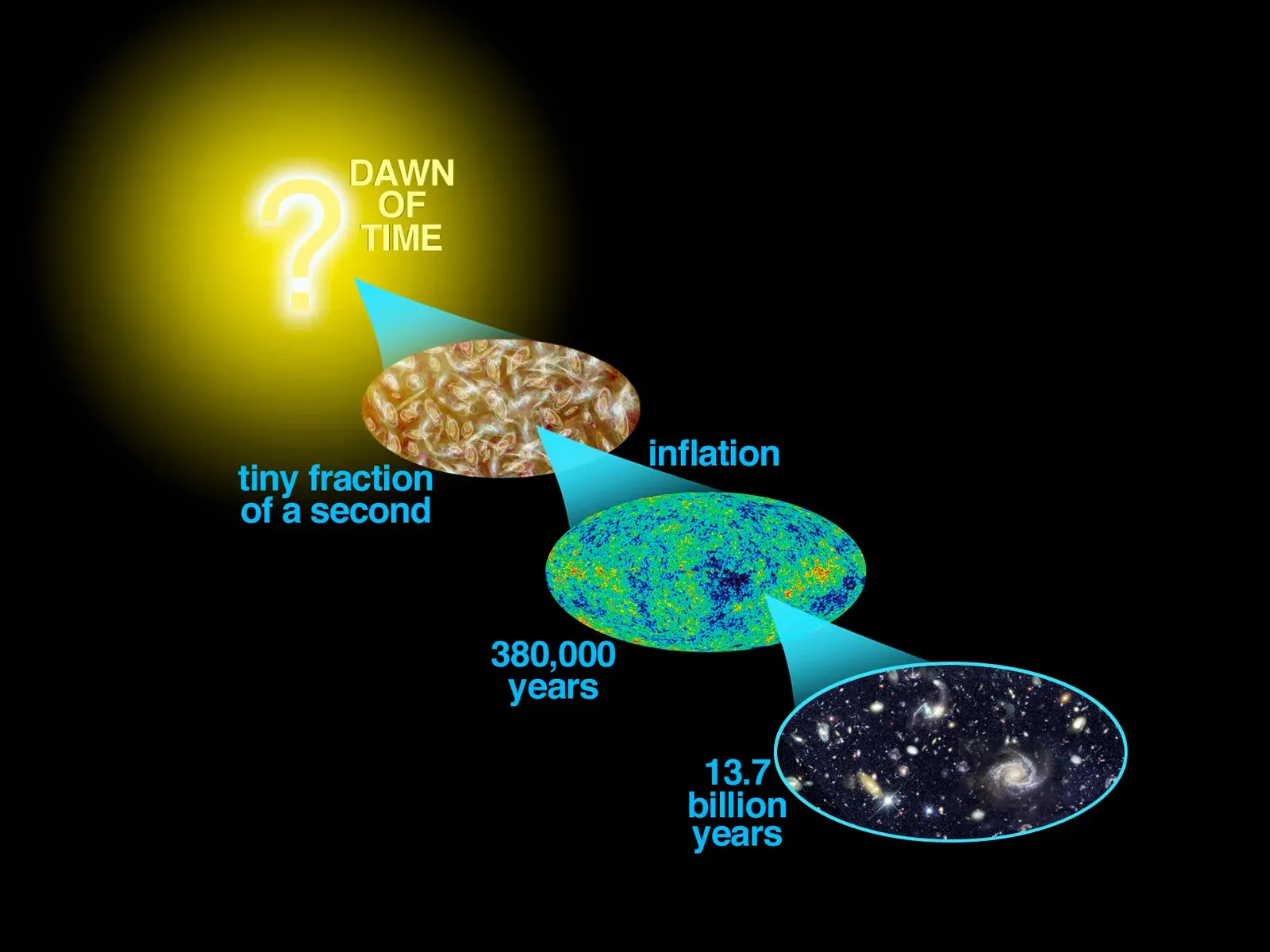
Seen from one angle, the cosmic web is gravity’s grandest artwork, sculpted over billions of years by mass attracting mass. But zoom in further, conceptually, and the story begins with something even stranger: tiny quantum fluctuations in the primordial universe. According to leading cosmological models, right after the Big Bang there was a period of rapid expansion known as inflation, during which microscopic quantum jitters were blown up to cosmic scales. Those tiny over‑densities and under‑densities acted as seeds where gravity could start its patient work, drawing more material into slightly denser regions over time.
Here is where the narrative blends quantum physics and cosmology in a way that still makes many researchers pause. The same quantum rules that govern electrons in atoms also describe the early universe’s initial ripples, yet billions of years later those ripples have become superclusters and voids. Dark matter, an invisible form of matter that does not emit or absorb light, plays a starring role by providing most of the mass that collapses into filaments. In numerical simulations, ordinary matter largely follows the dark matter’s lead, cooling into galaxies along the dense threads. The cosmic web we observe today is therefore both a classical structure governed by gravity and a fossil record of quantum noise amplified beyond imagination.
Reading the Web: What Galaxies Reveal About Their Cosmic Neighborhood
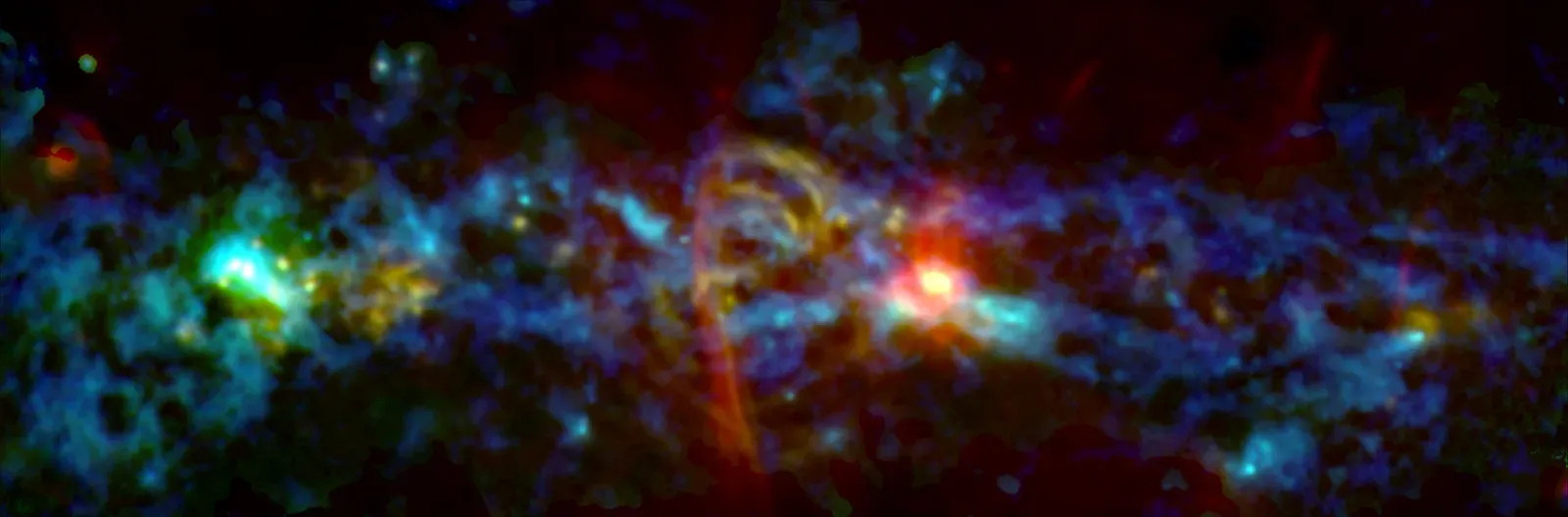
Not all places in the cosmic web are created equal, and galaxies bear the marks of the neighborhoods they grow up in. Dense nodes where filaments intersect – called clusters – tend to host massive, older galaxies, often with little ongoing star formation. In contrast, galaxies embedded in thinner filaments or near voids can be bluer, richer in gas, and more actively forming new stars. Astronomers sometimes describe this as an environmental effect, a bit like how cities, suburbs, and remote villages shape the opportunities and histories of people living there. The web sets the stage, and each galaxy’s evolution is partly written by its position in this giant network.
Recent surveys have started to tease out correlations that would have sounded speculative a generation ago. For example, the spin directions of some galaxies appear to align with their local filaments, suggesting that the way matter flows along the web can spin up forming galaxies like water twisting in a riverbed. Researchers study how gas streams along filaments into galaxies, feeding central black holes and sustaining star formation over cosmic time. In this sense, the web is not just a static scaffold but a dynamic set of cosmic supply lines. Understanding these flows helps connect the grand, billion‑light‑year architecture to the fine‑grained details of how stars, planets, and perhaps life emerge.
Why the Cosmic Web Matters Far Beyond Astronomy
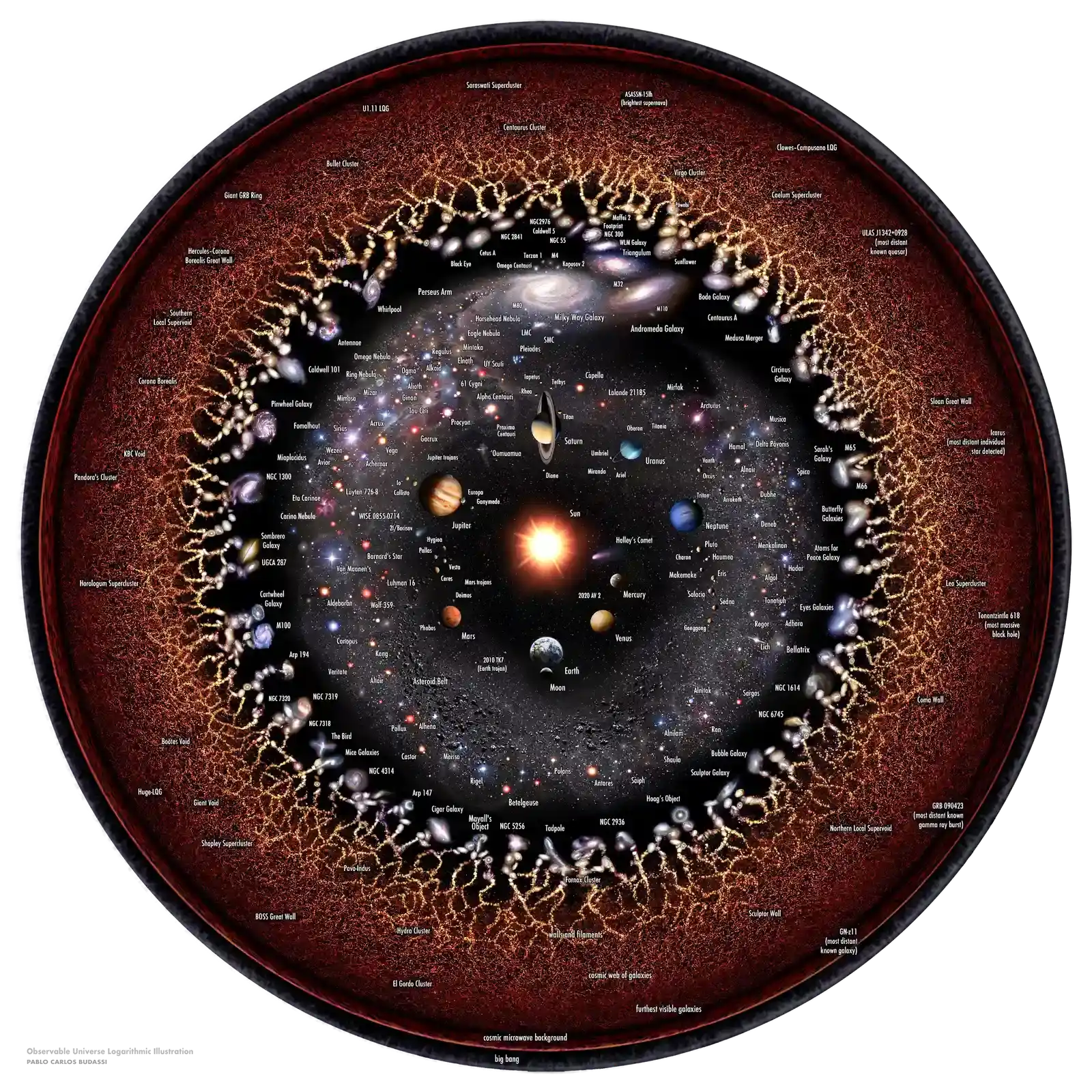
It might be tempting to see the cosmic web as a beautiful but distant curiosity, something that does not affect daily life on Earth. In reality, it is the reason anything like daily life exists at all. Without the web’s pattern of filaments and nodes, galaxies might not have formed where and how they did, and the Milky Way could be a very different place – or not exist. The web also serves as a crucial testing ground for our deepest physical theories. If models of dark matter, gravity, or the early universe cannot reproduce the web’s observed structure, they are in trouble.
There is also a powerful conceptual impact. The idea that the largest structure we know grew from quantum fluctuations challenges the intuitive divide between the very small and the very large. It blurs the line between particle physics and cosmology, showing that the universe is a single system obeying a shared set of rules across unimaginable scales. On a cultural level, the web reinforces a humbling perspective: our solar system, our galaxy, even our local supercluster are tiny pieces in a network that may extend far beyond what we will ever observe. That recognition reshapes philosophical debates about our place in the cosmos and the nature of cosmic order. The web is not just an astronomical result; it is a new frame for thinking about existence.
Testing Universe Theories on the Largest Possible Stage
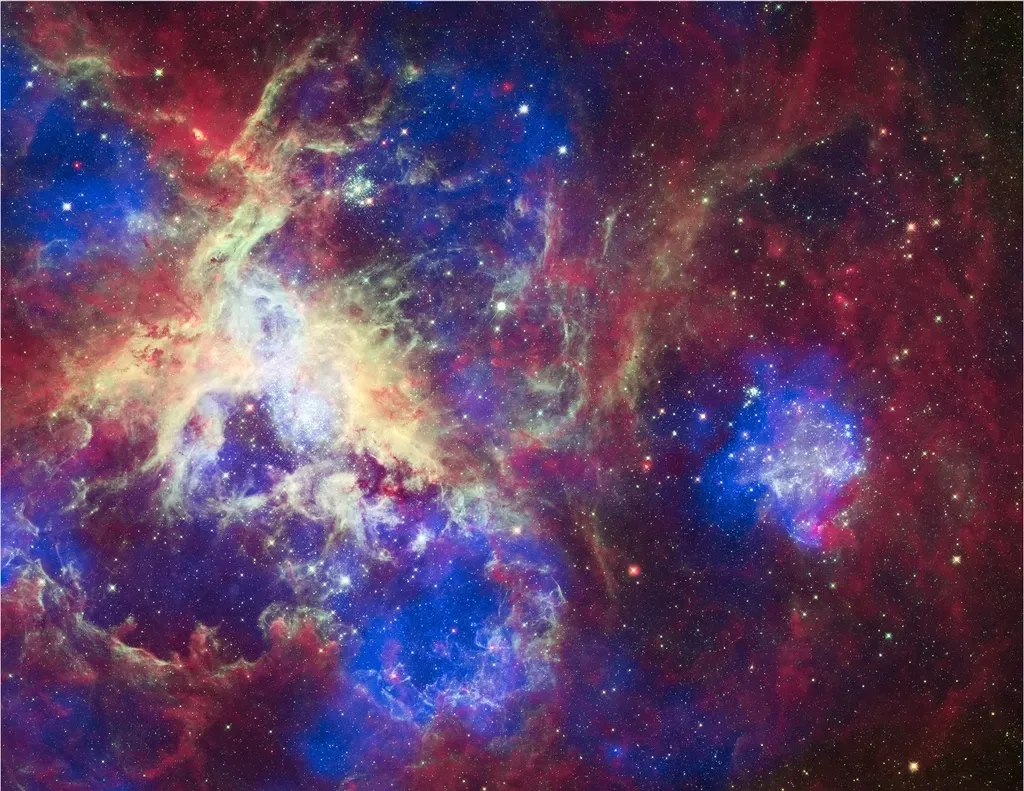
The cosmic web has quietly become one of the most powerful tools for sorting through competing theories about the universe. Different models of dark matter, dark energy, and gravity predict subtly different patterns of filaments, clusters, and voids. By measuring how thick filaments are, how fast galaxies fall along them, and how matter clumps over time, researchers can test whether the standard cosmological model still holds or needs revision. In some alternatives, gravity behaves differently on very large scales, which would leave telltale fingerprints in the web’s geometry and growth history.
Scientists also compare the web we see to simulations that vary assumptions about the early universe, such as the details of inflation or the properties of neutrinos. If a given model consistently fails to reproduce observed statistics – like the distribution of void sizes or cluster masses – it is either incomplete or wrong. This is where the web becomes something like a vast, natural laboratory, one where the experiments have already run and our job is to interpret the results. For those drawn to quantum foundations, there is an additional intrigue: some speculative ideas about quantum gravity and the fabric of spacetime might eventually be constrained, at least indirectly, by precision measurements of the cosmic web. The largest structure we know thus becomes a testing arena for the most ambitious ideas in physics.
The Future Landscape: New Telescopes, Deeper Maps, Bigger Questions
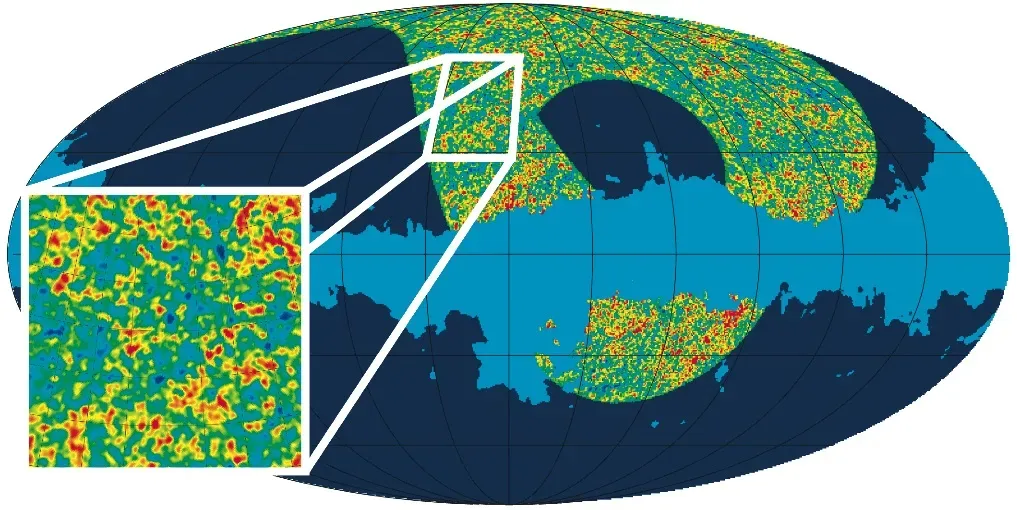
Over the next decade, the cosmic web is set to come into even sharper focus as new observatories come online. Wide‑field surveys from powerful ground‑based telescopes and space missions are already mapping tens of millions of galaxies, pushing farther back in time and out across the sky. These projects aim to track how the web has evolved over billions of years, turning static maps into a kind of cosmic time‑lapse. As data piles up, astronomers will be able to spot subtle deviations from expected patterns, potentially hinting at new physics or unexpected behavior in dark energy.
Future instruments will also probe the web in ways that go beyond simply counting galaxies. Observations of diffuse gas between galaxies, for instance, may reveal how filaments really look in matter rather than light, and how they feed galaxies over time. Gravitational lensing – where mass bends the path of background light – offers another route to trace the web’s invisible dark matter skeleton. At the same time, the sheer scale of upcoming data poses challenges: making sense of such immense datasets will demand advances in algorithms, simulations, and perhaps entirely new ways of visualizing the universe. If the past few decades turned the cosmic web from theory into observation, the next may turn it into a precision instrument for reading the universe’s deepest laws.
How Curious Minds Can Connect With the Cosmic Web
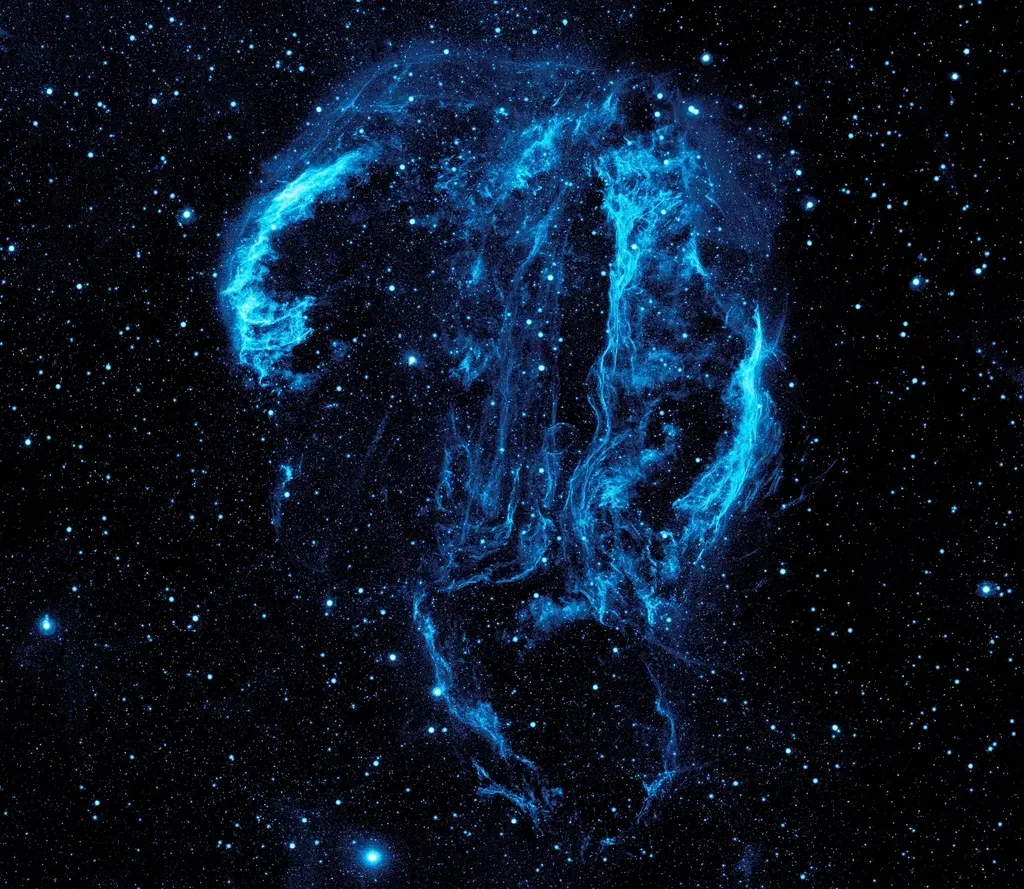
It is easy to feel small in the face of billion‑light‑year structures, but there are surprisingly concrete ways to engage with the science of the cosmic web. Many major sky surveys release their maps and images publicly, allowing anyone with a laptop to explore slices of the universe and see filaments and voids for themselves. Some citizen‑science platforms invite volunteers to help classify galaxies, identify unusual structures, or flag oddities that automated algorithms might miss. Even simple actions like following mission updates, public talks, or open‑access articles help support a culture that values deep, long‑term exploration of the cosmos.
On a more personal level, letting the idea of the cosmic web sink in can shift how we see our own world. The fact that our planet orbits a star embedded in a galaxy that rides along a filament of dark matter ties everyday life to the universe’s grandest structures. Supporting science education, advocating for research funding, or just taking time to share these ideas with friends and family keeps that connection alive. The next time you look up at the night sky, you are not just seeing scattered stars – you are catching a faint, local glimpse of a vast, interconnected cosmic network. And that awareness alone is a small but meaningful way of belonging to it.
Suhail Ahmed is a passionate digital professional and nature enthusiast with over 8 years of experience in content strategy, SEO, web development, and digital operations. Alongside his freelance journey, Suhail actively contributes to nature and wildlife platforms like Discover Wildlife, where he channels his curiosity for the planet into engaging, educational storytelling.
With a strong background in managing digital ecosystems — from ecommerce stores and WordPress websites to social media and automation — Suhail merges technical precision with creative insight. His content reflects a rare balance: SEO-friendly yet deeply human, data-informed yet emotionally resonant.
Driven by a love for discovery and storytelling, Suhail believes in using digital platforms to amplify causes that matter — especially those protecting Earth’s biodiversity and inspiring sustainable living. Whether he’s managing online projects or crafting wildlife content, his goal remains the same: to inform, inspire, and leave a positive digital footprint.