
Everywhere you look, from the swirl of a hurricane on satellite images to the spiral of a snail’s shell, the universe seems to be quietly repeating itself. Scientists, philosophers, and everyday sky-watchers have all asked a version of the same question: is this just coincidence, or is there a deep pattern hiding in plain sight? In laboratories, supercomputers now sift through oceans of data, hunting for structures that our eyes alone would miss, while telescopes scan the sky for echoes of a cosmic design. Yet the more order we uncover, the more the universe surprises us with randomness, chaos, and quantum dice rolls. Caught between these extremes, researchers are starting to suspect that the real story is not simple order versus disorder, but something stranger: layered patterns that emerge from chaos itself.
The Hidden Clues in Nature’s Shapes
Stand under a tree in winter and look up: the bare branches split, then split again, tracing a pattern that looks uncannily like a river delta or the veins on the back of your hand. This branching structure, a kind of living roadmap, appears across biology and geology as if the universe keeps copying and pasting the same design. Mathematicians classify many of these structures as fractals, shapes that repeat similar patterns at different scales. Whether it is the jagged outline of a coastline, the branching of your lungs, or the structure of lightning, nature seems obsessed with recursive design. It is hard not to feel that these repeating motifs are whispering that there is a shared rulebook underneath.
I remember walking along a rocky shore during low tide and realizing that the curve of the bay looked a lot like the crack spreading across my phone screen. That small, almost silly observation is the kind of thing that has driven entire scientific fields: the realization that familiar shapes echo across wildly different systems. When physicists model how materials break, fluids flow, or cities expand, they keep arriving at similar branching and clustering patterns. Instead of each phenomenon needing its own special explanation, the math suggests that many are different expressions of the same underlying principles. The hidden clues are not hiding in obscure equations; they are etched into tree limbs, storm clouds, and the lines on our palms.
From Ancient Sky Stories to Modern Data
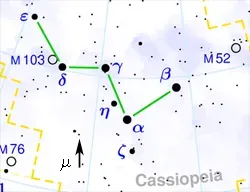
Long before statistical models and computer simulations, humans were already searching for a cosmic blueprint with the tools they had: naked eyes, stories, and stars. Ancient observers drew patterns through scattered points of light, turning random arrangements of stars into constellations and myths. Those constellations were not just entertainment; they were calendars, navigation aids, and early attempts to map a seemingly chaotic sky into something predictable. In a sense, they were the first data visualizations, transforming raw sensory input into structured meaning.
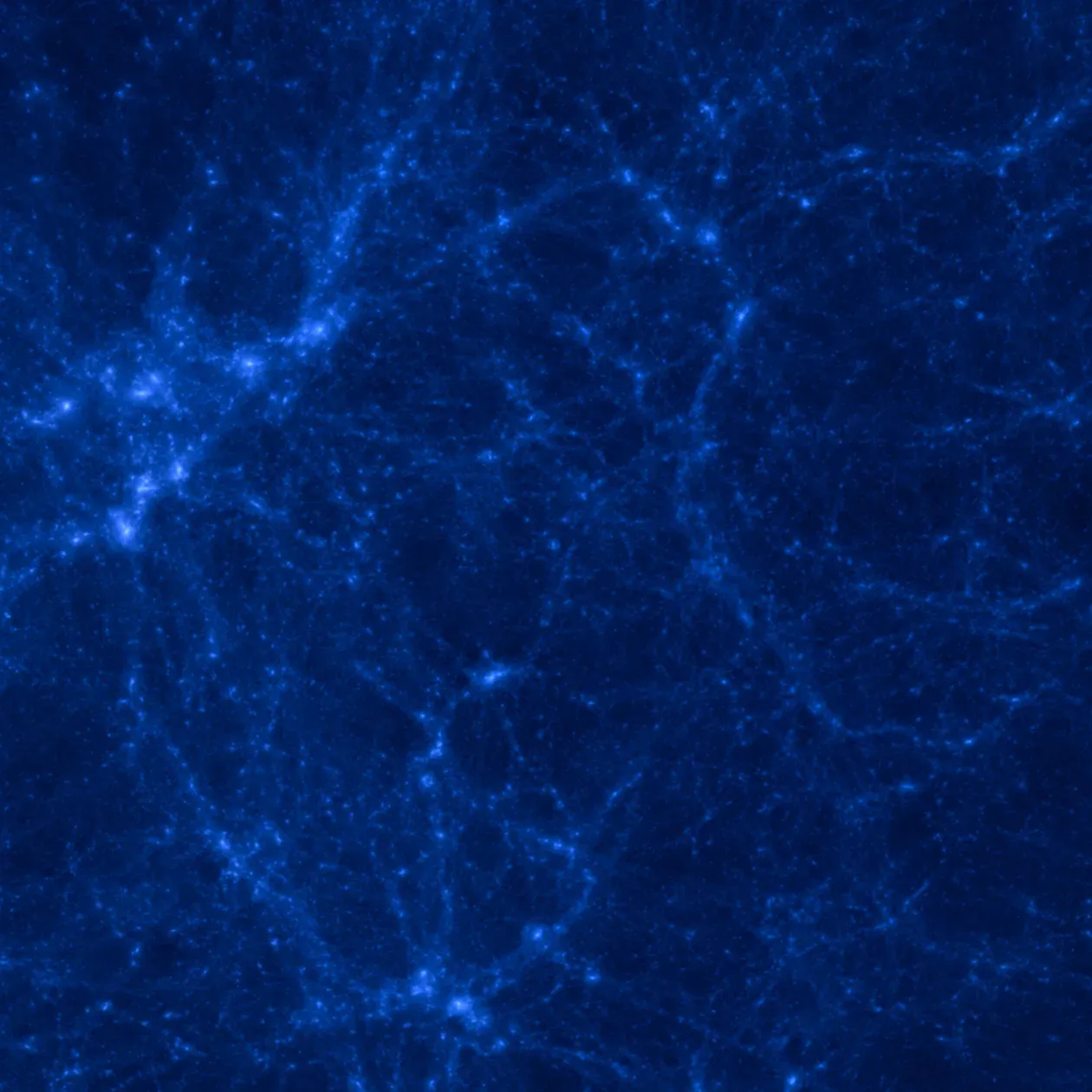
Today, the tools look very different, but the impulse is the same. Astronomers now feed measurements from space telescopes into machine-learning algorithms that search for recurring structures in the large-scale distribution of galaxies. Cosmologists study the cosmic microwave background, a faint afterglow of the Big Bang, for tiny ripples that hint at the initial patterning of the universe. On Earth, climate scientists examine decades of weather records to find repeating patterns that explain extreme events and long-term shifts. The old star maps and epics have been replaced by graphs, simulations, and probability distributions, but they all orbit the same question: does the chaos hide a code, or are we overfitting meaning onto noise?
Mathematical Patterns: Coincidence or Cosmic Script?
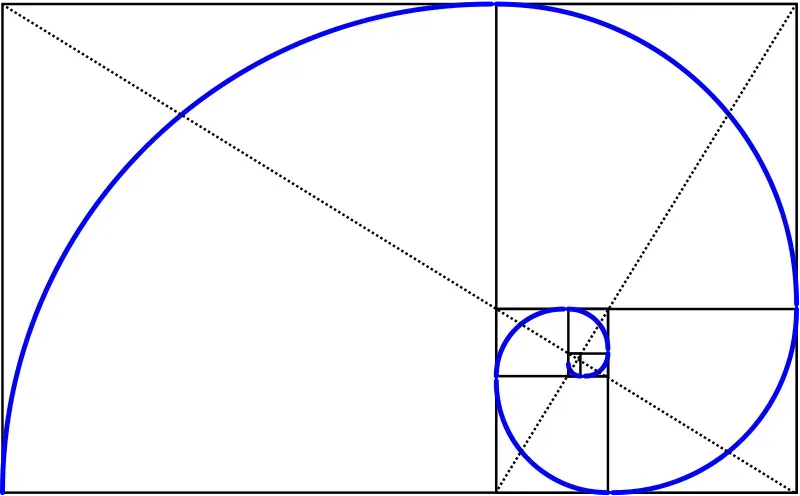
Some patterns are so pervasive that they feel almost eerie. The Fibonacci sequence, a simple counting pattern where each number is the sum of the two before it, shows up in sunflower spirals, nautilus shells, pinecones, and even the way certain galaxies wind around their cores. The so-called golden ratio, closely tied to that sequence, appears in the proportions of leaves, insect bodies, and sometimes in human design, from classical architecture to modern product layouts. It is easy to slip into mystical language here, as if the universe were secretly doing sacred geometry behind our backs.
But the reality may be even more fascinating than a neat cosmic script. Many of these patterns arise not because the universe is following a decorative plan, but because simple growth rules and physical constraints keep funneling systems toward similar outcomes. When things pack efficiently, disperse energy, or grow by accumulating on their edges, certain mathematical structures naturally emerge again and again. In that sense, the patterns we see might be less like a hidden code and more like the inevitable footprints of physics. The script is not imposed from above; it is written from the bottom up, one interaction at a time.
Order, Chaos, and the Edge Between

If there is a cosmic blueprint, then chaos looks like the ink splattering across the page. At first glance, turbulent flows, weather systems, or stock markets seem completely unpredictable, lurching and swirling with no obvious pattern. Chaos theory flipped that intuition on its head by showing that deterministic systems – ones that follow strict rules – can still produce outcomes that look almost random. Tiny differences in starting conditions can balloon into wildly different results, a phenomenon often summed up with the image of a butterfly’s wings nudging a distant storm into existence.
The punchline is that even chaos has structure. Plot the possible states of a chaotic system, and you often get strange attractors: ghostly shapes in mathematical space that the system tends to orbit without ever exactly repeating. Biology seems to thrive at this edge between order and chaos, where systems are stable enough to persist but flexible enough to adapt. Your brain, for example, balances structured neural circuits with spontaneous, noisy firing that helps it explore new possibilities. Instead of thinking of the universe as either clockwork or casino, many scientists now see it as a layered mix: local unpredictability draped over deeper statistical regularities.
Why It Matters: Patterns, Power, and Human Meaning
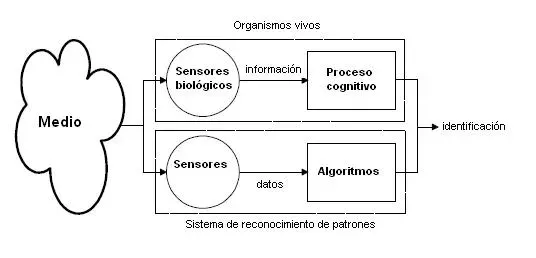
Asking whether there is a pattern to everything might sound abstract, but it quietly shapes how we live, plan, and even legislate. If the world is mostly random, then prediction and control are limited luxuries; if there are reliable patterns, then we can build technologies, economies, and policies that lean on them. Weather forecasting, for instance, has become dramatically better not by taming chaos completely but by exploiting large-scale patterns in the atmosphere. Public health officials rely on statistical patterns in disease spread to decide when to close schools or launch vaccination campaigns. These are not just intellectual games; they are life-and-death applications of pattern hunting.
There is also a psychological layer we rarely admit. Humans are pattern-seeking machines, and that gift can become a trap. We see faces in clouds, conspiracies in coincidences, and fate in random alignments because our brains are wired to stitch scattered dots into stories. Personally, I catch myself doing this all the time – like when two unrelated events line up in a day and I instinctively wonder if the universe is “trying to say something.” The scientific challenge is to separate patterns that are genuinely out there from those we are projecting onto the world. Statistical tools, blind trials, and rigorous replication are essentially humility machines, reminding us that not every pattern we think we see is real.
Global Perspectives on Cosmic Order
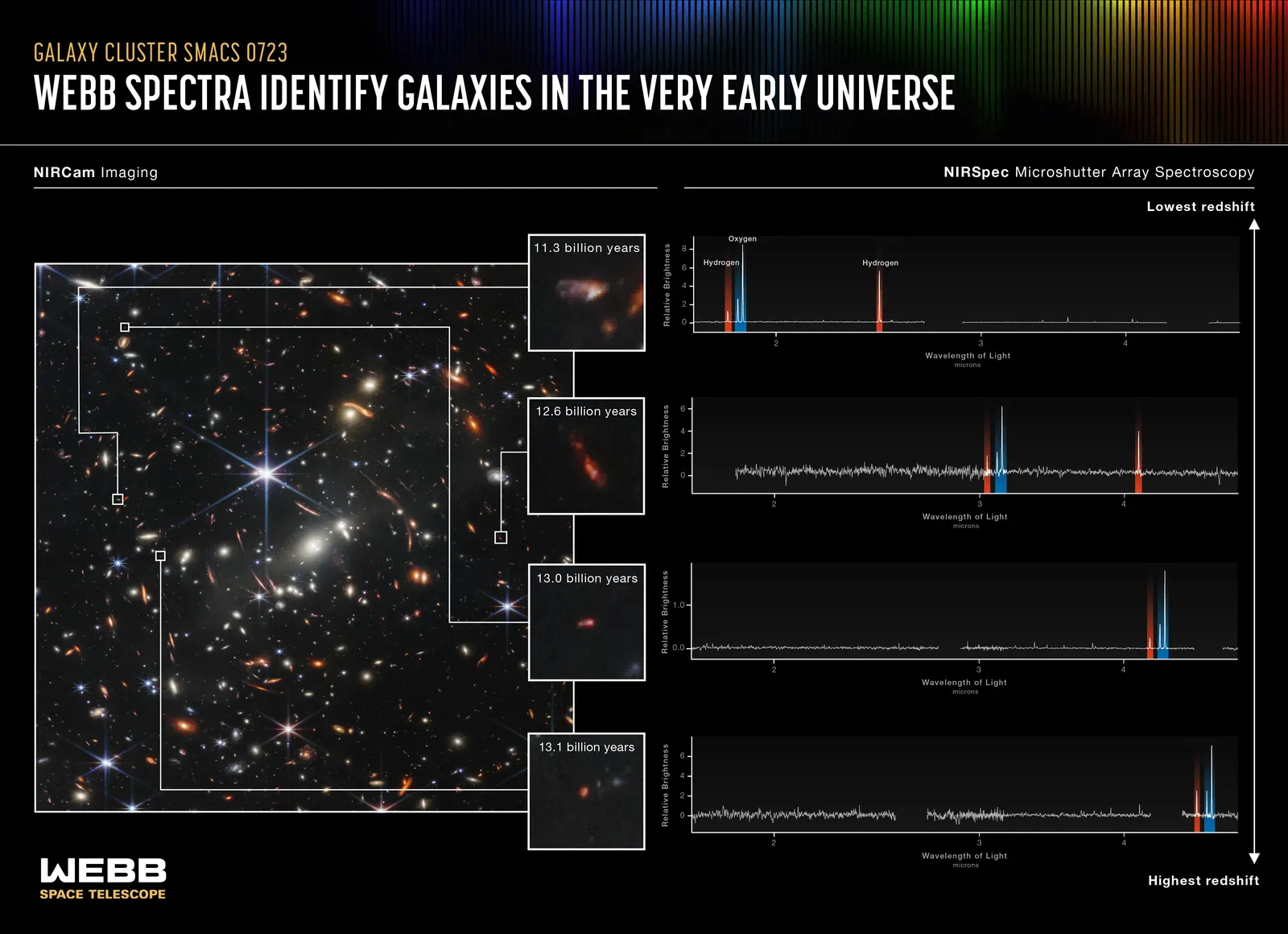
Different cultures have wrestled with the question of cosmic pattern in strikingly different ways, and those worldviews still echo in today’s science debates. Some traditions emphasize cycles: endless repetitions of birth, death, and rebirth, or cosmic ages that rise and fall like seasons. Others lean toward linear narratives of creation and destiny, with the universe unfolding according to a plan or law. These frameworks shape not only philosophical discussions but also how societies interpret scientific findings about beginnings, endings, and everything in between. When astronomers model the fate of the universe or the life cycle of stars, people often slot those results into older stories about order and purpose.
Modern science, for its part, tends to be deliberately agnostic about meaning and focuses instead on mechanisms. Yet even within the global scientific community, cultural intuitions about order and chaos can nudge how researchers frame their questions. Are we expecting the universe to be elegantly simple at its core, or are we prepared for a patchwork of partial rules and local patterns? Comparative studies of scientific collaboration show that diverse teams sometimes spot patterns or anomalies faster because they bring different assumptions to the table. In a strangely poetic twist, our search for a universal blueprint might itself benefit from the diversity of human perspectives.
The Future Landscape: Algorithms Hunting the Cosmic Code
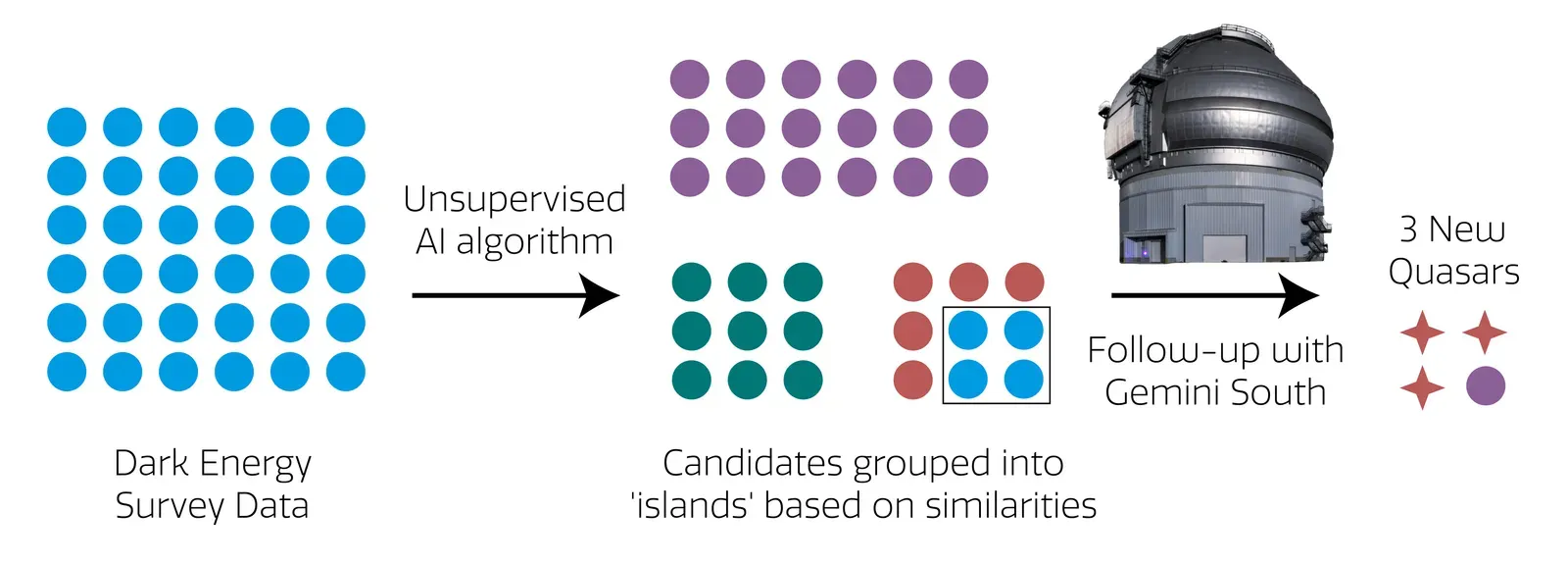
Right now, some of the most ambitious pattern hunts are being delegated to machines. In astrophysics, algorithmic tools scan sky surveys containing billions of galaxies, looking for subtle regularities in how matter clumps on the largest scales. In particle physics, software checks torrents of collision data for unusual signatures that might hint at new laws beyond the standard model. Even in neuroscience, models trawl through recordings of brain activity to uncover hidden structures in how thoughts, memories, and decisions unfold over time. These systems are not infallible, but they are already surfacing patterns that human observers would never have spotted unaided.
There is a catch, though, and it is a big one. The more powerful our pattern-detecting algorithms become, the more we risk being fooled by ghost patterns – statistical mirages that look real but evaporate under closer scrutiny. Future breakthroughs will depend not just on better tools, but on tighter ways to test whether a discovered pattern is actually fundamental or just an artifact of data collection and modeling choices. Some scientists are already calling for new standards of transparency and reproducibility in AI-assisted discoveries. The global implications are huge: if we can reliably extract deep patterns from climate data, social systems, or planetary observations, we may be able to anticipate crises, design more resilient infrastructure, and even spot habitable worlds around distant stars.
How You Can Join the Hunt for Patterns
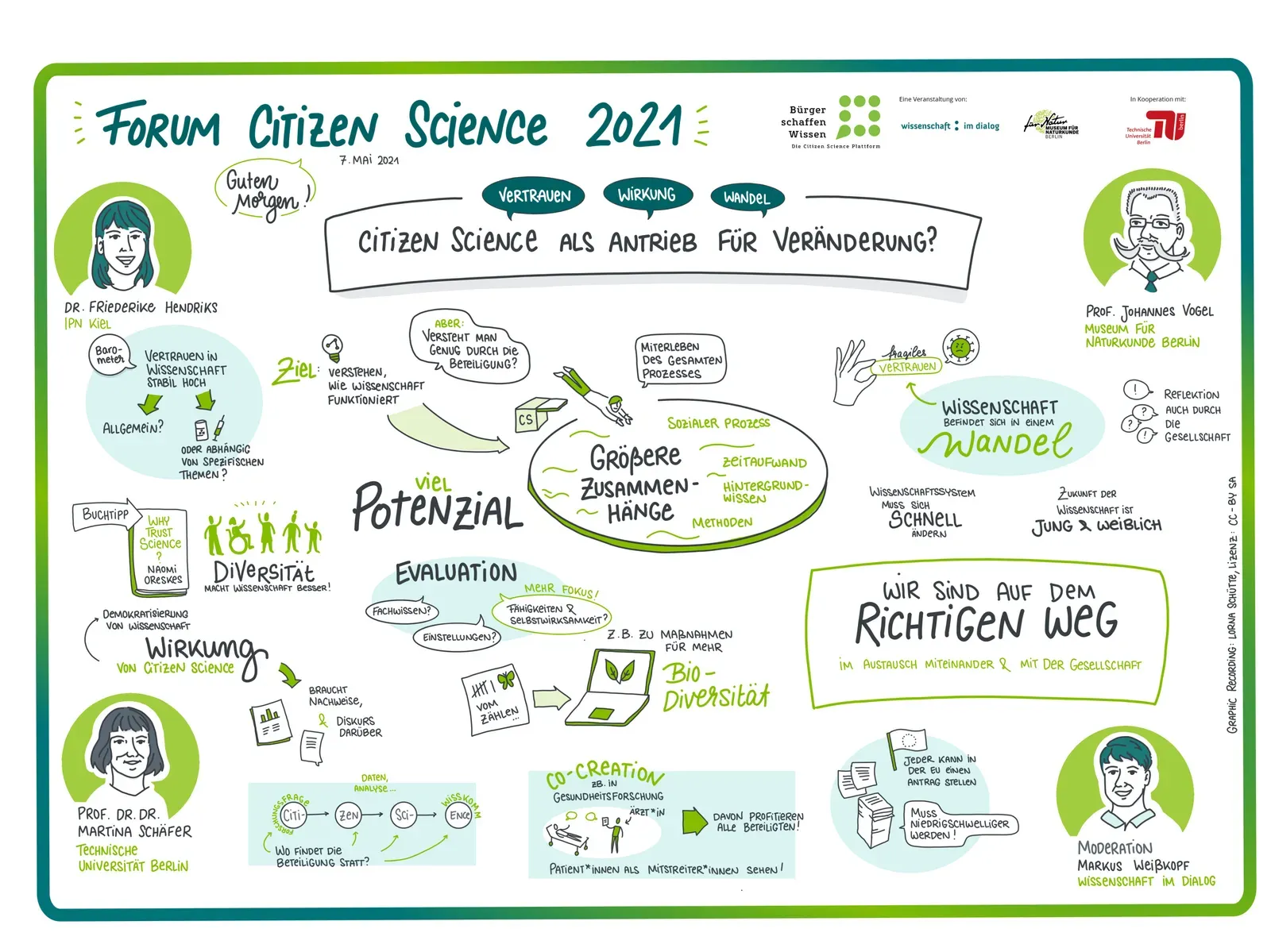
You do not need a PhD or a telescope time slot to take part in this search; in a way, you are already enlisted simply by paying attention. Citizen science projects invite volunteers to classify galaxy shapes, track animal migrations, or spot subtle changes in local ecosystems, feeding human pattern recognition into large-scale datasets. Just spending a little time with these platforms can change how you see structure in the world, turning a clear night sky or a neighborhood bird feeder into a living dataset. Simple habits, like keeping a small notebook of recurring experiences or environmental shifts you notice, can sharpen your sense of what is genuinely repeating versus what is a one-off curiosity.
If you want to go a step further, you can support organizations that fund basic research into cosmology, complexity science, and data transparency. These efforts rarely make headlines compared with splashy gadget launches, but they quietly expand our ability to tell real patterns from wishful thinking. In daily life, you can also practice a kind of gentle skepticism: enjoy the thrill of spotting a connection, but be willing to ask how you would test whether it is more than coincidence. The cosmic blueprint, if it exists, is not something only experts can glimpse; it is something we piece together collectively, one observation and one hard question at a time.
Suhail Ahmed is a passionate digital professional and nature enthusiast with over 8 years of experience in content strategy, SEO, web development, and digital operations. Alongside his freelance journey, Suhail actively contributes to nature and wildlife platforms like Discover Wildlife, where he channels his curiosity for the planet into engaging, educational storytelling.
With a strong background in managing digital ecosystems — from ecommerce stores and WordPress websites to social media and automation — Suhail merges technical precision with creative insight. His content reflects a rare balance: SEO-friendly yet deeply human, data-informed yet emotionally resonant.
Driven by a love for discovery and storytelling, Suhail believes in using digital platforms to amplify causes that matter — especially those protecting Earth’s biodiversity and inspiring sustainable living. Whether he’s managing online projects or crafting wildlife content, his goal remains the same: to inform, inspire, and leave a positive digital footprint.