
Imagine an animal so tough that it can survive being literally frozen solid, its heart stopped, its blood like icy syrup, yet it wakes up again as if nothing happened. In the wild world of nature, some creatures seem to laugh in the face of death. One of the most astonishing of these is the wood frog — the coldest-blooded animal on record. Its story is nothing short of miraculous, a tale that blends the drama of survival with the wonder of scientific discovery. How does a tiny frog defy the laws of life and death, freezing through brutal winters and thawing out in spring as if it’s just been napping? Prepare to be amazed by this frosty marvel of evolution.
The Arctic’s Living Ice Cube: Meet the Wood Frog
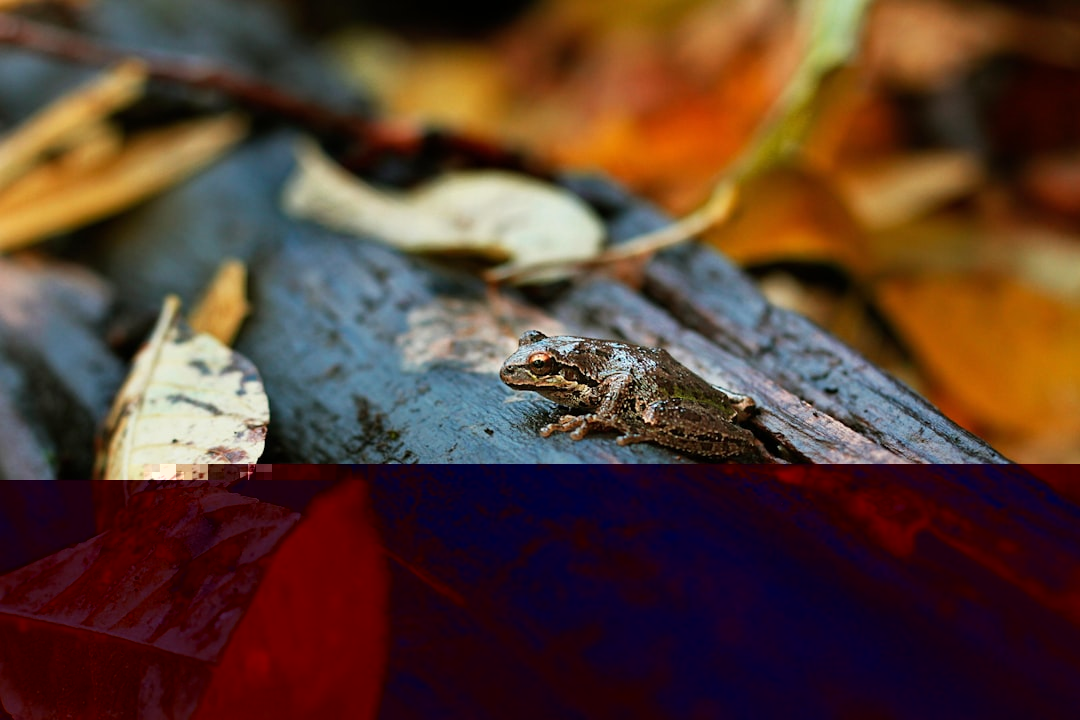
When you think of the coldest places on Earth, you might imagine polar bears and penguins. But tucked away in North America’s icy forests lives a small, brown frog that puts both to shame when it comes to surviving the cold. The wood frog, barely the size of a child’s palm, has a superpower that seems ripped from the pages of science fiction. Each winter, these frogs allow themselves to freeze solid, enduring temperatures that would kill almost any other animal. Their bodies become hard as stone, and even their eyes glaze over with frost. Yet, when spring brings warmth, they return to life as if nothing happened.
Chilling to the Core: How Cold Can a Wood Frog Get?
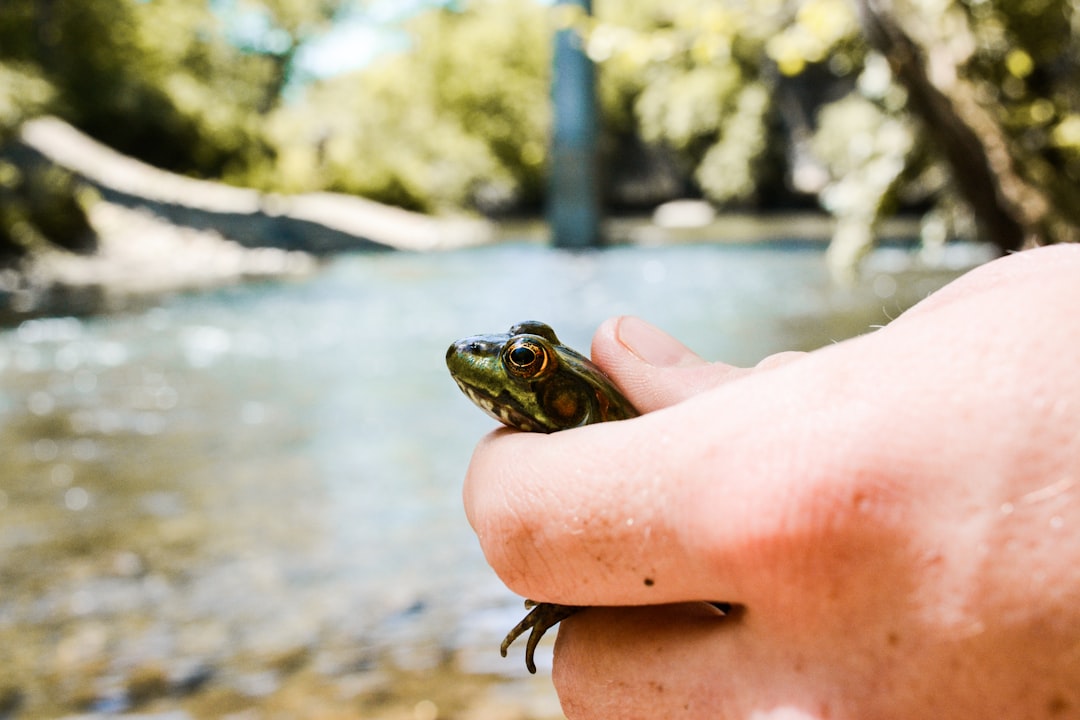
The wood frog’s record is astonishing. Scientists have documented these frogs surviving at temperatures as low as -18°C (0°F), completely frozen for weeks or even months. During this time, their hearts stop beating, and there is no sign of breathing. To most animals, this icy slumber would mean certain death. But for the wood frog, it’s just another part of the year. Their bodies are so well adapted to the cold that even their vital organs can withstand being encased in ice without permanent damage.
Freeze Tolerance: Not Just Surviving, But Thriving
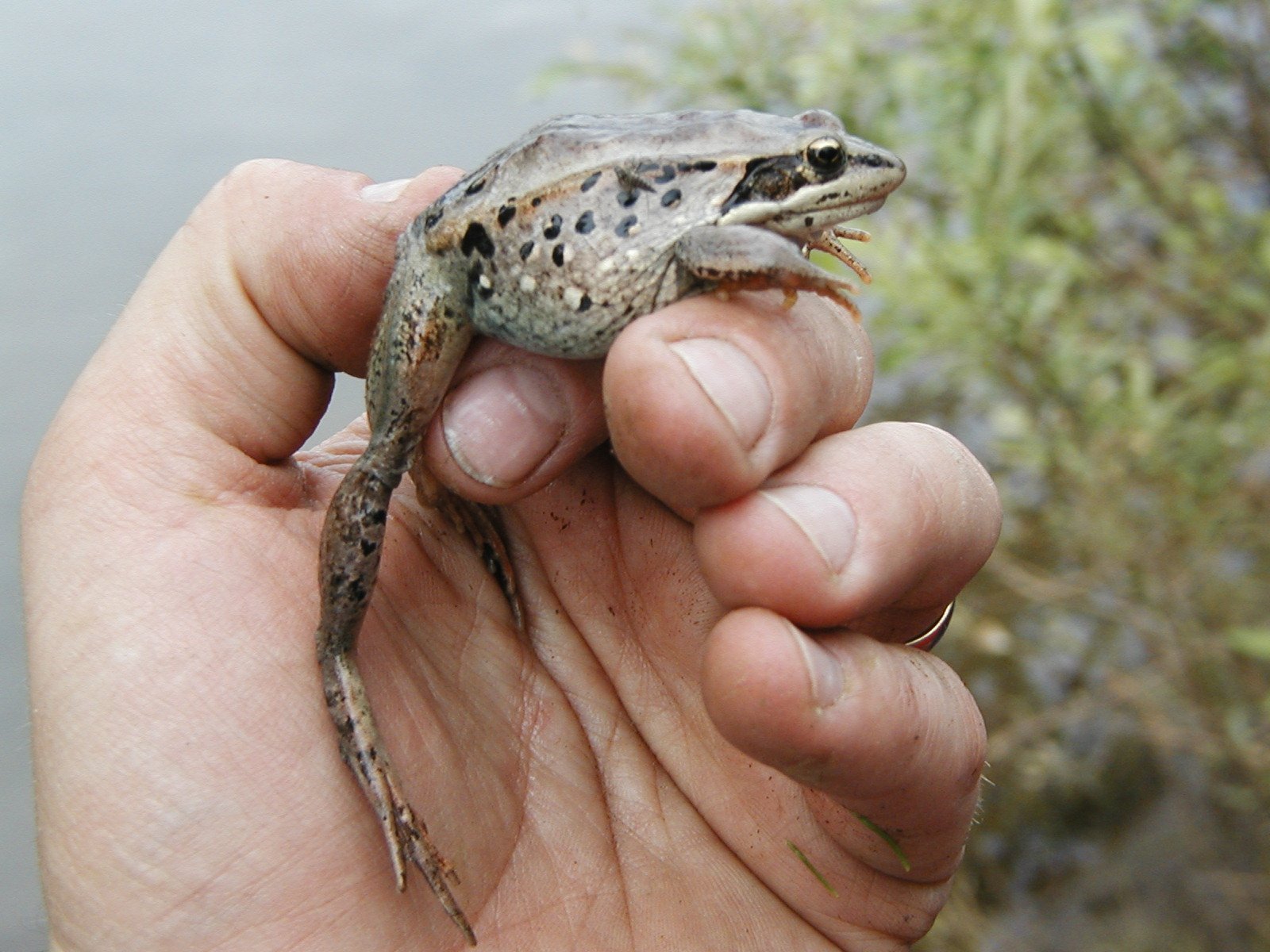
Unlike most creatures that avoid freezing at all costs, the wood frog embraces it. This strategy is called freeze tolerance. While other animals dig deep underground, migrate, or hibernate to escape the cold, the wood frog simply lets itself become a frog-shaped ice cube. Its cells are equipped to handle this extreme stress, making it one of the few vertebrates in the world that can survive internal freezing. This adaptation gives the wood frog a head start in spring, allowing it to breed in ponds before predators arrive or the water dries up.
Sugar Rush: The Secret Weapon Against Ice
How does the wood frog pull off this miraculous feat? The answer lies in sugar. As the first ice crystals begin to form in its body, the frog’s liver floods its bloodstream with glucose — ordinary sugar — at astonishing levels. This sugar acts like a natural antifreeze, protecting the frog’s cells from damage. While the water in its body freezes solid, the syrupy blood keeps the insides of its cells from turning to ice. Imagine pouring sugar into your car’s radiator to keep it from freezing — that’s essentially what the frog is doing, only it’s far more elegant.
Slow Motion Life: What Happens During Frozen Slumber?
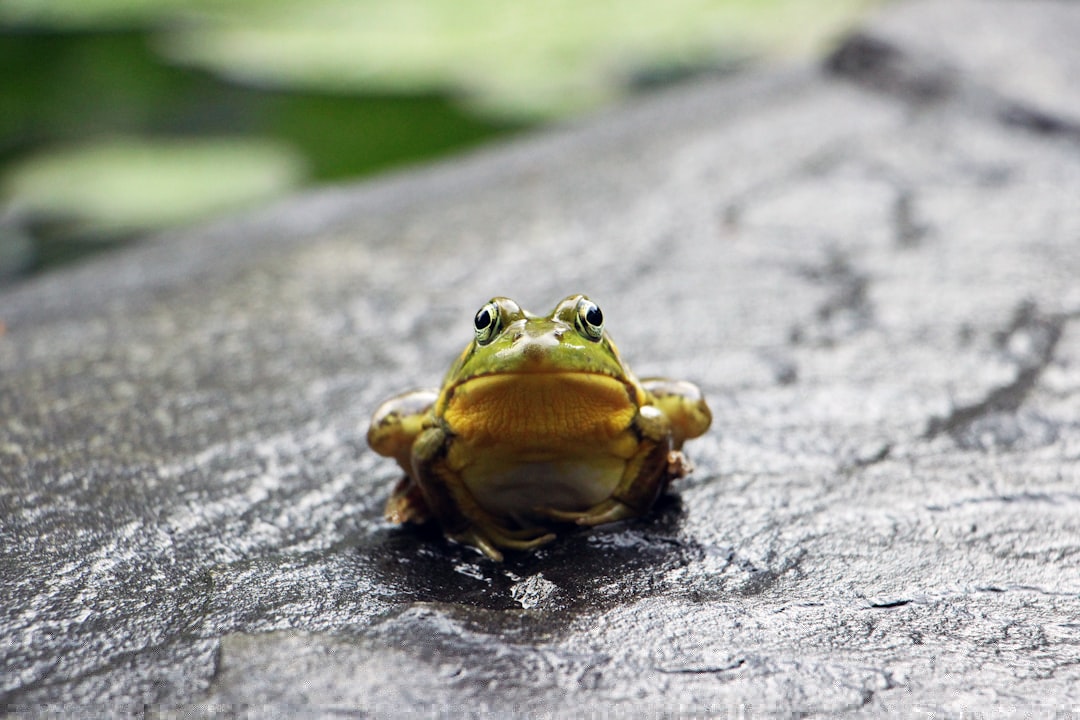
When the wood frog freezes, life comes to a standstill. Its heartbeat becomes undetectable, its muscles lock, and all movement ceases. Metabolism slows to a crawl, needing almost no oxygen and burning almost no fuel. The frog’s organs shrink and dehydrate as water moves out of cells to prevent ice damage. For months, it remains in this suspended state, immune to the ravages of cold that would shatter the cells of other animals. This deep freeze is like hitting the ultimate pause button on life.
Waking Up: The Astonishing Revival
As temperatures rise and the ice around them melts, wood frogs begin their return from the brink. Thawing is risky — cells flooded with water can burst as they rehydrate. Yet, the frog’s carefully orchestrated chemistry helps prevent this. Within hours, a frozen frog’s heart restarts, breathing resumes, and movement returns. It’s as if a fairy tale spell has been broken. The frog hops away, leaving behind the icy grave that should have killed it. This cycle of freezing and thawing happens year after year, with each frog surviving multiple winters.
Why Freeze? The Evolutionary Edge
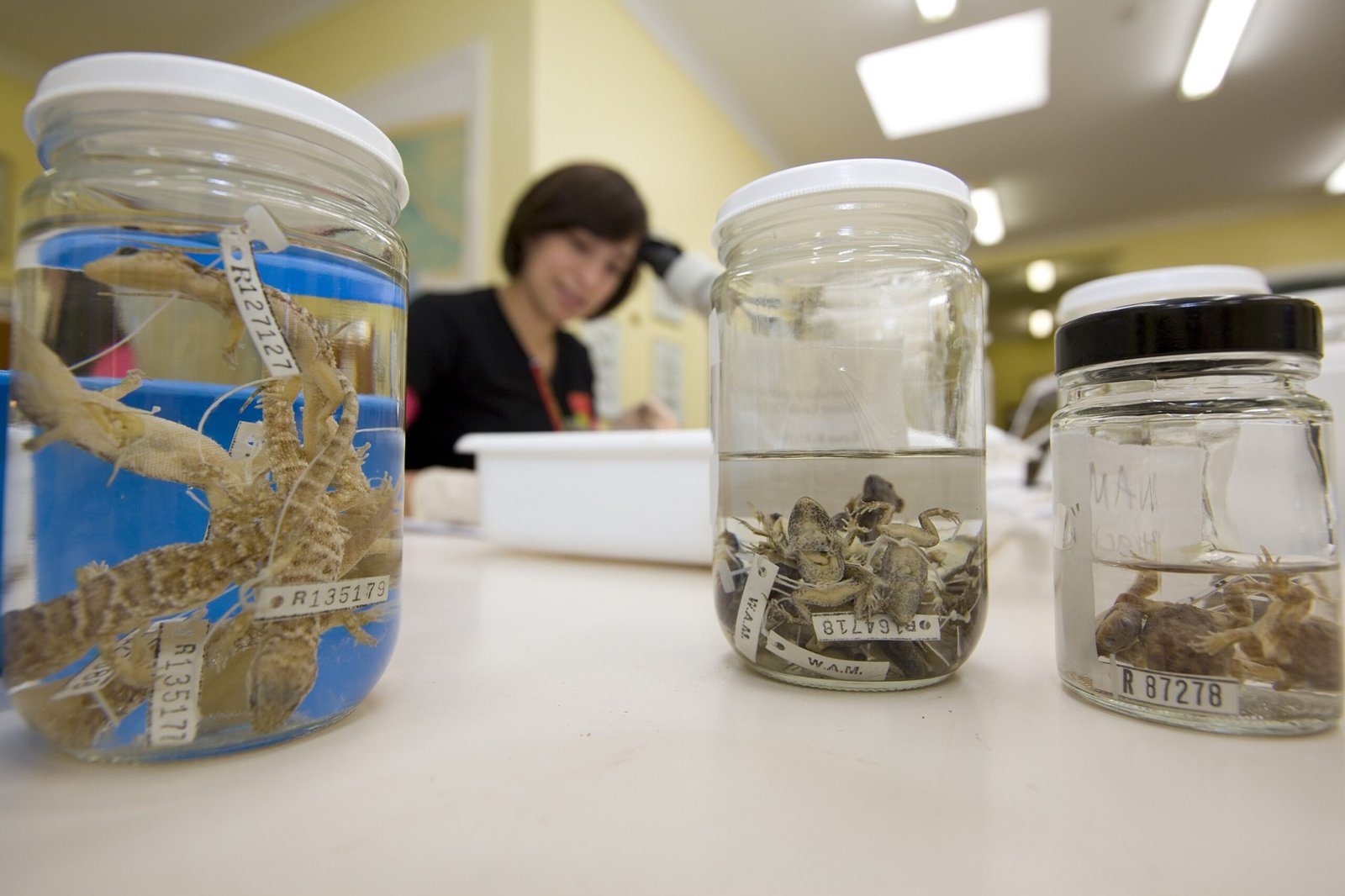
At first glance, freezing solid seems like a terrible idea. But for the wood frog, it’s a lifesaver. By allowing itself to freeze, the frog can survive extreme cold that would kill most competitors. It can also emerge early in spring, beating other amphibians to breeding ponds. Early breeding means more tadpoles and a greater chance of survival for its offspring. In a world where timing is everything, this frosty trick gives the wood frog a remarkable advantage over rivals and predators.
Other Cold Survivors: Are Wood Frogs Alone?
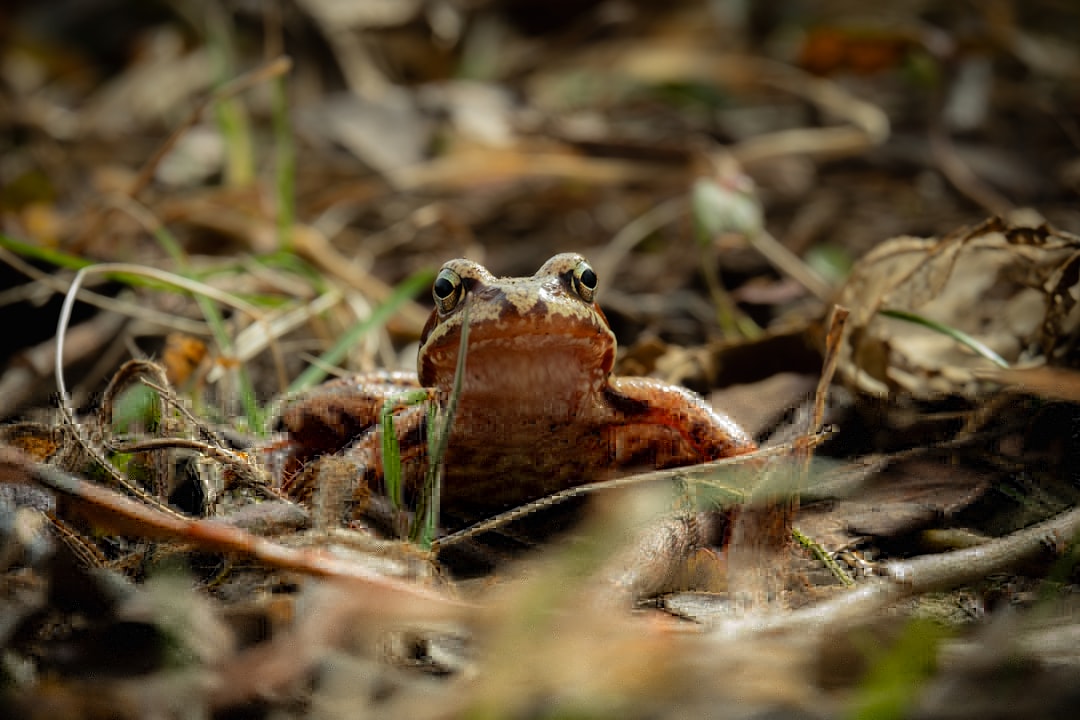
While the wood frog holds the record for the coldest-blooded vertebrate, it’s not entirely alone in its strategy. Other amphibians, like the spring peeper and certain tree frogs, can survive partial freezing, but none match the wood frog’s endurance. Some insects and turtles have similar tricks, using different antifreeze chemicals to survive winter. Still, the wood frog’s ability to survive full-body freezing and return to life is unmatched among creatures with backbones. It stands as a champion of cold resilience.
What Freezing Means for Science and Medicine
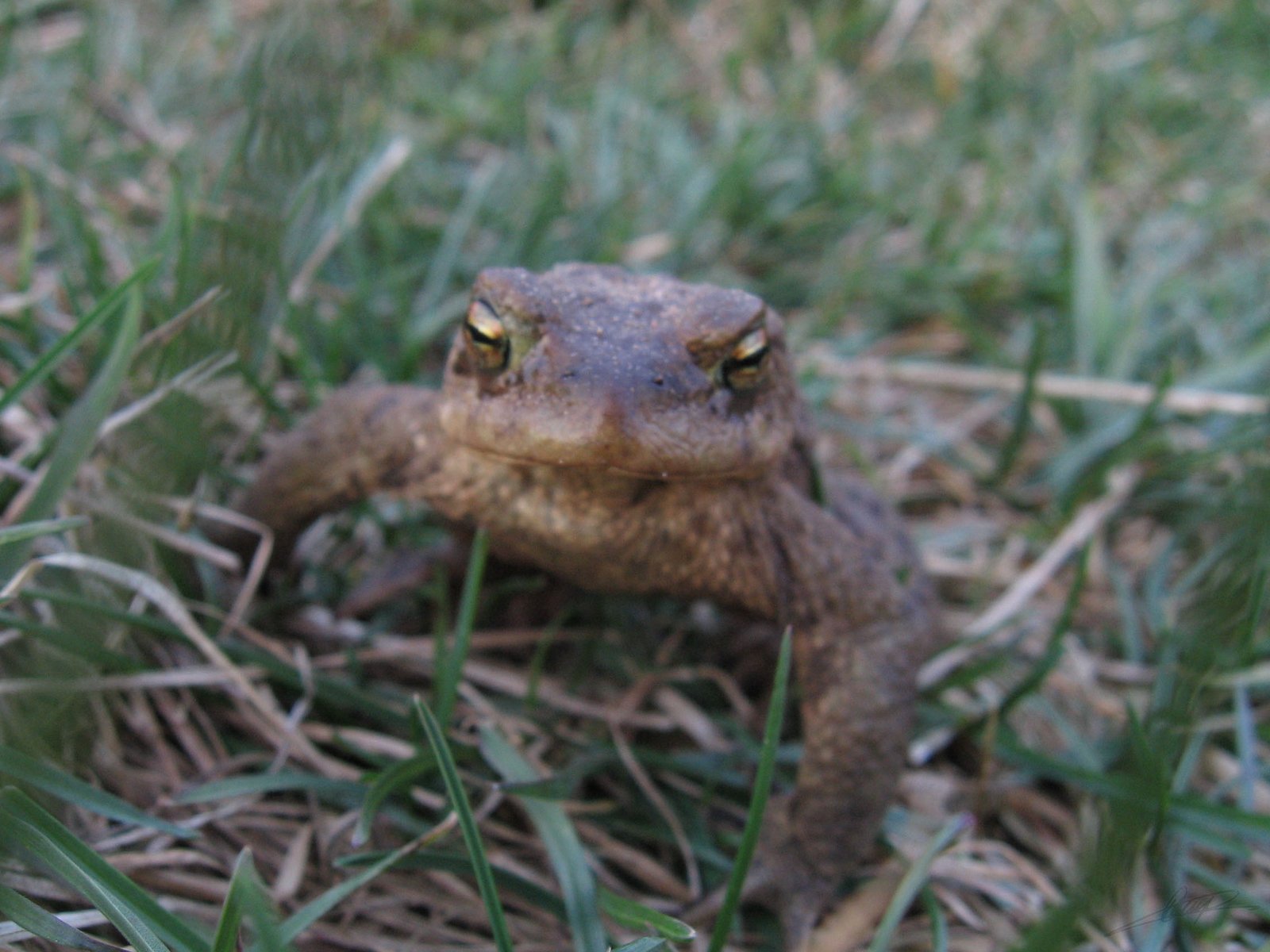
The wood frog’s icy secret has captured the imagination of scientists far beyond the forest. Its natural antifreeze could inspire new ways to preserve human organs for transplant, making life-saving operations more successful. Researchers are studying the frog’s unique sugars and proteins, hoping to unlock secrets that might help us freeze and revive tissues without damage. Imagine a future where we can pause life for surgery, space travel, or even new treatments for injuries and disease — all thanks to a humble frog.
The Human Fascination With Nature’s Extremes
Why are we so fascinated by animals like the wood frog? Perhaps it’s because they defy the limits we assume are unbreakable. Their survival in the face of impossible odds reminds us that nature still has mysteries waiting to be discovered. The wood frog’s story is inspiring, a reminder that even the smallest creatures can teach us the biggest lessons about resilience, adaptation, and hope. Would you ever have imagined that a frog could become an ice sculpture and live to tell the tale?