Deep in the highlands of West Africa, a French naturalist named Line Brunet de Courssou stumbled upon something that would challenge everything modern medicine thought it knew about fighting infection. In a small village clinic, she watched in amazement as patients with devastating flesh-eating bacterial infections – wounds that would typically require amputation or prove fatal – began healing when treated with nothing more than mud. Not just any mud, but a specific green clay that local healers had been using for generations.
The Ancient Wisdom Hidden in Earth’s Pharmacy
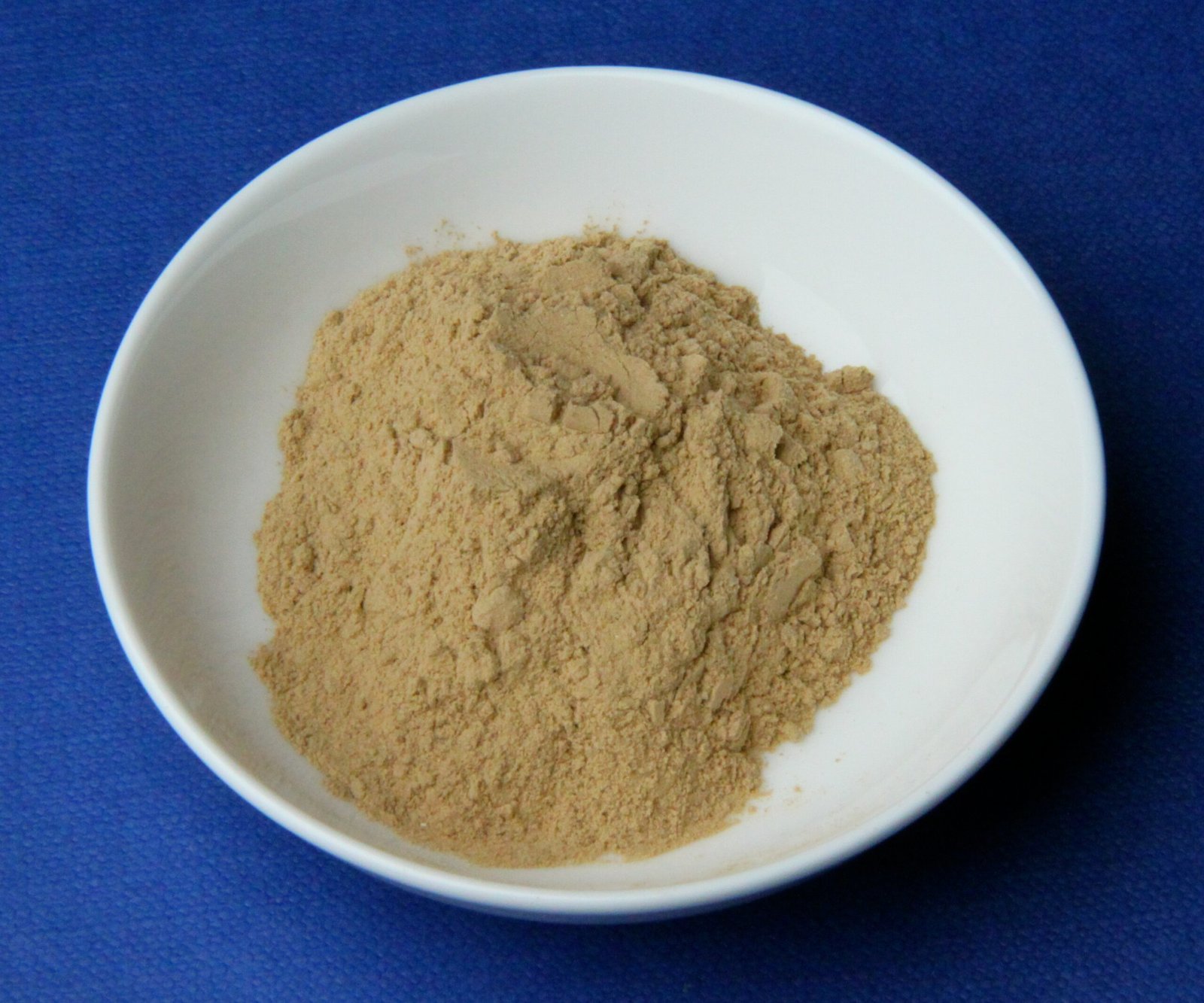
What Brunet de Courssou witnessed wasn’t magic – it was the forgotten power of medicinal clay, a healing tradition that stretches back thousands of years. Natural clays have been used to heal skin infections since the earliest recorded history, with earths and clays providing prehistoric peoples with some of their first medicines. This wasn’t some primitive superstition; it was sophisticated medicine hiding in plain sight. Ancient civilizations from Egypt to Greece understood something we’re only now rediscovering: certain clays possess remarkable antibacterial properties that can defeat even the most stubborn infections. The Ebers Papyrus of about 1550 BC describes the use of ochre for a wide variety of ailments, including for intestinal problems. What’s truly shocking is that while we’ve been pouring billions into developing synthetic antibiotics, indigenous healers have been sitting on nature’s own antimicrobial arsenal for millennia.
When Modern Medicine Meets Ancient Clay
Recently attention was drawn to a clinical use of French green clay (rich in Fe-smectite) for healing Buruli ulcer, a necrotizing fasciitis (‘flesh-eating’ infection) caused by Mycobacterium ulcerans. These clays may reveal an antibacterial mechanism that could provide an inexpensive treatment for this and other skin infections, especially in global areas with limited hospitals and medical resources. The case that changed everything involved patients suffering from Buruli ulcer – a horrific bacterial infection that literally eats away flesh, leaving gaping wounds that conventional antibiotics couldn’t touch. Yet when treated with specific French green clays, something remarkable happened. Within days of initiating treatment with clay poultices, rapid, non-surgical debridement of destroyed tissue began. Extended treatment resulted in continued debridement, regeneration of healthy tissue, and wound healing, with infections healing with soft, supple scarring and return of normal motor function after several months. This wasn’t just healing – it was regeneration at a level that stunned medical observers.
The Science Behind Nature’s Microscopic Warriors

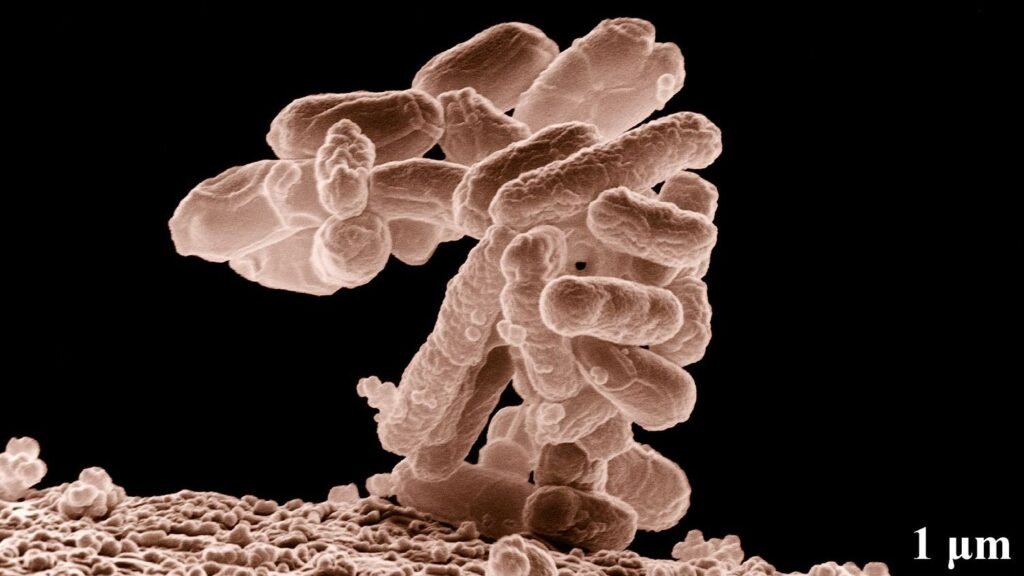
Scientists have discovered that not all clays are created equal when it comes to fighting bacteria. Only 5%–10% of natural clays have antibacterial properties, with one key way to spot them being their color. Blue and green clays contain reduced iron, a less positively charged counterpart to oxidized iron, a known bacteria-fighting ingredient. The mechanism is surprisingly sophisticated – these special clays don’t just absorb toxins like regular clays. The critical antibacterial components are soluble Fe2+ and Al3+ that synergistically attack multiple cellular systems in pathogens normally growth-limited by Fe supply. Al3+ misfolds cell membrane proteins, while Fe2+ evokes membrane oxidation and enters the cytoplasm inflicting hydroxyl radical attack on intracellular proteins and DNA. It’s like watching a perfectly choreographed assault on bacterial invaders, using chemistry that took nature millions of years to perfect.
The Antibiotic-Resistant Bacteria’s Worst Nightmare

Perhaps the most incredible discovery is that these natural clays can kill bacteria that have developed resistance to our most powerful modern antibiotics. Natural antibacterial clays, when hydrated and applied topically, kill human pathogens including antibiotic resistant strains proliferating worldwide, including methicillin-resistant Staphylococcus aureus (MRSA). Laboratory tests have shown results that would make any pharmaceutical company envious. Of four clays investigated, three killed bacteria within 4 hours to 1 day. The Oregon blue clay killed 100% of bacteria, including antibiotic-resistant E. coli and Staphylococcus, while Walker clay from Nevada killed 99%–100% of all bacterial species. Think about that for a moment – while hospitals struggle with superbug infections that resist every antibiotic in their arsenal, a handful of dirt from the right location can eliminate them completely.
From Prehistoric Medicine Chests to Modern Laboratories
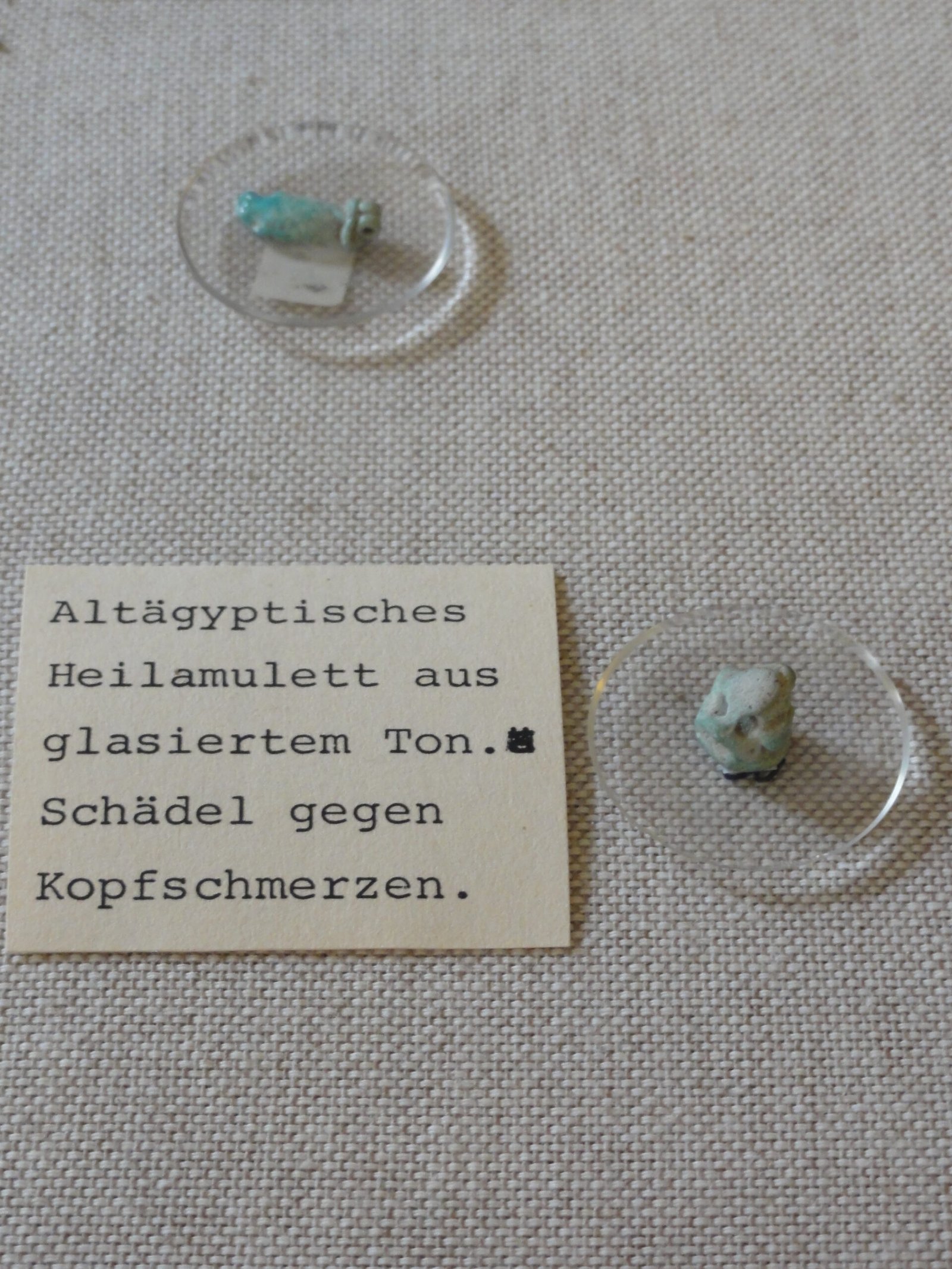
Earths and clays may have provided prehistoric peoples with some of their first medicines, related to geophagy which is extremely widespread among animals in the wild and contemporary non-human primates. Early humans could have learned about healing clays by observing animal behaviour. This suggests that clay medicine isn’t just ancient human wisdom – it’s a healing strategy that evolved across species over millions of years. Many prehistoric peoples were able to set broken or fractured bones using clay materials, with injured areas covered in clay which then set hard so bones could heal properly without interference. Archaeological evidence shows that our ancestors weren’t just using clay randomly; they had developed sophisticated applications that would make modern orthopedic surgeons nod in approval. The intelligence of these applications suggests clay medicine was already highly refined thousands of years ago.
The Sacred Earth of Lemnos: A Clay So Precious It Bore Royal Seals
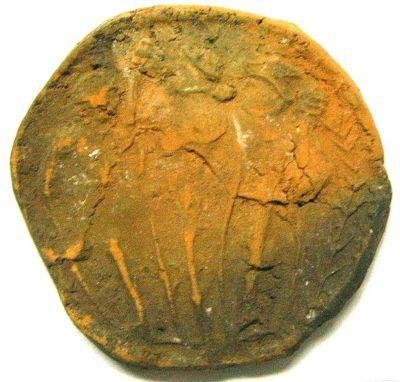
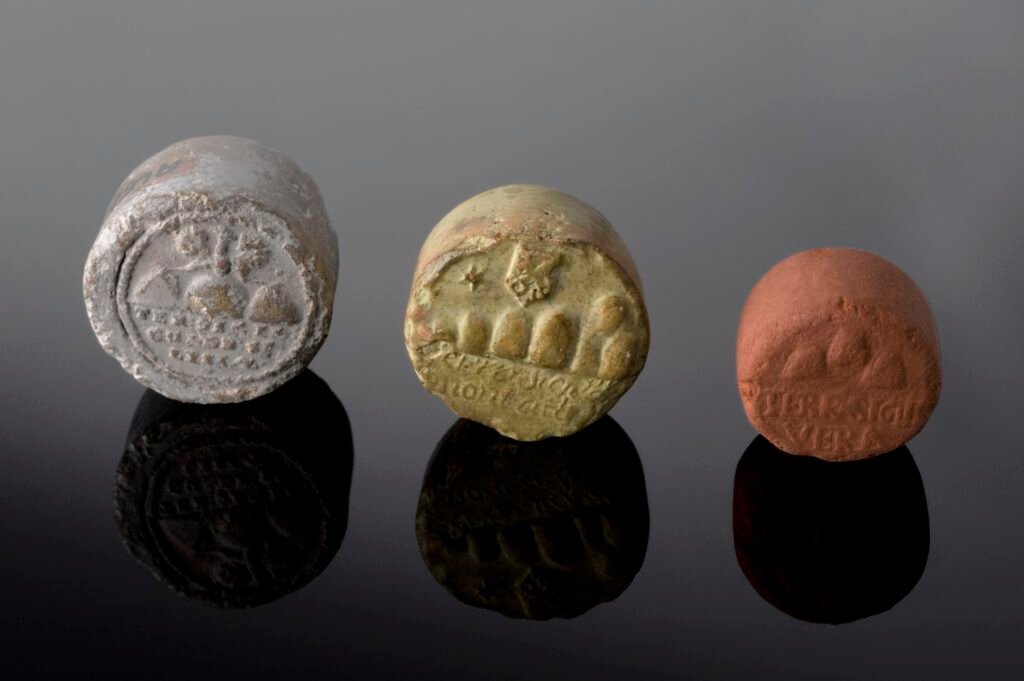
Lemnian clay was shaped into tablets and stamped with distinctive seals, giving rise to its name terra sigillata—Latin for ‘sealed earth’. Galen recorded numerous cases of internal and external uses of this clay, using it as one of his means for curing injuries, festering wounds, and inflammations—a medicinal red clay compressed into round cakes and stamped with the image of the goddess Diana. This wasn’t just any healing clay – it was so valuable that it required official authentication, like a pharmaceutical patent from ancient times. French naturalist Pierre Belon (1517–1564) visited Constantinople where he encountered 18 types of different products marketed as Lemnian Earth due to concerns about counterfeits, then made a special journey to Lemnos to investigate and find the source of the clay. The fact that this clay was so sought-after that counterfeits flooded ancient markets tells us everything about its reputation for healing power.
Native American Earth Medicine: Wisdom Written in Red Clay
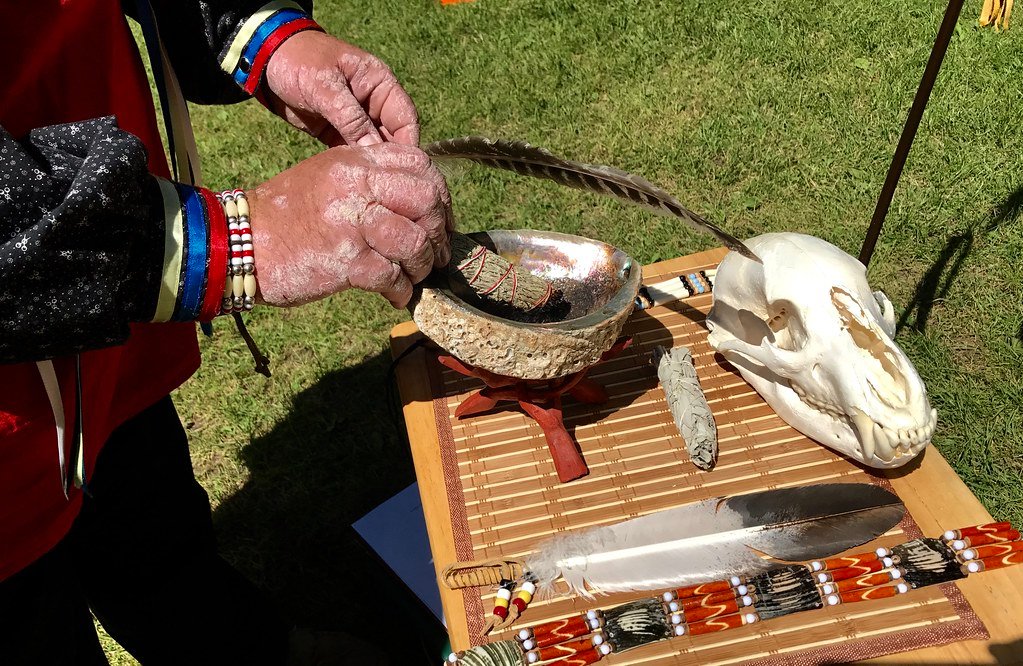
For thousands of years, traditional indigenous medicine has been used to promote health and wellbeing for millions of Native people who once inhabited this continent, with native diets, ceremonies, and the use of native plants for healing purposes used to promote health by living in harmony with the earth. Native American healers developed an intimate relationship with the earth itself as medicine. Many ethnobotany plants are involved in traditional medicine for Native Americans, with ideas surrounding health and illness virtually inseparable from religion and spirituality. Healers go by many names ranging from medicine man or woman to herbalist or shaman and are considered spiritual or religious leaders. What’s fascinating is how these healers understood that healing wasn’t just about the physical properties of clay, but about the spiritual connection between human beings and the earth. In Native American culture there is a saying that “we are all related” – all things live in relationship to one another, with living in harmony with the earth having meaning and purpose not only for us but for the whole.
The Egyptian Physicians’ Secret Weapon
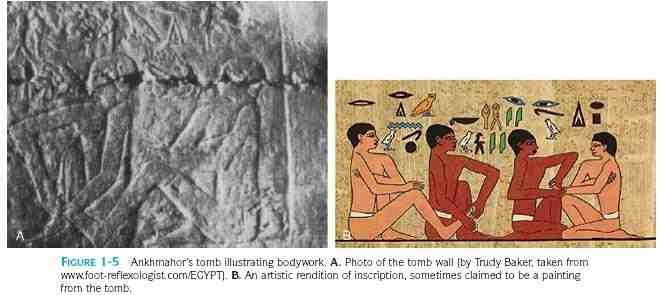
Ancient Egyptians used clay, with the Pharaohs’ physicians using the material as anti-inflammatory agents and antiseptics. Egyptian medicine was incredibly sophisticated, and their use of clay wasn’t superstition – it was based on careful observation of healing results over centuries. The fact that royal physicians trusted clay enough to use it on pharaohs themselves speaks volumes about its proven effectiveness. In the written record, the study of herbs dates back 5,000 years to the ancient Sumerians who described well-established medicinal uses for plants, while Ancient Egyptian medicine’s Ebers papyrus from c. 1552 BC records a list of folk remedies and magical medical practices. These weren’t primitive experiments – they were the result of thousands of years of careful documentation and refinement.
Roman Healing: When Emperors Prescribed Mud
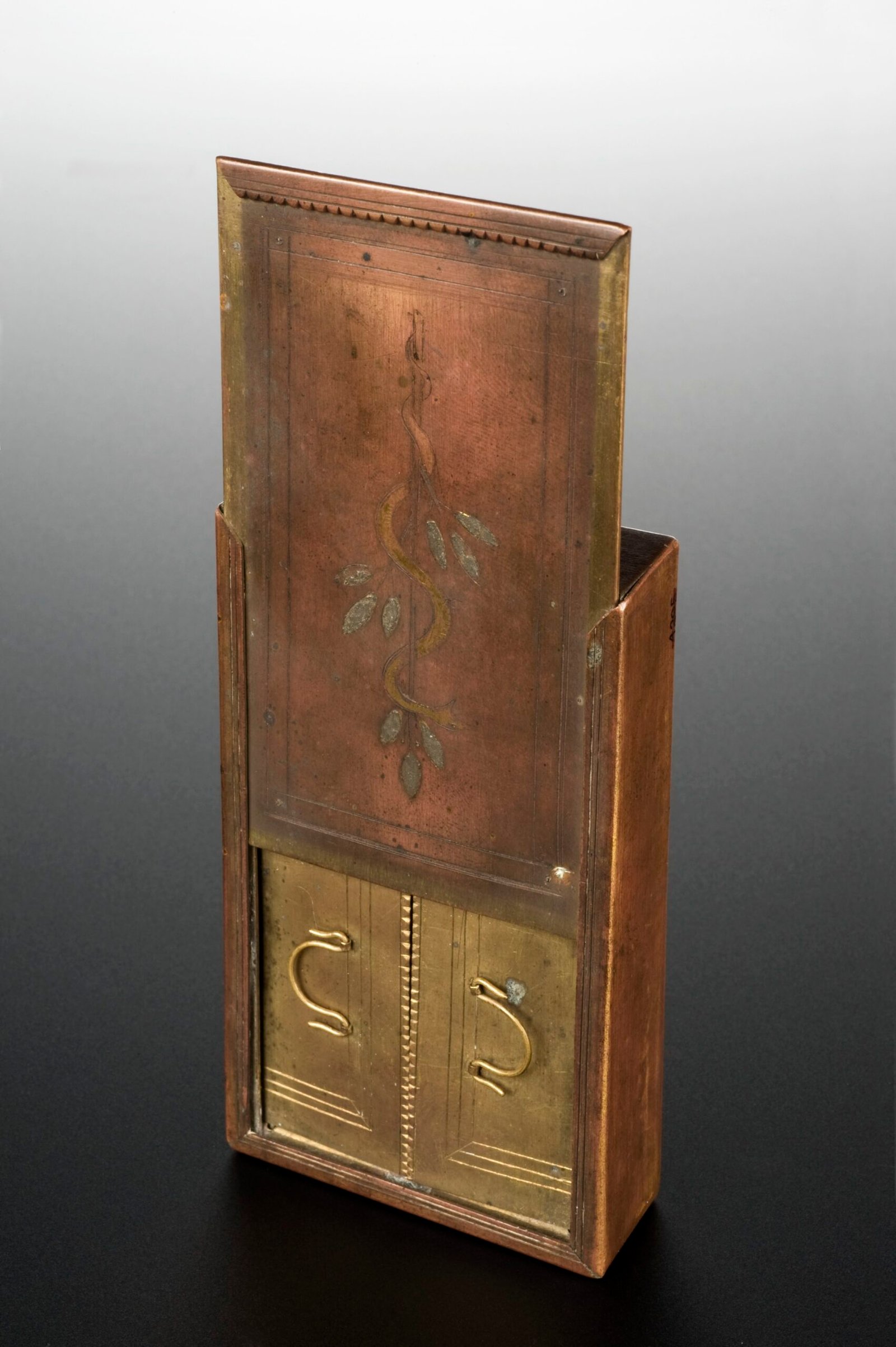
Clay was prescribed by the Roman obstetrician, gynecologist, and pediatrician Soranus of Ephesus, who practiced medicine around 100–140 AD. Roman medicine was highly systematic and evidence-based, so the fact that respected physicians were prescribing clay treatments means they had observed consistent, repeatable healing results. Other types of clay famous in antiquity included Terra chia and Terra cymolia (Cimolean earth), both white earths considered of great value, and Samian earth, which Pliny detailed as having two distinct varieties – colyrium used as an eye salve, and aster, used as soap and in medicines. The Romans were so confident in clay medicine that they developed different clays for specific medical applications, creating what was essentially the world’s first specialized clay pharmacy.
The Chemistry of Healing: How Clay Becomes Medicine
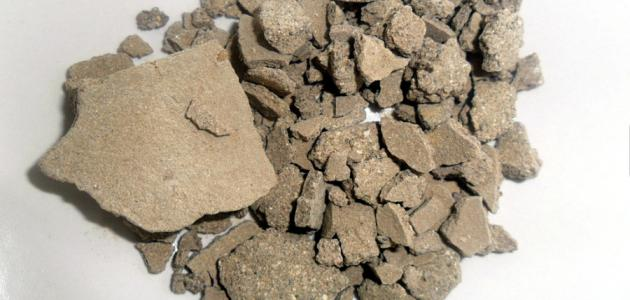
Modern science has finally begun to understand the complex chemistry that makes certain clays into powerful medicines. Only certain clays are bactericidal; those containing soluble reduced metals and expandable clay minerals that absorb cations, providing a capacity for extended metal release and production of toxic hydroxyl radicals. The critical antibacterial components are soluble Fe2+ and Al3+ that synergistically attack multiple cellular systems. What’s remarkable is that this isn’t a simple chemical reaction – it’s a sophisticated multi-stage assault that bacteria can’t easily develop resistance to. Fenton reaction products can degrade critical cell components, but extracellular processes do not cause cell death. Rather, Fe2+ overwhelms outer membrane regulatory proteins and is oxidized when it enters the cell, precipitating Fe3+ and producing lethal hydroxyl radicals. The clay essentially hijacks the bacteria’s own iron metabolism system and turns it into a weapon against itself.
The French Connection: Two Clays, Opposite Powers
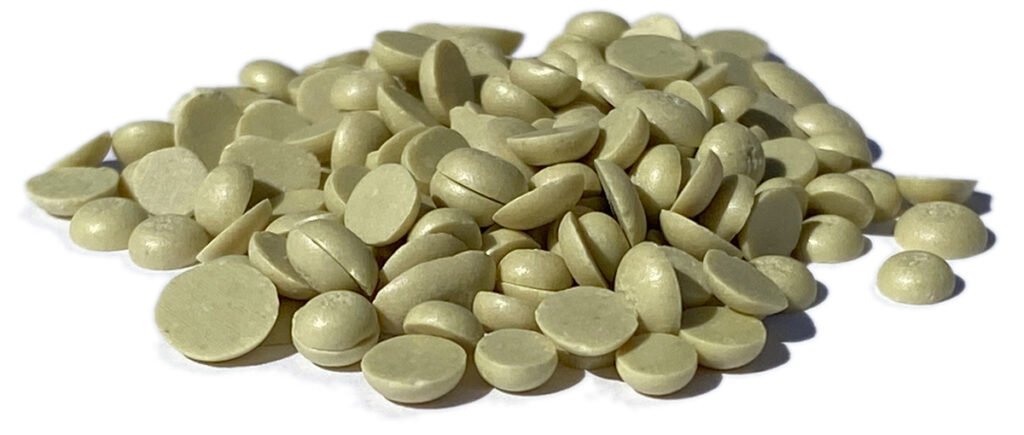
One of the most surprising discoveries in clay research came from studying the French green clays used to treat Buruli ulcer patients. One of the French green clays promoted bacterial growth, while the other substantially or completely killed bacteria. Antimicrobial testing showed one clay promotes bacterial growth (possibly provoking a response from the natural immune system), while another kills bacteria or significantly inhibits bacterial growth. This discovery revolutionized understanding of clay medicine because it showed that not all “healing clays” work the same way. The two French green clays used to treat Buruli ulcer, while similar in mineralogy, crystal size, and major element chemistry, have opposite effects on bacterial populations tested. The bactericidal mechanism is not physical but by chemical transfer or reaction. It’s like having two keys that look identical but one opens the door while the other locks it permanently.
The Volcanic Origins of Healing Clay
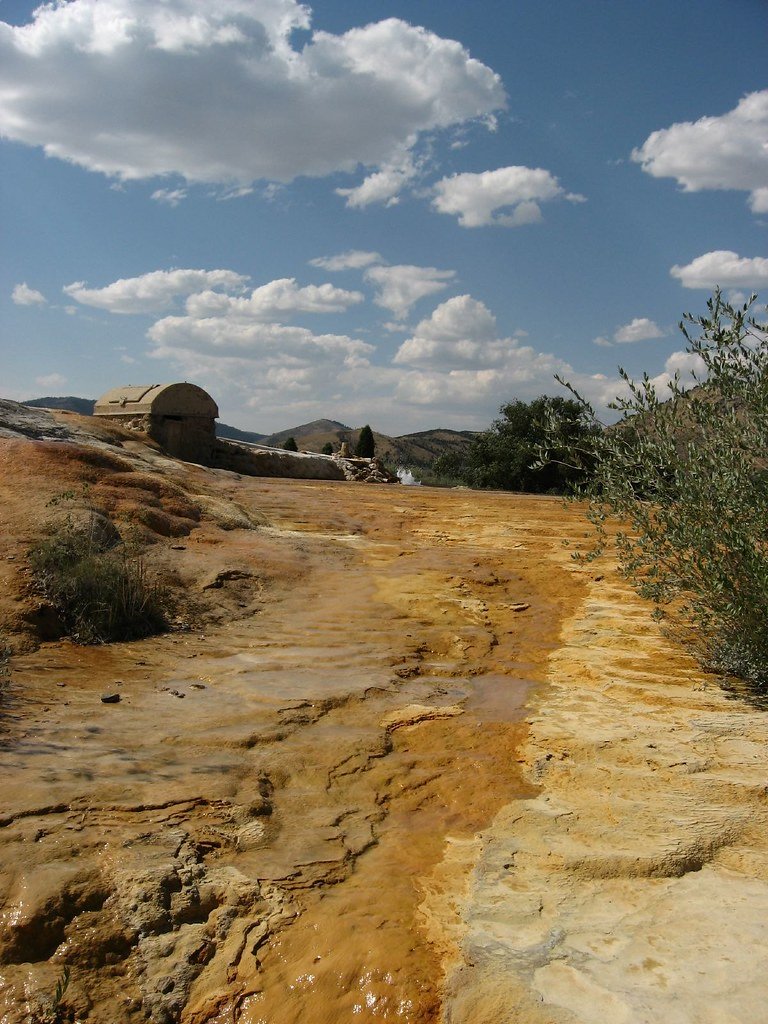
Continued testing of clays worldwide has revealed only a few deposits that are antibacterial, each mineralogically different, but all from hydrothermally altered volcaniclastic environments – either altered pyroclastic material or bentonite (volcanic ash). The most effective antibacterial clay identified comes from an open pit mine in hydrothermally altered, pyroclastic material in the Cascade Mountains. This connection to volcanic activity isn’t coincidental – the extreme heat and chemical processes involved in volcanic formation create the precise mineral combinations that give these clays their healing powers. It completely eliminates Escherichia coli, Staphylococcus aureus, Pseudomonas aeruginosa, Salmonella typhimurium, and antibiotic resistant extended-spectrum beta lactamase (ESBL) E. The fact that these clays can eliminate such a broad spectrum of dangerous pathogens suggests that volcanic processes create a kind of universal bacterial enemy.
Beyond Antibiotics: Clay’s Multi-Faceted Healing Power

Bentonite clay is antibacterial and anti-inflammatory, with trace minerals like calcium, iron, copper, and zinc. The antibacterial and anti-inflammatory properties may help skin heal. The healing power of medicinal clay goes far beyond just killing bacteria – it’s a complete healing system in a single substance. Bentonite clay acts as a detoxifying agent due to its poly-cationic nature, which leads to absorption of negative charge toxins. Think of it as nature’s own combination antibiotic, anti-inflammatory, and detox treatment all rolled into one. A 2023 study suggests that calcium montmorillonite clay may enhance the antibacterial effect of barrier creams against Escherichia coli formation, with montmorillonite clay occurring in creams to treat diaper rash due to its adsorption properties. Modern research is confirming what traditional healers knew instinctively – clay doesn’t just treat symptoms, it addresses multiple aspects of healing simultaneously.
The Global Clay Renaissance: Modern Applications of Ancient Wisdom
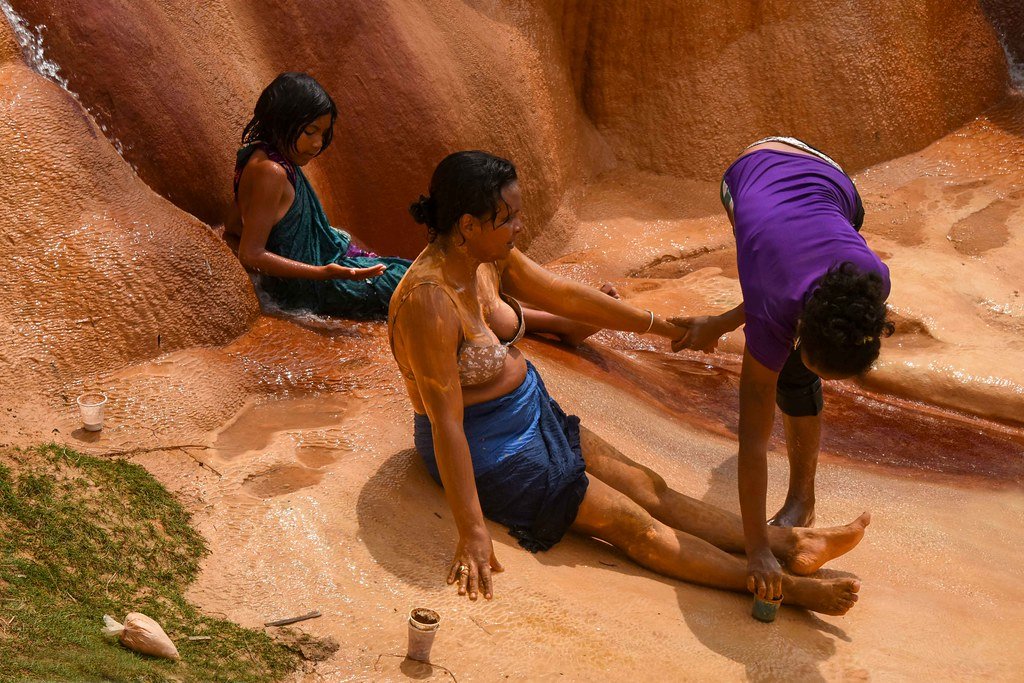
Prior to colonisation, traditional forms of healing such as the use of traditional healers, healing songs, and bush medicines were the only form of primary health care. Present day practitioners of bush medicine offer a wealth of knowledge that can be used to improve our understanding of the process of healing, with traditional healers having extensive knowledge and ability to interpret symptoms and provide traditional healing treatments. Today, there’s a growing recognition that traditional clay medicine deserves serious scientific attention. Traditional, indigenous and ancestral knowledge continues to form a significant part of healthcare in many regions, with 170 of WHO’s 194 Member States reporting on the use of herbal medicines, acupuncture, yoga, indigenous therapies and other forms of traditional medicines. Many countries recognize traditional medicine as a valuable source of healthcare. This isn’t about replacing modern medicine – it’s about expanding our toolkit to include the wisdom that has kept humans healthy for thousands of years.
The Laboratory Revolution: Proving What Healers Always Knew

Microbiological testing of two French green clays, and other clays used traditionally for healing, identified three samples that were effective at killing a broad-spectrum of human pathogens. Modern laboratory techniques are finally giving us the tools to understand exactly how traditional clay medicine works at the molecular level. It is reported that montmorillonite is able to absorb coliphages T1 and T7 of Escherichia coli in vitro. When clay was mixed with water and incubated for 24 hours with live bacteria at body temperature, a broad spectrum of bacteria was killed. These controlled laboratory studies are providing the scientific validation that traditional medicine has long deserved. Medical geo-microbiology is a promising multidisciplinary field related to the control and management of wound bacteria utilizing the physico-chemical properties of selected natural clay minerals, with recent broad-spectrum in vitro antimicrobial activities revealed against several drug-resistant bacteria.
The Future of Clay Medicine: From Laboratory to Pharmacy
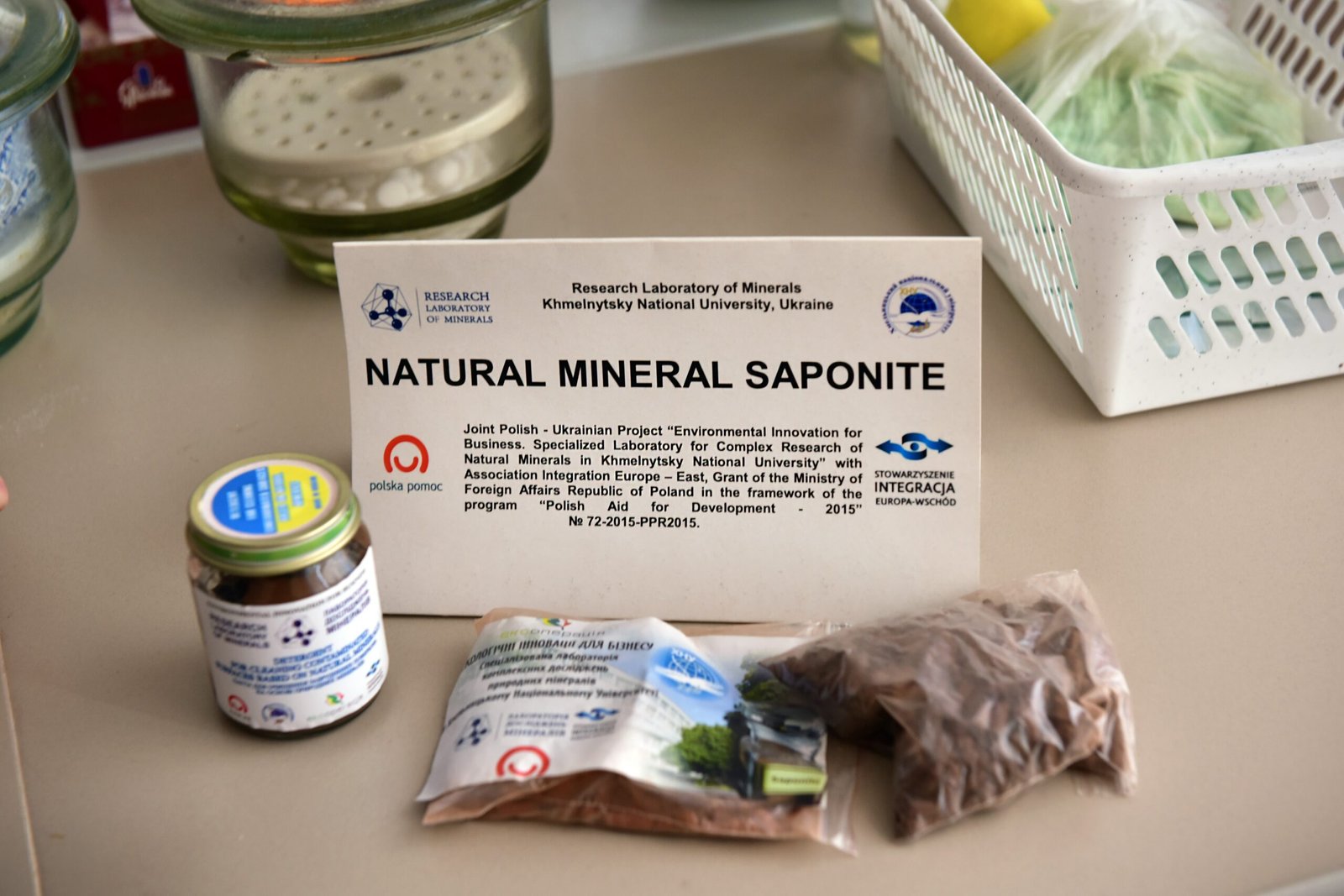
The next step will be to test a clay topical cream on animals to confirm that trace metals like arsenic, mercury, and lead are present in small enough doses not to cause harm. “I want to understand the mechanism so we can make synthetic clay—we can control the particle size so it won’t be taken into the bloodstream, and we can make sure the toxic trace elements won’t be taken up either.” Scientists are working on creating synthetic versions of healing clays that could be mass-produced as pharmaceutical treatments. This geochemical process provides an alternative antibacterial strategy to traditional antibiotics. The most exciting thing is that this is clearly working by a different mechanism than antibiotics. The development of synthetic healing clays could provide us with entirely new weapons in our fight against antibiotic-resistant bacteria. Imagine having access to clay-based treatments that combine the power of traditional medicine with the safety and consistency of modern pharmaceuticals.