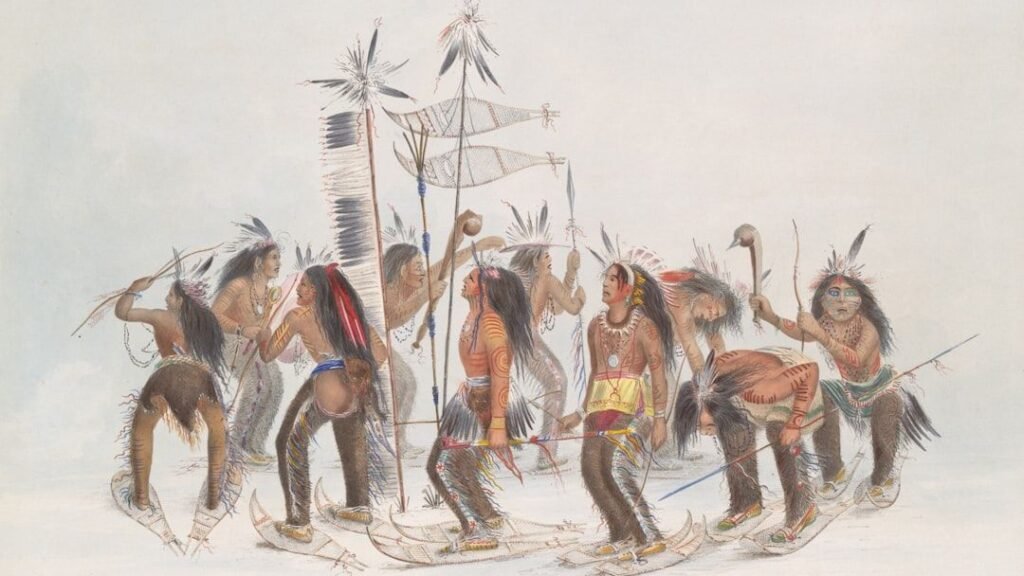

When you think about groundbreaking scientific achievements, do certain names spring to mind immediately? The truth is, countless contributions have been overlooked, especially those made by Indigenous communities. The Cherokee Nation, with its rich cultural heritage and deep connection to the natural world, has played a remarkable role in advancing scientific knowledge across multiple disciplines. From astronomy to medicine, their insights have shaped understanding in ways that deserve recognition and celebration.
What you’re about to discover might surprise you. The Cherokee approach to science wasn’t confined to laboratories or academic institutions. Instead, it emerged from generations of careful observation, experimentation, and a profound respect for the interconnectedness of all living things. Let’s explore how this ancient wisdom continues to influence modern scientific fields.
Ancient Stargazers: Cherokee Contributions to Astronomy

You might be amazed to learn how sophisticated Cherokee astronomical knowledge truly was. Recent investigations in the Little Tennessee River Valley have revealed landscapes that mark astronomical phenomena and sophisticated systems for measuring calendrical time and the cycles central to Cherokee life, indicating complex observational sciences that guided functions of indigenous societies long before European contact. These weren’t just casual observations of the night sky. The Cherokee developed intricate calendrical systems based on careful study of celestial movements.
Cherokee astrology was based on a 260-day Venus calendar, which includes twenty individual day signs and thirteen numbers. The Cherokee daykeeper held the vital responsibility of coordinating calendars of the Sun, Moon, and Venus to determine optimal times for ceremonies and understand cosmic wisdom. Their astronomy stories also connected spiritual beliefs with celestial observations, including narratives about constellations like the Pleiades that explained the world’s origins and humanity’s place within it.
Medicine From the Earth: Botanical Wisdom and Healing Practices
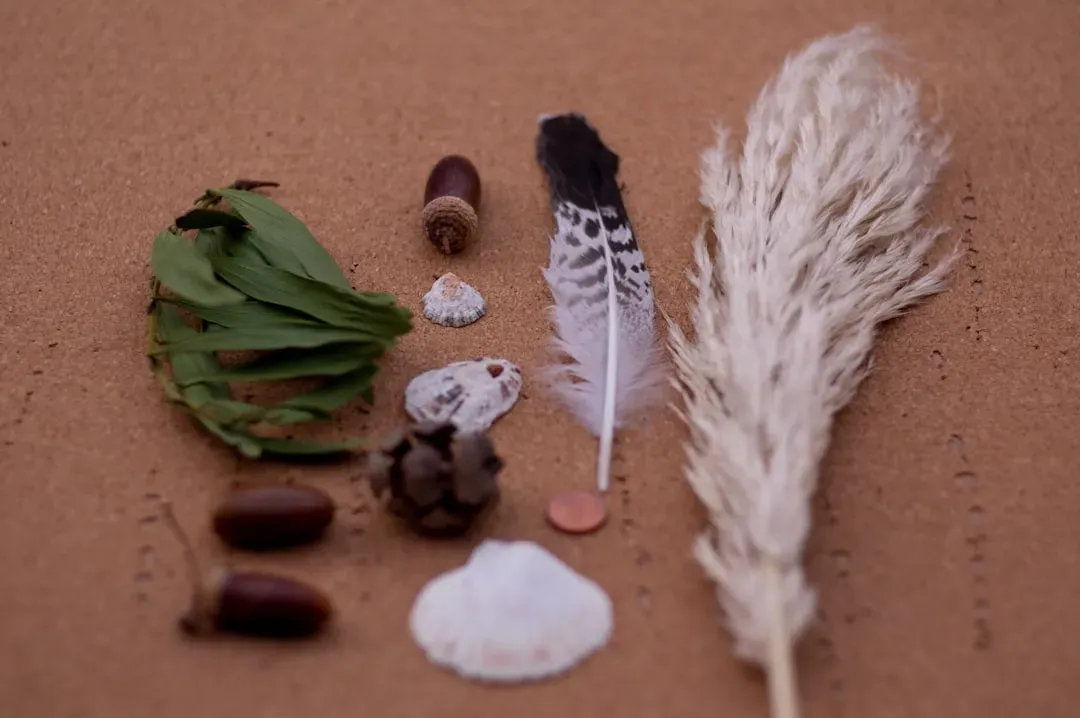
Native Americans have had a rich ethnobotanical heritage for treating diseases, ailments, and injuries, and Cherokee traditional medicine has provided numerous aromatic and medicinal plants that not only were used by the Cherokee people, but were also adopted for use by European settlers in North America. Let’s be real here: the Cherokee understood plants in ways that modern science is only beginning to fully appreciate. The Cherokee have a deep understanding of medicinal plants, which play a crucial role in their healthcare traditions, and the use of plants such as echinacea and ginseng reflects a sophisticated knowledge of botany and pharmacology that predates modern science.
Think about that for a moment. While European medical practices were still relying on bloodletting and other questionable treatments, Cherokee healers had already identified effective plant-based remedies. There are numerous instances where the phytochemical constituents and the biological activities associated with them correlate with the traditional Cherokee uses of the plant. Modern pharmaceutical researchers continue studying these traditional medicines, discovering that Cherokee herbalists had been right all along about the healing properties of countless native plants.
Trailblazing Spirit: Mary Golda Ross and Aerospace Engineering

Here’s a name you absolutely need to know. Mary Golda Ross (1908-2008) was a celebrated pioneer and is still a figurehead in the Cherokee Nation, and from a young age, she loved math and science, and many attribute her academic and professional successes to the rich heritage of the Cherokee tribe, especially a belief in gender equality around education. Ross wasn’t just accomplished; she was revolutionary. Ross was the first woman and the first Native American engineer hired by Lockheed Martin.
In 1952, Ross helped found Lockheed’s Advanced Development Program, known as Skunk Works, and she was one of only forty people who worked on this project and was the only female on the team, with the work done by Ross and her team for the Skunk Works project being highly confidential, and even now, most of the specifics are still classified. Imagine being the only woman in such an elite group, working on technologies that would eventually help put humans in space. She established major technical and operational requirements, providing data critical to the spaceship’s design, and the versatile Agena recorded a number of space flight firsts, and was an essential step in the Apollo program to land on the moon, marking a critical leap for America’s space program.
Traditional Ecological Knowledge: A Scientific Framework Before Its Time
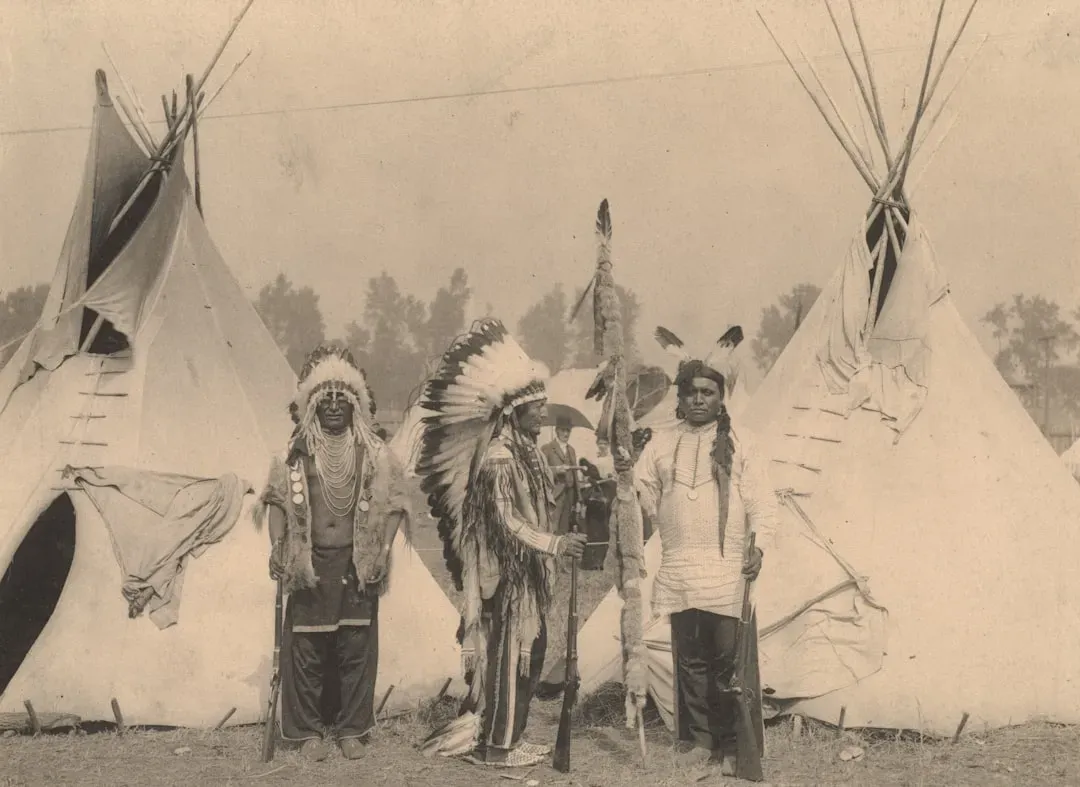
Traditional Ecological Knowledge (TEK) is the on-going accumulation of knowledge, practice and belief about relationships between living beings in a specific ecosystem that is acquired by indigenous people over hundreds or thousands of years through direct contact with the environment, handed down through generations, and used for life-sustaining ways, and this knowledge includes the relationships between people, plants, animals, natural phenomena, landscapes, and timing of events for activities such as hunting, fishing, trapping, agriculture, and forestry. What’s fascinating is how this knowledge system predates what we now call environmental science by centuries.
The Cherokee’s relationship with the land is rooted in a philosophy of stewardship rather than ownership, and this perspective is highlighted in their belief that the Earth is a living entity deserving of respect and care, with the Cherokee viewing themselves as caretakers of the natural world, responsible for maintaining the balance and health of their environment for future generations. Honestly, modern conservation biology is only now catching up to principles the Cherokee have practiced for generations. Traditional ecological knowledge is inclusive of a comprehensive familiarity and knowledge of fire’s biogeochemical cycling, the scale of effects on ensuing forest population dynamics, and the ability to recognize and forecast future forest implications, and is also inclusive of a comprehensive knowledge of plant physiology and morphology and how those relate and shape plant populations’ resilience to disturbances.
Preserving Knowledge: Modern Cherokee Scientists and Environmental Research
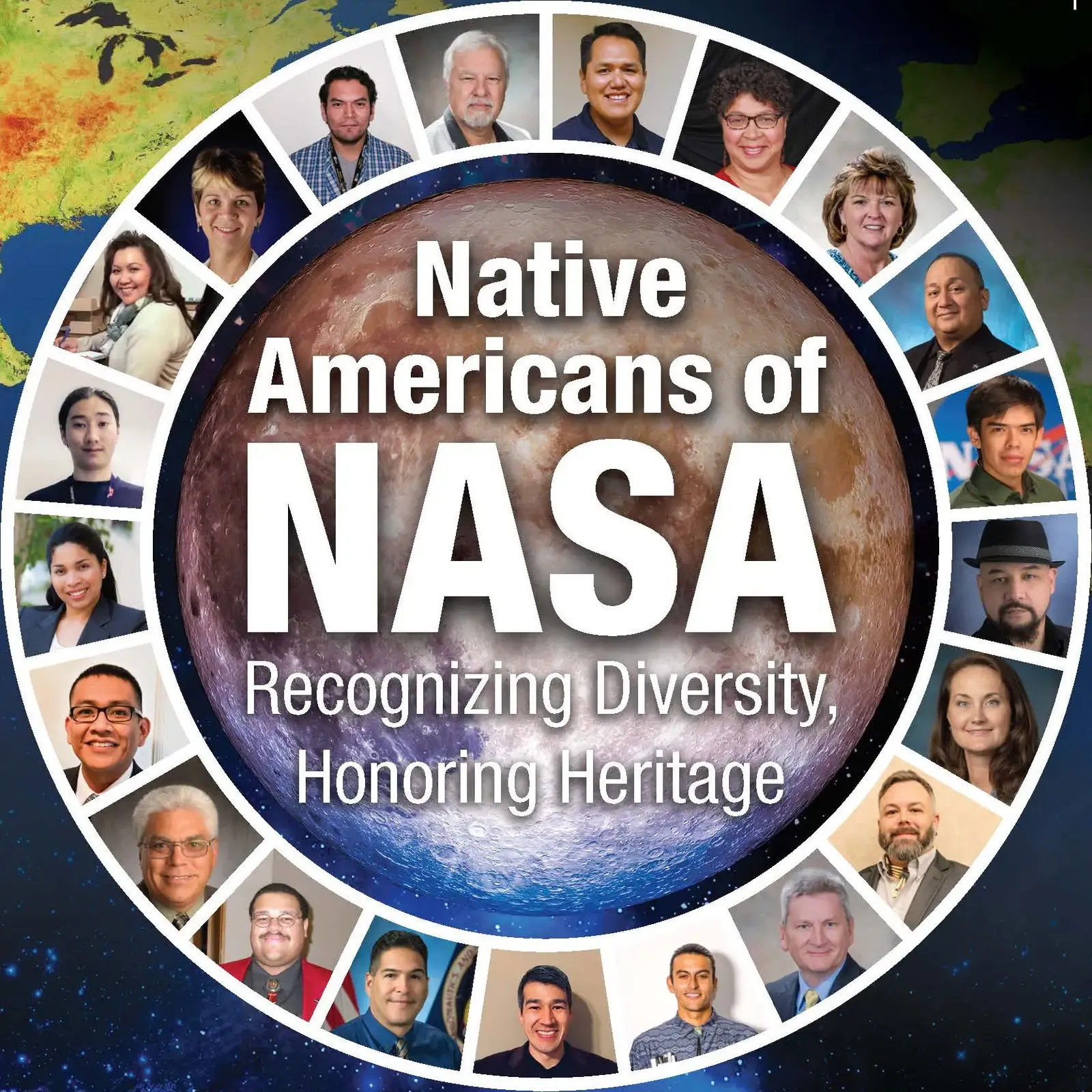
A National Science Foundation grant worth nearly $500,000 will be used to preserve the Cherokee culture through the establishment of a mentor program for young CN citizens, and the program will match young Cherokees from northeastern Oklahoma with elders in the tribe’s Medicine Keepers to learn about and sustain traditional Cherokee life ways by working in the tribe’s heirloom garden, learning the language and participating in field botany exercises, and Clint Carroll, a CN citizen and University of Colorado Boulder professor, was recently awarded the five-year grant. This kind of initiative bridges ancient wisdom with contemporary scientific methodology.
Cherokee researchers today are at the forefront of integrating traditional knowledge with Western science. For Samantha Chisholm Hatfield, who is enrolled with the Confederated Tribes of Siletz Indians (from the Tututni and Chinook bands), and is also Cherokee, that awareness amounts to a way of seeing, of moving through the world, with an instinct about one’s surroundings, and in her work at Oregon State University, Chisholm Hatfield has been at the forefront of Indigenous and Westerns academic collaboration, and has focused on the nexus of communities, TEK and environmental shifts, and Chisholm Hatfield, now a research associate in the Department of Fisheries, Wildlife and Conservation Sciences, is also an author of the Oregon Climate Change Research Institute’s “Tribal Climate Adaptation Guidebook,” which empowers Tribes to proactively adapt and plan for climate change. The work being done demonstrates that Indigenous knowledge isn’t just historical – it’s actively shaping responses to modern environmental challenges.
Education as Cultural Legacy: Cherokee Values in STEM Fields
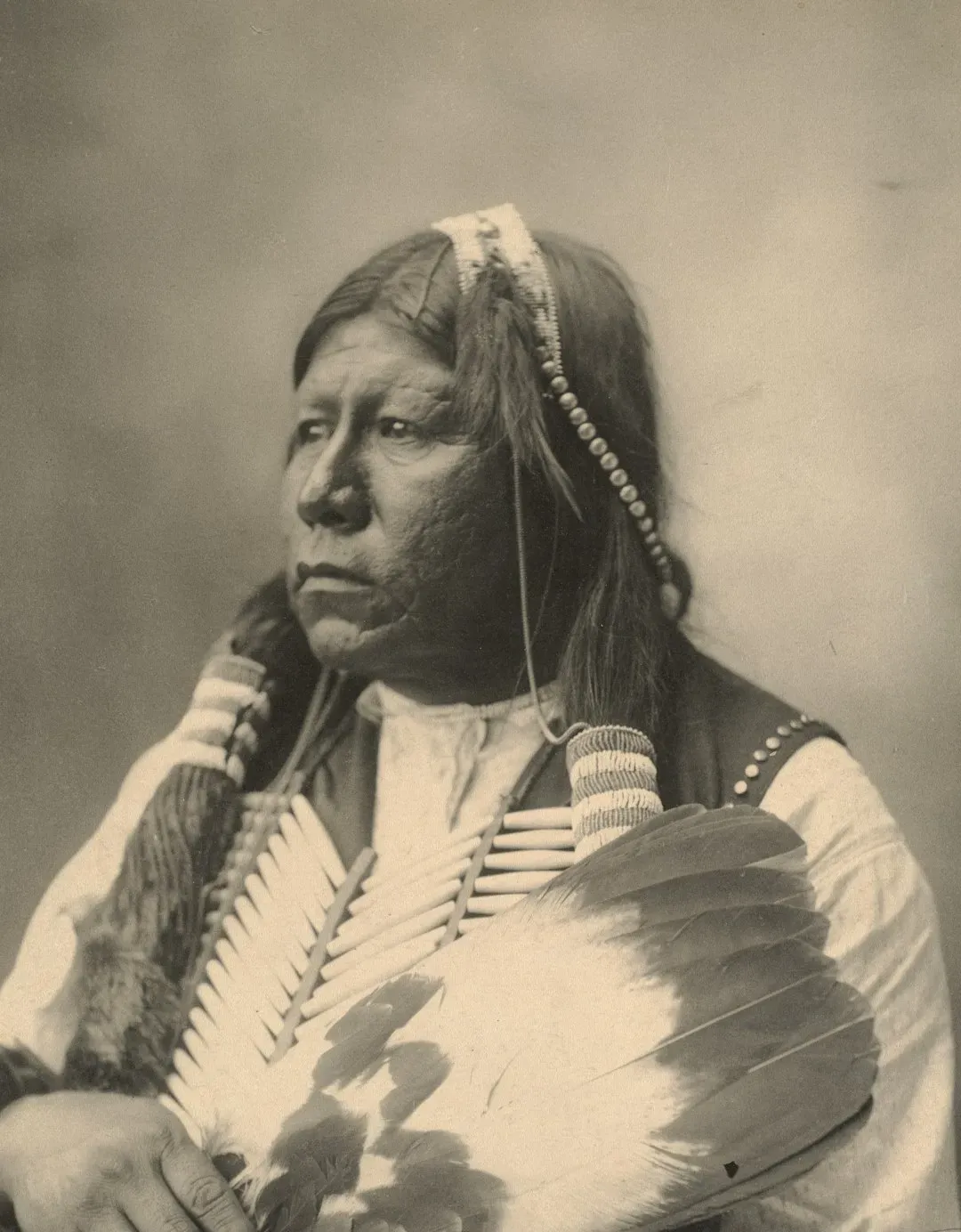
Mary Golda Ross referred to the Cherokee values of education and preparation for the future as key in her life, and she loved math, but also believed it would unlock the ability to solve problems. This perspective on education runs deep within Cherokee culture. It’s not about individual achievement for its own sake. Instead, education serves the community and honors the responsibility each generation has to the next. Mary Golda Ross embodies what Cherokee people and culture are known for – using gifts and education in service to others.
The impact extends beyond individual accomplishments. In 1975, astronaut Jerry Elliott and engineer George Thomas, a Cherokee, cofounded the organization now known as the American Indian Science and Engineering Society to encourage Native American students in the fields of science, engineering, math and technology, and the group currently has 5,900 members and has awarded $12 million in scholarships. When you consider the barriers that existed – and in many ways still exist – these achievements become even more remarkable. Cherokee scientists have transformed not only their own opportunities but opened doors for countless others.
Living Science: The Ongoing Contributions and Future Directions
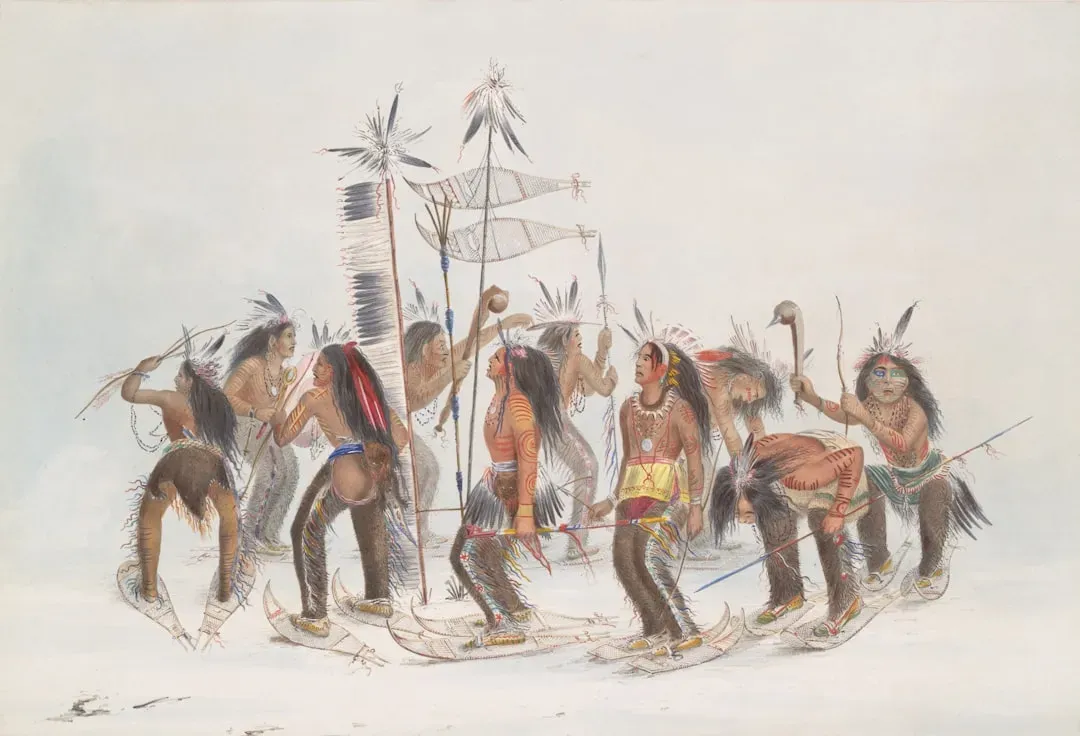
The legacy of the Cherokee Nation’s historical land use practices and their traditional ecological knowledge continues to inform contemporary conservation efforts, and this deep-rooted understanding of the environment empowers the Cherokee to advocate for sustainable practices that honor their cultural heritage while addressing modern environmental challenges. Cherokee contributions to science didn’t stop in the past. They’re happening right now, in laboratories, research stations, and conservation projects across the country.
The participation of Cherokee Nation citizens in monitoring programs has ensured that local knowledge and traditional practices are integrated into modern environmental science, and partnerships often focus on the protection of endangered species and their habitats, utilizing both traditional ecological knowledge and modern conservation techniques. What’s particularly exciting is how this integration creates more robust scientific understanding. Western science benefits from incorporating centuries of careful observation, while traditional knowledge gains new tools for documentation and broader application. It’s hard to say for sure, but this synthesis might represent the future of environmental science itself.
Conclusion
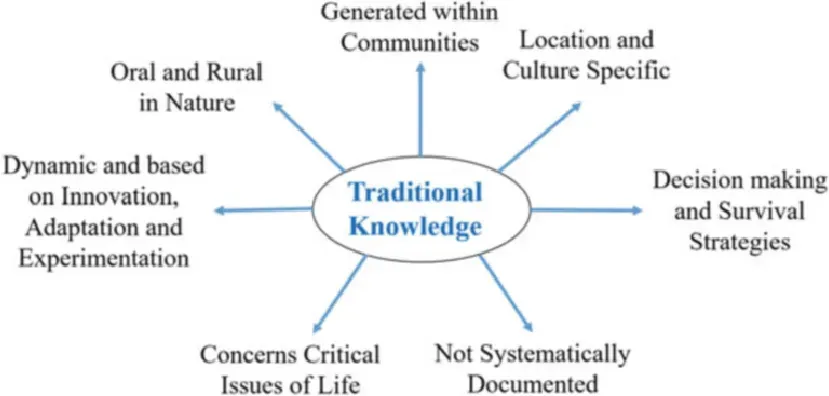
The Cherokee Nation’s contributions to science represent far more than a collection of individual achievements or isolated discoveries. They embody a fundamentally different way of understanding the natural world, one that emphasizes observation, respect, interconnection, and responsibility across generations. From ancient astronomical observations that rival modern calendrical precision to cutting-edge aerospace engineering, Cherokee people have consistently demonstrated scientific excellence.
What makes these contributions particularly powerful is their continuity. Traditional ecological knowledge developed over millennia continues informing contemporary conservation biology. Cherokee values of education and community service inspire new generations of scientists and engineers. The integration of Indigenous wisdom with modern scientific methodology isn’t just preserving the past – it’s creating more complete, more effective science for the future. What would our scientific landscape look like if we’d always recognized and celebrated these contributions? That’s something worth thinking about.