

Love likes to pretend it’s simple. One smile, one spark, one kiss, and suddenly everything changes. But behind that rush in your chest and that person you can’t stop thinking about, there’s a storm of chemicals, brain circuits, memories, hormones, and even gut reactions quietly running the show.
It isn’t just butterflies or destiny; it’s biology, learning, timing, and culture all tangled together. The science of love in 2026 is painting a picture that’s way messier, and far more beautiful, than any neat romantic movie plot. Once you see what’s really going on under the surface, you may never look at a crush, a breakup, or a long-term relationship the same way again.
The Brain on Love: Why It Feels Like Losing Your Mind

Falling in love lights up your brain in ways that can look strangely similar to addiction. Brain imaging studies show that when people see the person they’re intensely in love with, regions linked to reward, motivation, and craving start firing like crazy, while areas tied to judgment and critical thinking tend to dial down. That’s one reason red flags can look more like charming quirks in the early stages.
This “high” is not just emotional; it’s deeply neurochemical. The brain pumps out dopamine, which fuels that sense of excitement, focus, and wanting more, and it reduces activity in brain systems that handle cautious, logical evaluation. This combination can make you do wild, impulsive things you’d normally never consider, from moving cities too fast to ignoring obvious incompatibilities, and it truly can feel like you’ve temporarily lost your usual self.
Dopamine, Norepinephrine, and Serotonin: The Infatuation Cocktail
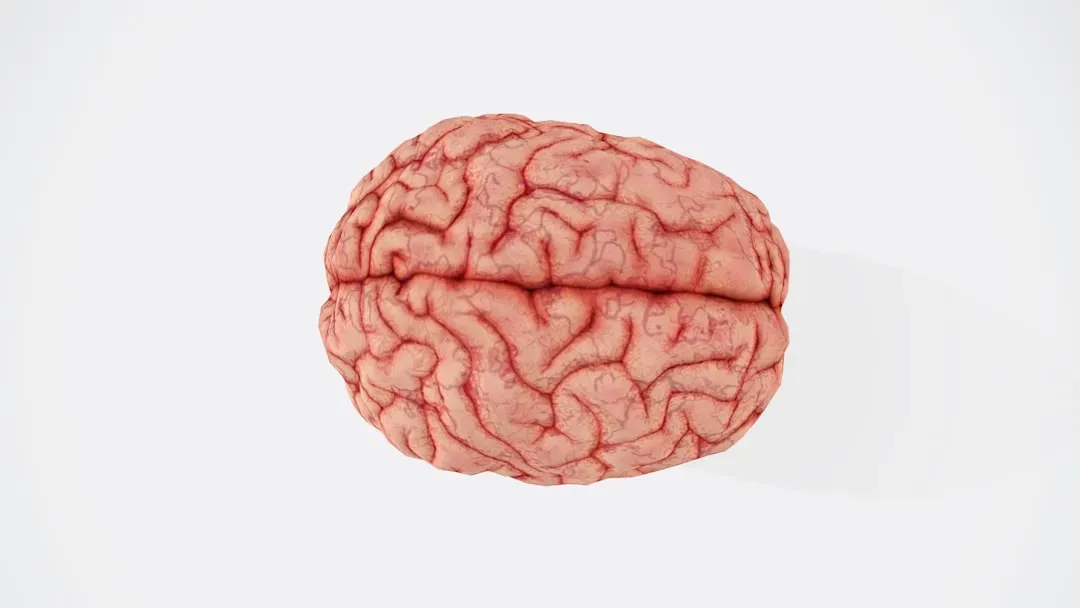
Early-stage romantic love is driven by a powerful chemical trio. Dopamine delivers pleasure and reward, norepinephrine ramps up energy and alertness, and serotonin levels can drop, which may help explain obsessive thinking about a partner. People in intense new love often report trouble sleeping, loss of appetite, and a mind that loops around one person all day long, and this pattern aligns closely with what researchers see in their neurochemistry.
That’s why infatuation can feel both exhilarating and exhausting at the same time. You’re wired to pay attention to this one person above the rest of the world, like your brain is putting them on a psychological billboard that never turns off. It’s not that you’re weak or “too much”; it’s that your nervous system has temporarily reordered its priorities to chase and secure this connection, even if the rest of your life feels slightly off-balance while it happens.
Oxytocin and Vasopressin: The Quiet Architects of Bonding

Once the initial fireworks calm down, a different set of chemicals takes the lead. Oxytocin, often called the bonding hormone, is released during hugging, cuddling, sex, and even simple affectionate touch, and it helps deepen feelings of trust and closeness. Vasopressin, which plays a particularly strong role in some animal species known for pair-bonding, is linked to protective, committed behavior in long-term relationships.
Instead of the frantic rush of early love, these hormones support a slower, steadier sense of “we.” Over time, shared routines, inside jokes, and emotional safety become chemically reinforced, making separation feel genuinely painful, not just emotionally but physically. That’s one reason long-term love can feel less like fireworks and more like gravity: invisible but consistently pulling you back toward each other, even on the days when you’re annoyed or distracted.
Attachment Styles: Your History Is in the Mix

Love chemistry doesn’t start with your first crush; it starts much earlier with how you learned to connect as a child. Attachment theory suggests that early experiences with caregivers can shape “attachment styles” – secure, anxious, avoidant, or mixed – that influence how your brain and body react in relationships. A securely attached person may experience the same love chemicals but interpret them as exciting yet safe, while someone more anxious may feel constantly on edge, waiting for rejection.
These patterns don’t doom you, but they do tilt the playing field. Two people can get the same rush of dopamine or oxytocin and handle it completely differently: one leans in, the other pulls away, another becomes clingy. Understanding your attachment style can feel like someone finally handed you the user manual for your own emotional chemistry, which can be surprisingly liberating when you keep repeating the same painful patterns without knowing why.
Genes, Smell, and the Strange Power of the Body

Attraction isn’t only in your head; it’s also in your nose, your skin, and your DNA. Research on immune system genes suggests that people may be subconsciously drawn to partners whose genetic profiles differ in certain ways from their own, potentially boosting the diversity and resilience of future children. This can show up as a mysterious sense that someone’s natural scent is deeply appealing or, on the flip side, strangely off-putting, even when they look objectively attractive.
Smell and touch carry information your thinking mind never consciously decodes. A simple hug, the warmth of someone’s skin, or how they smell after a long day can quietly push your brain toward “yes” or “no” without you understanding why. It’s not fate or magic; it’s your nervous system constantly scanning for safety, health, and compatibility, like a hidden radar running under every date, cuddle, and kiss.
Culture, Expectations, and the Stories We Tell Ourselves

The chemistry of love doesn’t operate in a vacuum; it’s heavily shaped by the stories you grew up with. Movies, music, family beliefs, and cultural norms all teach you what love is “supposed” to look and feel like, and your brain often uses those scripts to interpret its own sensations. If you’ve been taught that love must be dramatic and intense, you may chase constant emotional fireworks and overlook stable, healthy connection that feels calmer but more sustainable.
Expectations can even amplify or mute your chemistry. If you believe in love at first sight, you might interpret a modest spark as something earth-shattering, while if you’re deeply skeptical, you may downplay strong feelings until they practically knock you over. In a way, love is half lab experiment, half theater: the biology is real, but the meaning you give it is shaped by all the stories, fears, and hopes you’ve been carrying around your whole life.
Breakups, Withdrawal, and the Slow Rewiring of the Heart

When love ends, the same chemistry that once made it feel euphoric can turn the loss into something that feels almost unbearable. Brain areas involved in physical pain and addiction withdrawal become active during heartbreak, which is why a breakup can feel like being both sick and injured at the same time. Your mind may replay memories on a loop, and your body can crave the person like a substance it has suddenly been cut off from.
Over time, though, the brain slowly adjusts, building new routines and cooling the circuits that were once tied to that specific person. You might notice that their name doesn’t trigger the same jolt, or that spaces you once avoided begin to feel neutral again. It’s not that the past stops mattering; it’s that your nervous system gradually rewires around a new reality, making room for a different version of you, and eventually, for a different kind of love than you might have imagined at the beginning.
Conclusion: Love as a Living, Changing Chemistry Set

Love is not a single feeling or a single chemical; it’s a shifting blend of brain activity, hormones, personal history, bodily signals, and cultural stories constantly interacting with each other. It can start like a lightning strike and settle into a slow-burning fire, or it can grow quietly from friendship into something deep, with the chemistry evolving at every stage. The more we learn, the clearer it becomes that there’s no single “normal” way for love to feel, only patterns that are more or less common.
Seeing love through this lens doesn’t make it less magical; if anything, it shows just how astonishing it is that two messy, complex human systems can sync up at all, even for a while. Knowing the science gives you language and tools, but it doesn’t take away the mystery of why this person, at this moment, changes your world. When you think about your own loves – past, present, or still imagined – which part of this hidden chemistry do you recognize most in yourself?