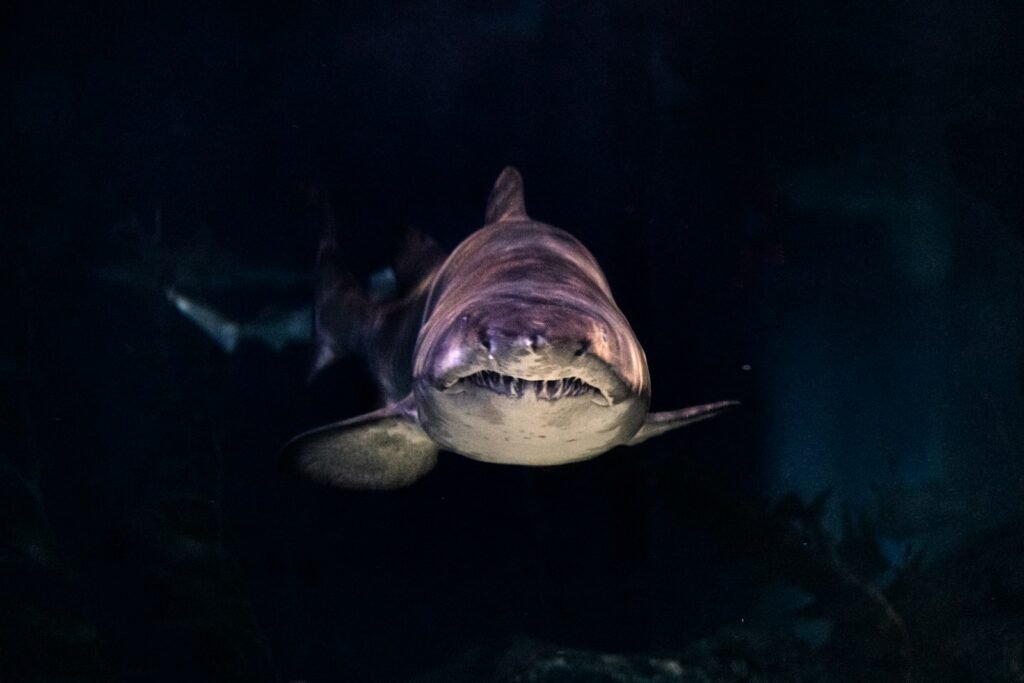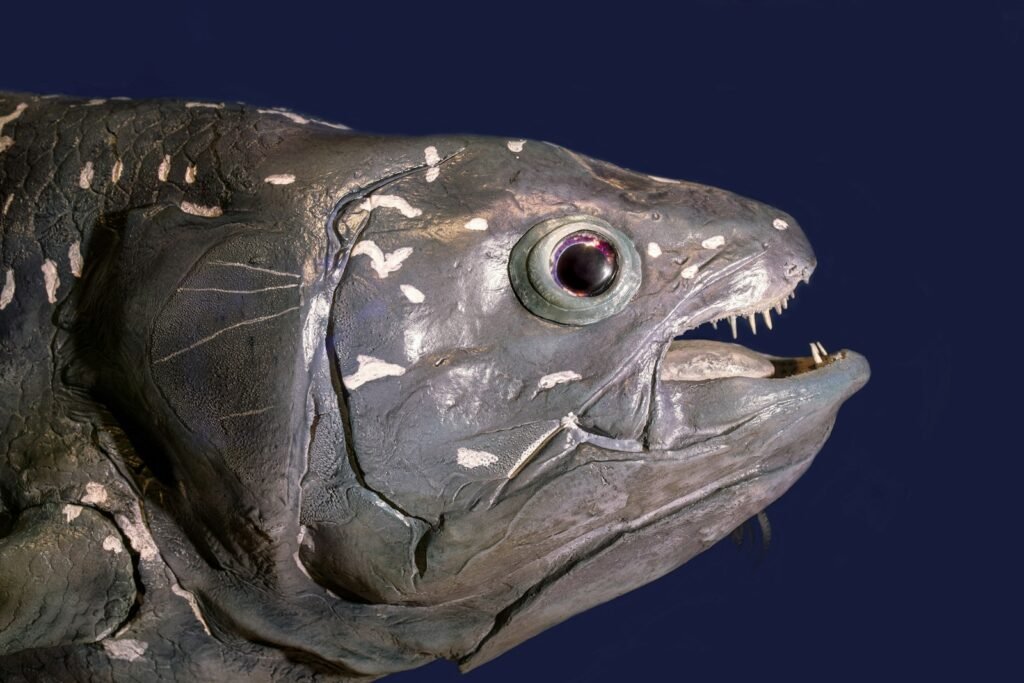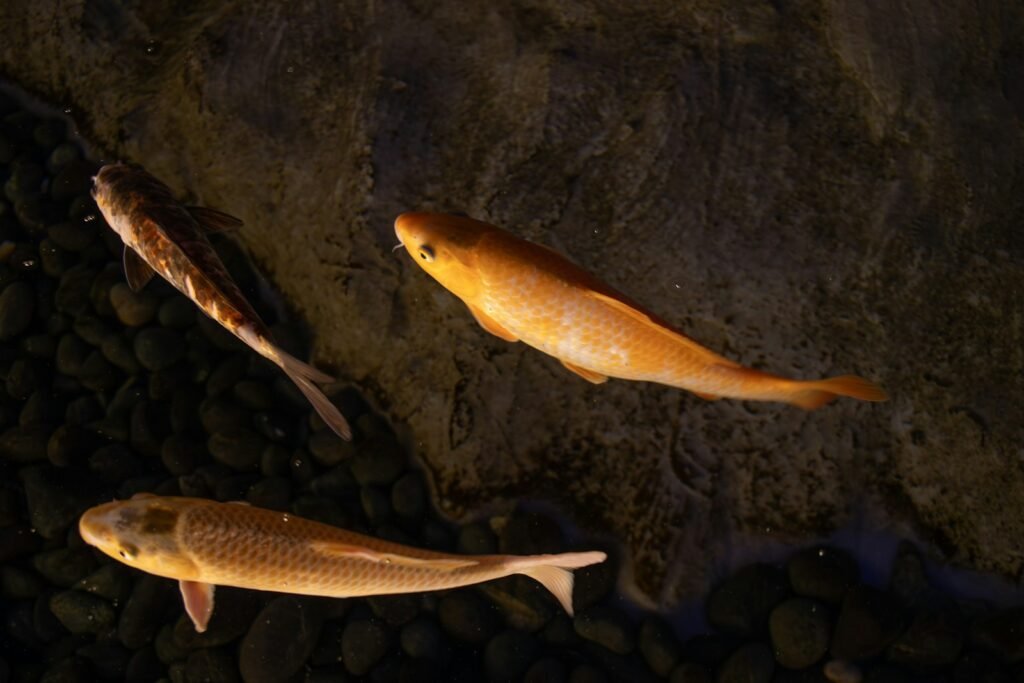

Imagine stepping into a world where time seems to flow in reverse, where life doesn’t get brighter or bolder, but instead grows pale and shrouded in darkness. Deep underground, beyond the touch of sunlight and the reach of ordinary senses, some creatures have chosen an evolutionary path that looks almost like a retreat. In these shadowy caverns, animals are not gaining new features, but losing them: their eyes shrink, their skin loses color, and their bodies adapt to a life of permanent night. Welcome to the extraordinary world of caves, where evolution takes an unexpected turn and challenges everything we thought we knew about survival.
What Is Regressive Evolution?
Regressive evolution is the process where species lose complex features over generations, usually because those features no longer serve a purpose in their environment. This isn’t about getting “worse” or “going backward,” but about streamlining life to fit unusual habitats. In the case of cave-dwelling creatures, eyes and pigmentation are often the first to go. Without light, seeing is pointless, and color offers no advantage. Surprisingly, evolution isn’t always a ladder climbing upward; sometimes, it’s a careful pruning of the branches.
Life in the Total Darkness of Caves
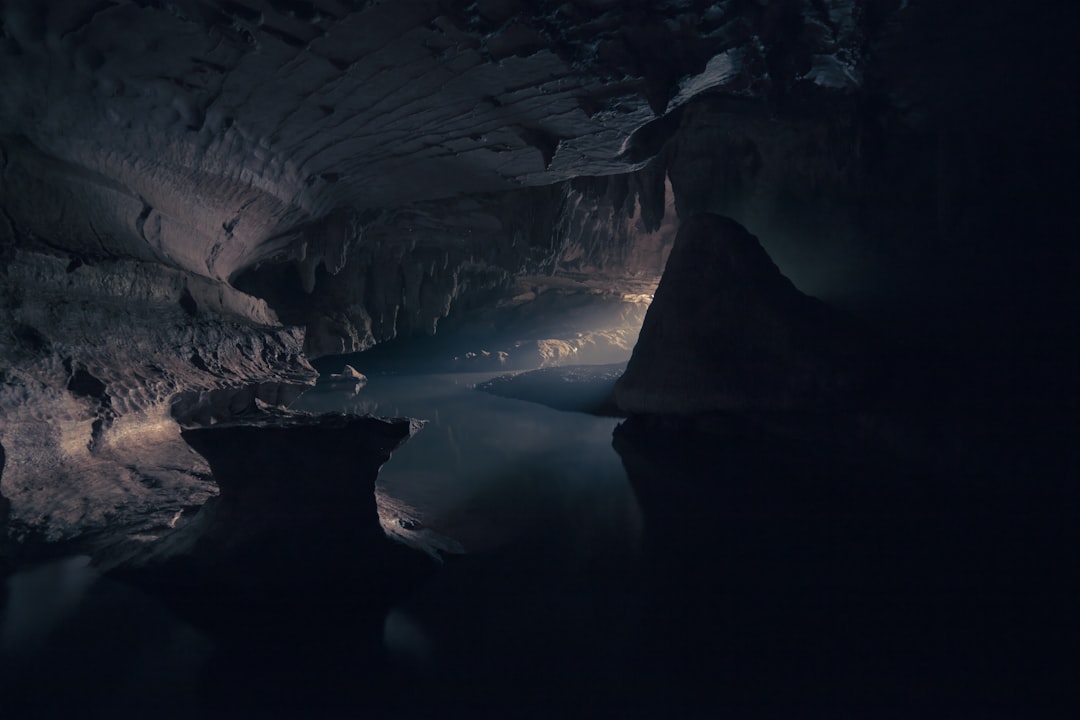
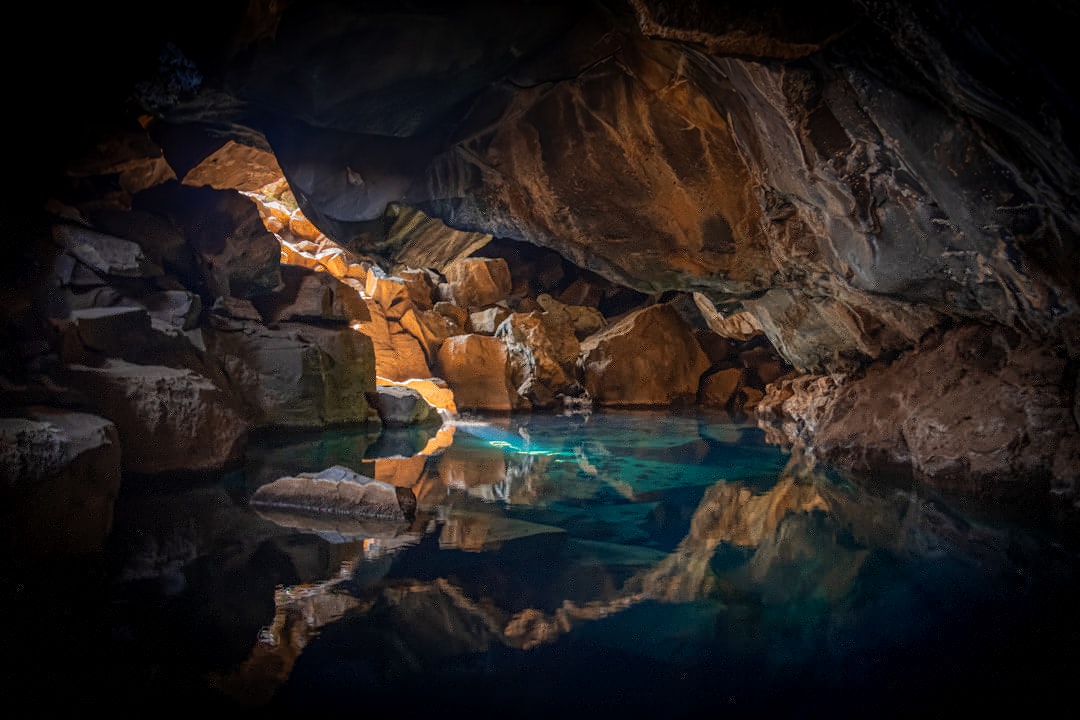
Caves are some of the most extreme and mysterious environments on Earth. The absence of sunlight means no plants can grow, and temperatures remain almost constant year-round. Creatures living here face challenges we can barely imagine: total darkness, limited food, and a world of silence. Yet, evolution finds a way. Animals adapt in ways that seem almost magical, transforming their bodies to survive in conditions most life forms would find unbearable.
The Blind Cavefish: A Symbol of Adaptation

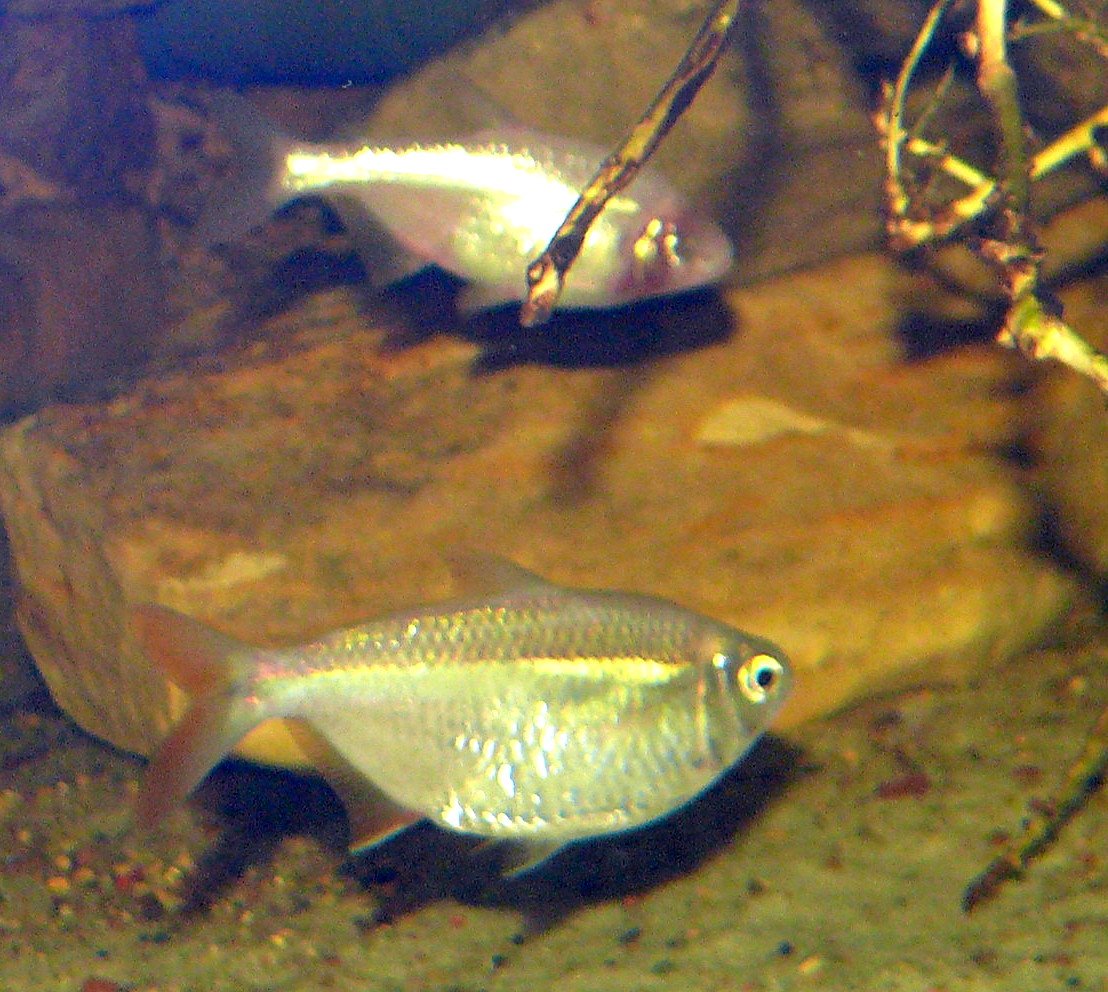
One of the most iconic examples of regressive evolution is the blind cavefish. Swimming through pitch-black waters, these fish have lost their eyes entirely, relying instead on other senses to find food and navigate. Their skin, once colorful, has faded to ghostly white or pink, exposing blood vessels beneath. This isn’t just a quirk of nature; it’s a powerful example of how losing something can sometimes be the best way to survive.
Why Losing Eyes Makes Sense Underground
Eyes are amazing organs, but they’re also expensive to build and maintain in terms of energy. In the perpetual night of caves, eyes quickly become useless. By eliminating them, cave creatures save precious resources. The energy once spent on sight can be redirected to developing better senses of touch, smell, or even detecting vibrations in the water. It’s a trade-off that makes perfect evolutionary sense in a world without light.
Color: A Useless Trait in Darkness
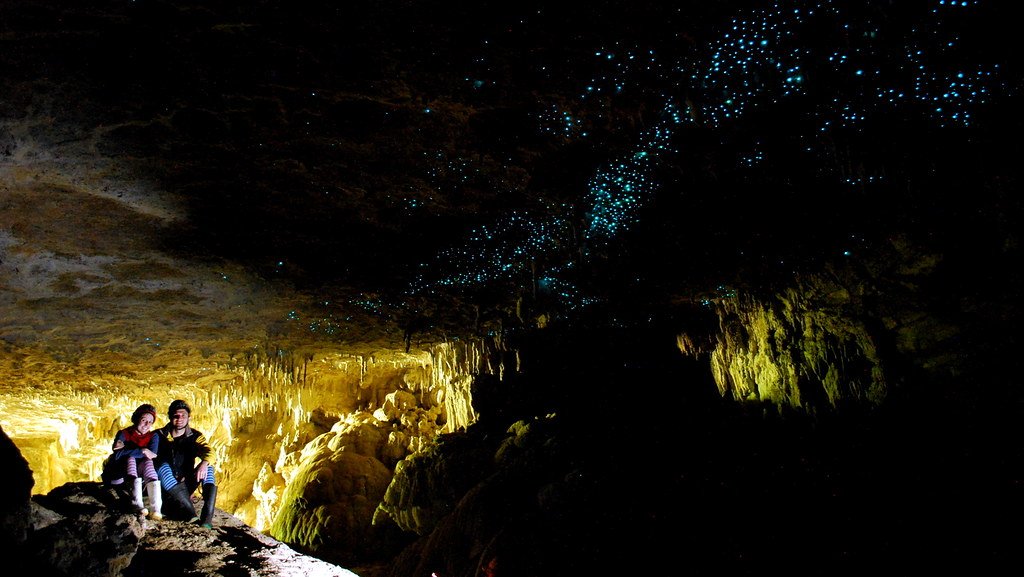
Color serves many purposes in the natural world, from attracting mates to warning predators. But in the blackness of a cave, color loses its value. Over generations, pigments fade away, leaving animals pale, pink, or completely translucent. Some cave insects look like tiny ghosts, their bodies so clear you can see their organs moving inside. The loss of color is a dramatic transformation, but it’s driven by the simple fact that in darkness, no one sees you anyway.
Sensory Superpowers: Adaptations Beyond Sight
When one sense disappears, others often become stronger. Many cave animals develop extraordinary abilities to compensate for their lack of vision. Some fish have heightened sensitivity to water pressure, allowing them to detect the slightest movement around them. Others use chemical cues to find food or mates in the dark. Bats that live in caves rely on echolocation, sending out high-pitched sounds and listening for the echoes to map their surroundings. It’s a reminder that evolution isn’t just about what you lose, but also about what you gain.
Troglobites: The True Cave Specialists
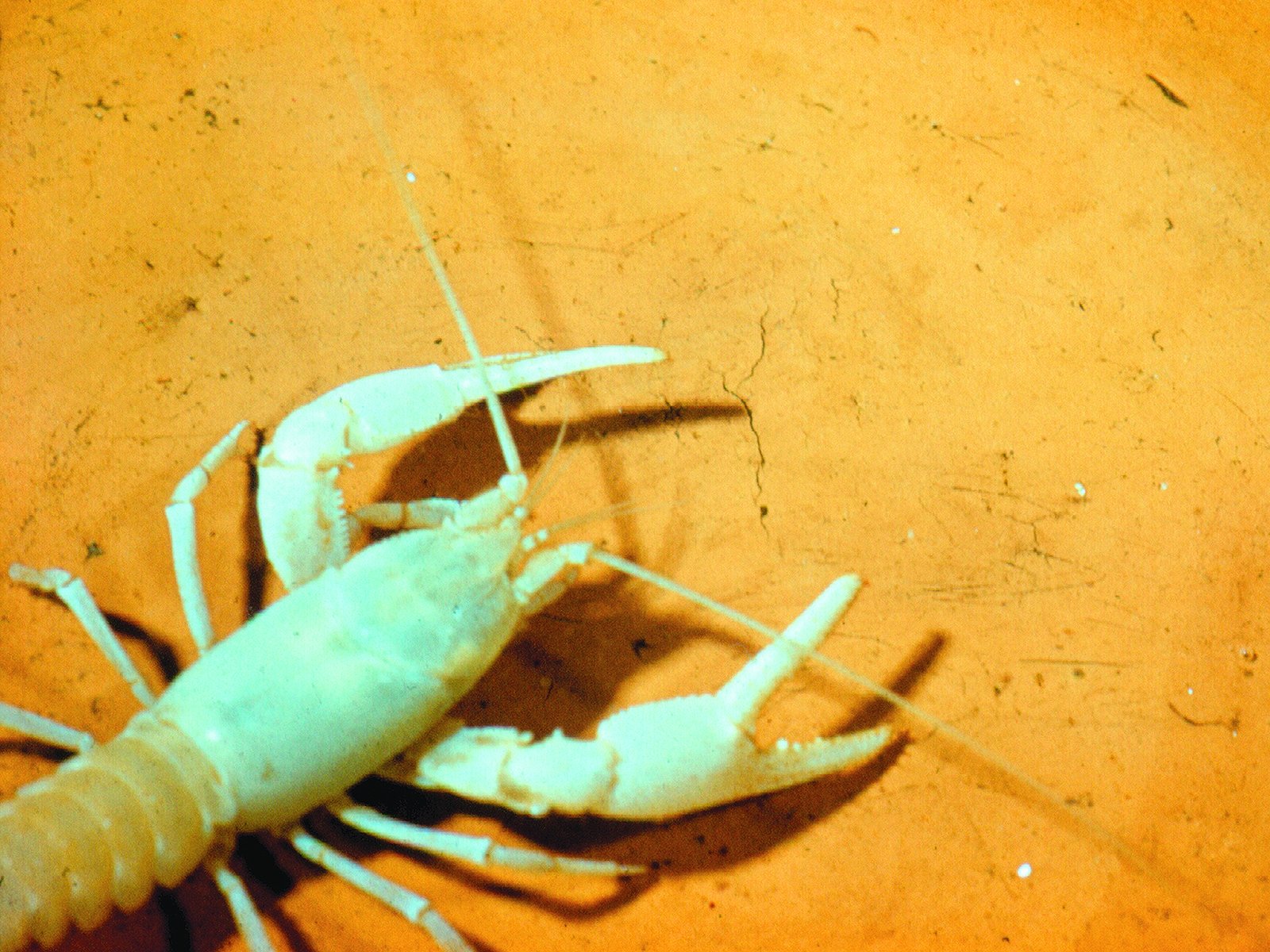
Scientists call animals that spend their entire lives in caves “troglobites.” These creatures are so specialized for underground life that they can’t survive outside the cave. They often have bizarre, alien-like features: super-long antennae, tiny or missing eyes, and elongated limbs. The Texas blind salamander, for example, never leaves its subterranean home, and its delicate skin looks almost otherworldly. Troglobites are living proof of how far evolution can go when pushed by unique challenges.
Parallel Evolution in Different Caves
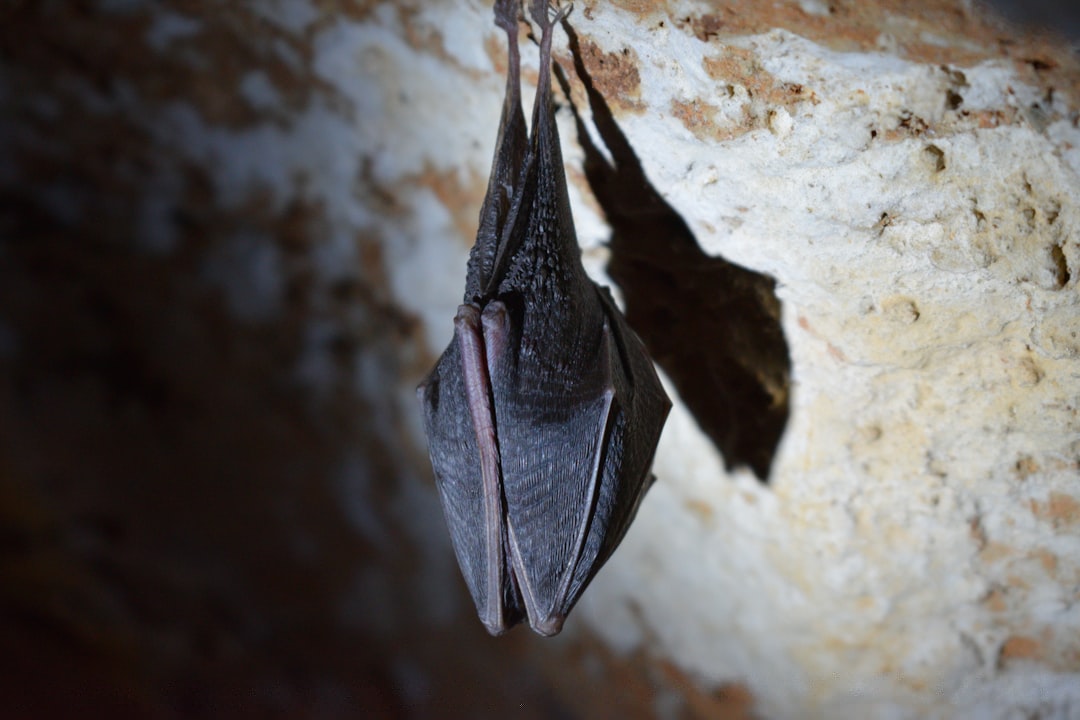
Astonishingly, similar changes have evolved in cave animals all over the world, even when the species are unrelated. This phenomenon, known as convergent evolution, shows that when life faces the same challenges, it often finds the same solutions. Blind fish in Mexico, shrimp in Slovenia, and insects in Vietnam all show the same loss of eyes and color. Nature, it seems, has a playbook for surviving in the dark.
Genetics Behind the Loss: The Science of Change

Recent genetic studies have revealed how these changes happen on a molecular level. Mutations in key genes can cause eyes to stop developing, or pigment cells to disappear. Sometimes, the genes for sight and color are still there, but they’re switched off by other genetic “switches.” In the Mexican tetra, scientists have even found cave populations that can interbreed with surface fish and produce offspring with eyes—proving that the genetic machinery for eyes isn’t lost, just dormant.
Is Evolution Really Going Backward?
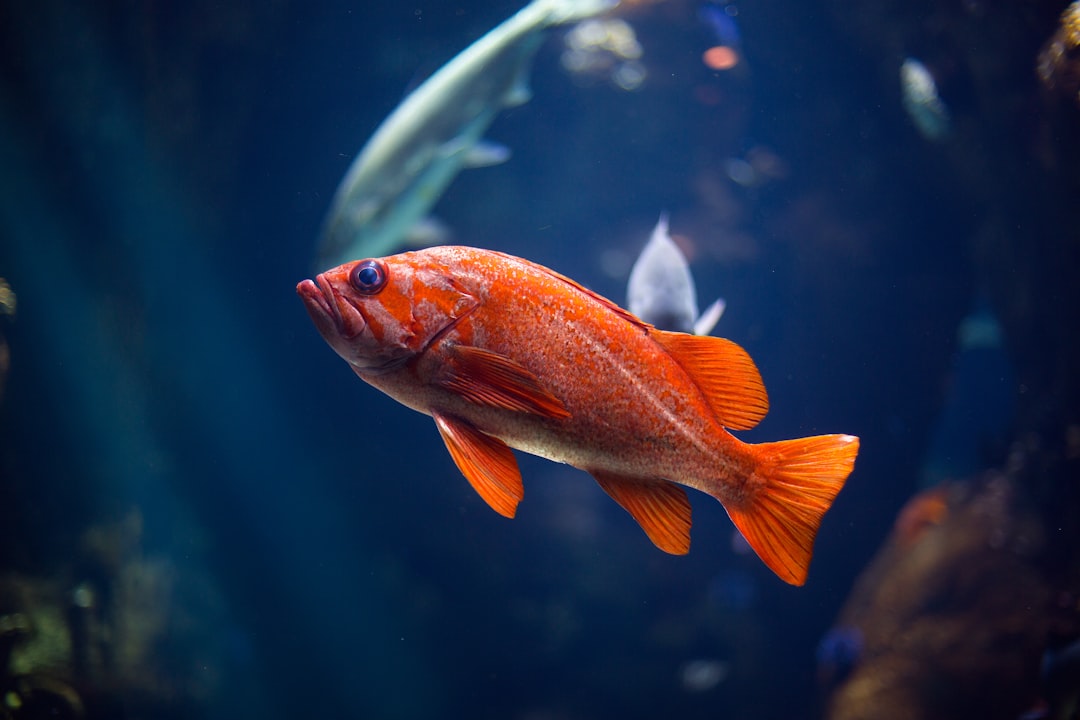
At first glance, it looks like these creatures are “devolving,” but that’s not really the case. Evolution doesn’t have a direction or a goal; it simply shapes life to fit the environment. In caves, losing eyes and color is a step forward, not backward—an elegant solution to a unique problem. It’s a humbling reminder that nature doesn’t care about our ideas of progress or perfection.
Human Connections: Our Fascination With the Underground
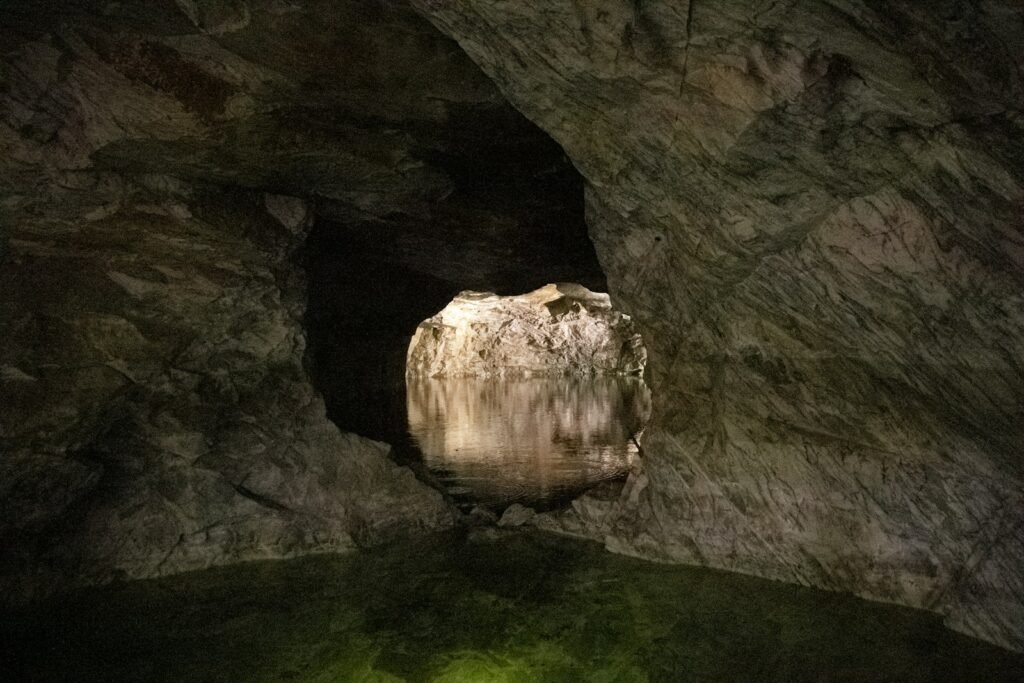
Humans have always been captivated by caves, from prehistoric artists painting on cavern walls to modern-day explorers seeking adventure. The strange creatures that live in these hidden worlds fuel our imaginations and challenge our understanding of life. Visiting a cave can feel like stepping into a different planet, one where the rules of biology are turned upside down. It’s no wonder that stories of blind fish and ghostly salamanders have become part of folklore and science alike.
How Do Cave Ecosystems Survive With So Little Food?
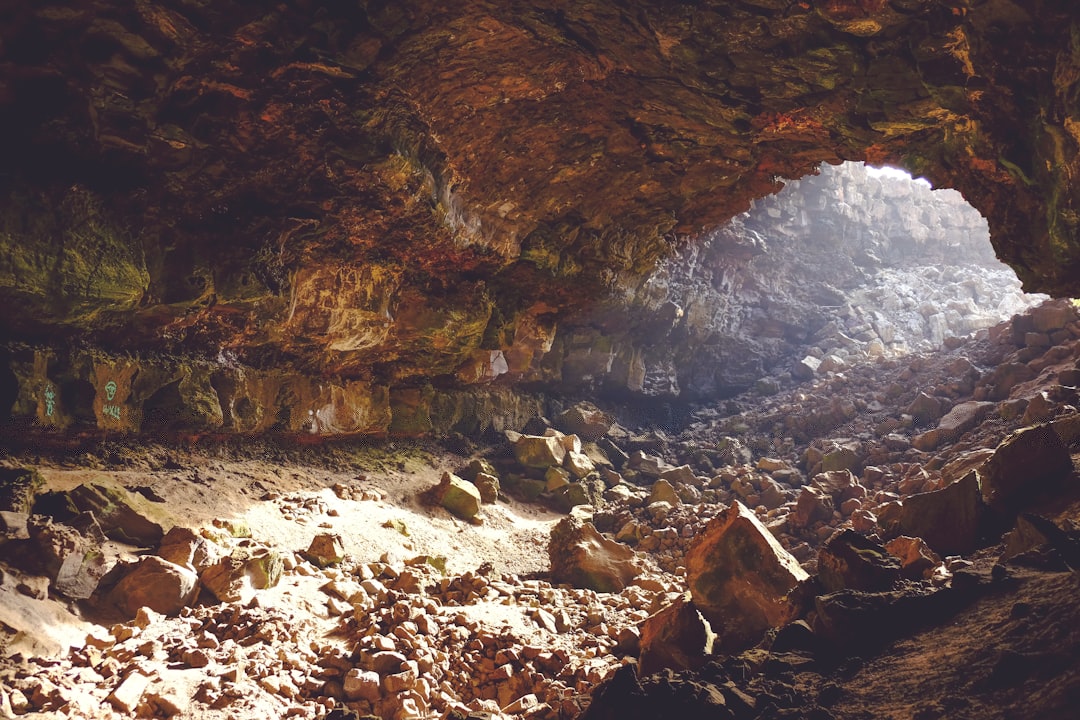
One of the biggest mysteries of cave life is how these ecosystems survive with so little energy coming in. Without sunlight, there are no plants to start the food chain. Instead, most cave ecosystems rely on nutrients washed in from the surface—dead leaves, animal droppings, or even the bodies of unlucky creatures that fall in. Some caves support unique bacteria that can create energy from minerals, providing a foundation for tiny food webs. Life here is fragile, but incredibly inventive.
Extreme Examples: The Olm and the Proteus
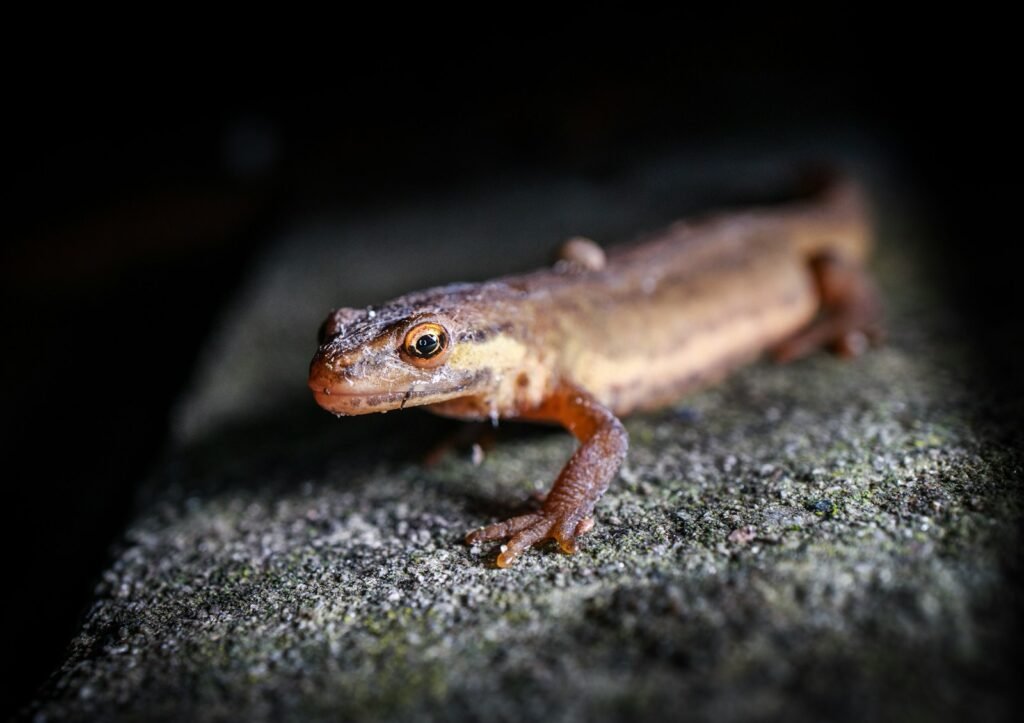
The olm, a rare cave salamander found in the Balkans, is one of the most striking examples of regressive evolution. It can live for up to a century, spends its entire life underwater, and is completely blind. Its skin is almost translucent, and it hunts using an acute sense of smell and electrical sensitivity. The olm’s cousin, the proteus, is sometimes called the “human fish” because its skin resembles ours—but it’s a master of the dark, able to survive years without food. These animals are like living fossils, perfectly tuned to their underground homes.
What Happens When Surface and Cave Worlds Collide?
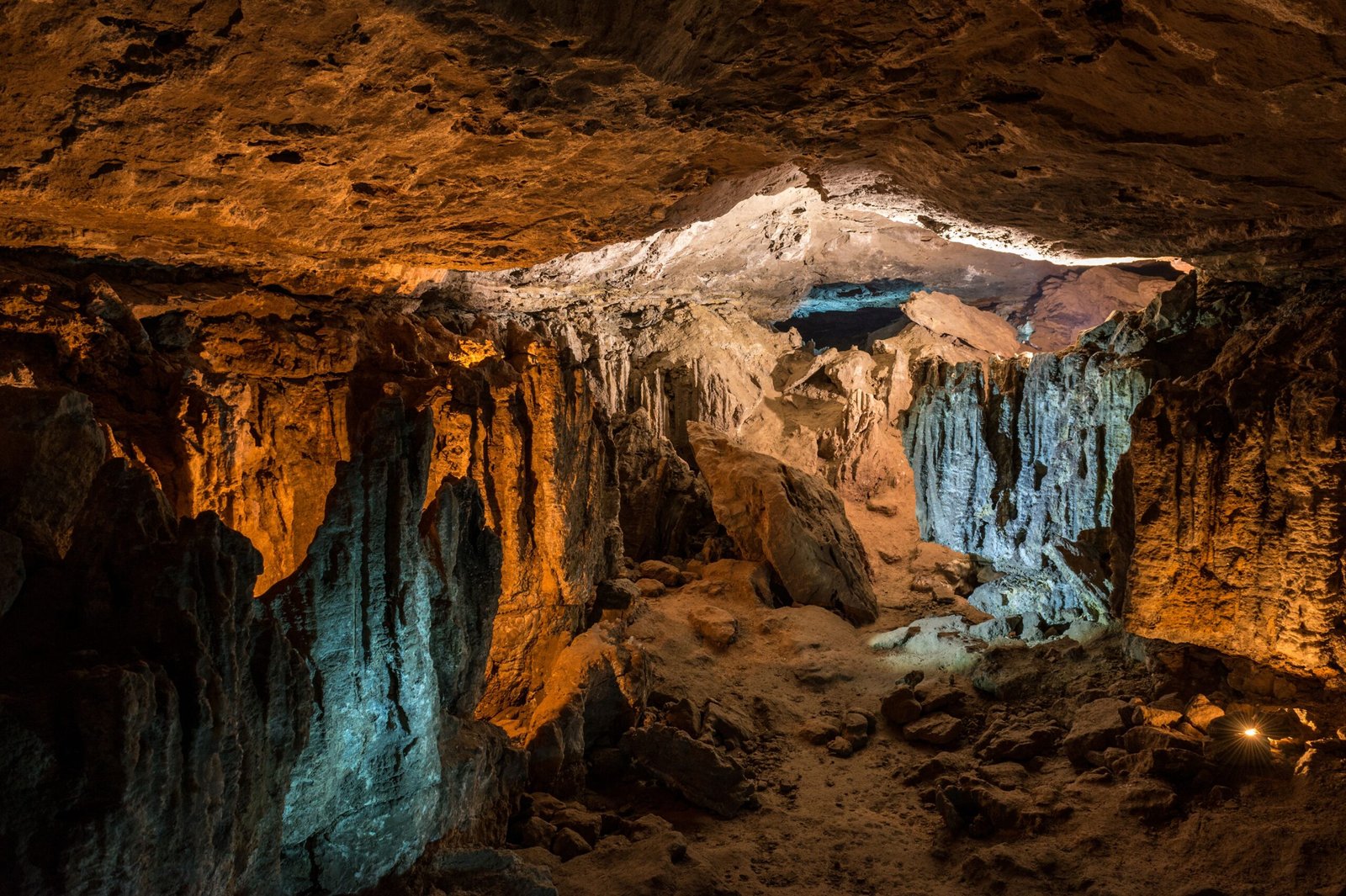
Sometimes, surface-dwelling animals wander into caves and find themselves trapped. At first, they struggle to survive, but over generations, their descendants can start to show cave-like traits: smaller eyes, paler skin, longer limbs. This transition is a rare chance to watch evolution in action. In some places, scientists have even found “intermediate” forms—creatures halfway between surface and cave life, offering a snapshot of evolution’s workshop.
The Role of Isolation in Cave Evolution
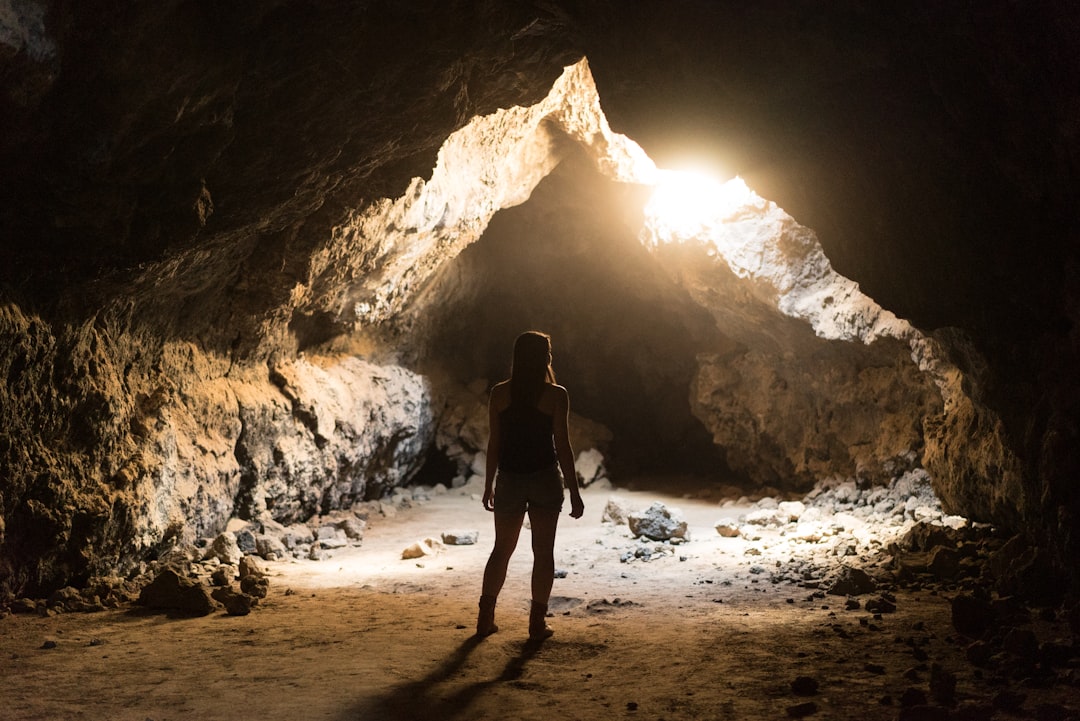
Isolation is a key ingredient in the recipe for cave adaptation. Once a population is cut off from the outside world, it’s free to evolve in strange and unexpected ways. With no new genes coming in from outside, mutations can spread quickly, and natural selection can shape creatures to fit their dark, silent homes. Each cave becomes its own evolutionary experiment, with unique results.
Can Cave Species Ever Go Back?
A tantalizing question is whether cave-dwelling species could ever return to life on the surface. In some cases, the answer is no; their bodies are simply too specialized for the darkness. But in other cases, the genetic potential remains. In laboratory experiments, scientists have coaxed cavefish embryos to develop eyes again, suggesting that evolution’s path isn’t always a one-way street. Still, most cave animals are so finely tuned to their world that sunlight would be as deadly as darkness is to us.
Caves as Natural Laboratories for Evolution
Biologists love studying caves because they act as natural laboratories, offering a chance to see evolution at work in real time. The clear-cut challenges of cave life make it easier to trace which changes happen, and why. By comparing cave species to their surface relatives, scientists can untangle the genetic and environmental forces that drive adaptation. It’s a living lesson in how life responds to even the strangest circumstances.
Threats to Cave Life: Fragility in the Shadows
Despite their resilience, cave ecosystems are some of the most fragile on Earth. Pollution, groundwater depletion, and human disturbance can devastate underground habitats. Because cave species are so specialized, they often can’t survive even small changes to their environment. Some of these species exist only in a single cave, making them incredibly vulnerable to extinction. Protecting these hidden worlds isn’t just about saving strange animals—it’s about preserving the secrets of evolution itself.
What Cave Species Teach Us About Adaptation
Cave animals show us that adaptation can mean letting go as well as gaining new abilities. Their existence is a testament to the sheer creativity of evolution, and a challenge to our assumptions about progress. In a world obsessed with getting bigger, faster, and stronger, these creatures remind us that sometimes, the best way forward is to embrace simplicity. Evolution, it turns out, is less about climbing a ladder and more about finding the perfect fit.
The Unending Mystery of the Underground
Even today, vast numbers of cave species remain undiscovered. Each expedition into the darkness has the potential to reveal new forms of life, new adaptations, and new stories about how evolution shapes our planet. Caves hold secrets that scientists are only just beginning to unravel—stories of survival, loss, and transformation that challenge everything we thought we knew about life itself. How many more mysteries are hiding just out of sight, waiting for someone to turn on a flashlight and look?
What would you let go of to thrive in total darkness?