
Have you ever wondered what it’s like to venture into a place where the air itself can change the way your mind works? There are subterranean worlds where oxygen becomes so scarce that the very act of breathing becomes a negotiation with biology. These aren’t just tight spaces or claustrophobic tunnels. They’re environments where the atmosphere transforms into something almost alien, capable of reshaping human consciousness itself.
Deep beneath the surface of our planet, certain cave systems create conditions that push the boundaries of what the human brain can tolerate. In these hidden chambers, oxygen levels plummet to concentrations that would make most people dizzy, euphoric, or even hallucinate. It’s a phenomenon that has fascinated scientists, challenged explorers, and revealed surprising truths about how our ancestors may have sought altered states of consciousness thousands of years ago. Let’s dive in and explore these remarkable underground worlds where perception itself becomes fluid.
A Romanian Cave Sealed From the World for Millions of Years
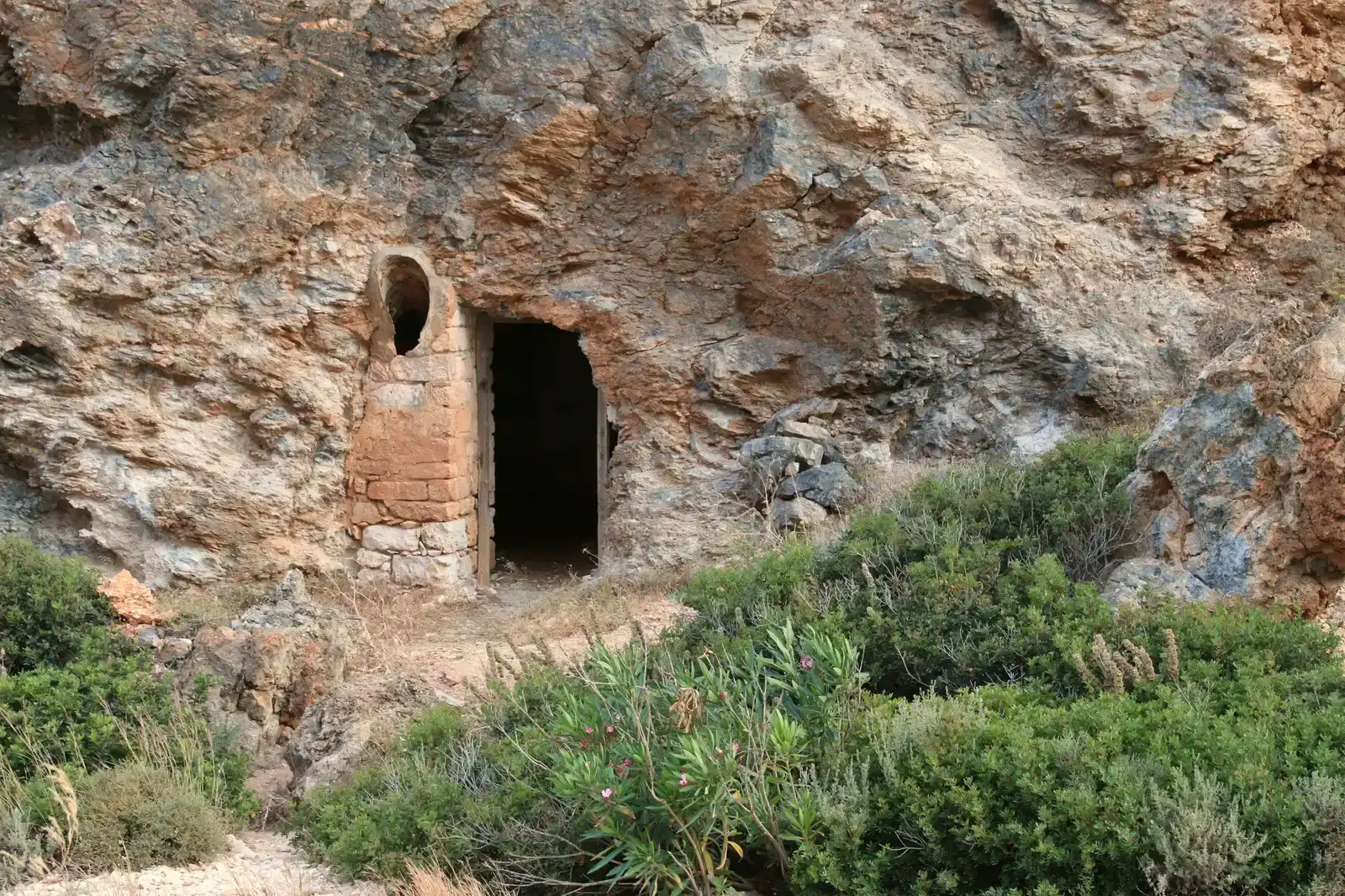
Movile Cave, discovered in 1986 near Mangalia in Romania, harbors a unique subterranean ecosystem abundant in hydrogen sulfide and carbon dioxide but remarkably low in oxygen, with life separated from the outside world for the past 5.5 million years and based completely on chemosynthesis. Picture a place where evolution took a completely different path, isolated beneath layers of clay and limestone.
The oxygen level in the cave atmosphere measures only about one-third to half the concentration found in open air, ranging from roughly seven to ten percent compared to the normal twenty-one percent. Scientists can spend a maximum of three hours in this hostile environment without doing themselves lasting damage. The cave’s air bells, separated compartments where the ceiling rises above water, present even more extreme conditions where methane and carbon dioxide accumulate in dangerous concentrations.
When Your Brain Starts Running Out of Fuel
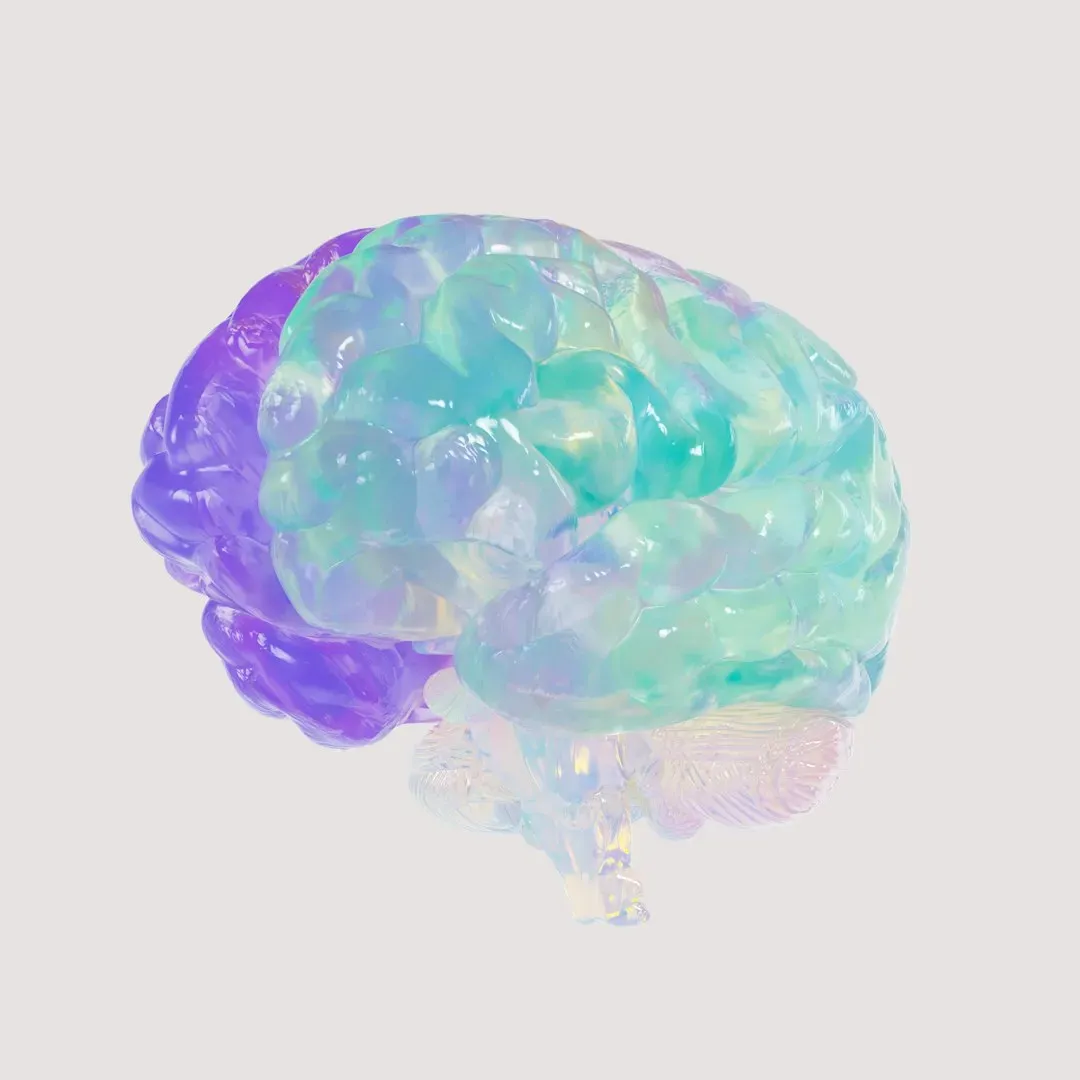
Your brain is an oxygen-hungry organ. The brain exhibits a pronounced sensitivity to reductions in oxygen supply, utilizing roughly twenty percent of the body’s total oxygen intake. Think about that for a moment: one organ, accounting for just a small fraction of your body weight, consuming a fifth of all the oxygen you breathe.
Brain cells start dying within minutes of low oxygen, with initial symptoms including feeling euphoric for no known reason and rapid shallow breathing. An hypoxic event in brain tissue can cause ATP to drop by as much as ninety percent in less than five minutes. The brain’s energy currency essentially evaporates, forcing your neurons to make desperate adaptations. It’s hard to say for sure, but this rapid energy collapse probably explains why people in oxygen-depleted environments start experiencing such profound mental changes so quickly.
The Dopamine Rush Nobody Asked For
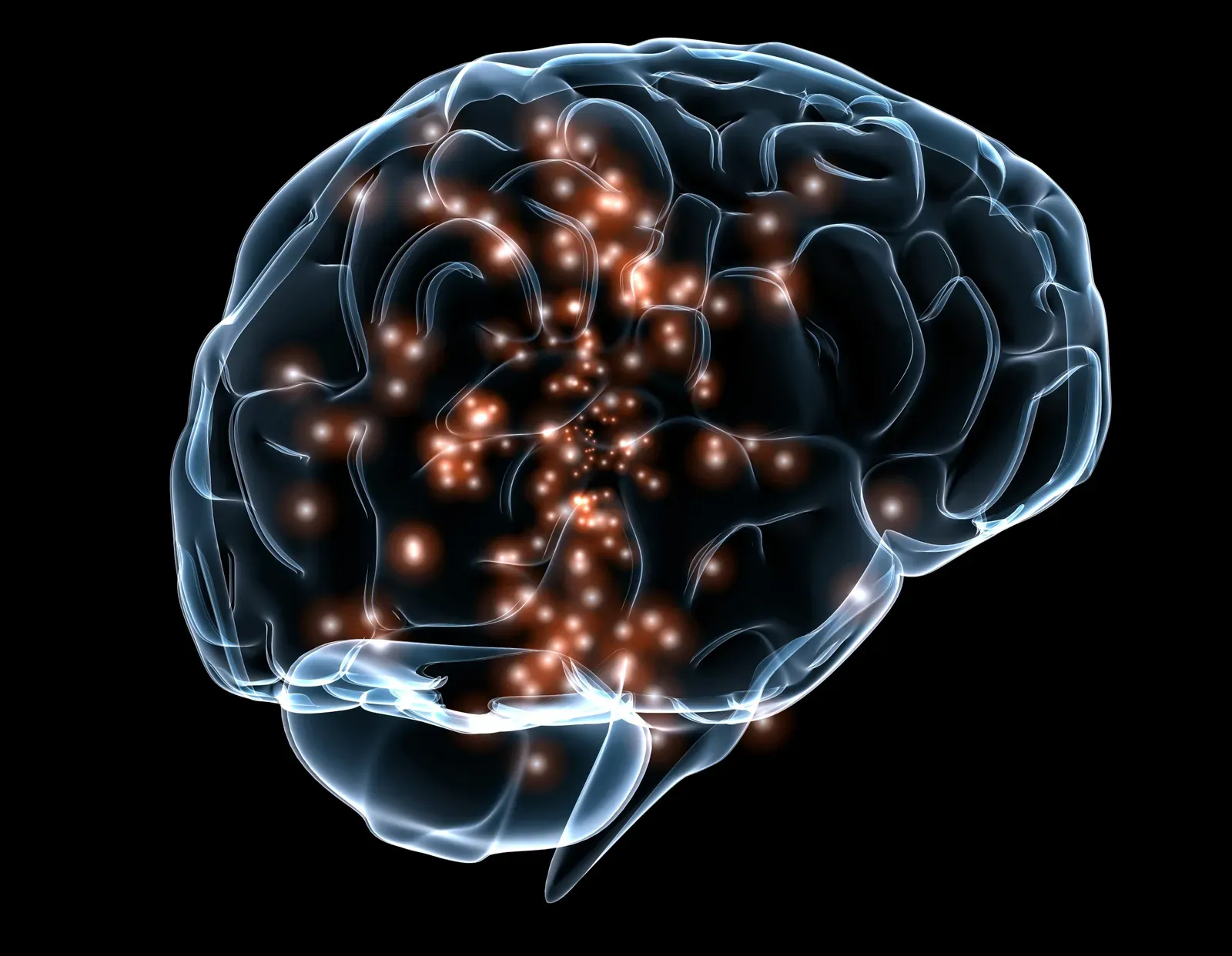
Here’s where things get really interesting. In humans, oxygen deprivation can naturally release dopamine in the brain, sometimes resulting in drowsiness, euphoria, hallucinations or out-of-body experiences. Your brain essentially starts producing its own psychoactive chemicals as a response to stress.
Hypoxia releases dopamine and can produce euphoria, visions, and out-of-body sensations. Let’s be real: this isn’t a pleasant high like you might imagine. It’s your brain’s emergency response system misfiring, creating perceptual distortions that ancient humans may have interpreted as spiritual experiences. Scientists who study caves have reported experiencing similar effects even without a burning torch in hand, suggesting that even brief exposure to reduced oxygen can trigger noticeable cognitive changes.
Ancient Artists Chasing an Underground High
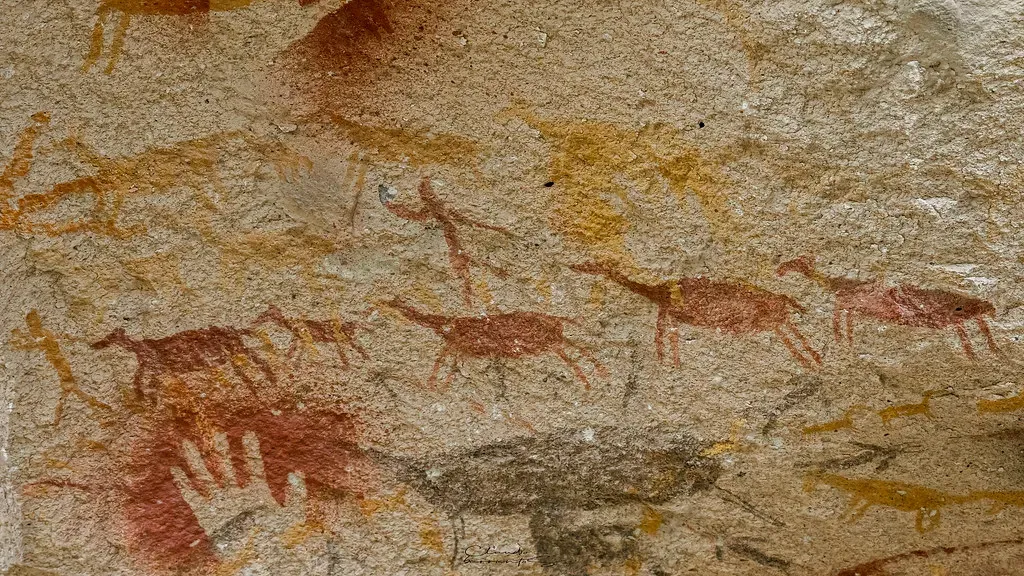
Archaeologists have uncovered a fascinating possibility about prehistoric cave painters. Hundreds of ancient cave paintings from the Upper Paleolithic, between fourteen thousand and forty thousand years ago, are located at very similar depths, with some cave art found as far from a cave’s mouth as an artist could feasibly get, such as in France’s Rouffignac cave where most ancient images appear roughly two thousand four hundred feet from the only entrance.
In a deep cavern with just a single entrance, simulations show oxygen levels can drop below eighteen percent in a mere fifteen minutes, with some models falling to eleven percent. The torches these ancient artists carried would have made things worse, consuming precious oxygen and filling narrow passages with smoke. Hypoxia might have been an easier and more natural way for early humans to knowingly alter their state of mind, making a person feel more connected to the world around them and more expressive in their work. Maybe those haunting images of animals and spirits weren’t just art – they were visions painted under the influence of oxygen deprivation.
The Dangerous Dance Between Oxygen and Carbon Dioxide
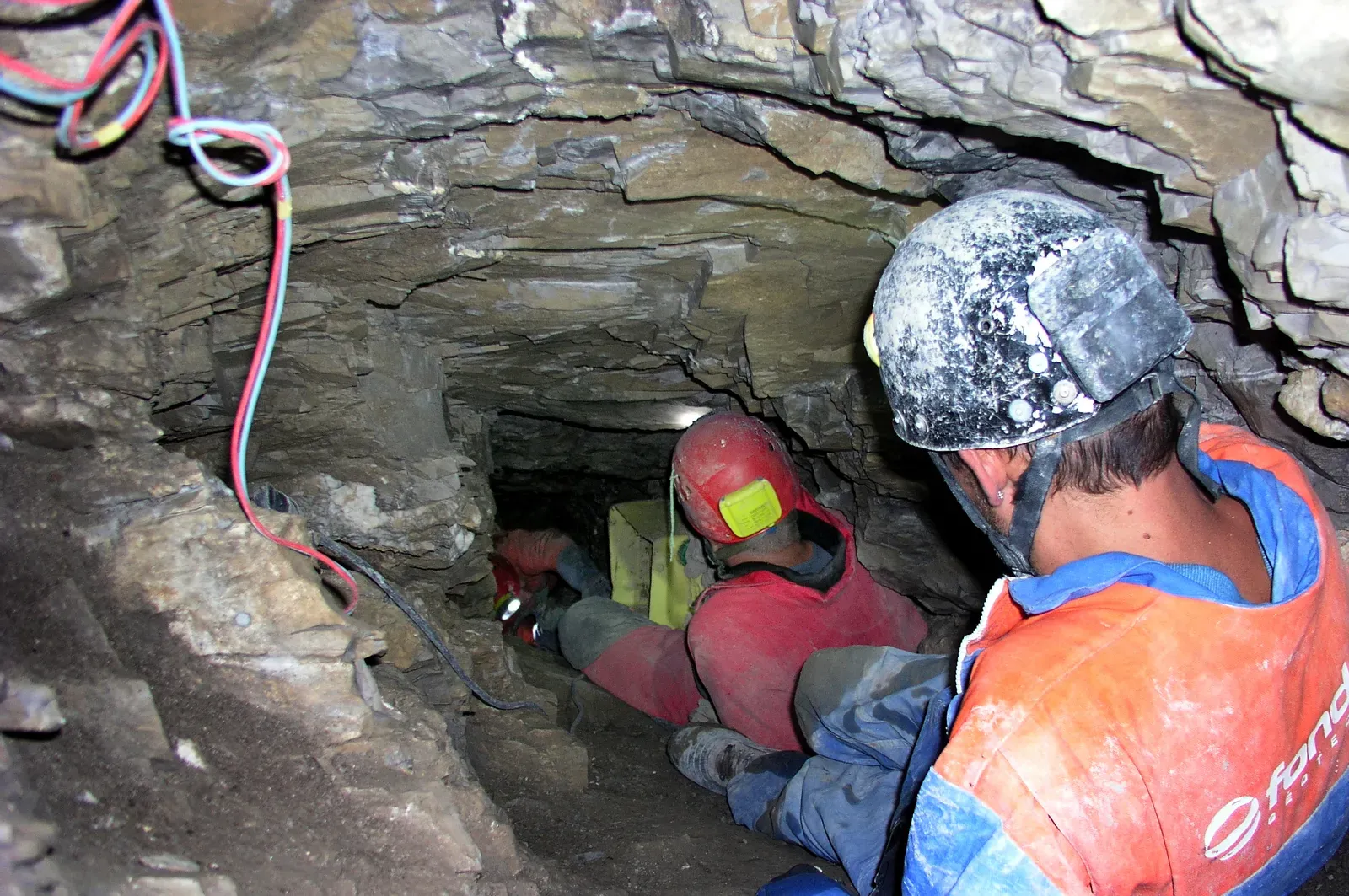
Most people worry about running out of oxygen in caves. In the overwhelming majority of foul air in caves, it is not a lack of oxygen but rather the elevated concentration of carbon dioxide which could be life threatening, as a person could survive many hours in an atmosphere with three percent carbon dioxide and twelve percent oxygen, while an atmosphere of eight percent carbon dioxide and eighteen percent oxygen could result in suffocation and death within a few minutes.
Typically there is no smell or visual sign and the first physiological effects are increased pulse and breathing rates, with higher concentrations of carbon dioxide leading to clumsiness, severe headaches, loss of energy, dizziness and even death, though experienced foul air cavers can notice a dry acidic taste in their mouth. It’s like your body doesn’t realize it’s in danger until it’s almost too late. The carbon dioxide buildup essentially tricks your respiratory system while simultaneously poisoning it.
A Spanish Cave That Turned Deadly Without Warning
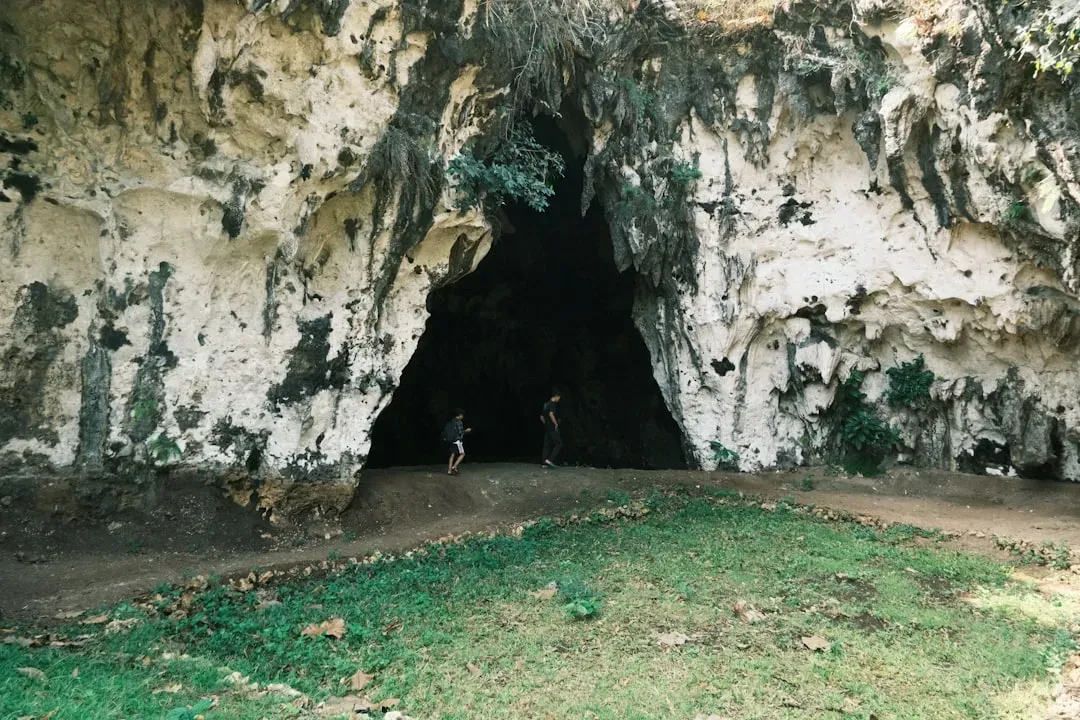
For decades, speleologists trained inside CJ-3, a cave roughly one hundred sixty-four feet deep in Cañon del Río Lobos Natural Park in Spain’s Soria province, until in 2014 visitors experienced something new at the bottom when they nearly suffocated and one person fainted as the oxygen levels had suddenly and inexplicably dropped. What was once a safe training ground became a death trap.
Researchers felt the effects of low oxygen including difficulty breathing, exhaustion, nausea and a sharp pain near their hearts, forcing them to quickly climb the rope they had installed after less than five minutes and rush outside. A nearby cave showed oxygen loss at roughly nineteen and a half percent, but in no cave has the oxygen gone so low as in CJ-3. Honestly, the mystery of why this particular cave suddenly became oxygen-depleted remains unsolved, reminding us that these underground environments can change in unpredictable ways.
The Thai Cave Rescue and the Race Against Depleting Oxygen
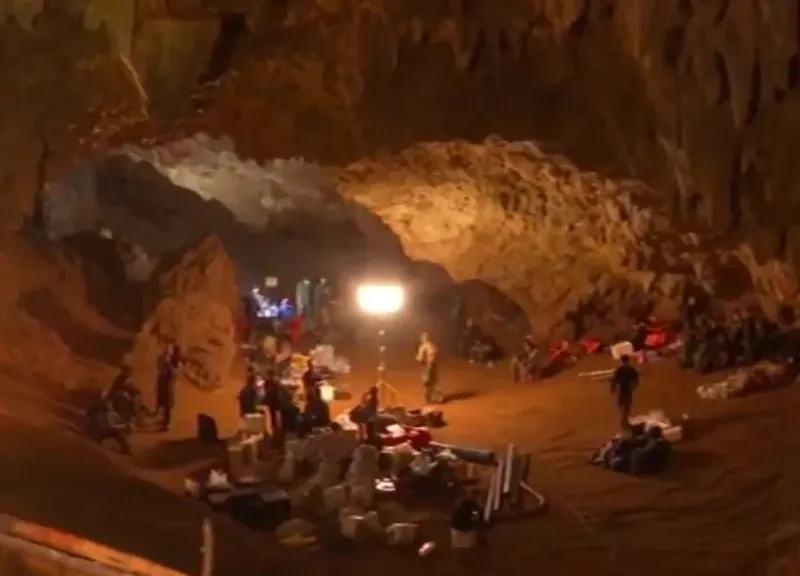
During the dramatic Thai cave rescue, oxygen levels in the cave had dropped to fifteen percent, a level that posed a serious risk of hypoxia, the same condition that causes altitude sickness. The twelve boys and their coach trapped deep inside weren’t just dealing with rising water – they were slowly suffocating.
The number of rescue workers staying with the team in the chamber had been reduced from ten people to five because of the lowered oxygen levels. Every person in that confined space was consuming precious oxygen, creating a desperate mathematical equation. The tragic death of a rescue diver during the operation underscored just how dangerous oxygen-depleted environments can be, even for highly trained professionals with specialized equipment.
Living at the Edge of What’s Possible
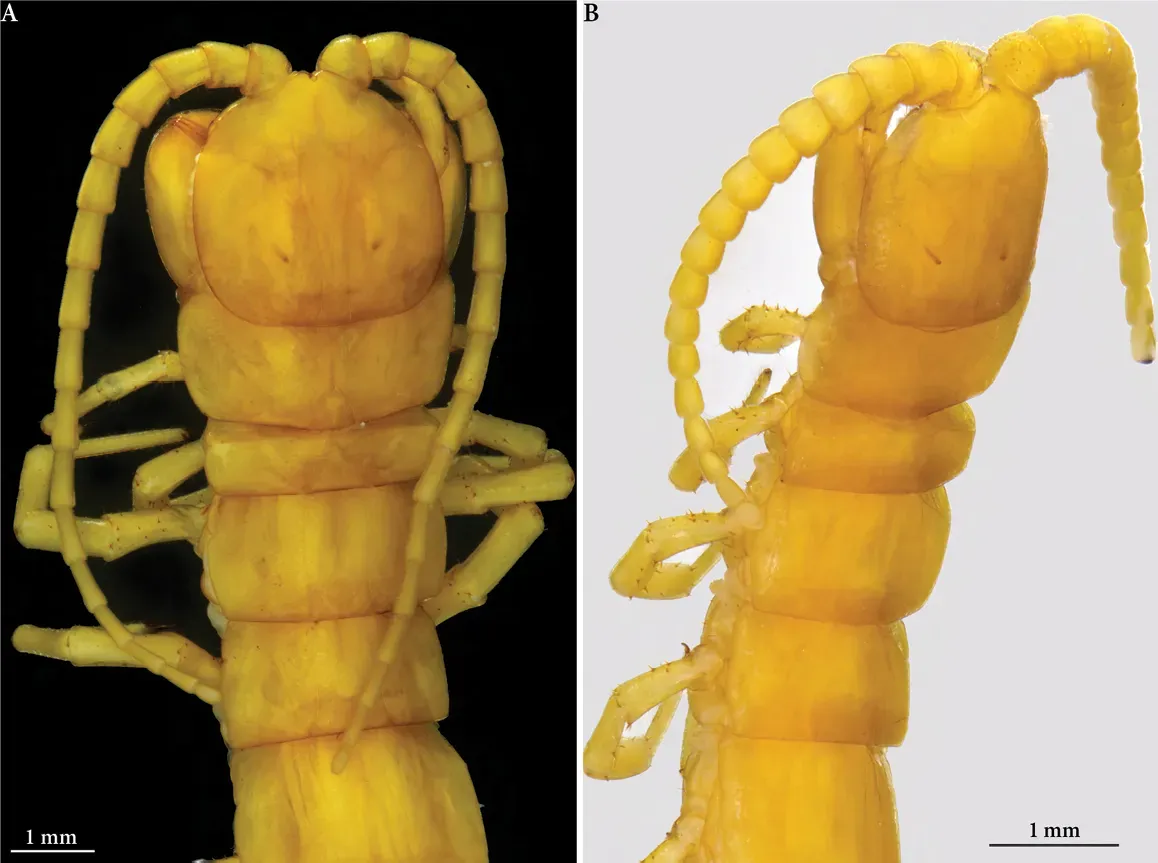
The organisms within Movile Cave have gained unique adaptations to survive its extreme chemosynthetic environment, with many species developing physiological mechanisms to tolerate elevated carbon dioxide and hydrogen sulfide levels, and some exhibiting specialized respiratory adaptations that increase the efficiency of oxygen extraction from the cave’s low oxygen atmosphere. Life found a way, as it always seems to do.
With no sunlight and minimal oxygen, bacteria in the cave oxidize the abundance of methane and sulfur to produce nutrients and form microbial mats, which are then eaten by creatures on the ground and in the caves’ waters. Nearly every organism discovered in Movile Cave exists nowhere else on Earth, having spent millions of years perfecting survival strategies in conditions that would kill most surface-dwelling creatures within minutes. The cave spiders, leeches, and centipedes wandering through this toxic darkness remind us that adaptation can occur under the most extreme circumstances imaginable.
The Fine Line Between Euphoria and Brain Death

If oxygen deprivation continues, mild symptoms including difficulties with complex learning tasks and reductions in short-term memory give way to cognitive disturbances and decreased motor control, with the skin appearing bluish and heart rate increasing, ultimately leading to fainting, long-term loss of consciousness, coma, seizures, cessation of brain stem reflexes, and brain death. The progression happens faster than most people realize.
Some brain cells start dying less than five minutes after their oxygen supply disappears, and as a result brain hypoxia can rapidly cause severe brain damage or death. Cerebral hypoxia causes loss of consciousness in less than a minute, though if blood circulation and oxygenation are restored within about three minutes recovery should be complete, while hypoxia for longer than about three minutes causes brain damage and coma with dilated pupils unresponsive to light. There’s an incredibly narrow window between a reversible experience and permanent neurological damage. What makes cave environments particularly treacherous is how gradually and imperceptibly oxygen levels can decline, giving you no warning until you’re already impaired enough that rational decision-making becomes impossible.
Caves with dangerously low oxygen levels represent some of the most hostile environments humans can encounter without leaving Earth. From Movile Cave’s alien ecosystem to the prehistoric artists who may have deliberately sought oxygen-deprived altered states, these underground chambers challenge our understanding of both human perception and biological limits. The phenomenon of hypoxia-induced euphoria and hallucinations demonstrates how profoundly environment can reshape consciousness itself. For researchers studying these extreme environments, every descent becomes a carefully calculated risk, balancing scientific curiosity against the very real danger of permanent brain damage. What’s most remarkable is how quickly your brain responds to oxygen deprivation – within minutes, reality itself begins to warp. So did you expect that ancient cave artists might have been intentionally getting high on oxygen deprivation? What would you have guessed about how fast brain cells start dying without adequate oxygen?
Hi, I’m Andrew, and I come from India. Experienced content specialist with a passion for writing. My forte includes health and wellness, Travel, Animals, and Nature. A nature nomad, I am obsessed with mountains and love high-altitude trekking. I have been on several Himalayan treks in India including the Everest Base Camp in Nepal, a profound experience.