Imagine standing in a steamy rainforest, heart pounding, as something massive rustles through the ferns. Suddenly, out steps a bird — but not just any bird. With its electric blue skin, helmet-like casque, and dagger-sharp claws, the cassowary looks like it’s strolled straight off the set of Jurassic Park. If you feel a shiver run down your spine, you’re not alone. There’s something ancient and otherworldly about the cassowary, as if it remembers a time when giants ruled the Earth. This is not just a bird. This is a dinosaur in disguise, and if you look into its eyes, you get the uncanny sense that it knows exactly what it is.
The Cassowary: Nature’s Prehistoric Wonder
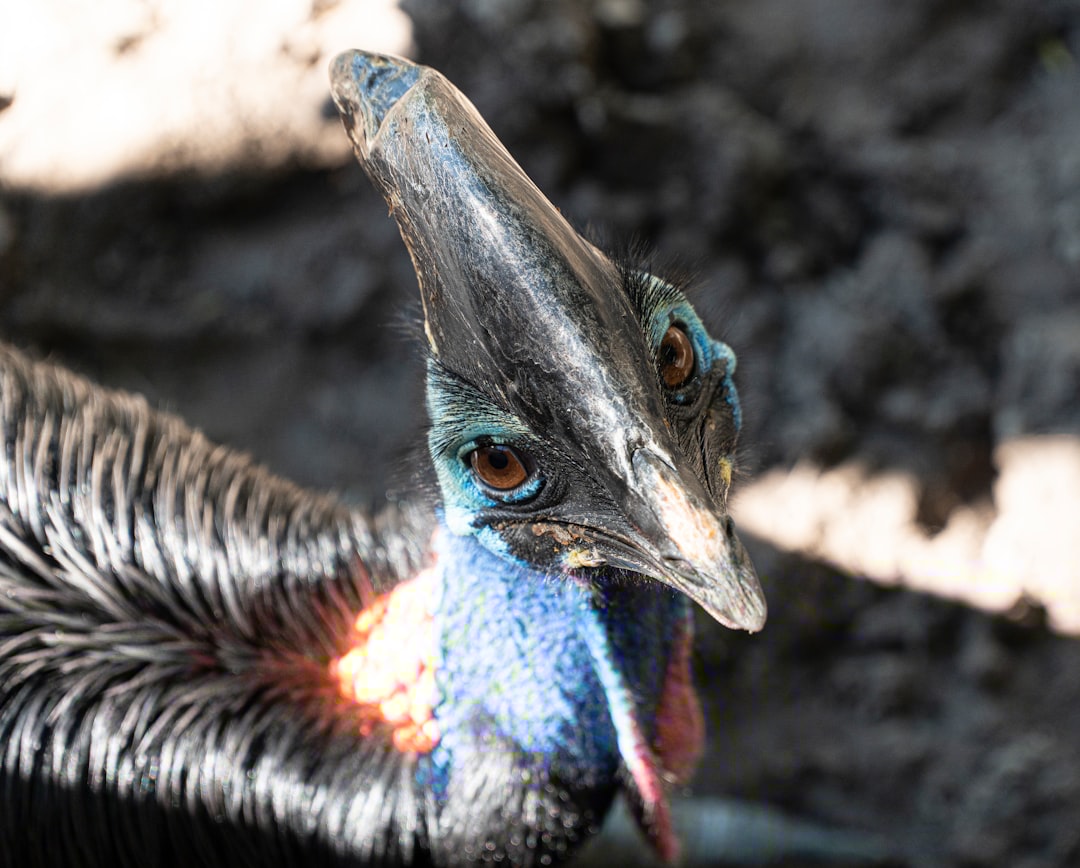
When you first lay eyes on a cassowary, it’s hard not to be struck by its sheer size and presence. Towering up to six feet tall and weighing as much as a grown man, the southern cassowary is one of the heaviest birds on the planet. Its bold colors and thick feathers evoke images of a time when feathered dinosaurs roamed lush, primeval forests. The cassowary’s look isn’t just for show — every part of its body tells a story of survival stretching back millions of years. If you ever needed proof that dinosaurs still walk among us, the cassowary is it.
Evolution’s Living Relic
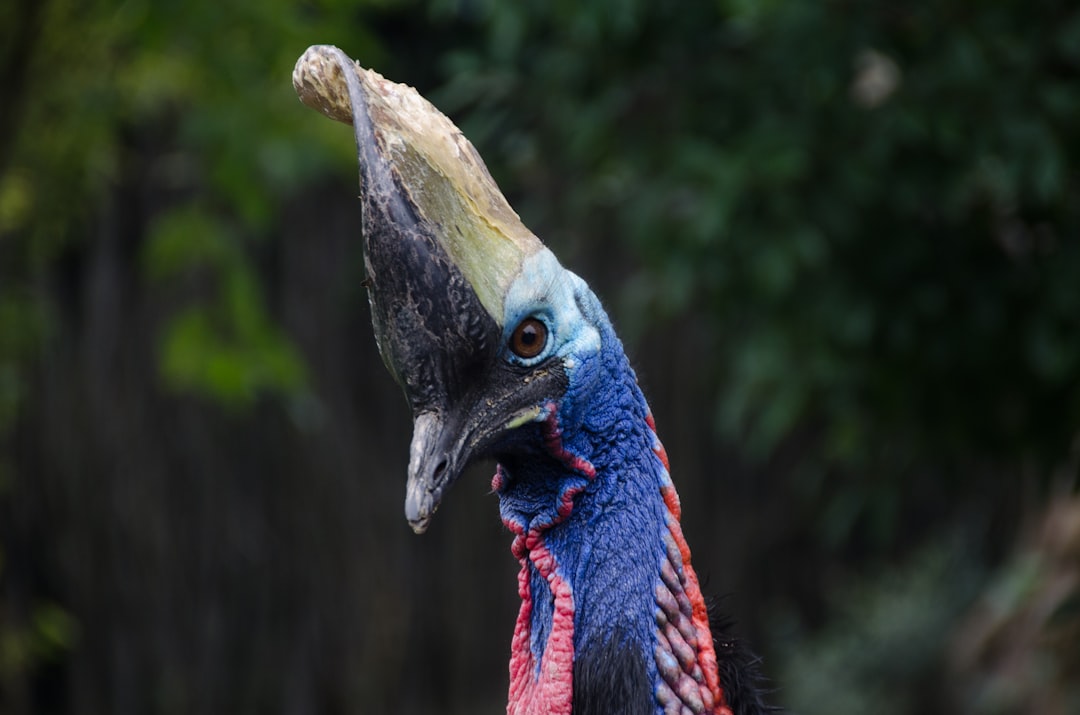
Cassowaries belong to a group called ratites, which includes ostriches, emus, and kiwis. But among these flightless birds, cassowaries are perhaps the closest thing we have to living dinosaurs. Scientists have traced their lineage back nearly 60 million years, not long after the extinction of the non-avian dinosaurs. The cassowary’s anatomy, from its powerful legs to its ancient-looking casque, reflects evolutionary paths that began before humans even existed. It’s like a living window into the distant past, a feathered relic that outlasted the asteroid.
The Fearsome Casque: A Helmet from Another Age
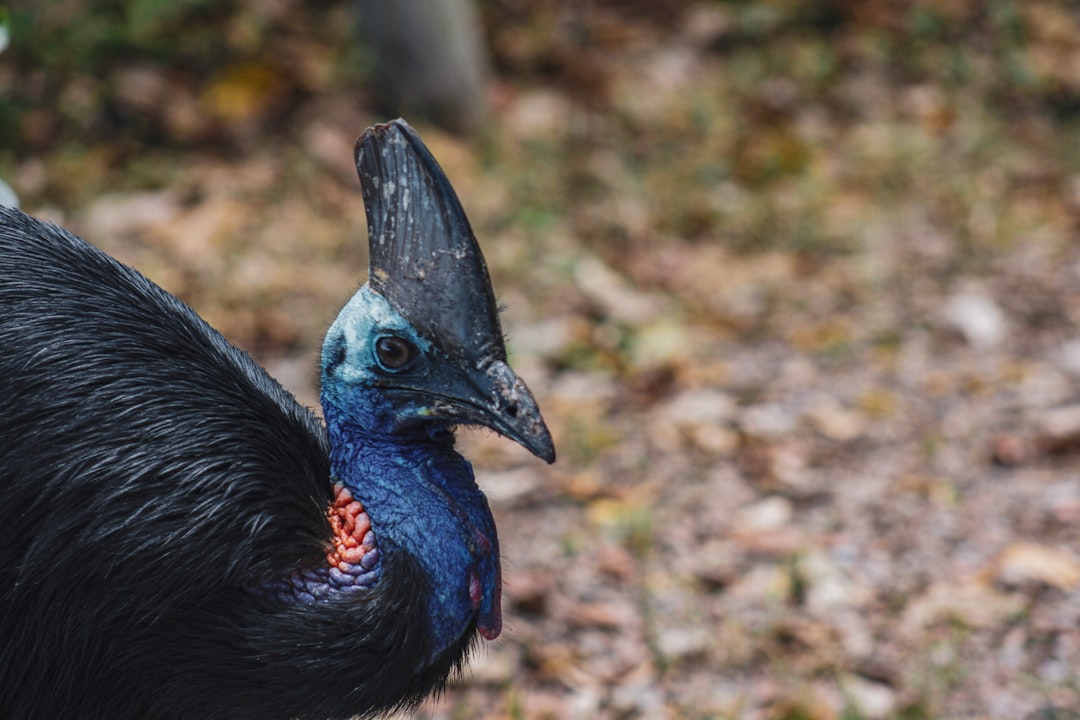
One of the most striking features of the cassowary is its casque — a tall, keratin-covered structure that rises like a crown from its head. The purpose of this casque has long puzzled scientists. Some believe it helps the cassowary push through dense rainforest undergrowth, while others think it’s used for communication or even as a sign of maturity. What’s undeniable is how prehistoric it looks, resembling the crests of certain ancient dinosaurs. When sunlight glints off the casque, you can almost imagine the cassowary’s ancestors striding through the Cretaceous.
Deadly Claws: The Raptor’s Legacy
Cassowaries are famous — and sometimes infamous — for their weapon-like feet. Each foot is armed with a curved, razor-sharp claw up to five inches long. This claw is more than just a tool for foraging; it’s a formidable weapon that the cassowary uses to defend itself. There are tales of cassowaries kicking with such force that they can break bones or even kill. The resemblance to the sickle-shaped claws of Velociraptor isn’t lost on paleontologists or anyone who’s seen a cassowary in action. In the animal kingdom, few birds inspire as much awe — or caution.
Colorful Feathers and Ancient Hues
The cassowary’s plumage is a deep, glossy black, but its skin bursts with vibrant blues and reds. These colors aren’t just beautiful; they serve as signals to other cassowaries and help them blend into the dappled light of the rainforest. The vivid hues remind us of the growing scientific consensus that many dinosaurs were feathered and colorful — not the dull, gray creatures of old textbooks. In the cassowary, we see the palette of prehistory brought vividly to life.
The Rainforest Titan
Cassowaries are masters of the rainforest, moving silently through tangled vines and towering trees. Their long, powerful legs allow them to stride across the forest floor with surprising speed and grace. Unlike most birds, cassowaries rarely fly but instead rely on their strength and agility to escape predators and find food. Their role as seed dispersers is crucial; by swallowing fruits whole and spreading seeds through their droppings, cassowaries help shape the very ecosystem they inhabit. In many ways, they are architects of their ancient world.
A Diet Fit for a Giant
These birds are primarily frugivores, meaning they thrive on fruit, but their diet is anything but boring. Cassowaries consume over 200 types of plants, including some with seeds so toxic that few other animals dare to eat them. Their strong digestive systems can handle what would poison others, giving them access to a bounty of food. This dietary flexibility mirrors the adaptive strategies of ancient dinosaurs, always seeking new ways to survive in changing environments.
Parental Instincts: The Dinosaur Dad
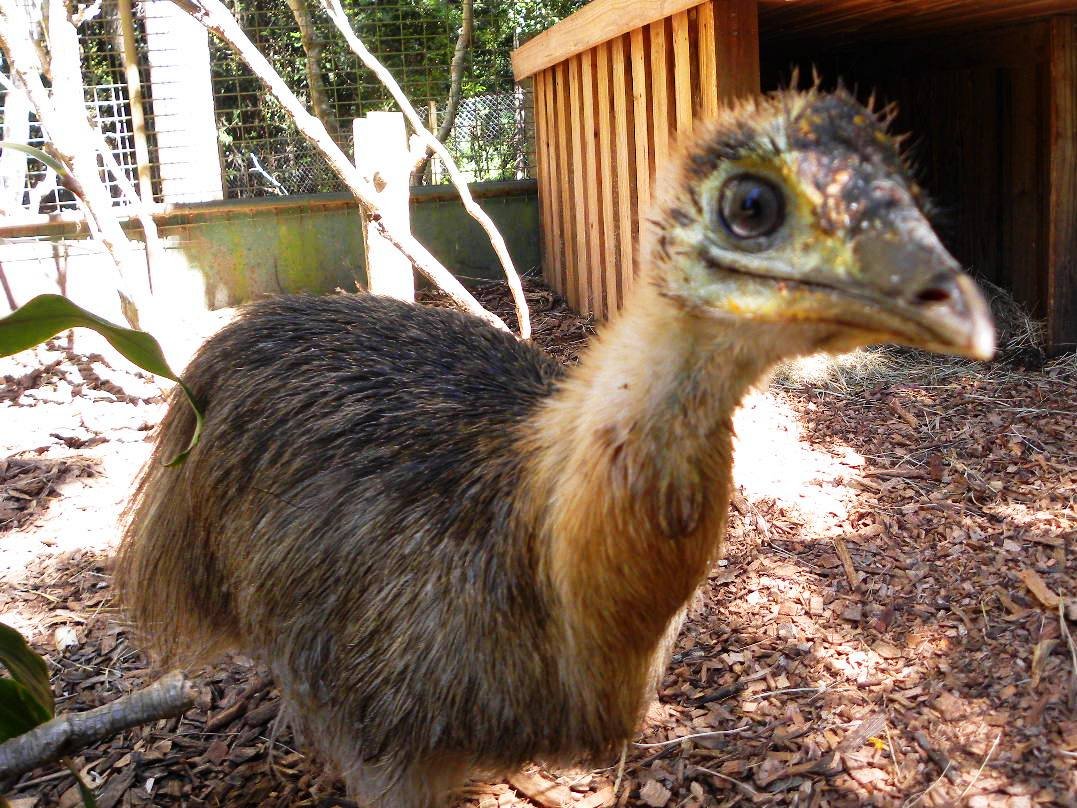
One of the most surprising facts about cassowaries is their parenting style. After the female lays her eggs, she leaves, and it’s the male who takes over. He incubates the eggs, guards them fiercely, and then cares for the chicks once they hatch. For months, the father leads his stripey offspring through the dangers of the forest, teaching them how to find food and avoid predators. This level of parental care is rare among birds and adds another layer to the cassowary’s mystique.
Communication: The Deepest Voice in the Forest
Cassowaries communicate using low-frequency sounds called booms, which can travel through dense vegetation and be felt as vibrations by other animals. These booming calls are among the lowest-pitched sounds made by any bird, and you can sometimes feel them in your chest before you actually hear them. This ability to communicate over long distances is essential in the rainforest, where visibility is limited. It’s another reminder of how the cassowary has adapted ancient traits to survive in the modern world.
The Cassowary’s Mysterious Intelligence
Despite their reputation for being solitary and even dangerous, cassowaries are highly intelligent. They remember feeding sites, recognize individual humans, and can solve complex problems to access food. Scientists studying cassowaries often remark on their curiosity and wariness — traits that have likely helped them survive for millions of years. It’s not hard to imagine a cassowary quietly studying you from the shadows, weighing its options like a seasoned survivor.
Adaptations for Survival
Cassowaries have evolved a range of adaptations to thrive in their environment. Their strong beaks can crack open tough fruits, while their long legs are built for both running and delivering powerful kicks. Their feathers are coarse and hair-like, offering protection from thorns and rain. Even their eyes are specially adapted, allowing them to spot movement in the gloom of the forest. Each trait is a testament to the relentless demands of survival in a world that is always changing.
A Solitary Life in the Shadows
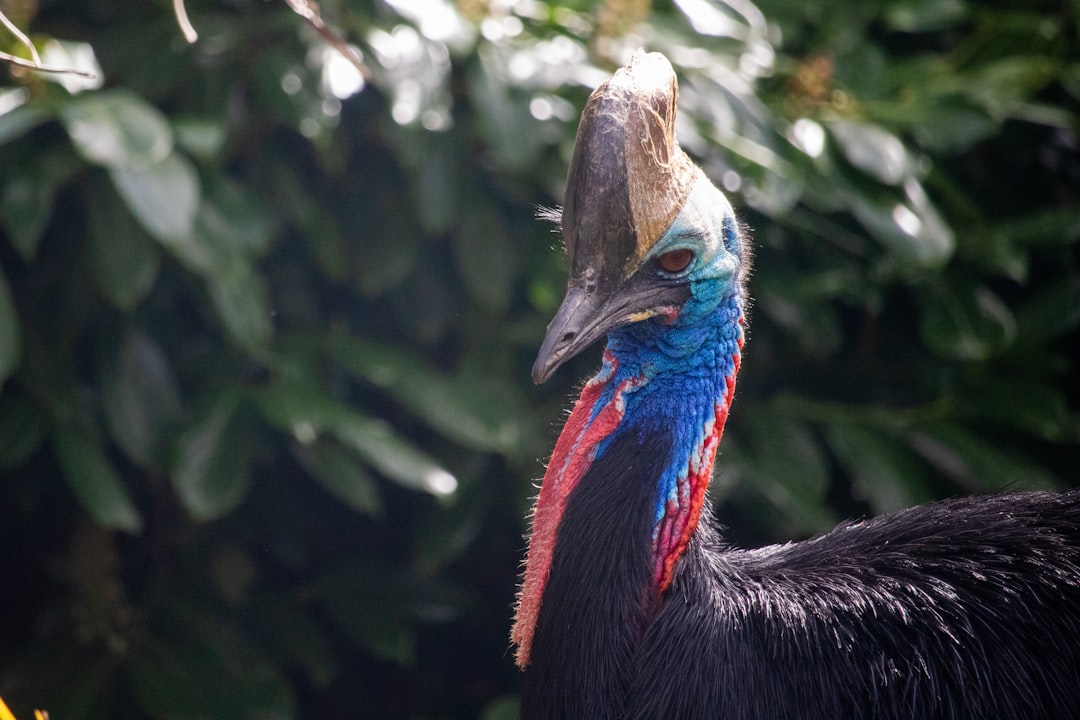
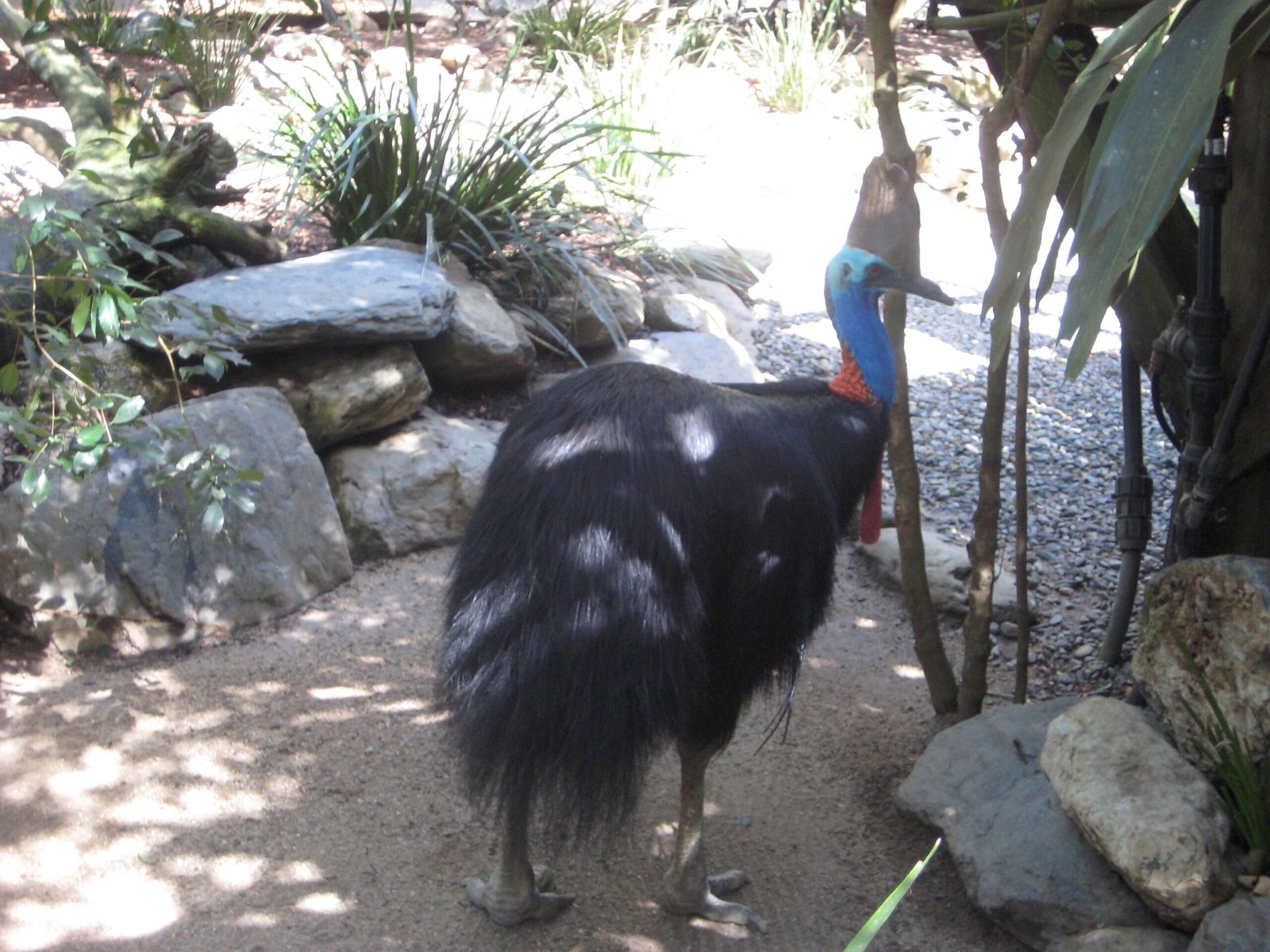
Unlike many birds, cassowaries prefer to live alone. They carve out large territories in the rainforest, only coming together for brief periods during the breeding season. This solitary lifestyle reduces competition for food and helps them avoid danger. But it also adds to their mystique — the cassowary is a creature of the shadows, glimpsed only rarely, leaving behind footprints and feathers as clues to its presence.
Danger and Defense: Not Just a Pretty Face
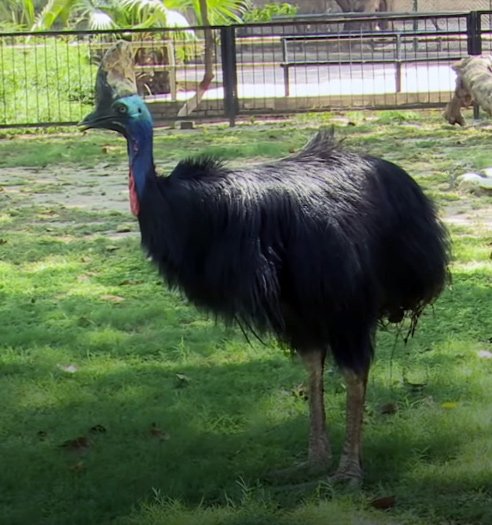
While cassowaries are not naturally aggressive, they can be fiercely protective if threatened. Their famous kicks are reserved for moments when escape isn’t possible, and their powerful legs can propel them through the forest at speeds up to 30 miles per hour. Tales of cassowary attacks are rare but memorable, reinforcing their reputation as the world’s most dangerous bird. In the wild, respect is the best approach.
The Cassowary’s Ancient Range
Today, cassowaries are found in the rainforests of northern Australia, New Guinea, and nearby islands. But their ancestors once roamed much wider ranges, and fossil evidence suggests that ancient relatives lived across what is now Antarctica and South America. The breakup of ancient supercontinents helped shape their current distribution, making them living reminders of Earth’s ever-shifting past.
Conservation: The Dinosaur’s Dilemma
Despite their toughness, cassowaries face serious threats from habitat loss, vehicle strikes, and dog attacks. As rainforests shrink and human settlements expand, these ancient birds are increasingly at risk. Conservationists are working to protect key habitats and educate communities about the importance of cassowaries. Saving them isn’t just about preserving a single species — it’s about safeguarding a living link to the age of dinosaurs.
Cultural Significance and Local Legends

For the indigenous peoples of Australia and New Guinea, cassowaries hold a special place in myth and tradition. They feature in stories as powerful spirits and guardians of the forest. Their feathers and bones are used in ceremonial dress, symbolizing strength and connection to the land. These cultural ties remind us that the cassowary is more than just a biological curiosity — it’s a creature woven into the fabric of human history.
The Cassowary’s Role in Science
Scientists study cassowaries to learn about everything from evolution and biomechanics to rainforest ecology. Their unique adaptations provide clues about how ancient birds and dinosaurs might have lived. By understanding how cassowaries survive today, researchers gain insights into the challenges of past ecosystems — and perhaps even hints about the future of Earth’s biodiversity.
Modern Encounters: Awe and Caution
Meeting a cassowary in the wild is an unforgettable experience. Hikers describe feeling a mix of awe and fear — a reminder that not all wildlife is tame or predictable. Park signs in northern Australia warn visitors to keep their distance, and rangers share stories of close encounters. These moments fuel the cassowary’s legend, making it both feared and revered in equal measure.
What the Cassowary Teaches Us About Deep Time
Looking at a cassowary is like peering through a crack in time. It connects us to an age when the world was ruled by giants and survival meant constant adaptation. The cassowary’s continued existence challenges us to see birds not as mere songsters or pets, but as the last living dinosaurs — creatures with a memory of deep time etched in every bone and feather.
The Dinosaur in the Mirror
Perhaps the most astonishing thing about the cassowary is not just its appearance, but its awareness. When you lock eyes with a cassowary, there’s a spark — a sense that it knows how special it is, how ancient its bloodline runs. It’s as if the cassowary carries within it the memory of lost worlds, reminding us that the age of dinosaurs isn’t over. It simply wears feathers now.