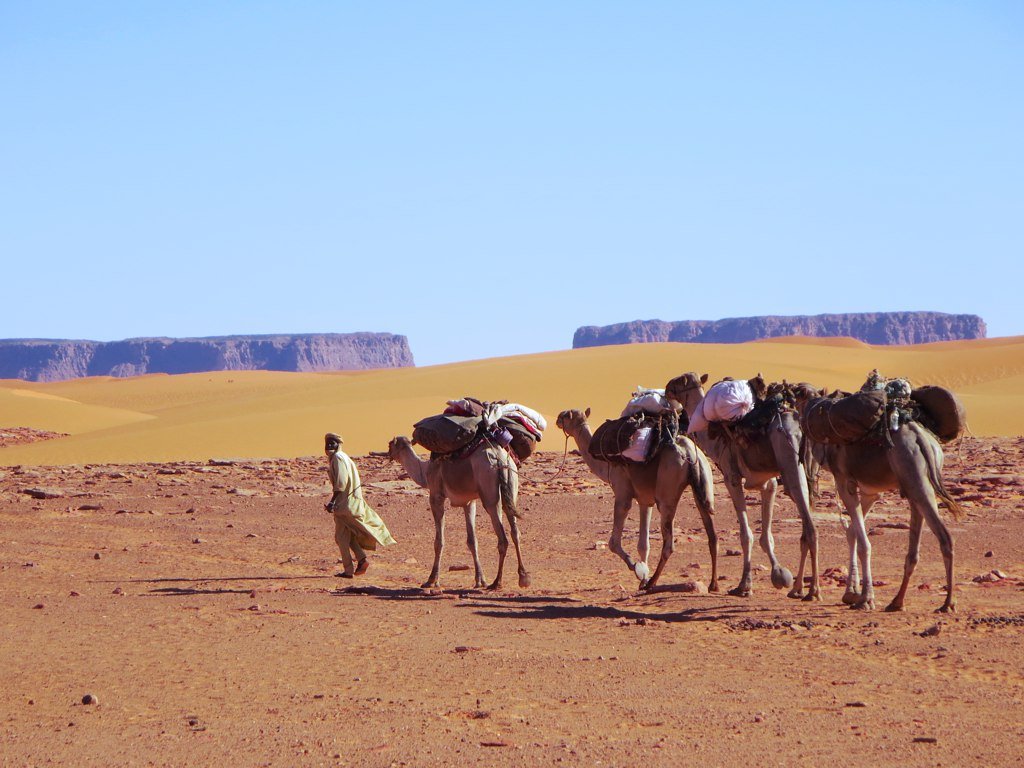

Picture this: across the windswept dunes of northern Kenya, a small caravan of camels moves steadily toward a distant village. Their riders aren’t carrying spices or textiles like ancient traders. Instead, these modern-day nomads transport something far more precious than gold – life-saving vaccines that could mean the difference between health and disease for thousands of remote communities. These aren’t your typical delivery vehicles, but in some of the world’s most challenging terrains, camels have become unlikely heroes in global health campaigns.
When Modern Medicine Meets Ancient Transport

The collision between cutting-edge medical technology and millennia-old transportation methods creates one of the most fascinating stories in contemporary healthcare. In regions where roads don’t exist and helicopters can’t land safely, camels emerge as the perfect solution for vaccine delivery.
These remarkable creatures can traverse terrain that would stop any motorized vehicle in its tracks. Their ability to navigate loose sand, rocky outcrops, and steep inclines makes them invaluable partners in reaching communities that might otherwise remain isolated from critical medical interventions.
What makes this partnership even more extraordinary is how perfectly suited camels are for transporting temperature-sensitive vaccines. Their steady gait minimizes jostling that could damage delicate medical supplies, while their natural endurance allows for multi-day journeys without compromising the cargo’s integrity.
The Science Behind Cold Chain Logistics

Maintaining vaccine effectiveness during transport requires strict temperature control, typically between 2-8 degrees Celsius. This cold chain logistics challenge becomes exponentially more complex when your delivery route involves crossing deserts where daytime temperatures soar above 45 degrees Celsius.
Specialized cooling systems designed for camel transport have revolutionized vaccine delivery in remote areas. These solar-powered refrigeration units can maintain optimal temperatures for up to 72 hours, even in extreme heat conditions.
The technology combines traditional insulation methods with modern battery systems and temperature monitoring devices. GPS tracking ensures that health workers can monitor both the location and the condition of vaccines throughout the entire journey, providing real-time data that helps optimize future delivery routes.
Kenya’s Pioneering Camel Vaccine Program

Kenya stands as the world’s most successful example of camel-based vaccine delivery, with programs operating across the northern counties where traditional infrastructure fails to reach. The Kenyan Ministry of Health launched this initiative in 2019, targeting communities that were previously unreachable during routine immunization campaigns.
These programs have achieved remarkable success rates, with vaccination coverage increasing by over 300% in participating regions. The camels can carry enough vaccines to immunize entire villages, traveling distances of up to 100 kilometers through terrain that would challenge even the most robust four-wheel-drive vehicles.
Local health workers, known as Community Health Volunteers, accompany the camel caravans and provide on-site medical training alongside vaccination services. This comprehensive approach ensures that communities receive not just vaccines, but also education about preventive healthcare and disease management.
The Remarkable Physiology of Vaccine-Carrying Camels

Camels possess extraordinary biological adaptations that make them ideal for medical supply transport in harsh environments. Their ability to regulate body temperature prevents overheating of both the animal and its cargo, while their efficient water conservation means fewer stops for hydration during critical delivery windows.
Their unique gait, called “pacing,” involves moving both legs on one side simultaneously, creating a smoother ride than horses or donkeys. This natural suspension system proves crucial when transporting fragile medical equipment that could be damaged by excessive movement or vibration.
Perhaps most impressively, camels can detect weather changes hours in advance, allowing their handlers to adjust routes or seek shelter before sandstorms or extreme weather events that could compromise vaccine integrity. This natural forecasting ability has prevented numerous delivery failures in unpredictable desert conditions.
Training Programs for Camel Health Workers

Creating effective camel-based vaccine delivery systems requires extensive training programs that blend veterinary science, public health protocols, and traditional animal husbandry knowledge. These specialized programs typically span six months and cover everything from vaccine handling procedures to emergency medical response in remote locations.
Participants learn to monitor vaccine temperatures using digital thermometers, maintain cold chain protocols during extended journeys, and recognize signs of vaccine degradation. They also receive training in basic veterinary care to ensure their camels remain healthy and capable throughout demanding delivery schedules.
The most successful programs combine formal medical training with indigenous knowledge passed down through generations of camel herders. This fusion creates highly skilled health workers who understand both modern medical requirements and traditional desert survival techniques.
Overcoming Geographic and Cultural Barriers

Remote communities often face multiple barriers to healthcare access, including geographic isolation, cultural mistrust of modern medicine, and language differences. Camel-based delivery programs address these challenges through culturally sensitive approaches that respect local traditions while promoting health education.
Using camels, which hold significant cultural importance in many nomadic communities, helps build trust and acceptance for vaccination programs. The familiar sight of camel caravans arriving in villages creates positive associations rather than the suspicion that might greet unfamiliar vehicles or aircraft.
Community elders and traditional leaders often participate in planning delivery routes and timing, ensuring that vaccination campaigns align with local customs, religious observances, and seasonal migration patterns. This collaborative approach has proven essential for achieving high vaccination rates in previously resistant communities.
Solar-Powered Refrigeration Technology

The development of solar-powered cooling systems specifically designed for camel transport represents a breakthrough in portable medical technology. These systems can maintain vaccine temperatures for up to four days using only solar energy, with backup battery systems providing additional security during cloudy weather or extended journeys.
Advanced insulation materials borrowed from space technology help maintain stable temperatures even when external conditions fluctuate dramatically. The refrigeration units are designed to withstand the constant movement and occasional impacts that come with camel transport across rough terrain.
Real-time temperature monitoring with satellite connectivity allows health officials to track vaccine conditions throughout the journey. If temperatures begin to deviate from acceptable ranges, alerts can trigger immediate corrective action or route adjustments to prevent vaccine spoilage.
Economic Impact of Camel-Based Healthcare Delivery

The economic benefits of camel vaccine delivery extend far beyond immediate healthcare savings. By preventing disease outbreaks in remote communities, these programs reduce the need for expensive emergency medical interventions and prevent productivity losses from widespread illness.
The cost-effectiveness of camel transport compared to helicopter or aircraft delivery is remarkable, with camel-based programs operating at roughly 15% of the cost of aerial alternatives. This efficiency allows health organizations to reach more communities with the same budget, dramatically expanding vaccination coverage.
Local economic benefits include employment opportunities for camel owners and handlers, creating sustainable income sources in regions with limited economic alternatives. The programs also stimulate local markets by bringing health workers and supplies into remote areas, generating secondary economic activity.
Challenges and Solutions in Extreme Weather

Desert environments present unique challenges that require innovative solutions and careful planning. Extreme temperature fluctuations, sandstorms, and unpredictable weather patterns can threaten both vaccine integrity and the safety of delivery teams.
Advanced weather monitoring systems help predict dangerous conditions days in advance, allowing teams to adjust schedules or routes accordingly. Emergency protocols include shelter procedures for sudden storms and backup cooling systems if primary refrigeration fails during extended weather delays.
The most successful programs maintain emergency supply caches at strategic locations along common routes, providing backup vaccines and equipment if primary supplies are compromised. These contingency measures ensure that communities still receive critical immunizations even when delivery conditions become challenging.
Technology Integration in Traditional Transport

Modern technology seamlessly integrates with traditional camel transport through carefully designed systems that don’t interfere with the animals’ natural behaviors. GPS tracking devices, solar panels, and refrigeration units are mounted using ergonomic designs that distribute weight evenly and avoid pressure points.
Communication systems allow delivery teams to maintain contact with base stations throughout their journeys, providing updates on progress and requesting assistance if needed. Satellite phones ensure connectivity even in areas without cellular coverage, creating reliable communication networks across vast remote regions.
Digital record-keeping systems track vaccination data in real-time, automatically updating health databases when immunizations are administered. This technology eliminates paperwork delays and ensures that vaccination records are immediately available for future healthcare planning and monitoring.
Training Camels for Medical Transport

Preparing camels for medical transport requires specialized training that goes beyond basic riding or pack animal preparation. These animals must learn to carry sensitive equipment steadily, tolerate the presence of unfamiliar medical equipment, and remain calm during vaccination procedures in crowded village settings.
Training programs typically last several months and focus on desensitization to medical equipment sounds, maintaining steady gaits over extended periods, and developing tolerance for frequent stops and starts during vaccination campaigns. Positive reinforcement techniques ensure that camels associate medical transport duties with rewarding experiences.
The most successful medical transport camels demonstrate exceptional temperament and intelligence, qualities that handlers carefully cultivate through consistent training and bonding. These animals often develop strong relationships with their handlers, creating reliable partnerships that enhance the effectiveness of delivery missions.
Community Health Education Through Camel Caravans

Camel-based vaccine delivery programs serve dual purposes, combining immunization services with comprehensive health education initiatives. The arrival of camel caravans becomes community events that provide opportunities for extensive health promotion and disease prevention education.
Health workers use these gatherings to address common misconceptions about vaccines, teach proper hygiene practices, and provide information about recognizing symptoms of preventable diseases. The extended time required for community-wide vaccination allows for in-depth educational sessions that might not be possible during brief helicopter visits.
Interactive demonstrations using visual aids and local languages help ensure that health messages are understood and retained by community members. Follow-up visits reinforce these educational messages and allow health workers to assess the long-term impact of their intervention programs.
Environmental Benefits of Camel Transport

The environmental advantages of camel-based vaccine delivery align perfectly with global sustainability goals. These programs produce virtually zero carbon emissions compared to helicopter or aircraft alternatives, making them environmentally responsible choices for healthcare delivery.
Camels’ minimal environmental impact extends beyond emissions to include reduced noise pollution and no fuel contamination risks in sensitive ecosystems. Their natural browsing habits can actually benefit desert vegetation by promoting plant growth through their grazing patterns and fertilization.
The sustainable nature of camel transport supports long-term healthcare delivery without depleting natural resources or contributing to environmental degradation. This approach demonstrates how traditional methods can provide modern solutions while protecting fragile desert ecosystems.
Success Stories from the Field

Real-world examples of successful camel vaccine delivery highlight the transformative impact of these programs on remote communities. In Turkana County, Kenya, childhood vaccination rates increased from 22% to 78% within two years of implementing camel-based delivery systems.
One particularly compelling case involved reaching a community of 800 people who hadn’t received routine vaccinations in over five years due to their extreme isolation. The camel caravan not only delivered essential vaccines but also provided medical screening that identified and treated several cases of preventable diseases.
Emergency vaccination campaigns using camel transport have prevented multiple disease outbreaks, including a potential measles epidemic that was stopped through rapid deployment of vaccines to vulnerable populations. These success stories demonstrate the life-saving potential of innovative delivery methods.
Future Innovations and Technological Advances

Emerging technologies promise to enhance camel-based vaccine delivery even further through advanced monitoring systems, improved cooling technology, and better communication networks. Artificial intelligence applications could optimize delivery routes based on weather patterns, community needs, and vaccine shelf life considerations.
Drone technology integration offers possibilities for aerial reconnaissance to identify optimal routes and assess community health needs before camel caravans arrive. These aerial surveys could provide valuable intelligence that improves delivery efficiency and ensures that vaccination supplies match actual community requirements.
Next-generation cooling systems using advanced materials and energy storage could extend vaccine viability periods even further, allowing for longer journeys and more comprehensive vaccination campaigns. These innovations will expand the reach of camel-based programs into even more remote and challenging territories.
Global Expansion Potential

The success of camel-based vaccine delivery in East Africa has sparked interest from health organizations worldwide, with pilot programs under development in Central Asia, North Africa, and parts of South America where similar geographic and cultural conditions exist.
International health agencies are studying the Kenyan model to adapt successful strategies for different cultural contexts and geographic challenges. These expansion efforts focus on identifying regions where traditional transport methods could provide more effective healthcare delivery than conventional approaches.
Partnerships between governments, international organizations, and local communities are essential for successful program replication. The most promising expansion efforts emphasize community ownership and cultural integration rather than simply transplanting existing programs to new locations.
Measuring Impact and Long-term Outcomes

Comprehensive monitoring systems track multiple metrics to assess the effectiveness of camel-based vaccine delivery programs. These include vaccination coverage rates, disease incidence reduction, community health knowledge improvements, and economic benefits to local populations.
Long-term studies reveal sustained improvements in child mortality rates, reduced healthcare costs, and increased community engagement with preventive health services. The data demonstrates that initial investments in camel-based delivery systems generate significant returns through improved health outcomes and reduced emergency intervention needs.
Follow-up surveys conducted months after vaccination campaigns show high levels of community satisfaction and increased trust in health services. This positive sentiment creates foundation for future health interventions and encourages community participation in ongoing preventive health programs.
The convergence of ancient transportation methods with modern medical technology creates unprecedented opportunities for global health equity. These remarkable programs prove that innovation doesn’t always require the latest technology – sometimes the most effective solutions combine traditional knowledge with contemporary science. As climate change and urbanization continue to challenge conventional healthcare delivery methods, the humble camel emerges as an unlikely champion in the fight for universal health coverage. The success of these programs offers hope that no community, regardless of how remote or challenging to reach, needs to remain isolated from life-saving medical interventions. What other traditional methods might hold keys to solving our most pressing modern challenges?