
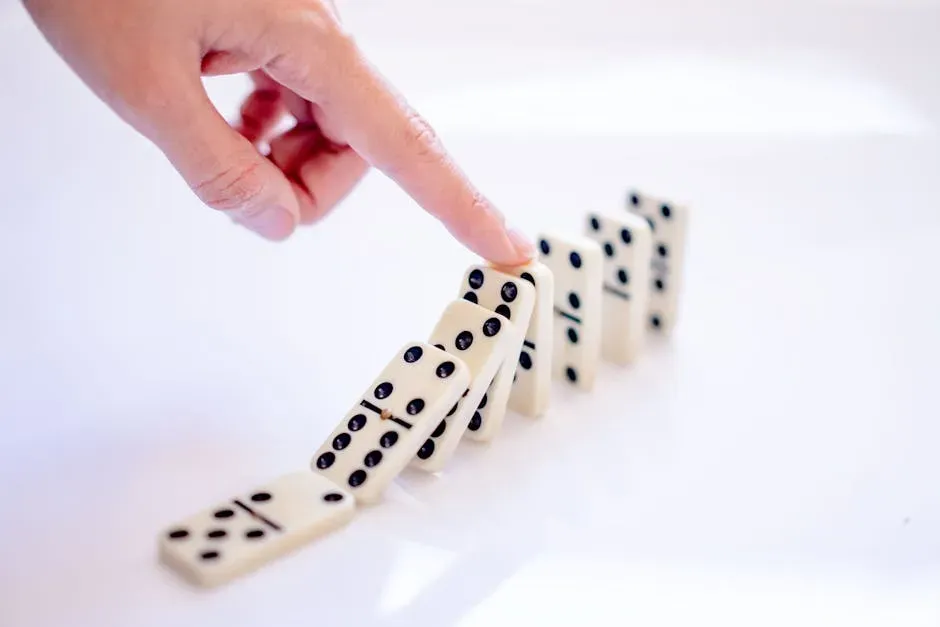
There’s a quiet, slightly terrifying truth most of us ignore: your life is probably being steered more by tiny, forgettable decisions than by the big, dramatic moments you obsess over. The job you rejected without much thought, the stranger you almost talked to, the message you half-typed and deleted – they all sit there like invisible dominoes, waiting to tip something huge you’ll only recognize years later.
That idea, often called the butterfly effect, isn’t just poetic philosophy. It comes out of real science, psychology, and an avalanche of everyday stories where small choices snowball into life-changing consequences. Once you really let it sink in, it’s hard to look at your “little” decisions the same way ever again.
The Strange Science Behind the Butterfly Effect
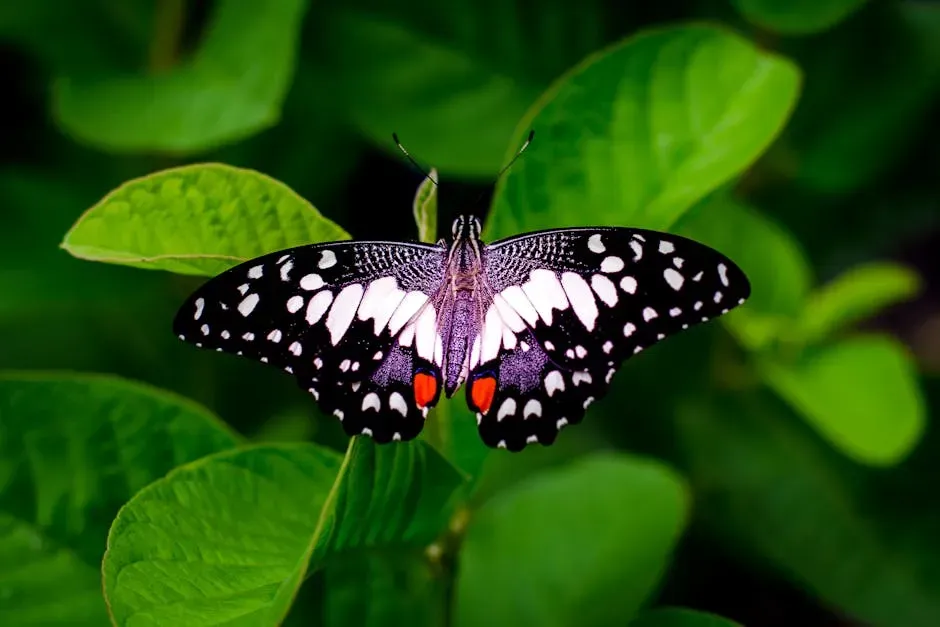
The butterfly effect originally comes from chaos theory in mathematics and physics, where researchers noticed that extremely small changes in the starting conditions of a system can lead to wildly different outcomes. It’s like predicting the weather: a tiny shift in temperature or wind, so small you’d never notice it, can eventually grow into a storm in a totally different place. The system is sensitive, messy, and anything but linear.
In the real world, that sensitivity shows up everywhere – in ecosystems, financial markets, traffic patterns, even in how a rumor spreads through a group. Nothing exists in a vacuum; each cause triggers effects that become new causes, like ripples that never quite stop spreading. When you bring that lens to daily life, your choices stop looking isolated and start to feel like the opening move in a complex, unpredictable chain reaction.
Micro-Decisions: The Invisible Architects of Your Life
Most people can name a handful of huge decisions that shaped their lives: choosing a career, ending a relationship, moving to a new city. But when you really trace your story back, those milestones usually started with something laughably small – a random invitation you almost ignored, a website you only clicked out of boredom, a five-minute chat at an event you didn’t even want to attend. The seemingly “minor” choice becomes the doorway you never realized you were opening.
Think about how many mini-decisions you make before breakfast: snooze or wake up, scroll or read, coffee or water, reply now or later. Each one tweaks your mood, your timing, who you bump into, and which opportunities you even notice. Over weeks and years, those micro-decisions stack up like bricks in a wall, and suddenly the “big picture” of your life is just the accumulated artwork of thousands of tiny brushstrokes you barely remember making.
Habit Loops: Tiny Actions That Bend Your Future Trajectory

Habits are the closest thing we have to a built-in butterfly effect engine. A habit is just a small behavior repeated often enough that your brain runs it on autopilot, which sounds harmless until you realize autopilot slowly steers your trajectory without asking for permission. One extra snack at night, one skipped workout, one harmless doom-scroll session – done once, it’s negligible; repeated daily for years, it quietly remodels your health, focus, and self-image.
On the flip side, tiny positive habits can have shockingly outsized results over time. Reading a few pages a day, saving a small amount of money, writing a single paragraph, or taking a ten-minute walk won’t impress anyone this week, but they compound. It’s the difference between dropping a pebble and watching a landslide form three hills over; you never see the instant transformation, but one day the landscape of your life doesn’t look anything like it used to.
Relationships: Casual Encounters That Rewrite Your Story

Some of the most powerful butterfly effects show up in relationships. You might send a quick message, accept a random coffee, or sit next to a stranger on a train, and without realizing it, you’ve just bumped into someone who’ll change your job, your city, or your sense of who you are. The world of human connection is a dense web; one new link can rearrange the entire shape of it over time.
What’s wild is how often we undervalue these moments because they don’t feel intense or cinematic. You rarely realize, in the moment, that this coworker will become your closest friend, or this mentor will give you a piece of advice that quietly redirects your path for a decade. A quick compliment, a moment of empathy, or a decision to actually listen instead of half-checking your phone can open doors you won’t even know existed until years later.
Technology and Algorithms: Tiny Clicks, Massive Consequences

In the digital world, the butterfly effect is practically built into the system. One click, one like, one follow teaches an algorithm what to serve you next, and slowly your online universe bends around those tiny signals. Watch one extreme video out of curiosity and suddenly your feed is full of similar content, nudging your beliefs and emotions, not with one big shove, but with countless little taps on the shoulder.
On a bigger scale, every small action online – a share, a comment, a search – contributes to trends, public opinion, and even elections and social movements. A single person posting a story or starting a hashtag can trigger a chain of responses that reshapes mainstream conversation. It’s unnerving and weirdly empowering to realize that your casual scrolling routine is part of an invisible, constantly shifting tide that affects what entire societies think and care about.
The Emotional Ripple: How Tiny Thoughts Shape Your Reality

It’s not just your actions that matter; your inner micro-choices do, too. The decision to believe “I can probably figure this out” instead of “I’m just not that kind of person” changes what you even attempt. Choosing to interpret a setback as proof you’re a failure, versus proof you’re learning, doesn’t just change how you feel that day – it changes how often you try again, and what kind of life you give yourself permission to build.
Even fleeting moments of kindness to yourself or to others can echo far beyond what you can see. A small word of encouragement might be the thing that keeps someone from quitting on a dream they’ve quietly been hanging by a thread. I still remember a teacher’s offhand comment about a piece of writing I did as a kid; it took them three seconds to say, but it stuck with me for years and genuinely nudged me toward doing more creative work as an adult.
Using the Butterfly Effect Intentionally (Without Going Crazy)
Once you start seeing the butterfly effect everywhere, it’s tempting to panic and overthink every tiny move, as if choosing the “wrong” sandwich will ruin your destiny. That’s not the point. The goal isn’t control; it’s awareness. You can’t predict every ripple, but you can choose which ponds you’re willing to throw stones into, and which patterns of action you repeat often enough to shape your future tendencies.
A simple way to use this is to ask yourself small, better questions in everyday moments: What’s the slightly braver option here? What’s the kinder response I could give? What tiny habit would my future self quietly thank me for? You don’t need dramatic reinventions; you just need a handful of small, consistent choices nudging you in a direction you actually care about, instead of drifting on autopilot and hoping for the best.
Accepting Uncertainty: Finding Peace in a Chaotic Future

The butterfly effect also forces a hard truth: you will never have full control, and you will never see the full map of your life while you’re walking it. That can feel unfair or scary, especially if you like planning everything five steps ahead. But it can also be strangely comforting, because it means you don’t need to have some perfect master plan for everything to still work out in fascinating, unexpected ways.
When you accept that small choices matter but outcomes are never guaranteed, you can relax a little and focus on the part that is actually yours: your daily attention, your values, and the next choice right in front of you. The future will always be partly chaos, partly pattern, and partly mystery. Within that, even the tiniest action you take today might be the start of a story you can’t yet imagine – and maybe that’s exactly what keeps life from becoming unbearably predictable.