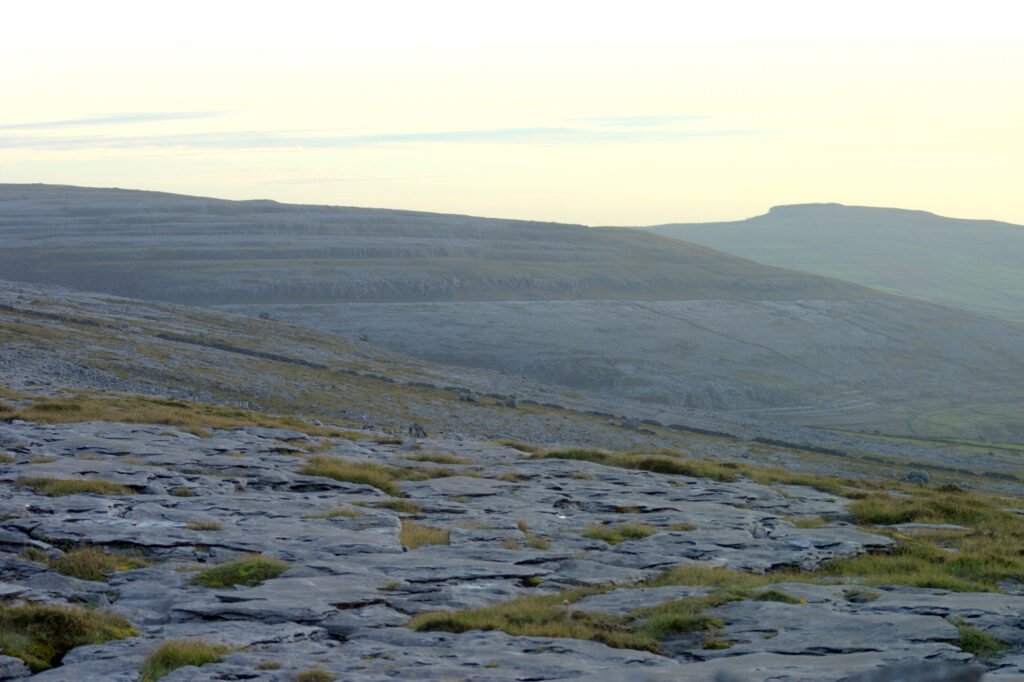

The Burren, located on the west coast of Ireland, is a region that captivates visitors with its otherworldly charm. This unique landscape, often described as resembling the surface of another planet, is a geological wonder that draws scientists, nature enthusiasts, and curious travelers alike. The stark, rocky terrain of the Burren, with its vast expanses of limestone pavements and unique ecological features, creates an alien-like vista that is both haunting and mesmerizing. As you venture into this enigmatic world, you are greeted by an environment that defies expectations and challenges perceptions.
The Geological Marvel of Limestone Pavements

At first glance, the Burren appears as an endless stretch of gray stone, but a closer inspection reveals the intricate beauty of its limestone pavements. These pavements, formed over millions of years, are a result of ancient sea beds that have been uplifted and weathered by natural forces. The limestone is crisscrossed by deep fissures, known as grikes, which create a remarkable checkerboard pattern across the landscape. The grikes are home to a surprising array of plant life, with rare and unique species thriving in the sheltered microclimates they provide. This phenomenon makes the Burren not only a geological marvel but also a haven for biodiversity.
The Formation Process: A Geological Time Capsule
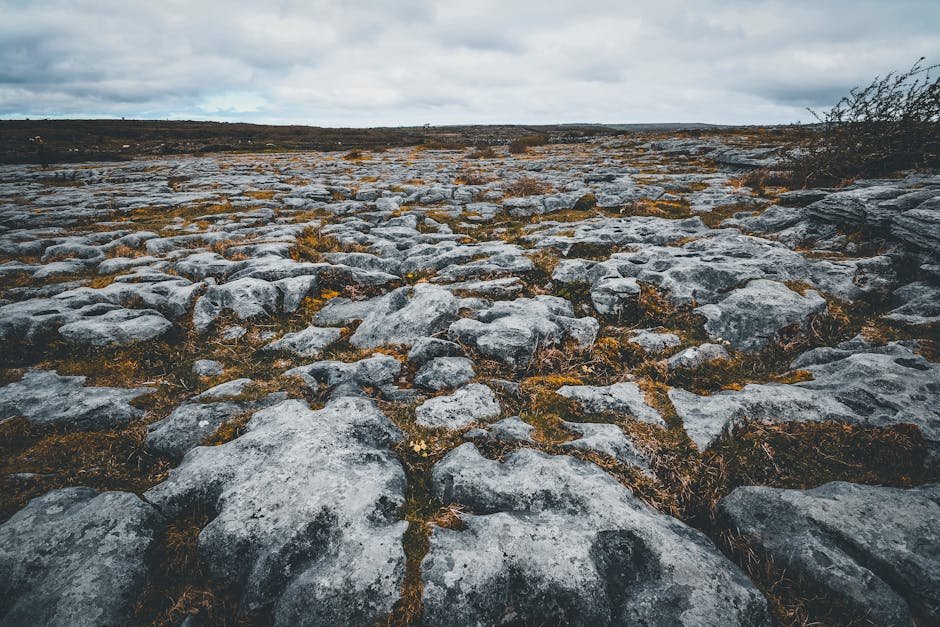
The Burren’s landscape is a testament to the Earth’s dynamic history, with its formation dating back to the Carboniferous period, around 350 million years ago. During this time, the region was submerged under a warm, shallow sea, where sedimentation of marine life contributed to the formation of limestone. Over eons, tectonic activity raised the seabed, and glacial movements sculpted the terrain into its current form. This long and complex geological process has left behind a natural time capsule, preserving evidence of ancient life and Earth’s climatic changes. As you wander through the Burren, you are essentially walking on layers of history, each rock telling a story of a bygone era.
Flora and Fauna: A Biodiversity Hotspot

Despite its barren appearance, the Burren is a thriving ecosystem that supports a diverse range of plant and animal life. The region is home to an extraordinary mix of Arctic, Alpine, and Mediterranean species, coexisting in a delicate balance. This unusual combination is made possible by the Burren’s unique microclimates and soil conditions. The grikes and clints of the limestone pavements provide niches for plants like the blue gentian, mountain avens, and orchids to flourish. The region also hosts various wildlife, including butterflies, birds, and mammals, each adapted to the harsh yet nurturing environment. This rich biodiversity is a testament to nature’s resilience and adaptability.
Human History and Cultural Significance

The Burren is not only a natural wonder but also a place of great cultural and historical importance. The region is dotted with archaeological sites, including ancient tombs, ring forts, and stone walls, which provide insight into the lives of early settlers. The Poulnabrone Dolmen, a Neolithic portal tomb, stands as a silent witness to the area’s ancient human activity. Over the centuries, the Burren has been a place of inspiration and spiritual significance, with the landscape influencing local folklore and traditions. The intertwining of natural and human history in the Burren adds a layer of depth to its enigmatic allure.
Karst Topography: A Lesson in Erosion
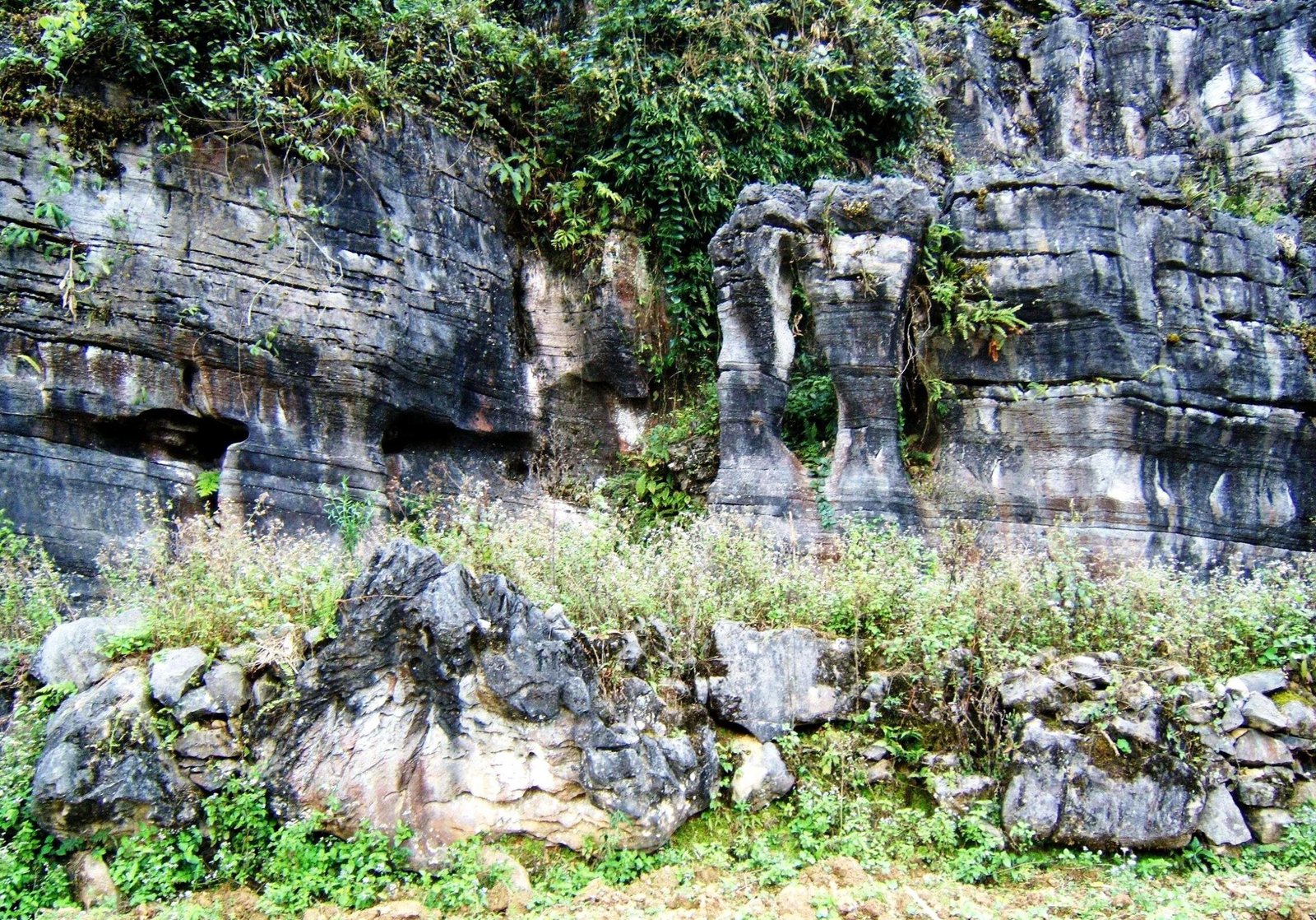
The Burren’s landscape is a prime example of karst topography, characterized by its distinctive limestone formations and underground drainage systems. This type of terrain is formed through the dissolution of soluble rocks, leading to the creation of features such as sinkholes, caves, and underground rivers. The Burren’s karst features are a testament to the power of water as a sculptor of landscapes. Rainwater, slightly acidic due to atmospheric carbon dioxide, seeps into the ground, slowly dissolving the limestone and creating the region’s unique geological formations. This ongoing process of erosion and weathering continues to shape the Burren, reminding us of the ever-changing nature of our planet.
The Role of Climate in Shaping the Burren

The climate of the Burren plays a crucial role in shaping its landscape and supporting its diverse ecosystems. Situated on the western edge of Ireland, the Burren experiences a temperate maritime climate, characterized by mild winters and cool summers. The Atlantic Ocean influences the region’s weather patterns, bringing frequent rain and high humidity. This climate, combined with the porous nature of limestone, allows for the unique interplay of water and rock that defines the Burren’s topography. The consistent moisture and moderate temperatures create a hospitable environment for the region’s flora and fauna, allowing them to thrive despite the seemingly inhospitable conditions.
Conservation Efforts: Preserving a Natural Treasure
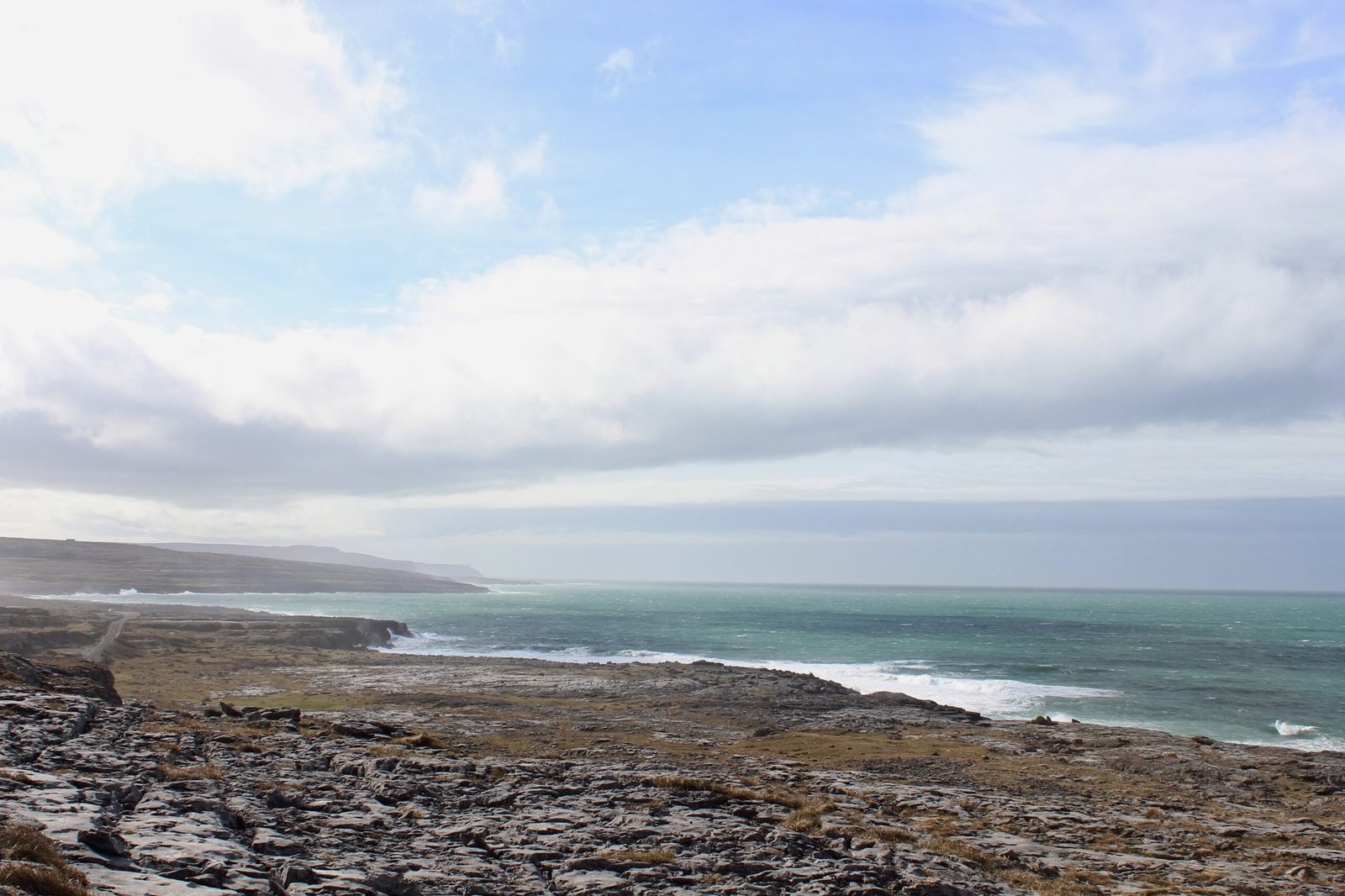
The Burren is a region of outstanding natural beauty and ecological significance, making its conservation a priority for both local communities and environmental organizations. Efforts to preserve the Burren’s unique landscape involve balancing human activities with the protection of its delicate ecosystems. Sustainable farming practices, habitat restoration projects, and educational initiatives are among the measures being taken to ensure the Burren’s long-term preservation. These efforts aim to safeguard the region’s biodiversity while allowing visitors to experience its wonders responsibly. The Burren serves as a reminder of the importance of preserving our natural heritage for future generations.
Tourism: Exploring the Alien Terrain
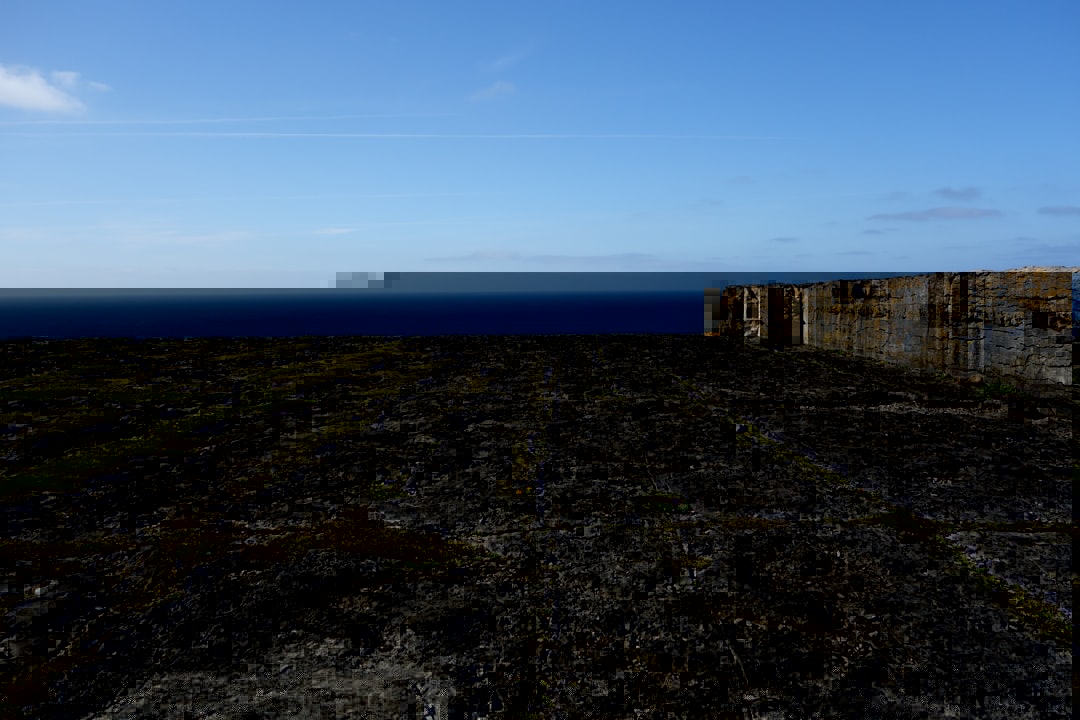
The Burren’s otherworldly allure draws tourists from around the globe, eager to explore its alien terrain. The region offers a wealth of outdoor activities, from hiking and rock climbing to wildlife watching and guided tours. Visitors can traverse the limestone pavements, marvel at the unique flora, and discover the ancient ruins that dot the landscape. The Burren’s beauty and mystique captivate the imagination, offering a sense of adventure and discovery. As tourism continues to grow, it is essential to promote sustainable practices that protect the region’s natural and cultural treasures while providing an enriching experience for all who visit.
Scientific Research and Discoveries
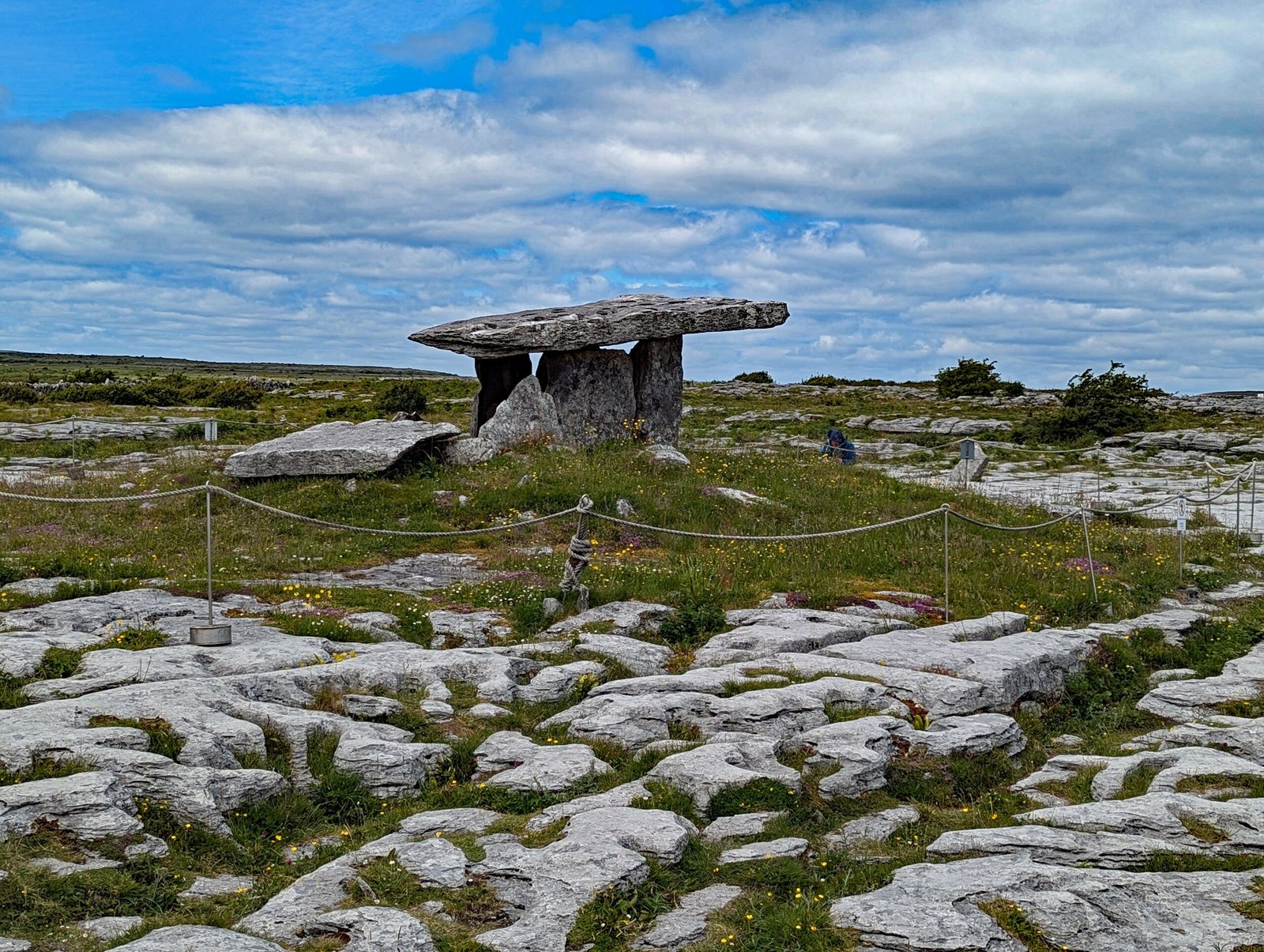
The Burren is a living laboratory for scientists and researchers, offering insights into geology, ecology, and climate change. The region’s unique landscape and biodiversity provide valuable opportunities for study and discovery. Scientists investigate the processes of limestone weathering, the adaptation of plant and animal species, and the impacts of climate change on fragile ecosystems. The Burren’s rich geological record serves as a natural archive, offering clues to Earth’s history and informing predictions for the future. Through ongoing research, the Burren continues to contribute to our understanding of the natural world and the challenges it faces.
The Enigmatic Beauty of the Burren
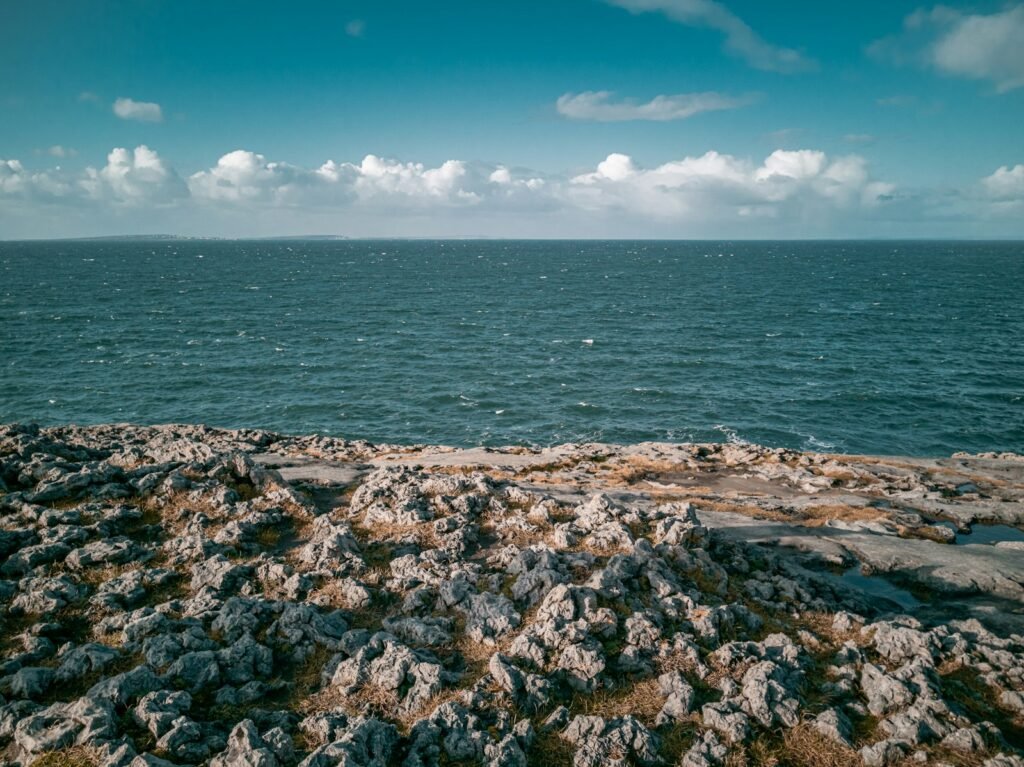
The Burren’s alien landscape is a testament to the wonders of nature and the mysteries of our planet. Its stark beauty, shaped by geological forces and home to a wealth of biodiversity, captivates all who visit. The Burren challenges our perceptions of what constitutes a thriving ecosystem, revealing the resilience and adaptability of life in the face of adversity. As we explore this enigmatic region, we are reminded of the intricate connections between geology, climate, and living organisms. The Burren stands as a symbol of nature’s complexity and an invitation to embrace the unknown.