Beneath the lush, tangled wilderness and glittering waterways of Florida, a silent drama is unfolding. Imagine ancient bones, faded tools, and the ghostly imprints of forgotten civilizations, all slowly vanishing below the surface of the state’s ever-moving, ever-hungry wetlands. For many, Florida is a paradise of sun and surf. But for archaeologists and scientists, it’s a treasure chest—one that’s being swallowed by mud and water before we can unlock its secrets. What lies beneath the sawgrass and cypress roots? Could clues to North America’s earliest inhabitants be dissolving in the dark, peaty muck, just out of reach? The stakes are higher than ever, as these prehistoric wonders risk disappearing forever.
The Ancient Landscape of Florida
Long before theme parks and highways, Florida was a land shaped by powerful natural forces. During the last Ice Age, Florida looked dramatically different. What we see as swamp and marsh today was once open savannah, dotted with lakes and rivers. The climate was cooler and drier, and massive creatures like mammoths and saber-toothed cats roamed freely. As glaciers melted and sea levels rose, water slowly claimed the land, transforming dry plains into the wetlands we know. This ever-changing landscape means that ancient sites are often buried deep, hidden beneath layers of mud and water.
Why Florida’s Wetlands Hide Prehistoric Treasures
Florida’s wetlands are like nature’s vault, preserving secrets for thousands of years. The constant moisture, limited oxygen, and thick peat can prevent decay, protecting bones, wood, and even textiles in ways that dry ground cannot. Archaeologists have uncovered some of North America’s oldest human remains in these boggy places, including the famous Windover site, where 8,000-year-old skeletons were found. Yet, the same conditions that help preserve also make exploration a huge challenge. Digging in wet mud is slow, expensive, and sometimes dangerous. Many sites remain untouched simply because they are so hard to reach.
How Prehistoric Sites Become Lost
As Florida’s wetlands expand and contract with the seasons, the ground shifts. Heavy rains, flooding, and hurricanes can all alter the landscape in a matter of days. Sites that were once exposed may suddenly be submerged; others might be buried beneath fresh layers of silt. This constant movement can damage fragile artifacts or scatter them beyond recognition. In some places, entire sections of land have simply disappeared underwater, taking their secrets with them. The natural processes that make Florida’s wetlands so rich and alive also threaten to erase the record of their ancient past.
The Race Against Time: Archaeologists Under Pressure
Scientists are in a race against time to uncover and document Florida’s prehistoric sites before they are lost. Unlike desert ruins or mountain caves, wetland sites are not only hard to find but also incredibly fragile. Once exposed to air, ancient bones and wooden tools can crumble in days. Storms and development add to the urgency. Every year, new construction or a single hurricane can destroy sites forever. Archaeologists work with sonar and special underwater equipment, but their resources are limited. The sense of urgency is real: once a site is lost, it’s gone for good.
The Mysterious Disappearances: Famous Lost Sites
Florida has seen its share of mysterious disappearances. The Little Salt Spring, for example, once offered a rare glimpse into the lives of ancient hunters, but shifting groundwater and algae growth have made further exploration nearly impossible. The Page-Ladson site, another underwater treasure, yielded tools and mastodon bones that pushed back the timeline of human habitation in the Southeast. Yet, rising water levels threaten to hide such sites from view forever. These stories fuel both excitement and frustration—what other discoveries might lie hidden, just out of reach?
Technological Marvels: New Ways to Search the Swamps
Modern technology has become the archaeologist’s best friend in Florida’s challenging environment. Ground-penetrating radar, underwater drones, and remote sensing tools allow researchers to “see” beneath the surface without digging. These technologies have revealed buried structures, ancient campfires, and even footprints preserved in ancient mud. But technology has its limits. Swampy ground can distort signals, and the sheer size of Florida’s wetlands means vast areas remain unexplored. Still, every breakthrough brings a surge of hope and excitement, fueling the hunt for lost history.
Climate Change and Its Double-Edged Sword
Rising temperatures and shifting rainfall patterns are reshaping Florida’s landscape faster than ever before. While some areas dry out, exposing new sites, others flood, making them inaccessible. This double-edged sword means archaeologists must act quickly, often with little warning. Climate change also threatens to wash away delicate artifacts or alter the chemical balance of the soil, speeding up decay. The clock is ticking, and the window for discovery may be closing faster than anyone expected.
The Human Impact: Development Versus Preservation
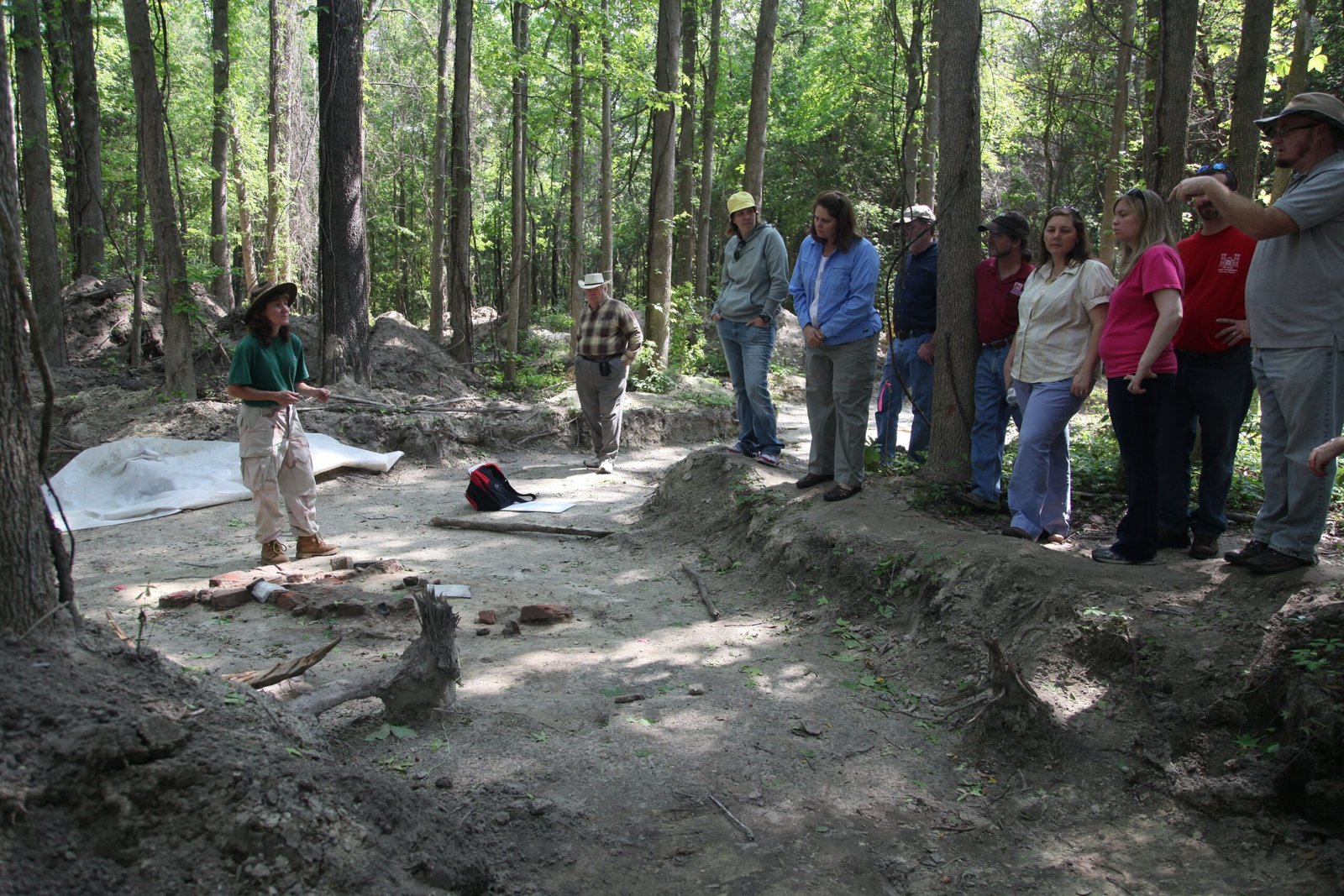
Florida’s rapid growth has put even more pressure on its hidden treasures. Construction of new homes, roads, and shopping centers often disturbs land that has been undisturbed for thousands of years. Sometimes, workers stumble on ancient bones or tools by accident. Laws protect some sites, but many slip through the cracks. Balancing the demands of modern life with the need to preserve the past is a daily challenge. Every time bulldozers break ground, there’s a risk that priceless history could be lost forever.
The Cultural Significance of Florida’s Ancient Sites
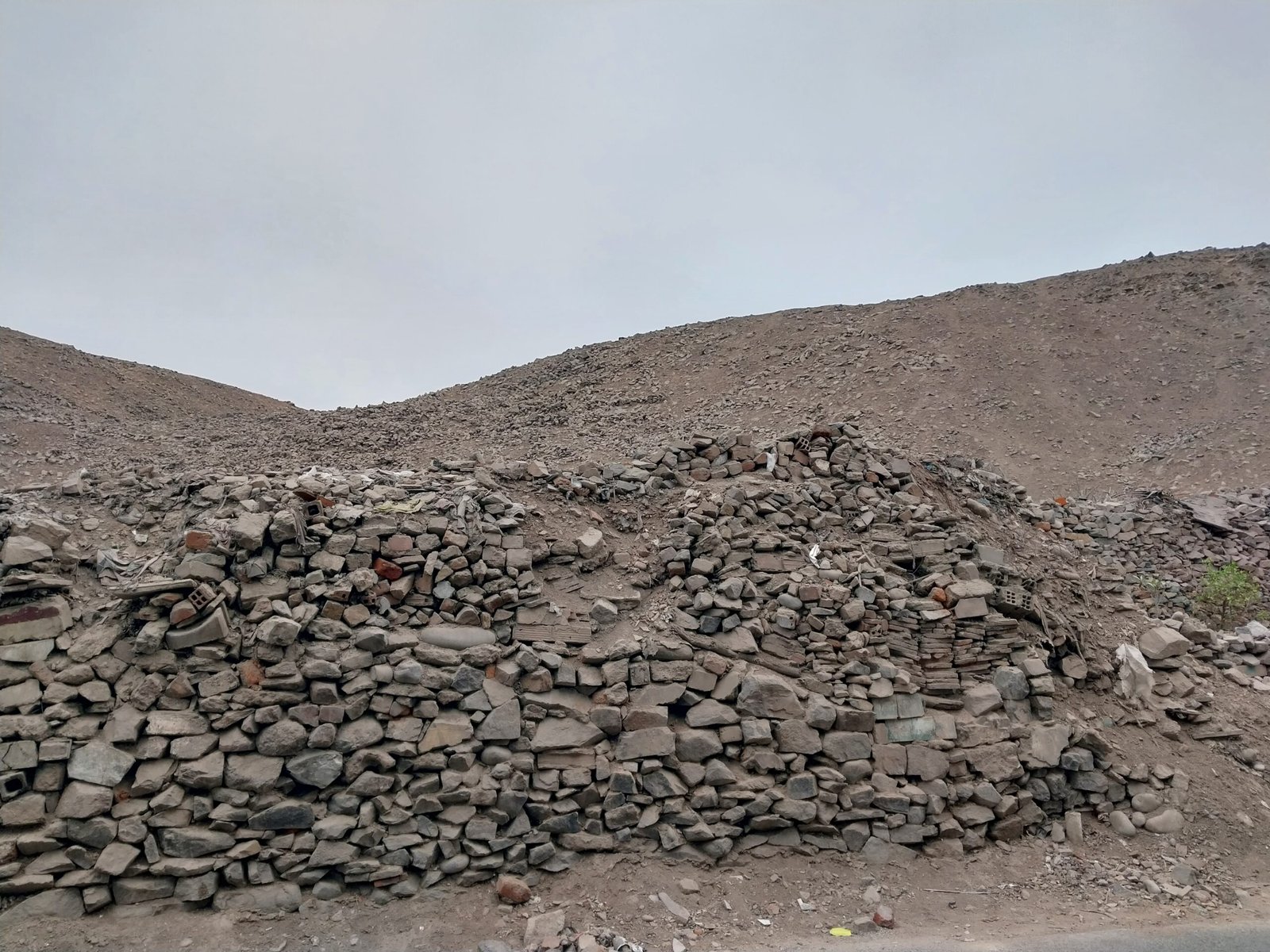
These prehistoric sites are more than just scientific curiosities—they are windows into the lives of the first people to call Florida home. They tell stories of survival, innovation, and adaptation. Artifacts like bone tools, pottery, and burial mounds reveal how ancient Floridians hunted, cooked, and cared for their dead. For Indigenous communities today, these sites are sacred, connecting them to their ancestors and heritage. Losing them would mean erasing a vital part of Florida’s—and America’s—story.
What Lies Ahead: Can We Save Florida’s Buried History?
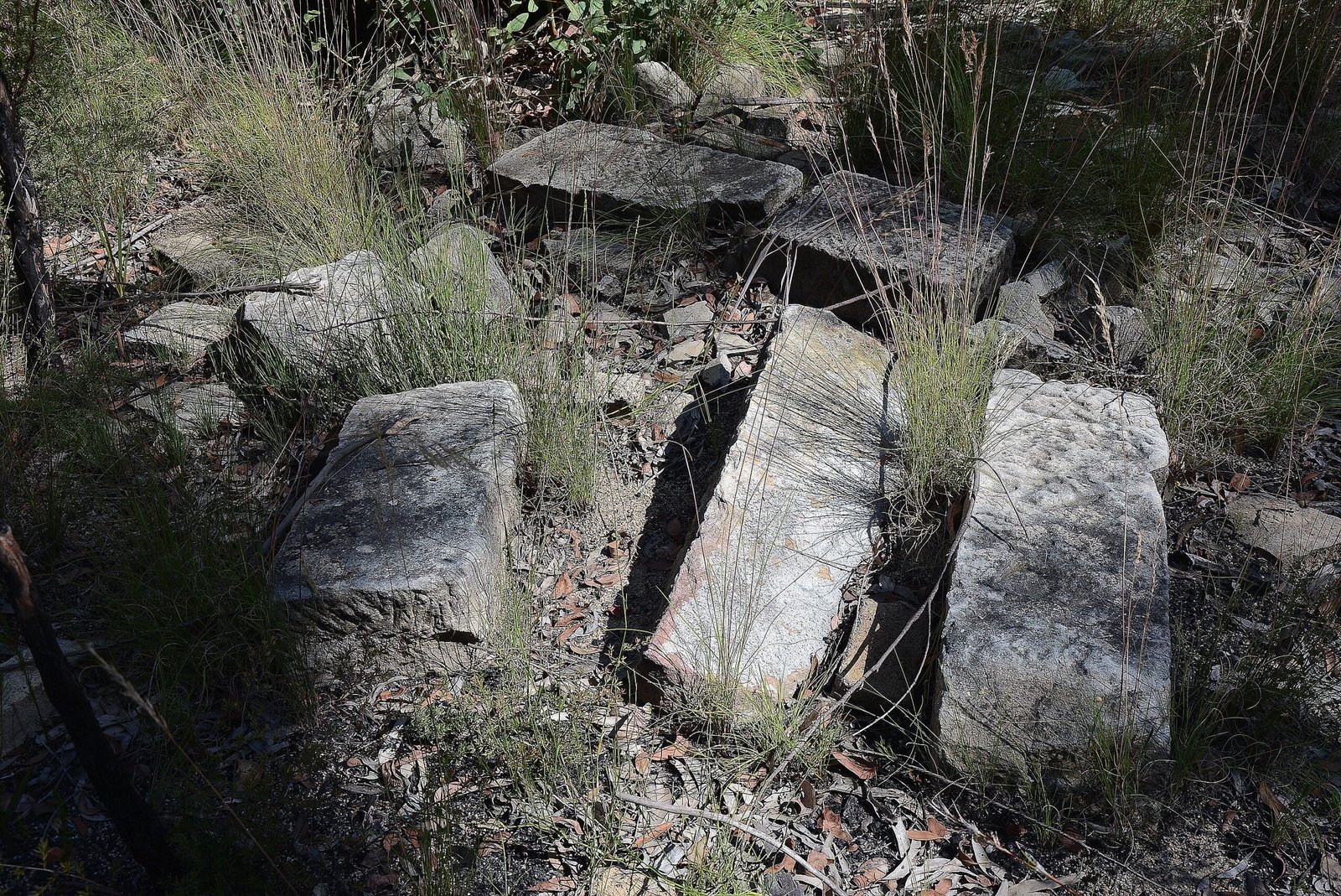
The future of Florida’s prehistoric sites hangs in the balance. More funding for research, better protection laws, and new partnerships with local communities could help save what’s left. Public awareness is key—when people understand what’s at stake, they’re more likely to support preservation efforts. Every artifact uncovered is a piece of a much larger puzzle, one that helps us understand who we are and where we came from. The battle to save these sites may be tough, but the rewards are priceless. Will the next big discovery be lost to the swamps, or will we manage to rescue it in time?