
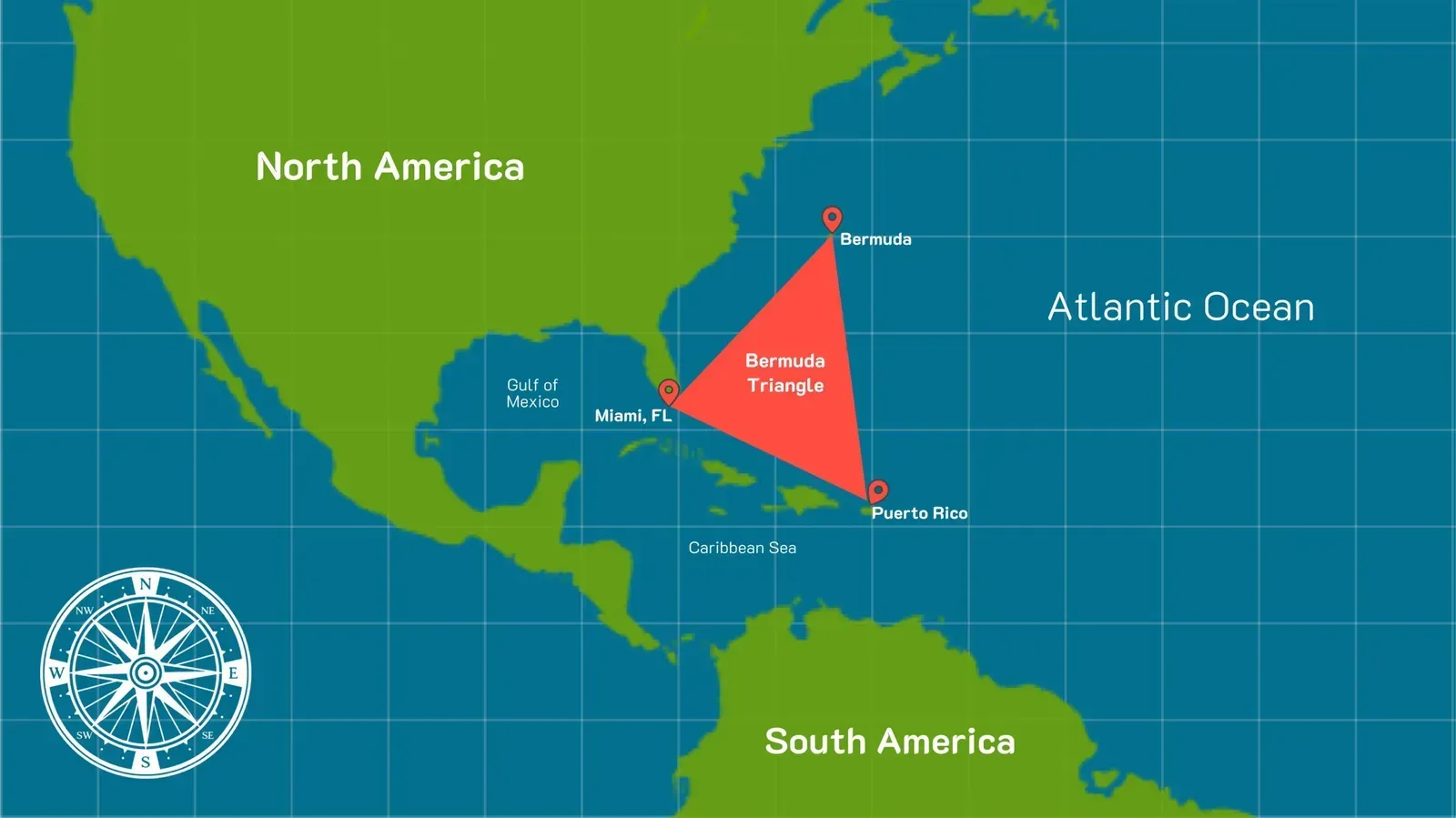
There’s a small patch of ocean in the western Atlantic that has terrified imaginations for decades. Planes vanish, ships disappear, compasses go wild – at least, that’s the legend that’s been passed around campfires, late-night TV shows, and conspiracy forums. The Bermuda Triangle, stretching roughly between Miami, Bermuda, and Puerto Rico, has become less of a place and more of a ghost story the world can’t stop retelling.
But when you strip away the spooky music and sensational headlines, a very different picture starts to appear. Scientists, investigators, and oceanographers have quietly spent years picking apart these mysteries, case by case, wave by wave. What they’ve found doesn’t kill the wonder – but it does replace some of the fear with something more satisfying: real explanations grounded in physics, weather, and human fallibility. The result is a story that’s less horror movie and more detective novel, with nature itself as the clever culprit.
Where Exactly Is the Bermuda Triangle – And Why Here?
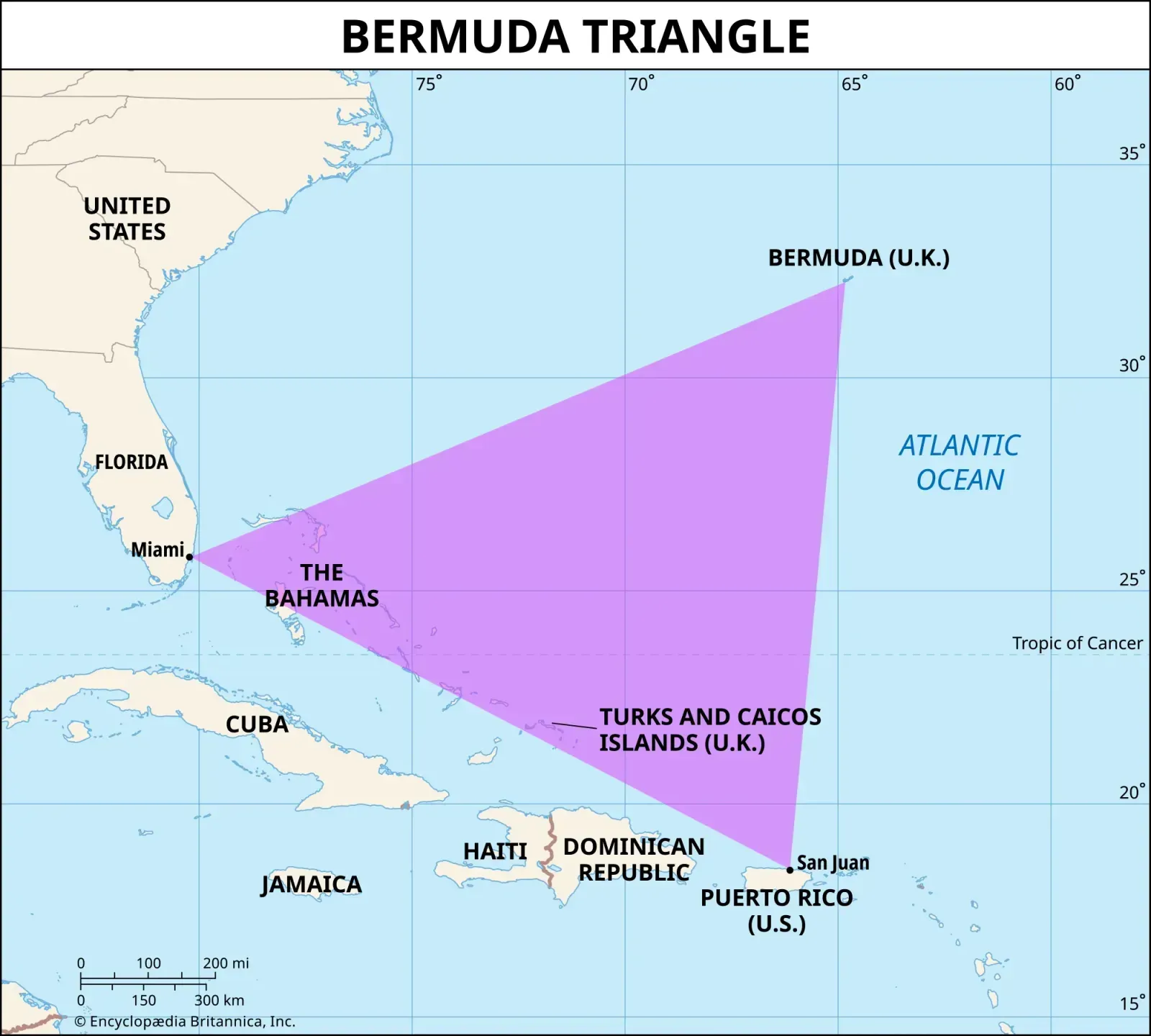
If you tried to draw the Bermuda Triangle on a map, you’d quickly run into a strange detail: there’s no official, universally agreed outline. Most descriptions place it as a broad triangle between Miami, Bermuda, and San Juan in Puerto Rico, covering a huge swath of busy ocean. That means this so-called cursed zone is actually one of the most heavily traveled shipping and flight corridors in the world, linking the United States, the Caribbean, and South America. The more traffic you have in a region, the more accidents you naturally get, just like on a busy highway.
Another twist is that no international maritime or aviation authority officially recognizes the Bermuda Triangle as a unique hazard. Insurance companies don’t charge special premiums for traveling through it, and navigation charts don’t label it differently from any other part of the Atlantic. In other words, if you looked only at serious professional records and not at books or movies, you’d barely know the Triangle existed at all. The legend lives almost entirely in the stories people tell, not in the documents pilots and captains actually use.
How Weather and Ocean Forces Turn the Triangle Dangerous
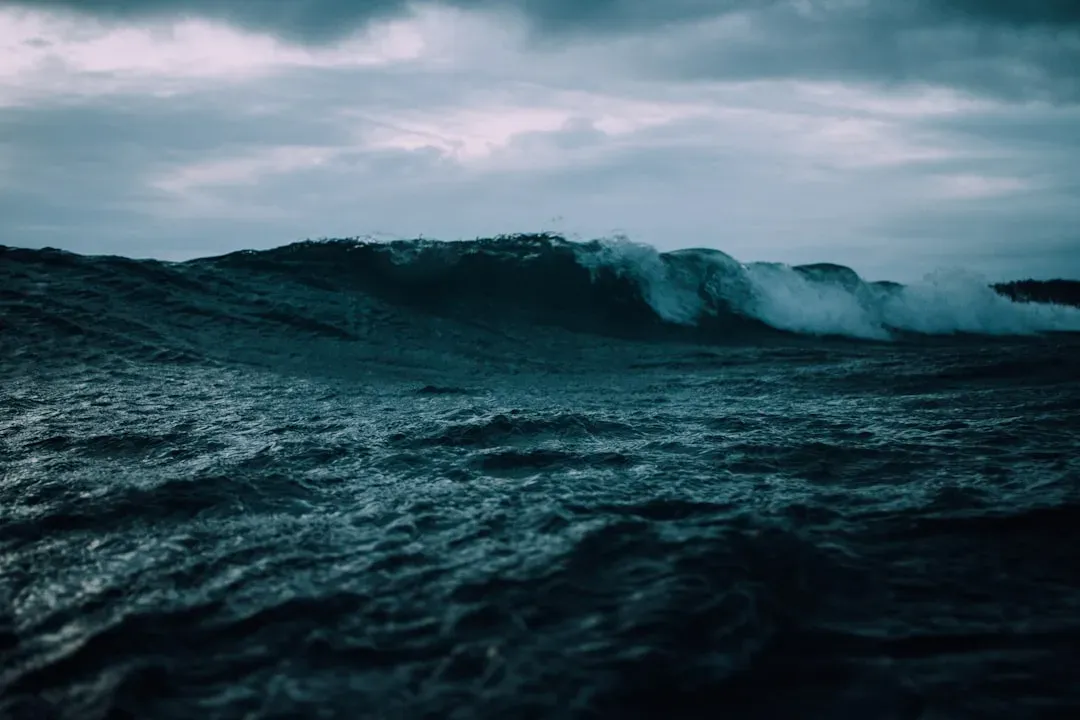
The waters of the Bermuda Triangle lie in a meteorological trouble zone where several powerful forces collide. Warm tropical air, strong trade winds, and the influence of the Gulf Stream combine to create sudden, violent storms that can appear much faster than a crew can react. A ship or small aircraft caught off guard in this region can go from calm skies to chaos in a matter of minutes. Before modern satellite weather tracking, that kind of fast-changing environment could be genuinely deadly.
The Gulf Stream itself adds another layer of risk. This strong, fast-moving ocean current can quickly carry floating debris or wreckage away from the site of an accident, sometimes spreading it over vast areas or even pulling it underwater quicker than expected. That makes search and rescue operations far harder and leaves investigators with fewer clues. When people later ask why so little wreckage was found, it’s easy to reach for a supernatural explanation – when in reality, the ocean’s own power did most of the erasing.
Do Magnetic Anomalies Really Scramble Compasses Here?
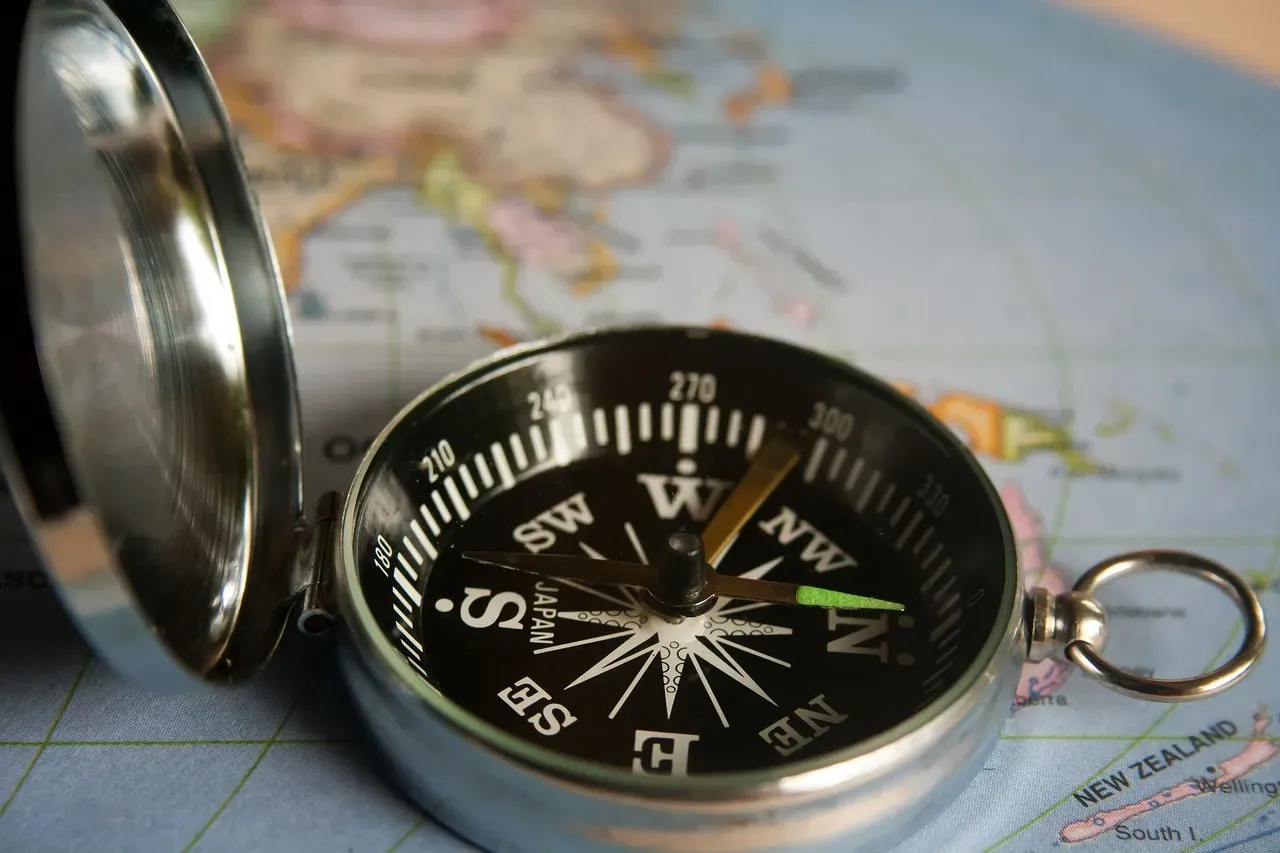
One of the most persistent claims about the Bermuda Triangle is that compasses sometimes behave strangely there, pointing in the wrong direction or spinning unpredictably. This idea sounds eerie, but it’s tied to a real, much less mysterious phenomenon: the difference between magnetic north and true north. In most parts of the world, navigators have to correct for this difference, called magnetic declination, to keep their bearings accurate. In some regions of the planet, the lines of magnetic and true north briefly line up, which can confuse those who are used to always making corrections.
Historically, some older reports appear to have misunderstood or misreported these routine magnetic variations as anomalies. Modern navigation systems – using GPS, inertial guidance, and updated charts – don’t show any persistent or unusual magnetic problems in the Triangle compared with other ocean regions. Occasional instrument failures can and do happen anywhere, from manufacturing flaws, electrical issues, or environmental interference. When such failures happen in a place already wrapped in myth, they simply sound more dramatic and get remembered longer.
Famous Disappearances: What Really Happened to Flight 19 and Others?
One of the most famous Bermuda Triangle stories is Flight 19, a group of five U.S. Navy torpedo bombers that vanished during a training mission in 1945. The legend typically describes experienced pilots suddenly losing all sense of direction, radioing bizarre final messages, and then disappearing without a trace. But detailed reviews of Navy records paint a more grounded picture. The lead pilot was likely disoriented, believed he was over the Florida Keys instead of the open Atlantic, and led the group away from land as fuel ran low in worsening weather.
Other often-cited cases follow similar patterns when investigators dig in. Ships like the Cyclops or later vessels that disappeared in the region were often heavily loaded, mechanically troubled, or traveling in poor weather conditions. In an era before modern navigation, satellite communication, and robust safety systems, a damaged or overloaded ship facing a storm at sea had terrible odds. The disappearances become tragic but understandable when you factor in navigation errors, design limitations, human fatigue, and the raw, unforgiving nature of the open ocean.
Are Rogue Waves and Methane Gas Silent Killers?
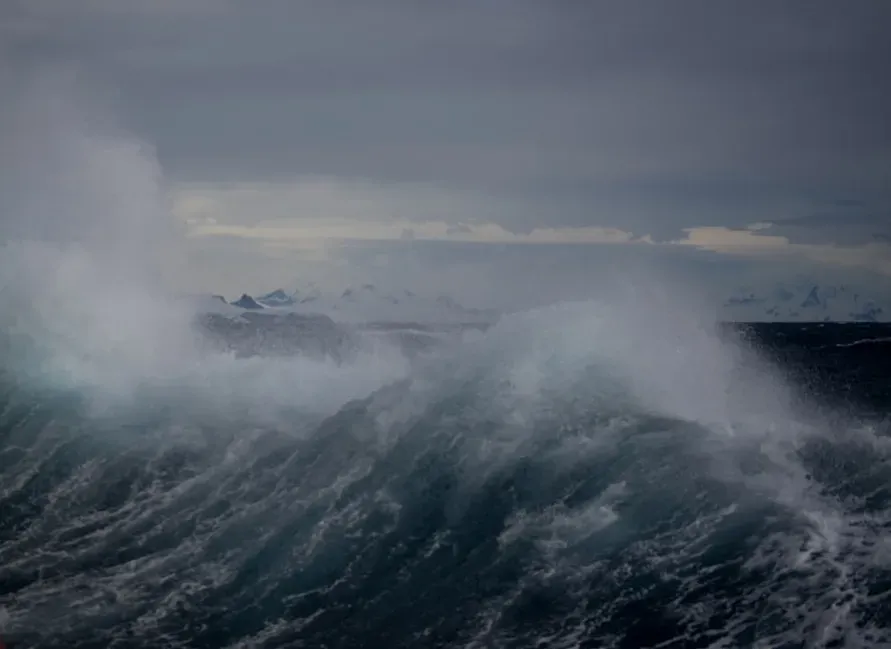
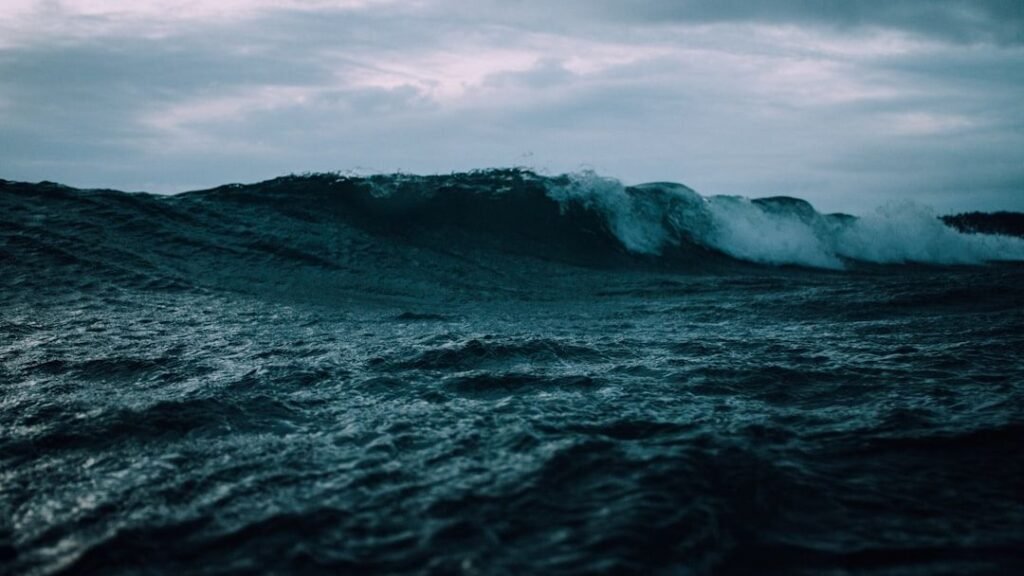
In recent years, scientists have studied so-called rogue waves – sudden, towering walls of water that can form when multiple waves align in just the wrong way. These waves can reach heights that would overwhelm even large ships and oil platforms. Satellite data and ocean models suggest that regions with strong currents and storms, like parts of the Bermuda Triangle, are prime spots for such waves. A ship struck broadside by a rogue wave in the middle of a storm might sink quickly, leaving little chance to send a clear distress call.
Another idea that grabbed public attention is the possibility of huge methane gas releases from the seabed, temporarily foaming up the water and reducing its density so ships lose buoyancy and sink. While this is a real process in some parts of the world, including areas with large gas deposits and specific geological conditions, there isn’t solid modern evidence that this effect plays a major role in Triangle disappearances. Seafloor surveys and geological studies haven’t flagged the region as uniquely prone to such catastrophic gas eruptions. The concept is scientifically interesting, but it remains more of a theoretical curiosity than a proven main cause for the mysteries.
How Statistics and Skepticism Reframe the Legend
When researchers began systematically comparing accident rates in the Bermuda Triangle with similarly busy stretches of ocean, a surprising conclusion emerged: the Triangle doesn’t stand out in a statistically meaningful way. Given how much traffic passes through that corridor, the number of losses is roughly what you’d predict from normal maritime and aviation risk. The feeling that “too many” ships and planes vanish there often comes from selective memory – people remember the strange or unexplained cases and forget all the routine, uneventful journeys.
Another factor is that some famous Triangle incidents were reported incorrectly or exaggerated over time. Dates, locations, weather conditions, and crew details sometimes got twisted in retellings, especially in books and TV shows aiming for drama over precision. When skeptically minded researchers revisit original logs, insurance records, or official investigations, many cases turn out to be less mysterious than they first sounded. That doesn’t erase all open questions, but it does shrink the supposed pile of unsolved vanishings down to a much smaller, more normal size.
Why the Myth Still Captivates Us in an Age of Satellites
Even with satellites scanning the oceans, aircraft tracked almost in real time, and better understanding of weather and currents, the idea of the Bermuda Triangle just refuses to die. There’s something irresistible about the notion that there are still places on Earth where modern technology fails and people simply vanish. The Triangle serves as a kind of cultural pressure valve, letting us imagine that the world isn’t fully mapped and measured, that mystery still has a few corners left. It’s the same instinct that keeps ghost stories and urban legends alive, even when everyone knows, deep down, there’s probably a boring explanation.
On a personal level, I remember first reading about the Triangle as a kid and feeling that delightful mix of fear and fascination, like opening a creaky door in an old attic. Learning the science behind it years later didn’t kill that feeling for me; it just shifted it. Now the awe comes from realizing how complex the ocean is, how easily small errors can snowball, and how our minds hunt for patterns even where none exist. The myth survives because it taps into something deeper than facts – it speaks to our love of mystery, our fear of the unknown, and our stubborn hope that the world still has secrets left.
A Real Ocean, Not a Supernatural Trap
When you pull the Bermuda Triangle apart with careful science, sober statistics, and patient investigation, it stops looking like a supernatural trap and starts looking like what it really is: a demanding, sometimes brutal part of a very real ocean. Strong storms, fast currents, human mistakes, technical failures, and a long history of heavy traffic combine to create accidents that are tragic but understandable. The few details that remain unclear are well within the range of ordinary uncertainty you’d expect in any vast, remote stretch of sea.
Yet the legend still lingers, shaped by dramatic storytelling, half-remembered reports, and our deep desire for something unexplained lurking just beyond the horizon. The Bermuda Triangle turns out not to be a glitch in the universe, but a mirror showing us how we think about risk, fear, and mystery. In the end, the scariest thing out there isn’t a hidden force swallowing ships – it’s a powerful ocean and fallible humans navigating it.