
If you’ve ever strolled through a lush garden or hiked a wild hillside, you’ve probably admired the dazzling colors, striking shapes, and sweet scents of the plants around you. But what if I told you that some of these gorgeous plants are quietly waging war on entire ecosystems? Like villains hiding behind angelic faces, certain beautiful plants are actually ecological assassins—spreading chaos, outcompeting native species, and reshaping the natural world in alarming ways. It’s a shocking truth: the very plants we cherish for their splendor can also be silent invaders, toppling delicate balances and rewriting the rules of nature. This is not just a botanical whodunnit—it’s a real battle unfolding in gardens, parks, and wild places across the globe.
The Allure of the Invader: When Beauty Masks Danger
Many of these ecological assassins are brought into new environments because people simply fall in love with their looks. Gardeners and landscapers often choose plants with dazzling blooms, unique leaves, or dramatic growth habits. What’s not to love about a Japanese wisteria draping purple waterfalls over a trellis, or a butterfly bush bursting with color? The trouble starts when these plants, once released into the wild, grow faster, spread wider, and outcompete native species. Their charm fools us, while their roots quietly invade, taking over spaces and resources that belong to other plants and animals. This double life is what makes them so dangerous—and so hard to resist.
Kudzu: The Vine That Ate the South
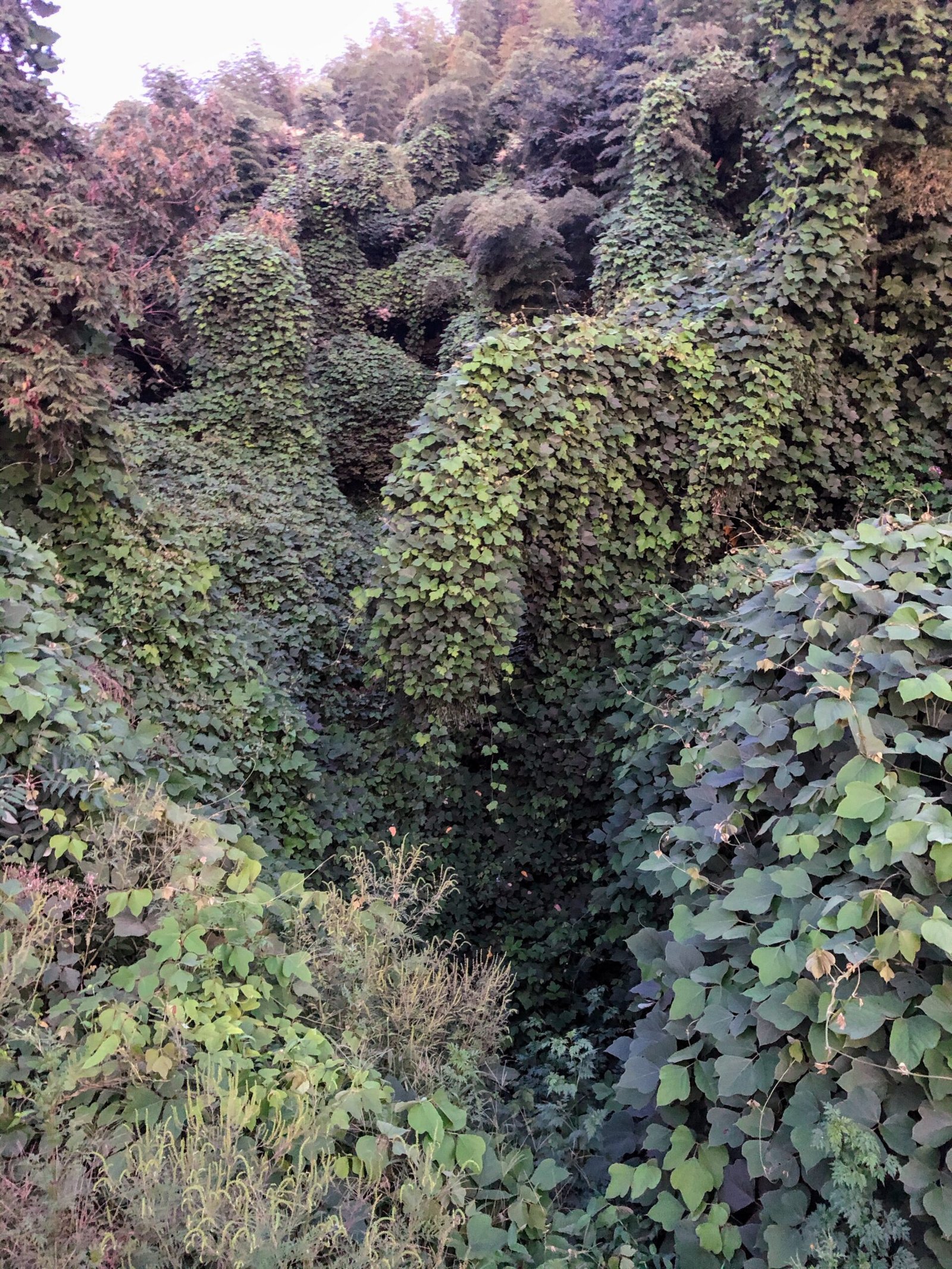
Kudzu is as lovely as it is notorious. With its broad, velvety leaves and clusters of fragrant purple flowers, it looks like a living tapestry. But in the southeastern United States, kudzu has become infamous for smothering trees, blanketing power lines, and swallowing whole landscapes. Originally introduced from Asia for erosion control, kudzu grows at a shocking rate—sometimes up to a foot per day. It blocks sunlight from native plants, strangles young trees, and leaves behind a monoculture where little else can survive. Kudzu’s beauty is undeniable, but its impact is devastating.
Wisteria: The Cascading Flower with a Dark Side
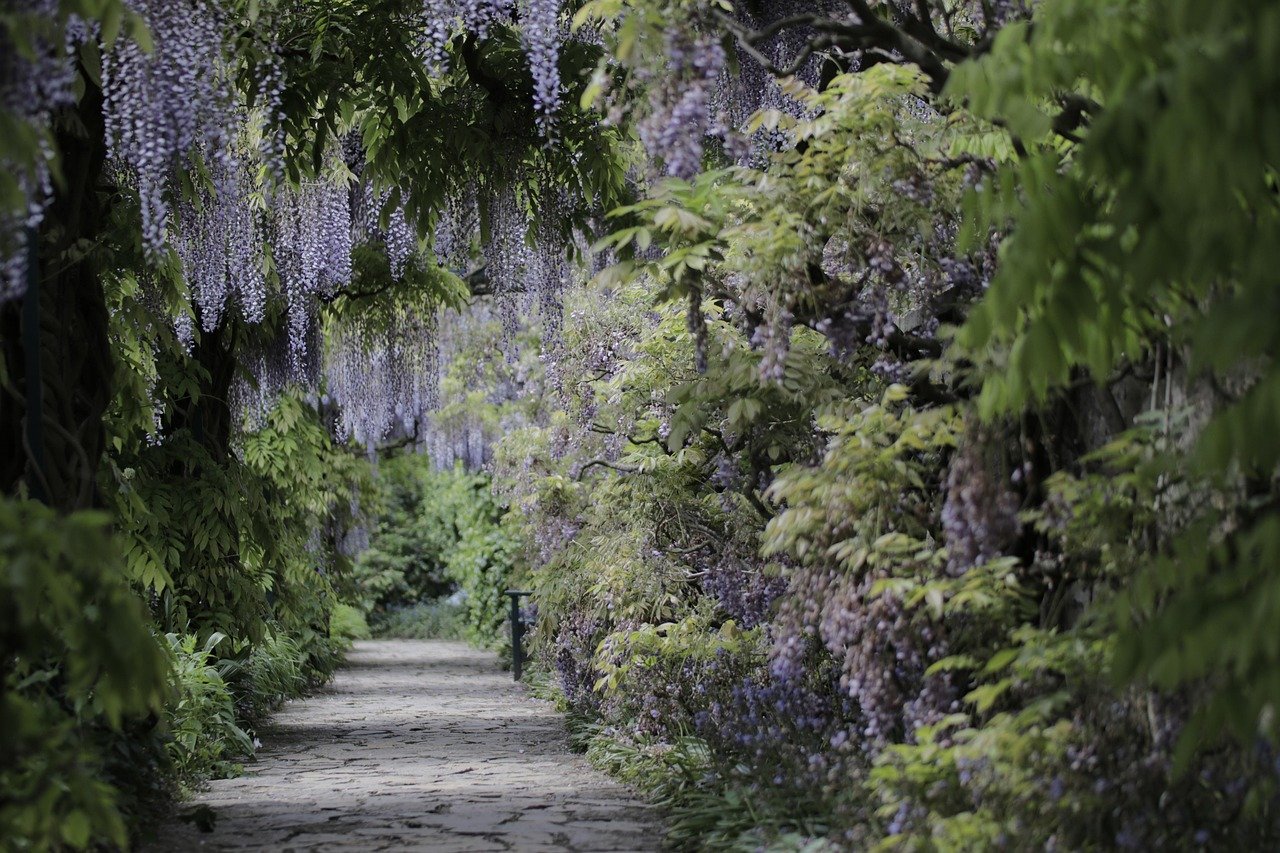
Japanese and Chinese wisteria are adored for their long, cascading clusters of violet or white blooms that perfume gardens each spring. But beneath the surface, their thick vines twist around trees and structures, squeezing the life out of anything in their path. Wisteria spreads via hardy underground runners, making it almost impossible to eradicate once established. In forests and parks, it can overwhelm native shrubs and saplings, reducing biodiversity and altering habitats. It’s a classic case of beauty becoming a burden, as the very qualities that make wisteria attractive also make it a relentless conqueror.
English Ivy: The Classic Climber Turned Villain
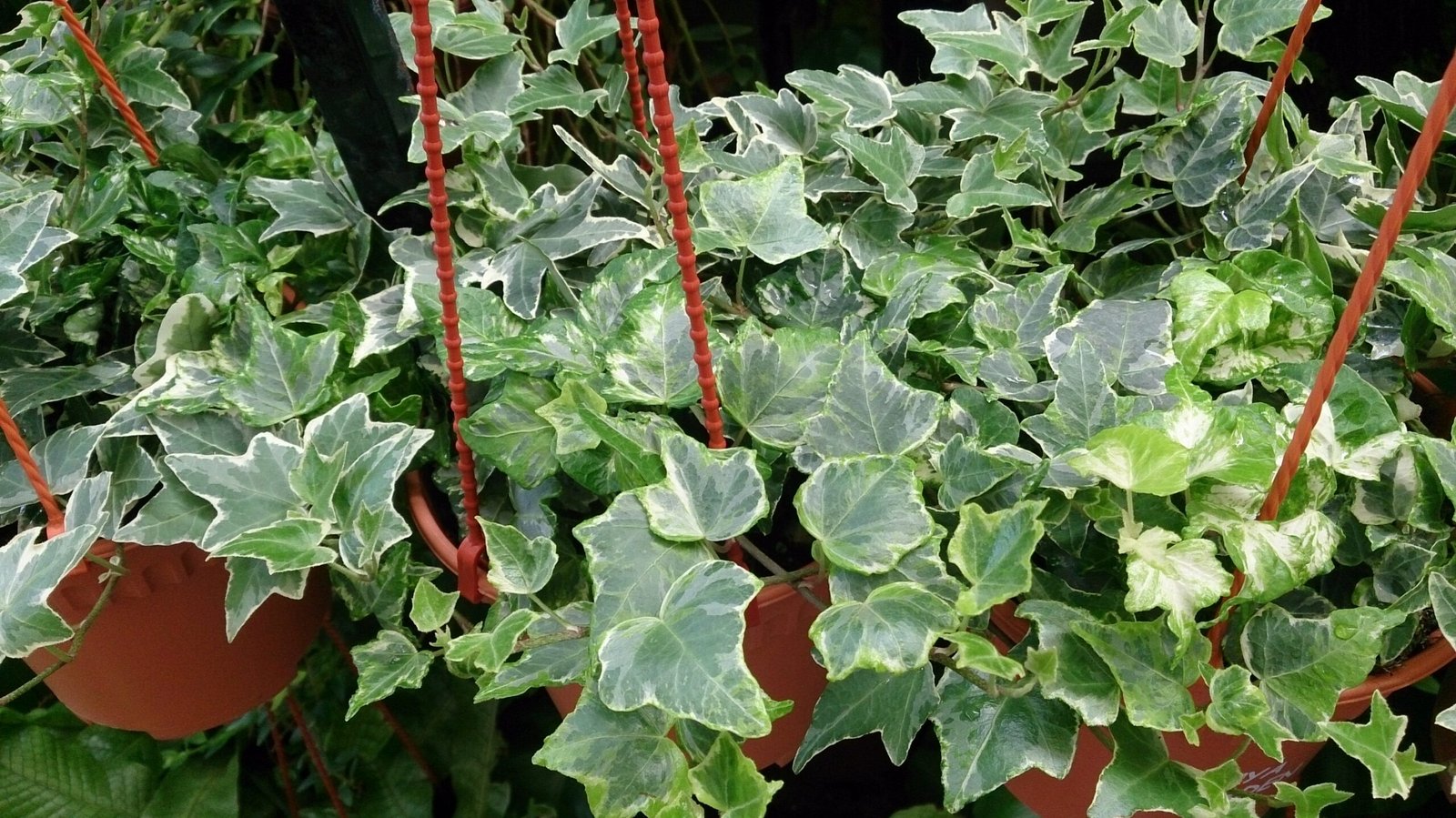
English ivy is a familiar sight on stately old buildings and shady garden walls. Its glossy green leaves and elegant tendrils have made it a landscaping favorite for centuries. But when released into the wild, English ivy becomes an ecological menace. It forms dense mats that suffocate the forest floor, preventing native plants from sprouting. Its vines climb trees, adding weight and blocking sunlight until the host tree weakens or dies. Wildlife that depend on native undergrowth for food and shelter are left with fewer options, as the ivy’s relentless spread transforms diverse woodlands into green deserts.
Japanese Knotweed: The Ruthless Rhizome
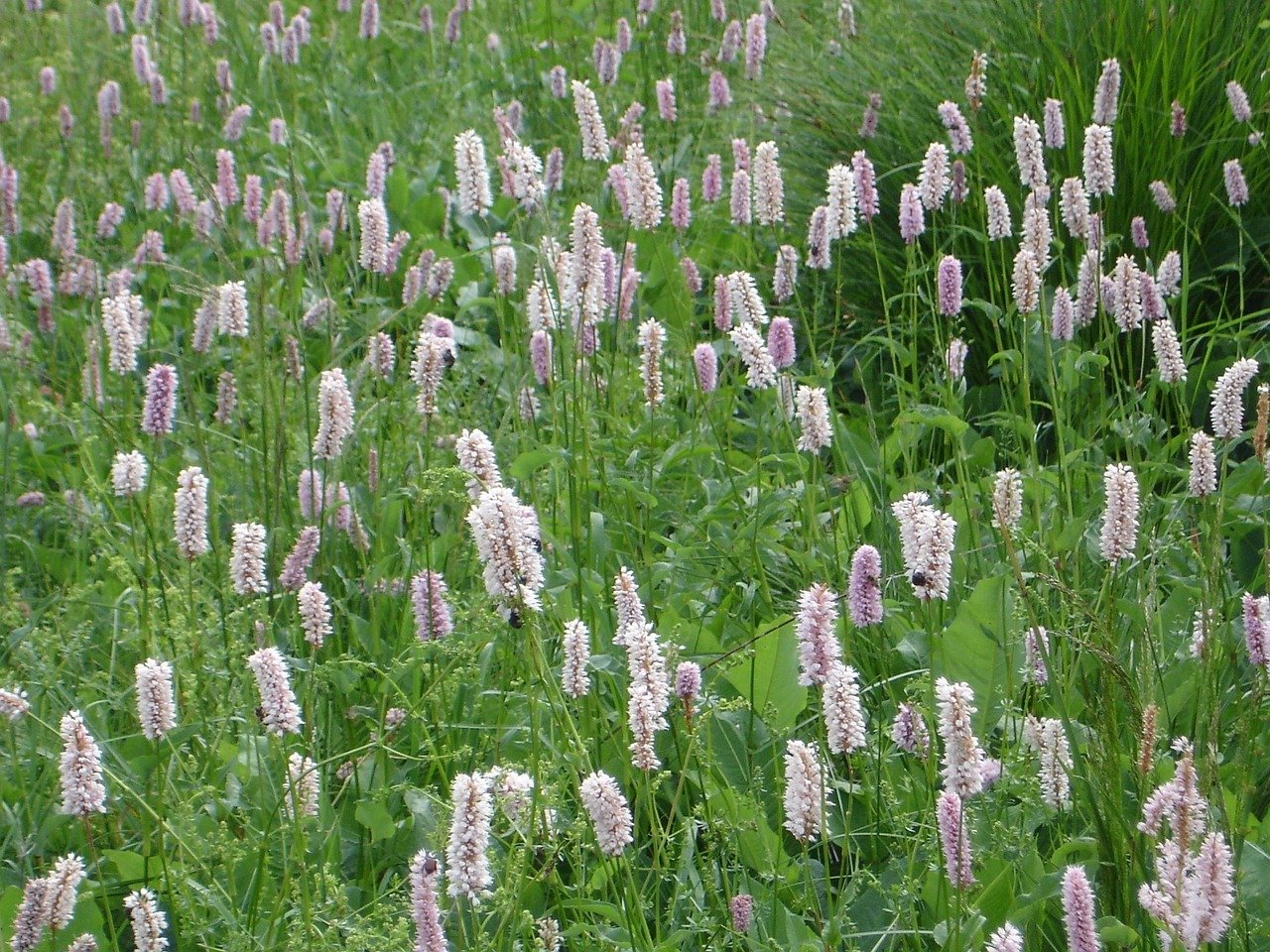
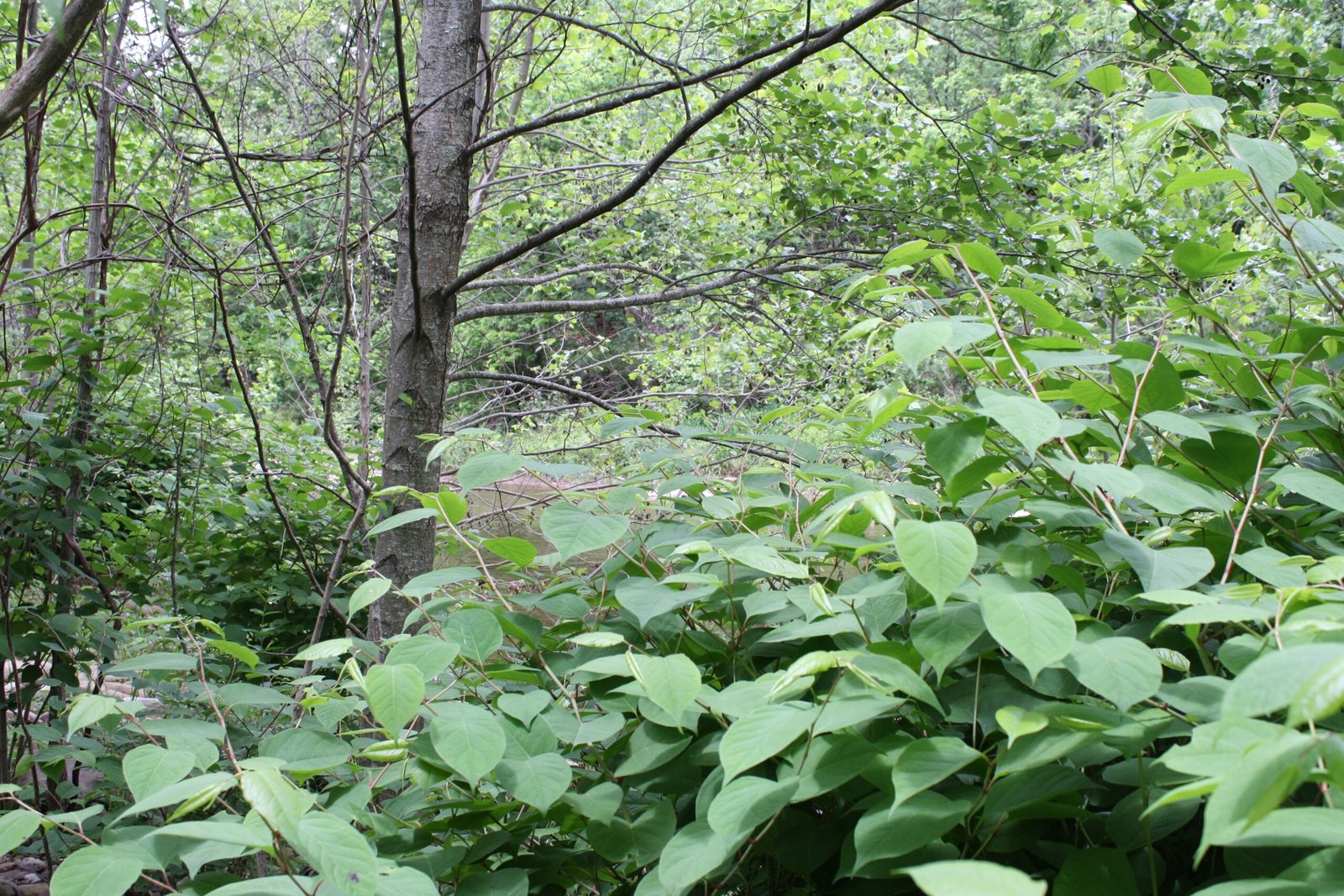
Japanese knotweed looks innocent enough, with its bamboo-like stems and delicate sprays of white flowers. But don’t be fooled—this plant is a powerhouse of destruction. Its roots, or rhizomes, can grow through concrete, asphalt, and even house foundations, causing expensive damage. In the wild, knotweed forms dense thickets that crowd out native plants and alter soil chemistry. Rivers and streams are especially vulnerable, as knotweed can destabilize banks and reduce habitat quality for fish and insects. Its persistence is legendary: even a fingernail-sized piece of root can sprout a new plant.
Butterfly Bush: A Pollinator’s Friend with a Hidden Agenda
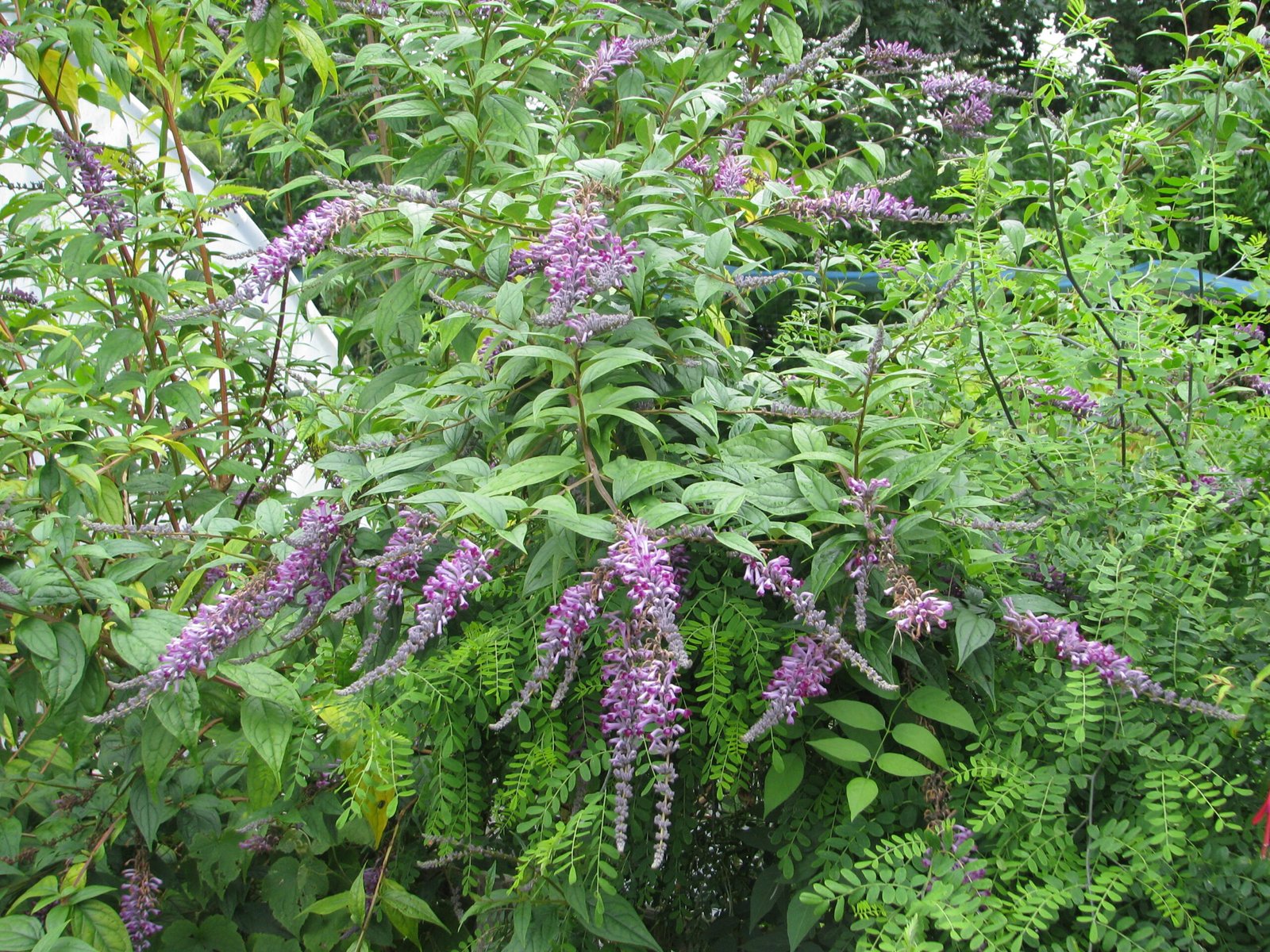
The butterfly bush is often planted to attract pollinators, thanks to its eye-catching spikes of purple, pink, or white flowers. Butterflies, bees, and hummingbirds do flock to its nectar-rich blooms, making it a garden favorite. However, in many regions, butterfly bush escapes cultivation and spreads rapidly along riverbanks, roadsides, and disturbed soils. Its seeds travel far and wide, outcompeting native flowering plants that local pollinators and insects rely on. Over time, this reduces plant diversity and disrupts the intricate web of relationships that support healthy ecosystems.
Norway Maple: The Shade That Smothers
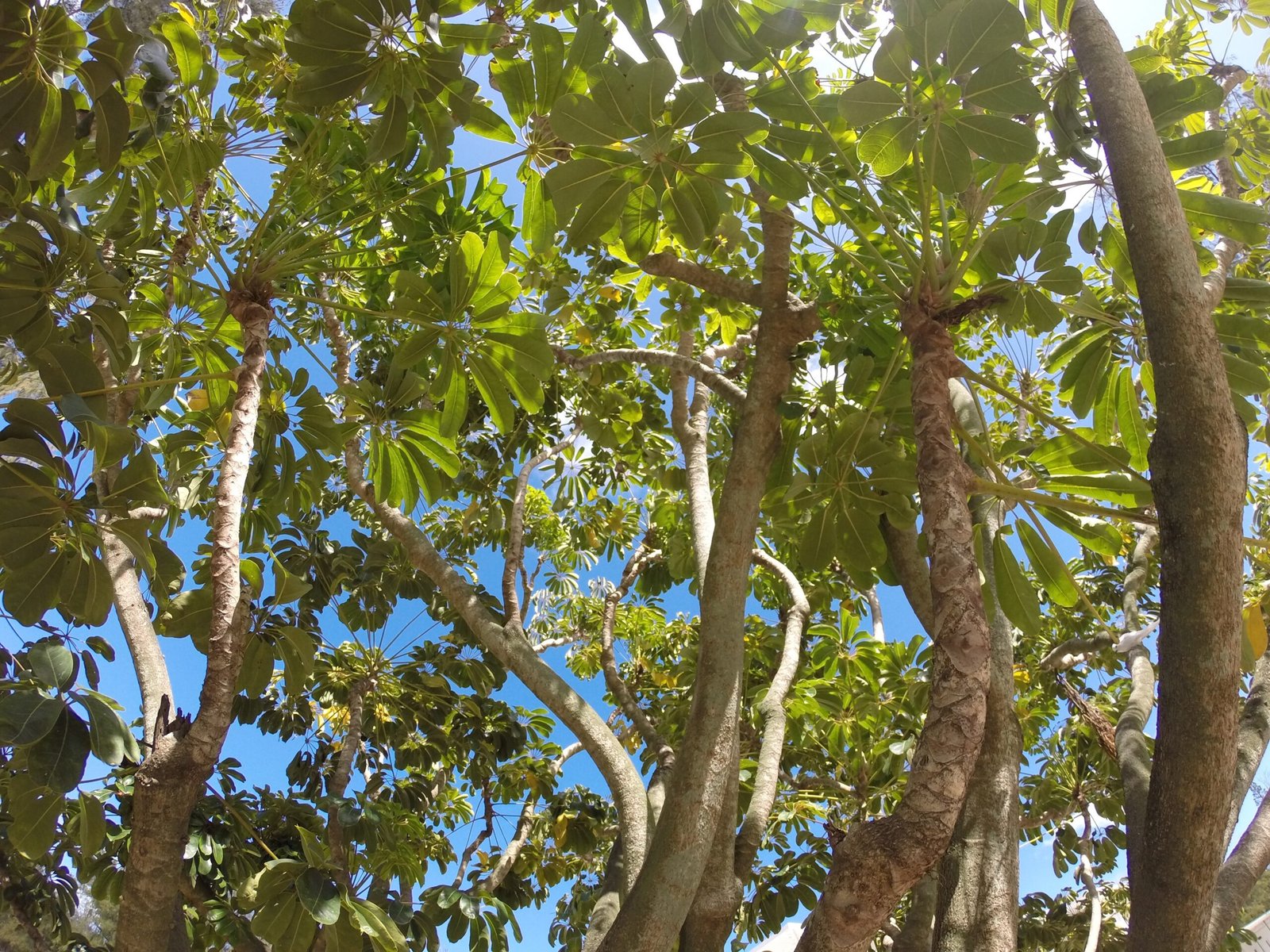
People love the Norway maple for its lush, broad leaves and rapid growth. It’s often planted along city streets for shade and autumn color. But in forests, this imported tree casts such deep shade that few native plants can survive beneath its canopy. Its shallow roots compete fiercely for water and nutrients, making life tough for wildflowers and understory shrubs. Over time, forests dominated by Norway maples become less diverse, with fewer insects, birds, and mammals able to thrive in the altered environment. What looks like a gift of shade is, in reality, a slow-motion ecological takeover.
Callery Pear: The Ornamental Tree with a Nasty Streak
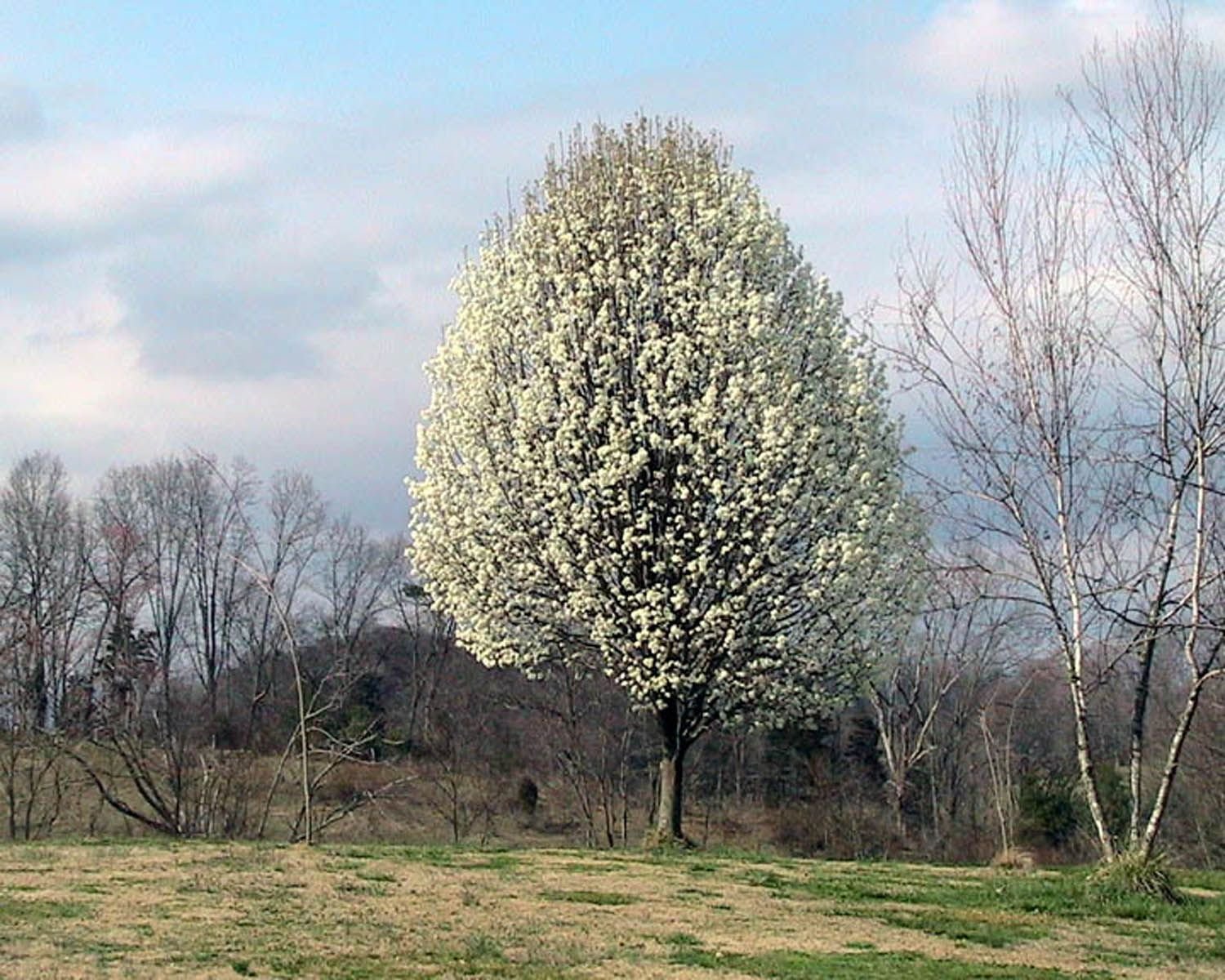
Callery pear trees, sometimes known as Bradford pears, burst into clouds of white blossoms every spring, turning city streets and neighborhoods into fairy-tale scenes. Their symmetrical shape and fast growth make them a landscaper’s dream. But these trees cross-pollinate easily, producing seeds that birds spread far and wide. In fields, forests, and along highways, callery pears form dense thickets that choke out native plants. Their weak wood also makes them prone to splitting in storms, creating hazards and more work for communities. Their beauty is a mask for their aggressive, invasive nature.
Water Hyacinth: The Floating Blanket of Doom
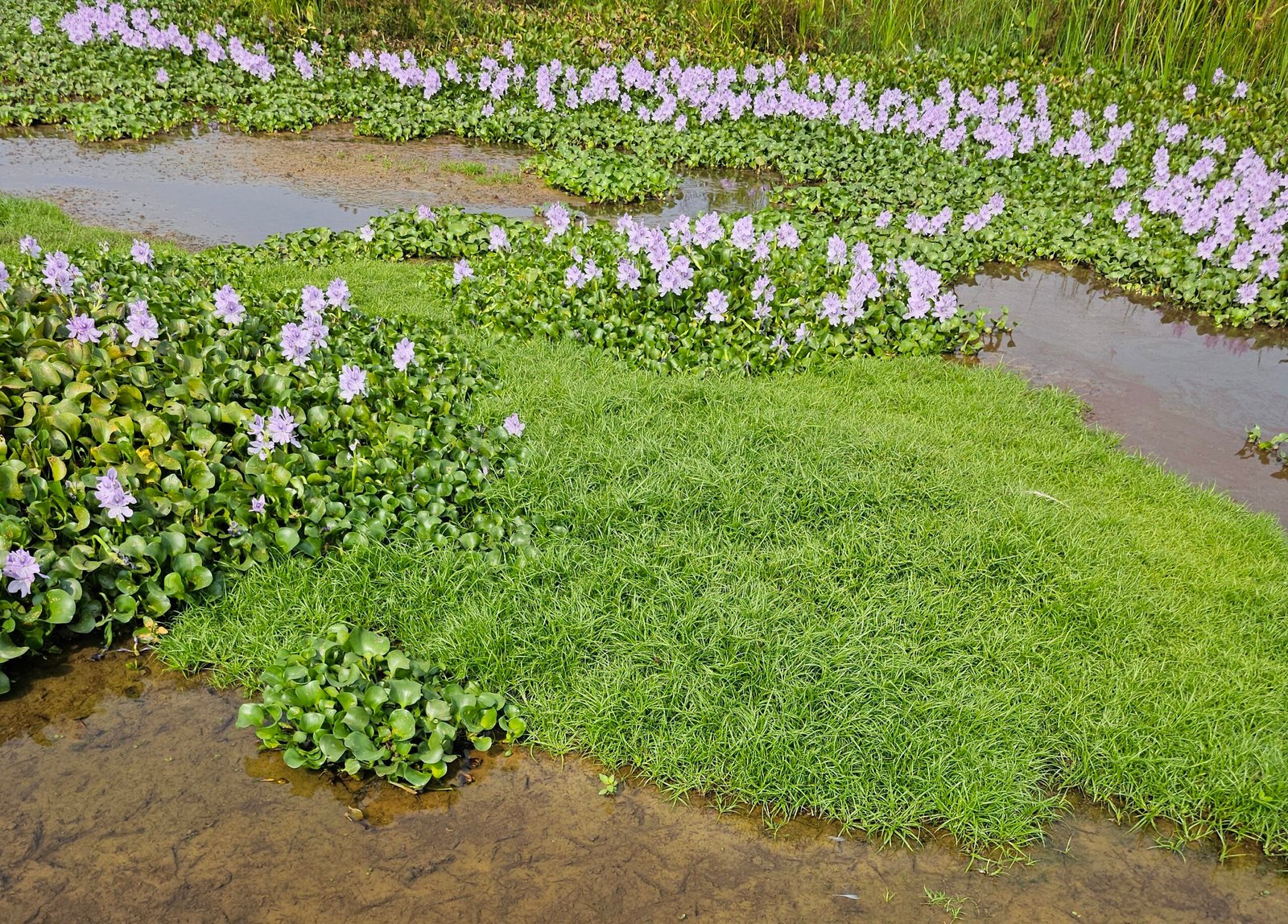
Few plants can match the water hyacinth’s shimmering lilac flowers and glossy green leaves. Floating serenely on ponds and rivers, it looks like a dream come true. Yet water hyacinth is one of the world’s worst aquatic invaders. It multiplies at a runaway pace, forming dense mats that block sunlight, lower oxygen levels, and suffocate fish and aquatic plants. Waterways clogged by hyacinth become impassable for boats and dangerous for wildlife. Removing it is a Herculean task, as each plant can spawn countless new ones from tiny fragments left behind.
Yellow Flag Iris: The Wetland Wrecker
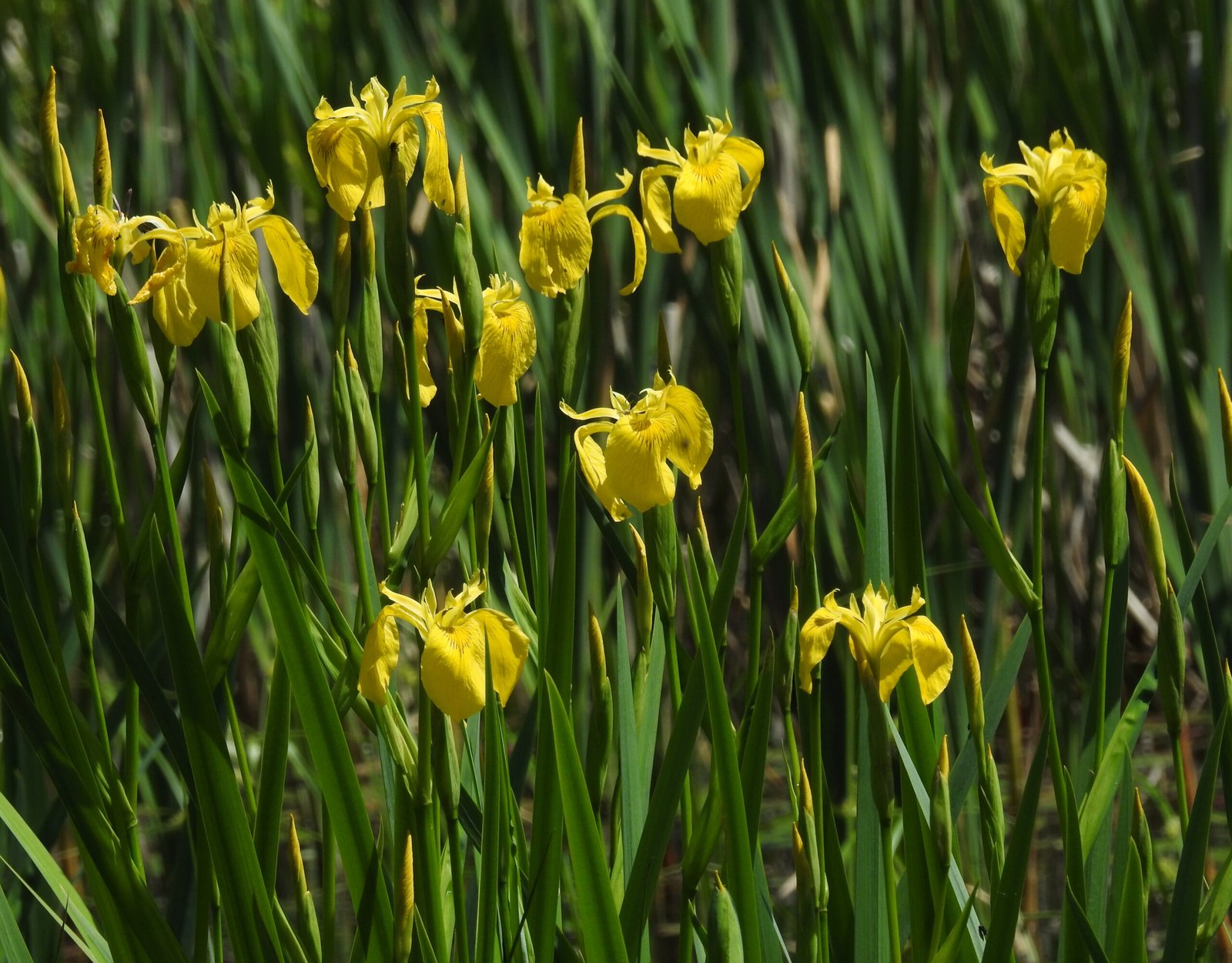
With its striking yellow flowers and sword-like leaves, yellow flag iris is often planted around ponds and water gardens. But once it escapes into natural wetlands, it quickly forms impenetrable stands that edge out native reeds, sedges, and wildflowers. Its dense root system stabilizes banks so aggressively that it can alter water flow and degrade habitat for birds, amphibians, and fish. Toxins in its leaves and roots can also make it unpalatable or even poisonous to wildlife. The yellow flag’s cheerful appearance hides its role as a wetland assassin.
Giant Hogweed: The Toxic Tower
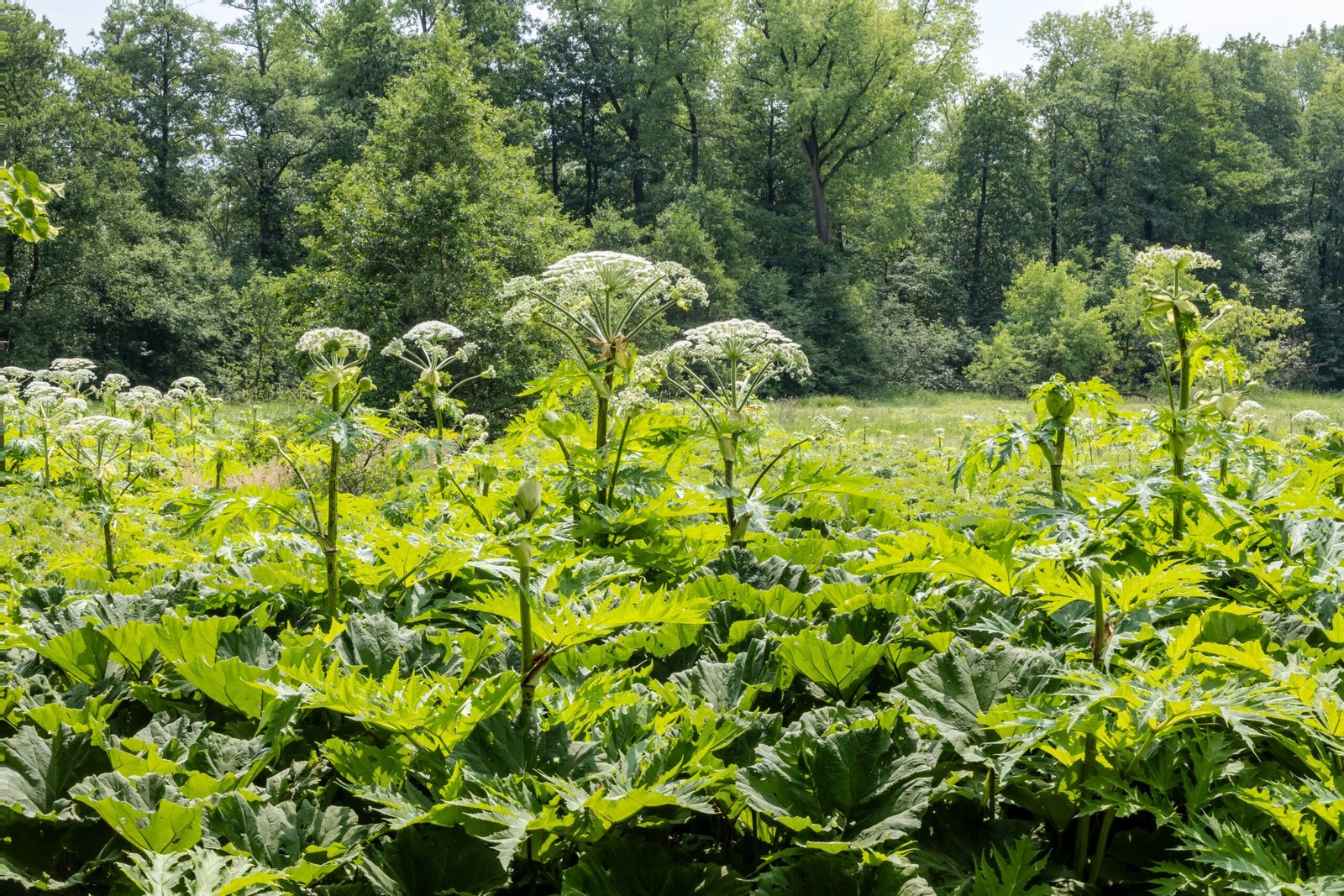
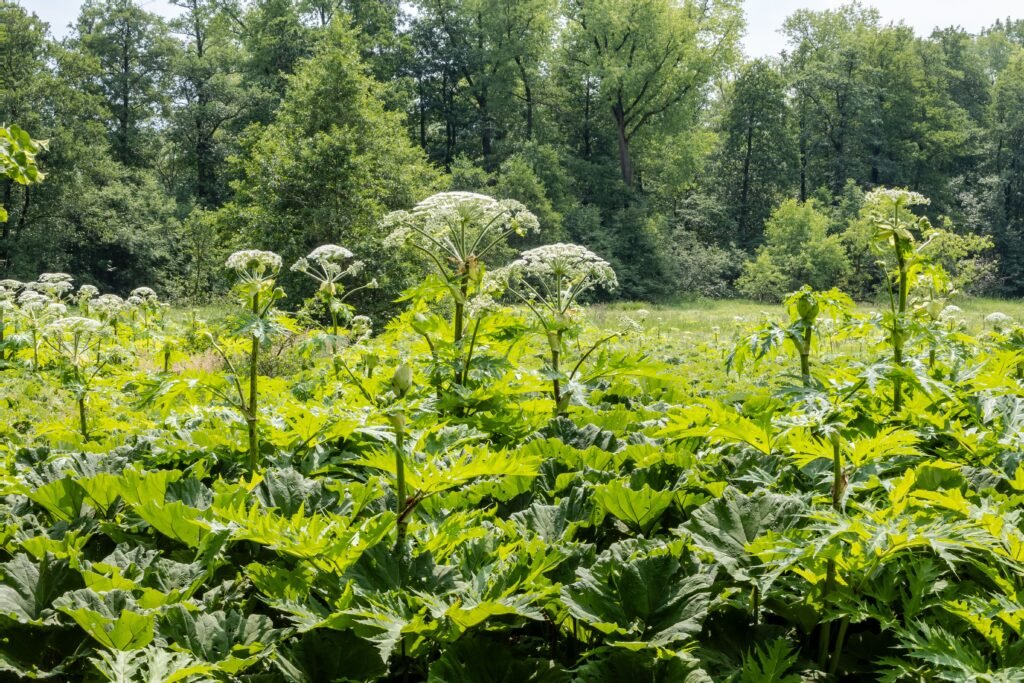
Giant hogweed is truly a showstopper, towering up to 14 feet high with umbrella-sized clusters of white flowers. But this stunning plant is dangerous in more ways than one. Its sap contains chemicals that, when exposed to sunlight, cause severe burns and blisters on human skin. In nature, giant hogweed shades out native plants and destabilizes riverbanks, increasing erosion. Its massive seed output ensures that once it takes hold, it’s nearly impossible to control. The plant’s dramatic appearance belies the serious threat it poses to both people and ecosystems.
Sweet Autumn Clematis: The Fragrant Invader
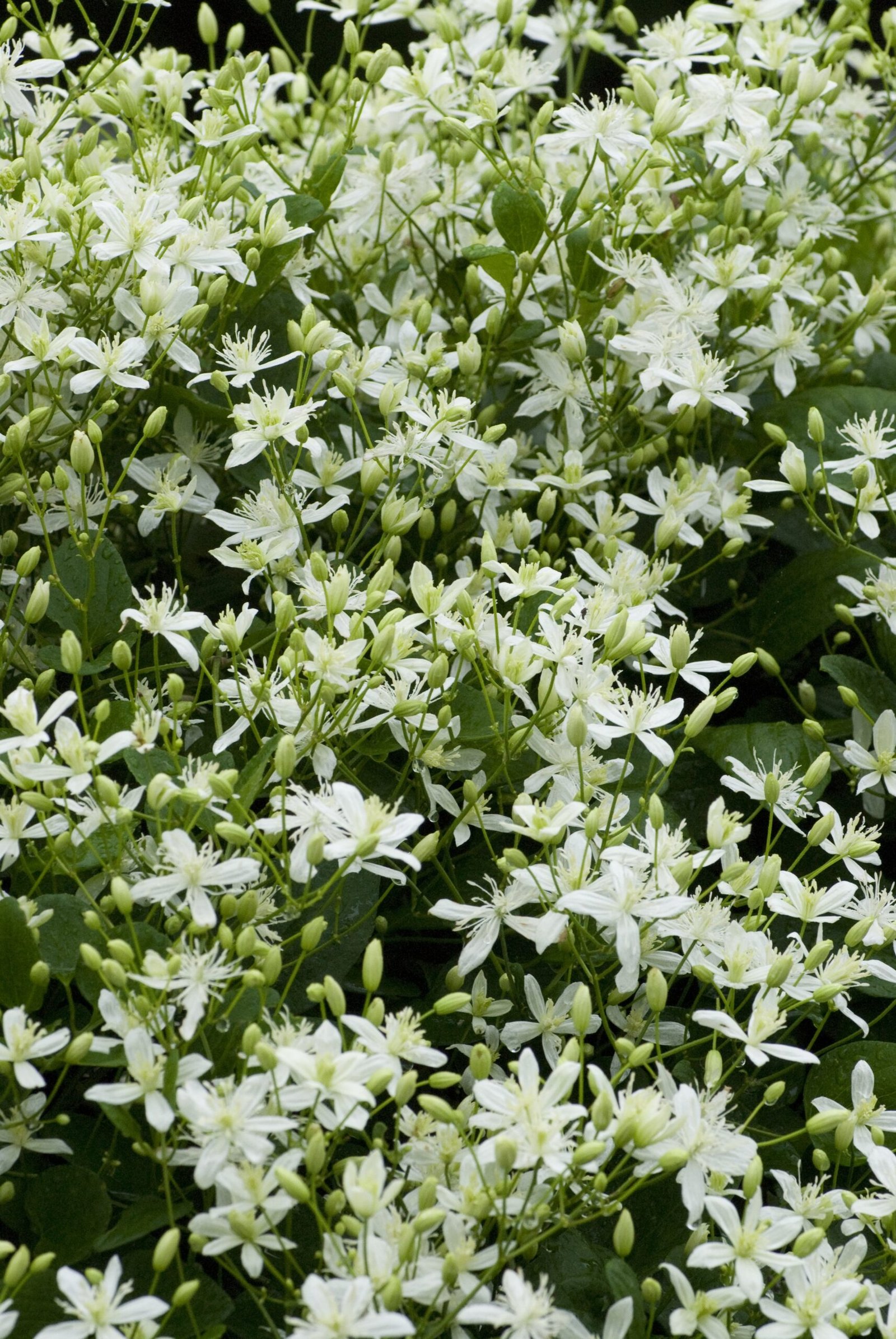
The sweet scent and starry white flowers of sweet autumn clematis make it a beloved addition to many gardens. But left unchecked, this vigorous vine can climb over shrubs, fences, and trees, quickly forming dense, tangled thickets. It spreads both by seed and by rooting wherever its stems touch the ground. In natural areas, sweet autumn clematis overwhelms native vegetation, robbing insects and birds of the plants they depend on. Its rapid growth and tenacity make it a formidable foe in the battle for space and sunlight.
Purple Loosestrife: The Marsh Monarch
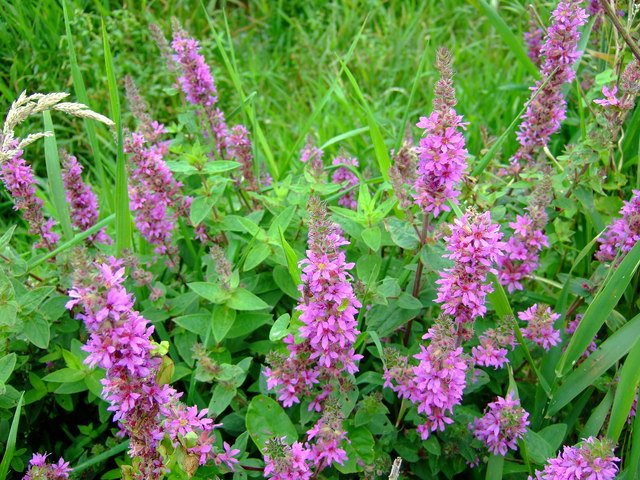
Fields and wetlands awash in purple loosestrife blooms look like scenes from a fairytale. But this plant is anything but magical for native species. Each plant can produce up to 2.5 million seeds a year, allowing it to spread explosively. Once established, purple loosestrife outcompetes native marsh grasses and flowers, transforming diverse wetlands into monocultures. This reduces food and shelter for birds, fish, and insects, undermining entire wetland ecosystems. Its beauty draws people in, but its impact is devastatingly clear.
Japanese Barberry: The Spiny Survivor
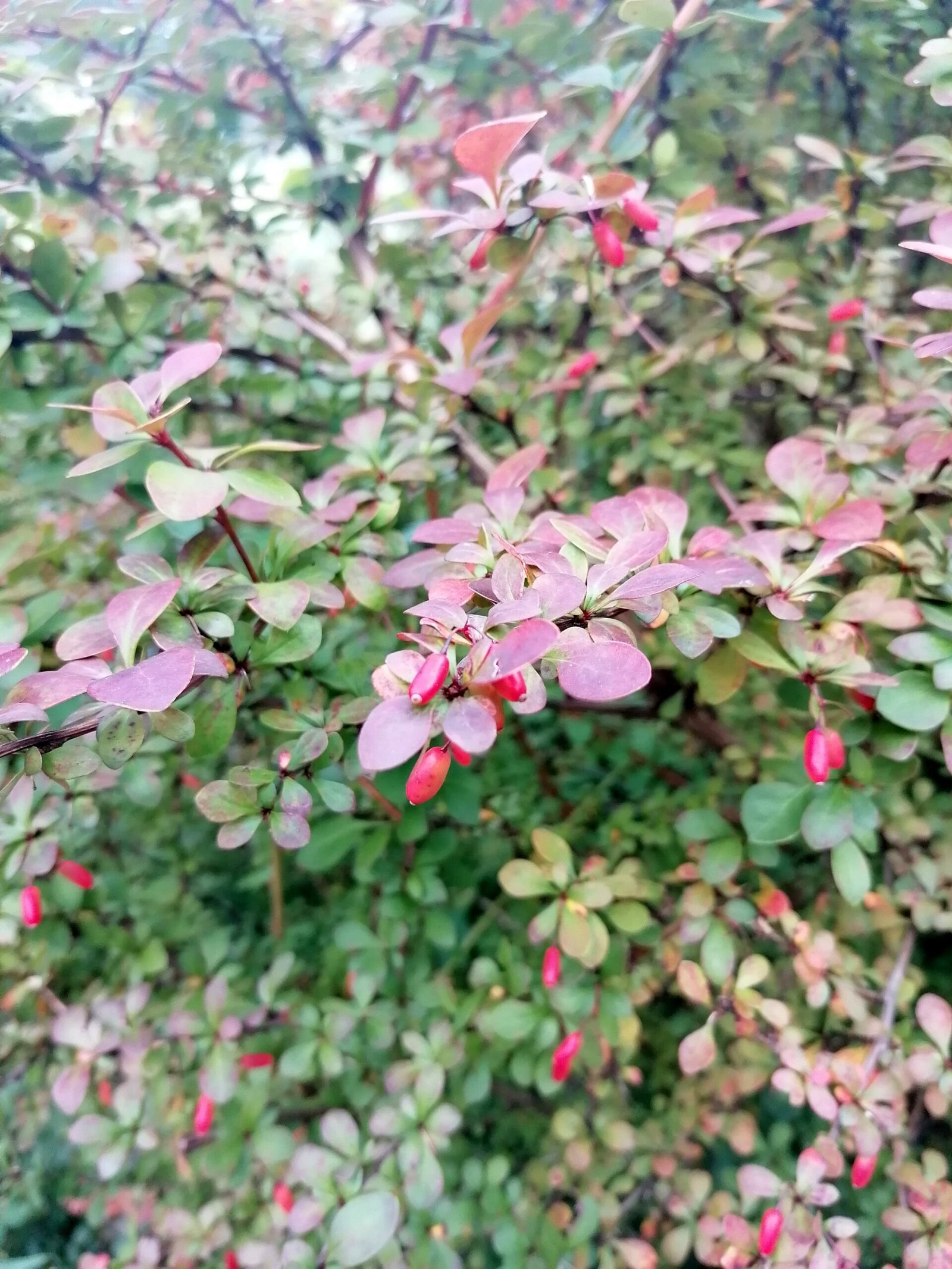
Japanese barberry’s bright red berries and compact, thorny form make it a popular hedge plant. But in forests, it creates dense, prickly thickets that shade out native plants and alter soil chemistry. Barberry also provides perfect hiding places for ticks, increasing the risk of Lyme disease for people and animals. Its ability to thrive in a wide range of conditions means it spreads quickly, making it one of the most persistent invaders in many regions. What starts as a pretty hedge can end up as a biological fortress.
Privet: The Hedge That Won’t Quit
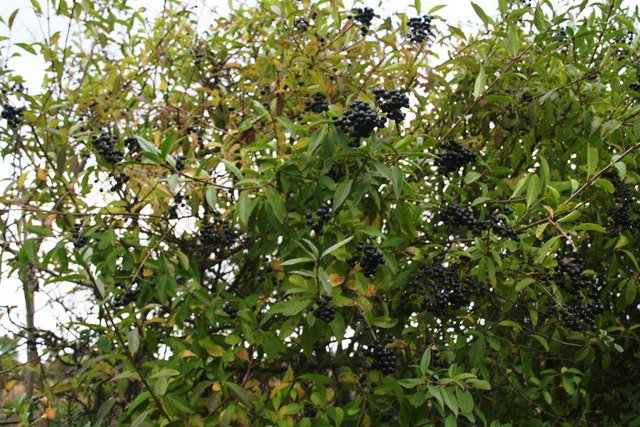
Privet is a classic choice for neat, green hedges around homes and parks. But beyond the garden fence, privet spreads aggressively, forming dense walls of greenery that block sunlight from native plants. Birds eat its berries and disperse the seeds far and wide, helping privet invade forests, fields, and riverbanks. Once established, privet is hard to remove, as its roots send up new shoots whenever cut back. Its relentless growth and thick foliage turn once-diverse landscapes into monotonous green corridors.
Tree of Heaven: The Urban Survivor with a Sinister Agenda
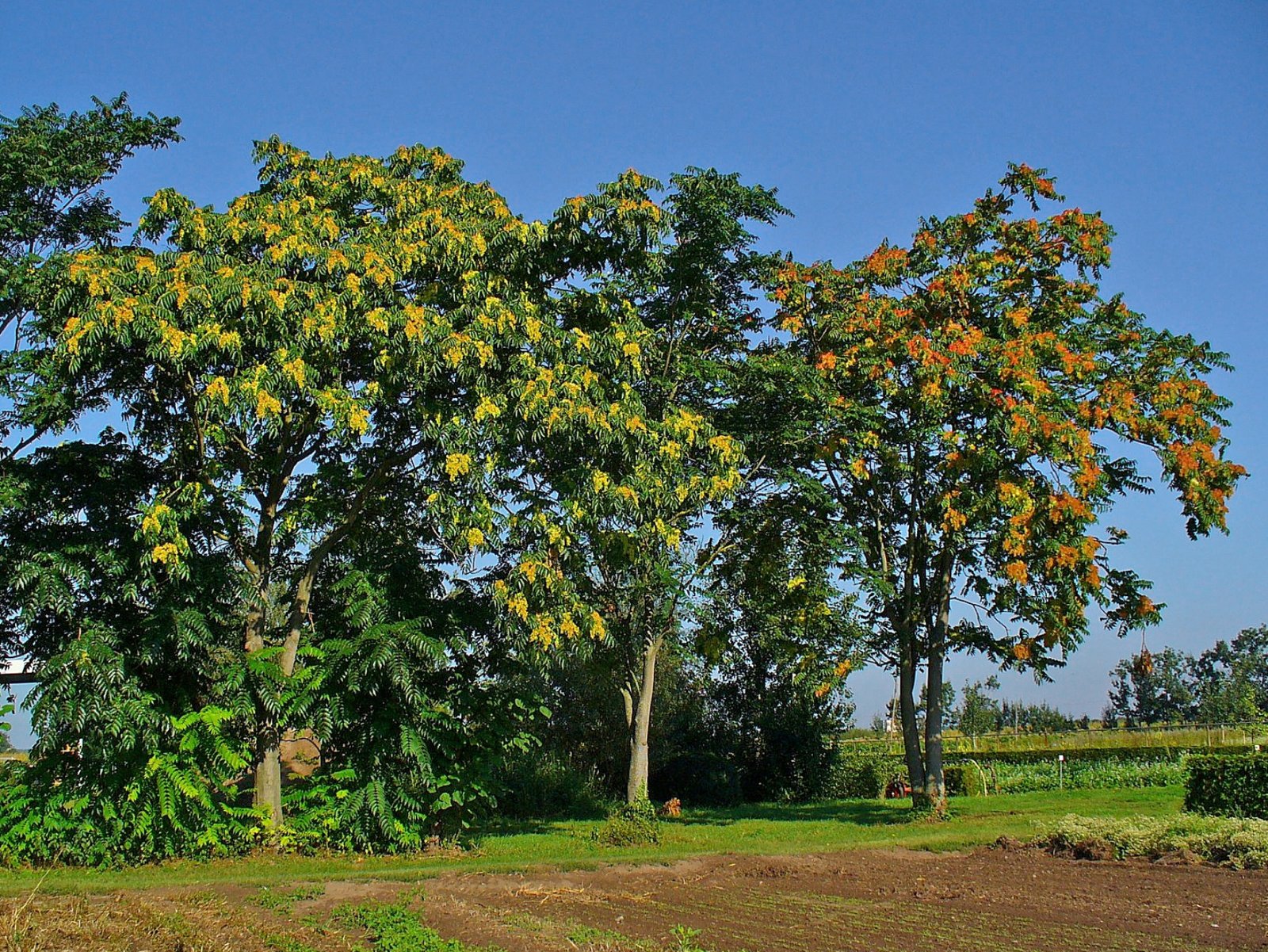
The tree of heaven stands out with its tall, straight trunk and feathery leaves. It’s incredibly tough, thriving in polluted city lots and along highways where few other trees survive. But its roots release chemicals that inhibit the growth of other plants—a phenomenon known as allelopathy. Tree of heaven also produces huge numbers of wind-blown seeds, allowing it to colonize new areas rapidly. Its spread crowds out native trees and shrubs, and it’s the preferred host for the invasive spotted lanternfly, compounding its impact.
Garlic Mustard: The Forest Floor Fighter
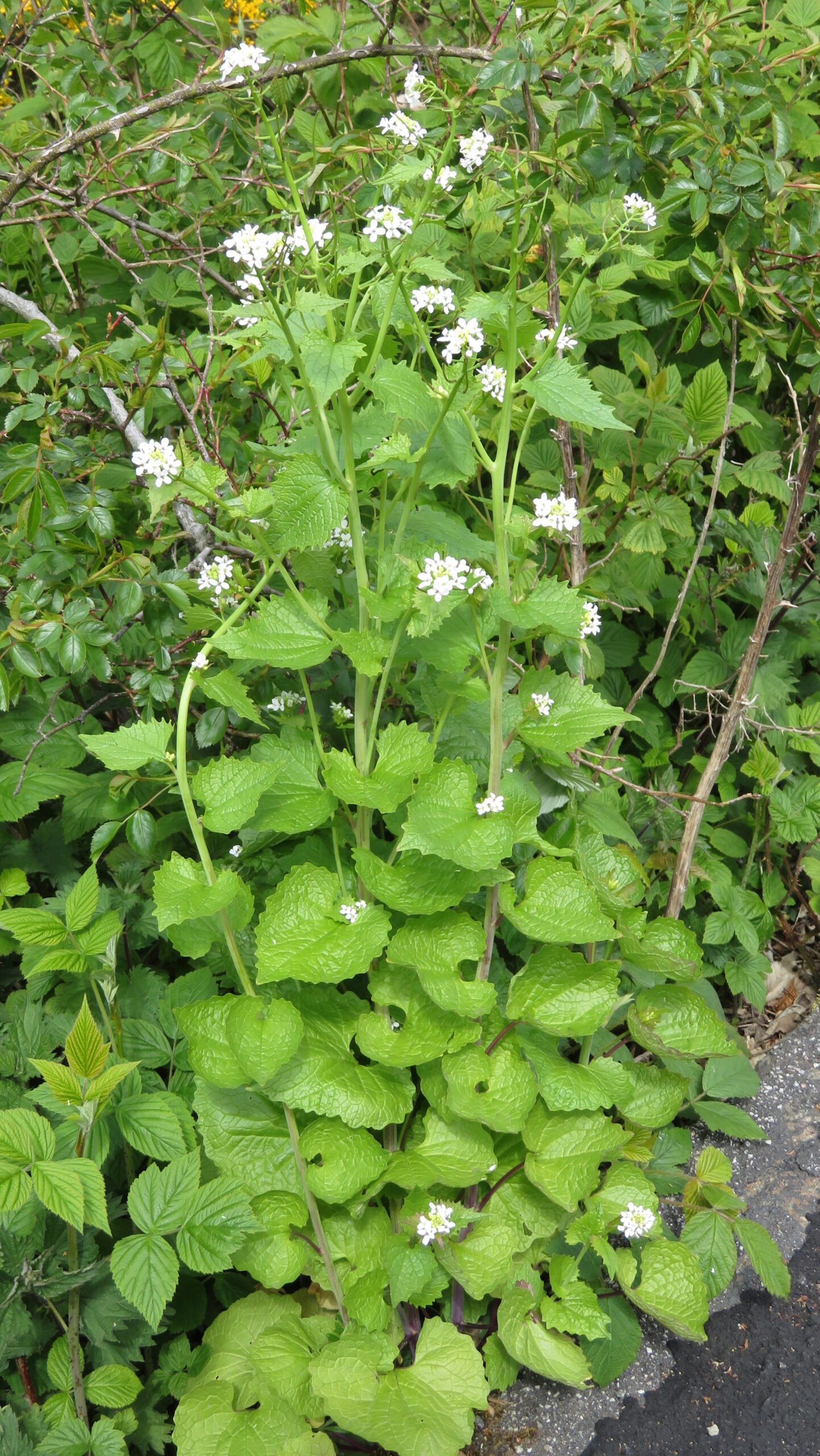
Garlic mustard is a small plant with heart-shaped leaves and tiny white flowers, but don’t let its size fool you. It’s a fierce competitor, especially in woodlands. Garlic mustard releases chemicals that disrupt the growth of native plants and fungi, undermining relationships that have evolved over millennia. Its seeds stay viable in the soil for up to five years, making eradication a real challenge. As it spreads, garlic mustard reduces the diversity of wildflowers and the insects that depend on them.
Himalayan Balsam: The Exploding Menace
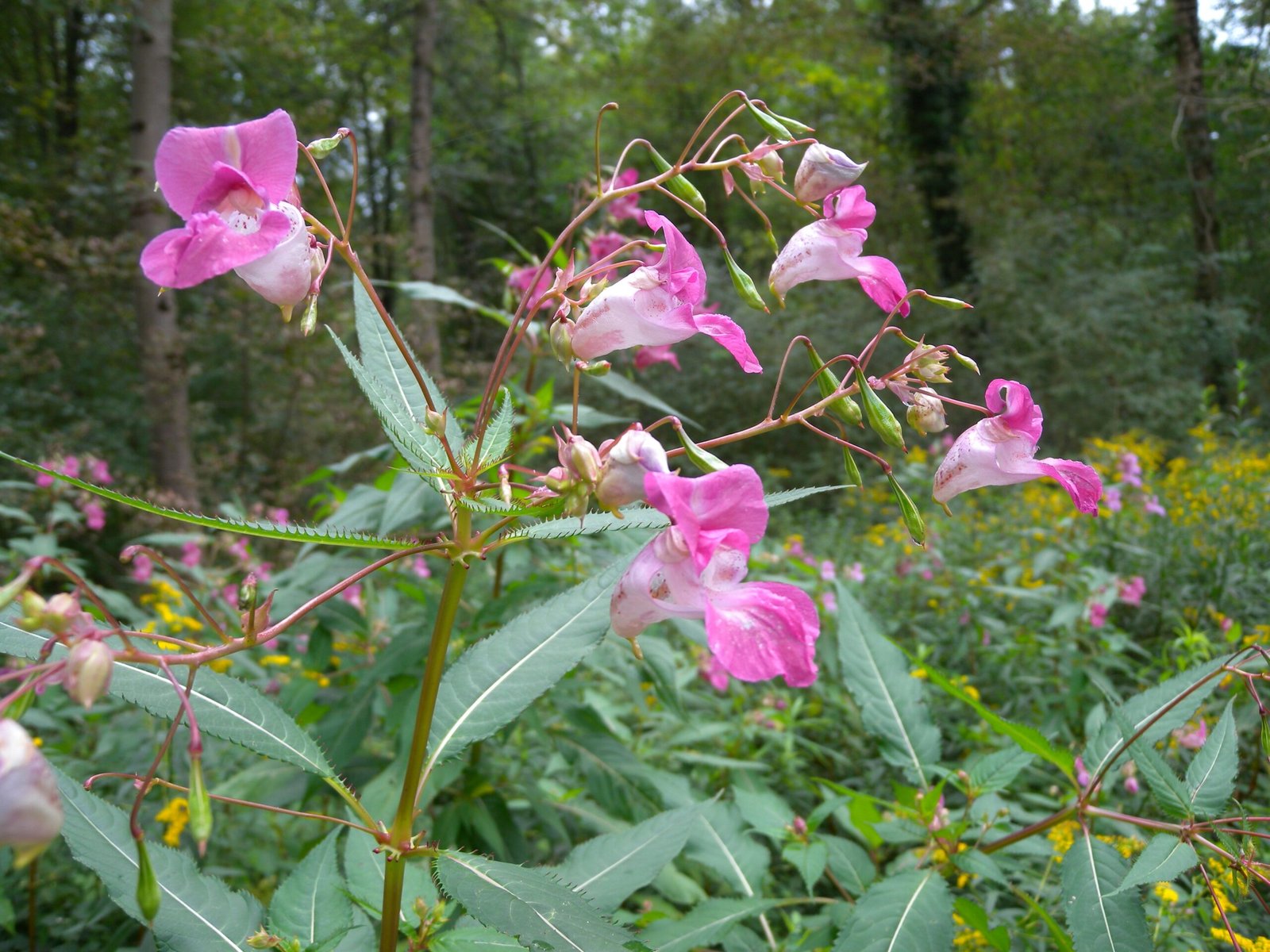
Himalayan balsam looks like a florist’s dream, with pink-purple flowers and a sweet fragrance. But its seed pods explode at the slightest touch, flinging seeds up to 20 feet away. Along rivers and streams, Himalayan balsam forms dense stands that crowd out native plants and destabilize banks. When it dies back in winter, it leaves bare soil open to erosion. Its rapid growth and explosive spread make it a serious threat to waterways and the creatures that depend on them.
Miscanthus: The Ornamental Grass with a Wild Streak
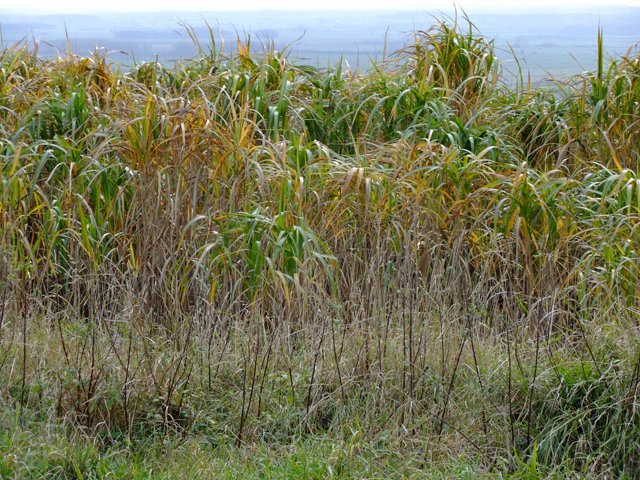
Miscanthus, or maiden grass, is prized for its elegant plumes and graceful arching stems. It’s widely used in landscaping for its drought tolerance and dramatic looks. But some varieties of miscanthus are now invading prairies, wetlands, and roadsides, forming dense stands that exclude native grasses and wildflowers. As it spreads, miscanthus alters fire regimes and nutrient cycles, threatening the balance of natural grasslands. Its beauty is undeniable, but its wild side can be hard to control.
Tamarisk: The Salt Cedar That Drains Deserts
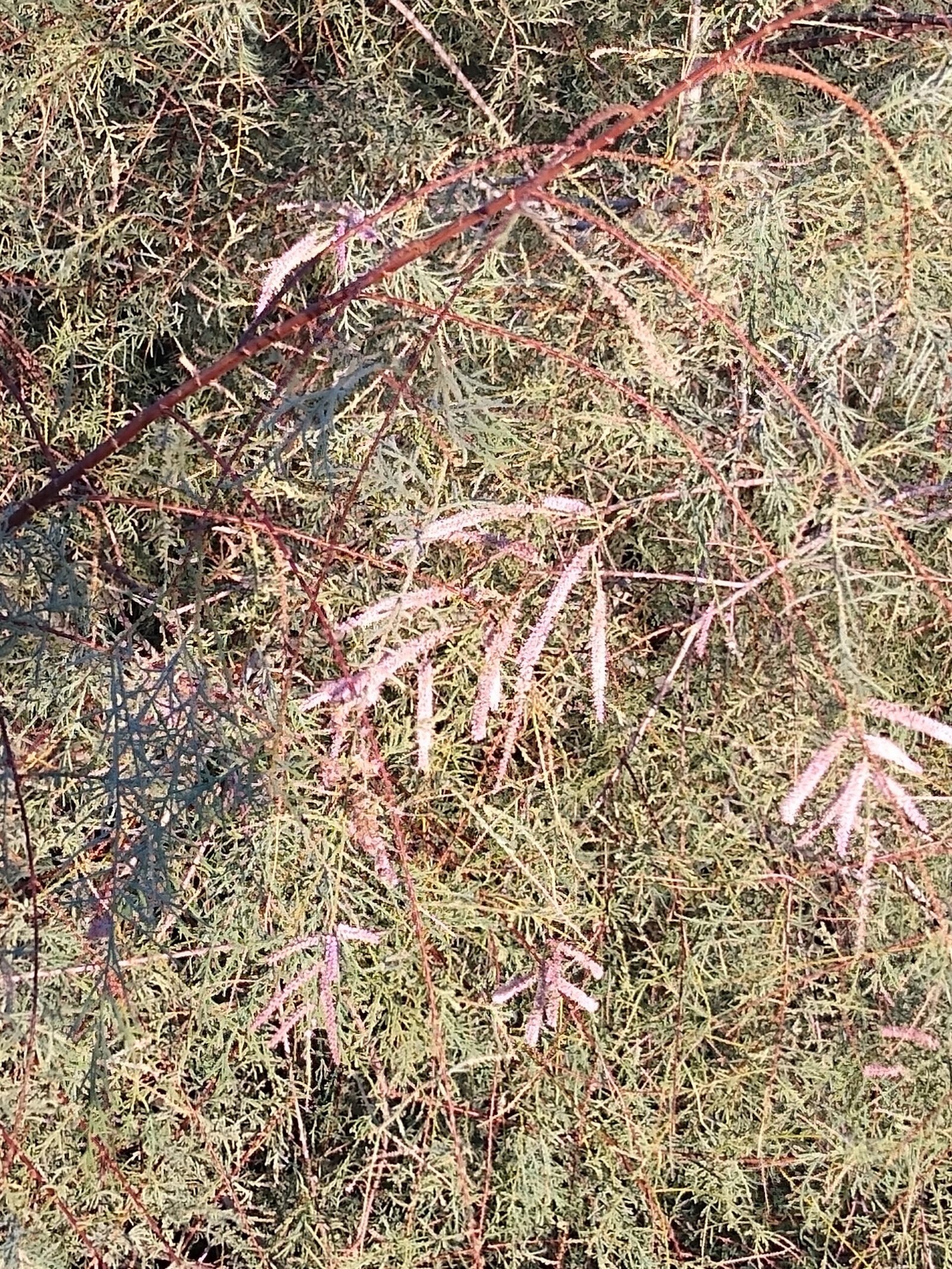
Tamarisk, or salt cedar, is a delicate-looking shrub with feathery pink flowers and fine, needle-like leaves. It was introduced to control erosion and provide shade, but quickly became a desert menace. Tamarisk’s deep roots suck up vast amounts of water, lowering water tables and drying out wetlands. It secretes salt from its leaves, making the soil inhospitable for native plants. As it spreads along rivers and streams, tamarisk transforms lush habitats into salty wastelands, leaving wildlife with little to survive on.
Oleander: The Poisonous Beauty
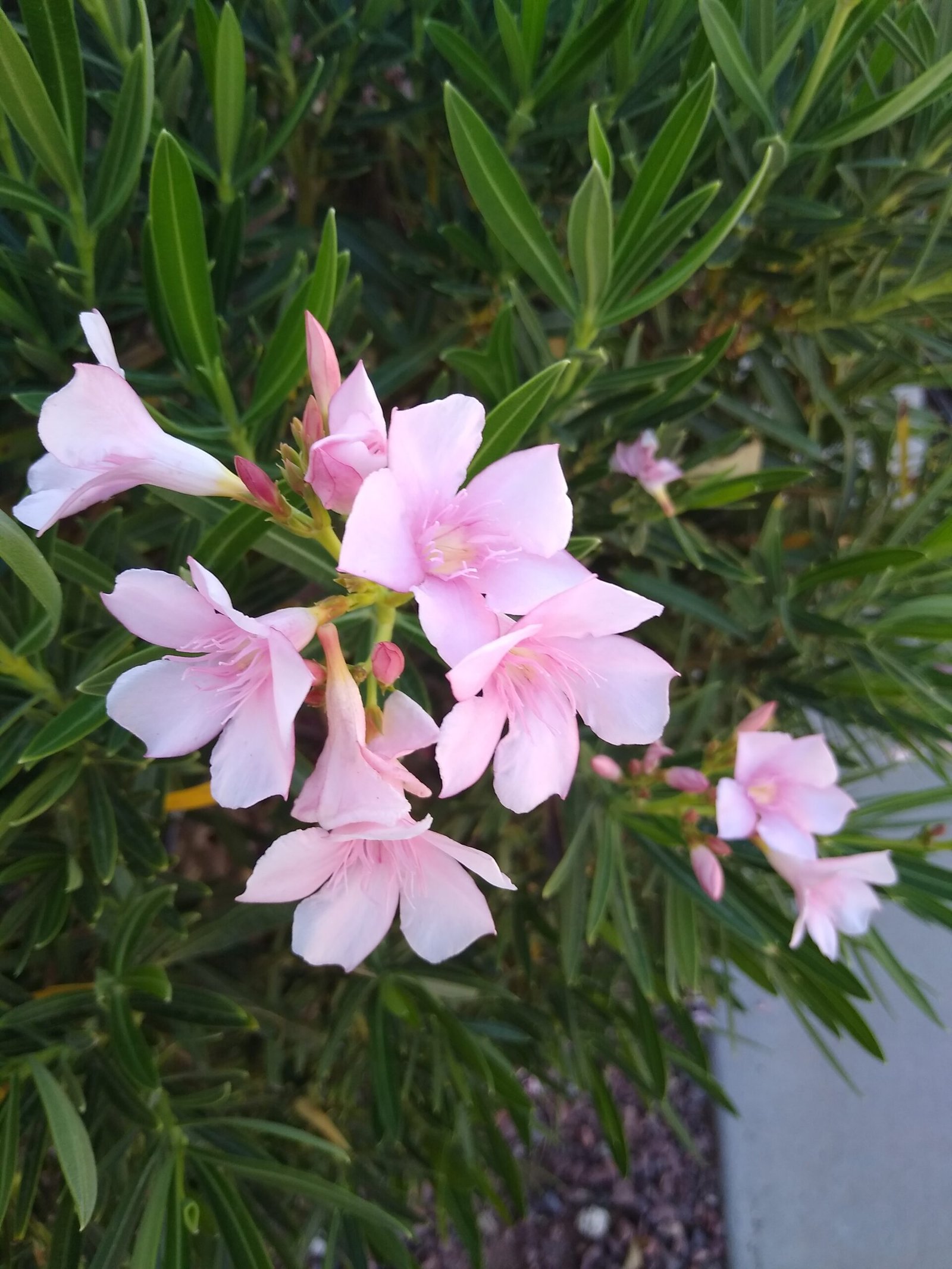
Oleander is famous for its glossy leaves and clusters of pink, white, or red flowers. It’s grown as an ornamental in warm climates around the world. But every part of the plant is toxic—so much so that a single leaf can kill a child if eaten. When oleander escapes cultivation, it forms dense thickets that outcompete native shrubs and trees. Its toxins deter most herbivores, giving it a competitive edge in the wild. Oleander’s beauty is matched only by its deadly potential, both for people and for ecosystems.
Takeaway: Beauty Isn’t Always Benign
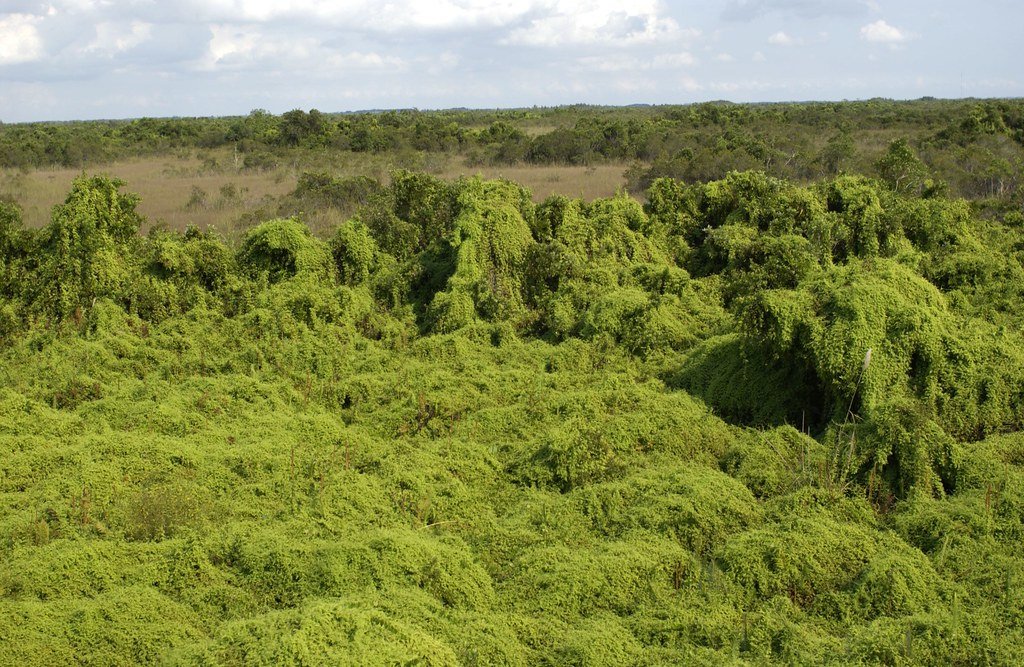
The most enchanting plants can sometimes be the most destructive. Their beauty, resilience, and adaptability make them favorites in gardens and landscapes, but also give them the power to disrupt entire ecosystems. As we marvel at their blossoms and foliage, it’s crucial to remember that every plant has a story—and sometimes, that story is one of silent invasion and ecological upheaval. The next time you admire a beautiful plant, ask yourself: is it a friend, or a secret assassin?