
In the complex and intricate web of life on Earth, the balance between humans and nature is becoming increasingly strained. Overpopulation is a pressing issue that not only affects our urban landscapes but also exerts immense pressure on wildlife. As we expand our cities and search for more resources, the natural world around us is forced to adapt—or face dire consequences. This article delves into how the burgeoning human population is impacting our planet’s wildlife and the ecosystems they inhabit.
The Expanding Human Footprint
Population growth has led to the unprecedented expansion of urban areas and agricultural lands. This expansion encroaches on natural habitats, leading to habitat loss for countless species. As forests are cleared and wetlands drained, animals are left with shrinking spaces to live, hunt, and thrive. The conversion of wild spaces into human-dominated landscapes is one of the most significant threats to wildlife today.
Loss of Biodiversity

As habitats are destroyed, biodiversity suffers. The loss of various species can disrupt ecosystems, leading to imbalances that affect all levels of life. For example, the decline of pollinators such as bees and butterflies can impact plant reproduction, ultimately affecting food supplies for both humans and animals. Biodiversity is crucial for maintaining ecosystem health, and its loss can have cascading effects.
Wildlife vs. Human Infrastructure

Infrastructure development, such as highways and railways, often fragments habitats, creating barriers that disrupt animal migration patterns and access to resources. This segmentation leads to isolated animal populations that struggle to find mates and genetic diversity, increasing their vulnerability to extinction. Efforts to create wildlife corridors are crucial to mitigate these impacts and allow for movement between fragmented habitats.
Pollution: A Growing Threat

Overpopulation contributes to increased pollution, affecting land, air, and water. These pollutants pose direct threats to wildlife health, causing disease, reproductive failure, and even death. Water bodies contaminated by agricultural runoff and industrial waste impact aquatic life, while air pollution can harm birds and other terrestrial animals. Effective waste management and pollution control are vital in reducing these threats.
Climate Change and Overpopulation

Human activities fueled by overpopulation contribute to climate change, a significant driver of wildlife stress. Changes in temperature and weather patterns disrupt ecosystems and can lead to habitat shifts, forcing animals to relocate or adapt quickly. Species unable to keep pace with these changes face increased risks of extinction.
Human Wildlife Conflict

As human populations expand into wild areas, encounters with wildlife become more frequent. This can lead to conflicts, such as livestock predation by large carnivores or crop raiding by herbivores. To address this, sustainable management practices that encourage coexistence are crucial, ensuring that both human and animal needs are balanced.
The Threat of Invasive Species

Overpopulation can exacerbate the spread of invasive species, which often thrive in disturbed environments. These species can outcompete native fauna for resources, leading to declines in native populations and altering ecosystems. Effective management and prevention strategies are critical to curb the spread of invasive species and protect native biodiversity.
Impact on Marine Life

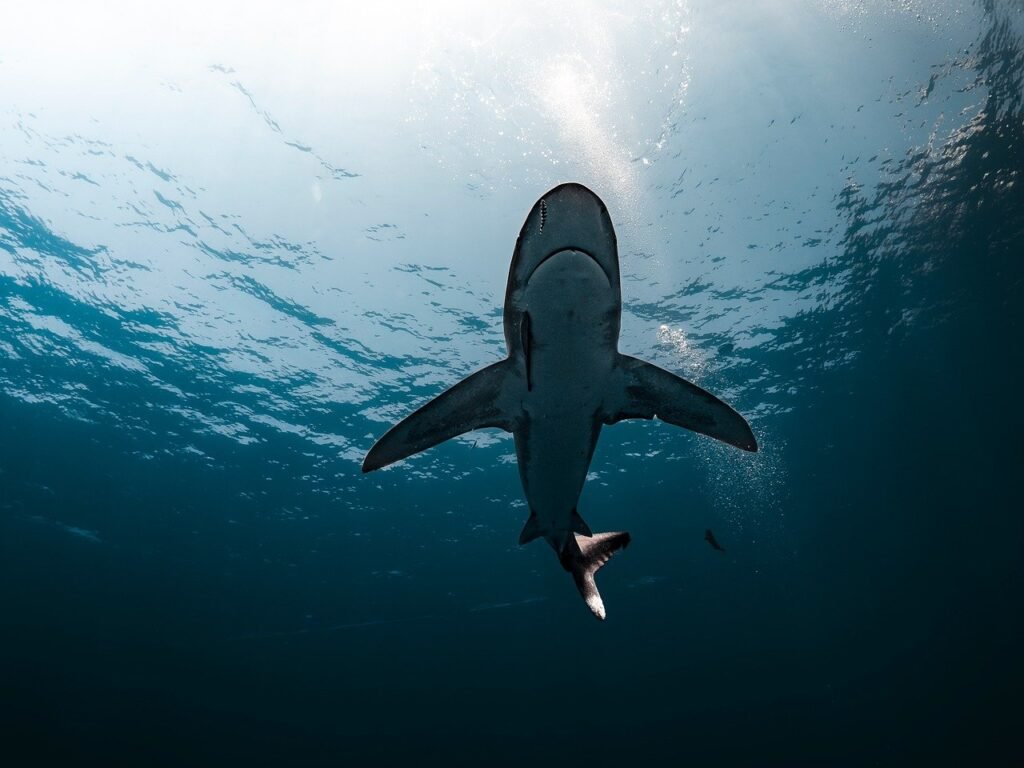
With overpopulation comes increased demand for marine resources, including fish and seafood. Overfishing and habitat destruction such as coral reef damage are major concerns, leading to declines in marine biodiversity. Sustainable fisheries management and marine conservation efforts are essential to preserving ocean ecosystems for future generations.
Loss of Tropical Rainforests

Tropical rainforests, often referred to as the lungs of the Earth, are rapidly disappearing due to agricultural expansion and logging. These forests are home to a vast array of wildlife and play a crucial role in regulating the global climate. Protecting rainforests through conservation efforts is vital for maintaining biodiversity and ecosystem services.
Conservation Efforts and Solutions

Despite the challenges posed by overpopulation, there are solutions. Conservation initiatives, such as protected areas and wildlife preserves, play a key role in safeguarding habitats and species. Additionally, raising public awareness and promoting sustainable living practices can help mitigate human impact on wildlife.
Technological Innovations

Advancements in technology offer new ways to protect wildlife. From satellite tracking for migration monitoring to drones for anti-poaching efforts, technology enhances our ability to study and conserve animal populations. These innovations not only improve conservation efforts but also engage the public in wildlife protection.
The Role of Education

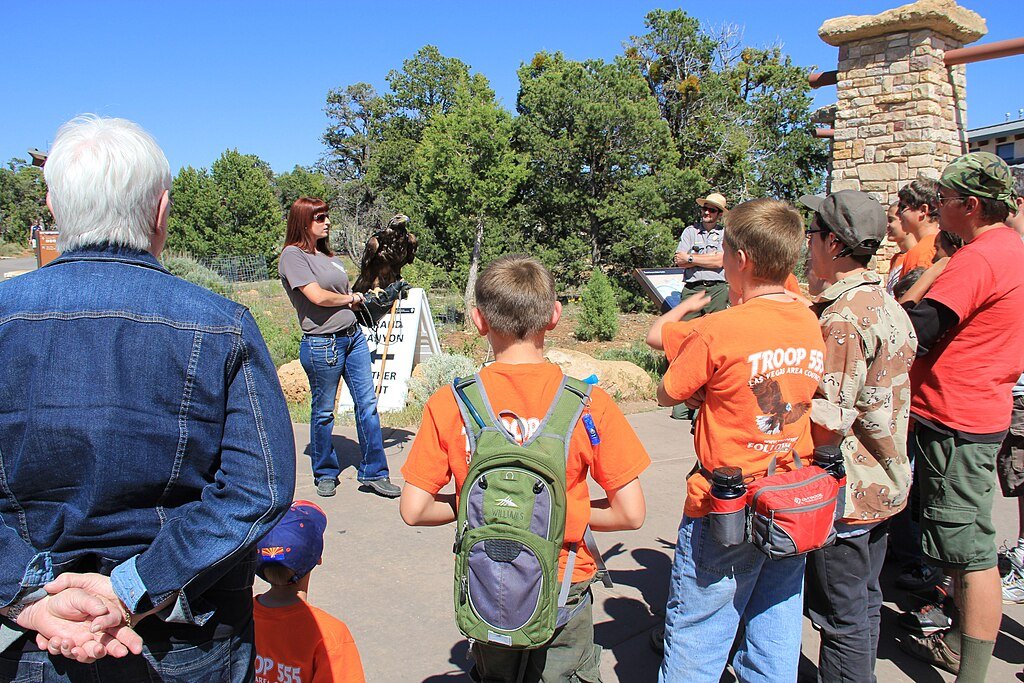
Education is critical in fostering a deep understanding of the intricate balance between humans and nature. By incorporating environmental education into school curricula and community programs, we can inspire the next generation to be proactive stewards of the planet and its wildlife.
Rewilding Initiatives

Rewilding is an innovative approach to conservation that involves restoring ecosystems to their natural states. By reintroducing native species and removing human influences, these projects aim to restore ecological balance. Successful rewilding projects have shown promise in increasing biodiversity and ecosystem resilience.
Community Based Conservation

Empowering local communities to take an active role in conservation can lead to sustainable outcomes. Community-based programs provide economic benefits through ecotourism and sustainable resource use, encouraging environmental stewardship and reducing the pressure on wildlife habitats.
The Role of Policy and Legislation

Strong environmental policies and legislation are needed to regulate human activities and protect wildlife. International agreements, such as the Convention on Biological Diversity, play a vital role in fostering global cooperation to address the challenges of overpopulation and environmental degradation.
Promoting Sustainable Agriculture

To feed a growing global population without compromising wildlife habitats, sustainable agricultural practices must be adopted. Techniques such as agroforestry, permaculture, and organic farming can increase food production while preserving biodiversity and reducing habitat loss.
The Importance of Ecosystem Services

Ecosystem services, such as pollination, water purification, and carbon sequestration, are vital for human survival and depend on healthy ecosystems. By valuing these services and integrating them into economic planning, we can create incentives for wildlife conservation and sustainable resource management.
Innovative Funding for Conservation

New funding models, such as conservation finance and biodiversity credits, are emerging as effective tools for financing wildlife protection efforts. By leveraging private investment and market mechanisms, these models provide the necessary resources for large-scale conservation projects.
Conclusion

The battle between humans and nature is ongoing, and the effects of overpopulation on wildlife are profound. However, through concerted efforts encompassing conservation, education, and sustainable practices, we have the power to mitigate these impacts. By valuing biodiversity and prioritizing the protection of our planet’s rich ecosystems, we can ensure that wildlife not only survives but thrives alongside us. The path forward requires collaboration, innovation, and a deep commitment to preserving the natural world for future generations.