
The windswept high desert of Idaho seems an unlikely place to uncover one of Europe’s oldest mysteries. Picture a group whose language is unlike any other in the world—a people with roots that reach back before the Roman Empire, who somehow found their way from the misty mountains of northern Spain and southwestern France to the rugged valleys of the American West. The story of the Basques in Idaho is one of resilience, curiosity, and quiet brilliance. It’s a tale that stirs the imagination, inviting us to explore how a singular culture crossed oceans to thrive in the shadow of the Rockies.
Who Are the Basques?
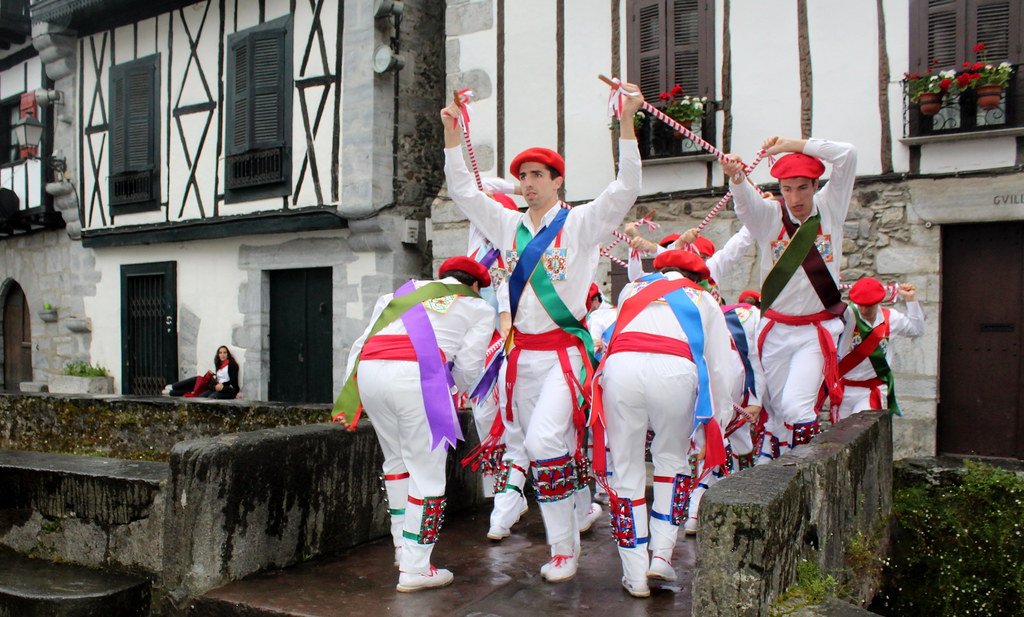
The Basques, or Euskaldunak as they call themselves, have fascinated linguists and anthropologists for centuries. Their homeland, known as Euskal Herria, straddles the border between Spain and France along the jagged peaks of the western Pyrenees. What makes them so mysterious? For starters, their language—Euskara—has no known relatives. It isn’t linked to Spanish, French, or any Indo-European tongue. Scientists have long puzzled over where the Basques came from, with genetic research suggesting they are the descendants of some of the oldest inhabitants of Europe. That deep history is etched into their customs, music, and traditional sports, making their story feel almost mythic.
The Great Migration: From the Pyrenees to Idaho
How did these enigmatic Europeans end up in Idaho’s rolling hills? The answer begins in the late 1800s, when waves of Basques left their mountainous homeland seeking better opportunities. Many headed for the Americas, drawn by tales of gold, open land, and freedom from political strife. Idaho, with its vast stretches of grazing land, reminded Basque immigrants of their native countryside. The region’s growing sheep industry offered steady work, and by the early 20th century, Basque sheepherders became a familiar sight across the state. Their journey was one of both hardship and hope, forging a new chapter far from home.
Life as Sheepherders: Grit and Solitude
Basque sheepherders in Idaho led lives marked by solitude and endurance. Imagine months in the wild, caring for flocks through snowstorms and blazing summers, with only loyal dogs and the sound of the wind for company. Many Basques slept in small, canvas-covered wagons called “sheep wagons,” which became a symbol of their resilience. Despite the isolation, these herders developed tight-knit bonds, often gathering on weekends for lively dances and communal meals. Their stories are filled with grit and quiet determination, echoing the spirit of their ancestors in the Pyrenees.
Cultural Identity: Preserving Euskara and Traditions
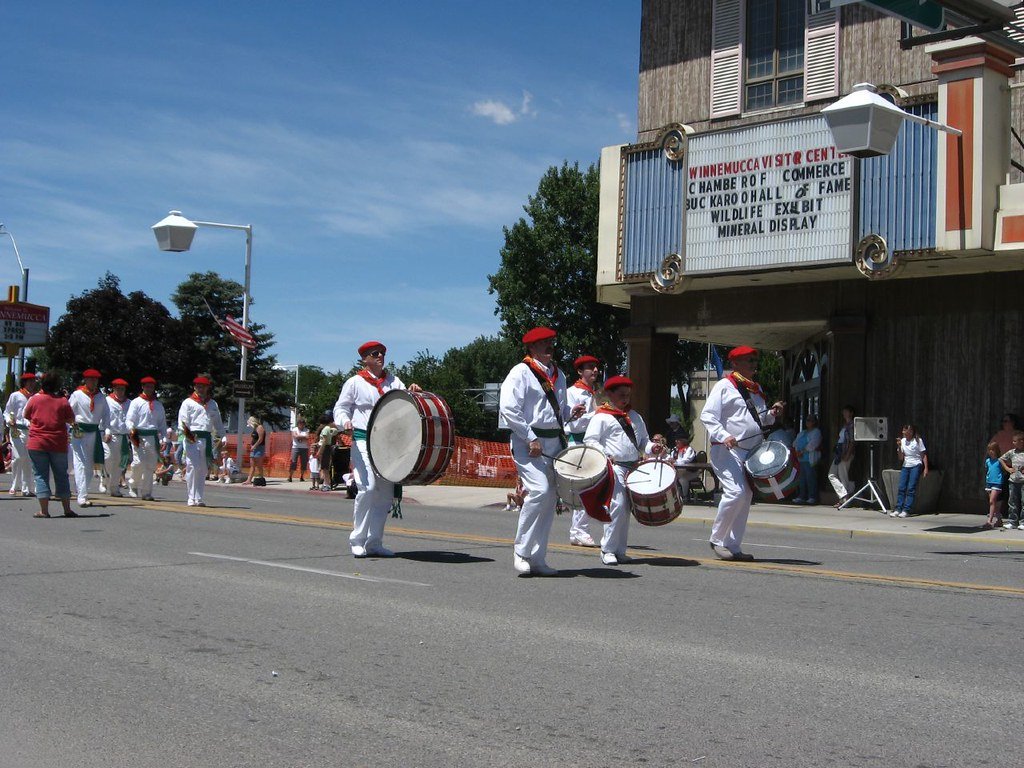
One of the most remarkable aspects of the Basques in Idaho is their dedication to preserving their language and customs. Community centers known as “Basque Centers” sprang up in towns like Boise, serving as gathering places for celebrations, language classes, and traditional dance. Even today, you might hear Euskara spoken at family gatherings or see children learning ancient dances like the jota. Basque festivals, with their colorful costumes and energetic music, bring a slice of the old country to the American West, keeping the culture alive for new generations.
Basque Cuisine: A Taste of Home
Food is a powerful thread connecting Basques to their heritage. In Idaho, Basque restaurants and boarding houses became hotspots for hearty meals that fueled weary workers—think lamb stews, spicy chorizos, and pillowy loaves of bread. Dishes like “solomo” (pork loin with peppers) and “paella” (saffron-infused rice with seafood or meat) offer a sensory link to the homeland. Meals are more than nourishment; they are social rituals, bringing people together in laughter and song, just as they did in the old world.
Community and Connection in Boise
Today, Boise stands as the heart of Basque America. The city’s Basque Block buzzes with activity, from bustling bakeries to the rhythmic stomping of dance troupes. Murals and plaques tell stories of immigration and perseverance. The annual Jaialdi festival draws Basques from around the globe, transforming downtown into a sea of green, red, and white—the colors of the Basque flag. Boise’s Basque community isn’t just about nostalgia; it’s a living, evolving culture that welcomes anyone curious enough to step inside.
The Science Behind the Basque Mystery

Researchers have long been intrigued by the Basques’ genetic and linguistic uniqueness. Recent DNA studies show that Basques possess distinctive markers, supporting the idea that they descend from some of Europe’s earliest inhabitants. Their language, Euskara, has resisted the tides of conquest and change, surviving even as neighboring tongues disappeared. Scientists speculate that geographic isolation in the Pyrenees helped preserve these ancient features, making the Basques a living link to prehistoric Europe. In Idaho, this legacy continues, woven into the stories and faces of today’s Basque Americans.
Basque Sports: Strength and Spirit
Basque sports are as unique as their language. In Idaho, traditional games like “pelota” (a fast-paced ball game) and “weight carrying” competitions thrill audiences at local festivals. These sports, which test agility and raw strength, are more than entertainment—they are rituals that celebrate endurance and camaraderie. Watching a Basque strongman hoist a giant stone, you get a sense of the pride and stubborn will that has carried this culture across continents.
Nature and the Basque Connection

For the Basques of Idaho, nature is not just a backdrop—it’s a partner in the story of survival. Their skills as shepherds are rooted in centuries of working with the land. The high desert, with its sweeping sagebrush and hidden springs, became a canvas for their traditions. Basque herders learned to read the stars, the weather, and the moods of their animals, blending ancient wisdom with the demands of the American landscape. This close connection to nature resonates with anyone who loves wide-open spaces and the lessons they teach.
Modern Challenges and New Generations
Like many immigrant communities, the Basques of Idaho face questions about identity and change. Younger generations balance pride in their heritage with the realities of modern American life. There are efforts to revitalize the Basque language, teach traditional skills, and adapt customs for a new era. At the same time, Basque Americans are forging new paths in business, politics, and the arts. Their journey is proof that a vibrant culture can adapt and flourish far from its original home.
Legacy and Inspiration
The Basques of Idaho offer a powerful lesson in resilience and belonging. Their story is one of crossing boundaries—geographic, linguistic, and cultural—and finding ways to thrive. From sheep camps to city festivals, they have built bridges between worlds, inspiring anyone who values heritage and the courage to start anew. The Basques remind us that mystery can be a source of strength, and that even in the most unlikely places, ancient traditions can find fresh life.