
Centuries before Columbus set sail, there are tantalizing hints of earlier contact between Europe and North America. One of these enigmatic clues is the mysterious Baffin Island Face. This ancient rock carving, found on the rugged and remote Baffin Island, has sparked debate among archaeologists, historians, and enthusiasts alike. Could this be evidence of early European explorers venturing into the New World long before it was officially discovered? This article delves into the fascinating possibility that the Baffin Island Face might hold secrets that could rewrite history as we know it.
The Discovery of the Baffin Island Face

The Baffin Island Face was discovered by a team of archaeologists exploring the rugged landscapes of Canada’s Arctic. Situated on a large boulder, this intriguing carving depicts a face with distinct European features. The discovery was unexpected, as the region is sparsely populated and its harsh conditions have preserved few artifacts. The carving immediately captured the attention of the scientific community, igniting curiosity about its origins and significance. Archaeologists have since been working tirelessly to understand the context of this artifact, comparing it to other known carvings and examining its surroundings for additional clues.
Analyzing the Carving’s Features
Upon close inspection, the Baffin Island Face reveals characteristics that are unusual for indigenous carvings of the area. The facial features, including a pronounced nose and deep-set eyes, resemble those found in European art of the time. This has led some researchers to hypothesize that the carving may be the work of Norse explorers who ventured into the region. The precision and style of the carving suggest a level of craftsmanship that aligns with European techniques, further fueling the debate. However, skeptics argue that these features could be coincidental or misinterpreted, emphasizing the need for further study.
Historical Context of Norse Exploration

To understand the significance of the Baffin Island Face, it’s essential to consider the history of Norse exploration. The Vikings, known for their seafaring prowess, reached Greenland and parts of North America, including Newfoundland, around the 10th century. Historical records and archaeological evidence support their presence in these regions, indicating that they could have traveled even further. The idea that Norse explorers might have reached Baffin Island is not far-fetched, given their known capabilities and adventurous spirit. This context provides a plausible backdrop for the carving, suggesting it could be a relic of their journey.
Comparisons with Other Norse Artifacts
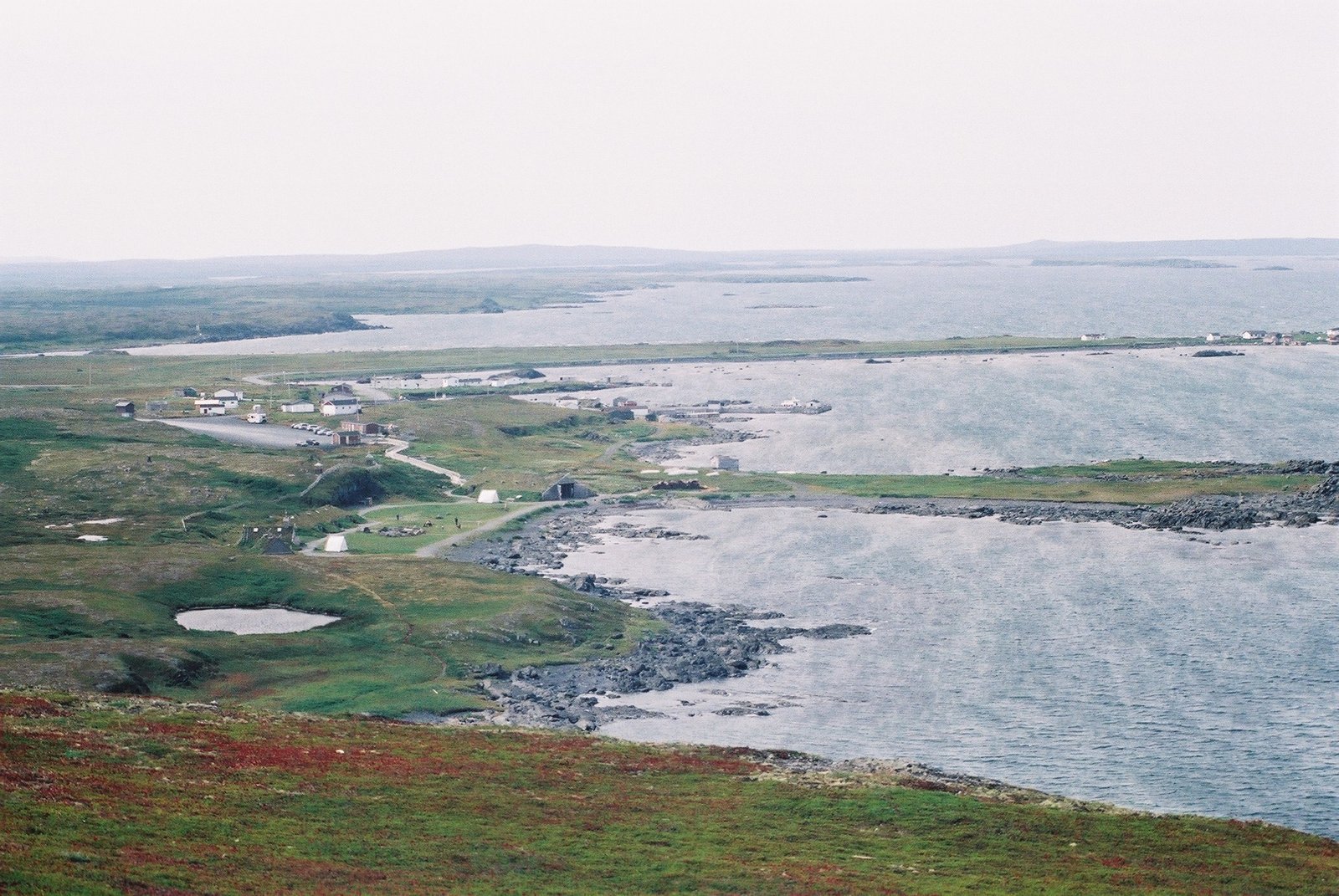
The Baffin Island Face is not the only artifact that hints at early European contact. Other findings, such as the L’Anse aux Meadows site in Newfoundland, have provided concrete evidence of Norse settlements in North America. Comparing the style and craftsmanship of the Baffin Island Face with known Norse artifacts can offer insights into its origins. Similarities in technique and materials used could strengthen the case for a Norse connection. However, the challenge lies in the limited number of artifacts available for comparison, making it difficult to draw definitive conclusions.
The Role of Indigenous Cultures
While the focus has been on the potential European origins of the Baffin Island Face, it’s crucial to consider the role of indigenous cultures in the region. The Inuit and their ancestors have a rich tradition of carving and art, which could have influenced or even produced the artifact. Understanding the interactions between Norse explorers and indigenous peoples is vital, as these encounters could have led to cultural exchanges. This perspective broadens the scope of the investigation, highlighting the complexity of historical interactions in the Arctic.
Scientific Techniques in Artifact Analysis

Modern science offers tools that can aid in the analysis of the Baffin Island Face. Techniques such as radiocarbon dating and microscopic analysis can provide clues about the age and origin of the carving. By examining the material composition and weathering patterns, researchers can estimate when the carving was made and under what conditions. These scientific methods are invaluable in building a clearer picture of the artifact’s history, potentially supporting or challenging the theory of pre-Columbus contact.
Challenges in Verification
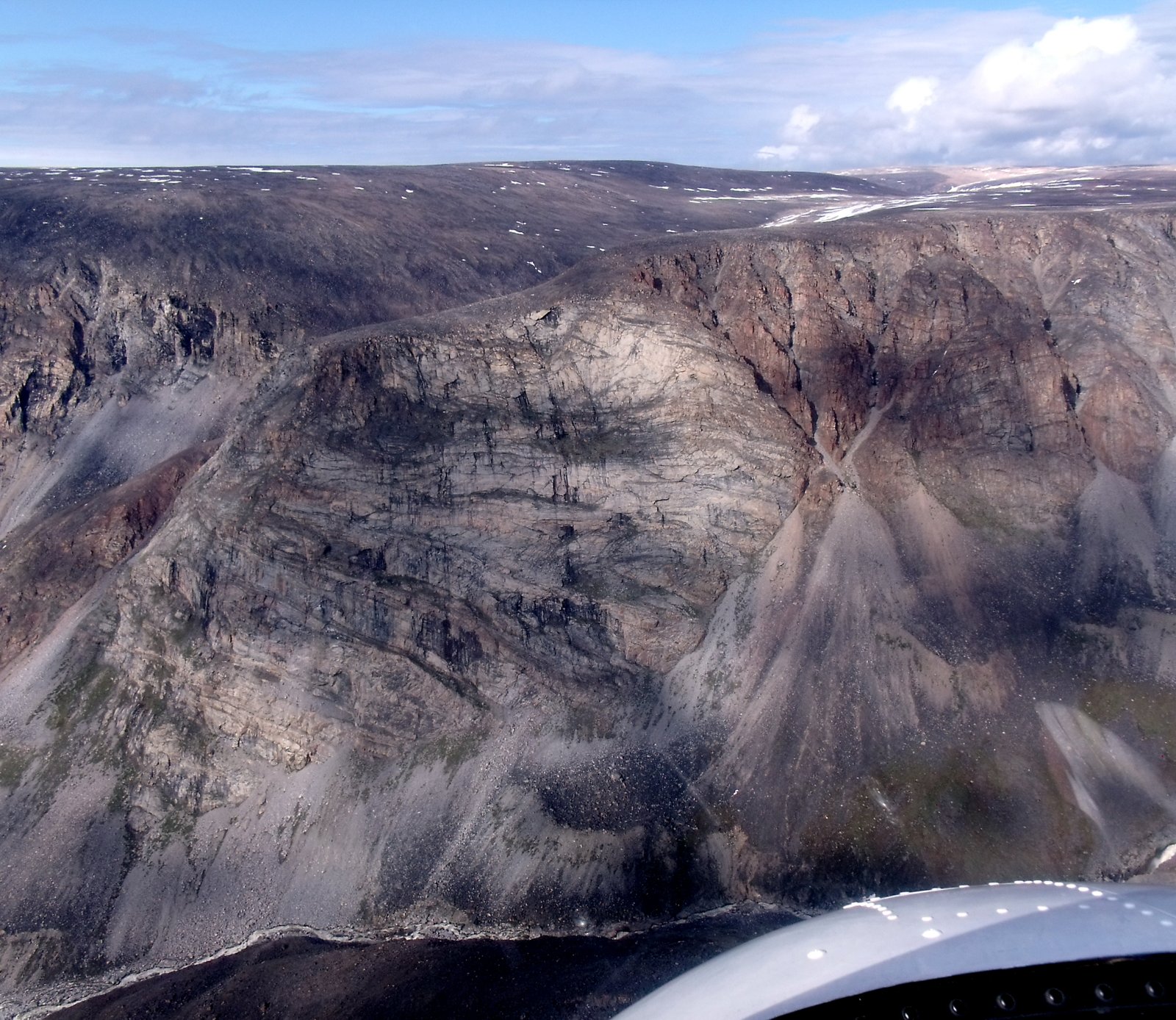
Despite the intriguing possibilities, verifying the origins of the Baffin Island Face is fraught with challenges. The harsh Arctic environment has made it difficult to conduct extensive fieldwork, and the scarcity of comparable artifacts complicates the analysis. Additionally, the interpretation of the carving’s features is subjective, leading to differing opinions among experts. These challenges underscore the need for continued research and collaboration among archaeologists, historians, and indigenous communities to piece together the puzzle.
Implications for North American History
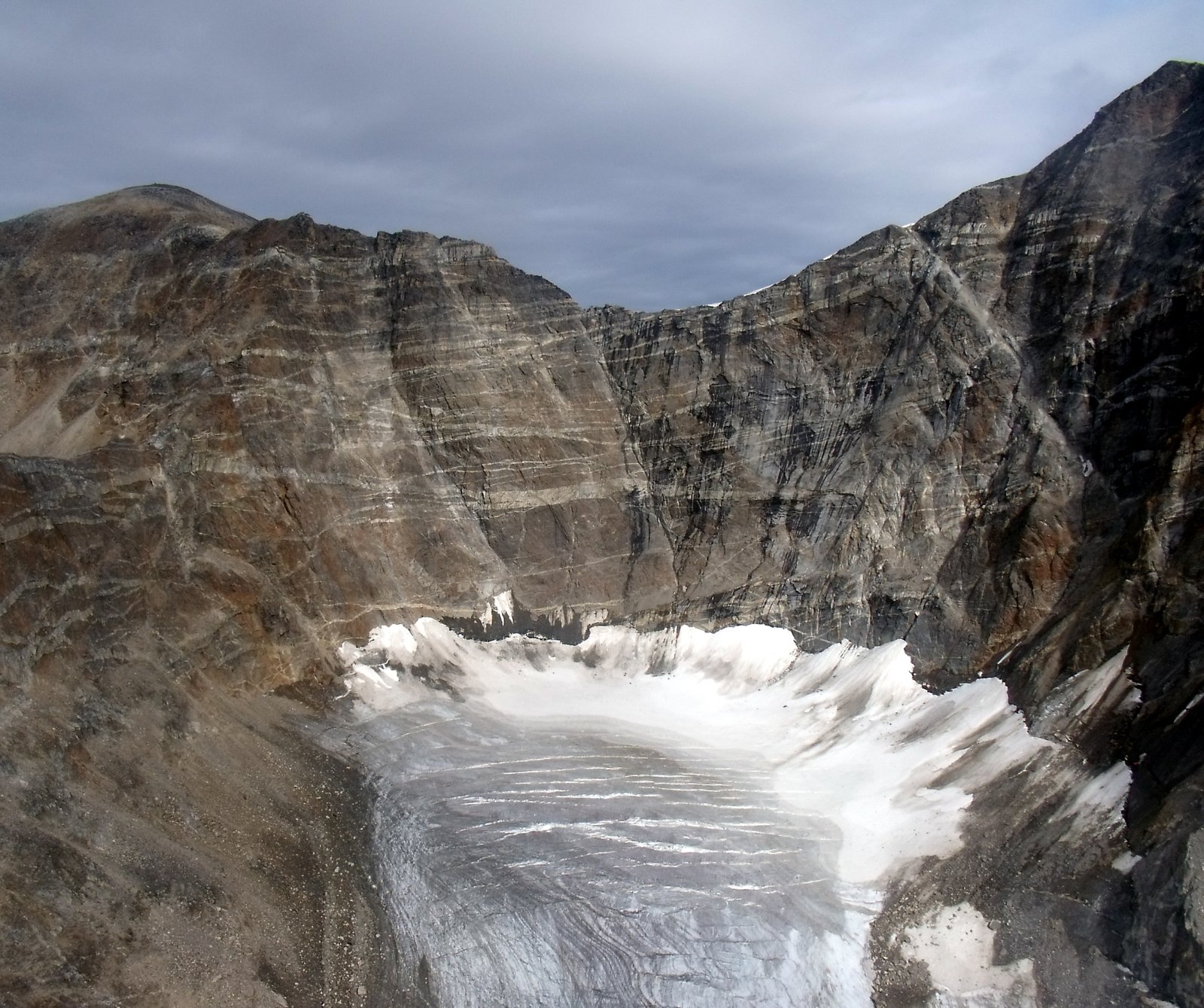
If the Baffin Island Face is indeed evidence of pre-Columbus European contact, it could have profound implications for our understanding of North American history. It would suggest a more complex narrative of exploration and interaction, challenging the traditional timeline of discovery. This revelation could inspire further exploration of the Arctic and beyond, uncovering new insights into the movements and interactions of ancient peoples. The potential to rewrite history is a powerful motivator for researchers, driving the ongoing investigation into this enigmatic artifact.
Public Interest and Cultural Significance

The mystery of the Baffin Island Face has captured the public’s imagination, drawing interest from around the world. Its story resonates with those fascinated by history, exploration, and the unknown. The carving has become a symbol of the enduring human spirit and the quest for knowledge, inspiring curiosity and wonder. It also highlights the importance of preserving cultural heritage and understanding our shared past. As research continues, the Baffin Island Face serves as a reminder of the mysteries that still await discovery.
Future Directions for Research

As the investigation into the Baffin Island Face progresses, researchers are exploring new avenues for study. Collaboration with indigenous communities is crucial, as their knowledge and perspectives can shed light on the artifact’s context. Technological advancements, such as remote sensing and 3D modeling, offer new ways to analyze and document the carving. These efforts aim to unravel the secrets of the Baffin Island Face, providing a deeper understanding of its origins and significance. The journey to uncover the truth is ongoing, with each discovery bringing us closer to unraveling the mysteries of the past.