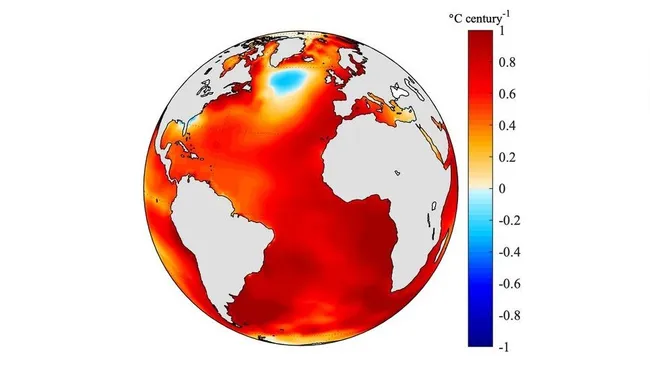

Scientists have been trying to figure out what a strange patch of cold water in the North Atlantic is for years. Climate change has caused the rest of the world’s oceans to steadily warm, but the North Atlantic Warming Hole has cooled by up to 0.5°F (0.3°C) over the past century, which was not what scientists had expected. Researchers have now solved the mystery: the Atlantic Meridional Overturning Circulation (AMOC), one of the most important ocean currents on Earth, is slowing down.
Not only does this discovery solve a scientific mystery, it also makes us worry about the future of global weather patterns, marine ecosystems, and even the weather in Europe. We now know a lot more about the “cold blob” and why it matters more than we thought.
The Warming Hole: A Chilling Anomaly in a Heating World
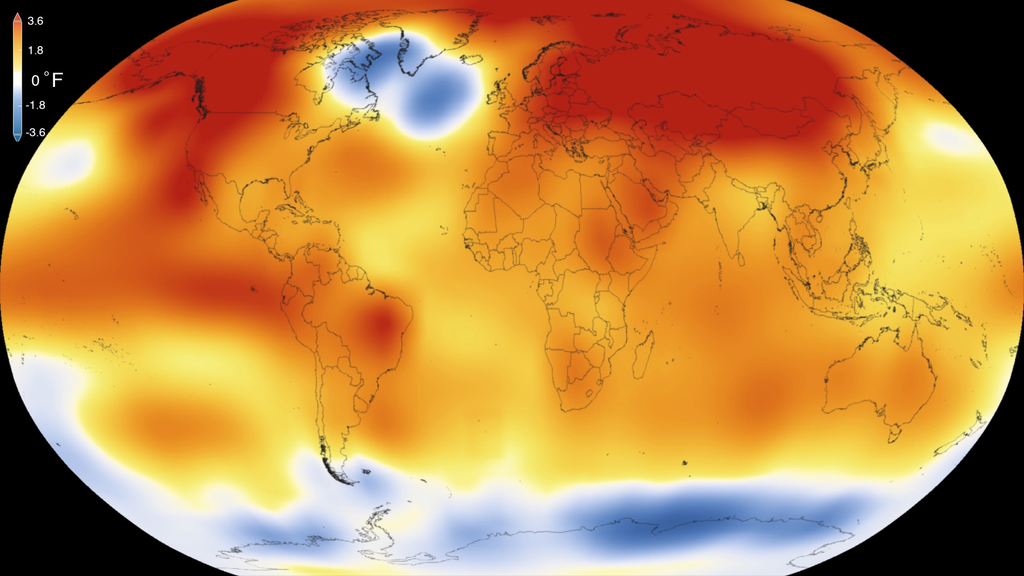
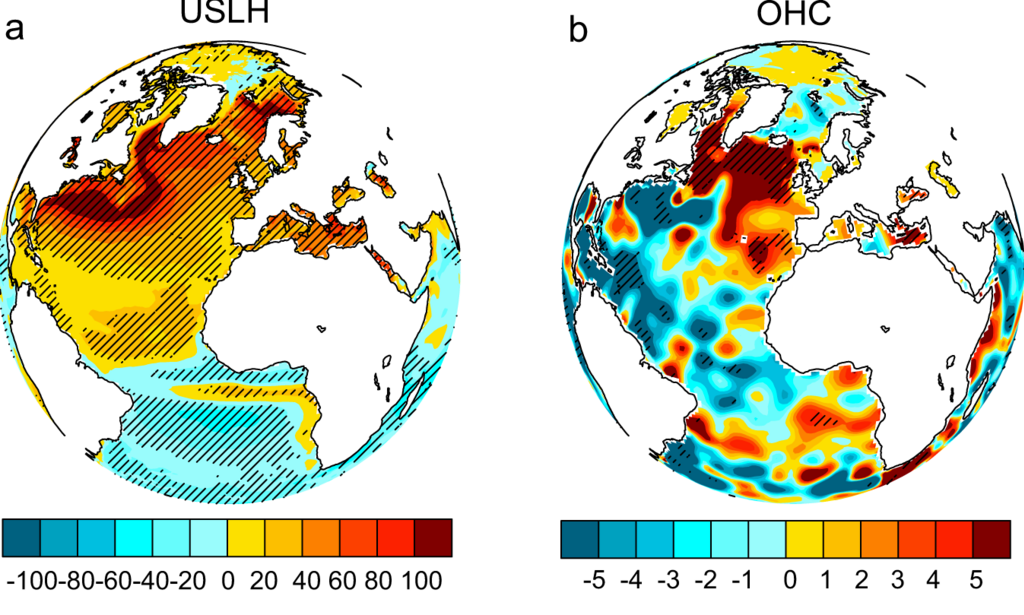
The North Atlantic Warming Hole, which sits just south of Greenland, has always been a mystery. Greenhouse gases heat up most of the world’s waters, but one area has been able to stay cool. Scientists first came up with explanations that included the flow of meltwater from the Arctic and air pollution limiting sunlight. But a new study in Communications Earth & Environment backs up the underlying cause: a diminishing AMOC.
The AMOC is like a big conveyor belt in the ocean that carries warm water from the tropics to the North Atlantic. There, it cools down, sinks, and flows back south. As this stream has slowed down over the past few decades, less warm water has been able to reach the location, leaving a frigid patch. Researchers were able to reconstruct how the AMOC works by using 94 ocean models and historical data on temperature and salinity. They concluded that there was no doubt that the cold blob’s presence was linked to the current’s drop.
A Climate System on the Brink? The AMOC’s Alarming Decline
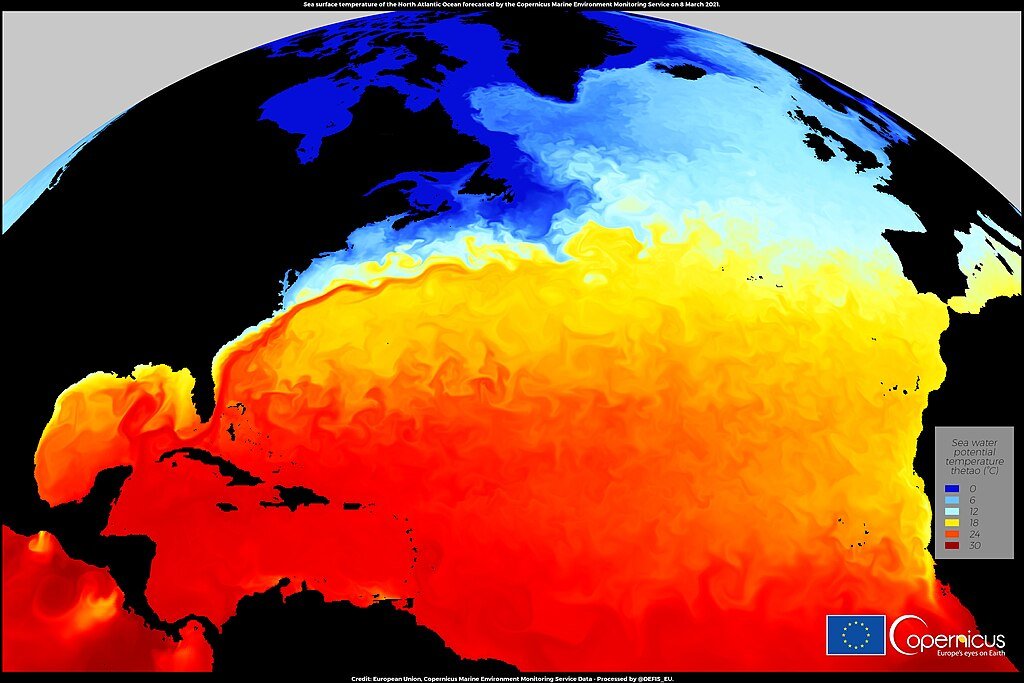
The AMOC isn’t just any current; it’s one of the biggest systems on Earth for moving heat. It moves 50 times more energy than all of humanity uses. But more and more evidence points to it losing strength, with predictions saying it will be 20% weaker by 2100.
Why? Two important things:
- The melting ice sheet in Greenland sends freshwater into the North Atlantic, which makes the saltiness that helps the AMOC sink less salty.
- Climate change is causing more rain, which lowers salinity even more. This creates a feedback loop: weaker currents mean less salt transport, which makes the AMOC even weaker.
Some scientists say that the system could reach a tipping point and completely break down. This would cause Europe to become very cold and change weather patterns around the world.
From London to the Amazon: The Global Domino Effect
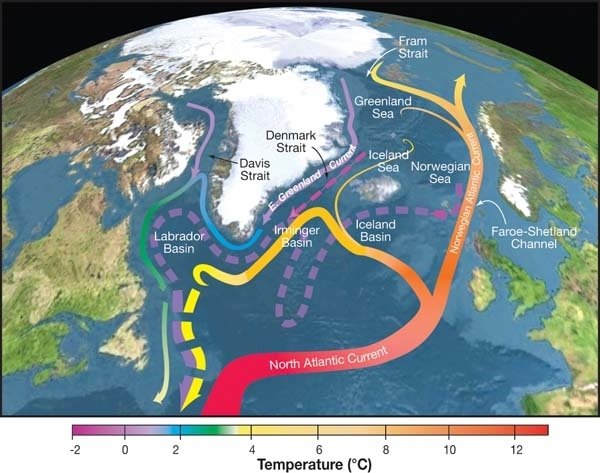
If the AMOC fails, the effects will be felt all over the world, not just in a cold spot in the Atlantic.
- Europe’s Climate Shock: Without the AMOC’s heat, London could cool by 10°C (18°F) and Norway by 15°C (27°F), bringing back weather that hasn’t been seen since the Little Ice Age.
- Flooding on the East Coast of the U.S : A weaker AMOC could move ocean water around, which would speed up the rise in sea level along the coast of the U.S.
- Tropical Rainfall Chaos: The Intertropical Convergence Zone (ITCZ), which controls monsoons, could move south, causing droughts in West Africa and throwing off the ecosystems of the Amazon rainforest.
Nicholas Foukal, an oceanographer, says that the question isn’t if these changes will happen, but how bad they will be and if societies can adapt.
The Cold Blob’s Hidden Role in Extreme Weather
The AMOC’s slowdown could lead to colder winters and stronger storms. Warmer ocean surfaces (outside the cold blob) give hurricanes more energy, and changes in wind patterns could push storm tracks farther north.
At the same time, the cold blob itself messes up marine life. Cod and plankton are examples of species that are used to stable temperatures. They may have a hard time as their habitat changes, which could have a big effect on fisheries.
Is a Full AMOC Collapse Imminent? Scientists Are Divided
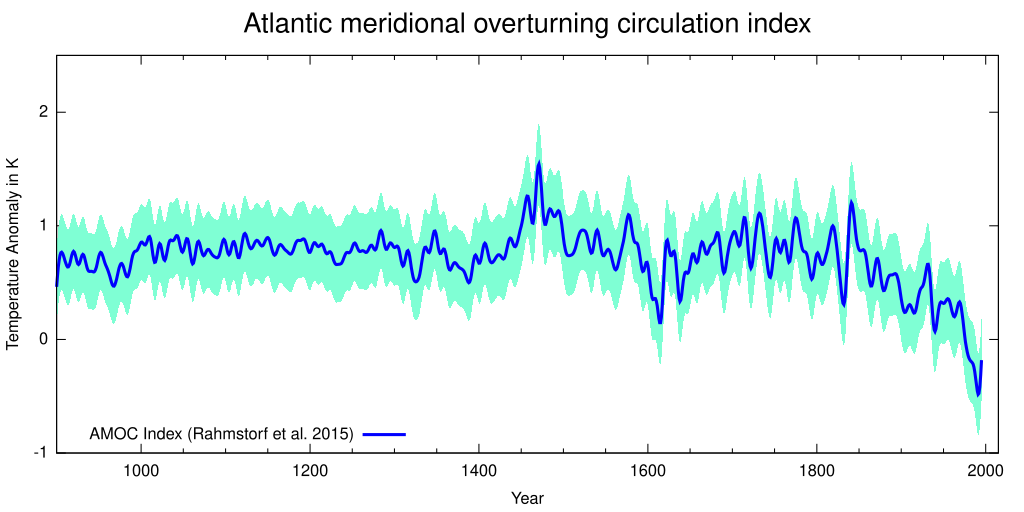
Some studies say that the AMOC could break down as soon as 2025–20957, while others say that the system is stronger. A research from January 2025 even disagreed with suggestions that things had gotten weaker recently, saying that natural variability might explain some of the changes9.
Stefan Rahmstorf, a top AMOC researcher, says that indirect data like the cold blob still suggest to a long-term drop, nevertheless. He argues, “The big question is how far away the tipping point is.”
What Comes Next? Monitoring And Mitigation
Scientists have only been able to directly detect AMOC for 20 years, therefore they utilise things like the cold blob to keep track of changes. Recently, 44 climate experts warned the Nordic nations’ governments that they should make AMOC research a major priority since its stability is “critical to global climate security.”
What is the answer? The only option to slow down the AMOC’s decline and keep warming close to 1.5°C is to cut down on greenhouse gas emissions. The chilly blob indicates that the ocean’s response to climate change is full of surprises, and there isn’t much time left to address it.
Final Thought
The cold blob in the North Atlantic isn’t just interesting; it’s a sign that the climate system is breaking down. One thing is clear as scientists learn more about it: the AMOC’s future is linked to ours. The message it sends could have an effect on the future of the planet’s climate.
Sources:
Suhail Ahmed is a passionate digital professional and nature enthusiast with over 8 years of experience in content strategy, SEO, web development, and digital operations. Alongside his freelance journey, Suhail actively contributes to nature and wildlife platforms like Discover Wildlife, where he channels his curiosity for the planet into engaging, educational storytelling.
With a strong background in managing digital ecosystems — from ecommerce stores and WordPress websites to social media and automation — Suhail merges technical precision with creative insight. His content reflects a rare balance: SEO-friendly yet deeply human, data-informed yet emotionally resonant.
Driven by a love for discovery and storytelling, Suhail believes in using digital platforms to amplify causes that matter — especially those protecting Earth’s biodiversity and inspiring sustainable living. Whether he’s managing online projects or crafting wildlife content, his goal remains the same: to inform, inspire, and leave a positive digital footprint.