The Arctic fox, known for its pristine white coat that camouflages seamlessly with its snowy habitat, faced a bleak future during the late 20th century. Once common across the Arctic tundra, their numbers dramatically fell due to a combination of overhunting for their luxurious fur and competition for food. These challenges decimated populations, particularly in Norway, where the species hovered on the brink of extinction by the 1990s.
Norway’s Rewilding Initiatives

Responding to the Arctic fox’s precarious status, Norway launched a series of ambitious rewilding projects aimed at reviving the population. These initiatives focused on habitat restoration, legal protection measures, and breeding programs. The government prioritized creating wildlife reserves and introduced strict hunting bans to provide a safe haven for the foxes.
Breeding Programs and Genetic Diversity

Central to Norway’s conservation strategy were breeding programs designed to bolster genetic diversity among Arctic fox populations. Captive breeding centers were established, allowing for controlled mating to increase genetic variation. These facilities have successfully introduced several litters of foxes back into the wild, helping to stabilize and eventually increase population numbers.
Environmental Factors

The rewilding efforts also accounted for climatic and environmental shifts that impacted the Arctic fox’s natural habitat. Warmer temperatures, resulting in less stable ice and altered prey availability, necessitated strategic considerations in habitat choices for released foxes. Efforts were made to monitor and adapt habitats in response to these environmental changes, ensuring the foxes had access to sufficient resources.
Monitoring and Research

Continuous monitoring and research have been integral to Norway’s conservation efforts. Scientists utilize tracking collars and field observations to study the behavior, survival rates, and reproductive success of reintroduced foxes. This data has been crucial in adapting strategies and interventions to better suit the evolving needs of the foxes.
Community Involvement and Awareness

Norwegian communities have played a vital role in the success of rewilding projects. Local engagement has been encouraged through educational programs that highlight the ecological importance of the Arctic fox. Public support and involvement have helped reduce human-related threats and cultivated a broader sense of stewardship for Arctic wildlife.
The Role of Predators

Reintroduction efforts also considered the ecological dynamics with natural predators. Norway worked to ensure a balanced predator-prey relationship, crucial for maintaining the foxes’ natural behaviors. Nutritional support through supplementary feeding in early stages has helped foxes adapt and thrive until such balances were achieved naturally.
Sustainability Challenges
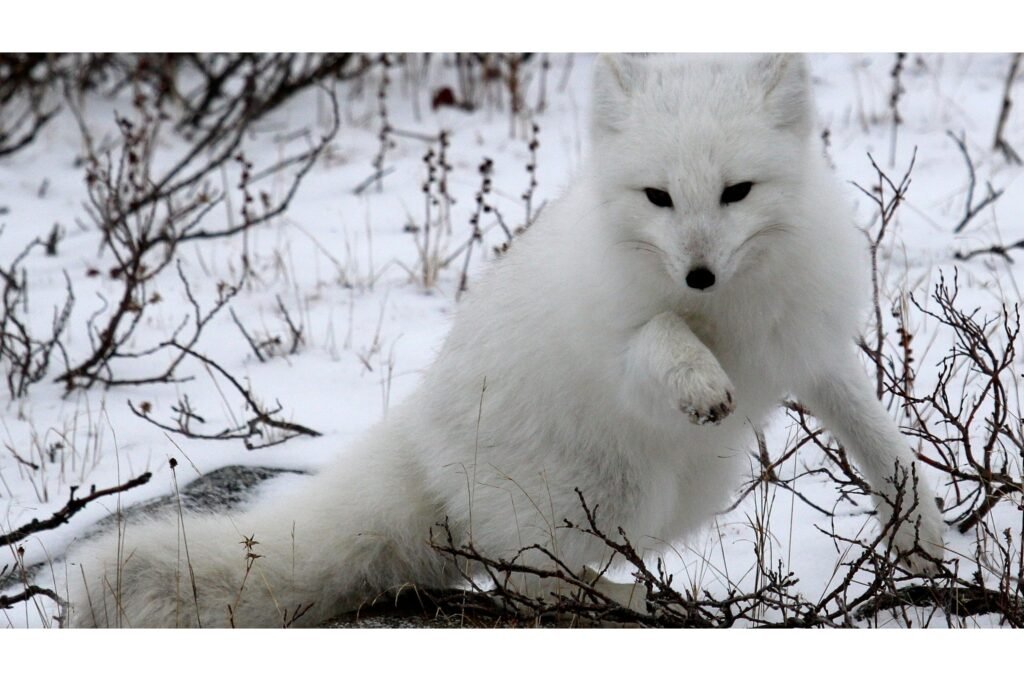
Despite successes, ongoing challenges remain. Climate change continues to threaten the habitats of the Arctic fox, highlighting the need for sustainable long-term conservation strategies. Efforts must continuously adapt to address these environmental shifts and ensure the resilience of fox populations.
Looking Ahead: The Future of Norway’s Arctic Fox
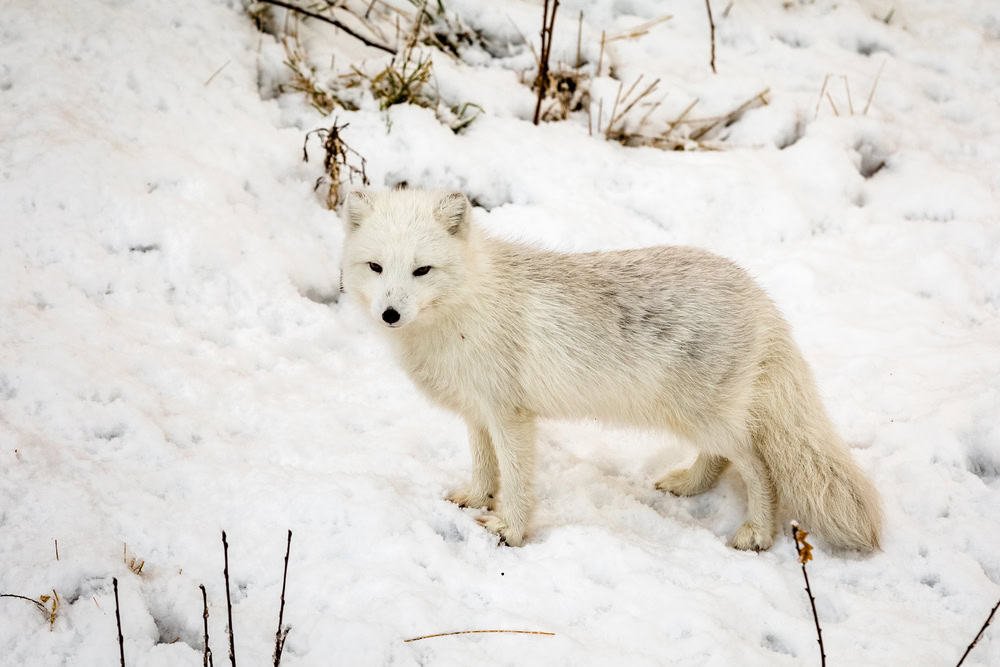
While the rewilding projects have seen significant progress, the work is far from over. Future conservation efforts must maintain momentum to ensure these foxes not only survive but thrive in their native habitats. Ongoing research and adaptive management practices are crucial for the long-term health of the Arctic fox populations.
Conclusion: A Conservation Success Story
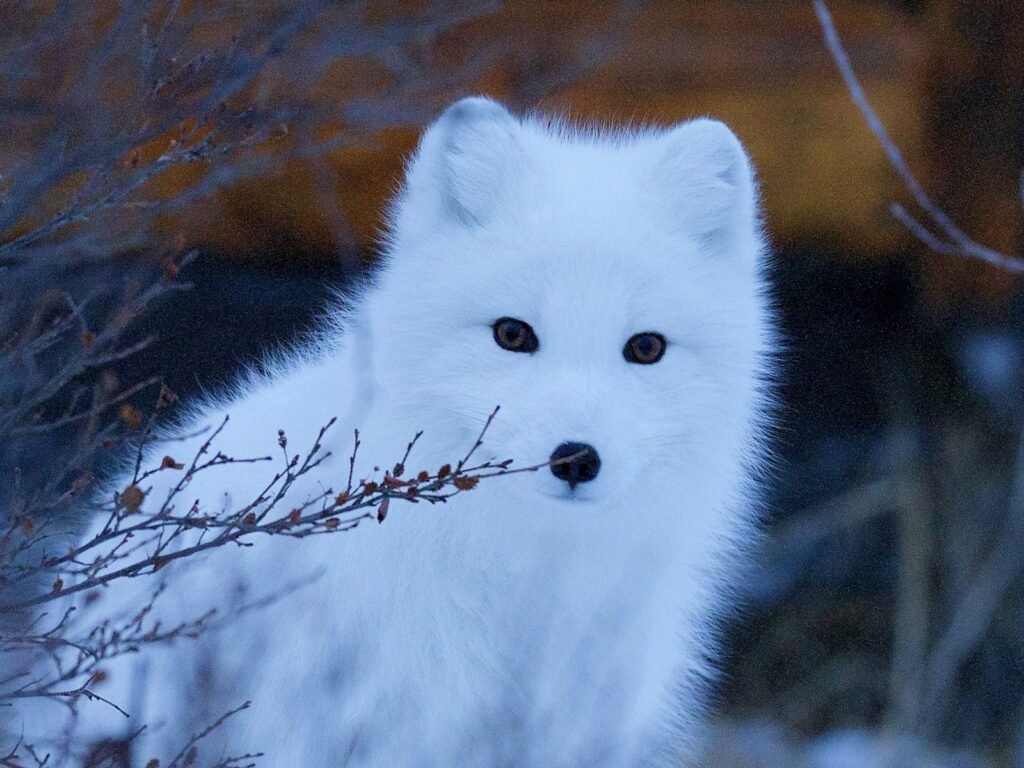
The comeback of the Arctic fox in Norway serves as a powerful testament to the impact of targeted conservation efforts. Through rewilding, community involvement, and strategic intervention, a species once fading into obscurity has regained a foothold in its native ecosystem. The success of Norway’s Arctic fox project offers hope and a blueprint for other conservation efforts worldwide, demonstrating the remarkable potential for recovery when human ingenuity and nature work hand in hand.