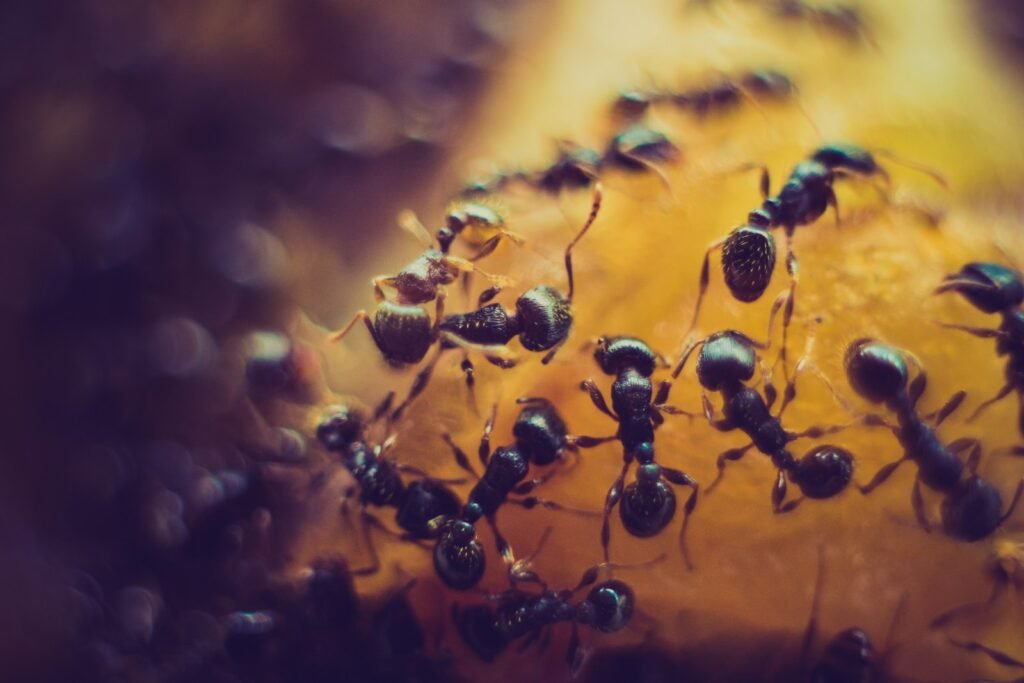

They live in darkness, yet their work feeds entire cities of their own making. Deep below forest floors across the Americas, farming ants grow fungi the way we raise crops, tending gardens with a care that feels startlingly familiar. The mystery is how such tiny bodies coordinate climate control, disease management, and supply chains without a blueprint, a spreadsheet, or a spoken word. Scientists peering into these living caverns are finding more than an insect oddity; they’re seeing a full agricultural system in miniature. And as we push modern farming to its limits, these ants offer a radically old, surprisingly modern model for how to make food where resources are tight and threats are constant.
The Hidden Clues

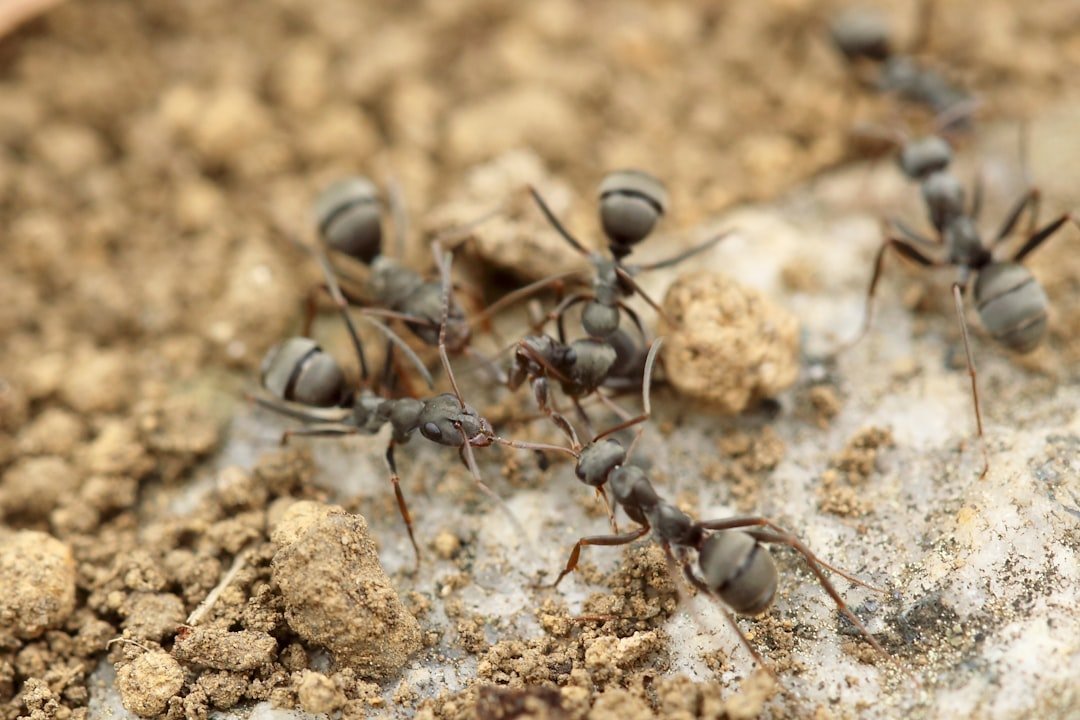
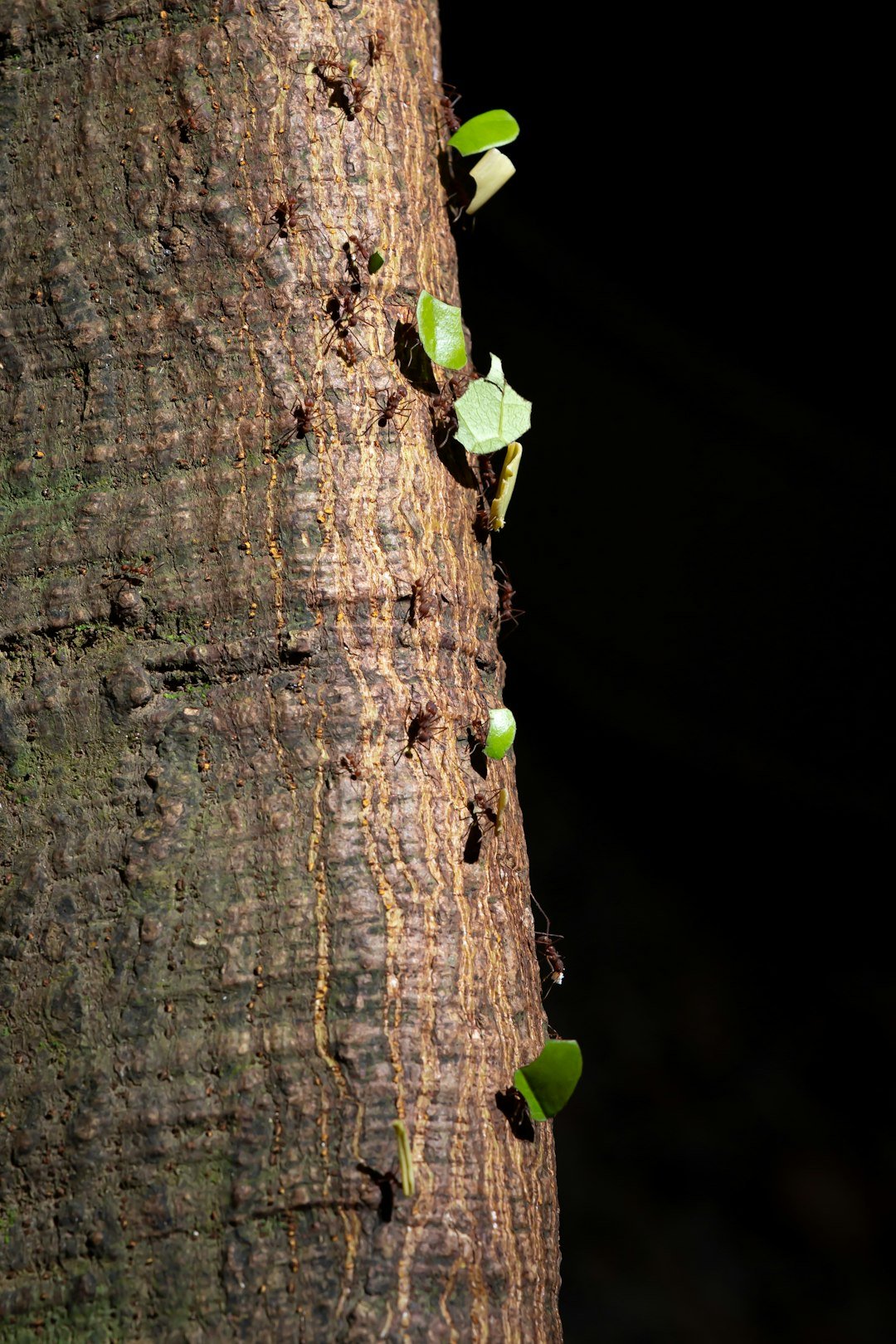
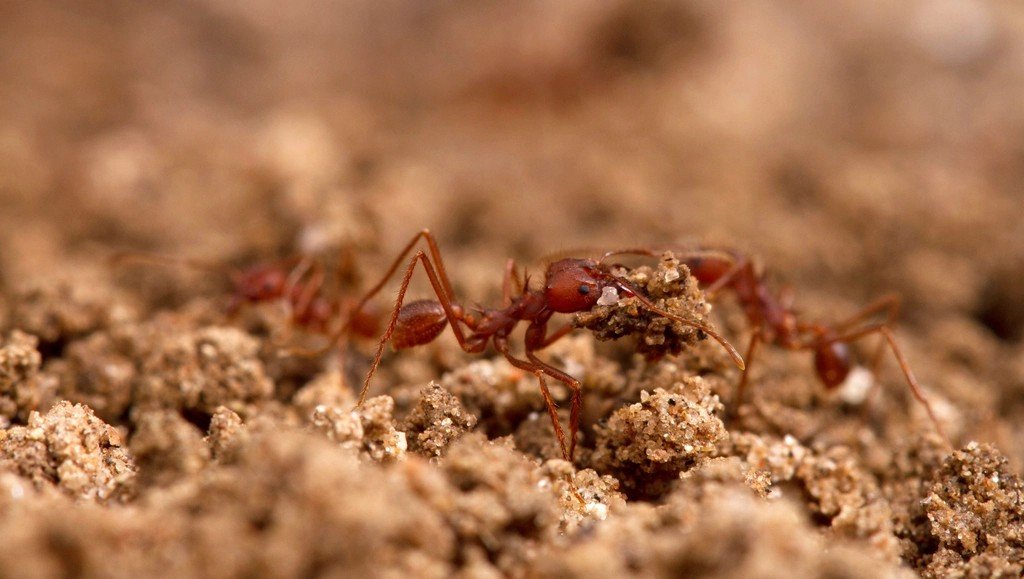
Walk a forest path after rain and you might miss the first breadcrumbs: a jade-green fragment of leaf moving against the grain, then another, then a living conveyor belt disappearing into the soil. Follow it to the nest and the story changes from scavenging to cultivation, as workers shred plant bits into a soft mulch that becomes the bed for their fungal crop. The ants don’t eat the leaves; they feed them to the fungus, which in turn grows nutrient-rich structures the colony consumes.
Like detectives, researchers traced this loop by watching what goes in and what comes out, showing that the harvest fuels growth and reproduction. That simple observation – farmers feeding a crop that feeds them back – was the first clear proof that these were not just tidy composters but true agriculturalists.
Cities, Climate-Controlled

If you could shrink down and step inside, the architecture would take your breath away: chambers linked by looping tunnels, fresh-air vents rising like chimneys, and nurseries perched just right for steady warmth and humidity. Workers constantly shuttle water droplets and soil grains to tune the air, like tiny engineers tweaking ducts in a greenhouse. Waste travels to refuse pits far from the gardens, a sanitation strategy that keeps pathogens at arm’s length and nutrients cycling on the colony’s terms.
When a chamber warms or the air grows stale, ants open new vents or seal old ones, turning a simple mound into a responsive climate system. I’ve watched a column of ants pause at a bottleneck, then split traffic exactly like rush-hour drivers; their nest works the same way – flow, feedback, correction, repeat.
The Farmers’ Crop
Their prized cultivar is a white, cottony mushroom fungus, carefully propagated from generation to generation and shaped by the ants as much as it has shaped them. Workers chew fresh plant pieces into a slurry, add droplet-sized doses of fecal fluid packed with enzymes, and spread the mixture like a baker kneading dough. The fungus responds by producing little swollen tips that are rich in sugars and proteins – the colony’s daily bread.
Larvae are fed the ripest parts, while adult workers graze the garden selectively, pruning and fluffing to keep growth even. Queens launch new colonies by carrying a pellet of the fungus tucked like a starter culture, ensuring the next harvest begins with a familiar, reliable strain.
Pests, Pathogens, and the Ants’ Pharmacy
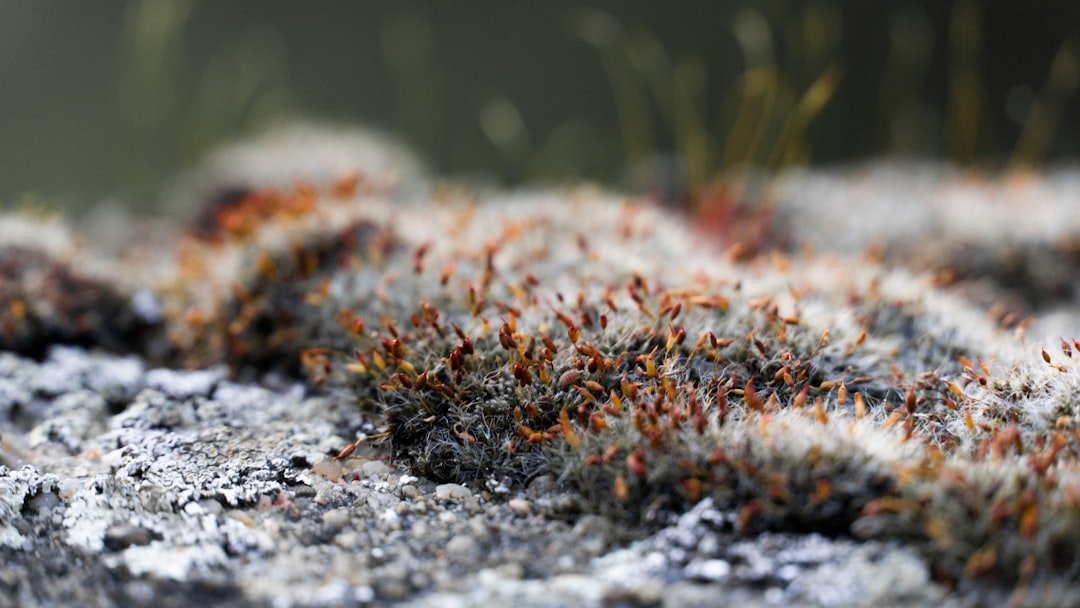
No farm is free from blight, and gardens face a specialist fungal parasite that can sweep through chambers if left unchecked. The ants counter with a microbial alliance: on their bodies they cultivate bacteria that secrete compounds hostile to the invader, essentially brewing antibiotics on demand. Gardeners patrol the beds, removing suspect threads, quarantining patches, and scraping away contamination with almost obsessive precision.
This tug-of-war – crop, parasite, and protective microbes – looks like a standoff scaled to the micrometer, yet it mirrors the dilemmas of our own fields where disease pressure collides with the costs of control. The striking part isn’t that the ants use drugs; it’s that they dose sparingly, target precisely, and pair defense with relentless hygiene.
Why It Matters
Ant agriculture turns a chaotic forest into a steady pantry, and that stability is exactly what human farming tries to achieve. Like us, the ants maintain seed stock (their fungal starter), condition soil equivalents (the mulch), manage pests with a pharmacy, and run a fierce sanitation program to protect yield. Their system also recovers value from waste, routing refuse to sites that keep gardens clean while recycling nutrients on a slower timetable.
When weather swings or resources shift, they adjust ventilation, harvest routes, and workforce assignments – an adaptive choreography that farms would love to emulate. Studying these loops teaches us how to design agriculture that is closed, efficient, and resilient without depending on endless external inputs.
Global Perspectives
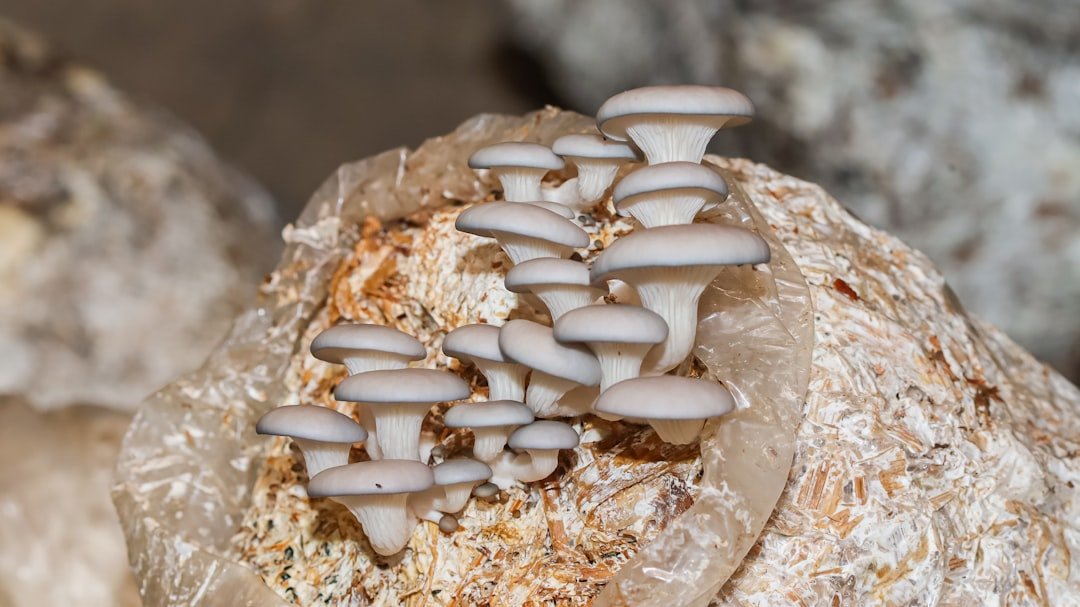
These mushroom farms are a New World invention, scattered from scrublands to rainforests, yet the idea of insect agriculture has popped up elsewhere with its own twist. In Africa and Asia, some termites cultivate edible mushrooms in grand cathedral mounds, and wood-boring beetles tend “orchards” of fungi in trees, each lineage striking its own balance among crop, climate, and predators.
That diversity matters because it shows how agriculture can evolve repeatedly when the returns are high enough and the partners are cooperative. Humans stand in this same gallery of farmers, just with steel and satellites instead of mandibles and microbes. Comparing these systems highlights universal rules – manage microclimate, control disease, move nutrients thoughtfully – that can travel across continents and species.
Parallels to Human Agriculture
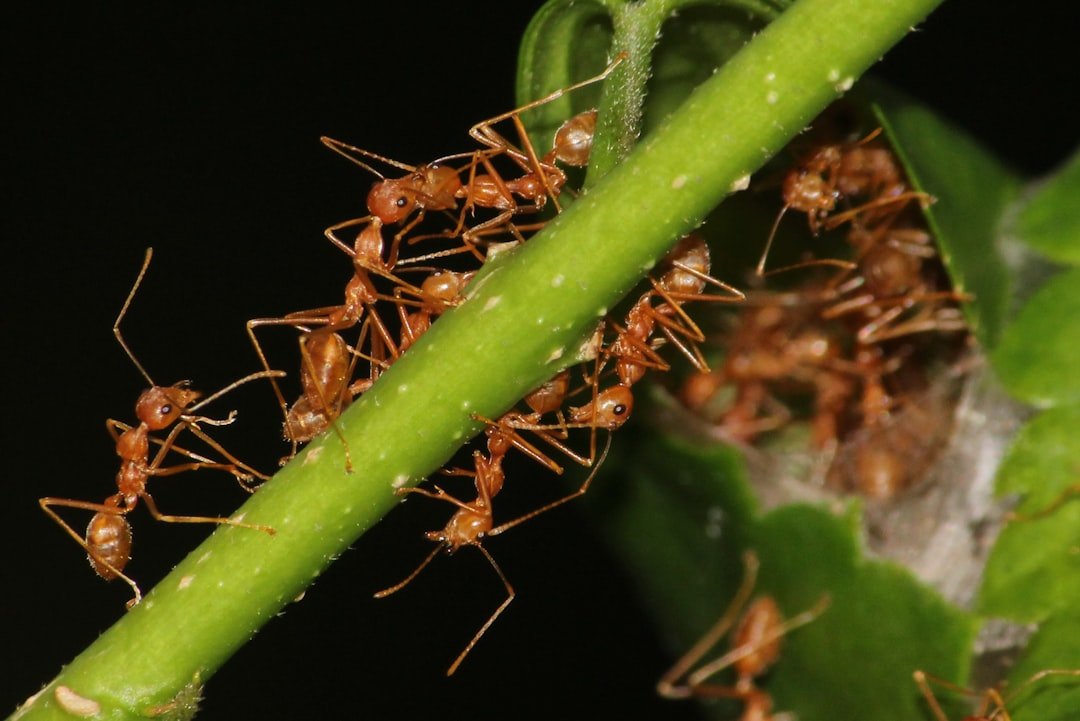
It’s hard not to see our own reflection in their routines, right down to the logistics and labor. The colony is a diversified workforce with planters, composters, nurses, foragers, and soldiers – job titles that echo a modern farm’s crew list. Their gardens are essentially living bioreactors, maintained at set points for temperature and moisture the way a controlled-environment agriculture facility tunes lights and airflow.
Even their traffic lanes resemble farm transport networks, with trunk trails feeding smaller spurs and timing windows that reduce congestion. Most persuasive is their emphasis on prevention over cure: clean tools, clean beds, clean air, and a measured use of medicine when things turn south. That bias toward maintenance rather than emergency response is a quiet lesson we routinely forget.
The Future Landscape
As scientists trace the genetic and chemical signatures that make these symbioses tick, new possibilities come into view: smarter biocontrols inspired by ant-associated bacteria, composting systems that borrow their enzyme cocktails, and farm layouts that think like airflow maps. Imaging tools are revealing nest architecture with a precision that could inform energy-efficient greenhouses and vertical farms, where airflow and humidity mean the difference between bumper crop and wipeout. There’s also promise in decentralized food systems that mimic the ants’ modular design, scaling up by adding chambers rather than stretching fragile supply lines.
The biggest challenges will be translating microscopic choreography into machines and policies that work at human scales, and doing it without oversimplifying what makes the gardens resilient in the first place. Still, each new chamber mapped and each microbe decoded feels like another sketch in a blueprint we didn’t know we were missing.
Conclusion
Start close to home by paying attention to the small farmers under your feet: protect leaf-litter and soil structure in yards and community greens so life can breathe and drain. Support forest conservation groups that keep the habitats of farming ants intact, because their cities depend on stable microclimates and diverse plant inputs. If you love data, contribute observations of ant trails and nests to community science platforms, adding the humble but vital details that help researchers map ranges and seasonality.
Encourage local schools and nature centers to use ant agriculture as a gateway into microbiology, ecology, and climate – nothing hooks curiosity like seeing a living farm the size of your hand. The more we notice, the more we learn, and the more we can design our own food systems to be tough, tidy, and quietly ingenious – just like theirs.
Suhail Ahmed is a passionate digital professional and nature enthusiast with over 8 years of experience in content strategy, SEO, web development, and digital operations. Alongside his freelance journey, Suhail actively contributes to nature and wildlife platforms like Discover Wildlife, where he channels his curiosity for the planet into engaging, educational storytelling.
With a strong background in managing digital ecosystems — from ecommerce stores and WordPress websites to social media and automation — Suhail merges technical precision with creative insight. His content reflects a rare balance: SEO-friendly yet deeply human, data-informed yet emotionally resonant.
Driven by a love for discovery and storytelling, Suhail believes in using digital platforms to amplify causes that matter — especially those protecting Earth’s biodiversity and inspiring sustainable living. Whether he’s managing online projects or crafting wildlife content, his goal remains the same: to inform, inspire, and leave a positive digital footprint.