Nature has a wild imagination that puts even the most creative fantasy writers to shame. Across our planet, creatures exist that seem like they’ve escaped from a child’s coloring book or a science fiction movie. These animals challenge everything we think we know about what’s possible in the natural world. From transparent fish to mammals that lay eggs, our planet hosts an incredible cast of characters that sound too bizarre to be real. Yet they swim, crawl, fly, and burrow through ecosystems around the globe, proving that reality truly is stranger than fiction.
The Blobfish: Nature’s Deflated Balloon
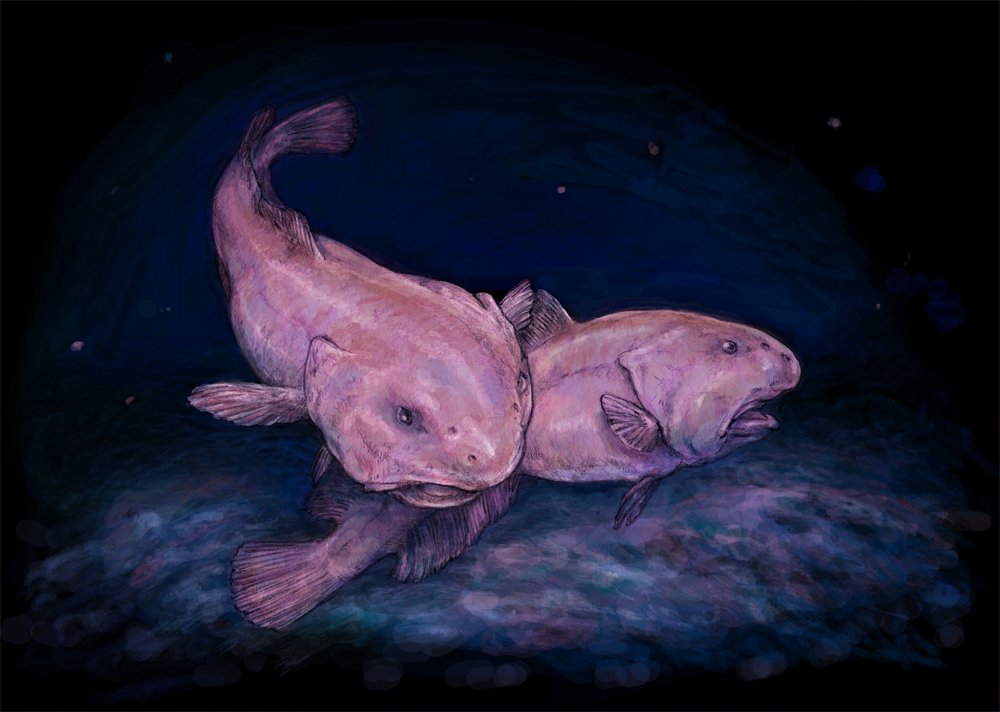
Deep in the waters off Australia and New Zealand lurks a creature that looks like it gave up on life entirely. The blobfish appears to be a gelatinous mass of pink flesh when brought to the surface, earning it the unfortunate title of “world’s ugliest animal.” However, this sad appearance is actually the result of rapid decompression as the fish is pulled from its deep-sea home. At depths of 2,000 to 4,000 feet, where pressure is 60 to 120 times greater than at sea level, the blobfish looks like a relatively normal fish. Its jelly-like composition allows it to float effortlessly above the seafloor, waiting for food to drift by. Think of it as nature’s way of creating a living cushion that can survive in one of Earth’s most extreme environments.
The Pangolin: A Walking Pine Cone
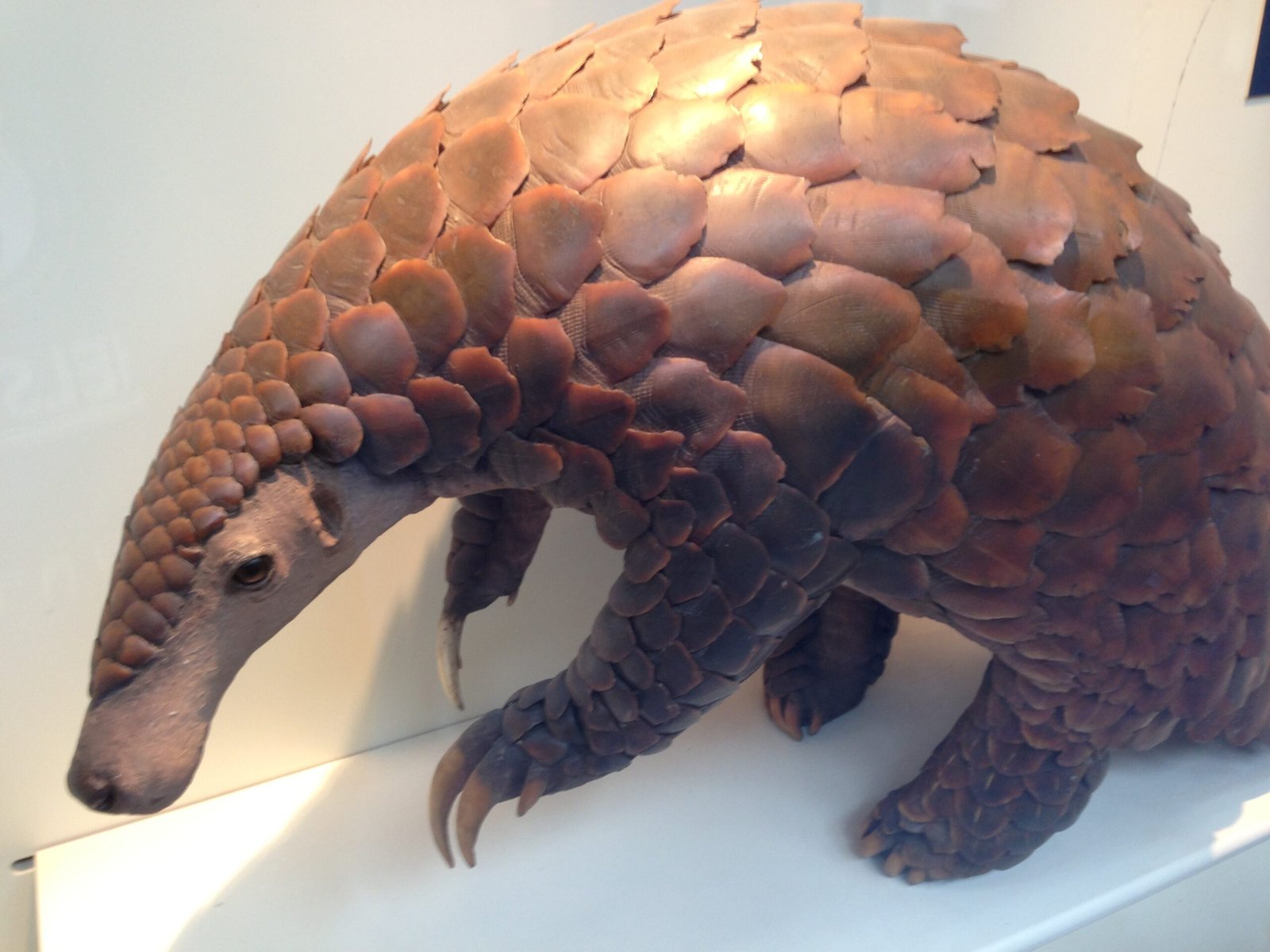
Imagine if someone took an armadillo and covered it entirely in overlapping scales, then gave it the ability to roll into a perfect ball. The pangolin looks like medieval armor brought to life, with keratin scales covering its entire body except for its belly. These shy mammals are the only scaled mammals on Earth, and their name comes from the Malay word “pengguling,” meaning “one who rolls up.” When threatened, pangolins curl into an impenetrable ball, with their razor-sharp scales facing outward like a biological fortress. Their incredibly long tongues can extend up to 16 inches, allowing them to slurp up ants and termites from deep within their nests. Unfortunately, these living pine cones are the most trafficked mammals in the world, making them as rare as they are remarkable.
The Axolotl: The Smiling Salamander That Never Grows Up
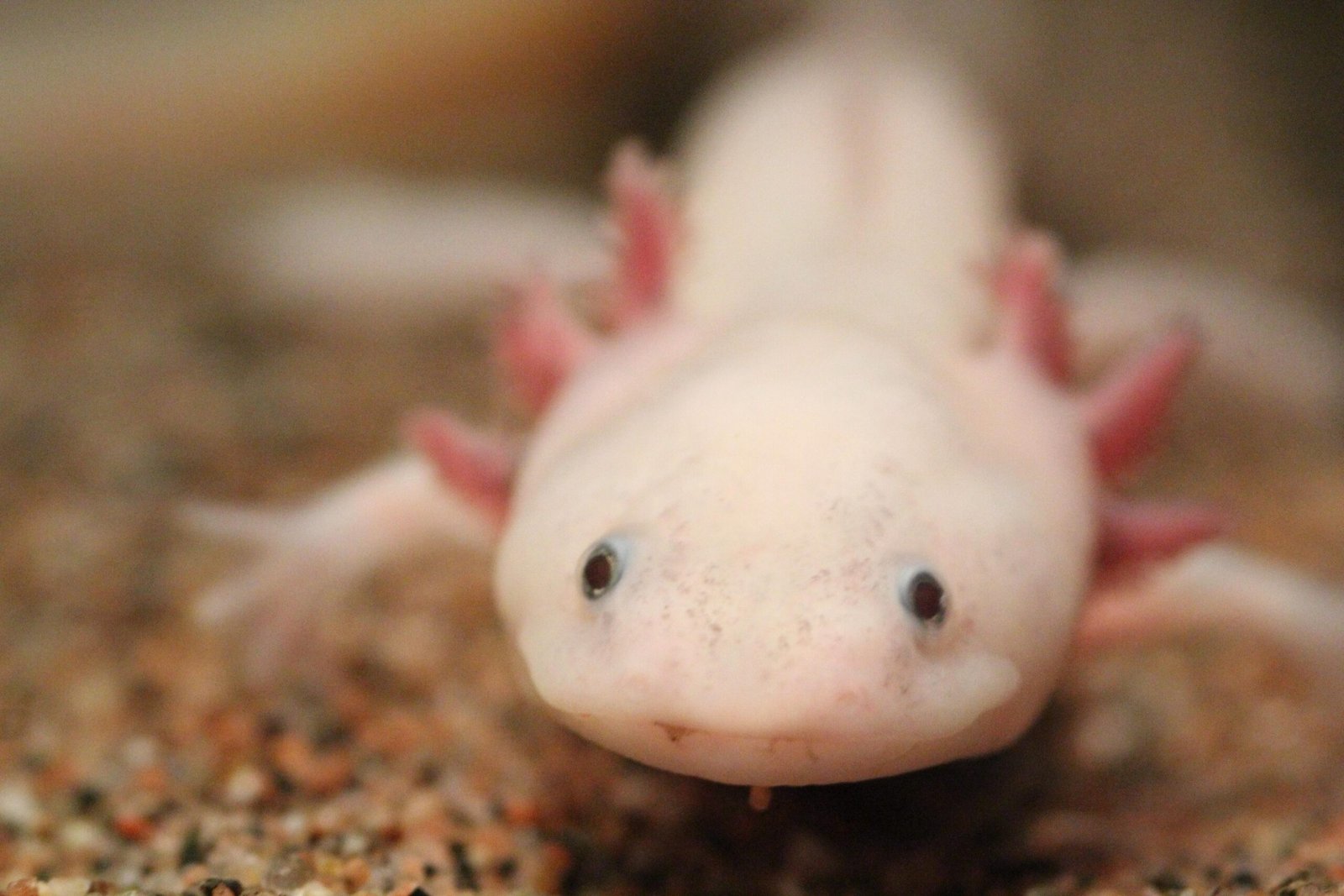
Meet the Peter Pan of the amphibian world – a creature that refuses to grow up and seems perpetually happy about it. The axolotl permanently retains its juvenile features, including external gills that look like delicate underwater flowers sprouting from its head. This Mexican salamander has the most impressive regenerative abilities on the planet, capable of regrowing entire limbs, parts of its heart, brain, and even portions of its spinal cord. Their perpetual smile isn’t just cute – it’s a testament to their remarkable adaptability. Originally found only in the lake system of Xochimilco near Mexico City, wild axolotls are now critically endangered, though they thrive in research laboratories worldwide. Scientists study these eternally young creatures to unlock secrets of regeneration that could revolutionize human medicine.
The Leafy Sea Dragon: Nature’s Most Elaborate Disguise
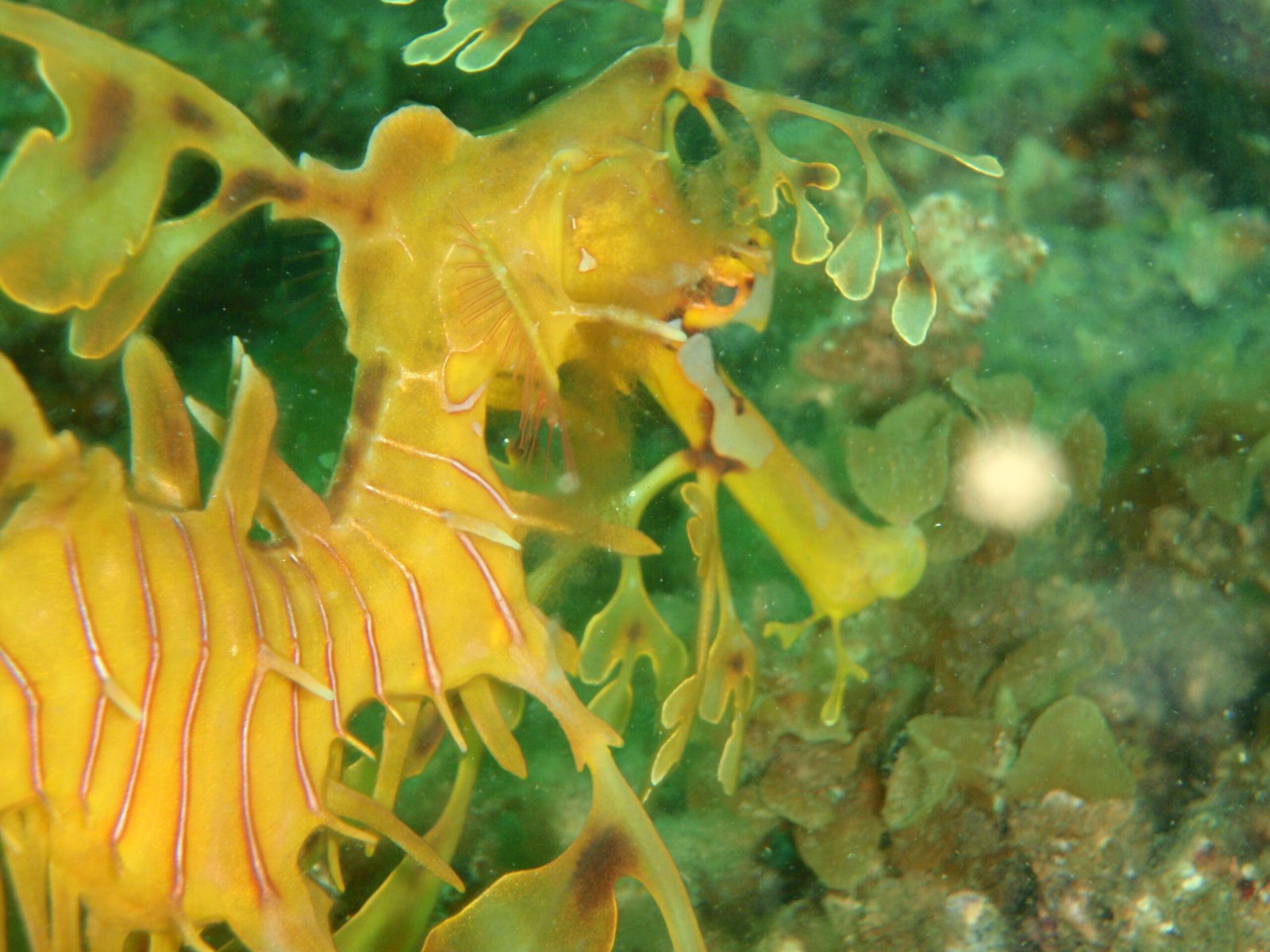
Floating through the waters off southern Australia is what appears to be a piece of animated seaweed, complete with elaborate leaf-like appendages that sway with the current. The leafy sea dragon takes camouflage to an almost ridiculous extreme, with skin flaps that perfectly mimic floating kelp. Unlike their seahorse cousins, these dragons can’t grasp objects with their tails or change color rapidly. Instead, they rely entirely on their incredible disguise and gentle swaying motion to avoid predators. What makes them even more unusual is that, like seahorses, the males carry and give birth to the babies. Their courtship dance is like watching living seaweed perform ballet, as pairs spiral around each other in an underwater waltz.
The Star-Nosed Mole: The Alien Living Underground
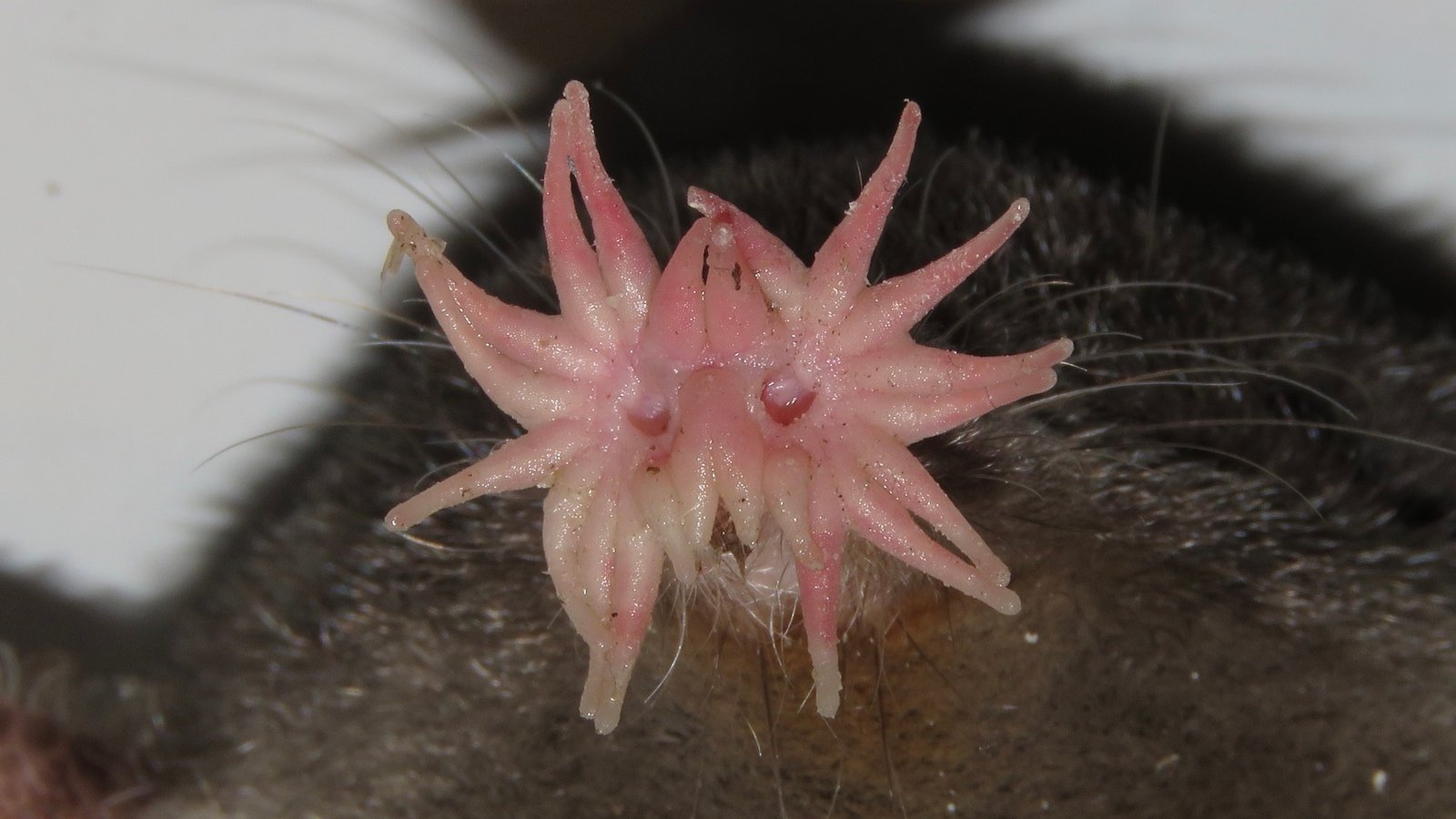
Beneath the wetlands of North America lives a creature that looks like it crash-landed from another planet. The star-nosed mole sports the most bizarre facial feature in the animal kingdom – a fleshy star with 22 pink tentacles surrounding its nose. This isn’t just for show; it’s the most sensitive touch organ of any mammal, containing over 100,000 nerve fibers (six times more than a human hand). The star can touch and evaluate 13 separate locations in a single second, making it the fastest-eating mammal on Earth. These underground speedsters can also swim and dive underwater, using their star to feel for aquatic prey. Imagine trying to explain this creature to someone who’s never seen one – they’d probably think you’re describing something from a horror movie.
The Mantis Shrimp: The Rainbow Warrior of the Sea

Despite its name, the mantis shrimp is neither a mantis nor a shrimp, but something far more extraordinary. These marine crustaceans are living rainbows, displaying colors so vibrant they seem artificially enhanced. Their eyes are the most complex in the animal kingdom, with 16 types of color receptors compared to our measly three. This means they can see colors we can’t even imagine, including ultraviolet and polarized light. But their real superpower lies in their club-like front limbs, which they can punch with the force of a bullet, creating cavitation bubbles that reach temperatures nearly as hot as the sun. Aquarium keepers call them “thumb splitters” for good reason – they can crack glass and have been known to break aquarium walls.
The Aye-Aye: Madagascar’s Ghoulish Finger-Pointer
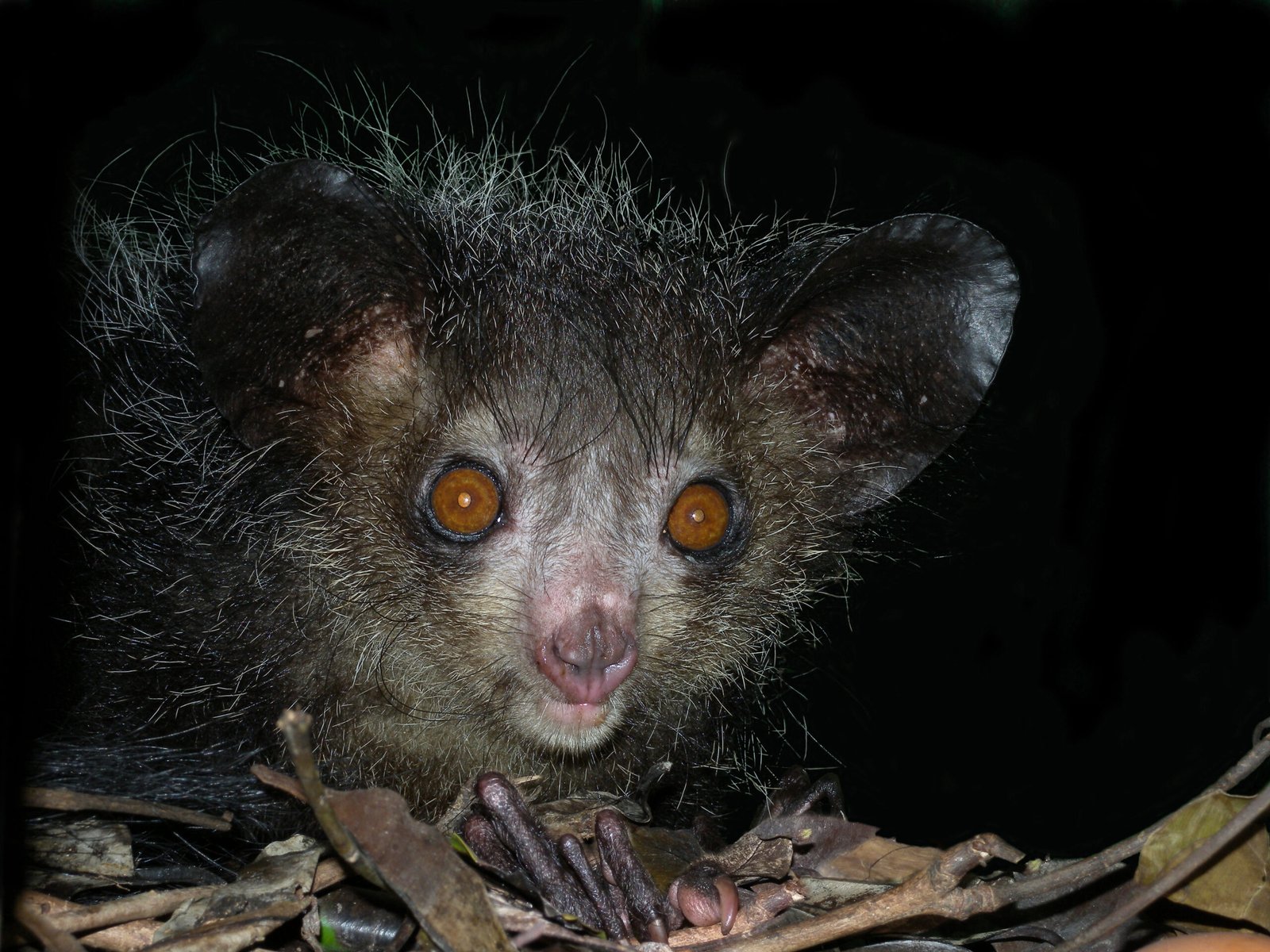
In the forests of Madagascar lives a primate that looks like it was designed by someone with a very dark sense of humor. The aye-aye resembles a gremlin with bat-like ears, rodent teeth, and a skeletal middle finger that’s longer than the rest. This bizarre finger isn’t just for pointing accusingly at other animals – it’s a sophisticated tool for finding food. The aye-aye taps on tree bark with this finger, listening for hollow spaces that indicate insect tunnels beneath. Once it locates prey, it gnaws a hole with its ever-growing teeth and uses that creepy finger to fish out grubs. Local superstition in Madagascar considers the aye-aye a harbinger of death, leading to persecution of these harmless but undeniably spooky primates.
The Goblin Shark: A Living Fossil with Extendable Jaws
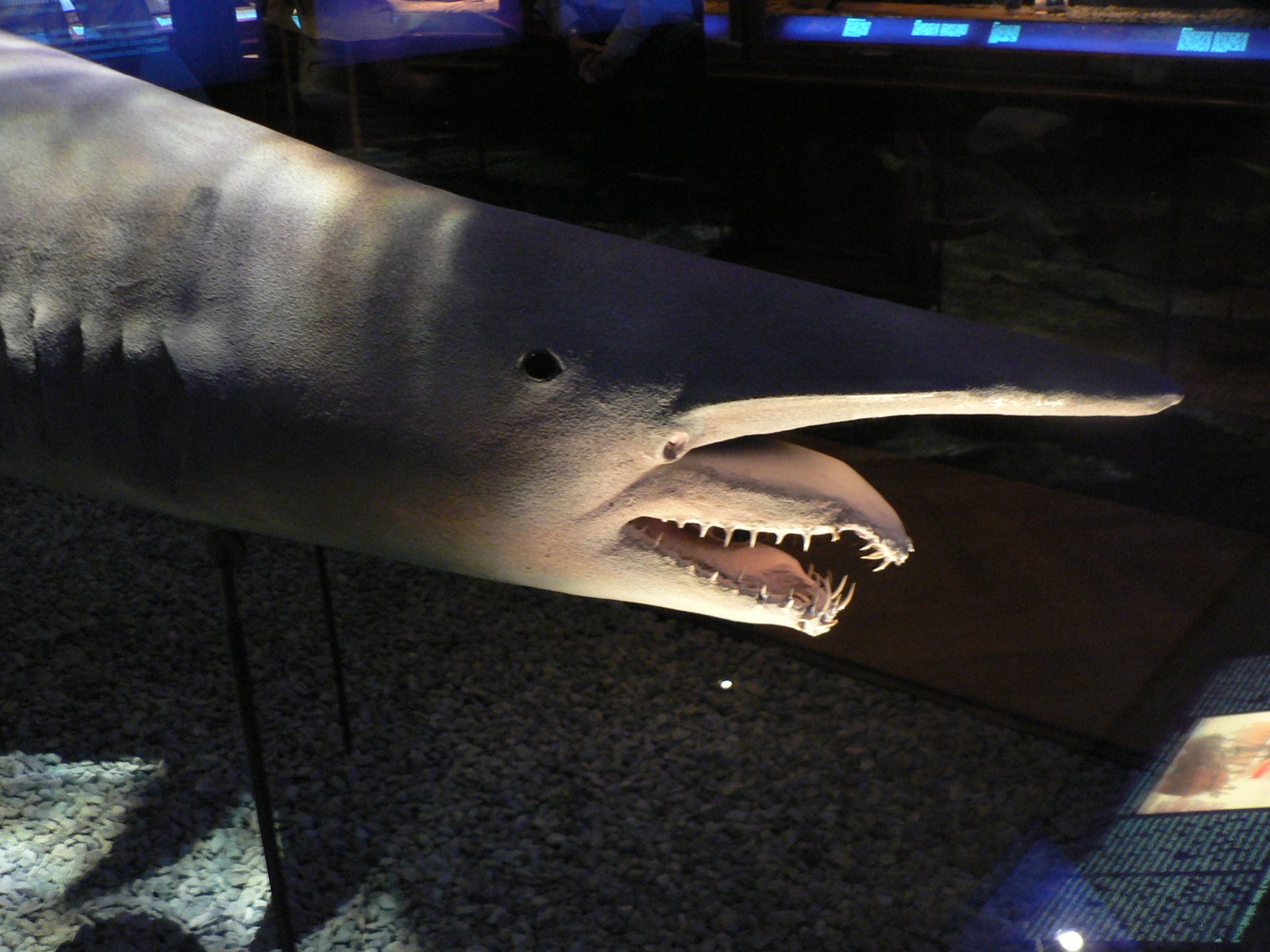
Swimming in the deep ocean is a shark that time forgot, looking exactly like it did 125 million years ago when dinosaurs ruled the Earth. The goblin shark’s most shocking feature isn’t its prehistoric appearance – it’s its ability to shoot its jaws forward like a telescoping nightmare. When prey comes within range, the shark’s jaw mechanism extends outward at lightning speed, creating a suction that vacuums unfortunate fish directly into its mouth. Its long, flattened snout contains electroreceptors that detect the electrical fields of other animals, making it a living torpedo in the dark depths. These “living fossils” are so rarely seen that scientists know very little about their behavior, making each encounter feel like discovering a dragon in your backyard.
The Platypus: Nature’s Greatest Mix-and-Match Experiment
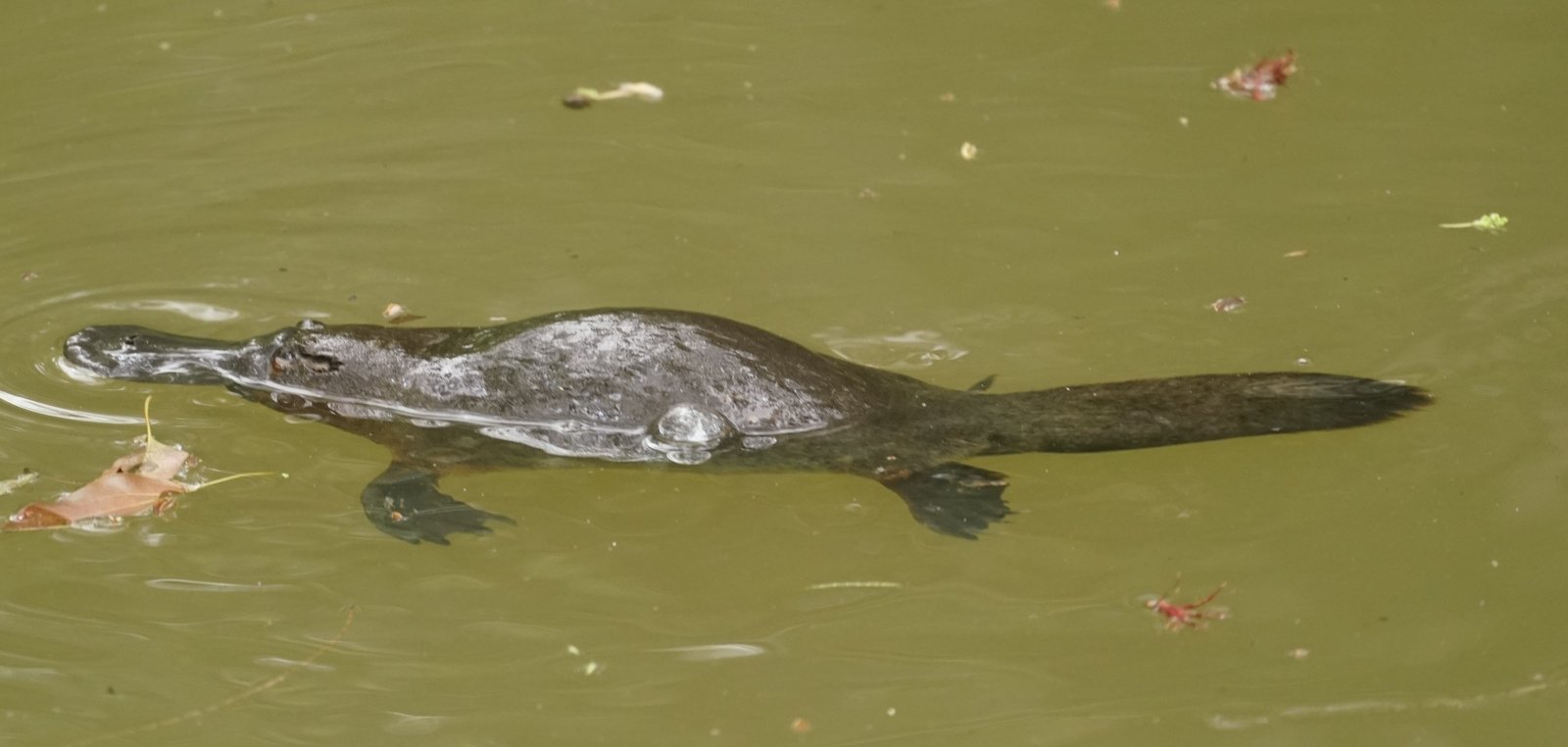
When European scientists first encountered the platypus, they thought someone was playing an elaborate prank on them. This Australian mammal appears to be assembled from spare parts: a duck’s bill, a beaver’s tail, webbed feet, and venomous spurs. The platypus is one of only two mammals that lay eggs, making it a living link between reptiles and mammals. Males carry venom potent enough to kill a dog-sized animal, delivered through spurs on their hind legs. But perhaps most remarkably, their bills can detect electrical fields generated by muscle contractions in other animals, essentially allowing them to see the electrical signatures of life itself. It’s like nature decided to create the ultimate Swiss Army knife and accidentally made it cute.
The Anglerfish: The Deep Sea’s Living Nightlight
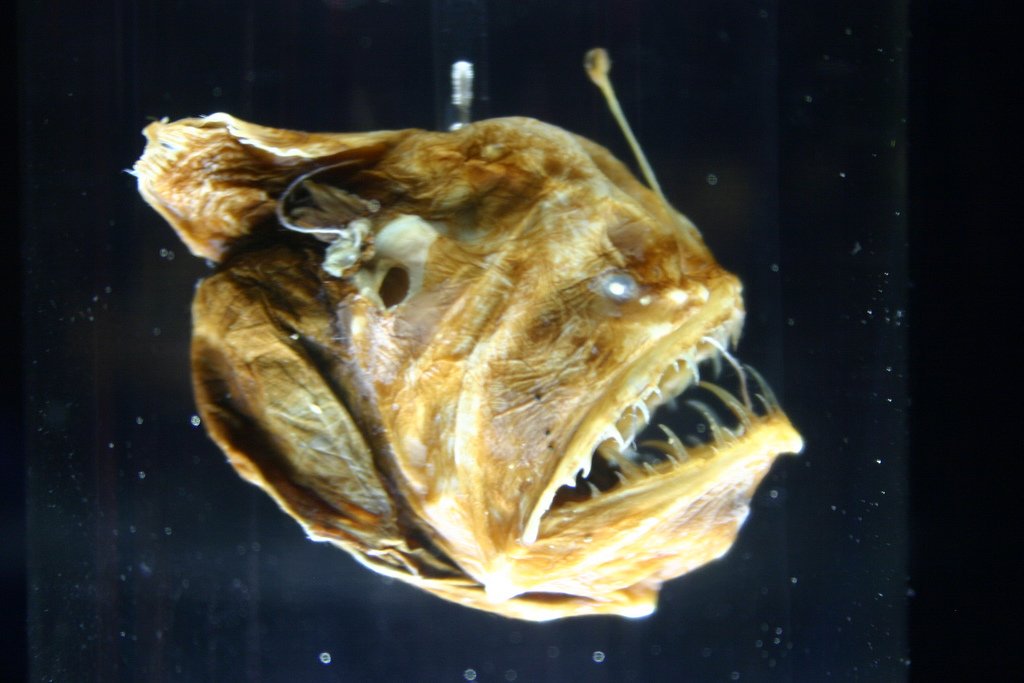
In the pitch-black depths of the ocean, where sunlight never penetrates, swims a fish that carries its own fishing rod complete with a glowing lure. The anglerfish looks like something that crawled out of your worst nightmare, with a massive mouth filled with needle-sharp teeth and a bioluminescent fishing pole extending from its head. The light is produced by symbiotic bacteria that live in a special organ, creating a living lighthouse in the deep sea darkness. Female anglerfish can be hundreds of times larger than males, and in some species, the tiny males permanently fuse to the female’s body, becoming nothing more than a sperm-producing appendage. It’s romance taken to a rather extreme conclusion, even by nature’s standards.
The Glass Frog: Nature’s Living Window
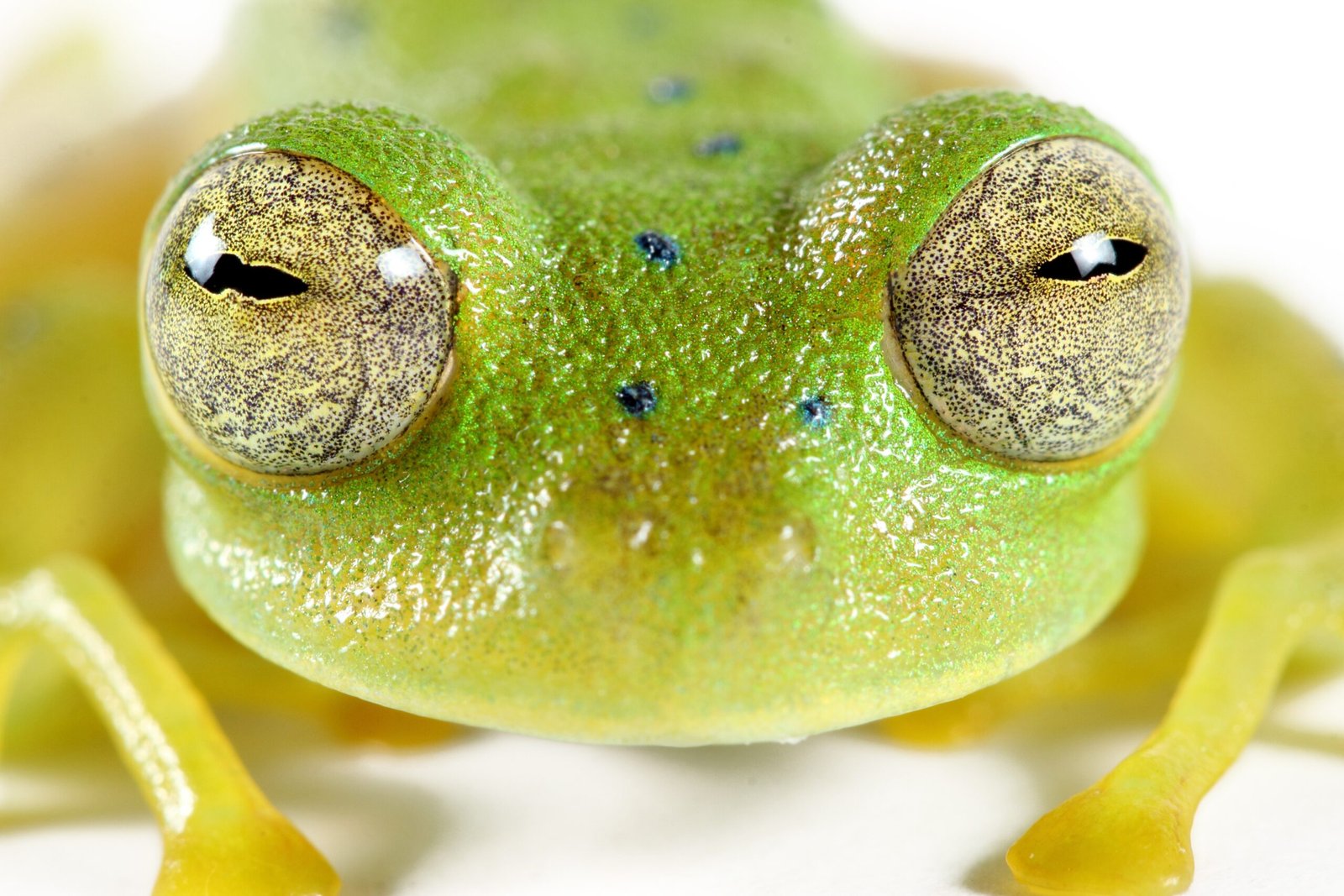
Perched on leaves in Central and South American rainforests are frogs so transparent you can see their beating hearts through their skin. Glass frogs look like they’re made of living crystal, with translucent bellies that reveal their internal organs in stunning detail. This transparency serves as camouflage – from below, predators see light filtering through the frog’s body, making it nearly invisible against the leaf it’s sitting on. During the day, these remarkable amphibians compress their red blood cells into their liver, making themselves even more transparent. Watching a glass frog is like having a real-time anatomy lesson, as you can observe their hearts pumping, lungs inflating, and eggs developing inside females.
The Vampire Squid: The Goth of the Deep Sea
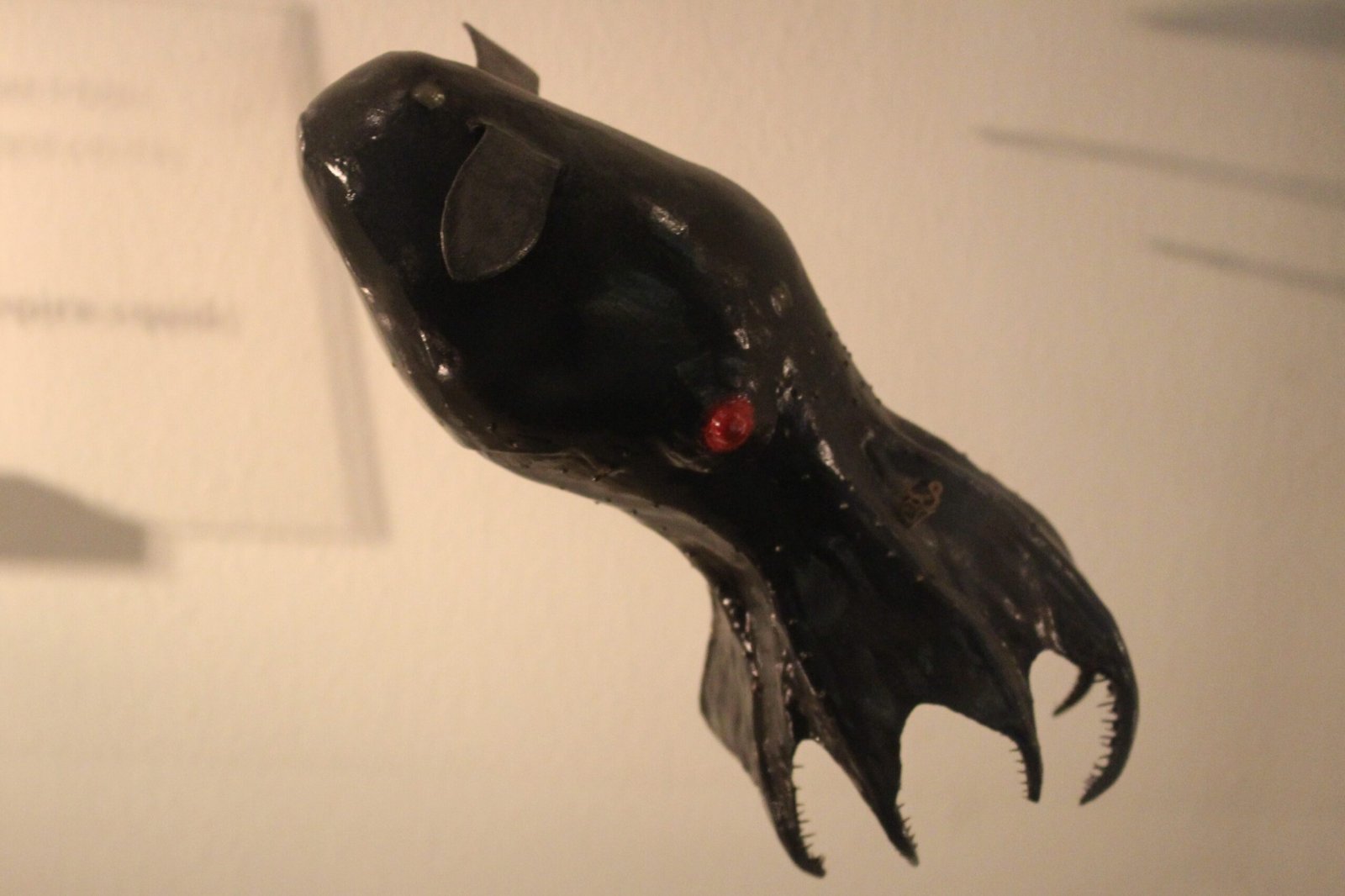
Despite its terrifying name, the vampire squid from hell (its actual scientific name) doesn’t suck blood or even hunt living prey. This deep-sea cephalopod is covered in light-producing organs called photophores, making it look like a living constellation in the darkness. When threatened, it can turn itself inside out, exposing spines that make it look like a spiky ball of terror. The vampire squid feeds on “marine snow” – a gentle rain of organic debris that drifts down from the surface waters. Its feeding strategy is so unusual that it represents an entirely unique ecological niche in the deep sea. Think of it as the ocean’s gothic recycling expert, dressed in a cloak of bioluminescent stars.
The Saiga Antelope: The Inflated Nose of the Steppes
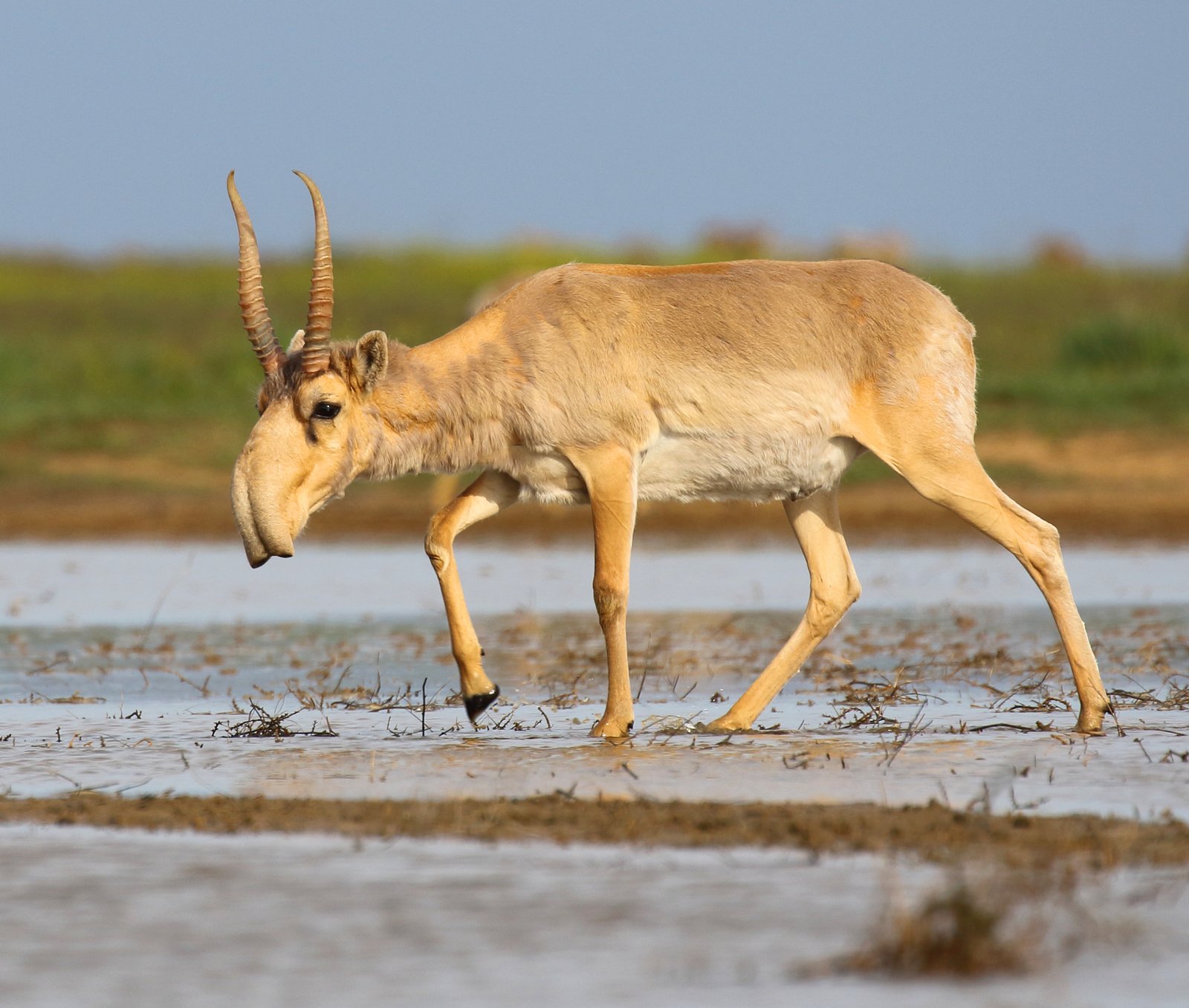
Roaming the grasslands of Central Asia is an antelope that looks like it’s wearing a flesh-colored balloon on its face. The saiga’s inflated nose isn’t a birth defect – it’s a sophisticated climate control system. In winter, the enlarged nasal passages warm and humidify frigid air before it reaches the lungs, while in summer, they filter out dust and help cool the animal down. These ancient creatures have survived ice ages and shared the Earth with woolly mammoths, but today they’re critically endangered. Their horns are highly valued in traditional medicine, leading to severe poaching pressure. The sight of a herd of saigas moving across the steppe, with their balloon-like noses bouncing in unison, is both comical and deeply moving.
The Dumbo Octopus: The Elephant of the Abyss
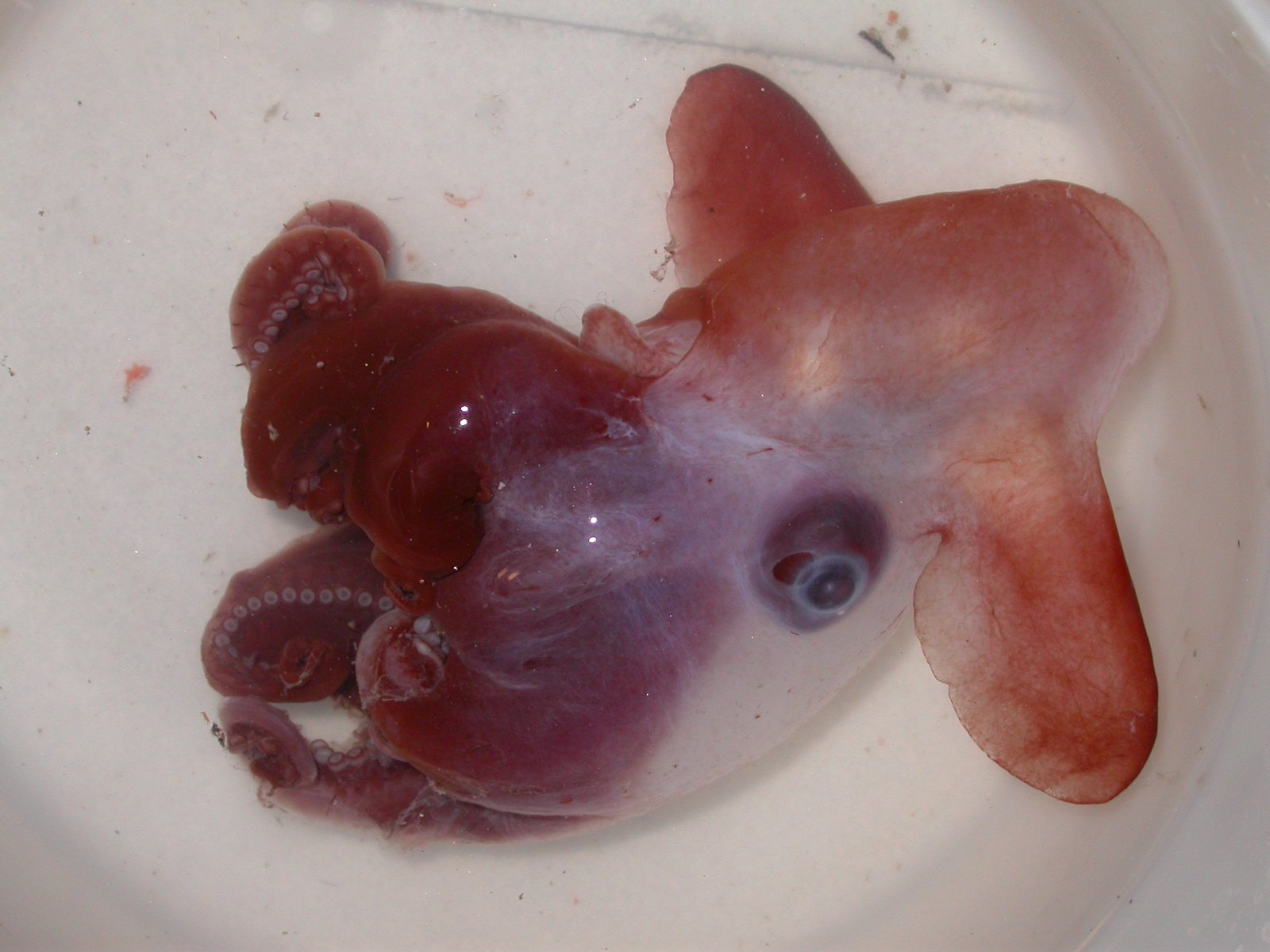
In the deepest parts of our oceans, where crushing pressure would instantly kill most surface dwellers, lives an octopus that looks like it borrowed Dumbo’s ears. The dumbo octopus uses its ear-like fins to gracefully propel itself through the water, resembling an underwater elephant ballet dancer. These remarkable cephalopods live at depths of up to 13,000 feet, making them some of the deepest-living octopuses known to science. Unlike their shallow-water relatives, dumbo octopuses swallow their prey whole since there aren’t many rocks in the deep sea to hide behind and tear food apart. Their entire life cycle occurs in the deep sea, from hatching to reproduction, making them perfectly adapted to one of Earth’s most extreme environments.
The Pink Fairy Armadillo: The Tiniest Tank
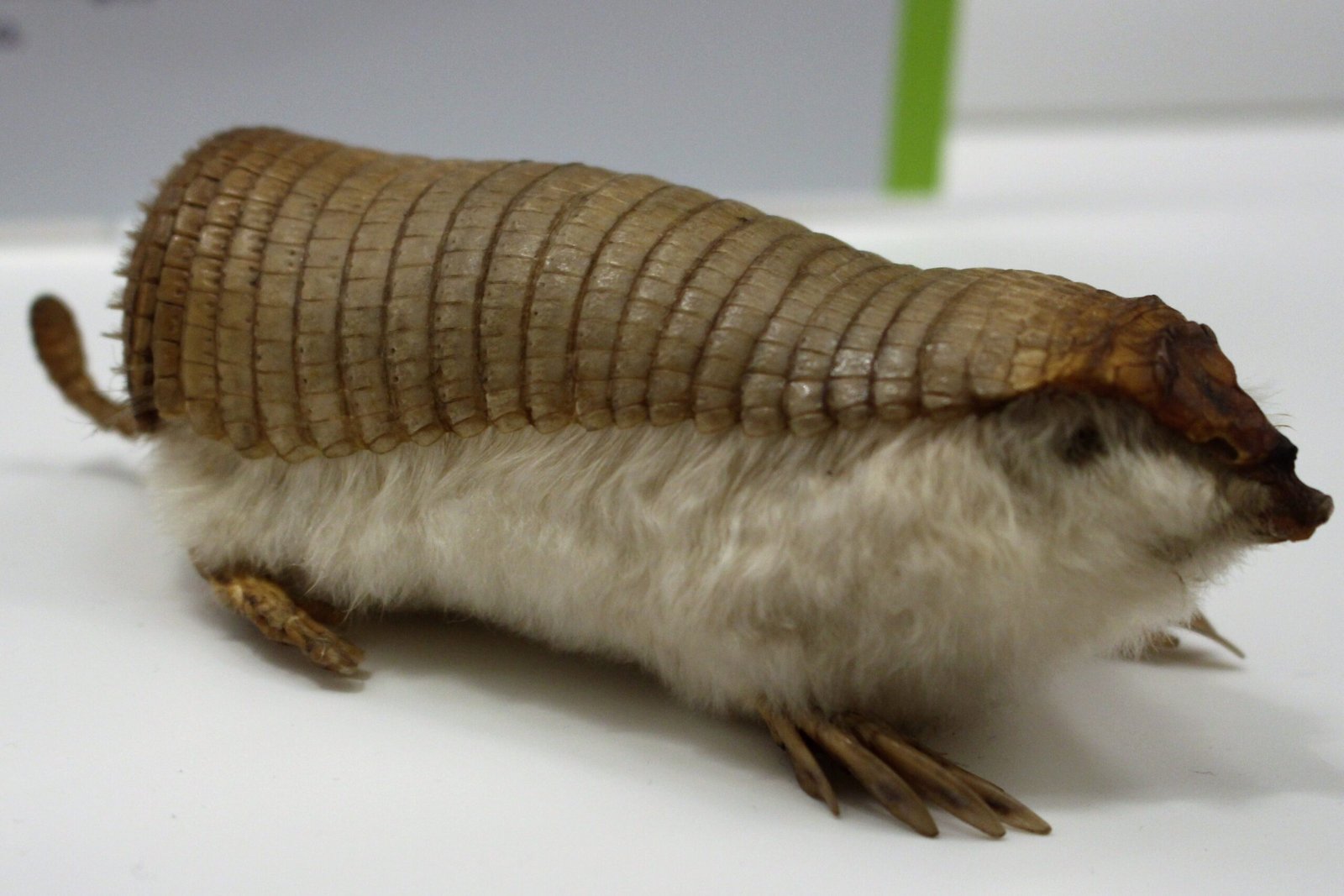
Scurrying through the sandy soils of Argentina is the world’s smallest armadillo species, and it looks like something that escaped from a fairy tale. The pink fairy armadillo is only about five inches long and sports a shell that looks like flexible pink armor. Its shell isn’t completely hard like other armadillos – instead, it’s attached only at the spine, allowing for flexibility as the animal burrows. This tiny creature is basically a living bulldozer, using its powerful claws and shield-like rear plate to push through sand and soil. They’re so adapted to underground life that they can literally “swim” through sand dunes, surfacing only occasionally and usually at night.
The Okapi: The Forest Giraffe in Zebra Pants
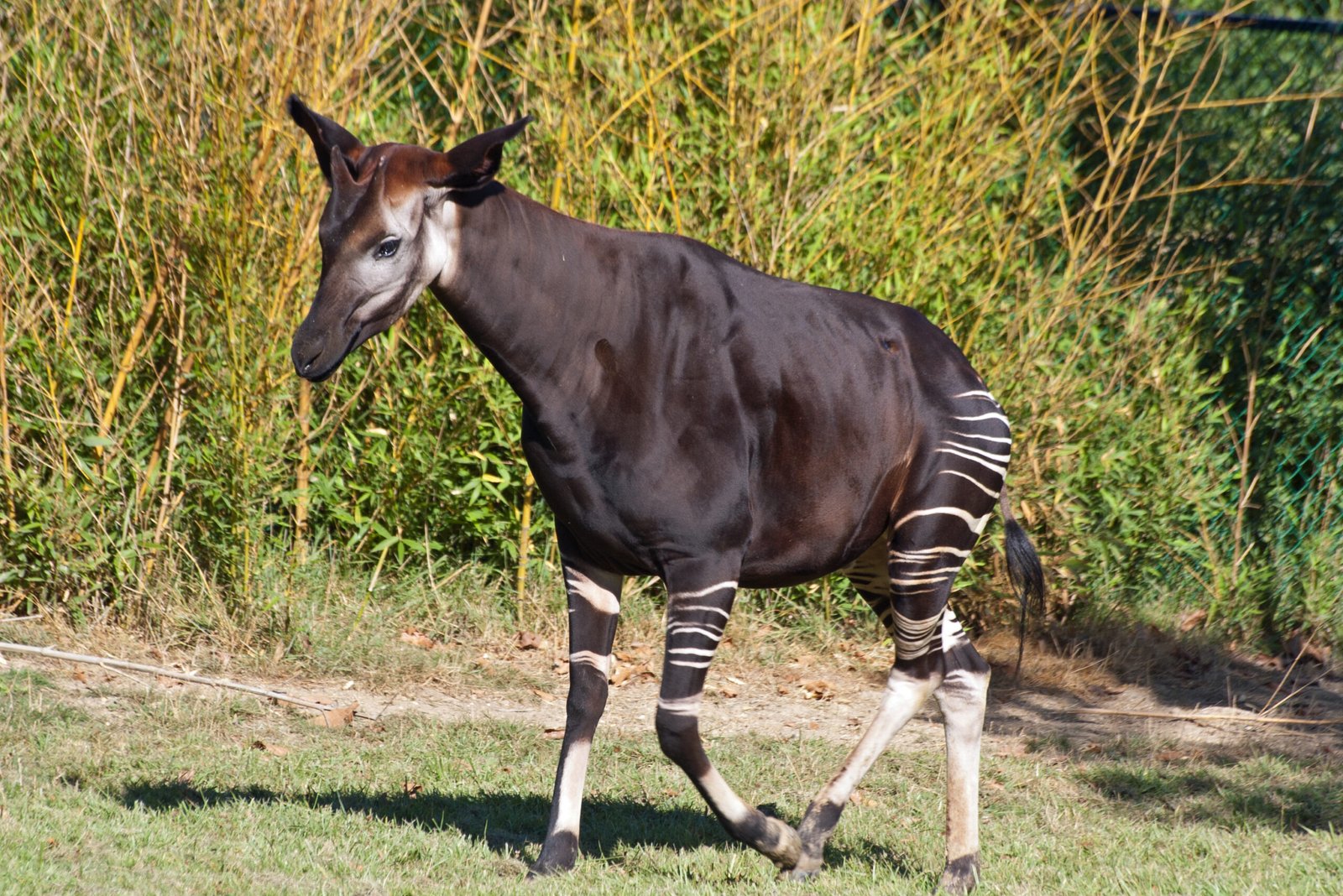
Hidden in the dense rainforests of the Democratic Republic of Congo lives an animal that looks like someone crossed a giraffe with a zebra and shrunk the result. The okapi has the long neck and tongue of its giraffe relatives but sports striking white stripes on its legs and rear end that look like it’s wearing zebra-print leggings. For decades, this animal was known only through local legends and was called the “African unicorn” by explorers who couldn’t quite believe the descriptions. The okapi’s tongue is so long it can clean its own eyes and ears, and males sport small skin-covered horns called ossicones. These gentle giants are living proof that our planet still holds secrets, even in an age when we think we’ve discovered everything.
The Yeti Crab: The Hairy Hermit of Hydrothermal Vents
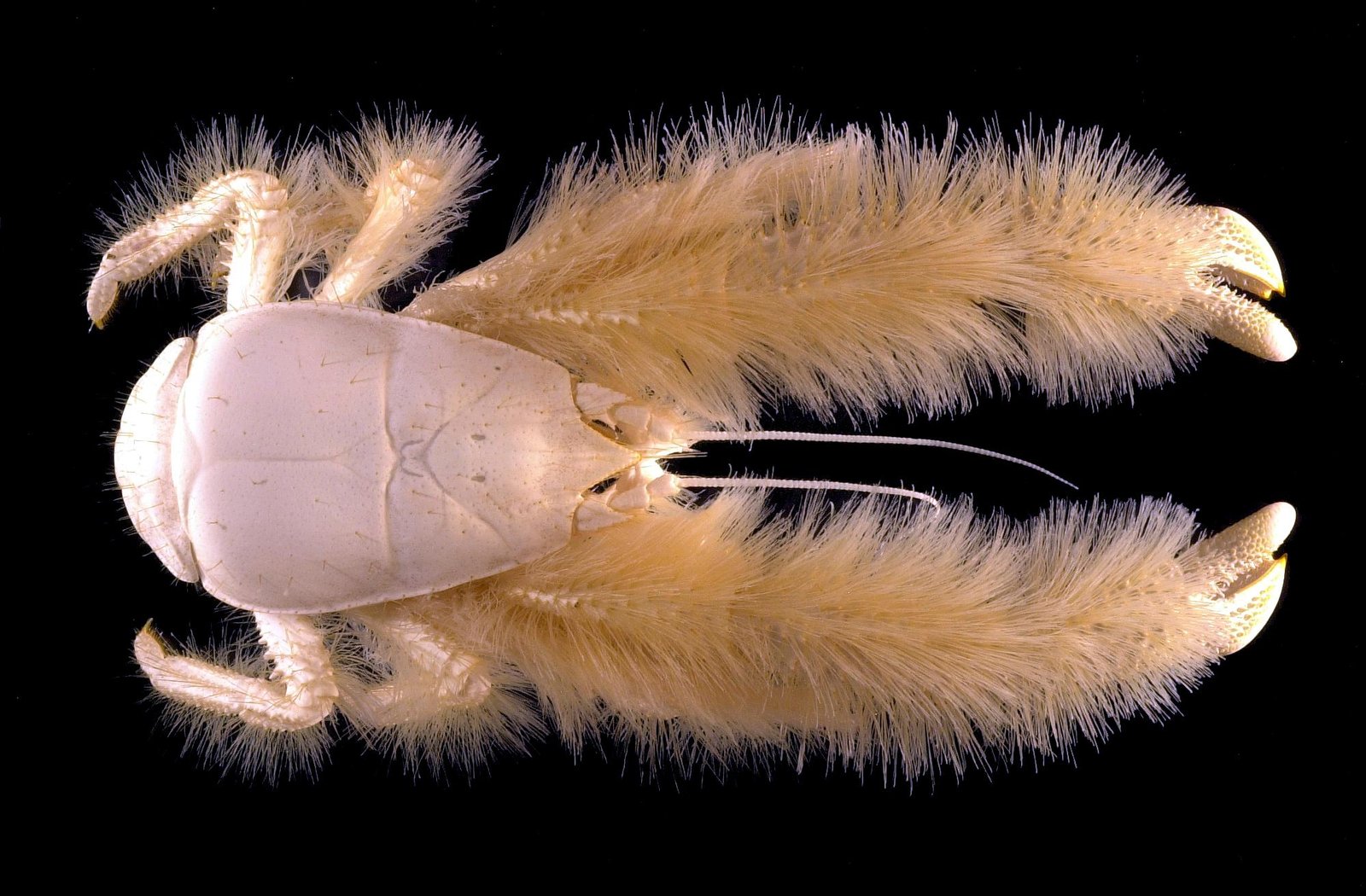
In 2005, scientists discovered something that seemed straight out of a mythology textbook living around hydrothermal vents in the South Pacific. The yeti crab is covered in hair-like filaments that give it the appearance of a tiny abominable snowman of the sea. These “hairs” aren’t just for looks – they house bacteria that may help detoxify harmful chemicals from the vent water, essentially turning the crab into a living water filter. These blind crabs live in one of Earth’s most extreme environments, where water temperatures can exceed 750 degrees Fahrenheit just inches away from where they scuttle. The discovery of yeti crabs opened up entirely new questions about life in extreme environments and the creatures that call volcanic underwater landscapes home.
The Shoebill Stork: The Dinosaur That Never Left
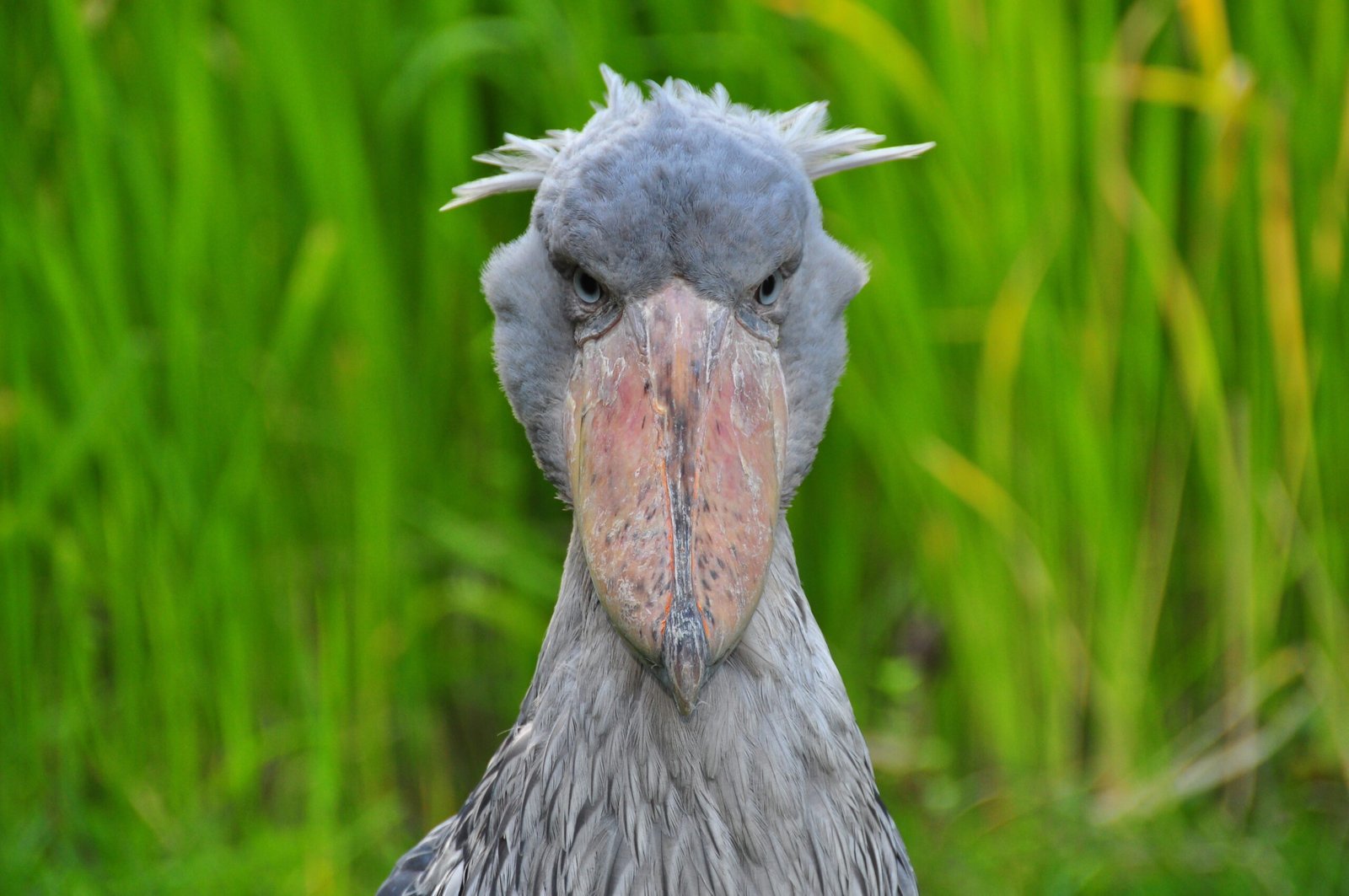
Standing motionless in the swamps of East Africa is a bird that looks like it time-traveled directly from the Jurassic period. The shoebill stork doesn’t just look prehistoric – it sounds like it too, producing machine-gun-like rattling sounds instead of typical bird calls. This massive bird can stand five feet tall and has a shoe-shaped bill that’s perfectly designed for grabbing lungfish from murky waters. Shoebills are incredibly patient hunters, sometimes standing motionless for hours waiting for the perfect moment to strike. When they do attack, their movements are lightning-fast and brutally efficient. Watching a shoebill hunt is like observing a living dinosaur demonstrate exactly why birds are considered the direct descendants of these ancient giants.
The natural world continues to surprise us with creatures that challenge our understanding of what’s possible. These animals remind us that evolution is the ultimate creative force, constantly producing solutions to survival challenges that seem almost impossibly bizarre. Each of these species represents millions of years of adaptation, fine-tuning their unique features to thrive in specific environments. From the crushing depths of the ocean to the highest mountain forests, life finds ways to exist that stretch our imagination to its limits. What other incredible creatures are still waiting to be discovered in the unexplored corners of our planet?