Imagine a creature so prolific that it can produce hundreds of millions of offspring in its lifetime, flooding the planet with its progeny in a relentless bid for survival. In the wild world of reproduction, some animals take the concept of “leaving a legacy” to unimaginable extremes. While a human parent may have one or two children at a time, there are animals whose entire existence revolves around producing the greatest number of descendants possible, often at the expense of their own well-being. This astonishing diversity in reproductive strategies has sparked awe, inspired scientific inquiry, and challenged our understanding of what it truly means to pass on life.
The Sheer Scale of Reproductive Potential
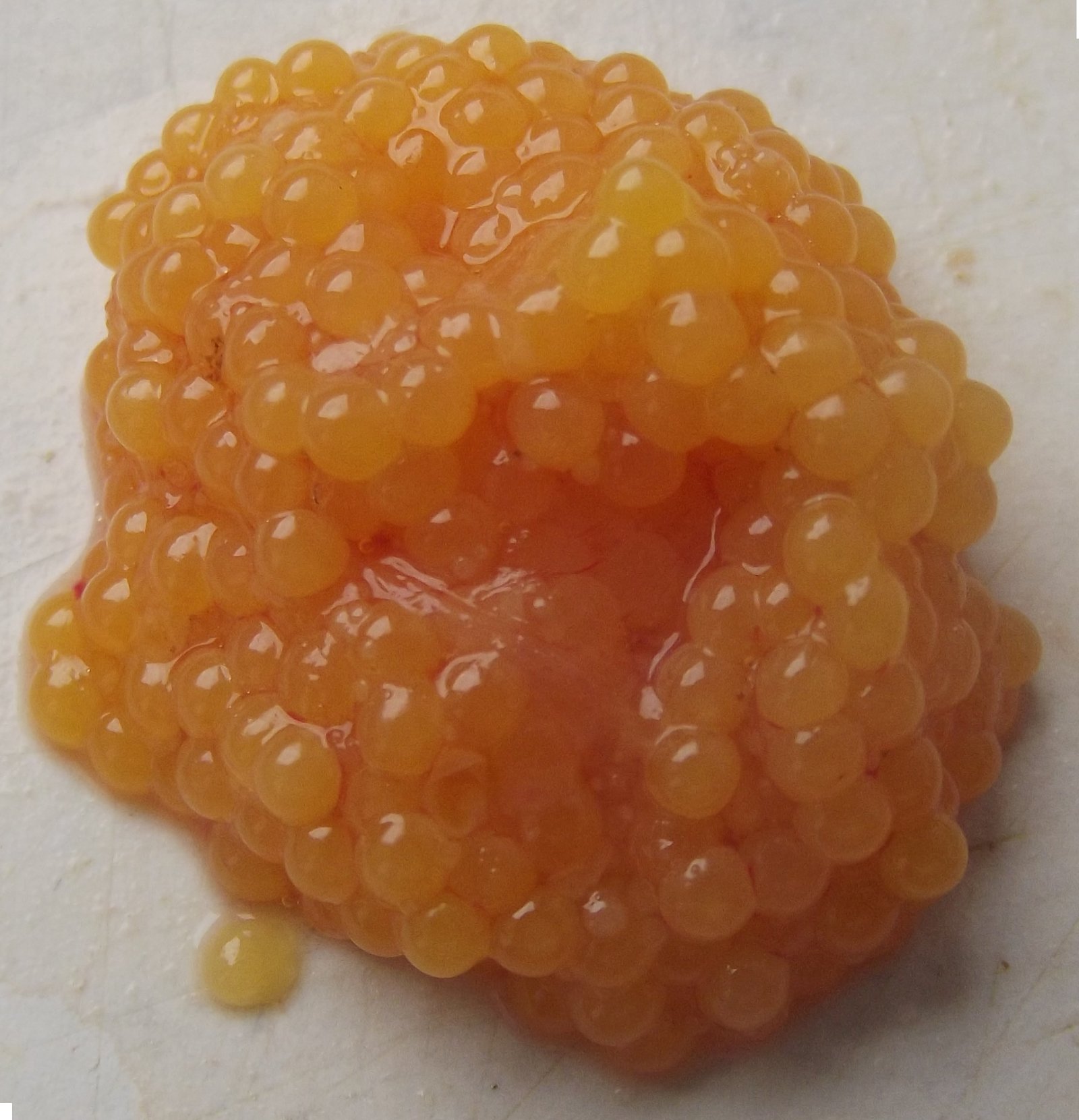
When it comes to the numbers, some animals make even the most fertile mammals look tame by comparison. The ocean sunfish, for example, may release up to 300 million eggs in a single spawning season. Insects like the termite queen can lay tens of thousands of eggs every single day, continuing for decades. These staggering figures are not just trivia—they are the result of evolutionary arms races, where survival depends on producing as many offspring as possible, knowing that only a tiny fraction will ever reach adulthood. This approach is nature’s way of hedging bets against predators, disease, and the relentless challenges of the natural world.
Meet the Champion: The Ocean Sunfish
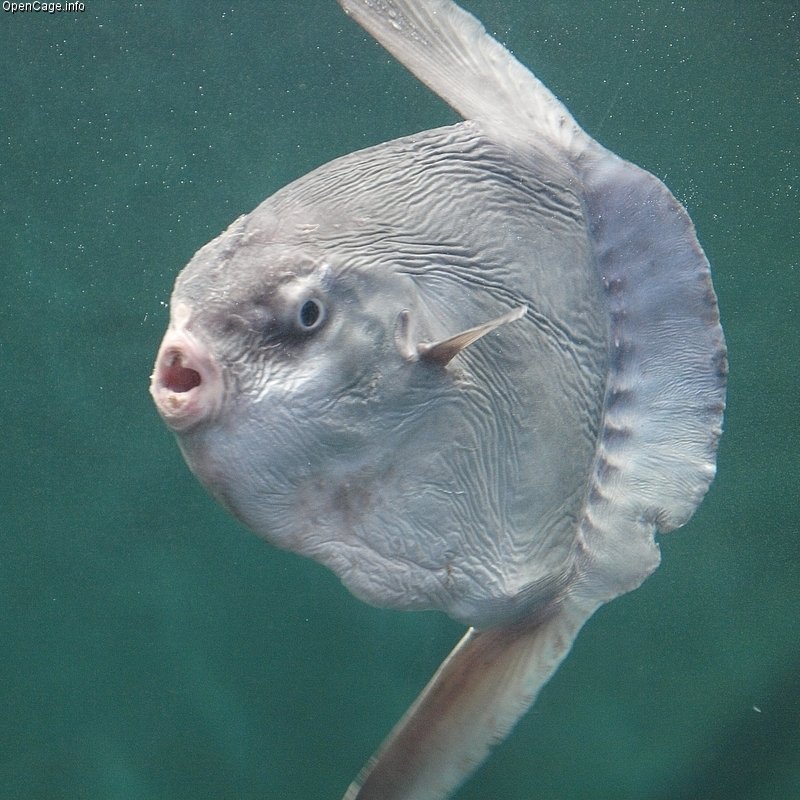
The ocean sunfish, or Mola mola, holds the astonishing record for the most eggs laid by a vertebrate in one go. A single female can release up to 300 million eggs during spawning. This number is so large it’s almost impossible to imagine—picture every person in the United States, and then multiply that by nearly the population of Canada, all represented as tiny, drifting eggs. Most of these eggs will never make it past the first few days, falling prey to hungry fish, changing currents, and even each other. Yet, the relentless output of the sunfish ensures that at least a few will survive to carry on the species.
Insect Royalty: The Termite Queen’s Legacy
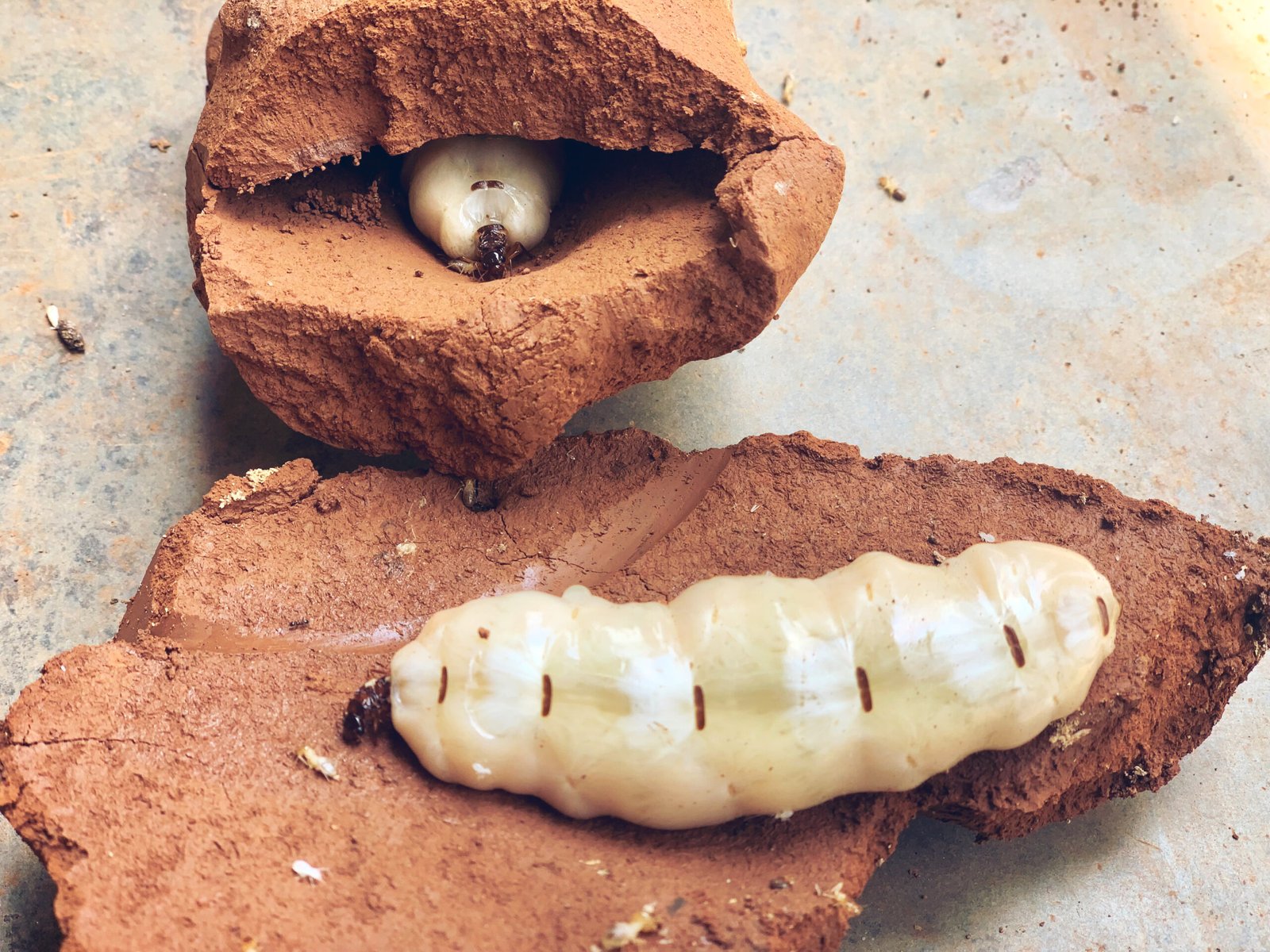
If there’s a title for the most prolific animal in terms of lifetime offspring, the termite queen is an undisputed contender. Some species of termite queens can lay up to 30,000 eggs per day, and continue this incredible feat for more than 20 years. Over her lifetime, this can add up to well over 200 million offspring. The queen herself becomes a living egg factory, her body swollen with eggs and tended by legions of worker termites. Her role is singular: to ensure the survival and expansion of the colony, with her fertility serving as its beating heart.
Why So Many? The Harsh Reality of Survival
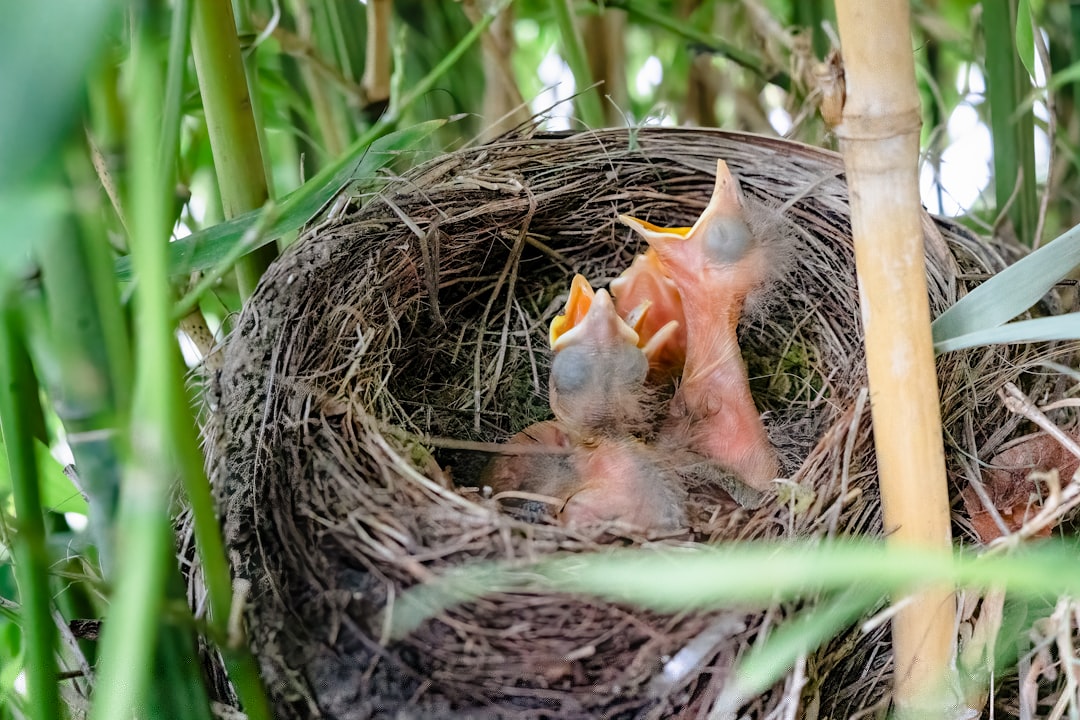
Why do these animals need to produce so many offspring? The answer is both simple and brutal. In nature, life is a numbers game. Most young animals never survive to adulthood. They face predators, starvation, disease, and competition from the very moment they come into the world. By producing hundreds of thousands or even millions of offspring, these species increase the odds that at least a handful will live long enough to reproduce themselves. It’s a high-stakes lottery, with life and death hanging in the balance every single day.
Evolutionary Trade-Offs: Quality Versus Quantity
Not all creatures take the “quantity over quality” approach. Mammals, for instance, often invest heavily in a small number of young, providing care, food, and protection. In contrast, animals like fish, insects, and amphibians tend to produce massive numbers of eggs or larvae, leaving their young to fend for themselves from the moment of birth. These different strategies are shaped by millions of years of evolution, each tailored to the unique challenges of a species’ environment. Whether it’s nurturing a single calf or releasing a cloud of eggs into the sea, every approach serves to maximize the chances of survival.
The Role of Environmental Pressures

Environmental factors play a huge role in shaping reproductive strategies. In unpredictable or harsh habitats, high offspring numbers can be a lifesaver. Sudden weather changes, shifting food supplies, and waves of predators can wipe out entire generations in an instant. By flooding the environment with offspring, species like the sunfish or termite can ensure that at least a few descendants survive, regardless of the odds. On the other hand, in more stable environments, animals may invest in fewer offspring with greater care, betting on quality over quantity.
The Cost of Reproduction
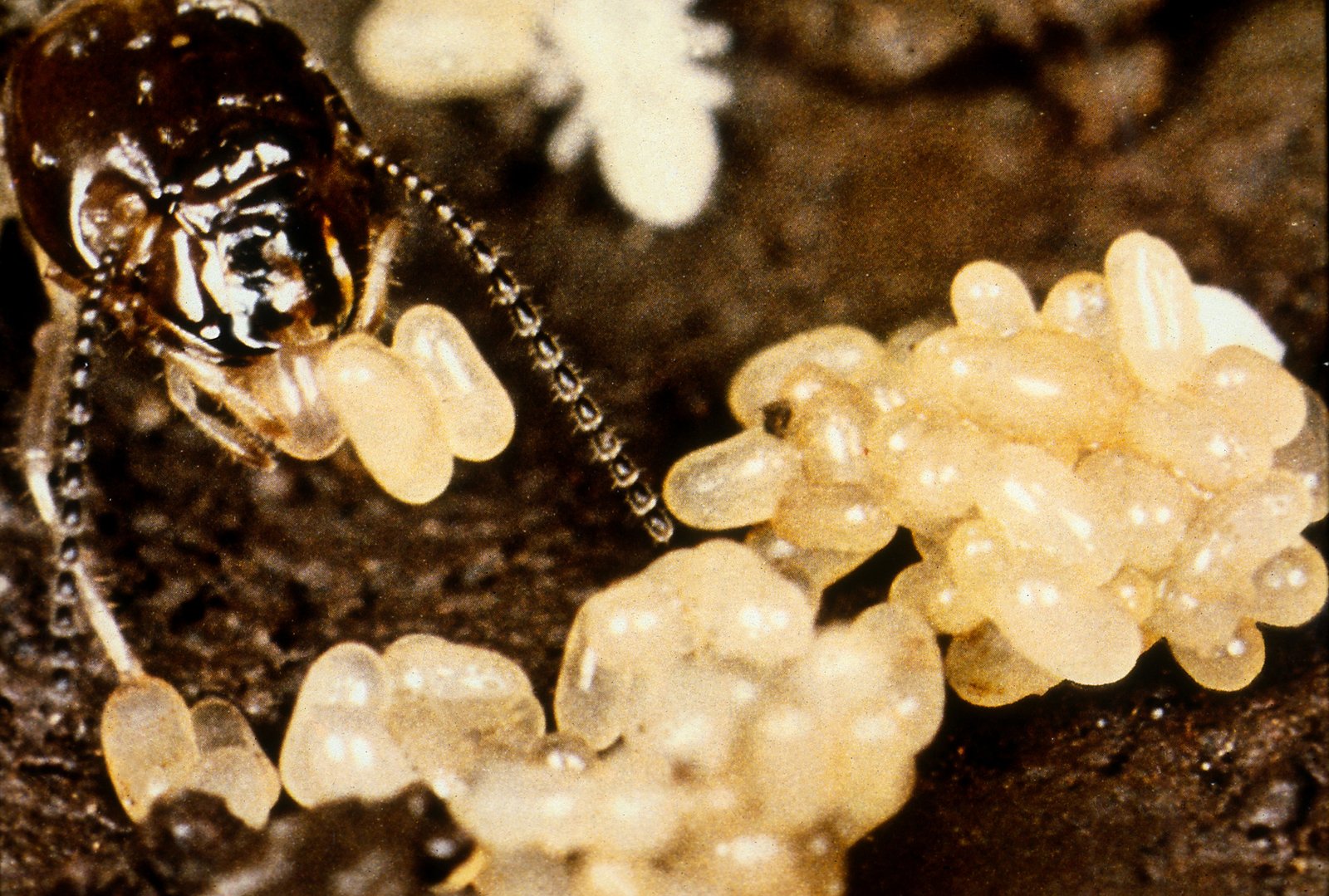
Producing such vast numbers of offspring comes at a steep price. For many animals, especially those that lay millions of eggs, there is little or no parental care after birth. The energy devoted to producing eggs or young means less energy for self-defense, growth, or even basic survival. In some cases, the act of reproduction is fatal; certain species of Pacific salmon, for example, die soon after spawning. For termite queens, the physical toll of continuous egg laying transforms their bodies and often shortens their lives.
Parental Care: When Fewer Is Better
Contrast these prolific reproducers with animals that have only a few young but invest heavily in each one. Elephants, for example, may have just one calf every several years, but that calf receives years of nurturing and protection. This strategy relies on the survival of each individual offspring and the ability of parents to guide them through the dangers of the world. It’s a high-investment, high-reward approach—one that works best in environments where young have a better chance of surviving with help.
Reproductive Extremes in the Invertebrate World
Beyond termites and sunfish, many invertebrates take reproductive excess to dazzling new heights. The female octopus, for example, may lay up to 100,000 eggs in a single batch, tending them with obsessive care until she dies. Some species of tapeworms can produce millions of eggs throughout their lives, dispersing them through hosts in a ceaseless quest for new territory. These strategies showcase the endless creativity of evolution, finding ways to ensure survival even in the most challenging circumstances.
What It Means for the Future of Species
The incredible reproductive potential of some animals offers both hope and warning for their future. On one hand, a species capable of producing millions of offspring may seem nearly invincible. Yet, even these animals are not immune to environmental threats. Pollution, habitat destruction, and climate change can disrupt the delicate balance, leading to population crashes despite their reproductive might. Understanding these extreme strategies helps scientists predict how species might respond to the challenges of a changing world.
The Enduring Fascination With Nature’s Extremes

The story of the world’s most prolific animals is a testament to nature’s boundless inventiveness and the eternal struggle for survival. From the termite queen’s hidden chambers to the open ocean where sunfish spawn, these creatures remind us of the wonders that lie just beneath the surface of the natural world. Their stories inspire curiosity, respect, and a deeper appreciation for the delicate threads that bind all life together. Perhaps the real question is not just which animal produces the most offspring, but how far life will go to ensure its own continuation.