Imagine an animal so extraordinary that its tongue can stretch far beyond what seems possible, unraveling like a magician’s scarf, and revealing nature’s wildest engineering. It’s not an elephant, not a giraffe, not even a snake. This animal is smaller than a loaf of bread, yet its tongue can reach lengths that defy belief. The animal with the greatest tongue-to-body ratio on Earth is the chameleon—a true genetic marvel that leaves scientists, nature lovers, and the simply curious in awe. What makes the chameleon’s tongue such an evolutionary masterpiece? How did this strange adaptation come to be? Let’s journey into the world of these color-shifting, lightning-fast hunters and discover what makes their tongues a living legend.
A Record-Breaking Feat: The Chameleon’s Tongue
The chameleon’s tongue is nothing short of astonishing. For many species, this sticky, muscular projectile can measure up to twice the animal’s body length—and in some cases, even more. Imagine if your own tongue was longer than your entire torso; it sounds like something out of a fantasy novel, but for chameleons, it’s an everyday reality. This adaptation allows them to snatch prey from seemingly impossible distances, making them master hunters in their treetop homes. Their tongues can extend and retract in fractions of a second, giving insects no chance to escape. The sheer proportion of tongue to body in the chameleon is unmatched by any other animal on the planet.
An Evolution Born of Necessity
The chameleon’s extraordinary tongue didn’t just appear overnight. Evolution shaped this trait over millions of years, sculpting it to suit a life of stealth and patience. Living high in the trees, chameleons face stiff competition for food. Their unique tongue allows them to strike at distant prey without having to move—minimizing their risk of being spotted by predators. Over time, natural selection favored individuals with longer, faster tongues, leading to the incredible diversity and efficiency we see today. It’s a powerful reminder that necessity is often the mother of invention in the animal kingdom.
The Anatomy Behind the Magic
Behind the scenes, the chameleon’s tongue is a masterpiece of biological engineering. It’s powered by a complex arrangement of elastic tissues, specialized muscles, and a bone called the hyoid. When a chameleon spots a tasty insect, it contracts its muscles, building up tension like a slingshot. In an explosive release, the tongue shoots outward, propelled by stored elastic energy. At the tip, a sticky pad acts like a flytrap, grabbing prey with shocking precision. This intricate system operates with such speed and force that it’s one of the fastest movements in the animal world.
Speed That Defies Belief
Speed is where the chameleon’s tongue truly shines. Some species can launch their tongues at over 13 miles per hour, accelerating from zero to full extension in just a hundredth of a second. To put that in perspective, it’s faster than the blink of an eye—so fast that slow-motion cameras are needed to truly appreciate the process. This blistering speed gives chameleons a huge advantage, allowing them to catch even the quickest and most evasive insects. It’s a perfect example of how evolution can push the boundaries of what seems physically possible.
Micro Chameleons: Smallest Bodies, Longest Tongues
While all chameleons boast impressive tongues, the smallest species take this adaptation to mind-boggling extremes. The “Brookesia” chameleons, native to Madagascar, are tiny enough to perch on a matchstick, yet their tongues can stretch to nearly three times their body length. For these miniature marvels, a super-long tongue is essential for survival. Their tiny size means their hunting range would be severely limited without a tongue that can reach far beyond their immediate surroundings. Nature seems to delight in irony—sometimes the smallest creatures possess the most outsized abilities.
Hunting With Surgical Precision
Chameleons are not just fast; they are incredibly accurate. Watching them hunt is like witnessing a living, breathing dart gun in action. Their eyes, which move independently, allow them to pinpoint prey with uncanny accuracy. Once they lock onto a target, their tongue shoots out with laser precision, rarely missing its mark. This combination of speed, distance, and aim makes them some of the most skilled insect hunters in the animal world. It’s a humbling reminder that you don’t need size or brute strength to be a top predator.
Sticky Science: The Prehensile Tongue Tip
At the business end of the chameleon’s tongue lies a remarkable feature—a sticky, suction-cup-like tip. When the tongue hits its prey, this adhesive pad wraps around it, creating a secure grip even on slippery or fast-moving bugs. Scientists have discovered that this sticky pad is covered in microscopic filaments, increasing surface area and stickiness. It’s like nature’s own superglue, ensuring that once the tongue connects, escape is nearly impossible. The design is so effective that engineers have studied it for inspiration in robotics and adhesive technology.
Genetics: The Blueprint of an Extraordinary Tongue
What lies beneath the chameleon’s anatomical wonders is a unique genetic code. Researchers have begun to unlock the secrets hidden in chameleon DNA, revealing a cocktail of genes responsible for muscle elasticity, rapid contraction, and tongue regeneration. These genes direct the development of specialized muscle fibers and elastic tissues, allowing for explosive movement. The evolution of these genes speaks to the power of mutation and natural selection—over generations, the tiniest changes can lead to world-record-breaking abilities. It’s a vivid reminder of how genetics shapes the breathtaking diversity of life.
Comparing Tongue Titans: Other Notable Animals

Chameleons aren’t the only animals with remarkable tongues, but their ratio is unmatched. Anteaters, for example, use their long, sticky tongues to slurp up ants and termites, sometimes reaching half their body length. Woodpeckers have barbed tongues that wrap around their skulls, helping them catch insects deep in tree bark. Giraffes use their tongues to pluck leaves from tall trees, but their tongue-to-body ratio doesn’t come close to the chameleon’s. These examples show that tongue adaptations are widespread, but the chameleon stands alone at the top of the evolutionary ladder.
Adaptation in Action: Surviving in Diverse Habitats
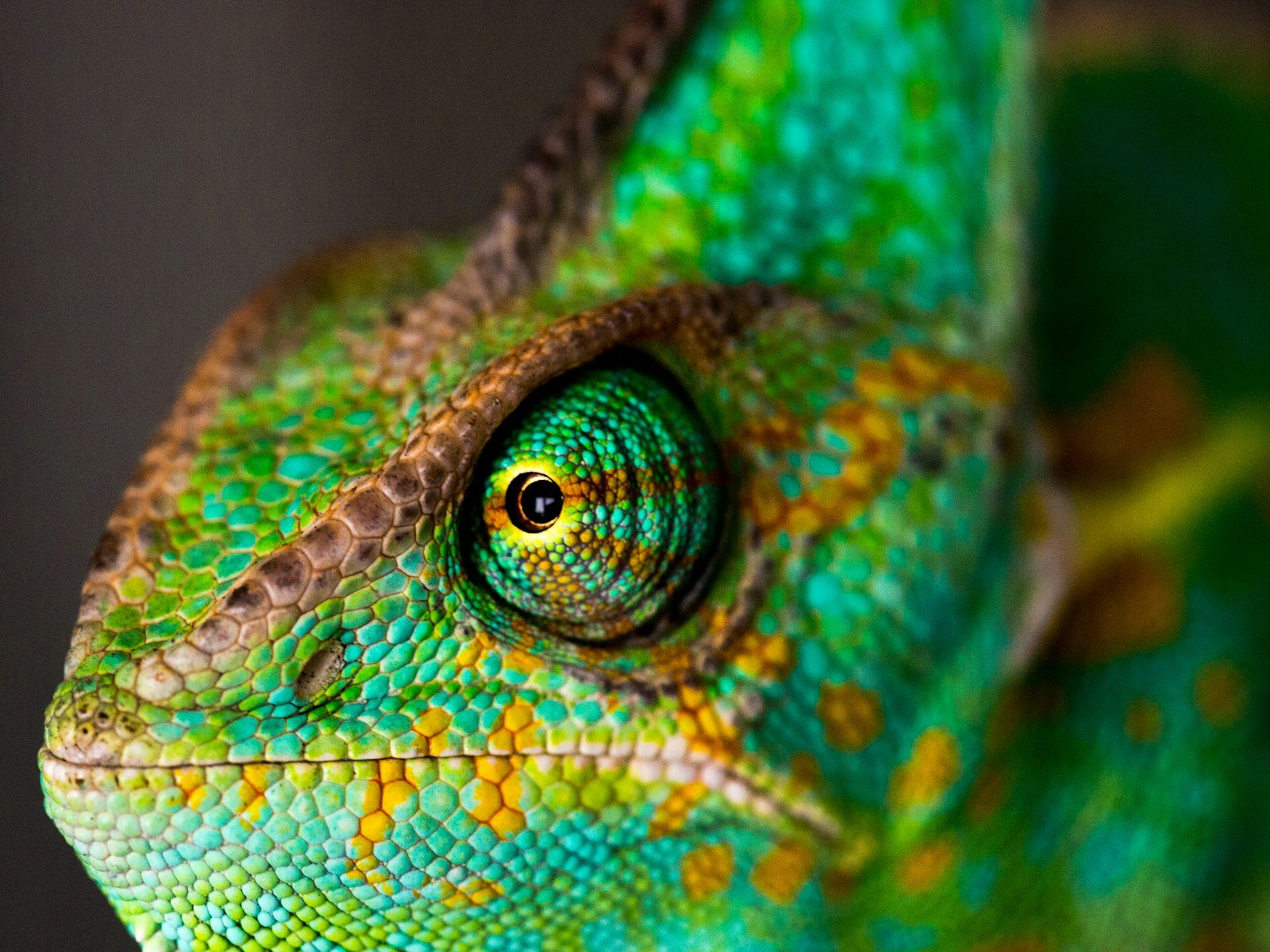
Chameleons live in a variety of environments, from rainforests and savannas to deserts and mountains. This diversity has driven further specialization of their tongues. In dense forests, a long tongue is crucial for reaching hidden insects among thick foliage. In open areas, speed and accuracy help chameleons catch fast-moving prey before it can escape. Each habitat presents its own challenges, but the chameleon’s tongue is versatile enough to meet them all. It’s a living example of how evolution tailors creatures to fit their worlds perfectly.
A Predator’s Secret Weapon
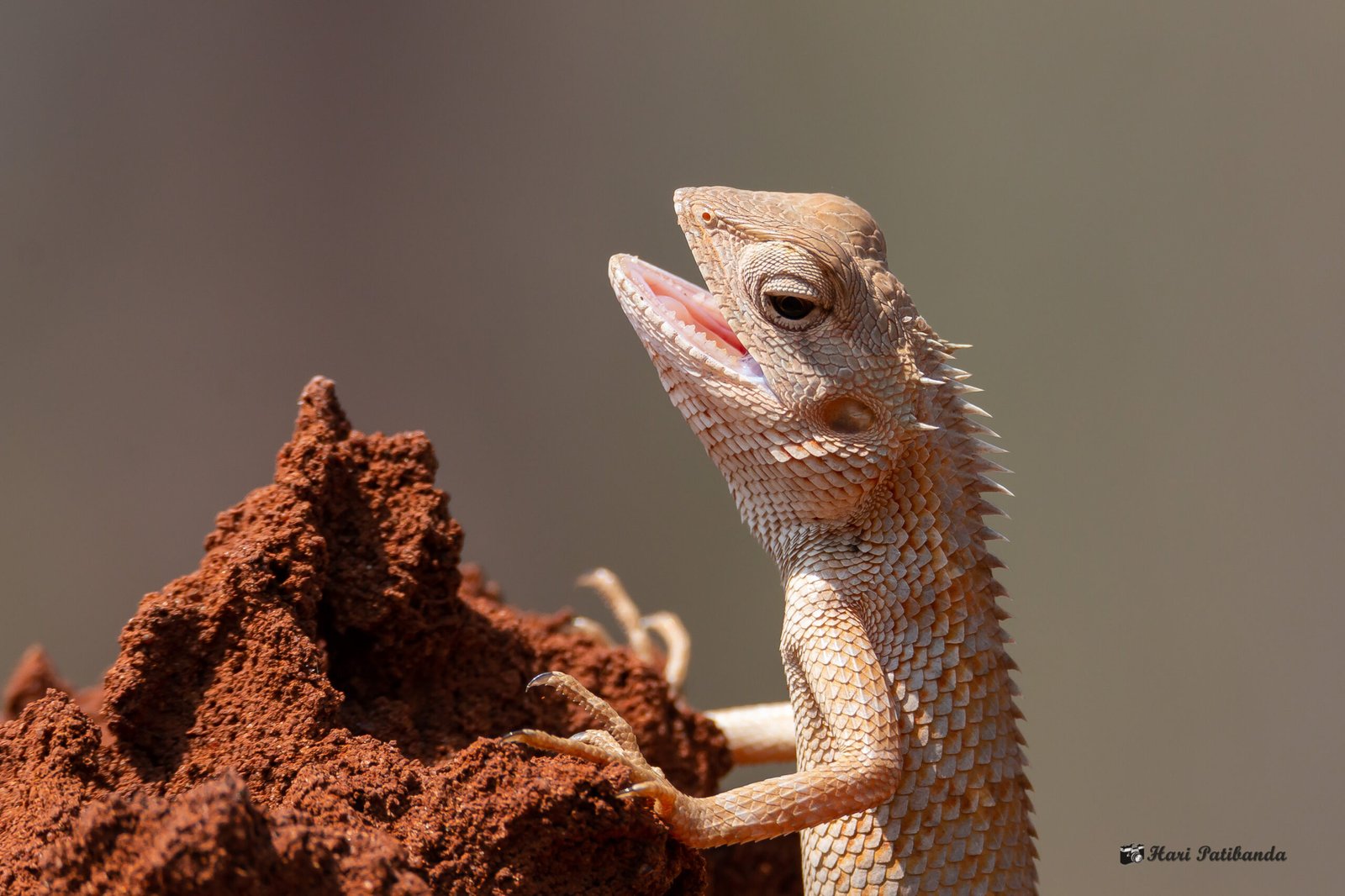
For a chameleon, its tongue is more than just a feeding tool—it’s a secret weapon. Unlike birds of prey or big cats, chameleons rely on stealth and surprise. Their camouflage lets them blend in, while their tongue allows them to strike without moving a muscle. This ambush strategy keeps them safe from predators and saves energy. Over time, this approach has made them some of the most efficient hunters in the animal kingdom. Watching a chameleon hunt is like seeing a master at work—silent, swift, and strikingly effective.
Challenges and Vulnerabilities
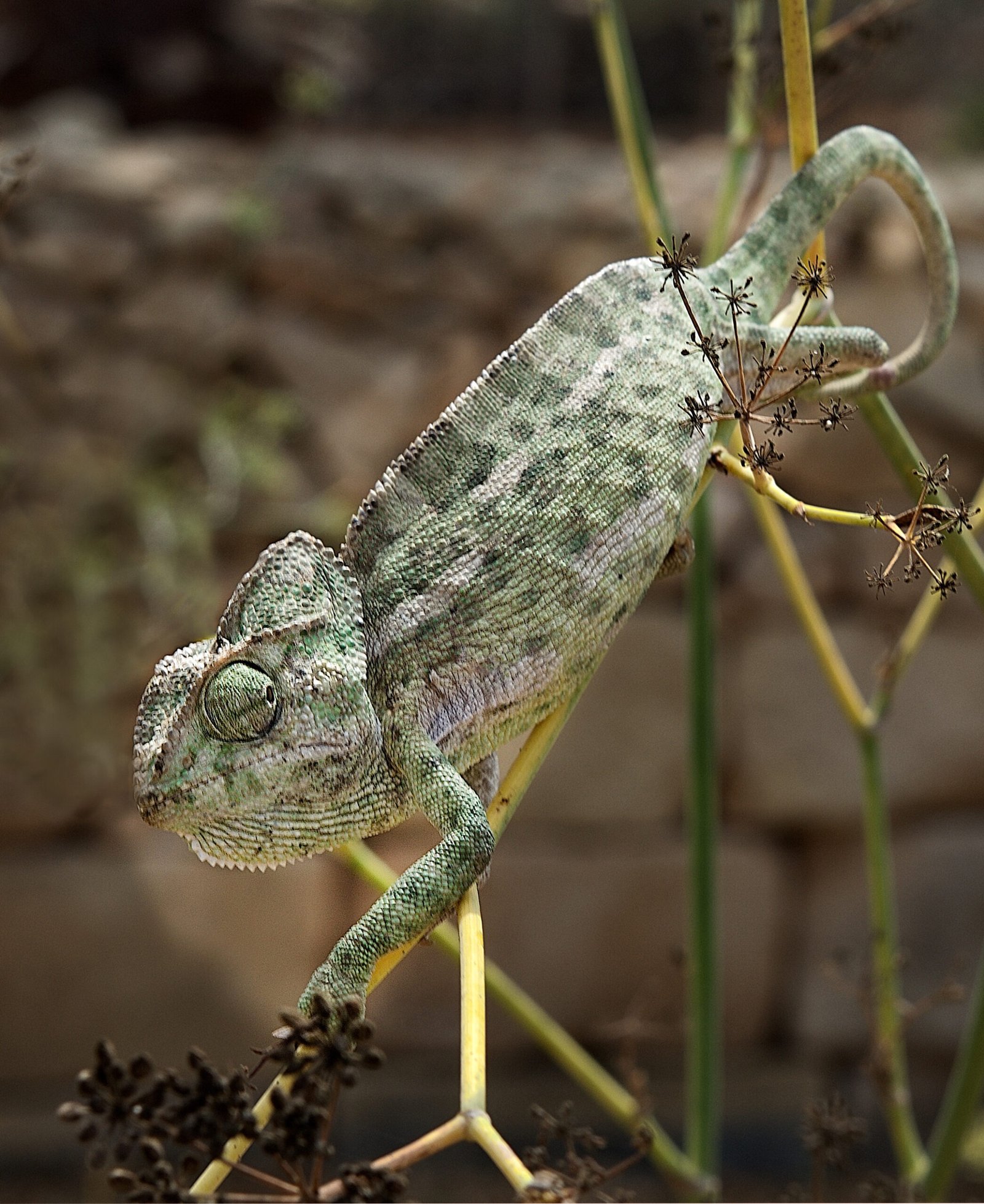
Despite their amazing tongues, chameleons face many threats. Habitat loss, climate change, and the illegal pet trade put immense pressure on wild populations. Their specialized hunting strategy also makes them vulnerable if their food sources disappear. Conservation efforts are crucial to protect these unique creatures and the forests they call home. Every chameleon lost is a loss of millions of years of evolutionary history—a living testament to nature’s creativity. Their survival depends on our willingness to preserve their habitats and appreciate their role in the natural world.
Chameleons in Culture and Myth
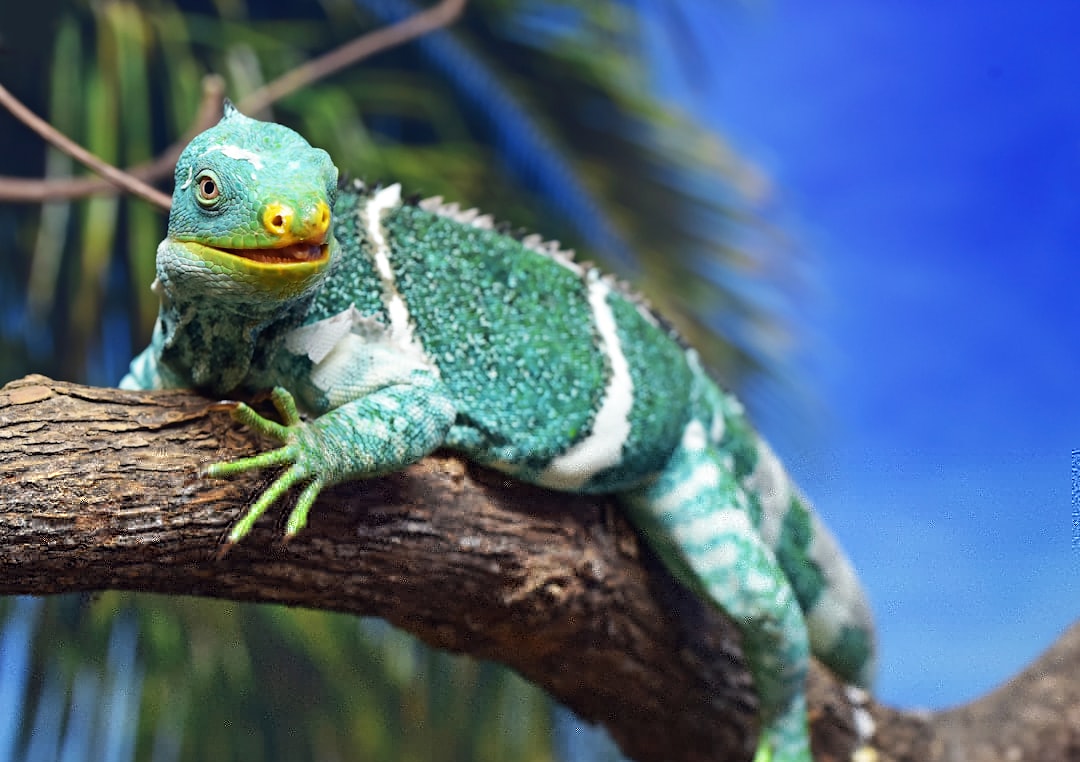
Throughout history, chameleons have fascinated humans. In some cultures, they are seen as symbols of transformation and adaptability, thanks to their color-changing skin and remarkable tongues. Folktales often portray them as magical or mysterious creatures, able to change their fate with a flick of their tongue. Even today, chameleons inspire art, literature, and popular media, capturing imaginations with their strange beauty. Their unique abilities remind us that reality can be just as wondrous as any legend or fairy tale.
Scientific Curiosity: Ongoing Research
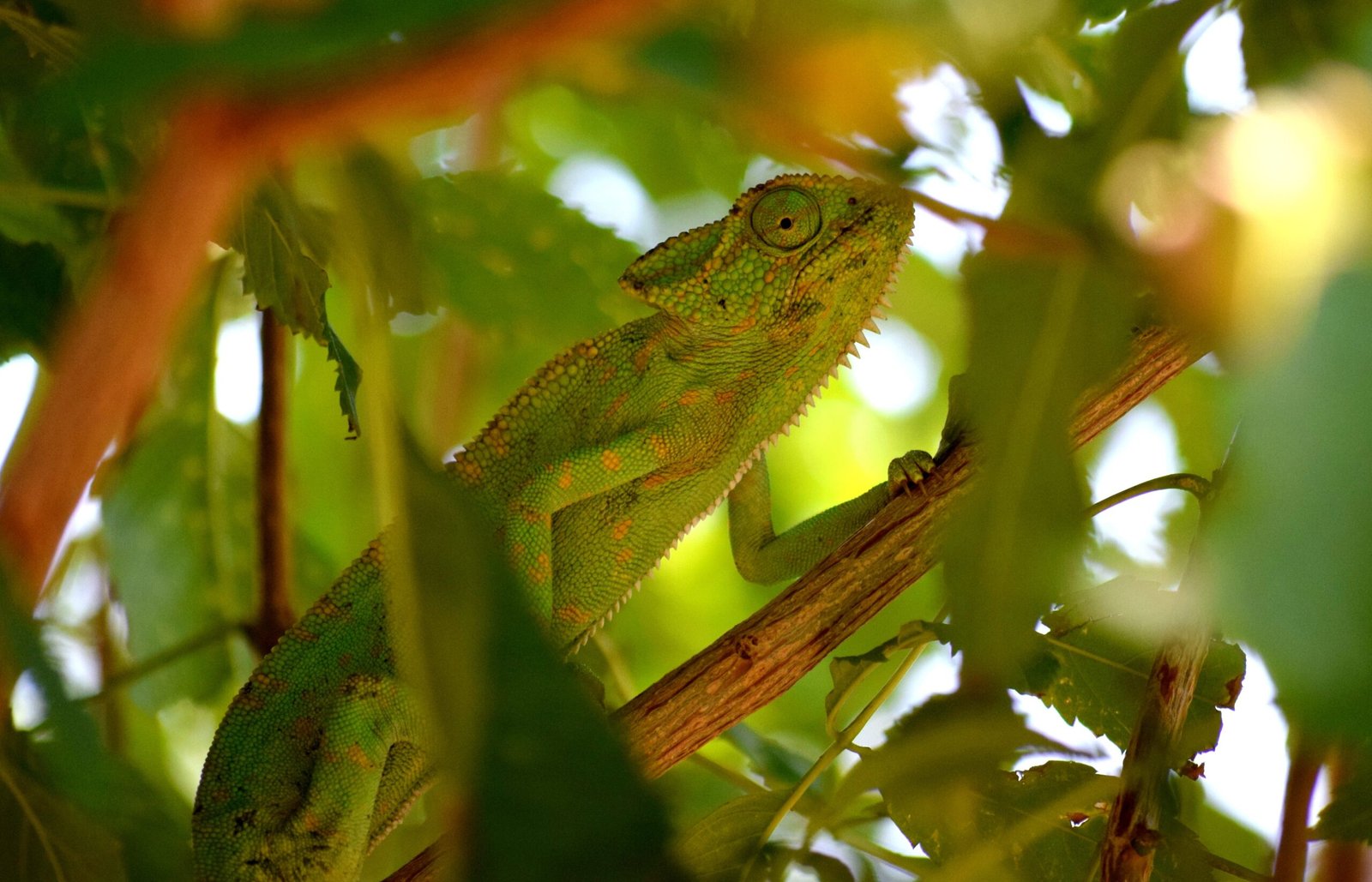
The chameleon’s tongue continues to intrigue scientists across disciplines. Biologists study its biomechanics to understand how such speed and force are possible. Geneticists explore the DNA that underpins these abilities, hoping to unlock secrets that might benefit medicine or technology. Engineers are inspired by the tongue’s mechanism, using it as a model for designing robotic arms and grippers. Each new discovery adds another layer to our understanding of this genetic marvel, proving that even the most familiar animals can surprise us.
The Marvel of Life’s Ingenuity
The animal with the longest tongue-to-body ratio is more than just a record holder; it’s a living celebration of nature’s inventiveness. The chameleon’s tongue is a testament to the endless possibilities of evolution—how necessity, adaptation, and genetic chance can produce feats that seem almost magical. It’s a reminder that the wonders of the natural world are all around us, waiting to be discovered and cherished. What other marvels are hiding in plain sight, just waiting for a curious eye to notice them?