


Every culture has stared at the night sky and wondered what those patterns might say about us. Today, behavioral ecology gives that wonder a sharper lens, revealing animals whose exploratory grit and probing minds mirror the questions we ask about the unknown. Think of this as a newsroom briefing from the wild: how different species test boundaries, sift clues, and pursue novelty with purpose. Paired with astrology’s archetypes, these field stories become a map of temperaments – bold, cautious, inventive, or quietly relentless. The result isn’t mysticism dressed as science, but a playful, evidence-informed portrait of curiosity that just might change how you see both the stars and the creatures beneath them.
The Hidden Clues

Curiosity leaves fingerprints – nose prints on a window, sand displaced around a tidepool, a twig shaped into a tool. In the lab, researchers call it neophilia when an animal investigates something new and neophobia when it hesitates, and the push-pull between those tendencies powers discovery. In the field, it looks like a raccoon rolling a latch again and again, or a crow sizing up a puzzle it’s never seen before. These aren’t random antics; they’re strategies to extract information from uncertain worlds.
I’ve felt that charge on a foggy beach while an octopus stretched a tentative arm toward my camera housing, then whipped away to reassess. Moments like that make you realize investigation is a survival skill, not a personality quirk. It’s the same spark that keeps us building instruments, translating signals, and asking what might be hiding just beyond the next ridge.
From Ancient Myths to Modern Science
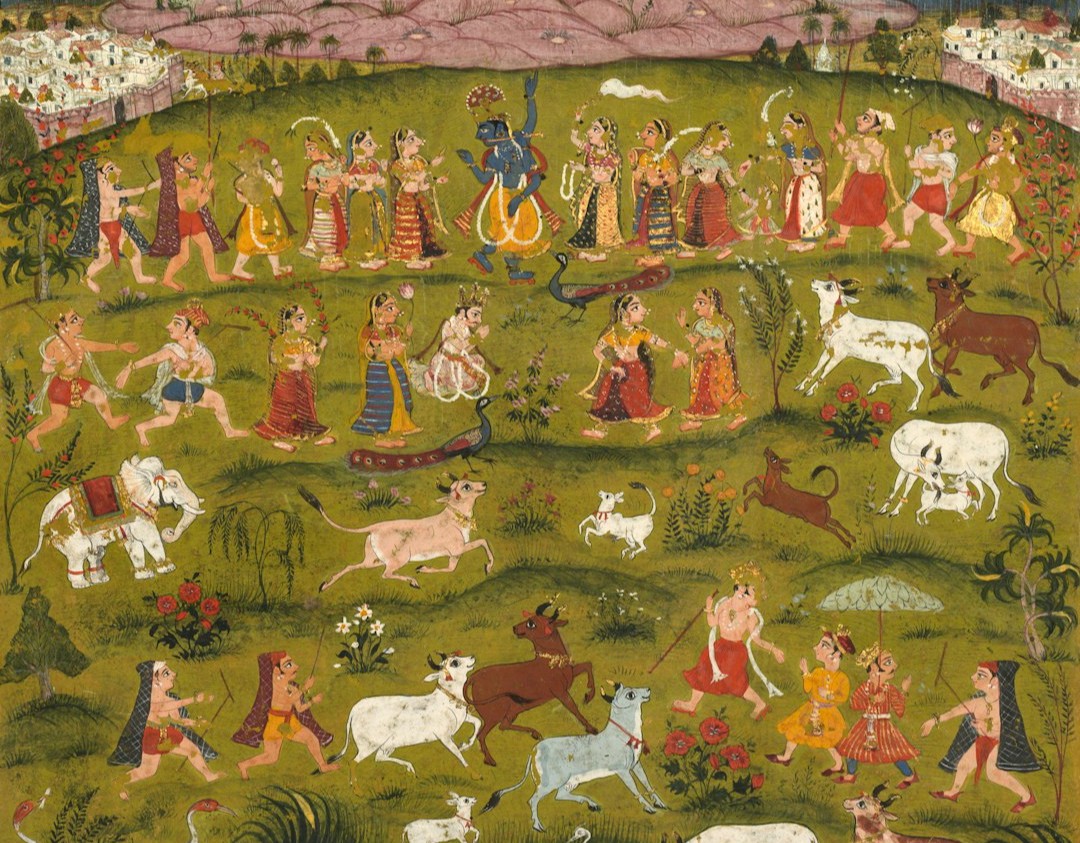
Astrology gave humanity a language for patterns – fiery, grounded, airy, tidal – long before we could tag a crow or track a whale. Modern science adds the methods: GPS tags, accelerometers, decision trees, and controlled tests that tease apart play from problem-solving. Put together, the two frames invite a creative exercise, not a proof: match each zodiac’s signature flavor of curiosity with a species whose daily life depends on it. We’re not claiming fate; we’re mapping metaphors onto data-rich behavior. The point is to notice how exploration shows up differently across minds, bodies, and habitats.
Field Notes From the Edge
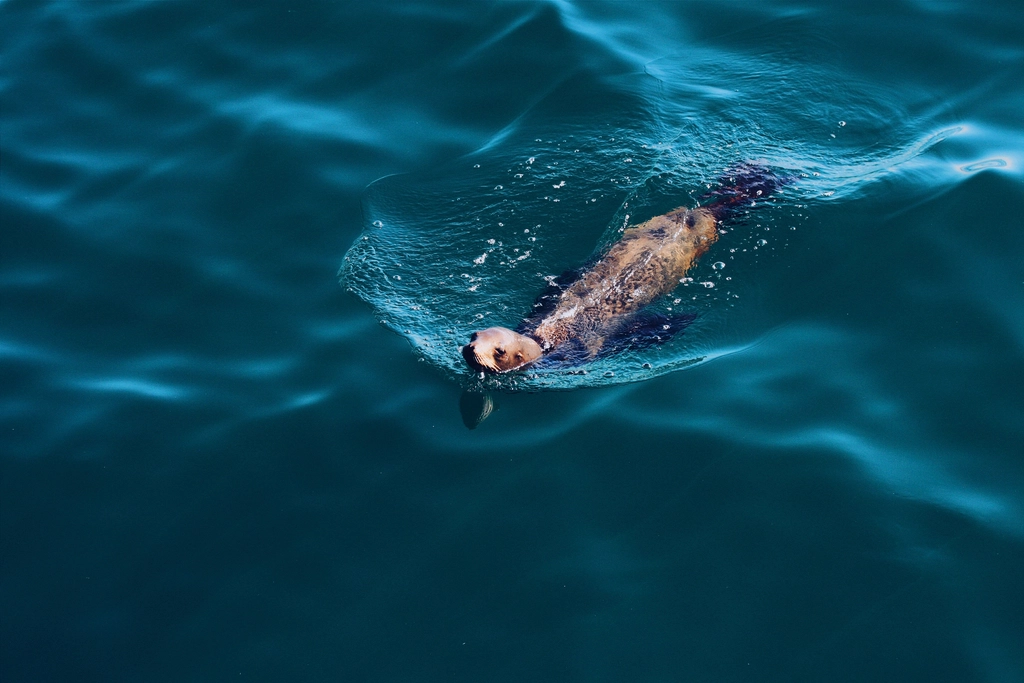
In coastal kelp forests, sea lions zigzag through kelp corridors like investigative reporters, poking at loose fronds and sampling currents as if every eddy holds a lead. In desert research pens, honey badgers famously improvise escapes with rakes, tires, and branches, a live-action lesson in what persistence does under pressure. High above, wandering albatrosses ride wind highways across entire oceans, making the planet feel smaller with every loop and tack. On city nights, raccoons treat neighborhoods like living laboratories, refining the art of flipping bins and unlatching gates with tactile finesse.
Forest canopies add their own headlines: capuchin monkeys testing stones on palm nuts, New Caledonian crows crafting hooks from leaves, and bonobos indulging in social sleuthing that seems to merge curiosity with diplomacy. At riverbanks, elephants interrogate the world with their trunks – smelling, touching, and memorizing – while ibex plot vertical routes up dam faces most of us would not dare to glance down. If you’re sensing a pattern, you are: the unknown rewards different kinds of questions, and species specialize in the ones that pay.
The Zodiac Map, Reimagined
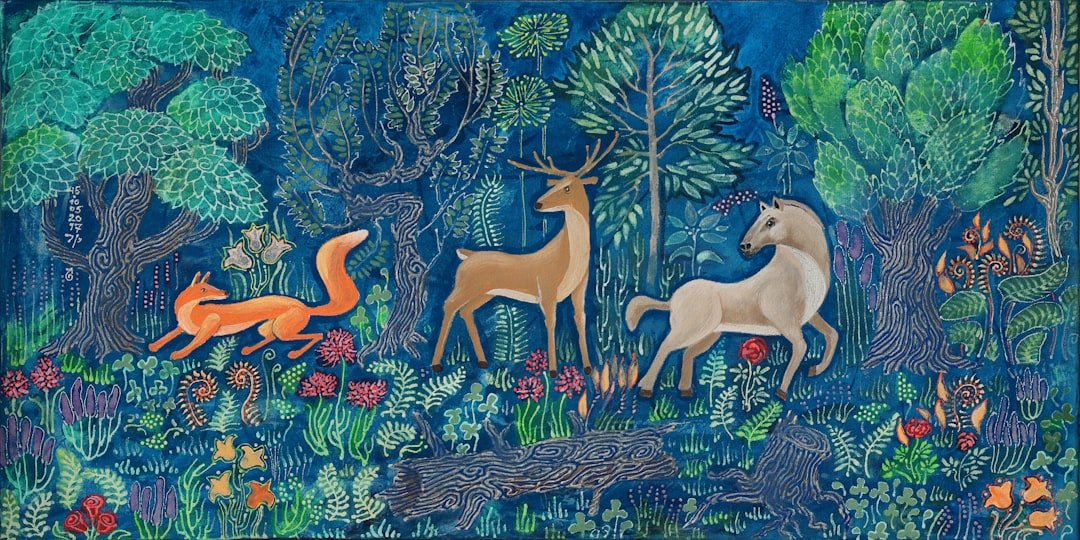
Aries finds a match in the honey badger, whose fearless, improvised problem-solving turns obstacles into experiments, while Taurus aligns with the raccoon’s tactile, steady testing of locks, latches, and food puzzles. Gemini pairs with the New Caledonian crow, a virtuoso of tool-making and rapid hypothesis shifts, and Cancer with the meerkat, a family-minded scout that learns, teaches, and checks risk as carefully as a parent crossing a street. Leo shares the sea lion’s confident, playful investigations in bright coastal theater, and Virgo echoes the cleaner wrasse’s meticulous inspections and surprisingly sophisticated checks that some researchers interpret as self-directed evaluation.
Libra resonates with bonobo curiosity, tuned to social balance, negotiation, and the reading of subtle cues, while Scorpio belongs with the octopus, the solitary tactician probing crevices and gadgets with shape-shifting intent. Sagittarius is the wandering albatross, a long-haul explorer that treats the globe as a field site, and Capricorn is the alpine ibex, methodically mapping vertical routes and hard problems one sure-footed step at a time. Aquarius aligns with capuchin monkeys, innovators that tinker, test, and share techniques in budding cultures, while Pisces swims with manta rays, whose looping approaches to divers and objects hint at cautious, fluid inquiry. Twelve archetypes, twelve investigative styles – and a reminder that exploration wears many faces.
Why It Matters
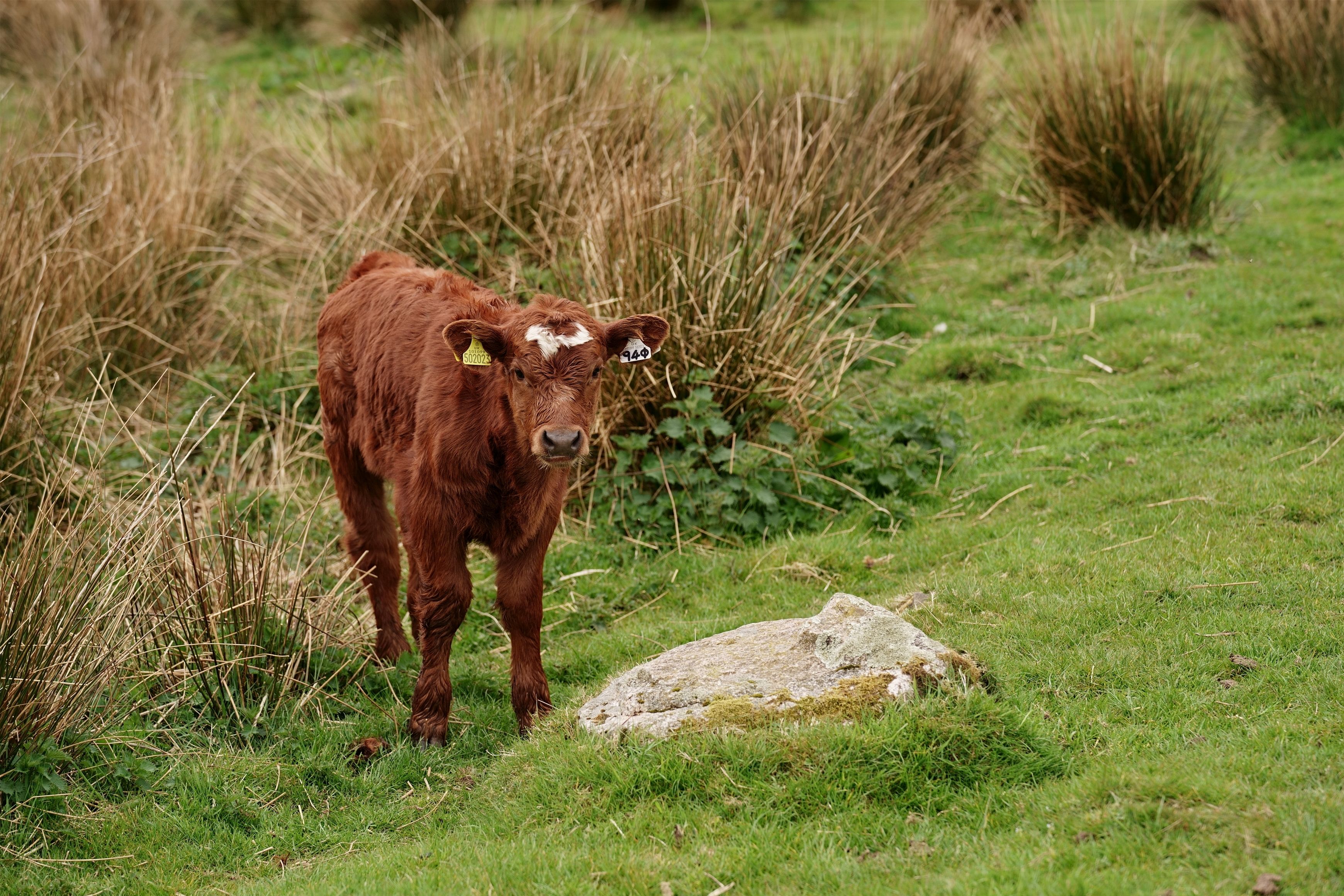
Curiosity isn’t cosmetic; it’s an engine of survival, innovation, and resilience. Traditional wildlife studies often emphasized diet and range, but adding curiosity and problem-solving reveals who adapts when cities expand, seas warm, or food webs wobble. Animals that test, tinker, and remember are frequently the ones that exploit new niches or survive human-made changes. Think of it as upgrading from a static field guide to a dynamic playbook.
For science, this lens refines conservation decisions: protecting not only places but the behavioral flexibility that lets species reinvent their playbook. For people, it offers a mirror, showing how our own questions shape the futures we get.
Global Perspectives

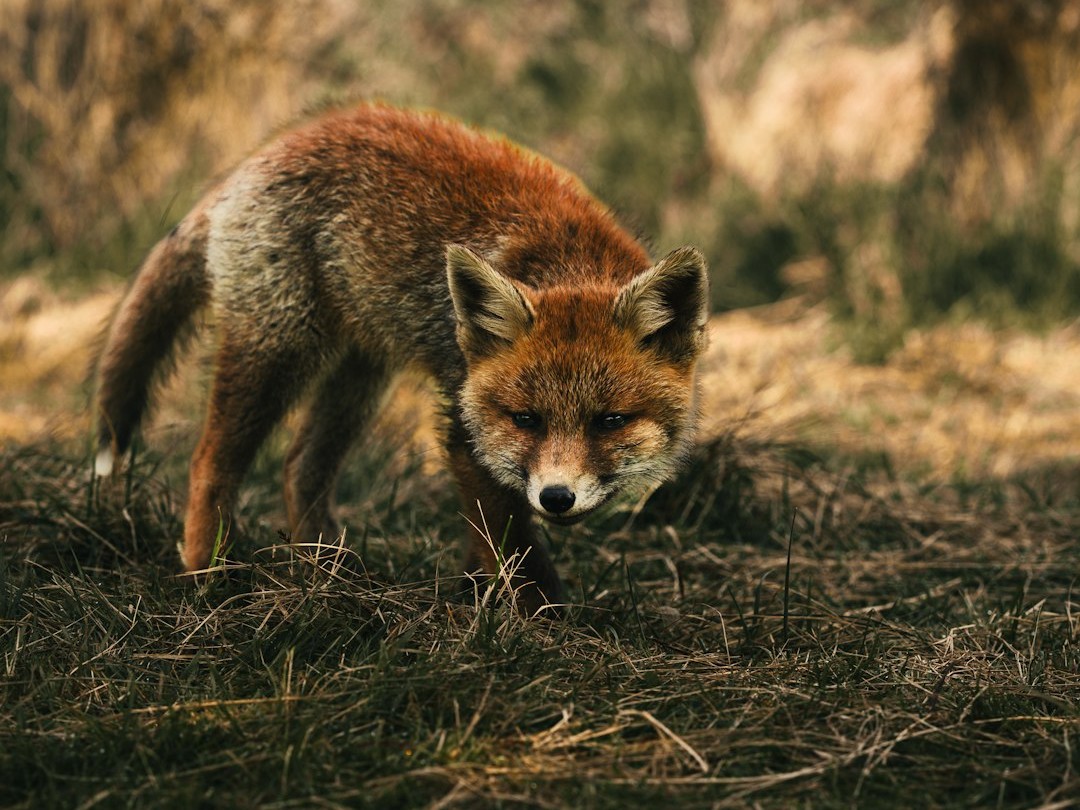
In urban North America, raccoons, crows, and foxes learn city rules fast, treating sidewalks like corridors and traffic like tides to be read and anticipated. Across the Pacific, octopuses in tidepools manipulate shells, bottles, and cameras, turning litter into laboratories and reminding us that human debris always becomes someone else’s toolkit. Along African rivers, elephants survey water quality and routes with sensory precision, their memories becoming family libraries when droughts hit. In Andean or Alpine cliffs, goats and ibex convert topography into testbeds, choosing routes that maximize safety without stalling progress.
At sea, sea lions and dolphins surf wake patterns like experimental physicists, while manta rays circle divers with measured loops that look, frankly, like cautious interviews. Meanwhile, in Pacific forests, tool traditions of crows and capuchins show how techniques can persist across generations, a kind of cultural inertia that can speed adaptation – or lock it in. The takeaway is global but intimate: environments write questions, minds write answers.
The Future Landscape
Emerging tags combine GPS, depth, acceleration, and even heart rate, turning animal movement into high-resolution stories of decision-making. Machine learning is helping researchers spot curiosity signatures – pauses, revisits, object manipulation – inside billions of data points that once hid in noise. Lab and field are blending too, with floating puzzle boxes for dolphins, cliffside challenges for goats, and reef-based mirrors and objects to probe fish attention and self-directed checks.
The challenges are real: data overload, ethical boundaries, and the danger of reading human motives into nonhuman minds. Yet the payoff is a world where conservation protects behaviors, not just bodies, and where curiosity is treated as habitat that must be kept alive.
What You Can Do Next
Start local: dim lights at night, secure trash, and create wildlife-friendly corridors so exploratory behavior doesn’t become a death trap. Support community science programs that log animal sightings and behaviors; your notes on a raccoon’s newfound route or a crow’s puzzle-solving can feed real research. Visit accredited aquariums and zoos that design enrichment activities, and ask how they measure curiosity rather than just entertainment. If you can donate, prioritize projects tracking movement and behavior, not only population counts.
Most of all, protect places where questions can be asked – tidal flats, hedgerows, migratory stopovers, and urban tree canopies that serve as living laboratories. The unknown isn’t a void to fear but a frontier to manage wisely; the creatures we mirror are already showing us how. Which animal’s curiosity feels most like your own?
Suhail Ahmed is a passionate digital professional and nature enthusiast with over 8 years of experience in content strategy, SEO, web development, and digital operations. Alongside his freelance journey, Suhail actively contributes to nature and wildlife platforms like Discover Wildlife, where he channels his curiosity for the planet into engaging, educational storytelling.
With a strong background in managing digital ecosystems — from ecommerce stores and WordPress websites to social media and automation — Suhail merges technical precision with creative insight. His content reflects a rare balance: SEO-friendly yet deeply human, data-informed yet emotionally resonant.
Driven by a love for discovery and storytelling, Suhail believes in using digital platforms to amplify causes that matter — especially those protecting Earth’s biodiversity and inspiring sustainable living. Whether he’s managing online projects or crafting wildlife content, his goal remains the same: to inform, inspire, and leave a positive digital footprint.


