
We crave patterns in wild places, especially when the calendar flips and the year feels new again. This year’s birth‑month animal guide draws on something deeper than folklore: seasonal biology, migration clocks, and behaviors tuned to shifting light. Think of it as a bridge between what science measures and what stories make us feel. Each month, one species steps into the spotlight – not as a mascot, but as a living signal of timing, resilience, and change. Follow the year month by month, and you’ll see how animal lives mirror the rhythms we sense but rarely name.
January – Snowy Owl
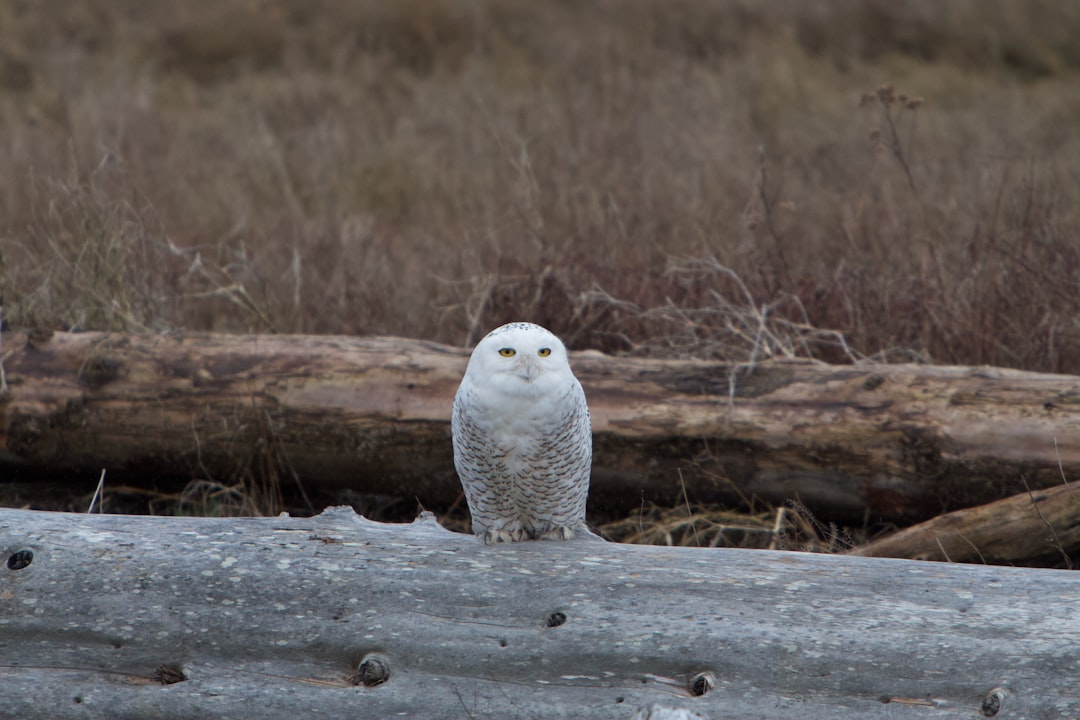
The year opens with a bird built for brightness on snow: the Snowy Owl, a patient hunter riding cold air over pale fields. In some winters, these owls drift south from Arctic breeding grounds, tracking boom‑and‑bust lemming cycles like economists of the tundra. Their wings are engineered for stealth; the soft‑edged feathers hush turbulence so prey never hears the approach.
As a January emblem, the Snowy Owl stands for endurance and precision, a reminder that timing beats brute force when resources run thin. I once watched one pause on a fence post, yellow eyes steady, until the exact second to strike – a masterclass in restraint. For the start of 2025, that focus feels like the right compass.
February – Red Fox
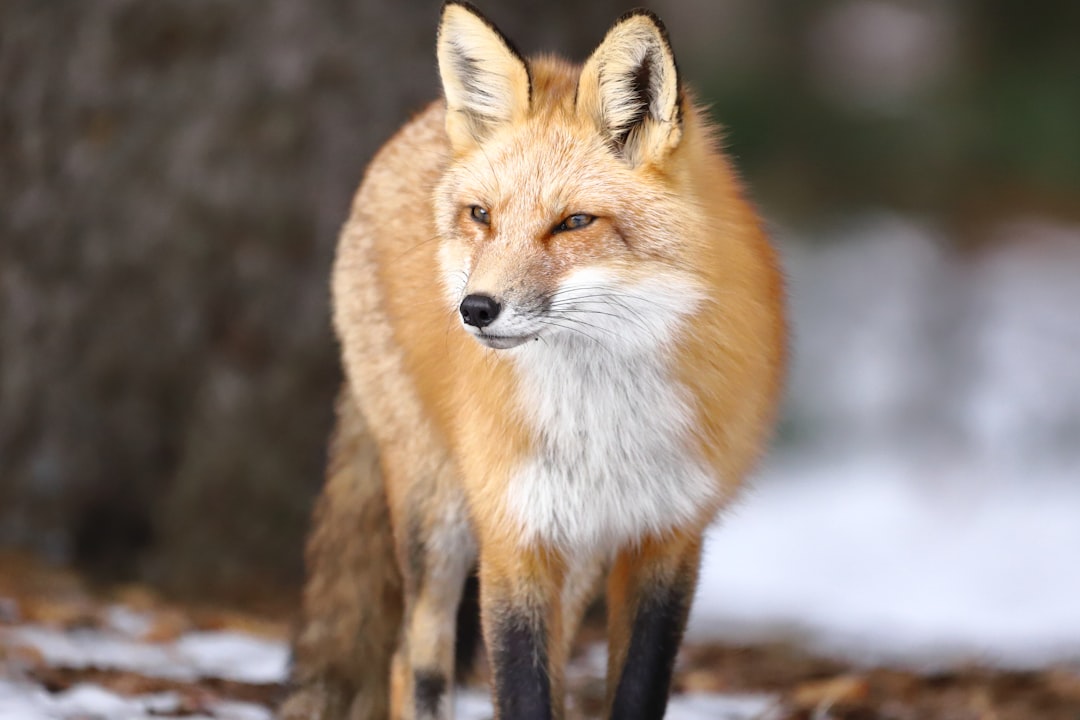
Late winter carries a spark of mischief: Red Foxes enter courtship, yipping through frosted nights and threading cities as easily as hedgerows. Their adaptability is the headline – canny omnivores that thrive from countryside to cul‑de‑sac, reading human habit like another habitat feature. Beneath the romance is hard biology: high‑surface‑area ears, fine‑tuned hearing, and a pounce calibrated to the Earth’s magnetic field as a hidden aiming cue.
As a February sign, the fox is wit plus warmth, pairing intelligence with the risk of showing up when conditions are still harsh. Resourceful people tend to make their luck feel inevitable; the fox demonstrates how practice turns chance into strategy. Call it cleverness, but it’s really good planning dressed as charm.
March – Wood Frog
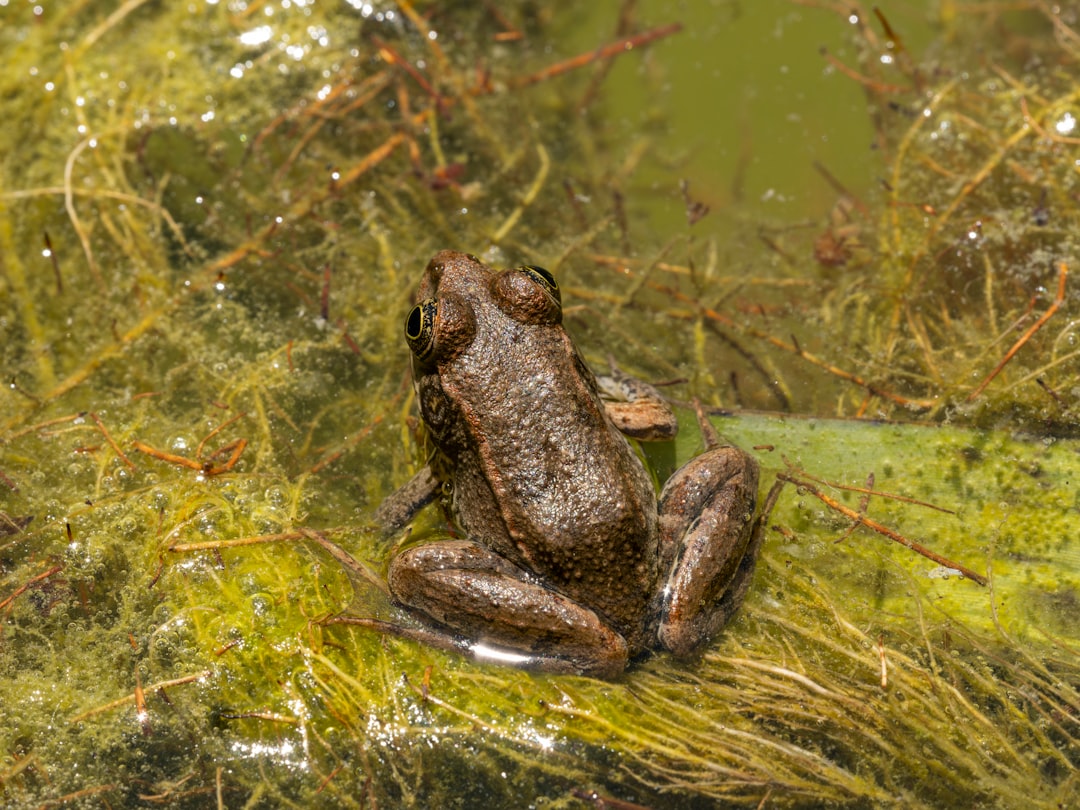
When ice loosens its grip, the Wood Frog does the most March thing imaginable – it thaws back to life. These small amphibians survive deep freezes by flooding tissues with natural antifreeze, protecting cells until meltwater returns. Vernal pools become arenas of sound and urgency as males call and eggs arrive fast, before predators wake fully.
March is promise after pause, and the Wood Frog is proof that a long stillness can be strategy, not failure. Metaphor aside, it’s a physiological triumph, a reminder that resilience sometimes looks like waiting with purpose. If you’ve ever felt behind, this frog’s clock says you might actually be right on time.
April – Honeybee
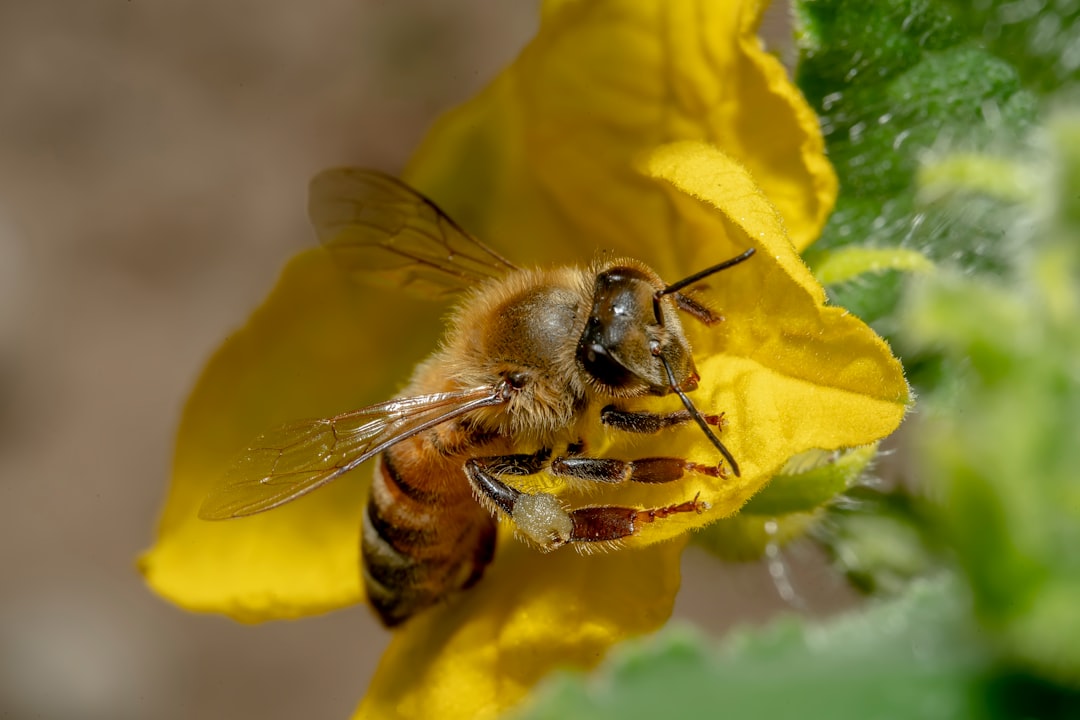
April belongs to the Honeybee, not as a symbol of thrift but as a logistics genius. Colonies scale up on spring blooms, converting sunlight via flowers into brood, wax, and the season’s first honey stores. The waggle dance – part choreography, part map – turns individual discoveries into collective action without a single committee meeting.
As an April guide, the bee reframes productivity as communication: share accurate information and the whole system lifts. The science is elegant – olfactory precision, polarized light navigation, and temperature‑regulated brood chambers. In a month that accelerates, bees show how cooperation keeps speed from becoming chaos.
May – Monarch Butterfly
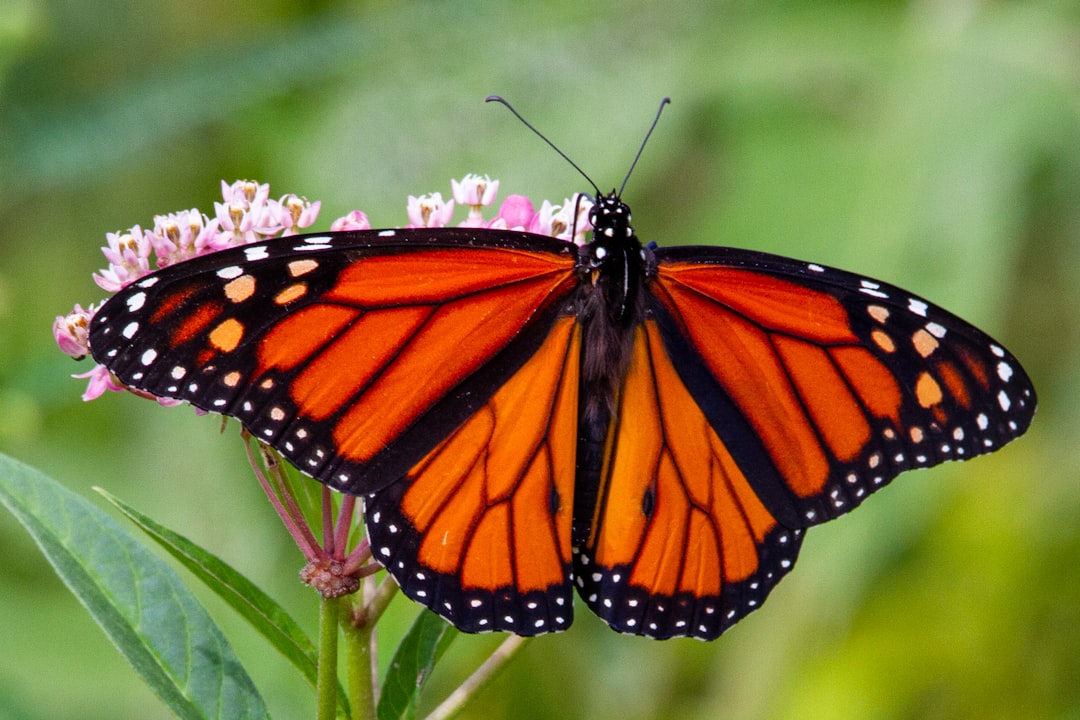
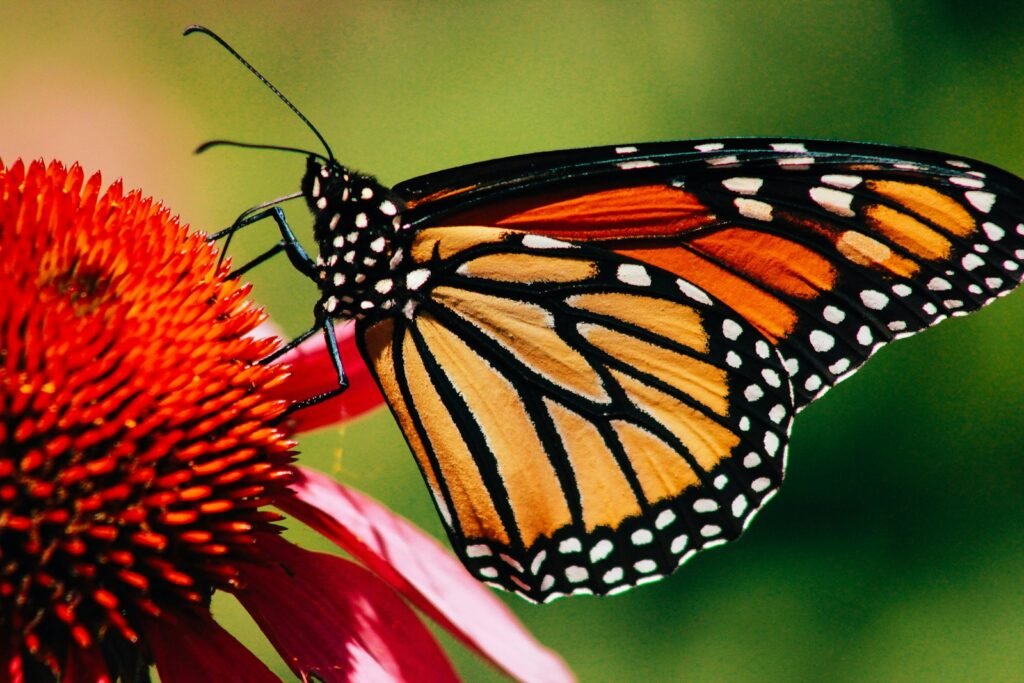
With milkweed unfurling, Monarchs drift across May like living postcards from a migration that spans generations. Caterpillars load up on cardenolides from milkweed, and adults carry those chemical defenses on the wing, bright orange as an honest warning. Navigating by sun compass and time‑compensated clocks, they stitch landscapes together in a chain of survival sites.
As a May emblem, the Monarch signals fragility with momentum – beauty that persists because thousands of local choices line up just enough. Tagging projects and backyard plantings turn onlookers into data points and providers. It’s a reminder that small habitat patches can matter when stitched into a continent‑sized quilt.
June – Loggerhead Sea Turtle
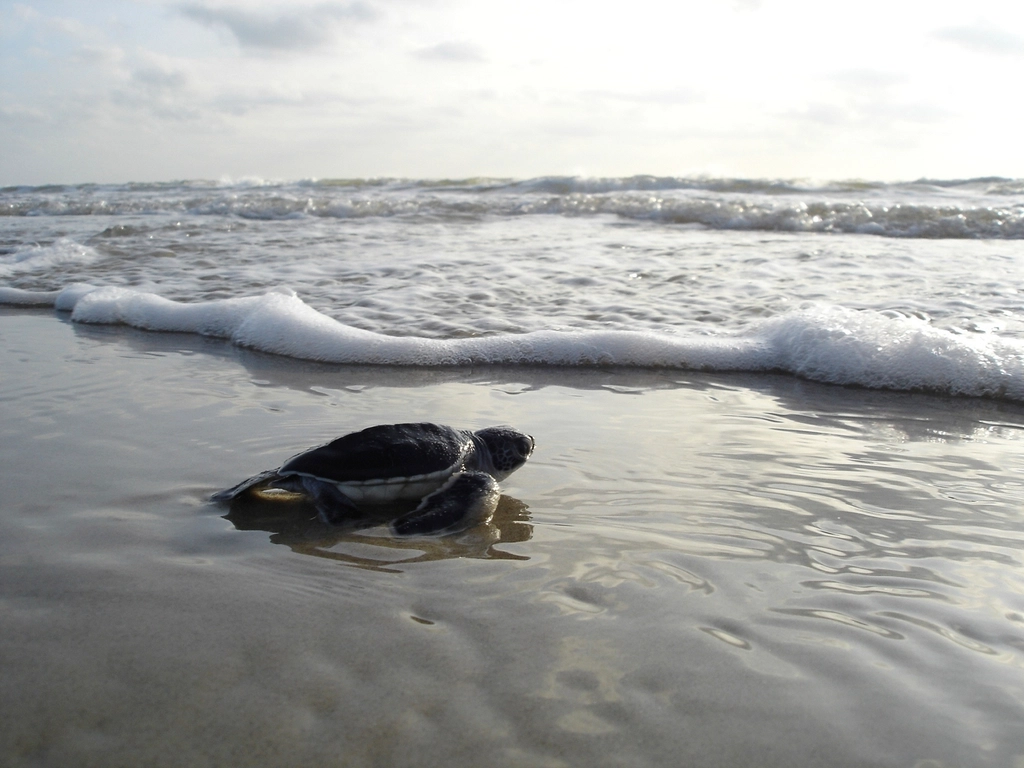
Night beaches in early summer echo with the slow determination of Loggerhead Sea Turtles hauling ashore to nest. Females return to coastlines imprinted by the planet’s magnetic field, an internal archive of latitude and longitude stored since their own hatching. Eggs sink into warm sand, and the temperature helps set the sex of the next generation – biology literally tuned by climate.
June’s lesson is navigation and legacy, the long view made visible in a crawl track. Shielded lights, darker coastlines, and fewer obstacles give hatchlings a fighting chance when they sprint toward surf. Nothing about their journey is easy, which is exactly why it inspires.
July – American Bison
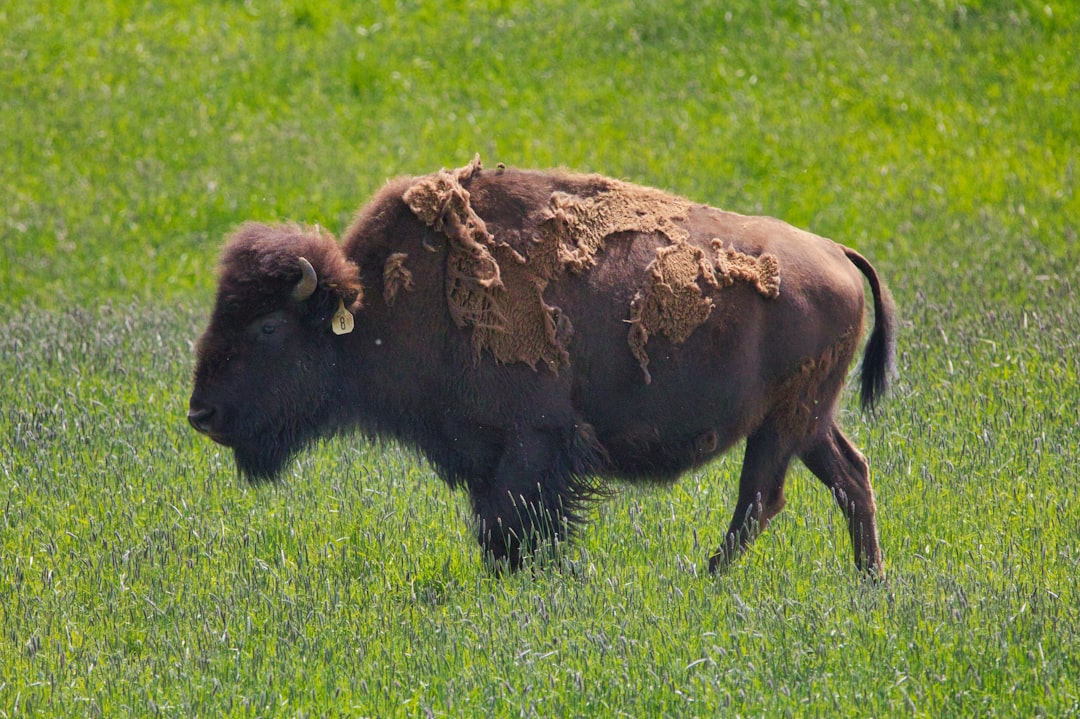
High summer belongs to the American Bison, engines of grassland renewal whose hooves till soil and whose grazing patterns choreograph prairie diversity. The rut rises in late July, dust and grunts and wallows signaling strength to rivals and potential mates. Ecologically, bison are architects: their presence shapes plant mosaics, insect communities, and the birds that ride those waves.
As a July icon, the bison blends power with stewardship; big bodies, yes, but also the quiet work of keeping ecosystems dynamic. Recovered herds don’t erase history, yet they underline how restoration is possible when policy meets patience. The prairie, like summer itself, rewards scale and rhythm.
August – Humpback Whale
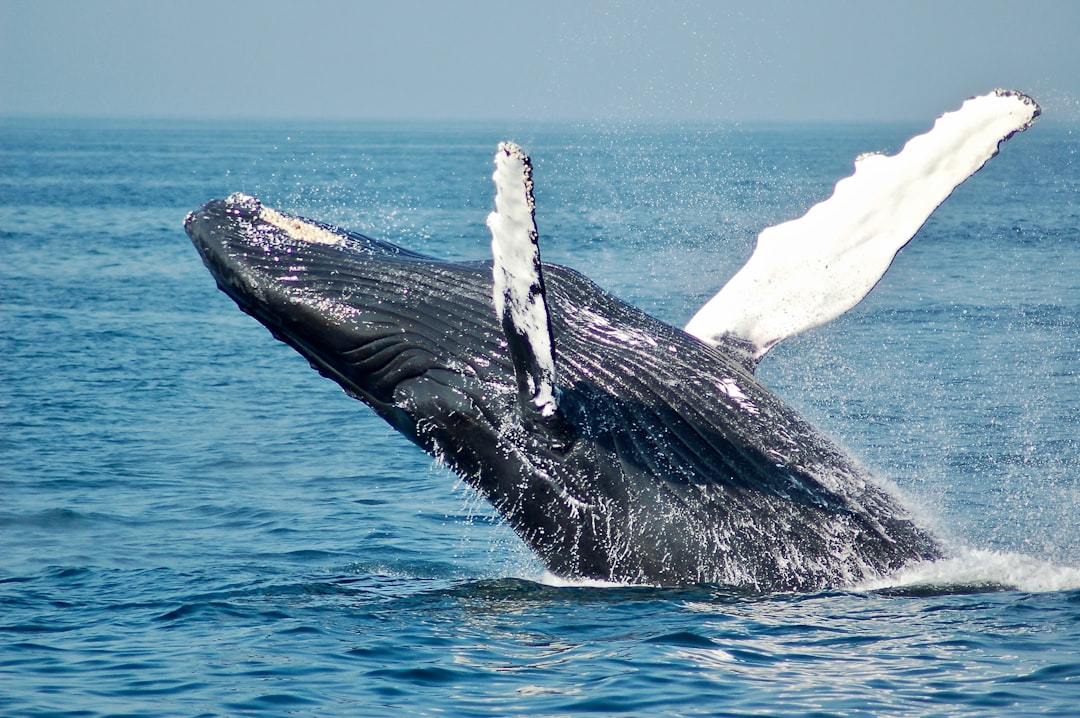
August is ocean theater: northern Humpback Whales feed hard, staging bubble‑net hunts that look like choreography from below. Baleen plates filter dense swarms of krill and small fish, fueling migrations that will arc thousands of miles. Cultural knowledge – a tradition of particular feeding techniques – passes through social learning, not genetics.
As an August sign, the humpback is grace paired with grit, a reminder that beauty often rides on brutal efficiency. Standing on a headland and seeing a fluke rise is like watching a punctuation mark on the season. It says: stock up, because movement is coming.
September – Pacific Salmon
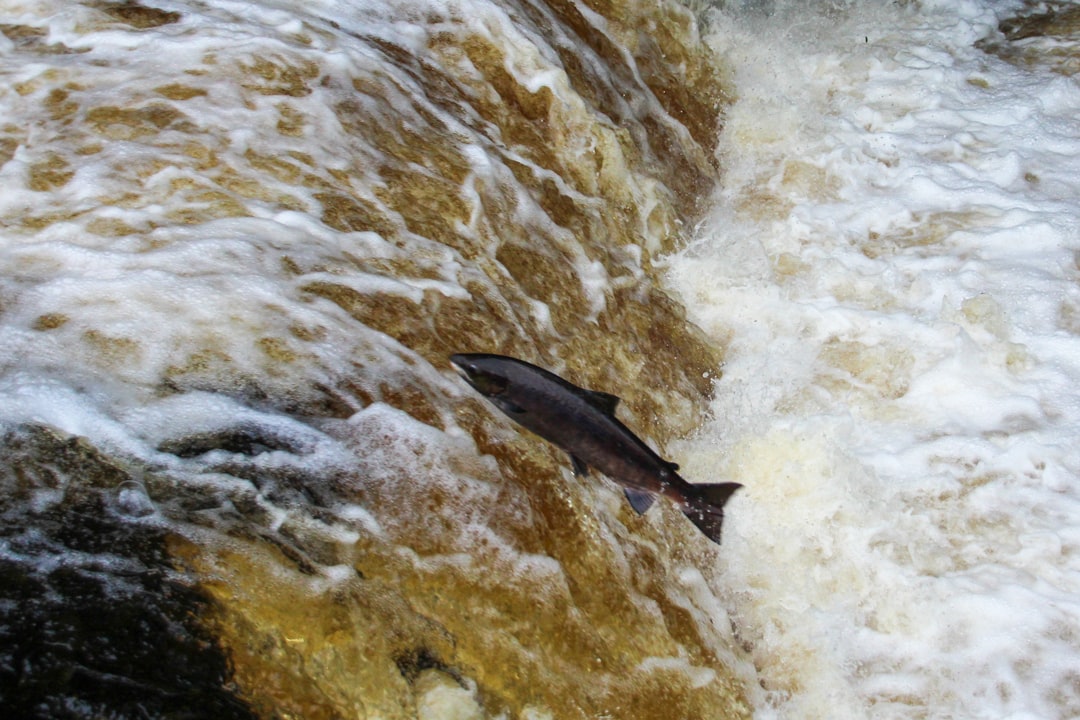
Rivers in September become red with intent as Pacific Salmon surge upstream to spawn and complete a life cycle that feeds forests. Bears, eagles, and even trees benefit when marine nutrients arrive inland, a subsidy that turns carcasses into growth rings. Each leap up a falls is biomechanics plus urgency, muscle ignited by the push to finish.
As a September emblem, salmon rewrite the idea of legacy: they invest everything in the next generation and the ecosystem that holds it. I’ve stood on a bridge and felt the water vibrate with their effort, a low drum of persistence. The lesson is simple – give back more than you take, and the system remembers.
October – Little Brown Bat
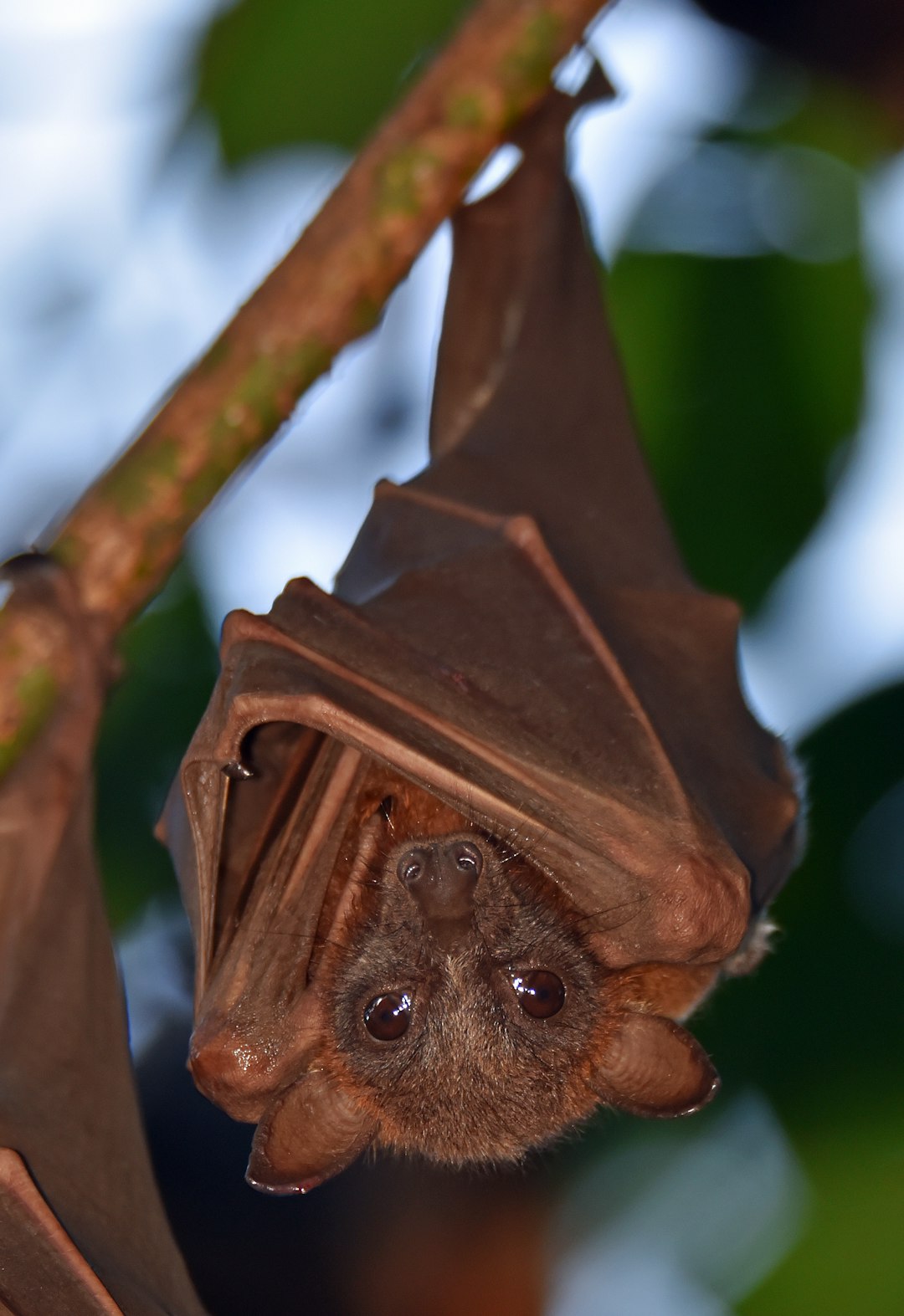
October’s dusk hums with the zigzag signatures of Little Brown Bats, insect controllers that hunt with sound. Echolocation paints the night in millisecond snapshots, turning moth evasions into a high‑speed dialogue. As temperatures dip, swarms thin and many bats seek caves or attics on the way to winter roosts.
They carry a cautionary tale: white‑nose syndrome has cut some colonies drastically, reshaping nocturnal food webs. As an October guide, the bat stands for hidden work and the costs of imbalance. Keep skies dark and eaves welcoming, and you tilt the odds toward recovery.
November – Gray Wolf
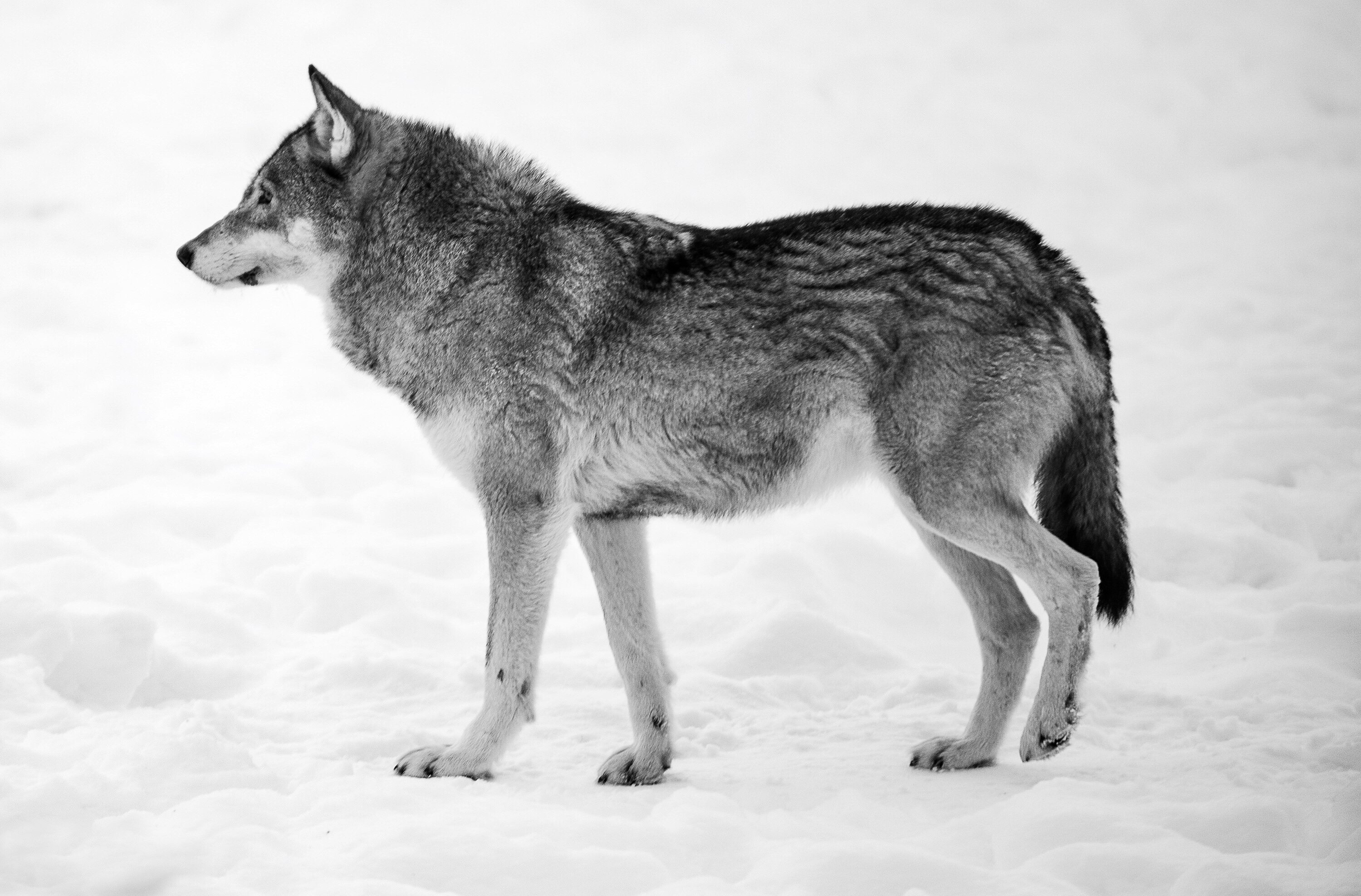
With cold closing in, Gray Wolves lean on pack coherence – cooperative hunts, shared pup care, and travel economies that make big landscapes feel smaller. Their presence can trigger trophic cascades, changing how herbivores move and, in turn, how vegetation and streams behave. The reality is nuanced and location‑dependent, but the through‑line is clear: predators are processes, not just animals.
As a November sign, the wolf offers discipline and social contracts tested by stress. The lesson lands as the year leans dark: align roles, hold to signals, and the group goes farther than any solo sprint. Winter rewards teams that listen.
December – Caribou (Reindeer)
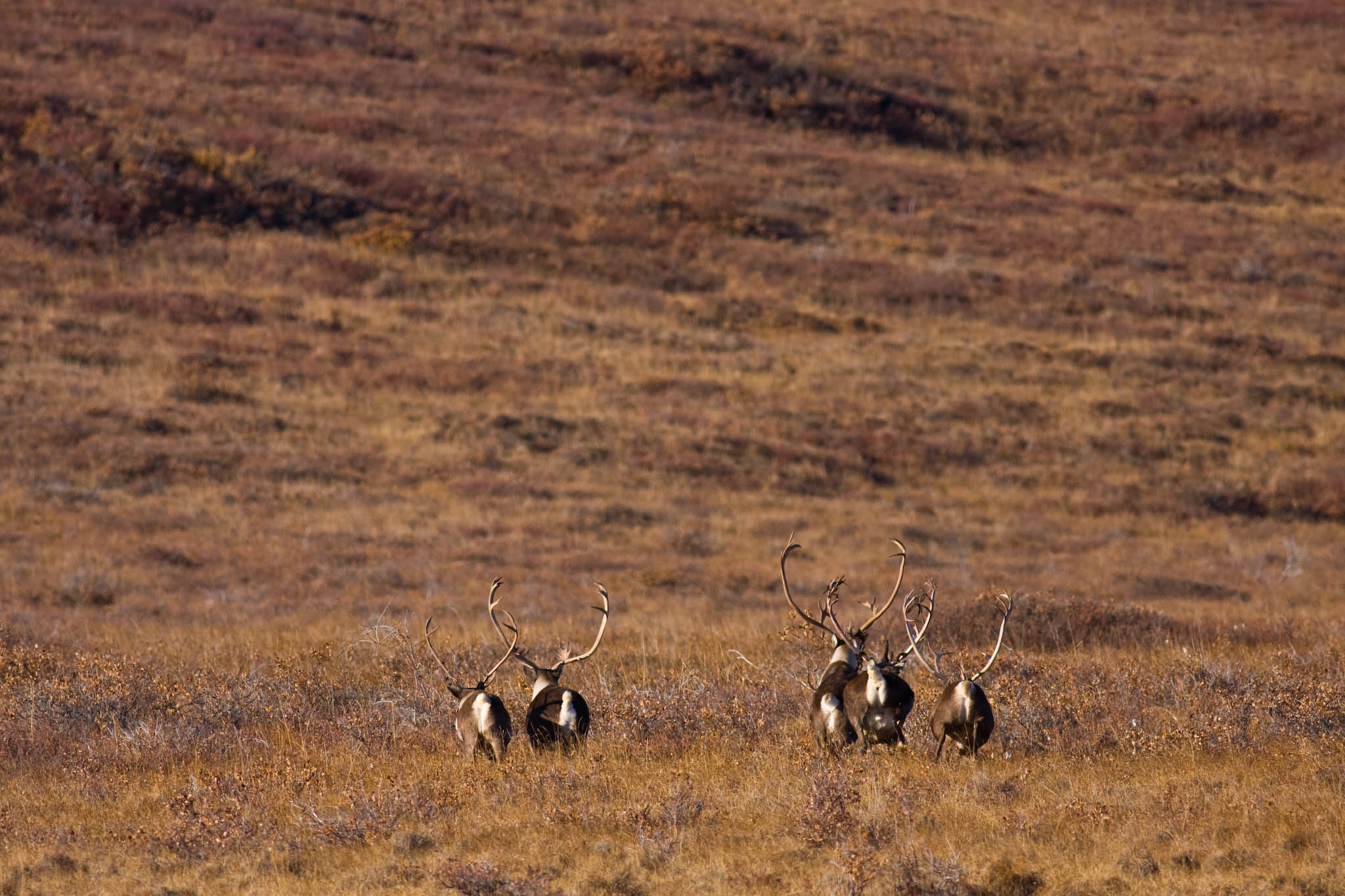
December ends with motion: Caribou push across snow in vast migrations, hooves adapting to ice like crampons for hooved mountaineers. Their eyes shift sensitivity as seasons change, even perceiving ultraviolet that helps them pick out lichens and predator outlines in winter light. Herds move as weather, insects, and forage dictate, reading the land like a living calendar.
As a December emblem, caribou marry endurance to flexibility, following paths that exist only because they choose them again. In a month thick with tradition, they remind us that maps are memories first. Keep corridors open, and the story keeps moving.
Call to Action

Turn curiosity into care. Plant native flowers and milkweed, keep porch lights low during sea turtle and bird migrations, and place a bat box where it won’t bake in summer sun. If you live near coasts or rivers, join a clean‑up or a community science count; those small data points shape big decisions.
Think choices, not perfection: skip rodenticides that climb the food chain, buy from ranchers restoring grasslands, and support dark‑sky policies that help nocturnal hunters. Most of all, pay attention – phenology starts with noticing the first call, the first bloom, the first wingbeat. That habit changes how we vote, spend, and teach.
Conclusion
Across 2025, each month’s animal is more than a symbol – it’s a live feed from nature’s clock, a broadcast of what timing, teamwork, and adaptation look like. The Snowy Owl’s patience, the Monarch’s momentum, the Salmon’s devotion, and the Caribou’s endurance are not metaphors we invented; they’re strategies evolution proved. If we align our calendars with these signals, we make better choices at home, on ballots, and in boardrooms.
I like to think of this guide as a field notebook written by the year itself, margins full of tracks and tide lines. What animal will you notice first when your month arrives?
Suhail Ahmed is a passionate digital professional and nature enthusiast with over 8 years of experience in content strategy, SEO, web development, and digital operations. Alongside his freelance journey, Suhail actively contributes to nature and wildlife platforms like Discover Wildlife, where he channels his curiosity for the planet into engaging, educational storytelling.
With a strong background in managing digital ecosystems — from ecommerce stores and WordPress websites to social media and automation — Suhail merges technical precision with creative insight. His content reflects a rare balance: SEO-friendly yet deeply human, data-informed yet emotionally resonant.
Driven by a love for discovery and storytelling, Suhail believes in using digital platforms to amplify causes that matter — especially those protecting Earth’s biodiversity and inspiring sustainable living. Whether he’s managing online projects or crafting wildlife content, his goal remains the same: to inform, inspire, and leave a positive digital footprint.