
Sharks have long captivated the imagination with their formidable presence and ancient lineage. But far from the dramatic coastlines, deep in the heart of Mississippi, lies a treasure trove for scientists: fossilized shark teeth that offer a window into the prehistoric world. This intriguing paleontological story unfolds in a state not typically associated with maritime history, making the discoveries all the more fascinating. Let us delve into why these ancient artifacts are drawing scientists to Mississippi, leading them to take a deeper dive into the state’s rich fossil heritage.
The Geological History of Mississippi

Mississippi’s landscape has not always been the landlocked realm it is today. During the Late Cretaceous period, approximately 85 million years ago, much of the region was submerged under a vast shallow sea known as the Western Interior Seaway. This marine environment was home to a plethora of species, including a variety of sharks whose remnants now provide a glimpse into life millions of years ago. The state’s unique geological history has left behind sedimentary layers where these ancient sea predators’ teeth are regularly uncovered.
The Importance of Shark Teeth in Fossil Studies

Shark teeth are among the most common vertebrate fossils and are invaluable to paleontologists. Unlike bones, teeth are highly mineralized and tend to fossilize well. For scientists, these teeth are more than just physical remains; they are clues that help reconstruct past ecosystems, reveal dietary habits of ancient sharks, and track evolutionary changes over millions of years.
Discoveries That Shaped Our Understanding

Mississippi has yielded a plethora of shark tooth fossils belonging to different species, including some that are ancestors of modern sharks. Discoveries of species like Cretoxyrhina and Squalicorax have allowed scientists to better understand the diversity and adaptation mechanisms that occurred over the ages. These findings contribute to our broader knowledge of how marine life has evolved and the environmental changes that have influenced these shifts.
The Role of Amateur Paleontologists
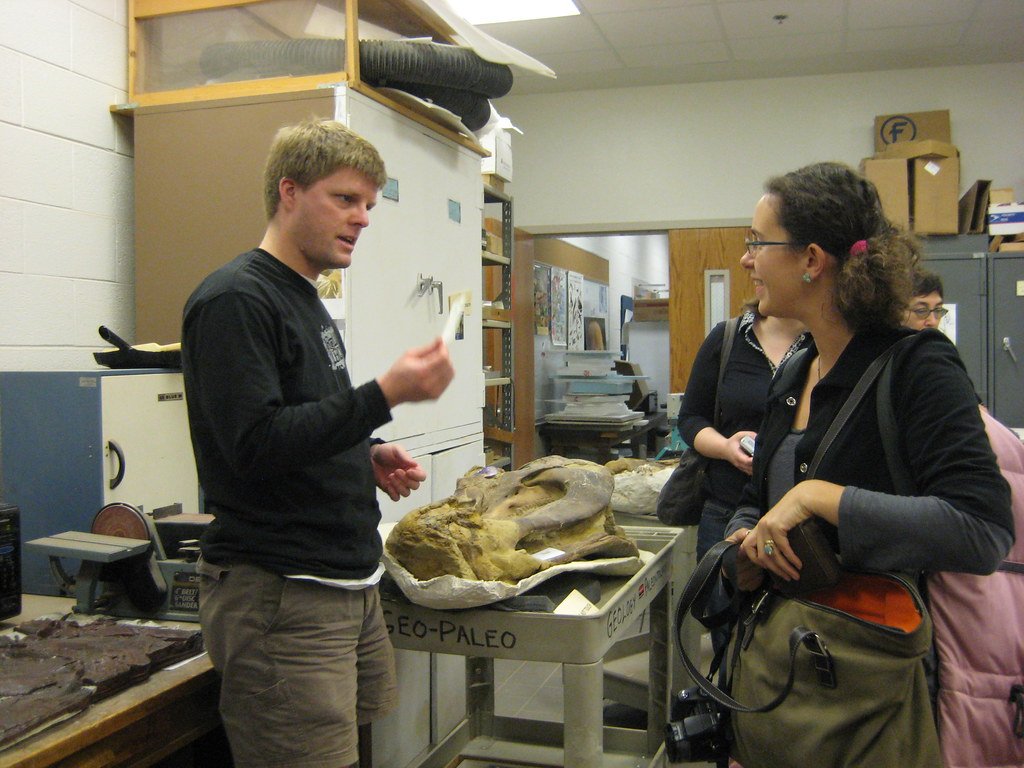
The state of Mississippi has seen an active involvement from amateur fossil hunters, who often make significant contributions to paleontological studies. With proper training and guidance, these enthusiasts help increase the scope of fieldwork, uncovering specimens that scientists might overlook. Their findings often lead to partnerships with academic institutions, aiding in more comprehensive research endeavors.
Challenges in Fossil Preservation
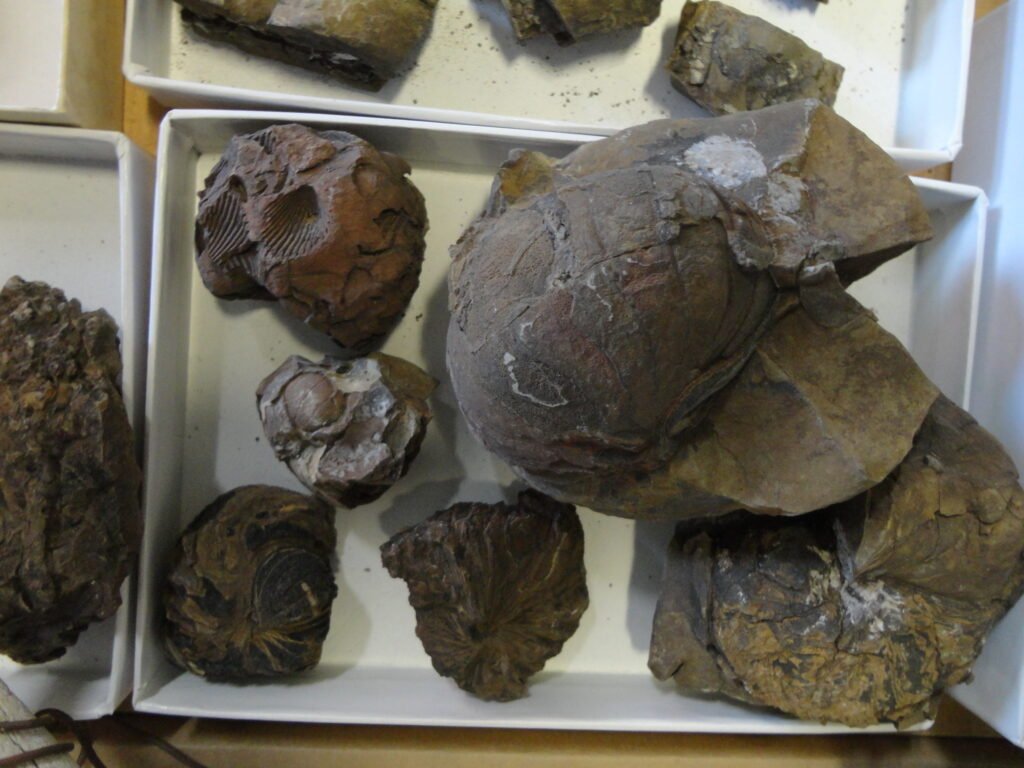
One of the ongoing challenges in studying ancient shark teeth is ensuring the preservation of these fossils. Due to weathering, erosion, and human activities, many potential sites remain at risk. Efforts are needed to protect these areas to ensure that they can continue to serve as valuable scientific resources for future research.
The Educational Impact of Fossil Discoveries

The discovery of ancient shark teeth in Mississippi offers unique educational opportunities. Schools and museums use these fossils to teach students about paleontology, geology, and evolutionary biology. Engaging communities with hands-on fossil digs can inspire a new generation of scientists and foster an appreciation for natural history.
Why Mississippi? The Ideal Conditions for Fossilization
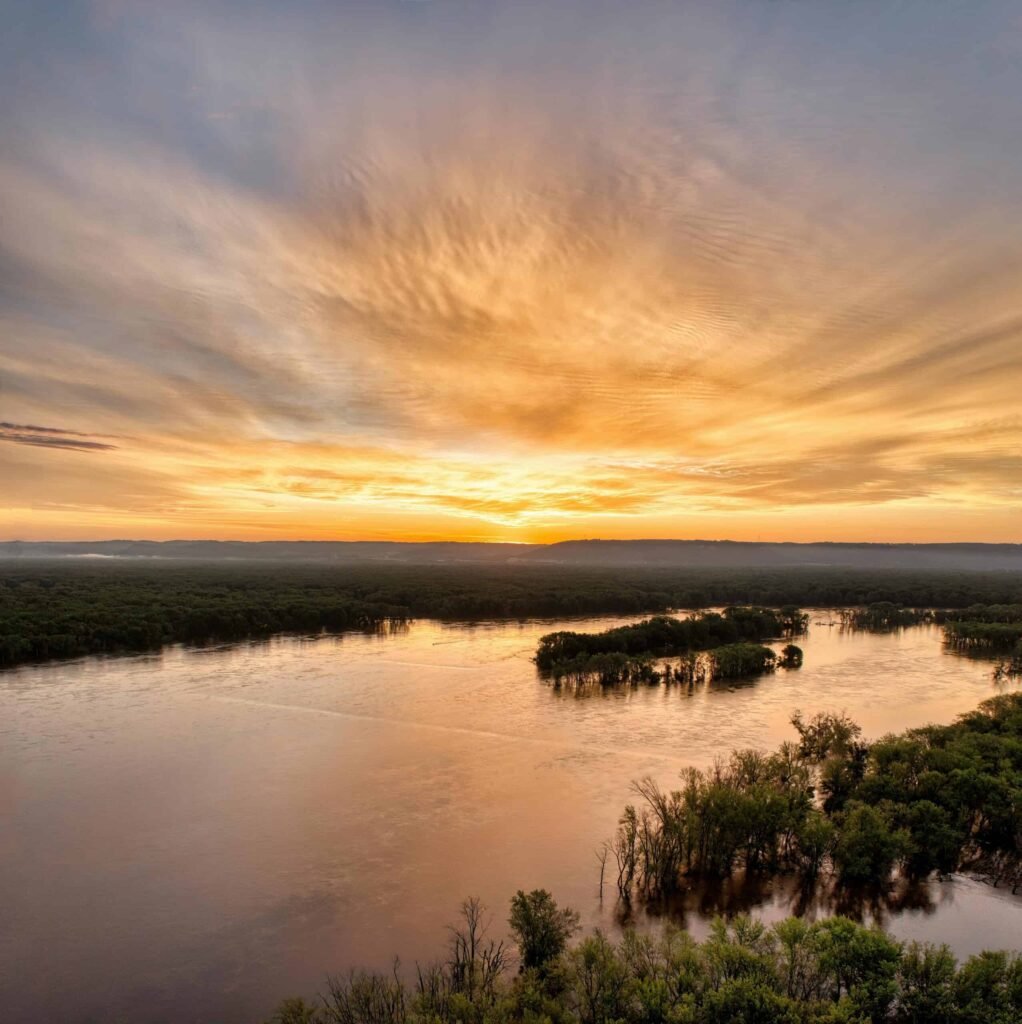
Mississippi’s particular environmental and sedimentary conditions during the Cretaceous period provided an ideal setting for fossilization. The state was once covered by lush deltas and vibrant marine environments, making it a hotspot for preserving the remains of marine creatures. The natural sediment deposition has resulted in excellent preservation of biological materials, especially hard structures like shark teeth.
The Broader Implications of These Discoveries

Research stemming from Mississippi’s shark teeth extends beyond state borders, contributing to global discussions in paleontology. These findings have implications for our understanding of global marine biodiversity and environmental shifts over time and how these influenced evolutionary trajectories in the marine ecosystem.
The Future of Fossil Research in Mississippi
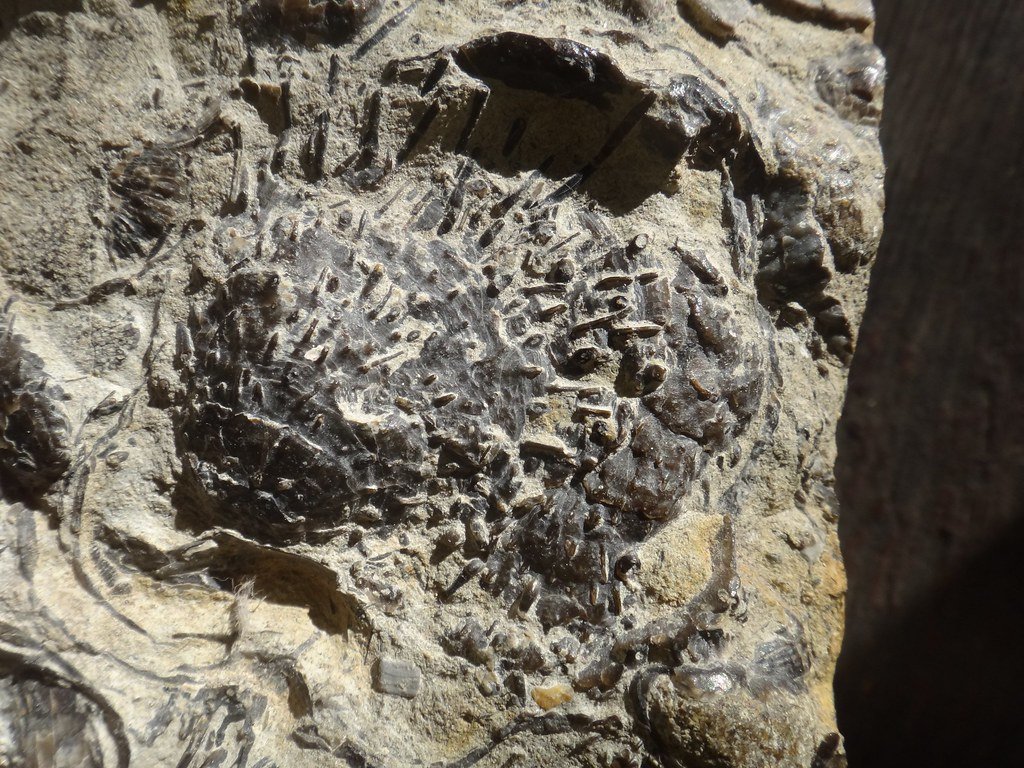
With increasing interest in Mississippi’s prehistoric past, scientists are advocating for more structured research initiatives and collaboration. The potential for groundbreaking discoveries remains vast, with immense opportunities for interdisciplinary studies merging geology, biology, and climate science.
Conclusion: A Journey Beneath the Surface
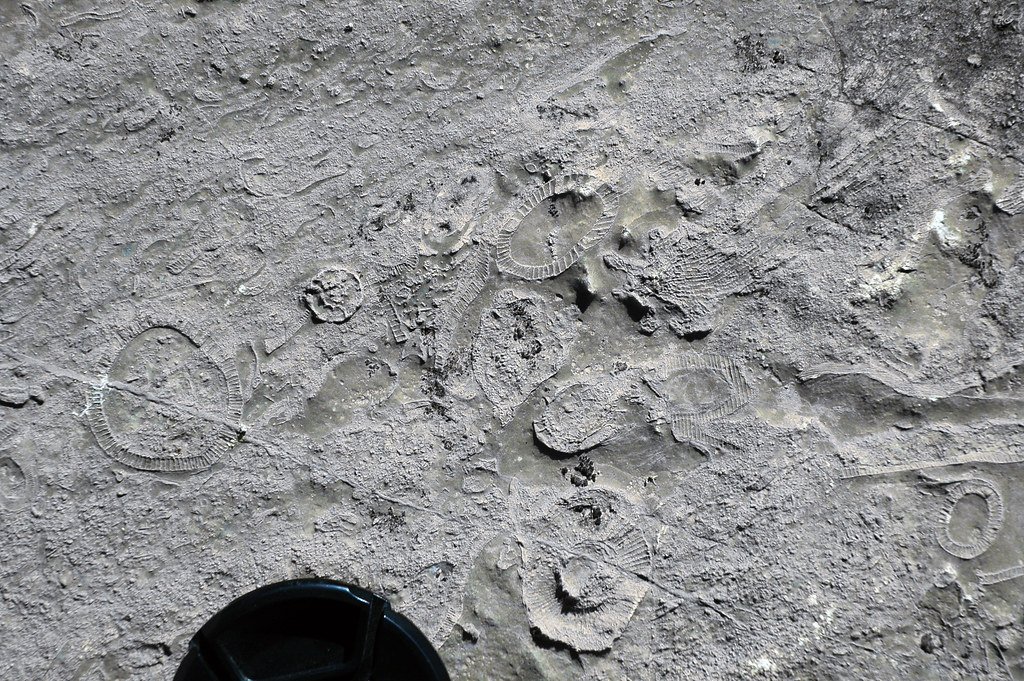
The ancient shark teeth of Mississippi open a fascinating chapter in the annals of prehistoric research. As scientists continue to dig deeper into the state’s fossil history, they unravel secrets of an ancient world, bridging the past with the present. These discoveries offer invaluable opportunities for research, education, and conservation, ensuring that Mississippi’s marine history is preserved and celebrated across generations. Through these ancient relics, we gain a deeper appreciation for the interconnectedness of life, past and present, above and beneath the oceans.