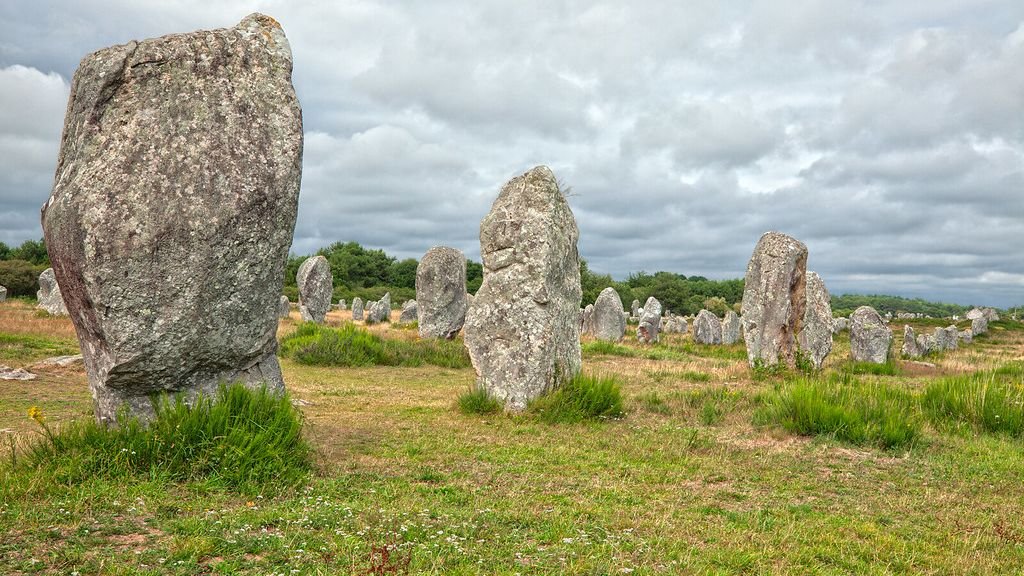

Across windswept cliffs, quiet cow pastures, and forest clearings, Europe is scattered with enormous stones that no one alive remembers raising. You can be driving through Brittany or southern England, glance out the window, and suddenly there they are: towering slabs of rock standing in careful patterns, like a message you feel before you understand. These megaliths are older than written history, older than the pyramids in Egypt, and yet we still argue about who built them and what they were really for.
What makes them so gripping is how familiar and alien they feel at the same time. On one hand, they’re just rocks. On the other, they’re clearly not random: arranged in circles, lines, chambers, and mounds that took serious planning and backbreaking labor. Archaeology in the last few decades has completely changed what we thought we knew about these sites, revealing complex societies that could organize big building projects long before kingdoms and kings. The story that’s emerging is stranger, more human, and more emotional than the old textbook clichés about “mysterious druids” ever suggested.
The First Stone Builders: How Old Are Europe’s Megaliths Really?
One of the most surprising facts is just how ancient the first European megaliths are. Radiocarbon dating in the last twenty years has pushed their origins back to around seven thousand years ago, in the fifth millennium BCE. That means some coastal tombs in western France and Portugal were being built centuries before the earliest Egyptian pyramids, by farming communities that had only recently settled down from more mobile lifestyles.
For a long time, people assumed megaliths were a kind of late flourish of Stonehenge-like monuments, but newer excavations show the opposite: they appear early and spread wide. In regions like Brittany, Denmark, and the Iberian Peninsula, archaeologists keep finding older and older stone structures tucked under later layers of soil and building. It’s a bit like pulling up old floorboards in a house and discovering another house underneath, and then another. Each layer tells us that building with stone was not a quirky fad – it was a tradition that shaped generations.
From Portugal to Poland: A Stone-Building Culture Spreads
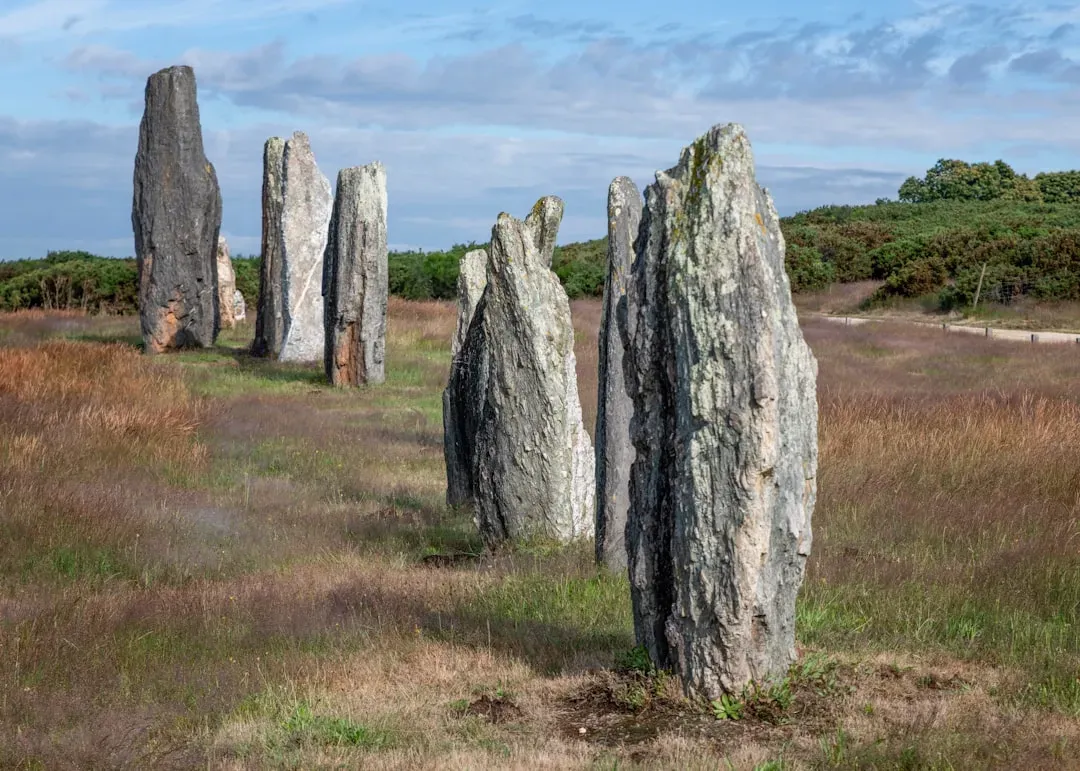
One of the biggest debates has been whether megaliths were invented in one place and spread, or if different communities came up with the idea on their own. Recent research comparing radiocarbon dates across hundreds of sites suggests a strong pattern: some of the earliest true megalithic tombs cluster along the Atlantic coasts of Portugal, Spain, and France. From there, they seem to fan out northward and eastward over the next fifteen hundred to two thousand years, reaching Britain, Ireland, Scandinavia, and parts of central Europe.
That doesn’t mean a single “megalith tribe” marched across the continent. Instead, it looks more like ideas and techniques moving along sea routes and trading networks. Imagine sailors and traders sharing stories: how to line up big stones, how to build a chamber that stays cool and dry, how to align an entrance with the rising sun. Local communities then adapted those ideas to their own landscapes and beliefs. The result is a patchwork of stone monuments that look related, but never identical – like regional accents in a shared ancient language of architecture.
Who Were the Builders? Farmers, Families, and Forgotten Names
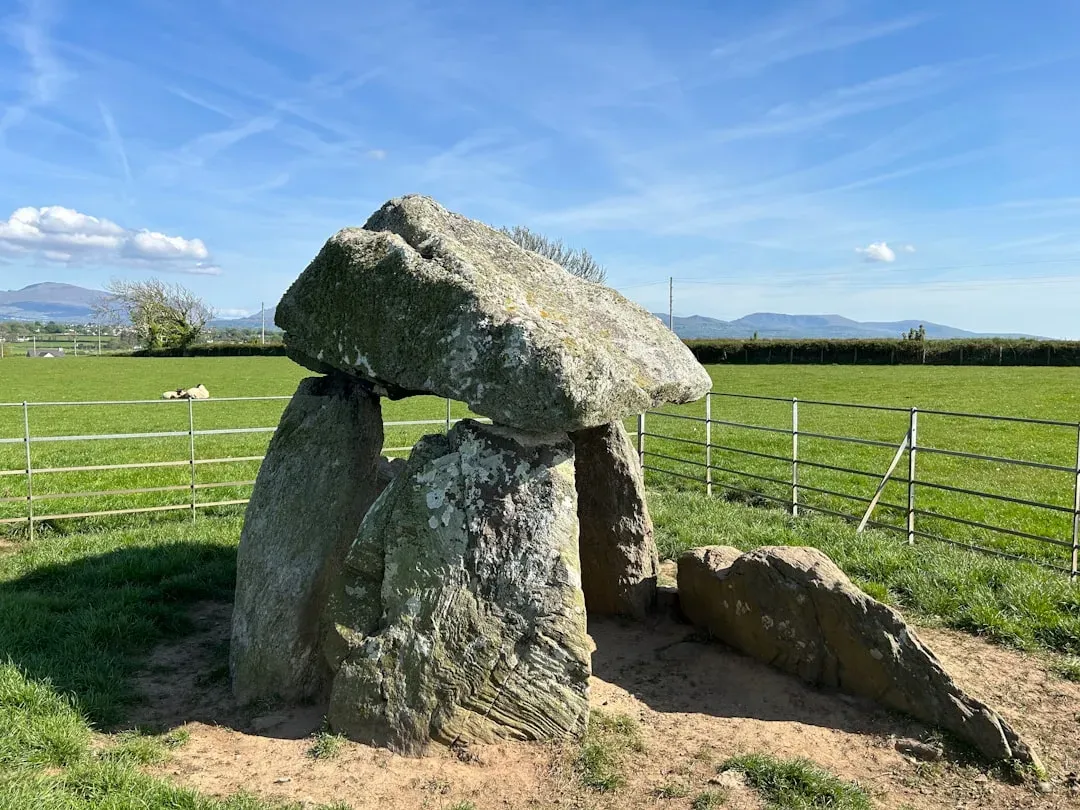
For years, popular imagination filled these landscapes with robed priests and mysterious elites, but the evidence on the ground tells a more grounded, and honestly more moving, story. The builders were early farming communities: people who grew cereals, raised cattle, and lived in timber houses or longhouses. Their tools were stone axes, wooden sledges, ropes, and a lot of human muscle. Excavations of nearby settlements show everyday life – cooking hearths, broken pots, animal bones – that tie directly into the megalithic sites.
The genetic and burial evidence paints these societies as organized, but not like later kingdoms with palaces and armies. In many tombs, multiple individuals from the same extended family are buried together over generations, suggesting ancestor-focused communities rather than single rulers demanding monuments to themselves. There are hints of status differences in grave goods and body treatment, but nothing like royal burials stuffed with gold. I find that strangely reassuring: these massive stones were not just vanity projects for a few powerful people, but the collective work of families investing in a shared place that would outlast them all.
How Do You Move a Mountain? Technology Without Wheels or Metal
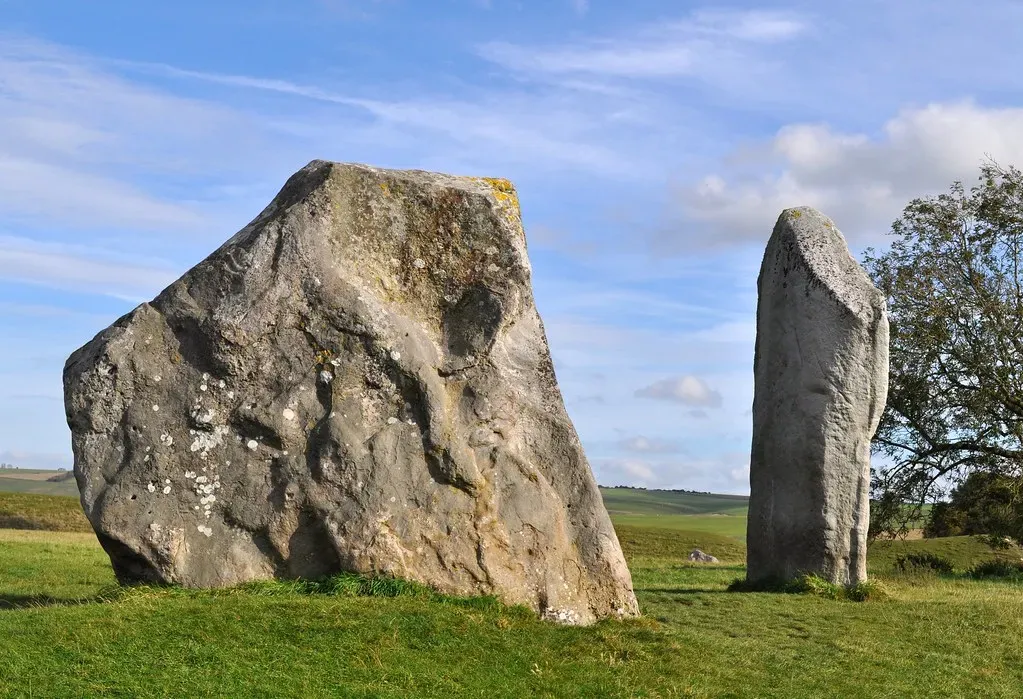
Stand in front of a giant standing stone, some of them ten meters tall or more, and your first thought is usually pretty simple: how on earth did they move that? The answer, pieced together from experiments, tool marks, and excavation, is a mix of ingenuity and stubborn determination. Builders likely used wooden rollers, sledges, and lubricated tracks of wet clay or animal fat, along with ropes made from plant fibers or animal hides. Teams pulled and levered stones over short distances, inch by inch, using ramps and pits to tilt them upright.
Modern experimental archaeology has shown that with a hundred or so motivated people, it’s absolutely possible to move multi-ton stones using only materials available at the time. Is it exhausting? Completely. But it’s doable. The absence of metal tools or the wheel in many regions didn’t stop them; it just meant they built around the strengths of wood, stone, and raw human power. In a way, that’s part of why these sites hit so hard emotionally: they’re proof of what communities can do when they decide that something – honoring their dead, marking time, showing who they are – is worth years of hard, coordinated work.
Graves, Gateways, or Calendars? What the Stones Were For
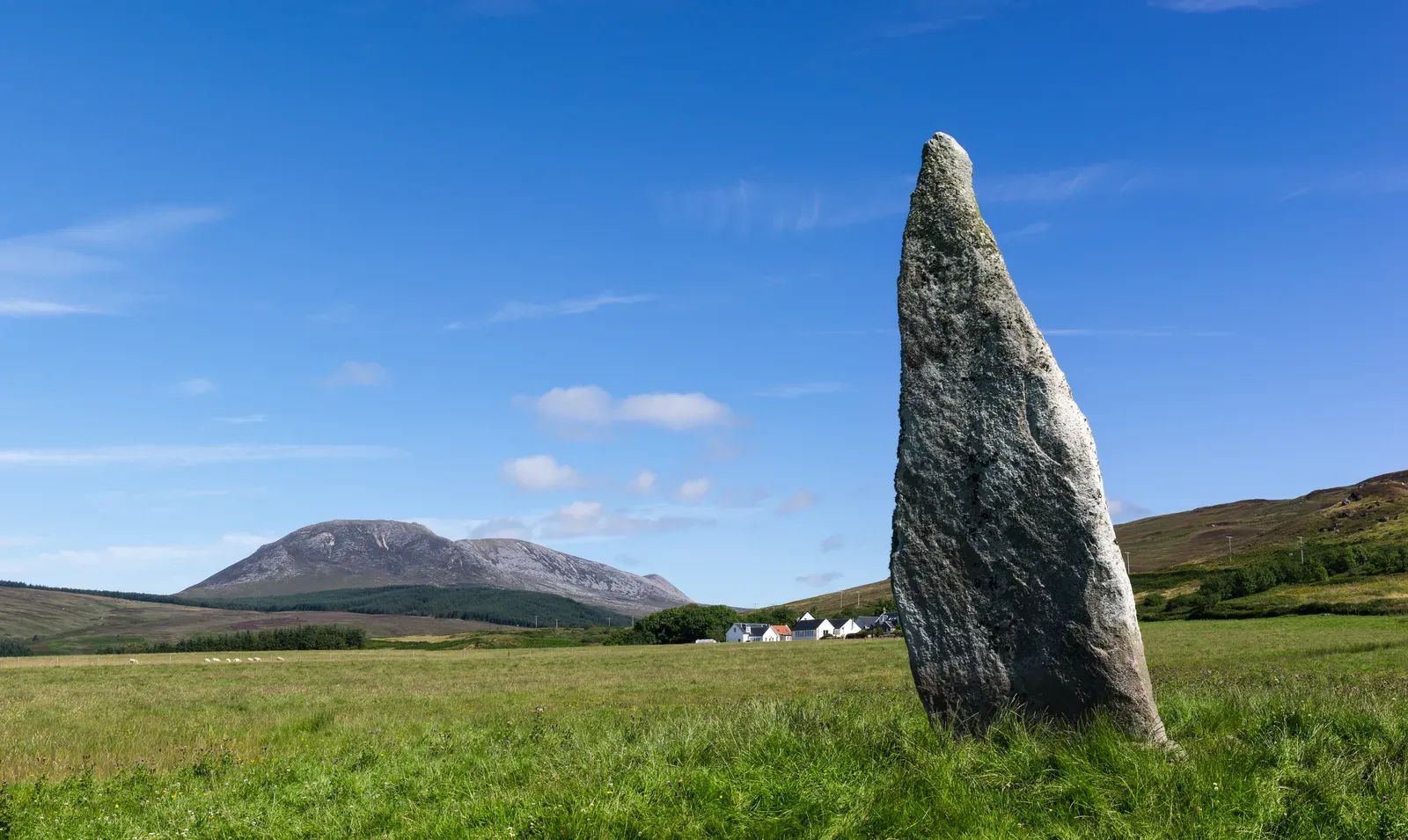
If you ask five researchers why megaliths were built, you’ll probably get at least six answers. Many megalithic structures are clearly tombs: passage graves, dolmens, and chambered cairns that contain human remains. These were not simple burials, though. Bodies were often placed, moved, rearranged, and sometimes reduced to bones before final deposition. The tombs acted more like long-term ancestral houses than single-use graves, places where the living could interact with the dead across generations.
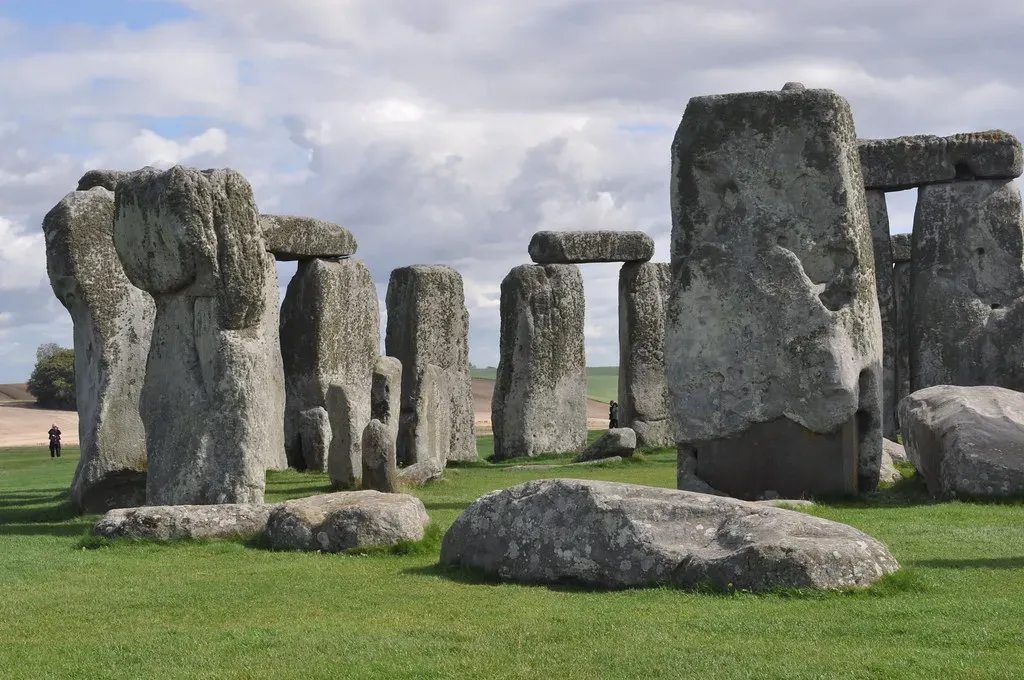
Other monuments, especially stone circles and alignments, show strong links to the sky. Alignments with solstices, equinoxes, and particular star risings appear again and again, from Stonehenge to passage tombs in Ireland and beyond. That doesn’t mean they were mere “calendars” like oversized clocks, but the sky seems to have framed ritual time and cosmic order. Many archaeologists now think megaliths served multiple roles at once: sacred spaces, territorial markers, community meeting grounds, and giant storytelling devices that tied the living world to cycles of light, darkness, and ancestry.
Ritual, Art, and Sound: Life Around the Stones
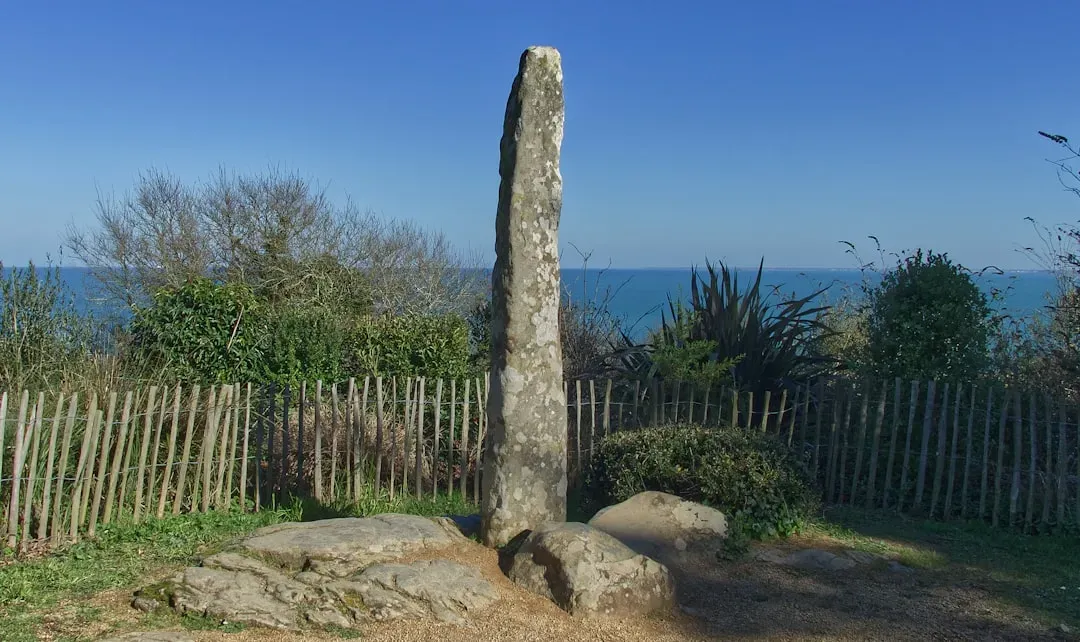
When you look closely, many megaliths aren’t just raw stones – they’re carved, painted, and carefully placed to create sensory experiences. In places like Brittany, Ireland, and Iberia, archaeologists have found spirals, zigzags, axes, and abstract motifs carved onto stone surfaces, sometimes hidden deep inside chambers only visible by torchlight. Traces of pigments suggest some stones were once colored, turning what we see as grey and weathered today into bright, vivid interior worlds during ceremonies.
There’s also a growing interest in how these places sounded and felt. Certain chambers echo or resonate in strange ways when people chant or play simple instruments, which may not be accidental. Imagine stepping into a cool, dark stone passage, the winter sun slanting down for just a few minutes each year, while voices rise and bounce around you. These weren’t quiet, solemn museums; they were used, lived-in ritual stages where sound, light, and stone conspired to make people feel the presence of gods, ancestors, or the deep cycles of nature.
Why It Still Matters: Identity, Mystery, and Deep Time
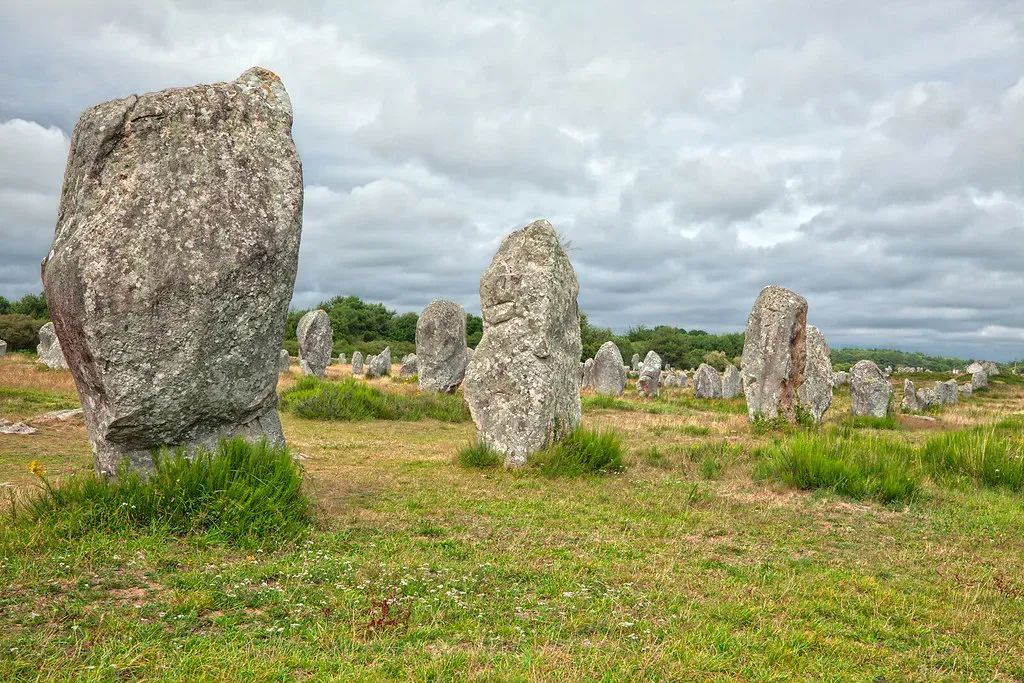
It’s easy to treat megaliths as museum pieces, but for people living near them today, they’re often part of local identity. Farmers drive their tractors around stones that have been there longer than any written language they speak. Children grow up playing hide-and-seek in stone circles that once marked the turning of the year. In some regions, old legends and folk stories cling to these places, even if the original builders’ names and languages are completely gone. The stones become anchors in a world that changes faster every decade.
Personally, I think that’s part of their power. Standing in front of a megalith, you’re staring at proof that humans like us – tired, hopeful, grieving, ambitious – were willing to drag mountains to make sense of life and death. We still do versions of that today, just with steel and concrete instead of granite and sandstone. The real mystery isn’t only who built them or which star they point to; it’s why, again and again, humans decide that some ideas are worth carving into the landscape itself. When you next pass one of those silent stones by the roadside, what story will you imagine it’s trying to tell?