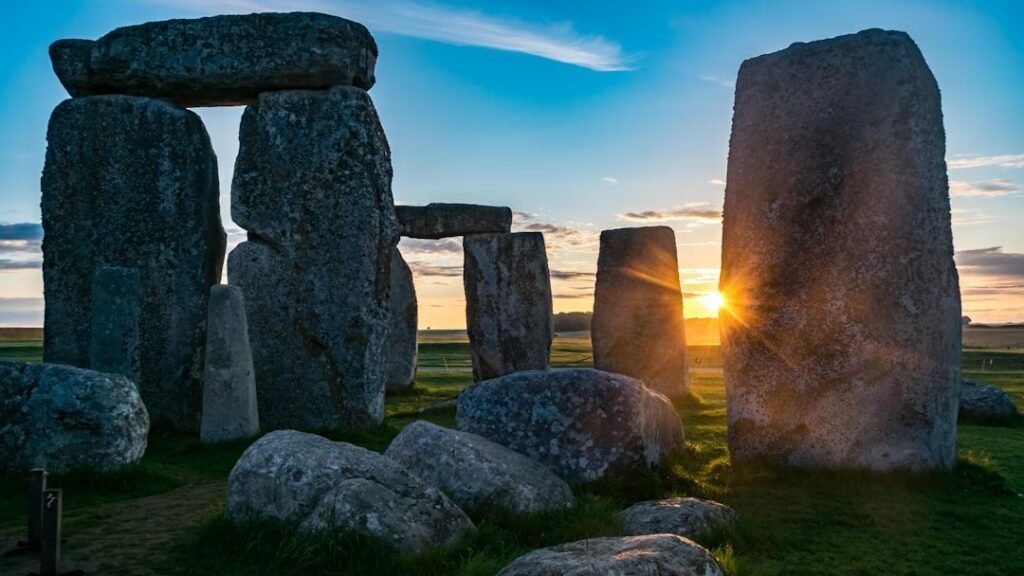

All across Europe, from the misty fields of England to the windswept coasts of Brittany and the sun‑baked plains of Spain, gigantic stones stand where no sane person would try to move them today without heavy machinery. Yet thousands of years ago, people with no metal cranes, no trucks, and no GPS somehow quarried, transported, and lifted blocks weighing as much as a small house. Just standing in front of one of these stones, you can feel a strange mix of awe and disbelief: how on earth did they pull this off?
Archaeologists have spent decades digging, testing, and arguing over the techniques, and while some mysteries remain, we actually know a lot more than most people think. The true story is less about mysterious lost technologies and more about human stubbornness, clever engineering, and communities willing to work together on a crazy scale. When you look past the romantic fog, you discover something even more impressive than magic: sheer, relentless effort guided by smart, practical ideas.
The Sheer Scale of Europe’s Megaliths
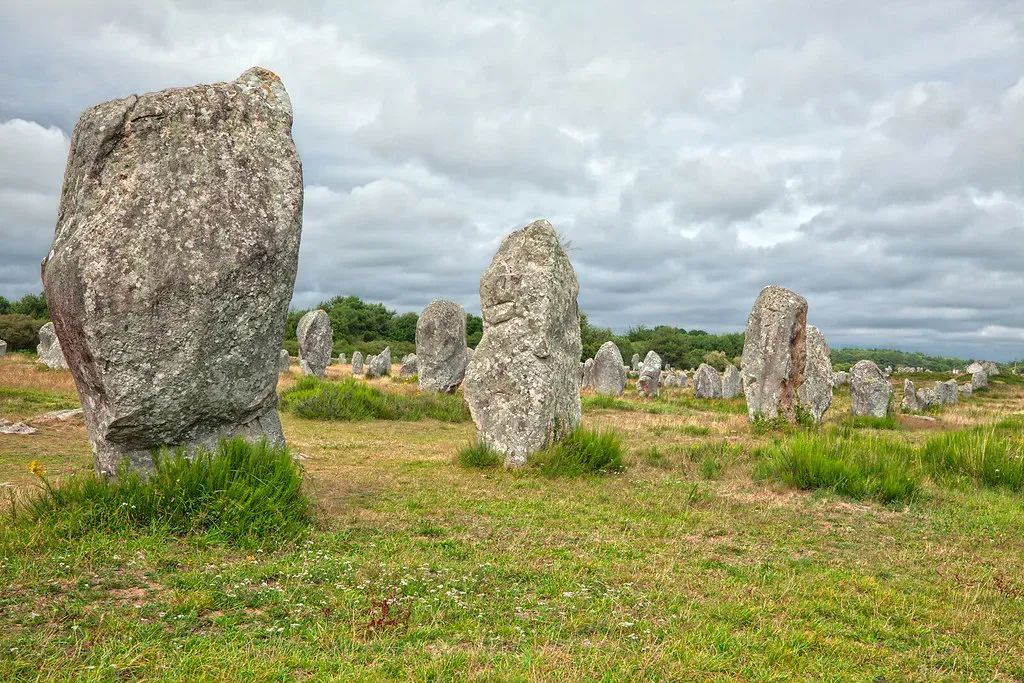
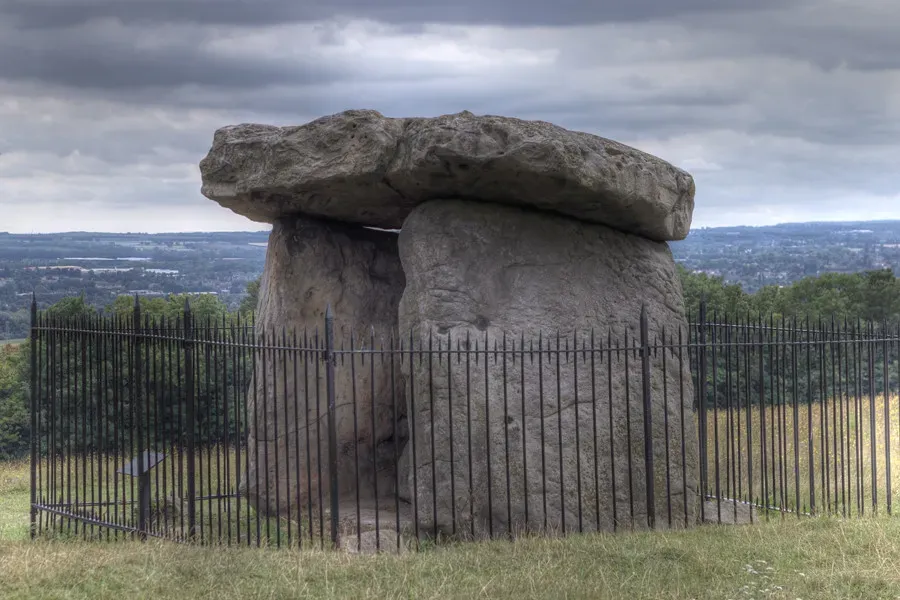
Some of the stones involved are so absurdly big that they almost feel like a dare from the past. At Stonehenge, the largest sarsen stones weigh around the equivalent of several cars stacked together, and at sites like Locmariaquer in Brittany, broken remnants of a single fallen menhir suggest an original stone that may have been over twenty meters long. In Portugal and Spain, massive dolmens use roof slabs that modern builders would normally only move with cranes, yet these were raised long before iron tools were even a thought.
It’s easy to assume only a powerful kingdom or a dictator could have forced such labor, but the timelines don’t match that kind of top‑down control; many megaliths were raised by farming communities living in relatively small, scattered settlements. That’s part of what makes them so astonishing: these weren’t imperial vanity projects but shared efforts spanning generations. When you add up the cutting, dragging, lifting, and aligning, it’s a bit like realizing your neighbors somehow decided to move a small hill using nothing but rope, wood, and determination. The stones are large, but the ambition behind them is even bigger.
Quarrying the Giants: Cutting Stone with Simple Tools
The story of each megalith begins in a quarry or, sometimes, at a rocky outcrop where nature did half the job. Without metal saws or diamond blades, Neolithic builders relied on hammerstones, antler picks, and an intimate understanding of how rock breaks. At sites across Europe, archaeologists have found piles of discarded hammerstones and clear percussion marks showing where workers patiently chipped away to separate blocks along natural cracks and bedding planes.
They also used fire and water to exploit weaknesses in the stone, heating surfaces with controlled fires and then cooling them rapidly to encourage fracturing. In some quarries associated with megalithic sites, you can still see half‑finished stones and cut lines, like snapshots of a construction project abruptly paused thousands of years ago. It’s not glamorous or mysterious, just slow, repetitive work that probably involved lots of sore muscles and a truly stubborn commitment to the task. The miracle isn’t an unknown technology; it’s that people were willing to keep going until a mountain finally let go of a block.
Dragging Stones Across the Landscape: Sledges, Rollers, and Mud
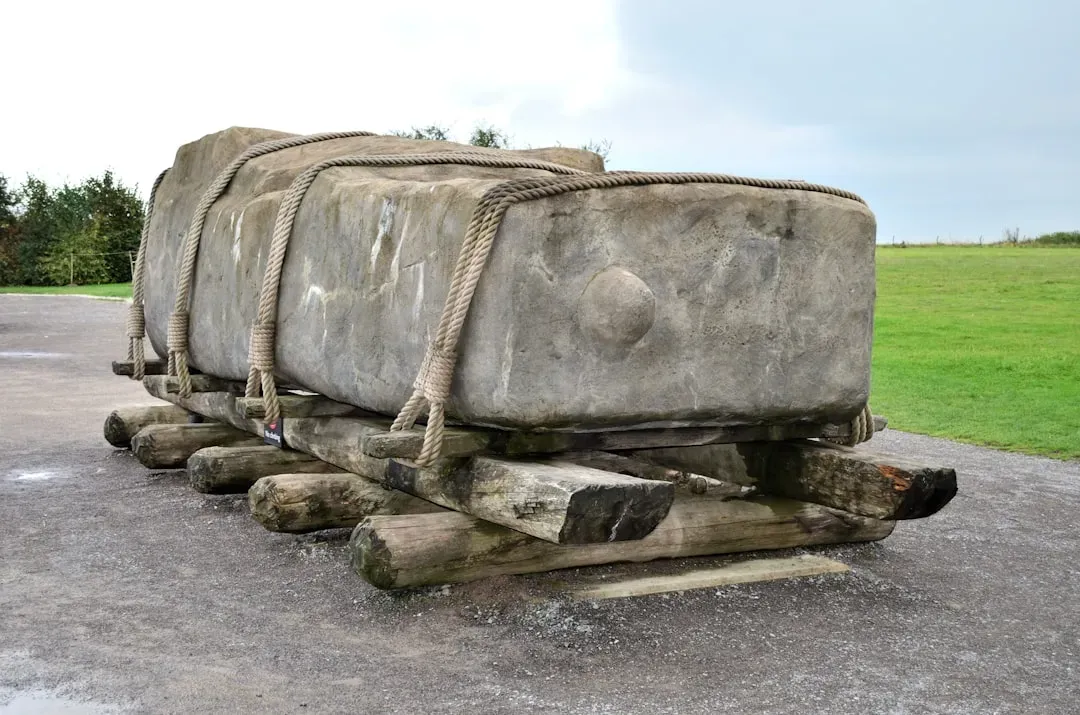
Once freed, the real headache began: getting multi‑ton stones from the quarry to their final resting place, sometimes over distances of many kilometers. Evidence from European sites points strongly toward a mix of wooden sledges, rollers, and careful preparation of the route rather than the romantic image of random brute force. At Stonehenge, for instance, experiments using replica sledges and teams of volunteers have shown that with the right setup, people can move stones weighing several tons using nothing more than ropes, coordination, and patience.
Builders may have taken advantage of the seasons too, dragging stones over wet, compacted ground or even icy surfaces to reduce friction, much like sliding a heavy wardrobe across a polished floor. In some cases, simple trackways made from logs or planks would have provided smoother movement and helped distribute weight over soft soil. Archaeologists studying megalith sites across Brittany, the British Isles, and Iberia have found traces of ancient pathways and alignments that hint at carefully chosen transport corridors. When you picture dozens of people chanting in time, hauling on ropes, and inching a stone forward, it feels less like a mystery and more like a very committed team‑building exercise taken to the extreme.
Water Highways: Rivers, Rafts, and Coastal Transport
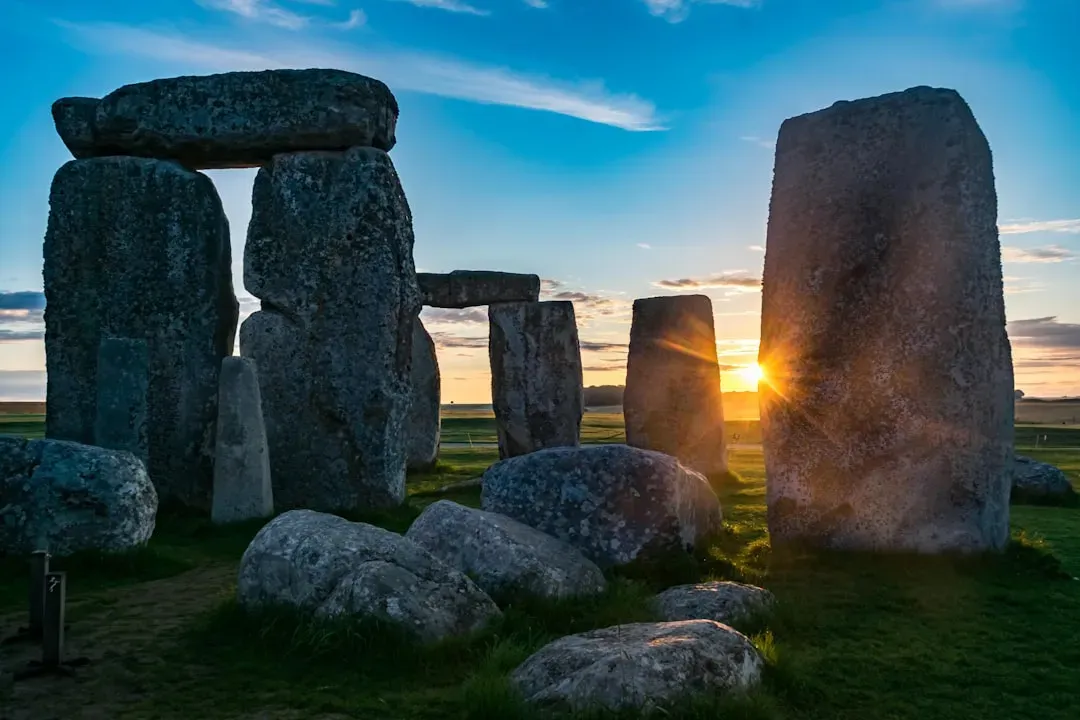
Dragging stones over land is hard; dragging them over land for long distances is brutal. That’s why many researchers believe prehistoric builders made heavy use of rivers and coastlines as natural highways. In the case of Stonehenge’s smaller bluestones, which originated in the Preseli Hills of Wales, the most widely accepted models combine short overland hauls with river and sea travel using rafts or boats. Similar logic applies to megalithic regions in Brittany and along the Atlantic façade, where many sites cluster near navigable waterways.
Experiments with replica stone rafts have shown that with buoyant timber and a stable platform, people can indeed float sizable stones downstream or along sheltered coasts, especially with favorable tides and currents. It wouldn’t have been easy, but it beats hauling a multi‑ton block over every hill in sight. Using water this way turns the landscape into a kind of low‑tech conveyor belt, connecting distant quarries with ritual centers. When you realize these communities understood their rivers as both lifelines and logistic tools, the picture shifts from “impossible feat” to “clever use of what was already there.”
Lifting and Raising: Levers, Ramps, and Gravity Tricks
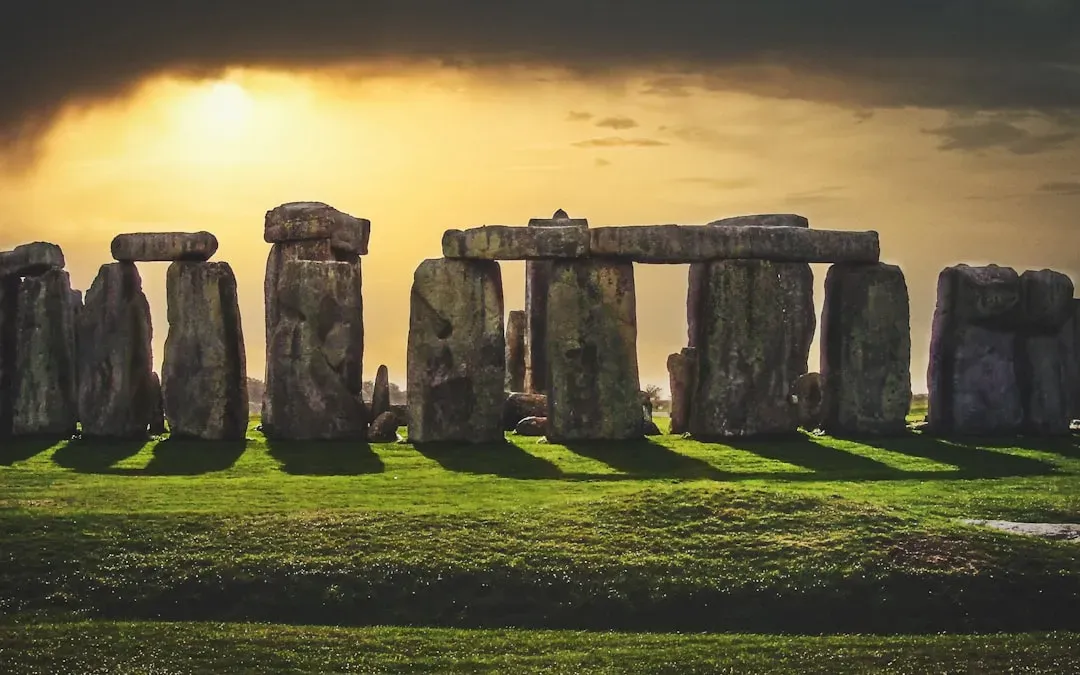
Raising a giant stone from horizontal to vertical is where many people assume you’d absolutely need modern machinery, but physics is surprisingly kind if you break the problem into stages. One widely supported method involves digging a pit, positioning the base of the stone at the edge, and then using ropes, levers, and earthen ramps to tilt it into place. Once the bottom of the stone is anchored in the pit, workers could backfill around it, using soil and smaller stones to stabilize the whole structure as they went.
For dolmens and passage tombs, where enormous capstones sit on upright supports, archaeologists suggest a mix of ramps and incremental lifting using cribbing: stacking smaller stones or timbers under one side, lifting a little at a time, then repeating. At several European sites, excavation has revealed construction ramps and rearranged packing stones that match these ideas closely. It’s essentially the same principle you use when you lever a heavy piece of furniture up onto bricks, only on a scale that makes your back hurt just thinking about it. Gravity was the enemy, but the builders turned it into an ally by working slowly, methodically, and always making sure the stone had somewhere safe to rest on the way up.
Manpower, Community, and the Power of Ritual
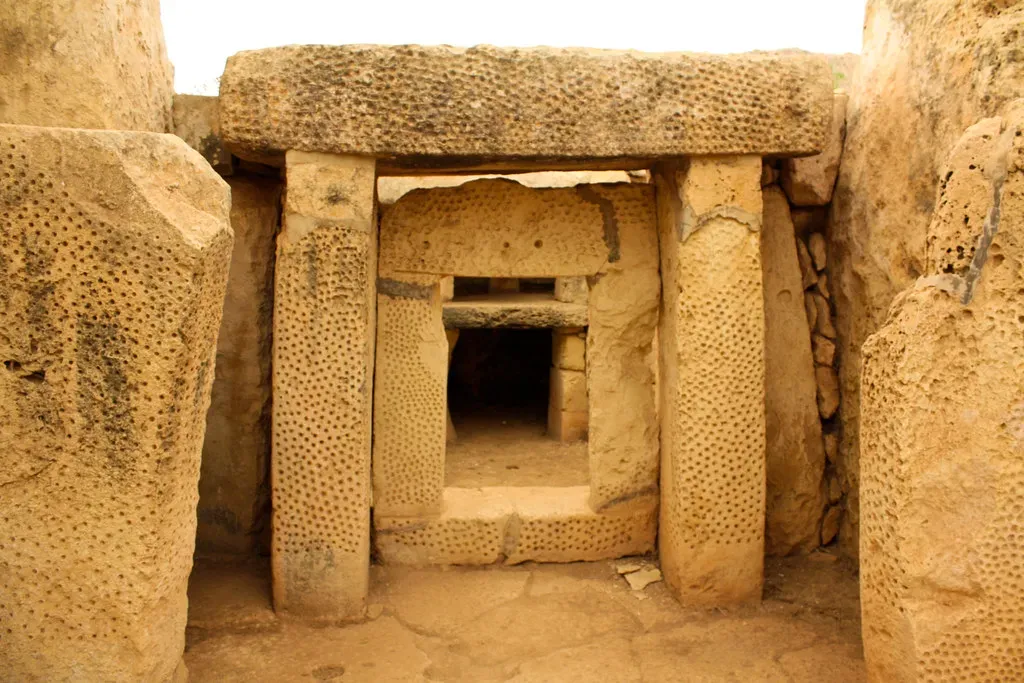
Even with all the clever engineering in the world, moving stones this size demands people – lots of them, working in sync. Estimates vary, but dragging a many‑ton stone on a wooden sledge might require dozens of individuals pulling, guiding, and lubricating the path with water, clay, or animal fat. That sounds like a logistical nightmare until you remember that these were farming societies used to organizing big seasonal tasks like harvests, building longhouses, or digging communal ditches. Coordinated labor wasn’t an exception; it was part of everyday survival.
What turns hard labor into something people actually show up for, generation after generation, is meaning. Many archaeologists see megalith building as a deeply social and spiritual process, tied to ancestors, cosmology, and the identity of a community. Alignments with solstices and equinoxes, complex burial chambers, and long‑term use of the same sacred sites all suggest these stones were more than just impressive ornaments. They were statements: we belong here, together, and we care enough about that to move mountains. In a strange way, the real engine behind the stones wasn’t muscle; it was belief.
Myths, Misconceptions, and What We Still Don’t Know
Because these monuments are so dramatic, they’ve attracted endless wild theories – lost super‑civilizations, unknown energy technologies, or outside visitors doing the heavy lifting. The problem is that none of those ideas fit what we actually find in the ground. The tools, the quarry marks, the broken stones, the traces of ramps and ditches all tell a story that’s very human and very down to earth. When you look at the evidence, you don’t see signs of impossible technology; you see the fingerprints of trial and error, local knowledge, and practical problem‑solving.
That said, there are still gaps in the picture. For some sites, we’re not completely sure which precise routes the stones took, exactly how they were lashed to sledges or rafts, or how labor was organized across different villages. Ongoing excavations, experimental reconstructions, and new technologies like high‑resolution landscape scanning keep refining the story bit by bit. Standing among the stones today, you sense both what we’ve figured out and what remains stubbornly silent. The core mystery may no longer be “Could they do it?” but a more intimate one: what drove them to care enough to keep pushing those stones, year after year, across a world that must have already felt enormous?
The Real Wonder Behind the Megaliths
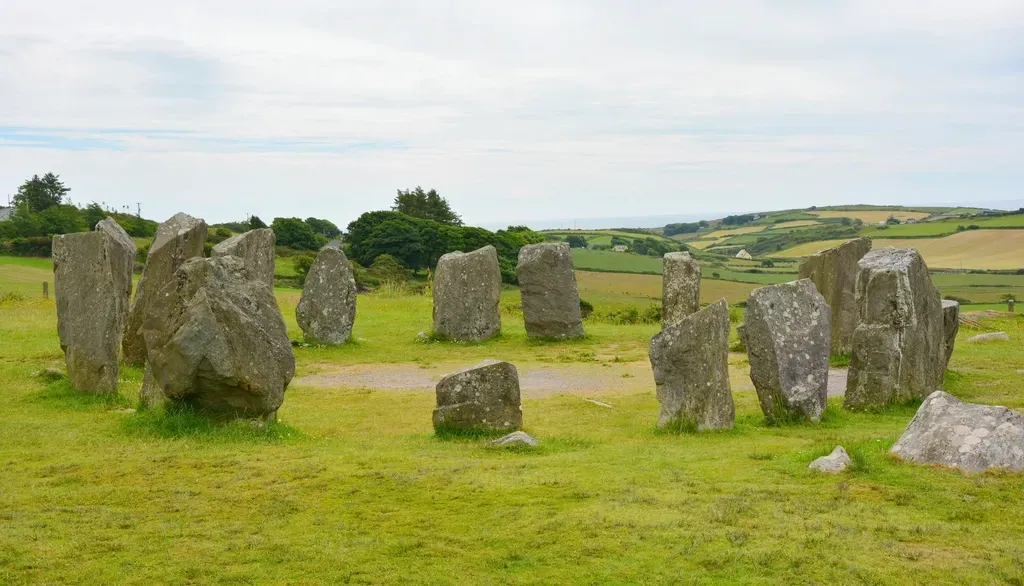
When you put all the pieces together – quarrying, dragging, rafting, levering – it becomes clear that the megaliths of Europe are not proof of lost machines but of something far more relatable. They show what small communities can do when they combine determination with practical knowledge of wood, stone, water, and the lay of the land. The techniques are simple in principle, yet the commitment required to apply them on this scale is staggering. These stones are less a riddle about technology and more a mirror held up to human persistence.
Modern cranes and trucks might make the physical task easier today, but it’s hard to imagine gathering that many neighbors and convincing them to spend decades raising a ceremonial ring or a burial mound. The ancient builders did that without written plans, without engines, and without guarantees that the final result would ever be finished in their own lifetimes. In the end, the true weight of the megaliths isn’t just in tons of stone but in years of effort, shared stories, and the stubborn belief that some things are worth building even if you’ll never see the last stone set. Would you have guessed that the most powerful tool they had was not stone or wood, but the will to keep going?