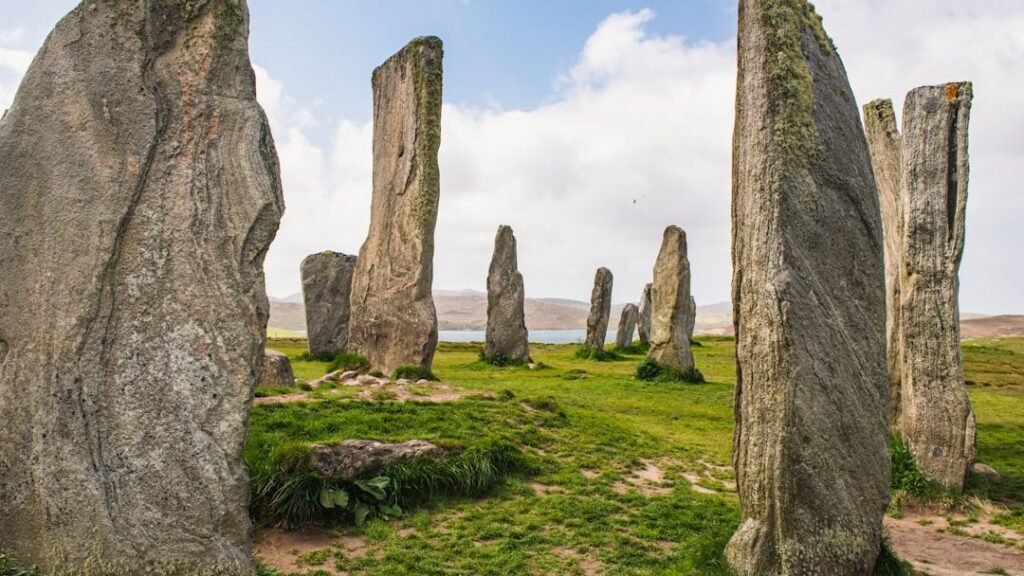

Walk out into a misty New England field at sunrise and you might spot it: a lonely standing stone, half-swallowed by moss, pointing like a finger toward the sky. Most people drive right past these things without a second glance, assuming they’re just old boundary markers or random boulders. But the deeper you look, the stranger the story of American megaliths becomes.
Across North, Central, and South America, huge stone constructions and mysterious alignments sit quietly in forests, deserts, and backyards. Some are famous, like the massive walls of Sacsayhuamán in Peru, while others hide in plain sight, barely documented. And while we know a lot more today than we did a generation ago, there are still questions that archaeologists, astronomers, and local communities are wrestling with, sometimes fiercely. That tension between what we know and what we cannot yet explain is exactly where these unspoken secrets live.
Ancient Stone Giants Across Two Continents
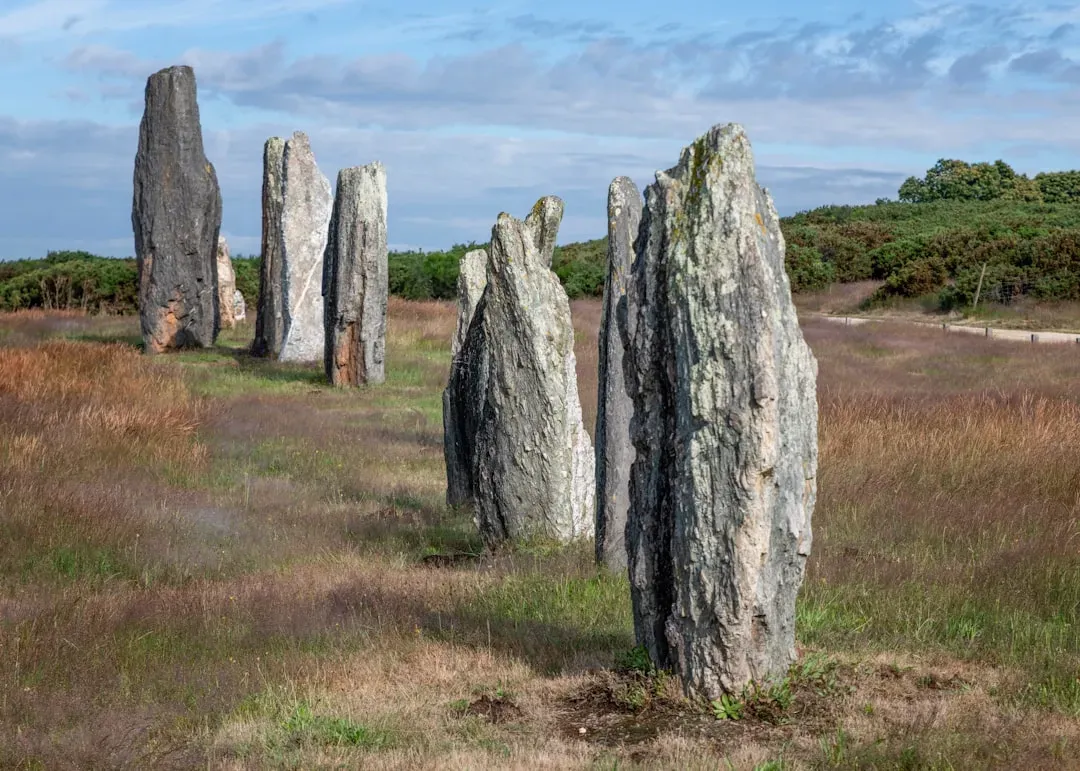
It’s easy to think of megaliths as something you’d find in Europe, like Stonehenge, but the Americas are packed with their own stone giants. From the chambered stone structures in New England to the monumental platforms in Mexico and the towering walls of the Andes, there’s a scattered, broken puzzle made of granite, basalt, and sandstone. Many of these sites were carved, stacked, or aligned using nothing but stone tools and human muscle, long before steel, wheels, or written records appeared in the region.
In the United States, smaller-scale megalithic features – standing stones, stone circles, and chamber-like constructions – are often overshadowed by the more widely known earthen mounds of Indigenous cultures. Further south, in Mesoamerica and the Andes, the stones get bigger and bolder: multi-ton blocks locked together so tightly that a knife blade can’t slip between them. Taken together, these structures challenge the lazy idea that sophisticated stone architecture only belongs to the Old World; the Americas have their own distinct, powerful stone legacy.
Hidden Alignments With Sun, Moon, and Stars
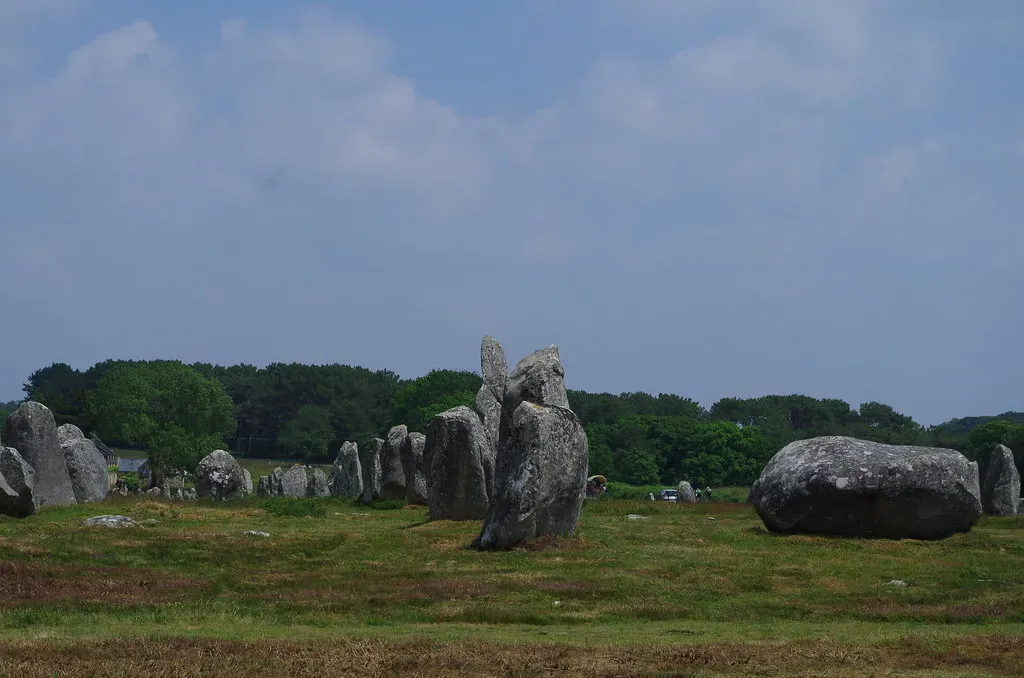
One of the most surprising threads running through American megaliths is how often they “talk” to the sky. In places like Chaco Canyon in New Mexico or the Central Mexican plateau, structures line up with solstices, equinoxes, and lunar standstills in ways that are very unlikely to be accidental. Heavy stone markers frame the rising or setting sun on key days of the year, turning ordinary sunrise into a kind of cosmic performance that everyone in the community could watch.
Farther south, in sites such as Teotihuacan and in parts of the Andes, entire city plans mesh with celestial cycles, hinting that astronomy wasn’t a side hobby, it was part of how societies organized time, power, and ritual. Even some of the smaller, lesser-known stone features in North America seem to line up with solar events when surveyed carefully. Whether you see these as ancient science, sacred architecture, or both, they tell us that many Indigenous cultures were tracking the sky with a precision that surprises people used to thinking of the past as “primitive.”
The Engineering Feats No One Saw Coming
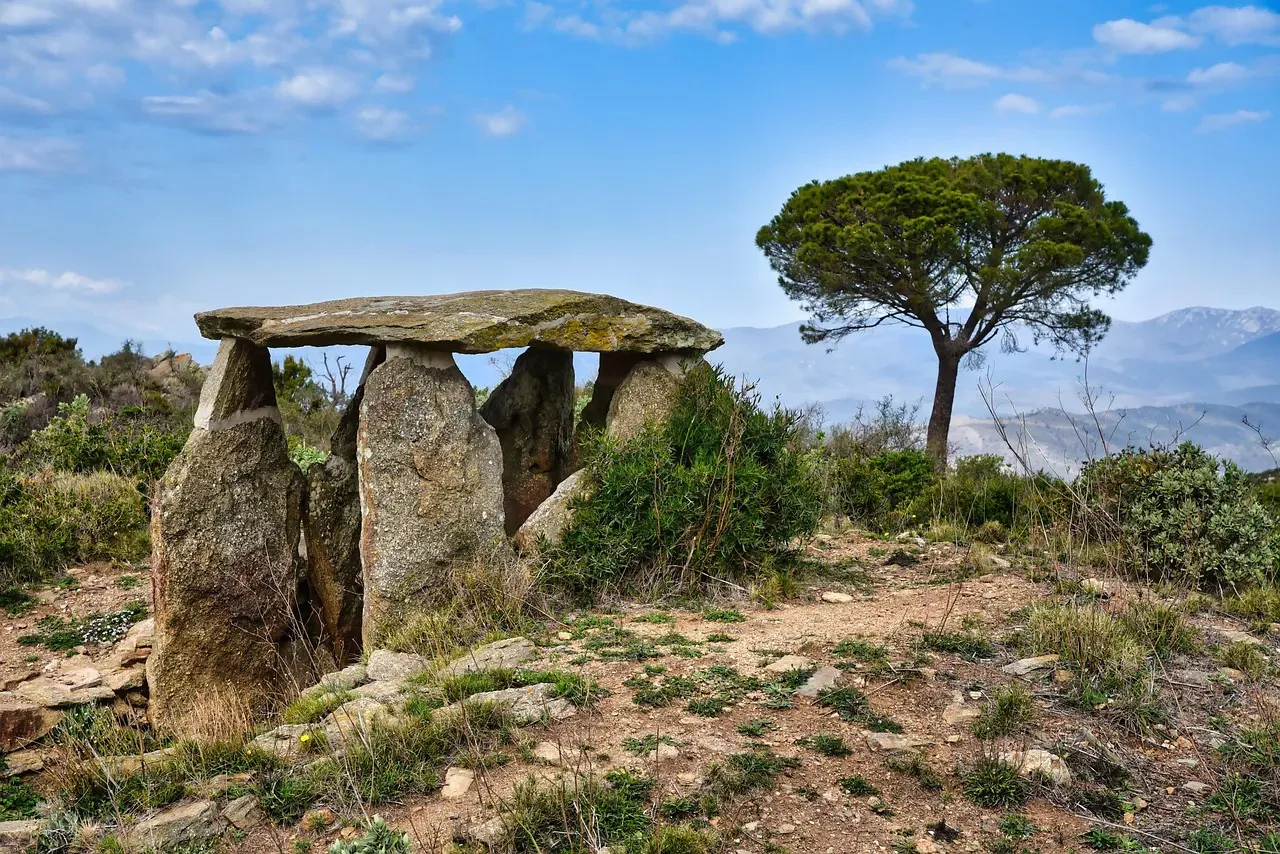
Stand in front of a wall like the one at Sacsayhuamán in Peru and it hits you in the gut: these stones are enormous. Some individual blocks weigh as much as a loaded truck, yet they’re stacked in seamless zigzag lines, locked together like a stone jigsaw puzzle. In places, you can’t fit a sheet of paper into the joints. All of this was done without mortar, power tools, or modern cranes, using techniques that researchers are still working to fully reconstruct through experiments and fieldwork.
This kind of stone mastery isn’t limited to one famous site. In different regions of the Americas, builders leveled bedrock, transported stones across difficult terrain, and created terraces, platforms, and pyramids that have stood through earthquakes and centuries of weather. The know-how lived in hands and memories, not instruction manuals, and that makes it both impressive and hard to decode. When you realize that much of this knowledge was passed down through oral traditions that were later disrupted by colonization, the surviving structures start to feel like the last pages of a book with most of its chapters missing.
North American Megaliths: Overlooked and Controversial
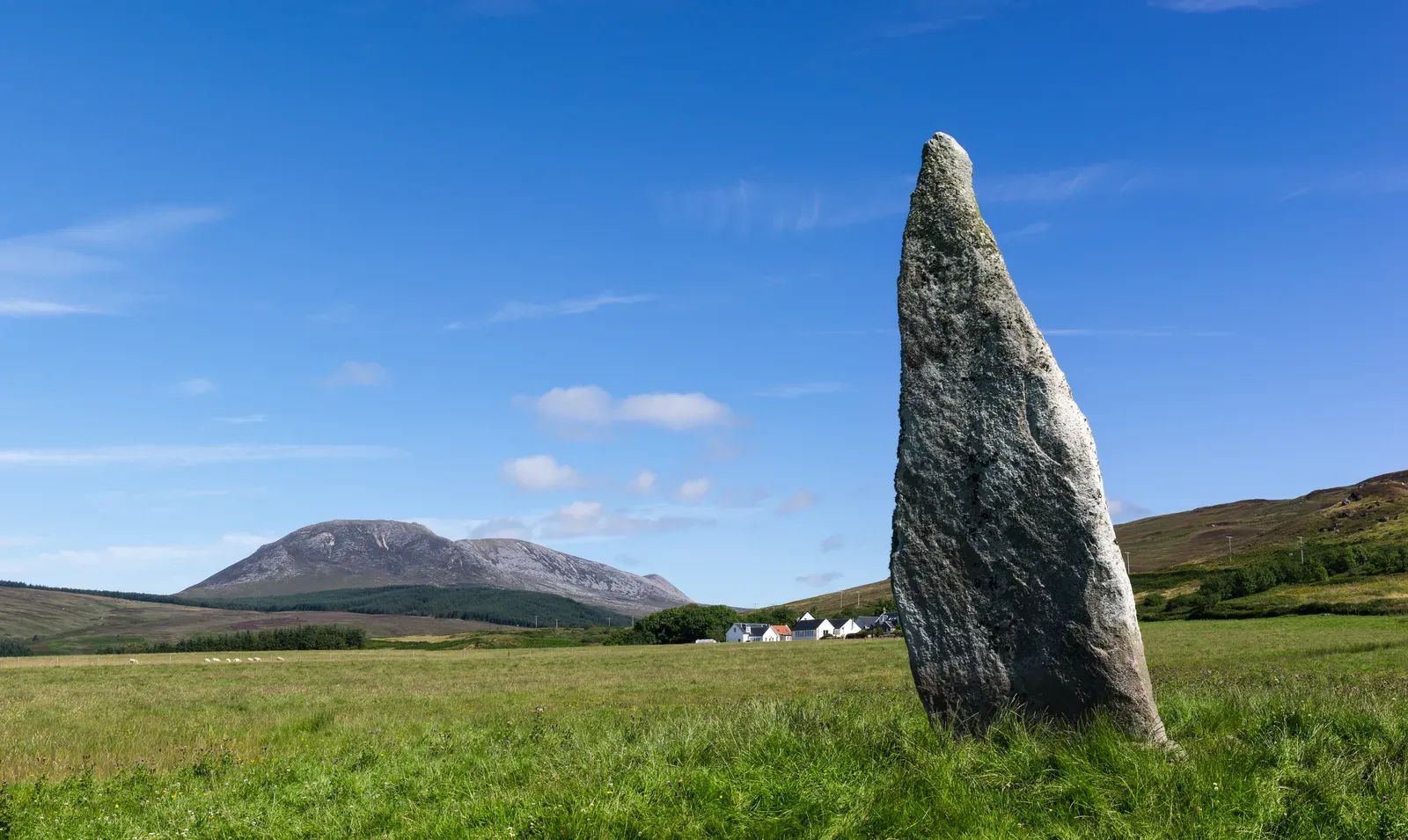
In North America, stone chambers, standing stones, and curious wall systems dot the landscape, especially in the Northeast and parts of the Midwest. Some look like small stone “beehive” rooms half-buried into hillsides, while others are solitary uprights in fields or forest clearings. For decades, many of these features were dismissed as colonial farm structures, boundary markers, or root cellars. Sometimes they are exactly that; other times, the story seems trickier, and that’s where the arguments begin.
Archaeologists, local historians, Indigenous communities, and enthusiasts don’t always agree on the age or purpose of every feature. Some structures show signs of relatively recent construction, while others seem to align with solstices or have building styles that do not neatly match known colonial techniques. Without clear artifacts or solid dating, debates can get heated and speculative claims can muddy the water. But buried in that noise is a serious, ongoing effort to sort genuine ancient stone features from later additions, and to understand how they fit into the broader story of Indigenous North America.
Indigenous Knowledge and the Silence of the Stones
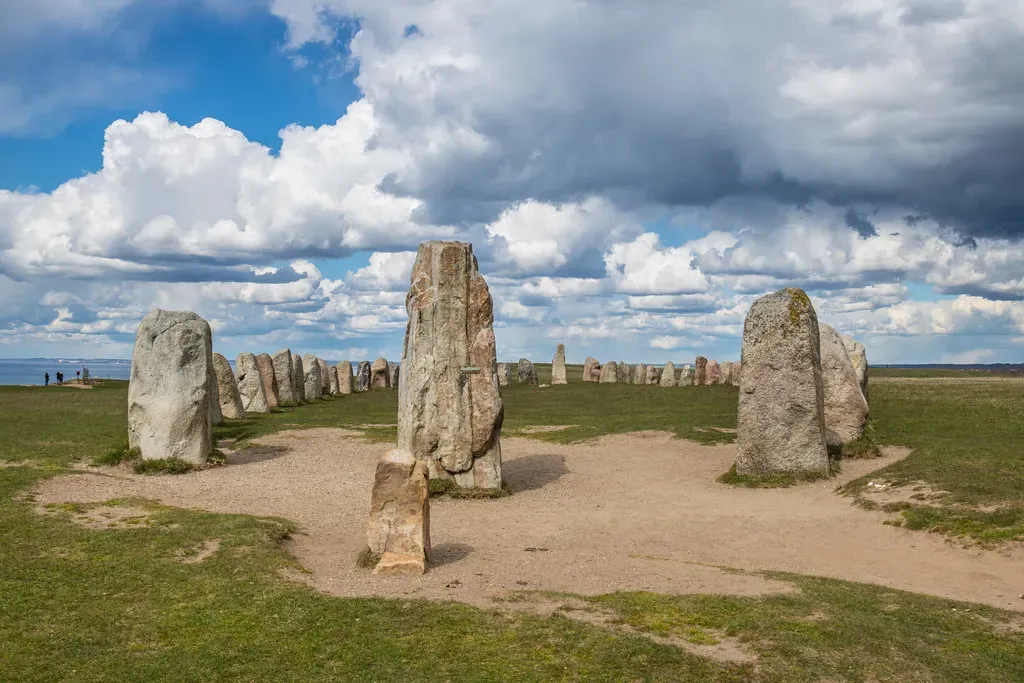
One uncomfortable truth is that many of these megalithic places were never meant to be “mysteries” at all. For the people who built and used them, they were part of living traditions – ritual sites, observatories, burial grounds, or ceremonial landscapes rich with meaning. Colonization, forced removals, and cultural suppression shattered many of those lines of memory. As a result, outsiders now wander into these places and call them “unknown,” even when Indigenous communities still hold fragments of understanding or sacred relationships to the land.
In recent years, more archaeologists and researchers have begun working more closely with tribal nations and local communities, listening to oral histories and respecting that not every piece of knowledge is meant to be shared publicly. Some secrets are unspoken because they were violently silenced; others are deliberately held back to protect what is still sacred. That can be frustrating for people who want neat, complete explanations, but it’s also a reminder that not every stone is there to satisfy our curiosity. Sometimes, the most honest thing we can do is admit that we are outsiders looking at someone else’s sacred architecture without the full language to read it.
Science, Speculation, and the Lure of the Unknown
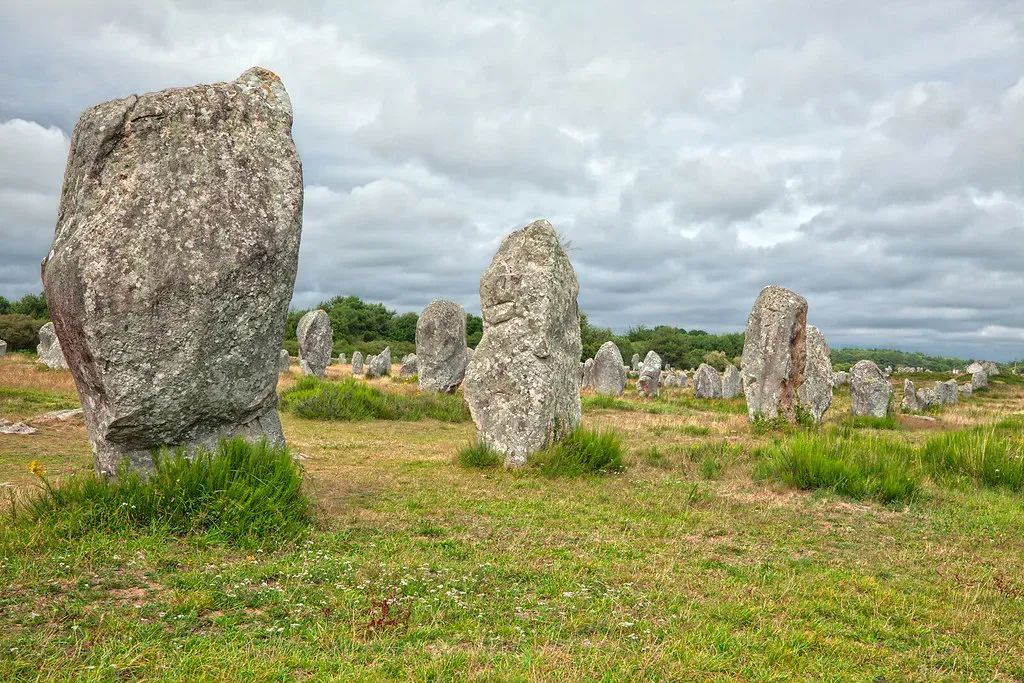
There’s a reason megaliths attract wild theories: big silent stones are like blank screens that people can project almost anything onto. Some claim that advanced lost civilizations or visitors from other worlds must have built these structures because they underestimate what human communities with time, cooperation, and ingenuity can do. Archaeology over the past century has repeatedly shown that Indigenous societies in the Americas were fully capable of designing and building these works with the tools and knowledge they had. Dismissing that is less about evidence and more about bias.
Still, not every question is settled, and that’s where things get interesting in a more grounded way. How exactly were certain stones transported across difficult terrain? Why did some cultures choose one building technique over another? What specific ceremonies played out in these stone settings? New technologies like ground-penetrating radar, high-resolution mapping, and refined dating methods are gradually filling in details without resorting to fantasy. The real story – a patchwork of engineering, spirituality, astronomy, and politics – may be slower and less flashy than the legends, but it’s also far more human and, in a quiet way, even more astonishing.
Preserving the Last Clues for the Future
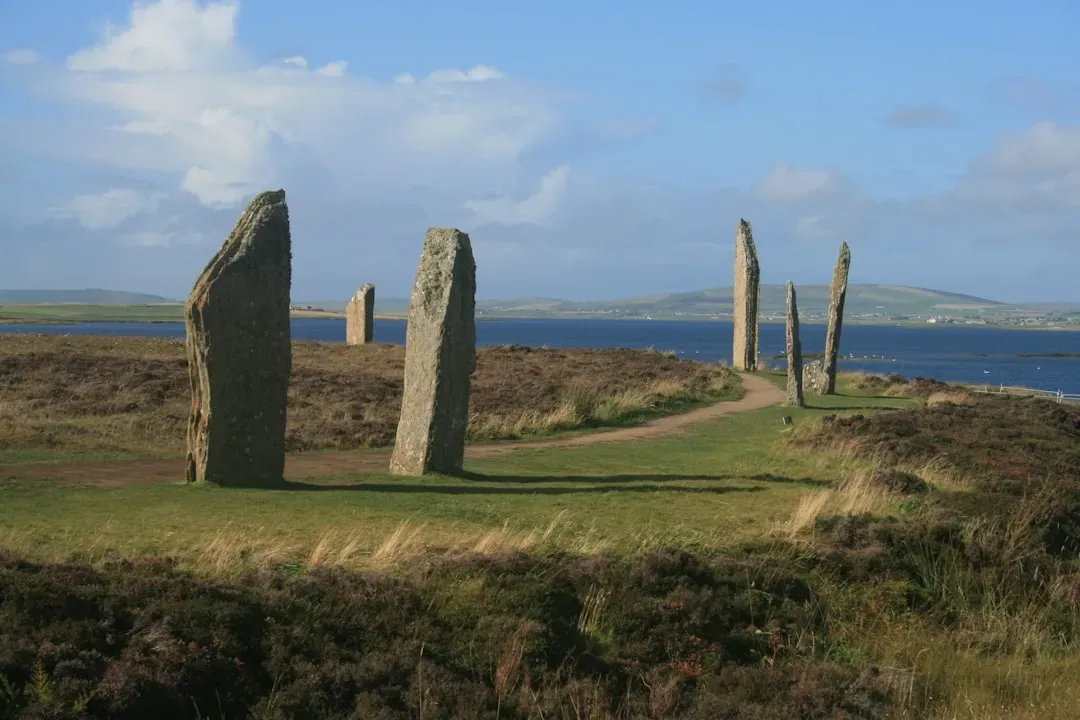
One of the biggest unspoken secrets of American megaliths is how dangerously close many of them are to disappearing. Erosion, development, looting, and simple neglect chip away at these sites every year. An unrecorded stone alignment lost to a bulldozer or a vandalized wall might erase a clue that could have tied together decades of research. Once a stone is moved, broken, or stripped of its context, whatever story it was part of becomes much harder – sometimes impossible – to reconstruct accurately.
Communities, Indigenous nations, and preservation groups are pushing for stronger protections, better documentation, and more respectful tourism, but progress is uneven. Some sites remain unmarked to avoid drawing attention; others are carefully interpreted and open to visitors willing to learn. Standing in front of one of these places, it’s hard not to feel that we’re living in a narrow window of time where we still have the chance to listen to what the stones can tell us. Whether that window stays open depends on what we choose to protect right now.
Listening to Stones in a Noisy World
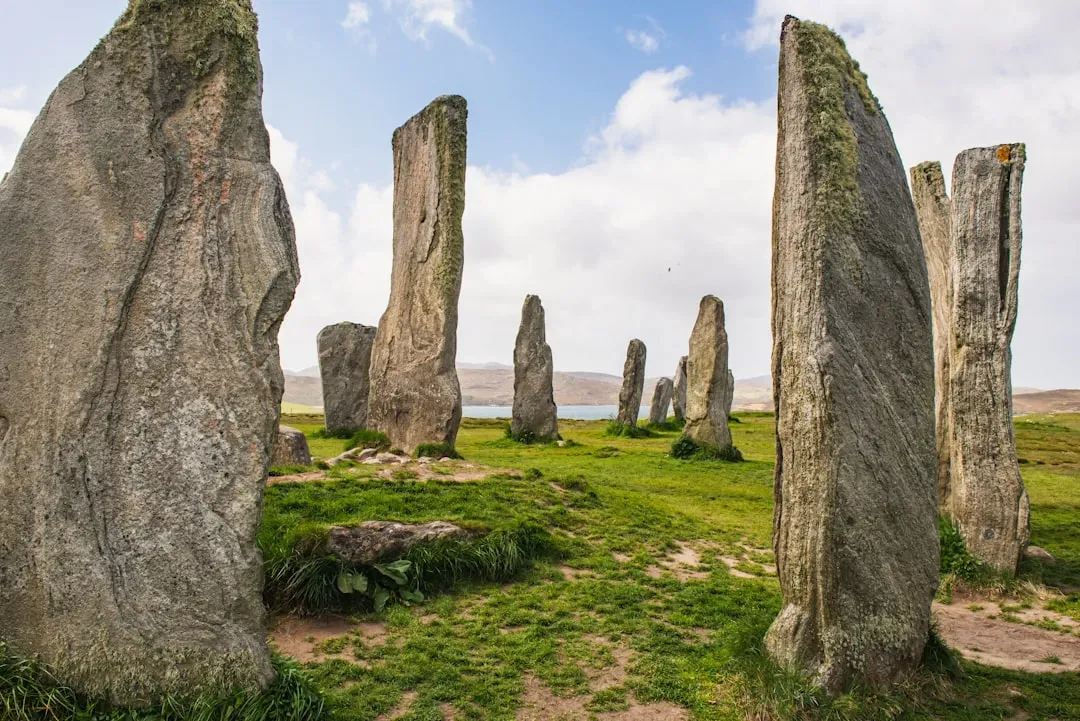
The ancient megaliths of the Americas are not just relics of a distant past; they’re reminders that people long before us wrestled with the same big questions about time, the sky, power, and meaning. They carved those questions into rock, aligned them with the sun and moon, and built them into hillsides and city plans. We walk among the leftovers and sometimes pretend we understand everything, but in reality we’re still piecing together a story from scattered, weather-beaten pages. Some chapters are clear, others are smudged beyond recovery, and a few may never be fully read.
Maybe that’s exactly why these places pull at us so strongly. In a world obsessed with instant answers, megaliths force us to slow down, accept gaps in our knowledge, and pay attention to land and sky in a way most of us rarely do. The secrets they hold are not always supernatural or dramatic; often they are simply the quiet evidence of human patience, skill, and belief carried across generations. When you pass a lone standing stone or see a massive wall hugging a mountainside, it’s worth pausing to wonder not just how it was built, but what kind of world you’d have to live in to think that shaping stone was the best way to speak to eternity.