
Hidden beneath the bustling, neon-lit streets of Taipei lies a silent, ancient world that most people never imagine. Long before the city’s skyscrapers and night markets, this land was shaped by the tides and lives of creatures that left their mark in the form of fossilized shell mounds. These mysterious relics, buried deep under layers of civilization, tell a story so thrilling and unexpected that it almost feels like something out of a novel. Imagine walking the city streets, unaware that beneath your feet rests a time capsule of prehistoric life—a forgotten marine landscape preserved in stone and sand. The discovery and study of these shell mounds have not only challenged our understanding of Taipei’s history but also brought a sense of wonder and humility to anyone who learns about them. Let’s dive beneath the surface, both literally and figuratively, to uncover the secrets of these remarkable fossilized mounds.
What Are Fossilized Shell Mounds?
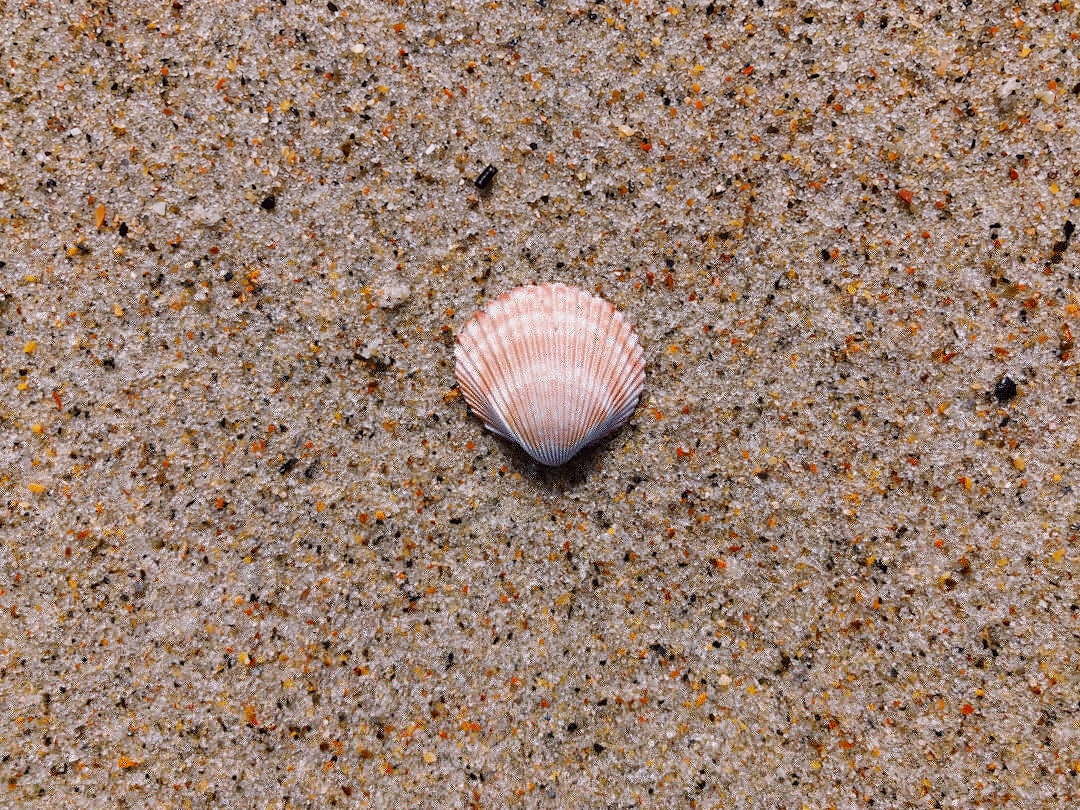
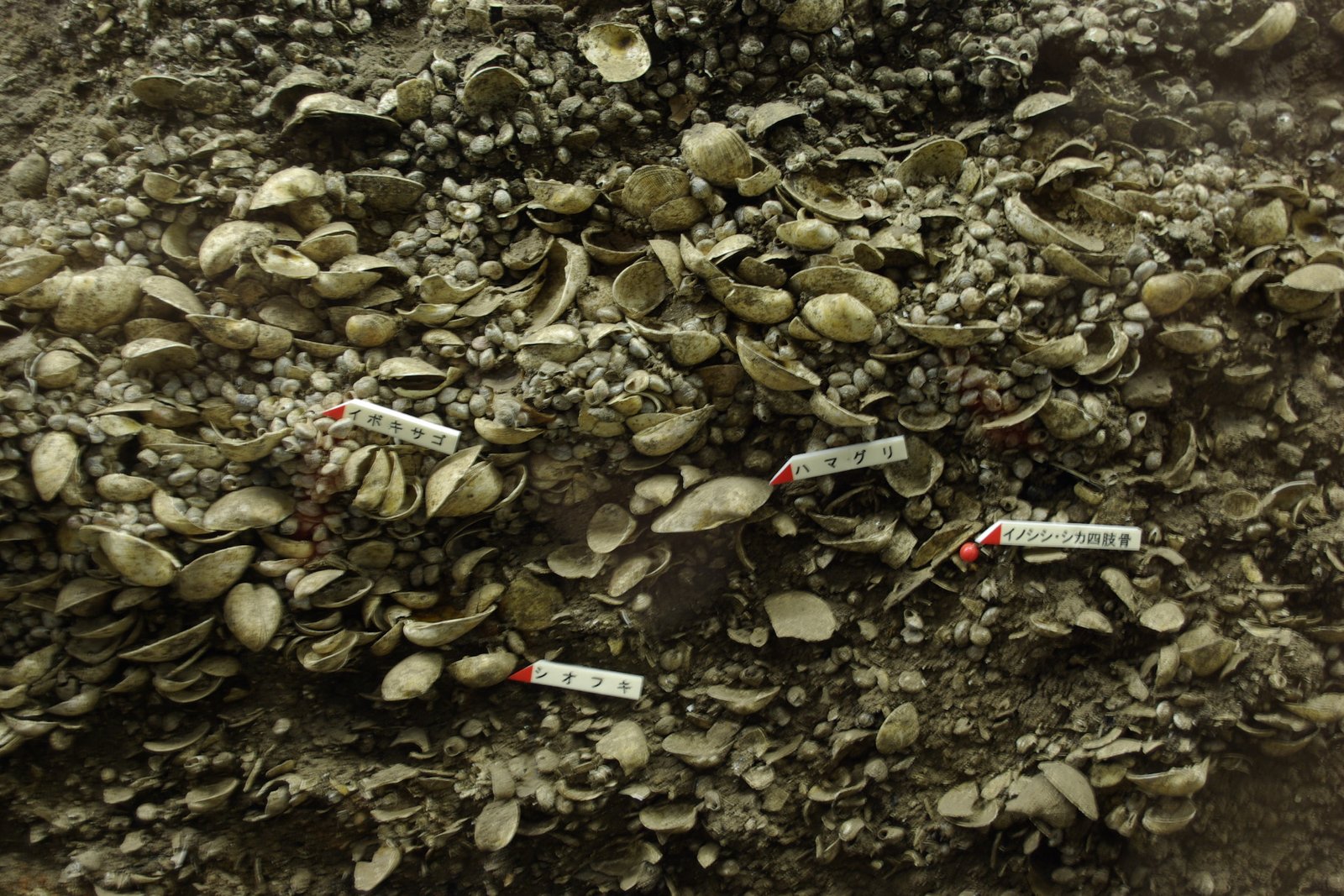
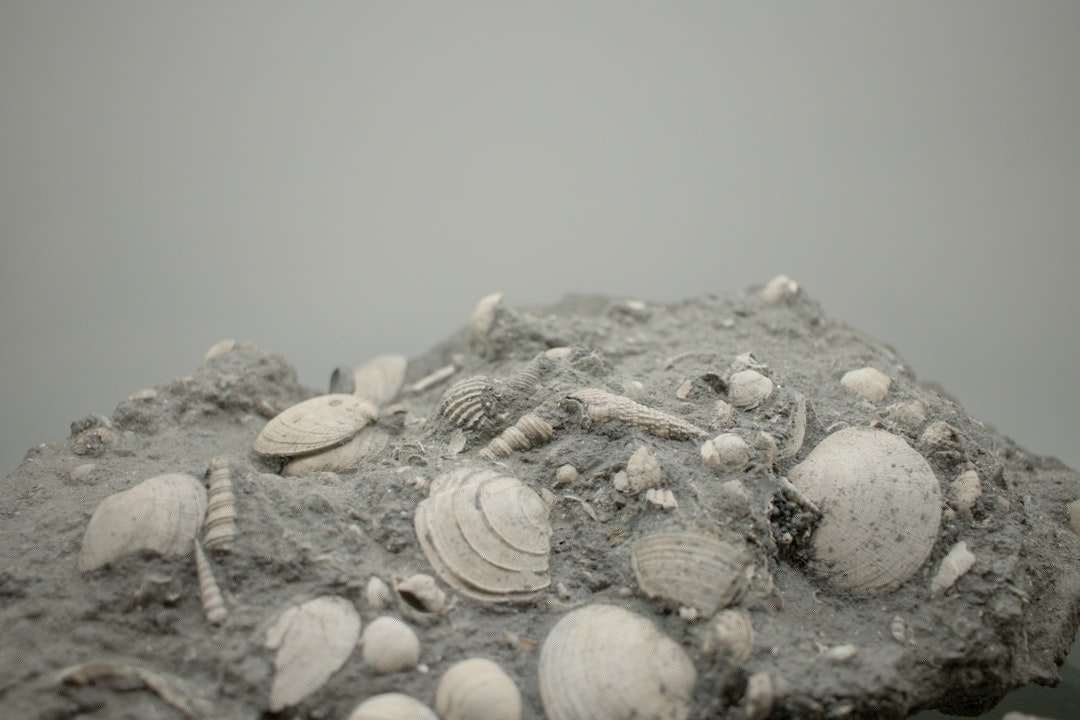
Fossilized shell mounds, known as “shell middens” by archaeologists, are ancient piles of shells and other remnants left behind by both natural processes and human activity. In Taipei, these mounds are composed mainly of marine shells, sometimes mixed with bones, charcoal, and stone tools. Over thousands of years, these mounds were covered by layers of earth, preserving them like pages in a forgotten book. The shells themselves have turned to stone, recording the story of ancient ecosystems and the people who might have interacted with them. Unlike regular fossils, which are often isolated, these mounds offer a concentrated archive of prehistoric life. For scientists, each mound is a treasure trove waiting to be decoded.
The Surprising Age of Taipei’s Shell Mounds
One of the most astonishing facts about Taipei’s fossilized shell mounds is their age. Radiocarbon dating and stratigraphic analysis have revealed that some of these mounds are over 4,000 years old. That means they predate the earliest written records in the region by millennia. These mounds provide a rare glimpse into the very earliest days of human habitation in what is now Taipei. Their age also suggests that the landscape and climate were dramatically different back then, with coastal environments extending much further inland than today. For many people, the idea that Taipei was once a seaside haven teeming with shellfish is both mind-boggling and deeply moving.
How the Shell Mounds Were Formed
The creation of these shell mounds was a slow but relentless process, shaped by both the forces of nature and the hands of ancient people. Some mounds were likely built up naturally, as waves and tides deposited shells on ancient shorelines. Others may have been intentionally accumulated by early inhabitants, who feasted on shellfish and discarded the remains in heaps. Over centuries, these piles grew, sometimes standing several meters high. Eventually, as the sea receded and the landscape changed, the mounds were buried by sediment. The pressure and minerals in the soil gradually fossilized the shells, turning them into stone. Each mound is like a layered cake, with every stratum telling a different chapter of Taipei’s ancient past.
What Do the Shells Tell Us?
The shells themselves are much more than simple relics; they are storytellers in their own right. By analyzing the species found in the mounds, scientists can reconstruct the ancient environment and climate. For example, the presence of certain warm-water shellfish suggests that Taipei once enjoyed a milder, wetter climate. Changes in the types and sizes of shells over time may also reflect shifts in sea level, temperature, and even human diet. Sometimes, embedded within the mounds are tiny traces of ancient DNA or isotopic signatures that reveal what the shellfish ate and how they lived. Each fragment, no matter how small, is a clue in the grand puzzle of Taipei’s deep history.
Archaeological Discoveries in the Mounds
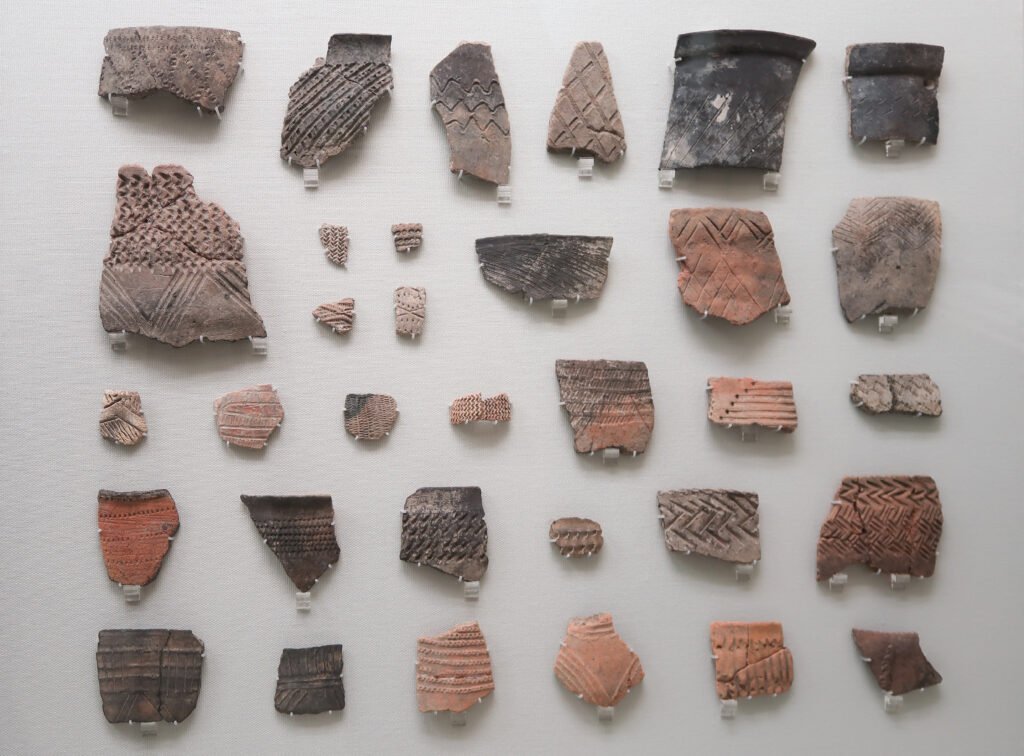
Excavating these shell mounds has led to some truly remarkable archaeological discoveries. In addition to shells, researchers have unearthed stone tools, pottery shards, and even fragments of ancient human bones. These findings suggest that early inhabitants of the Taipei basin not only harvested shellfish but also lived and worked in close proximity to the mounds. Some tools were made from shell itself, showcasing the resourcefulness of these ancient people. The presence of hearths and ash layers indicates that the mounds may have served as communal eating sites or even ritual spaces. Each dig uncovers new pieces of the story, sometimes rewiring what we thought we knew about prehistoric Taipei.
Life in Prehistoric Taipei: A Marine Paradise
It’s almost impossible to imagine now, but thousands of years ago, the Taipei basin was a lush, briny wonderland. Ancient rivers meandered through marshy plains, and shallow estuaries teemed with oysters, clams, and snails. The abundance of shellfish made the area a magnet for early humans, who enjoyed a steady source of protein and other nutrients. Excavators have found evidence of ancient fishing implements, suggesting that people here were skilled at exploiting both river and sea. The shell mounds stand as silent witnesses to this lost era, offering a bittersweet reminder of a Taipei that existed long before the city we know today.
The Role of Shell Mounds in Ancient Culture
Shell mounds were more than just garbage dumps; they often held deep cultural significance for the communities that built them. In some cases, the size and placement of a mound may have denoted social status, with larger mounds belonging to more prominent families or groups. Some archaeologists believe that certain mounds were used in rituals, perhaps to honor ancestors or mark seasonal events. The discovery of ornamental shells and carved artifacts within the mounds hints at their use in ceremonies. Even today, shell mounds in other parts of the world are considered sacred by indigenous peoples, showing that these ancient piles held more meaning than meets the eye.
Modern Taipei: A City Built on History
If you stand on any street corner in Taipei, it’s easy to forget the ancient world beneath your feet. But the city’s rapid growth has often brought these shell mounds to light, sometimes during construction projects or subway excavations. Engineers and archaeologists must work together to preserve what they find, balancing progress with the need to protect Taipei’s heritage. The shell mounds serve as a foundation—both literally and figuratively—for the modern city. Each new discovery is a powerful reminder that Taipei’s story did not begin with high-rises or highways, but with the ebb and flow of ancient tides.
The Science Behind Shell Fossilization
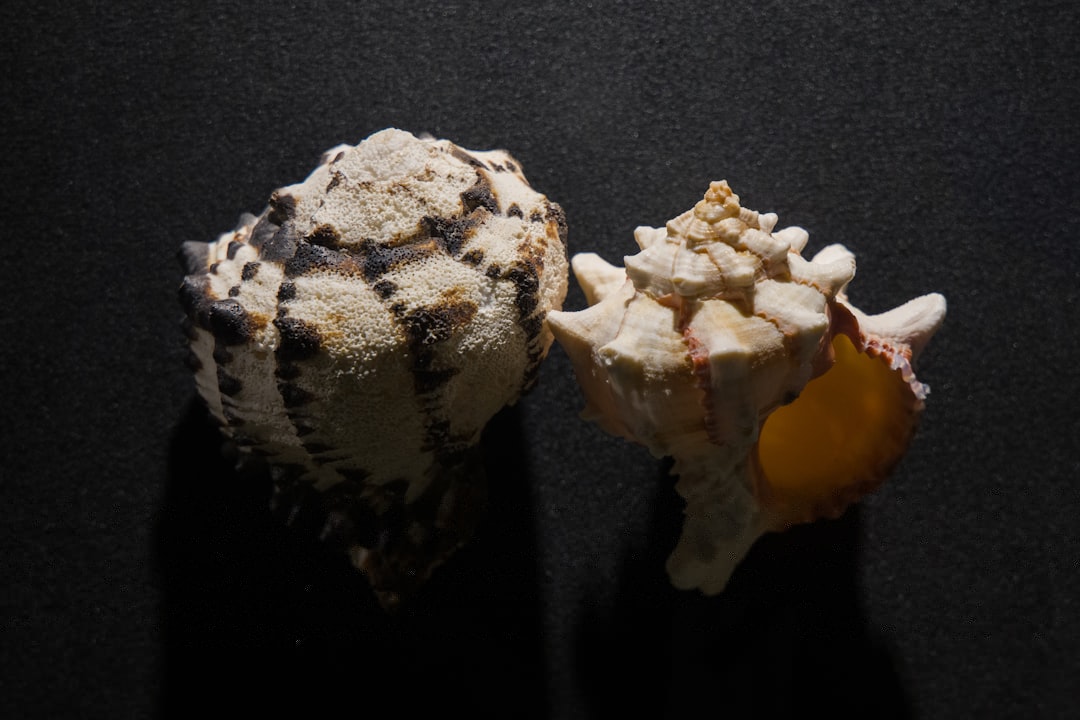
The transformation from discarded shell to fossil is a marvel of natural chemistry. As the shells were gradually buried by mud and sand, groundwater rich in minerals seeped through the layers. Over time, these minerals replaced the organic material in the shells, hardening them into stone. The process, called permineralization, can take thousands of years but results in fossils of extraordinary detail and durability. Scientists study the mineral composition of the fossilized shells to learn about ancient water chemistry and environmental conditions. It’s a delicate, almost magical process that turns humble leftovers into scientific gold.
Shell Mounds and Shifting Coastlines
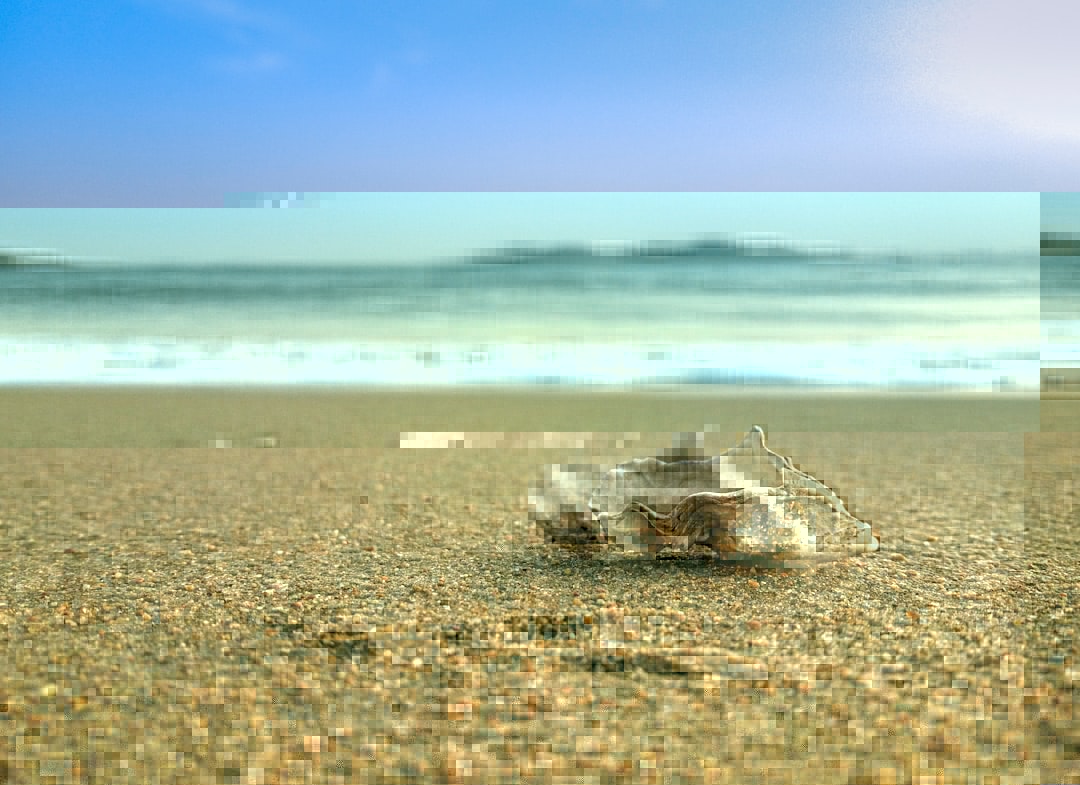
Perhaps the most shocking revelation from shell mound research is just how much Taipei’s landscape has changed. The location of these mounds, now far inland, proves that the coastline has shifted dramatically over millennia. Rising and falling sea levels, driven by glaciers and climate cycles, have pushed the shore back and forth like a breathing lung. This shifting geography is recorded in the very layers of the mounds, with older, marine shells sometimes overlain by freshwater species as the sea retreated. For geologists, the mounds offer a rare, tangible record of ancient environmental upheaval.
Why Are Shell Mounds Important Today?
In a world obsessed with the future, it’s easy to overlook the wisdom buried in the past. Shell mounds are crucial because they allow scientists to reconstruct long-lost ecosystems and climates, providing context for today’s environmental challenges. They also remind us that human impact on the landscape is nothing new—people have been shaping nature for thousands of years. By studying the mounds, we learn not just about ancient Taipei, but about our own potential to adapt, innovate, and endure. The lessons buried in these ancient heaps are more relevant now than ever.
Preservation Challenges and Threats
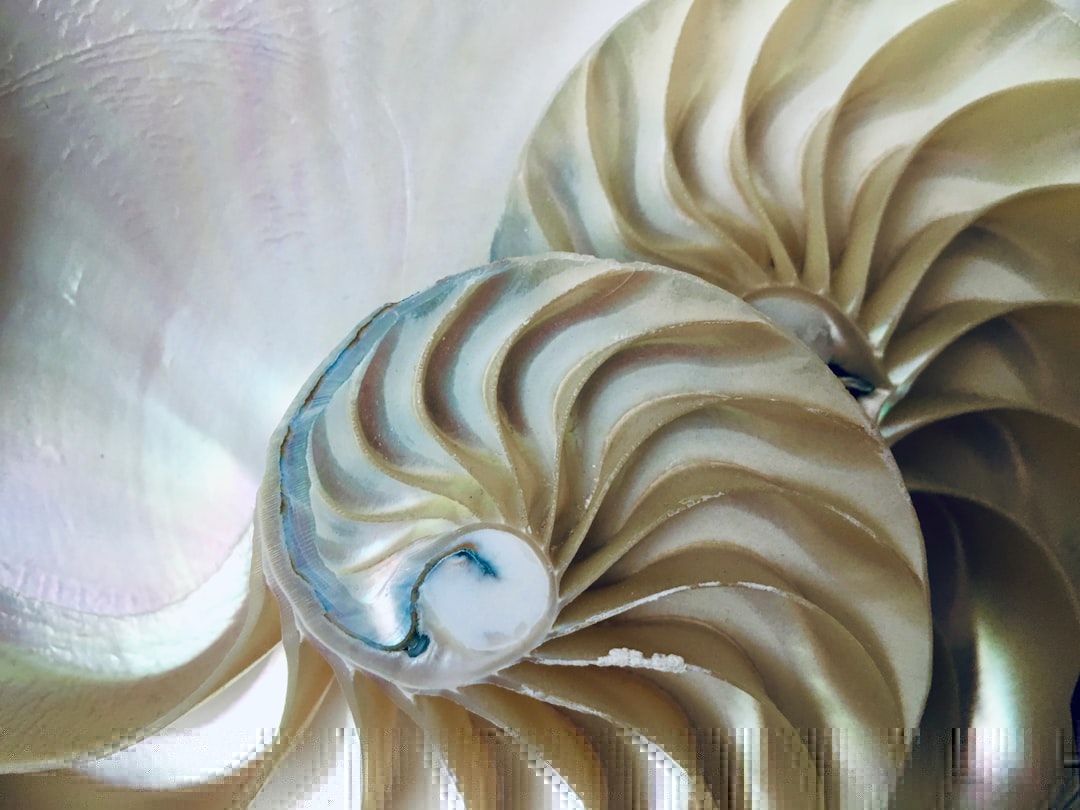
Despite their scientific and cultural value, Taipei’s shell mounds face significant threats. Urban development, pollution, and even treasure hunting can damage or destroy these fragile relics. In some cases, entire mounds have been bulldozed to make way for new buildings, erasing thousands of years of history in a single afternoon. Preservation requires cooperation between government agencies, developers, and local communities. Raising public awareness is key—after all, people are more likely to protect what they understand and value. Each lost mound is a chapter of history that can never be rewritten.
Shell Mounds Around the World
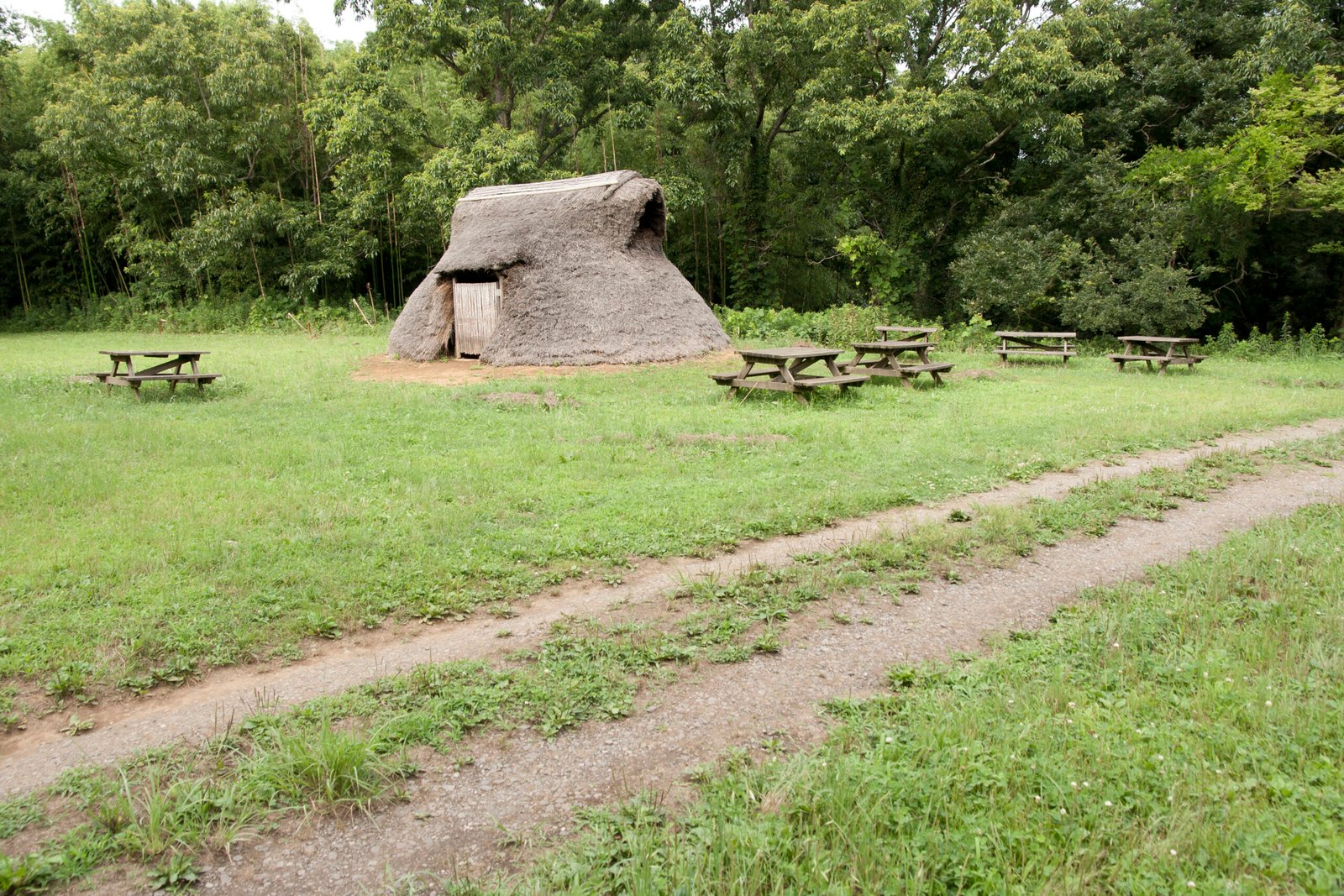
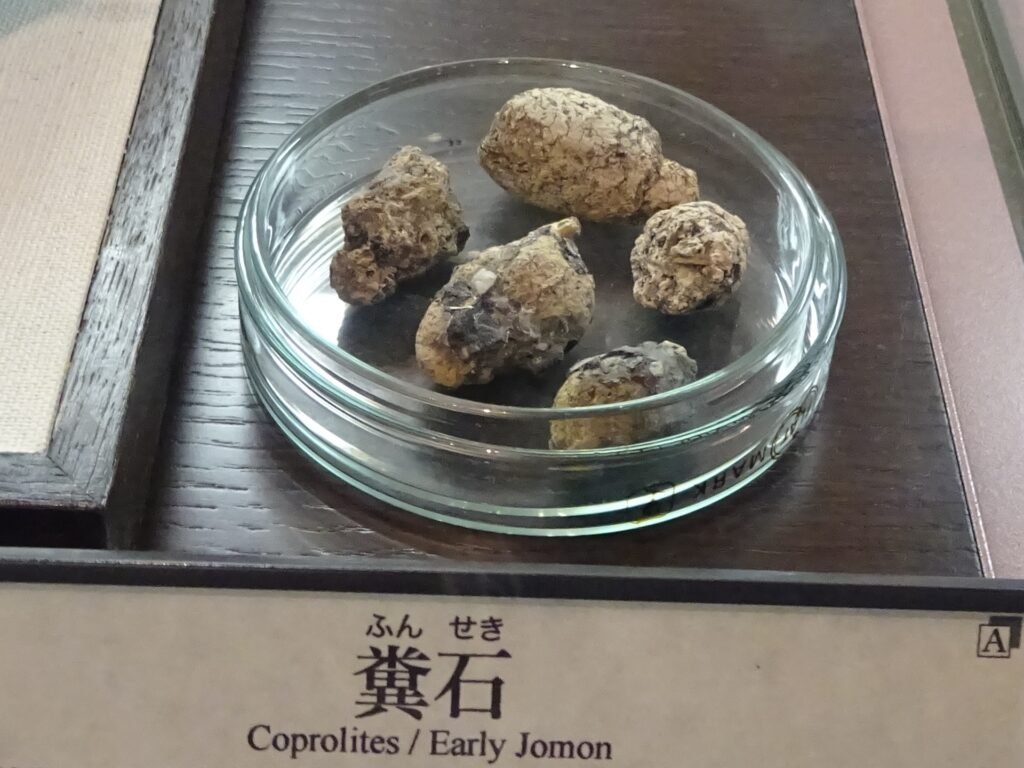
Taipei is not alone in its legacy of ancient shell mounds. From Japan’s Jomon mounds to Florida’s shell rings and Denmark’s kitchen middens, these features are found across the globe. Each tells a different story of adaptation and survival, but all share a common thread: the human connection to the sea. Comparing Taipei’s mounds with others helps scientists spot global patterns and differences. It also sparks a sense of kinship, reminding us that our ancestors were not so different, no matter where they lived.
How Technology Is Changing Our Understanding

Today’s technology is revolutionizing the study of shell mounds. Ground-penetrating radar, 3D scanning, and advanced DNA analysis allow researchers to extract more information than ever before. For example, isotopic analysis can reveal what ancient people ate, where they traveled, and how their diets changed over time. Digital mapping lets scientists visualize entire mounds without disturbing a single shell. These advances are opening new doors, turning the shell mounds from dusty curiosities into cutting-edge research sites. It’s an exciting time to be a scientist or history buff in Taipei.
Personal Stories: Living Near the Past
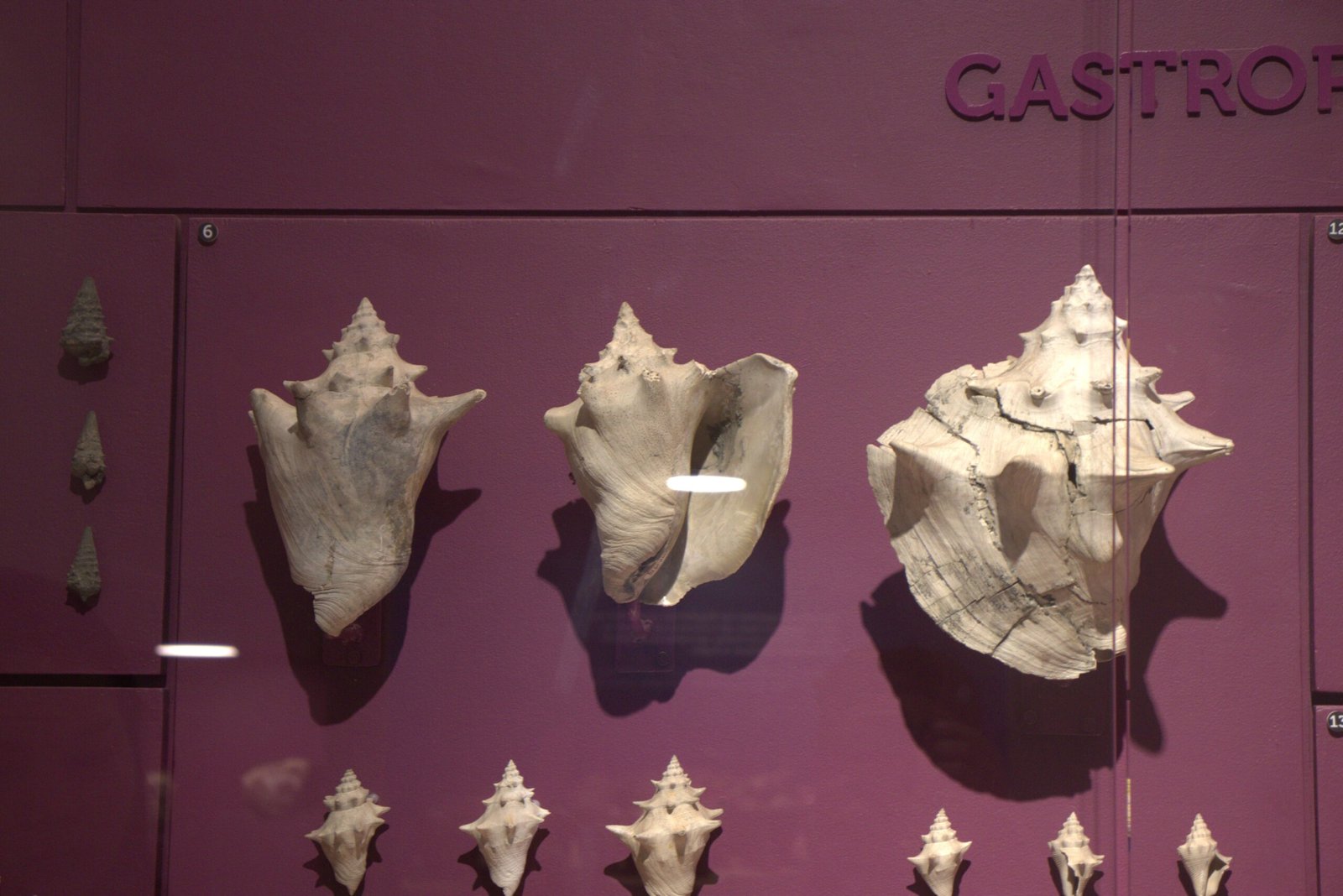
For many Taipei residents, the discovery of shell mounds is a personal revelation. Some recall finding strange stones or fossilized shells in gardens or construction sites as children, never realizing their true significance. Others have participated in local archaeological digs, feeling a deep connection to the land and its ancient inhabitants. These personal stories add a human dimension to the science, transforming abstract history into something immediate and tangible. It’s one thing to read about ancient Taipei—it’s another to hold a 4,000-year-old shell in your hand.
The Shell Mounds as Natural Archives
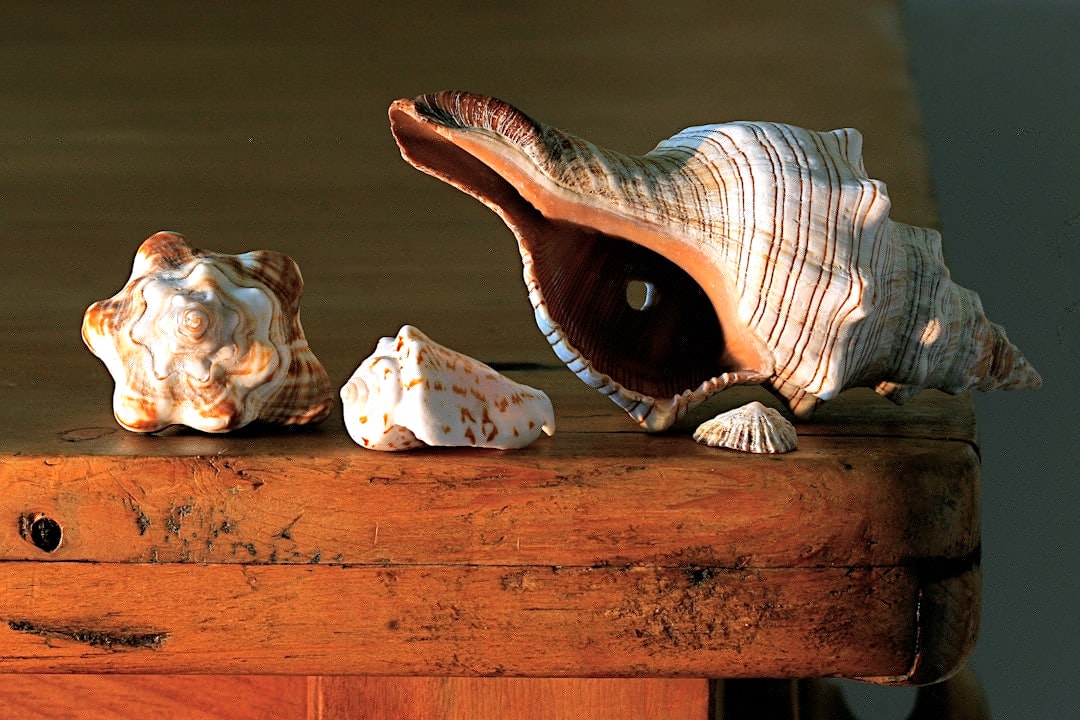
Think of each shell mound as a library, with every shell a page in a prehistoric diary. By carefully excavating and cataloging finds, scientists can reconstruct what the environment was like, what people ate, and how they lived. Some mounds even contain pollen grains, seeds, and tiny animal bones, offering a complete snapshot of ancient life. These archives are vital for piecing together the puzzle of Taipei’s past, especially in the absence of written records. The shells are silent, but their message is loud and clear for those who know how to listen.
Community Engagement and Education

Bringing the story of Taipei’s shell mounds to the public is crucial for their preservation. Museums, schools, and community groups have begun to organize workshops, exhibitions, and guided tours to raise awareness. These programs often inspire awe and curiosity, especially among children. By involving the community, researchers hope to instill a sense of pride and responsibility for protecting these ancient treasures. Education is the bridge that connects the distant past to the present, ensuring that the story of the shell mounds will not be forgotten.
Lessons for the Future
The shell mounds beneath Taipei are more than just remnants of a lost world—they are mirrors reflecting our own relationship with nature and time. They show how communities once thrived in harmony with their environment, adapting to changes with creativity and resilience. As we face our own environmental challenges, the lessons of the past become ever more urgent. The mounds remind us that we are part of a much larger story, one that stretches back millennia and will continue long after we are gone.
An Invitation to Wonder
The next time you walk through Taipei, pause for a moment and imagine the ancient world that lies just beneath your feet. Picture the shellfish-laden shores, the laughter of families gathered around ancient fires, the relentless march of tides and time. The fossilized shell mounds are not just relics—they are invitations to wonder, to question, and to connect. What other secrets lie hidden beneath our cities, waiting to be discovered?