On the Giza Plateau, where Cairo’s smog thins into desert light, three stone mountains still defy time and simple explanations. For more than four thousand years, the Great Pyramids have stared down sandstorms, empires, and wave after wave of new theories about how they were built. We like to tell ourselves we’re the most advanced humans who’ve ever lived, yet these monuments quietly ask a troubling question: if we’re so clever, why can’t we build anything quite like them today without steel cranes and computer models? Recent research in archaeology, materials science, and engineering is stripping away some of the mystery – but what’s emerging is not a let-down. Instead, it’s a portrait of a civilization whose practical genius feels startlingly modern, and whose solutions are still inspiring new technology.
The Hidden Clues in Stone and Sand
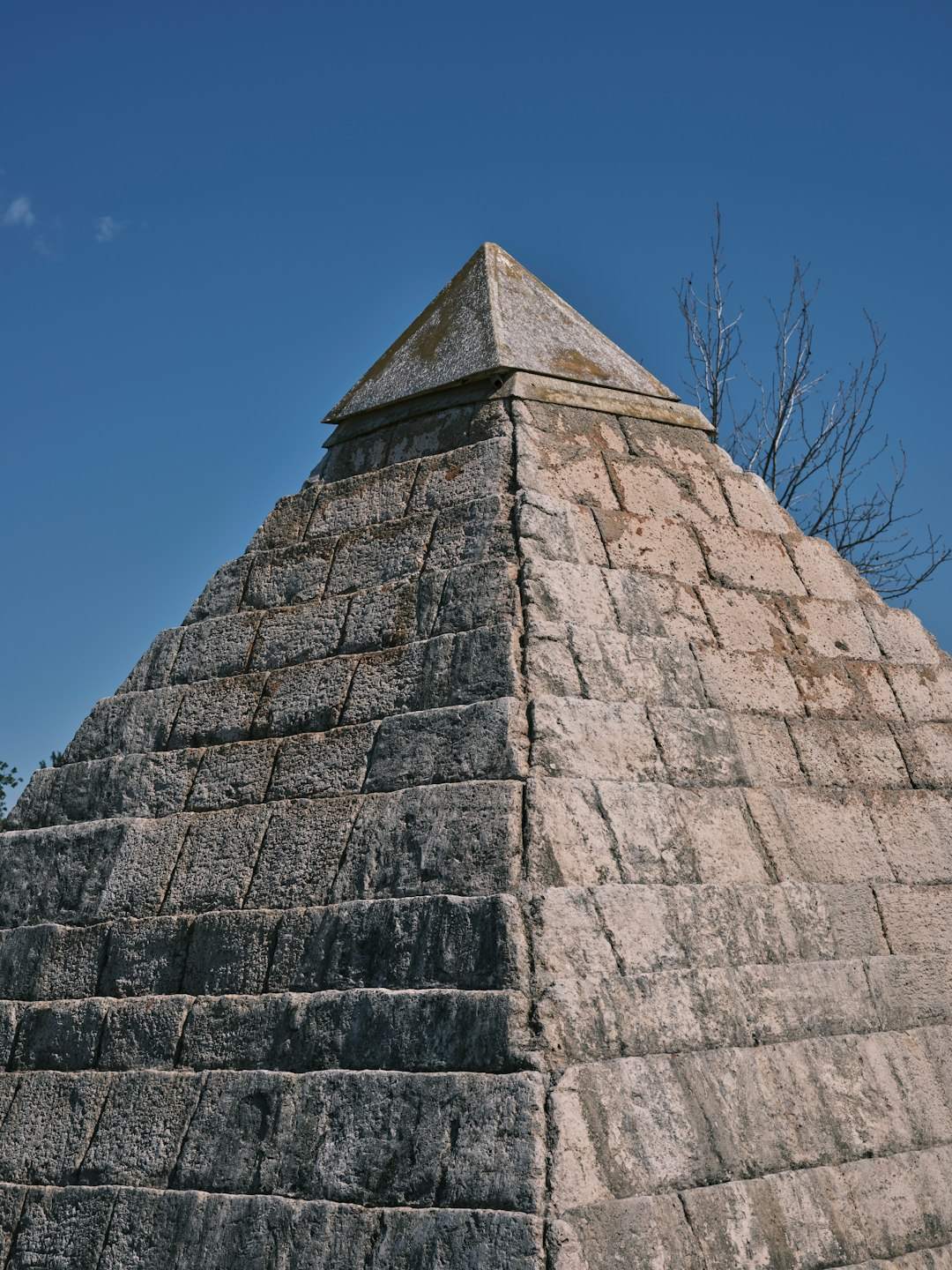
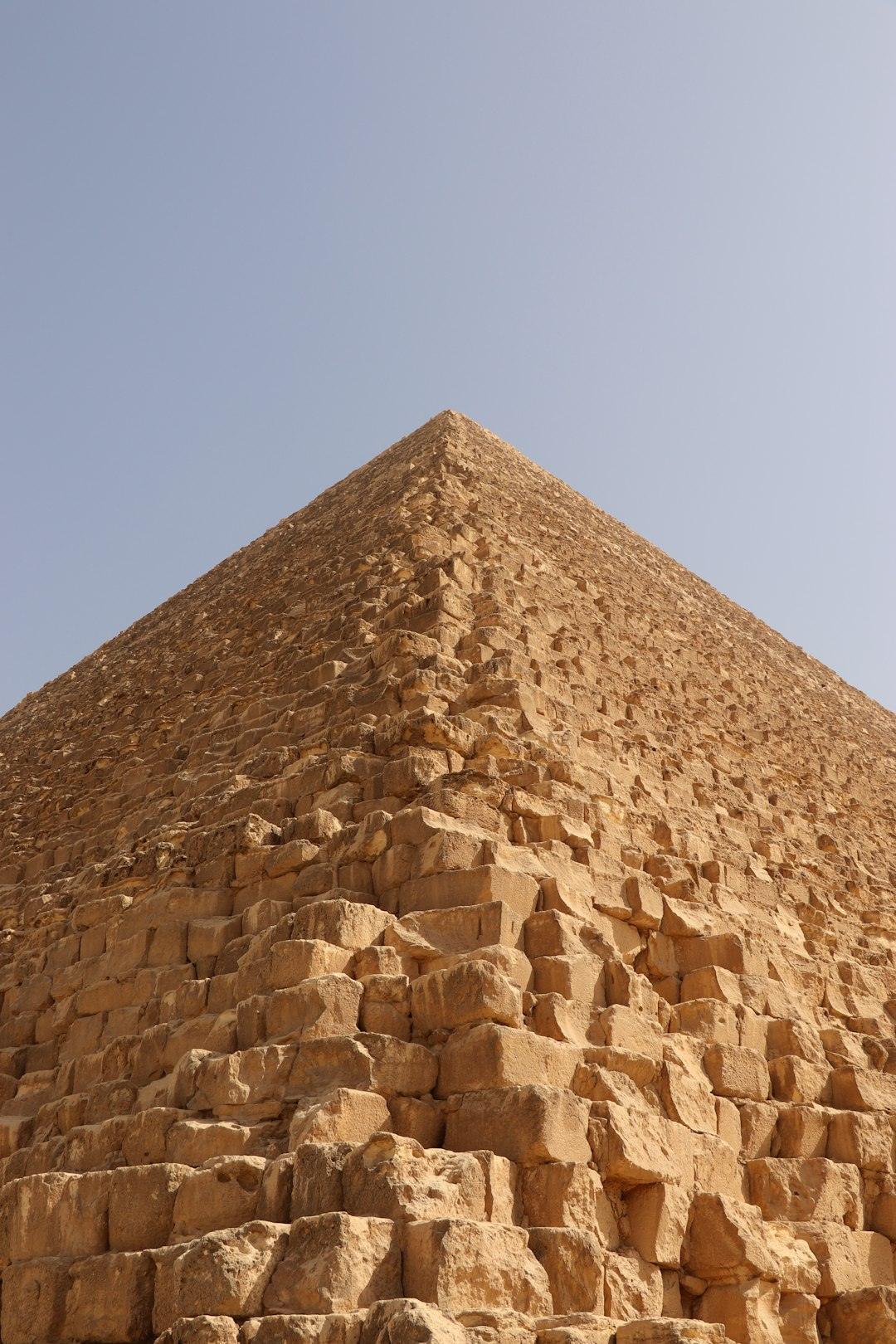
Walk up close to the Great Pyramid of Khufu and it doesn’t feel like a clean geometry problem; it feels like controlled chaos frozen in limestone. Tool marks, subtle shifts in block alignment, and microscopic scratches carry clues about how workers cut, moved, and set each stone. For a long time, archaeologists had to rely mostly on visual inspection and handwritten measurements, but that’s changing fast. High-resolution laser scanning and drone-based photogrammetry are mapping every crack and contour, creating three-dimensional models with millimeter precision. These digital pyramids can be sliced, rotated, and analyzed like virtual machines, revealing patterns invisible from the ground.
Inside the pyramids, the story deepens. Muon tomography – a technique that uses cosmic-ray particles to see through rock – has revealed previously unknown voids and corridors in the Great Pyramid, including a mysterious large chamber above the Grand Gallery. That discovery has reignited debates over construction methods: are these cavities structural “relief” spaces, internal ramps, or something we haven’t even guessed yet? At the same time, tiny fragments of plaster, mortar, and quarry dust are being examined under microscopes and in chemical labs, offering timelines for building phases and repairs. The more precisely we can read these hidden clues, the closer we get to treating the pyramids not as relics, but as legible engineering documents written in stone.
From Quarries to Ramps: How They Moved the Impossible
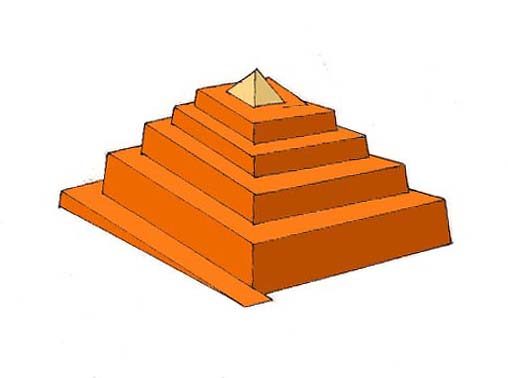
The raw numbers behind the Great Pyramid still sound outrageous. It rises to about four hundred fifty feet and is made of roughly about two and a half million blocks, many weighing as much as several family cars. Yet evidence from ancient quarries, relief carvings, and recent experiments suggests the Egyptians didn’t need miraculous levitation – just brutal simplicity, clever physics, and an army of highly organized workers. Stone blocks were pried from quarries using copper tools, stone hammers, and wooden wedges soaked in water, then shaped with astonishing regularity. Once freed, they were loaded onto sledges and dragged across the desert, but not dry: depictions in tomb art show workers pouring water in front of sledges, likely to reduce friction by stiffening the sand.
The great puzzle has always been the vertical climb. A single straight ramp up the full height of the pyramid would have required more material than the pyramid itself, which makes little sense. That’s why many researchers now favor combinations of shorter straight ramps, zigzagging ramps along the sides, or internal ramps spiraling upward within the pyramid’s body. Experimental archaeology projects, where teams of volunteers move multi-ton blocks with replica tools, have shown that coordinated groups using levers, sledges, ropes, and lubricated sand can achieve surprising results. None of these experiments offers the one final answer, but together they show that with enough labor, planning, and time, the impossible becomes merely exhausting.
Inside the Blueprint: Geometry, Alignment, and Cosmic Precision
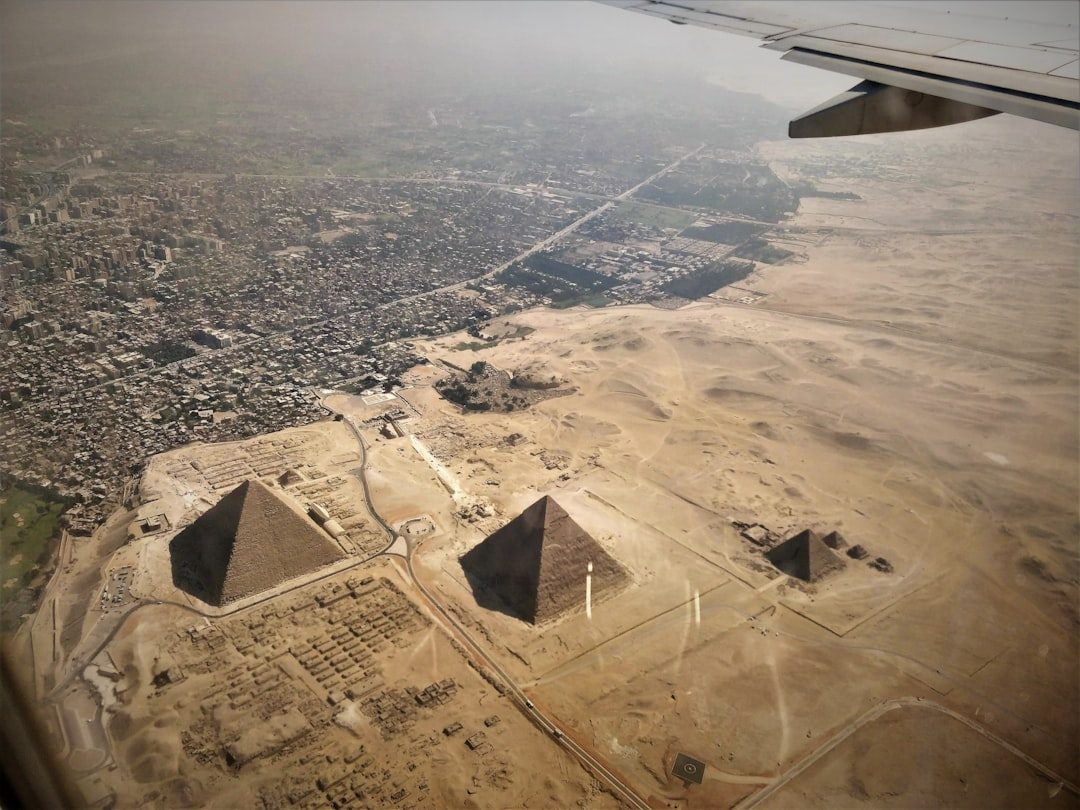
Stand back from Giza and the engineering ambition snaps into focus. The base of the Great Pyramid is nearly square, with each side originally around seven hundred fifty feet, and the error in alignment is tiny compared with the scale – a margin some modern projects fail to match even with laser equipment. Its sides are oriented remarkably close to the cardinal directions, suggesting a careful observation of the sky. Many scholars think Egyptian surveyors used the circumpolar stars to fix true north, patiently watching their rotations night after night. This wasn’t mysticism; it was long-term data collection before anyone had a word for data.
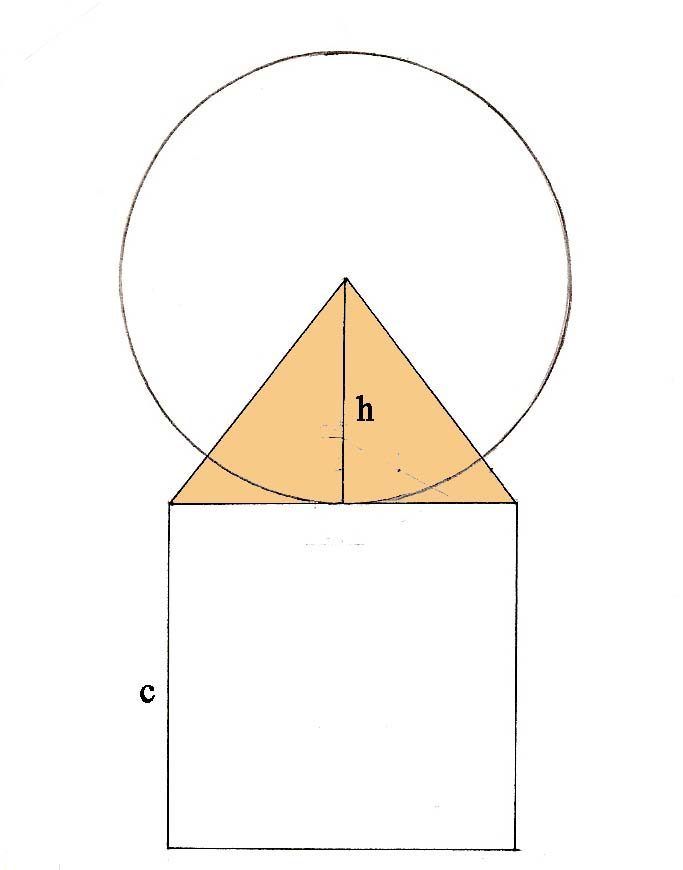
Hidden in the proportions of the pyramid are more puzzles. The ratio of its original height to the perimeter of its base has long intrigued mathematicians, because it comes close to encoding the circle’s constant, even if unintentionally. Whether that was deliberate or an impressive coincidence, there’s no doubt the designers controlled angles and lengths with ruthless discipline. They used simple tools – measuring ropes with knots at fixed intervals, sighting rods, plumb bobs – but applied them relationally, checking one dimension against another rather than trusting any single measurement. In a way, the pyramid is a stone snapshot of a mindset that valued redundancy, cross-checking, and iterative correction, which is very close to how modern engineers try to avoid catastrophic errors.
Materials Mastery: What the Stones Themselves Reveal
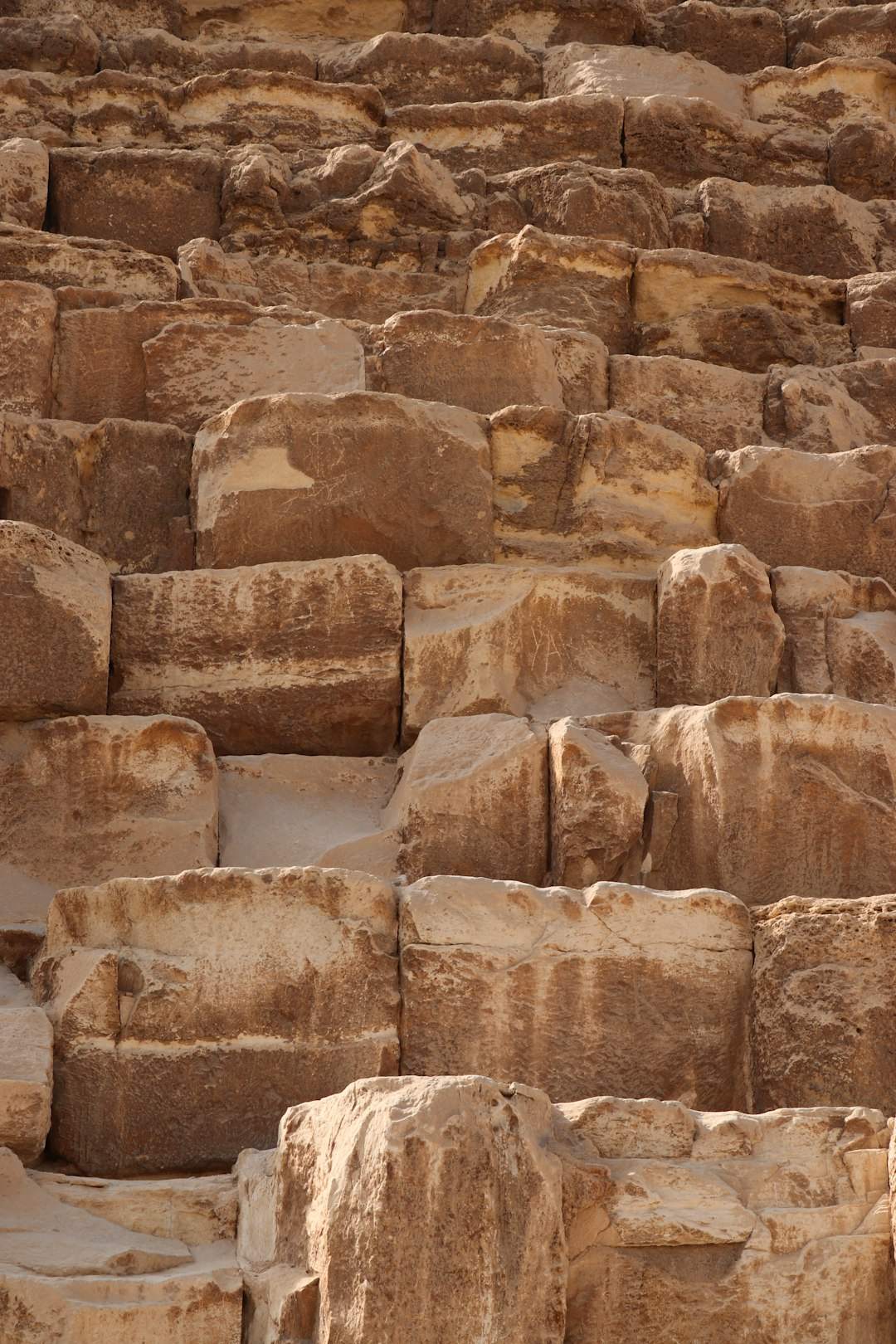
Look closely at the stones and you begin to see not just mass, but an ancient materials science lab at work. The bulk of the Great Pyramid is local limestone, relatively easy to quarry and shape, while the outer casing – now mostly gone – was made of much finer, whiter limestone from Tura, several miles away. That bright casing would have turned the pyramids into blazing mirrors under the Egyptian sun, both decorative and protective. Deep inside, in stress-critical areas like the King’s Chamber, builders used granite from Aswan, transported hundreds of miles along the Nile. Granite is far harder and more brittle to work than limestone, suggesting the builders had very specific ideas about where strength really mattered.
Mortar analysis has added another layer of intrigue. Samples taken from between blocks show a mixture of gypsum, sand, and other minerals, formulated to set slowly but remain durable across millennia. Some researchers have even argued that certain smaller blocks may include reconstituted stone produced by casting a kind of early concrete, though this remains hotly debated. What’s clear is that the Egyptians treated stone as a tunable material, not just a brute substance to stack. By choosing different quarries, grain structures, and finishing techniques, they essentially programmed the pyramid’s mechanical behavior – controlling how it would bear weight, handle temperature changes, and resist erosion.
Workforce, Organization, and the Myth of Slave Labor
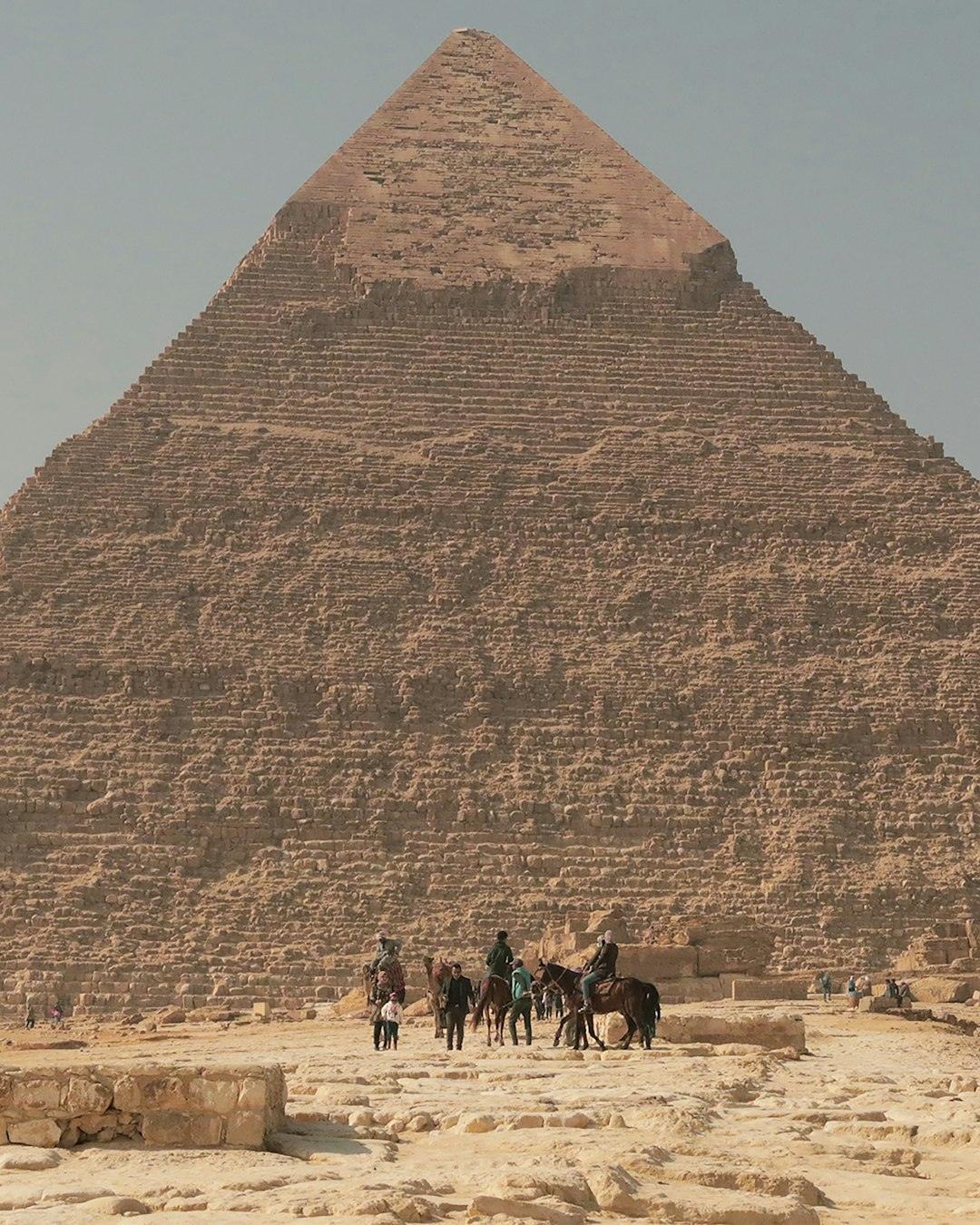
For generations, popular culture painted pyramid builders as faceless slaves whipped into submission, but the ground beneath Giza tells a more complex story. Excavations of workers’ villages near the pyramids have uncovered bakeries, breweries, medical facilities, and carefully planned housing. Skeletal remains show injuries consistent with heavy labor but also signs of treatment and healing, suggesting these people were valuable, not disposable. Instead of a slave camp, the evidence points to a rotating workforce of farmers and laborers who worked on royal projects during the Nile’s flood season, when fields lay underwater and farm work paused.
This doesn’t mean life on the pyramid site was easy or gentle; it was probably brutally hard and sometimes deadly. But the level of coordination required to feed, house, supply, and direct tens of thousands of workers hints at an administrative machine of stunning sophistication. Grain, tools, clothing, and stone had to arrive at the right place and time, in the right quantities, over decades. We might label that supply-chain management today. By reframing pyramid construction as a national mega-project driven by logistics, incentives, and ideology, we get a more human and frankly more impressive story than the old image of anonymous slaves chained to impossible tasks.
Why It Matters: Ancient Engineering in a Modern World
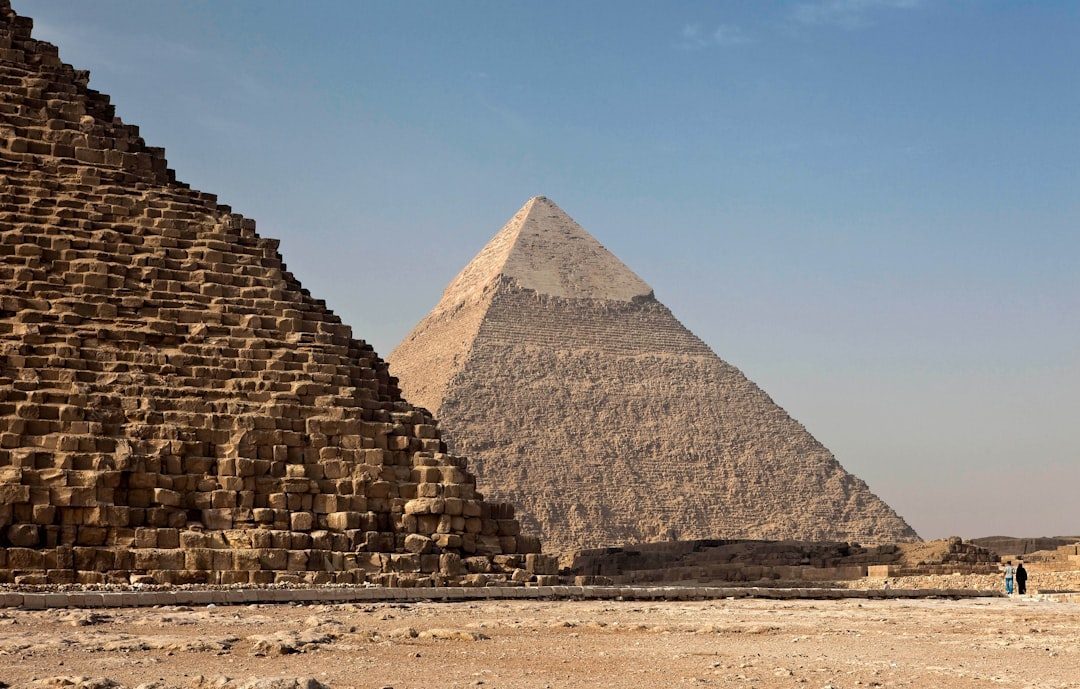
It’s tempting to relegate pyramid-building to a curious chapter of ancient history, but that sells it short. These monuments are case studies in how a society can marshal knowledge, labor, and resources toward a shared, audacious goal. In an era when modern infrastructure often runs over budget or collapses under political pressure, the pyramids stand as a reminder that long-term thinking is possible. The Egyptians planned for structures meant to last not decades, but thousands of years, and the fact that we’re still walking around them is proof they largely succeeded.
There’s also a humbling lesson about technological arrogance. We tend to think that because we have algorithms and alloys, our solutions are always more advanced. Yet the Egyptians solved ultra-long-lifespan construction, extreme durability, and large-scale coordination using materials we now consider basic and tools we might dismiss as primitive. Understanding how they did it is not just about filling gaps in our historical knowledge; it can inform how we design resilient cities, manage limited resources, and think beyond the lifespan of a single generation. The pyramids are less a mystery to be debunked than a mirror held up to our own ambitions and blind spots.
From Ancient Tools to Cutting-Edge Tech
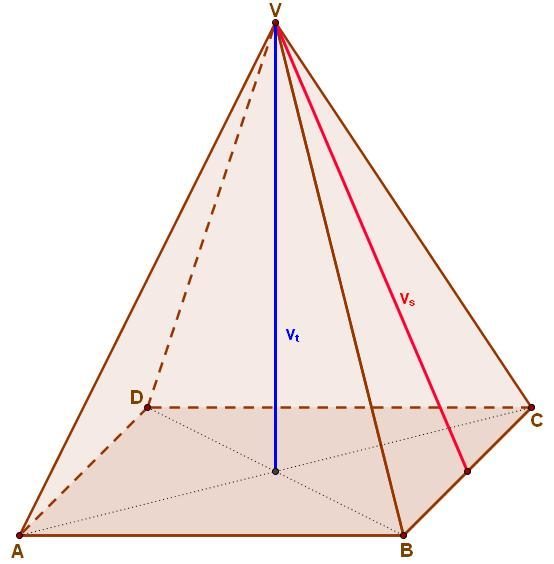
Oddly, our best chance of understanding the pyramids may come not from digging deeper, but from scanning and simulating. The same digital tools used to design skyscrapers and spacecraft are now being trained on blocks first set in place more than four millennia ago. Engineers run finite element models of the Great Pyramid to see how forces distribute through its stone layers, testing whether hypothetical internal ramps or hidden chambers would make structural sense. Muon detectors, originally developed for particle physics, are being refined and deployed to map voids without drilling a single hole. What began as an exercise in basic science is becoming a testbed for non-invasive surveying techniques with wide applications.
There’s also a feedback loop forming between experimental archaeology and modern engineering. When researchers test how many people it takes to move a stone block using wooden levers and wet sand, they are also probing the limits of low-energy, low-tech transport. Some urban planners and sustainability advocates are surprisingly interested in these lessons, seeing them as inspiration for reducing reliance on heavy machinery where possible. The more we appreciate how much the Egyptians squeezed from simple tools plus human coordination, the more creatively we might approach our own design challenges in constrained environments, from disaster zones to off-world habitats.
The Future Landscape: New Discoveries and New Dilemmas
For all we’ve learned, Giza is still not fully mapped, and that’s both exciting and awkward. Every new technology – whether it’s ground-penetrating radar, muon tomography, or AI-based image analysis – promises fresh discoveries buried under sand or hidden within stone. At the same time, each proposed survey or micro-drill raises ethical questions about how far we should probe a monument that is also a tomb and a cultural touchstone. Egyptian authorities, local communities, and international researchers are locked in an ongoing balancing act between curiosity, national pride, tourism, and conservation.
Climate change adds another layer of urgency. Rising temperatures, shifting humidity, and the spread of Cairo’s urban sprawl are putting new kinds of stress on the pyramids’ stones and foundations. Future work will likely focus not only on discovering hidden chambers but also on stabilizing the structures against subtle but relentless environmental changes. That could mean innovative monitoring systems, micro-repair techniques, or policies that limit certain activities around the plateau. In a twist of fate, the same ingenuity that raised the pyramids may now be required – this time globally – to keep them standing.
How You Can Engage With the Pyramids’ Ongoing Story
Most of us will never pull on a rope beside a limestone block at Giza, but there are still meaningful ways to plug into this unfolding investigation of ancient genius. One simple step is to be a curious, critical consumer of information: when you see wild claims about aliens or secret technologies, follow up with what archaeologists, engineers, and Egyptologists actually say. Many research teams and museums share open-access reports, videos, and virtual tours that let you explore recent findings from your laptop. Supporting reputable institutions – through memberships, donations, or even just sharing solid information – helps fund the slow, careful work that flashy conspiracy theories tend to overshadow.
If you ever do visit Egypt, your choices on the ground matter as well. Choosing licensed guides, respectful tour operators, and sites that contribute to conservation rather than damage can make a quiet but real difference. Even small habits, like not touching fragile surfaces or climbing where you shouldn’t, help reduce cumulative wear. In the end, the pyramids are not just monuments to a long-gone pharaoh; they are active test cases for how twenty-first-century humans treat the deep past. How we answer that will say as much about us as those stones say about the people who first laid them.
Suhail Ahmed is a passionate digital professional and nature enthusiast with over 8 years of experience in content strategy, SEO, web development, and digital operations. Alongside his freelance journey, Suhail actively contributes to nature and wildlife platforms like Discover Wildlife, where he channels his curiosity for the planet into engaging, educational storytelling.
With a strong background in managing digital ecosystems — from ecommerce stores and WordPress websites to social media and automation — Suhail merges technical precision with creative insight. His content reflects a rare balance: SEO-friendly yet deeply human, data-informed yet emotionally resonant.
Driven by a love for discovery and storytelling, Suhail believes in using digital platforms to amplify causes that matter — especially those protecting Earth’s biodiversity and inspiring sustainable living. Whether he’s managing online projects or crafting wildlife content, his goal remains the same: to inform, inspire, and leave a positive digital footprint.