The vast Sonoran Desert, a seemingly barren landscape, hides the remarkable story of the Hohokam people, who transformed arid terrains into fertile grounds. Imagine living in a place where the sun blazes mercilessly, and rainfall is a rare blessing. Yet, the Hohokam thrived here centuries ago, thanks to their ingenious canal systems. These ancient engineers left behind a legacy that speaks volumes about human adaptability and innovation. Their story is a testament to what can be achieved with resourcefulness, even in the harshest of environments.
The Ingenious Minds of the Hohokam
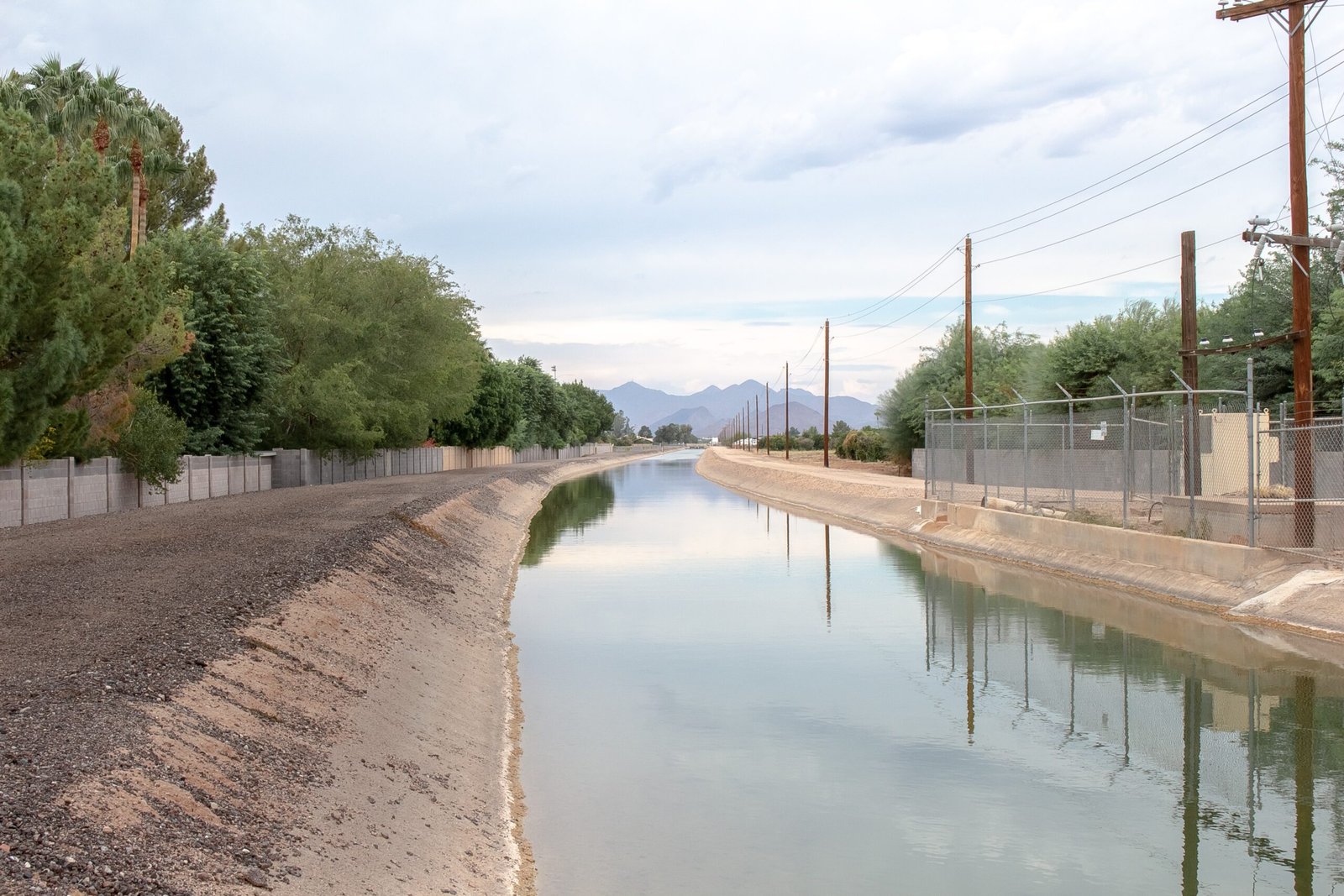
The Hohokam civilization, thriving from around 300 to 1450 AD, demonstrated unparalleled engineering prowess. They were not the typical desert dwellers you’d picture; instead, they were innovators who created a network of canals stretching over 500 miles. Their engineering skills were akin to the precision of modern-day architects. Imagine constructing a water system that can sustain a large population without the aid of modern technology. This community did just that, harnessing the power of the Gila and Salt rivers to irrigate their crops. Their ingenuity is a testament to human capability and adaptation in challenging environments.
Understanding the Desert Terrain

Living in the desert requires a deep understanding of its unique landscape. The Hohokam mastered this art, studying the land meticulously. Unlike other regions, the Sonoran Desert’s soil is not naturally conducive to agriculture. Yet, the Hohokam devised methods to transform this soil into productive farmland. Observing the patterns of rain, they discovered the subtle nuances of their environment. They knew when to expect the rare rains and designed their canals to capture and distribute this precious resource efficiently. Their profound comprehension of the desert’s rhythm was key to their survival and success.
The Architecture of Survival: Canal Construction
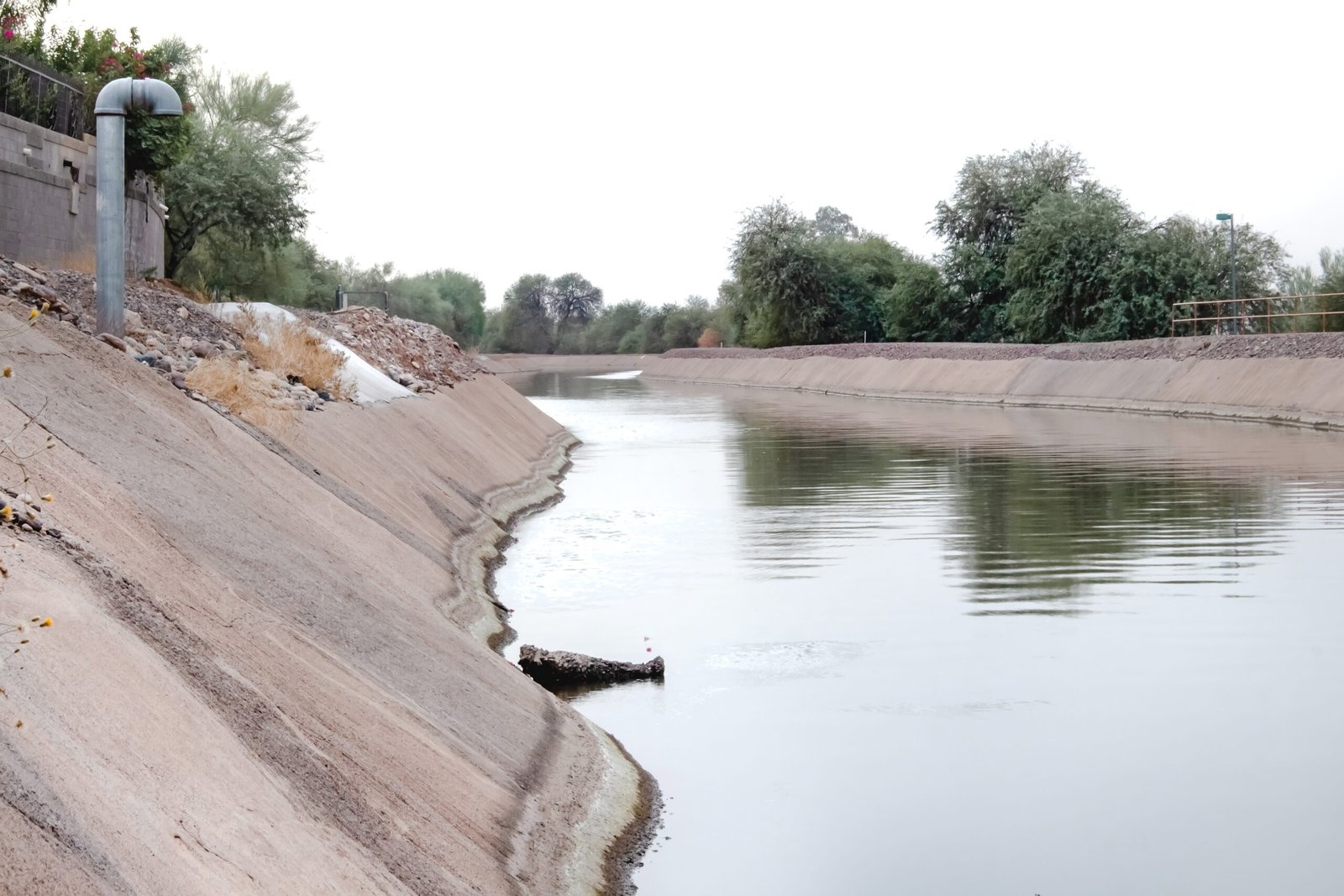
The construction of the Hohokam canals was no small feat. These canals were not mere ditches; they were carefully calculated structures with precise gradients to ensure water flow. Picture a landscape of carefully carved channels, guiding water to fields that would otherwise remain barren. The labor involved was immense, requiring a collective community effort. Despite lacking sophisticated tools, the Hohokam used stones and wooden implements, showcasing their resourcefulness. Their canal system was a lifeline, a crucial infrastructure that supported agriculture in an unforgiving climate.
Harnessing the Power of Water
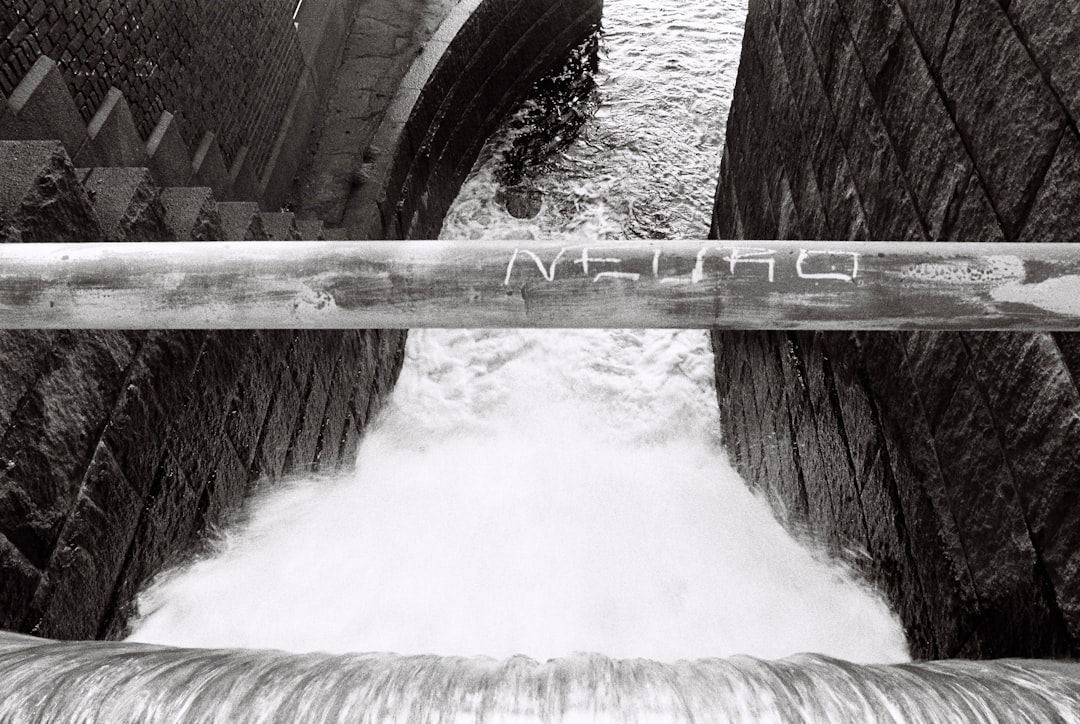
Water is the essence of life, especially in a desert. The Hohokam’s ability to harness and manage water resources was pivotal. They created reservoirs and storage systems to ensure a steady water supply throughout the year. This foresight in water management was revolutionary, allowing them to cultivate crops like corn, beans, and squash. The canals not only provided irrigation but also supported fish and other aquatic life, adding diversity to their diet. This holistic approach to water usage highlights their advanced understanding of ecosystem management.
Sustainable Practices and Environmental Harmony
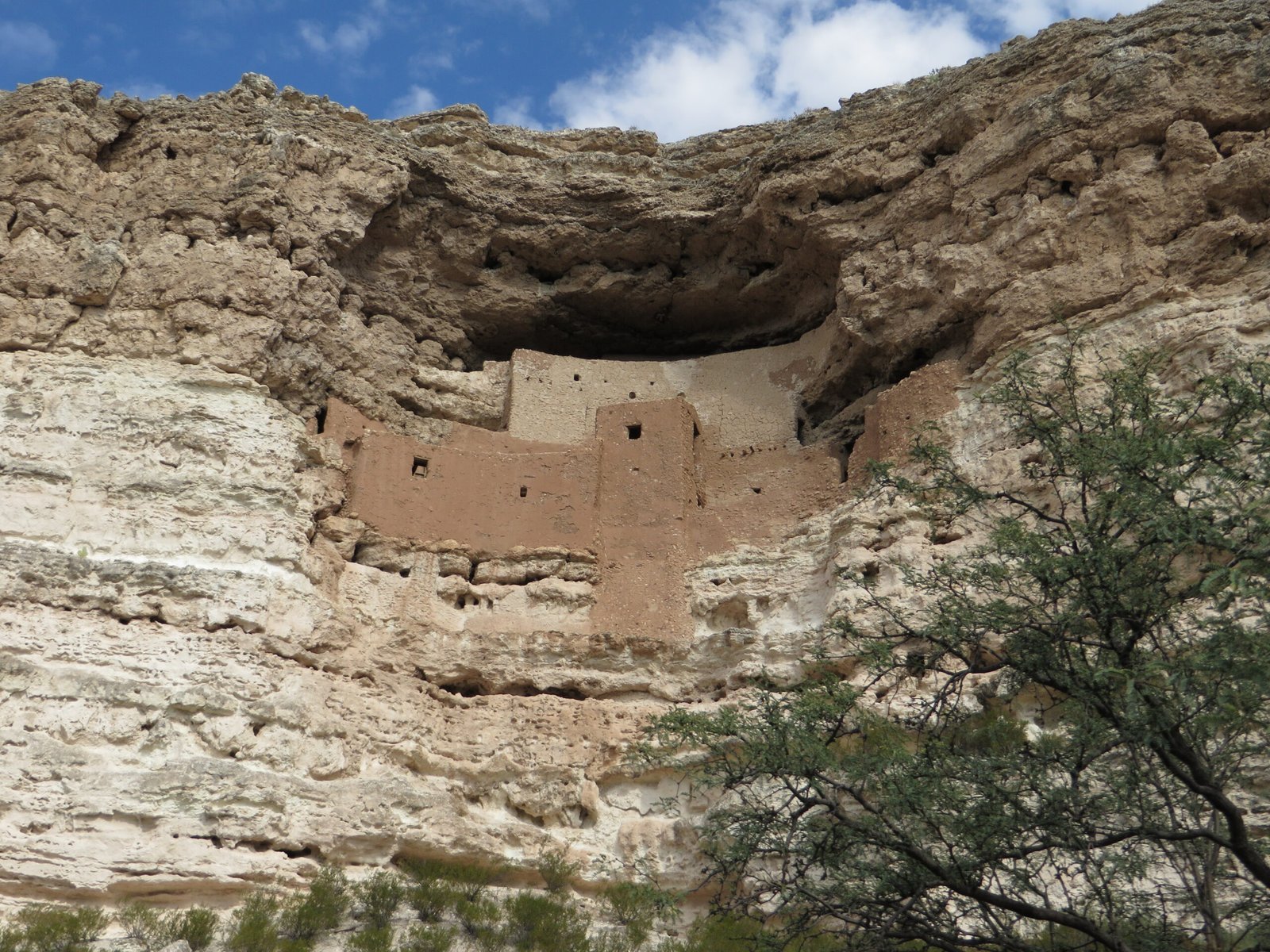
The Hohokam were early practitioners of sustainable living. Their agricultural techniques were designed to work with, rather than against, the environment. They practiced crop rotation and soil conservation, ensuring that their land remained fertile over generations. Their relationship with the land was symbiotic, reflecting a deep respect for nature’s balance. By observing and adapting to their surroundings, they maintained an ecological harmony that supported their thriving community. Their practices offer valuable lessons in sustainability that resonate even in today’s world.
The Cultural Significance of the Canals
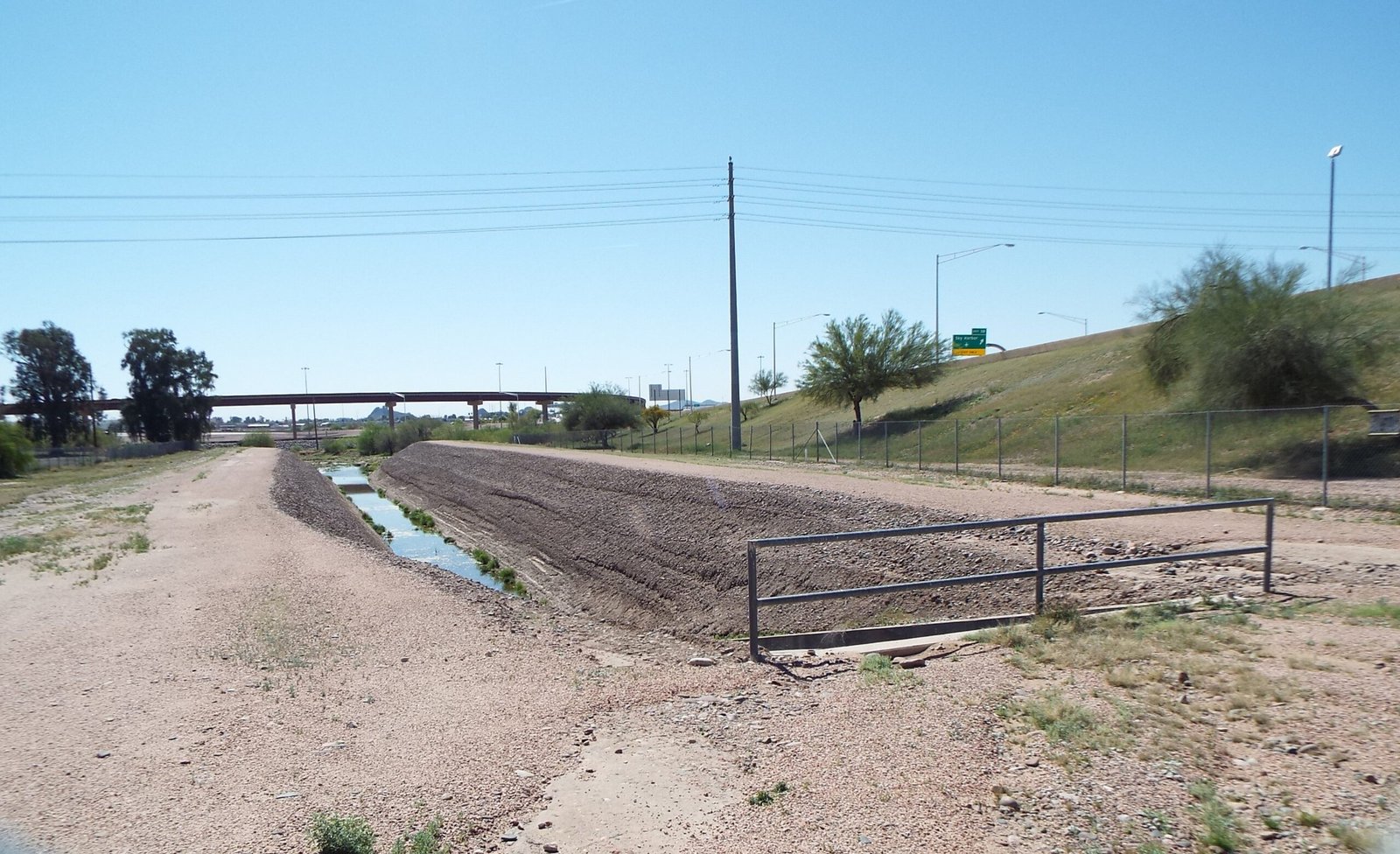
The canals were more than just an engineering marvel; they were a cultural cornerstone. These waterways facilitated trade, communication, and social interaction among the Hohokam and neighboring tribes. The canals became gathering places, fostering a sense of community and shared purpose. They were integral to the Hohokam’s identity, symbolizing their resilience and ingenuity. The waterways were not just paths for water but conduits for cultural exchange and growth. This cultural significance underscores the multifaceted impact of the Hohokam’s engineering achievements.
Lessons for Modern Times
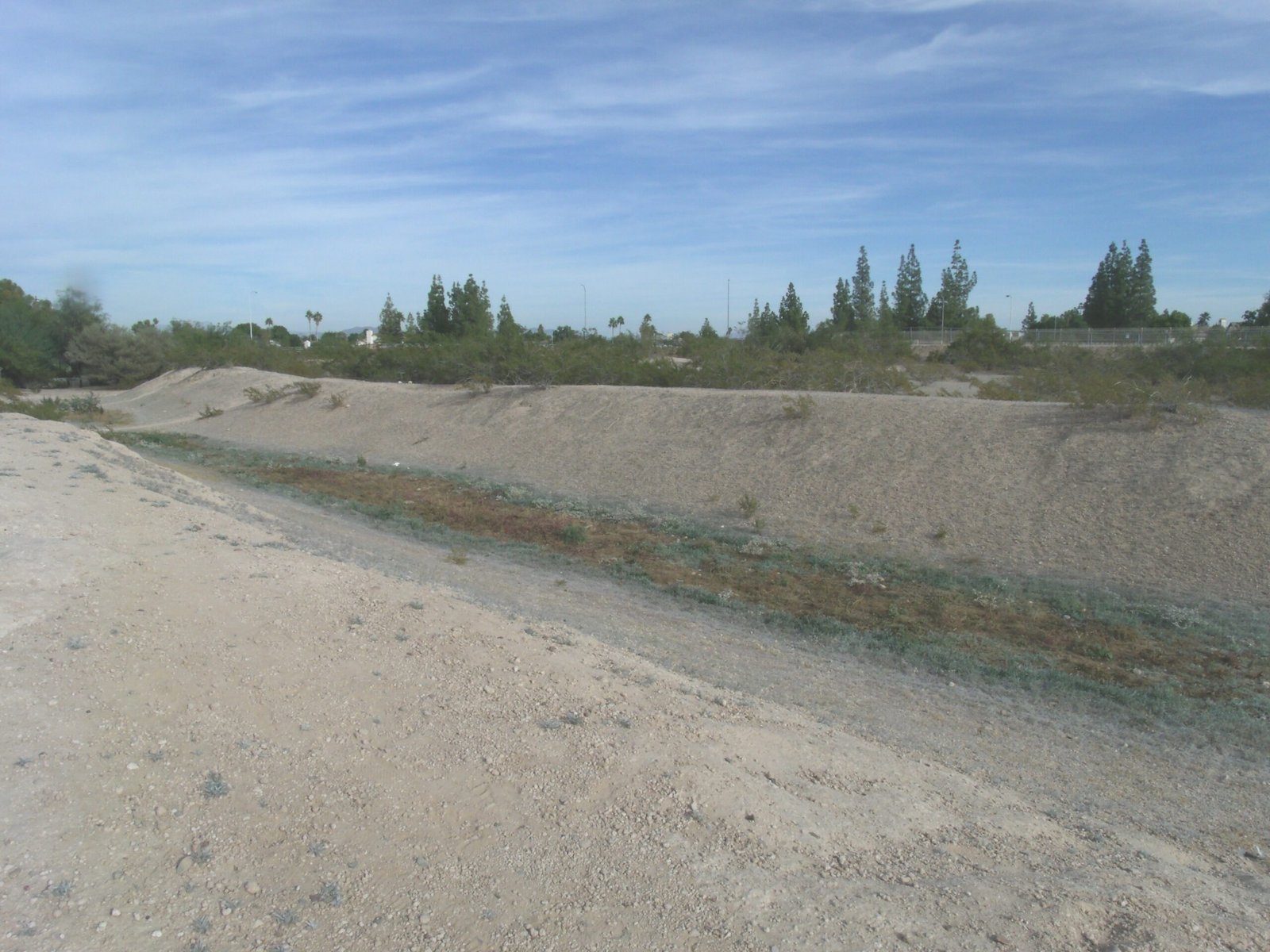
The Hohokam canals offer valuable insights for modern society. As we face challenges like water scarcity and climate change, their story becomes increasingly relevant. Their ability to adapt and innovate in the face of adversity serves as an inspiration. Their practices remind us of the importance of working with natural systems rather than against them. By studying the Hohokam, we can glean lessons in sustainable resource management and resilience. Their legacy challenges us to think creatively in addressing contemporary environmental issues.
Archaeological Discoveries and Preservation
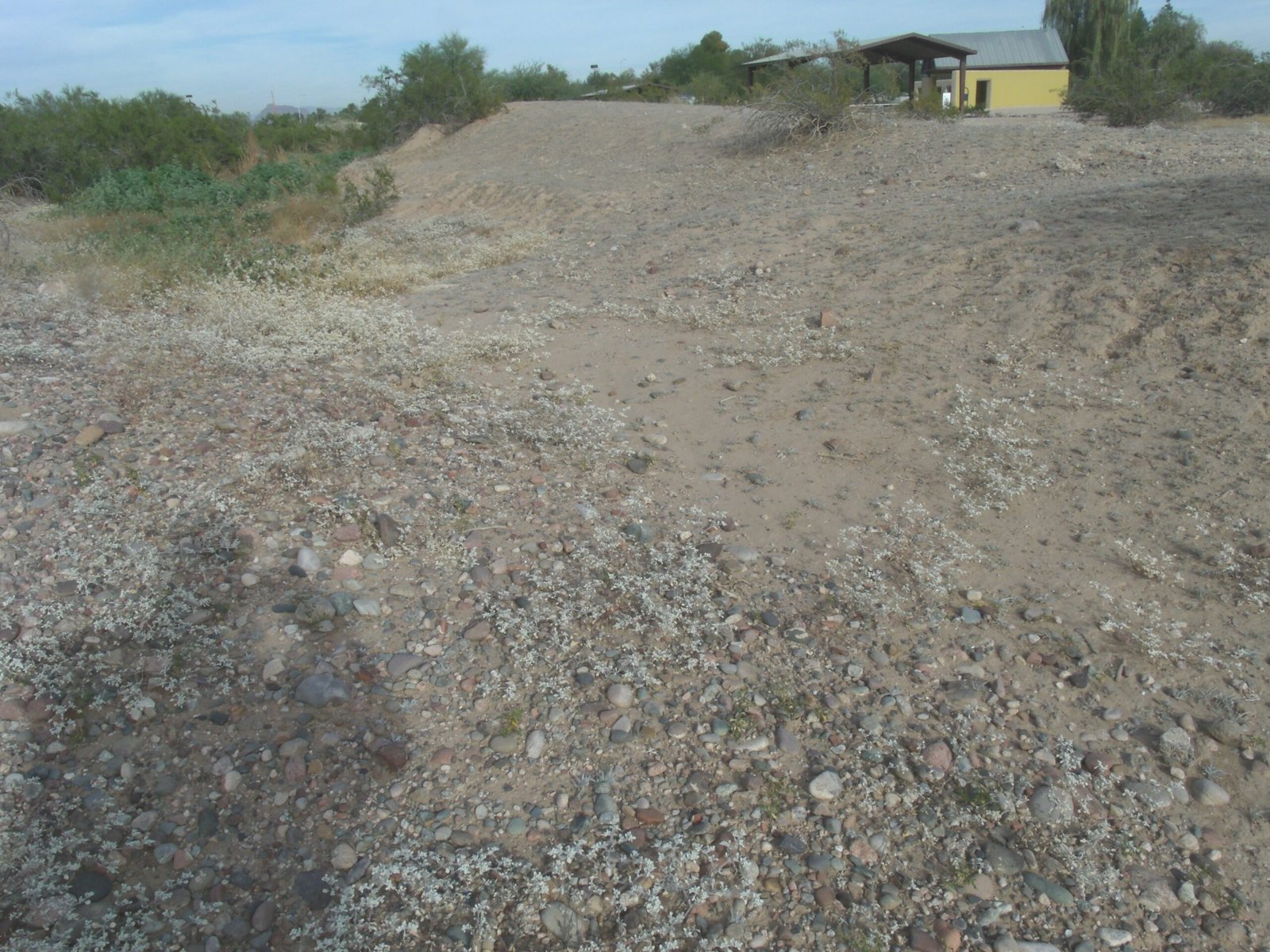
Ongoing archaeological research continues to uncover the intricacies of the Hohokam canal system. Excavations reveal the sophistication of their construction techniques and the extent of their network. Preservation efforts aim to protect these historical sites, ensuring that future generations can learn from the Hohokam’s ingenuity. The canals stand as silent witnesses to a remarkable civilization, their enduring presence a reminder of human potential. As we unearth more about the Hohokam, we deepen our appreciation for their contributions to history and engineering.
The Legacy of the Hohokam Engineers
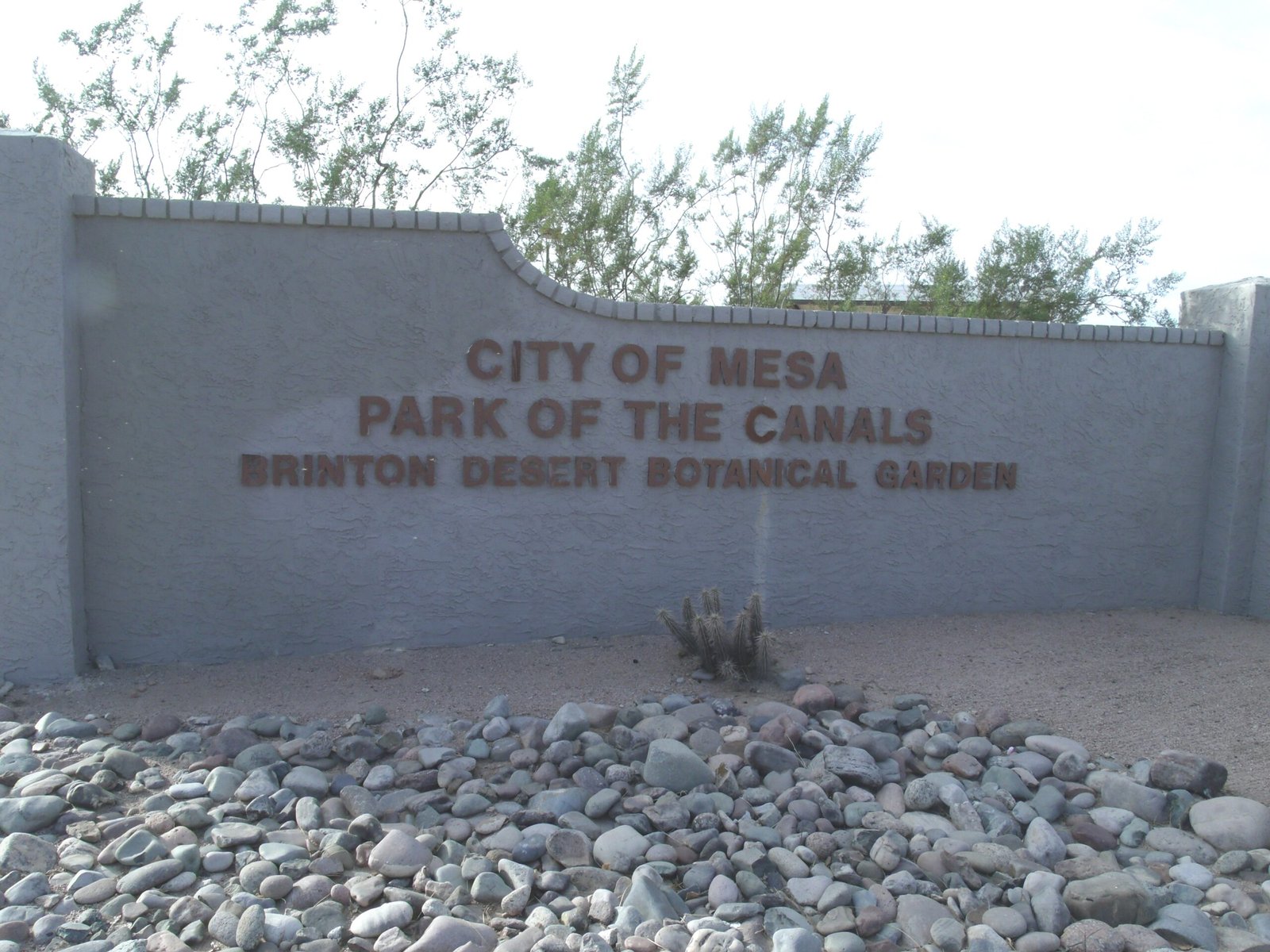
The legacy of the Hohokam engineers endures in the landscapes they transformed. Their canals are a testament to human resilience and creativity, illustrating what can be achieved with determination and innovation. Their story is not just a historical account but a source of inspiration for anyone facing seemingly insurmountable challenges. The Hohokam remind us that even in the harshest conditions, ingenuity can carve paths to prosperity. Their enduring legacy continues to echo through time, inviting us to marvel at the achievements of these ancient desert engineers.