They left no written records, yet their architecture rises from Ohio’s river valleys like headlines carved in earth. The Adena, active roughly from 1000 BCE to 100 CE, engineered thousands of conical mounds that still recalibrate how we define early complexity in North America. For decades, these earthworks were dismissed as curiosities – a mystery overshadowed by later giants such as Cahokia – but new research is flipping that script. Archaeologists now frame the Adena not as a prelude but as a pivotal chapter in its own right, a culture that linked ceremony, craft, and horticulture into a quiet revolution. And as technology peels back forests and farm fields, the picture grows sharper and more surprising, mound by mound.
The Hidden Clues
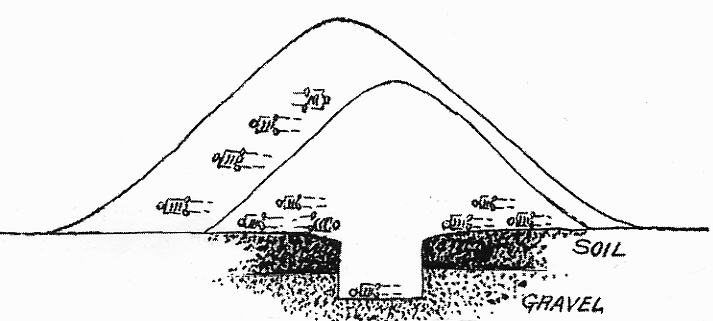
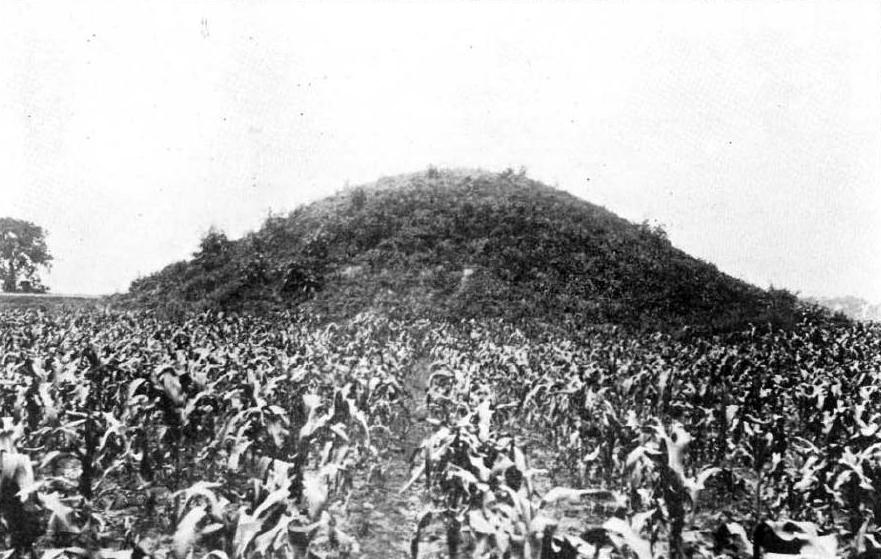
What do fifty-foot hills of hand-moved earth say about the first Ohioans who built them? Quite a lot, once you know how to listen. Conical mounds from the Scioto, Miami, and Kanawha valleys reveal layered construction, log-lined tombs, and carefully placed offerings, pointing to leadership roles and ritual expertise long before permanent cities took root. The scale alone – some mounds soaring more than sixty feet – speaks to sustained planning and communal labor. When I first climbed the steps at the Miamisburg Mound, the air felt different at the top, as if the landscape itself had been tuned to ceremony.
Many mounds sit where river terraces offer wide views, which would have amplified gatherings and processions. Soil analyses show repeated episodes of building and renewal rather than a single event, hinting at anniversaries or cycles of remembrance. Even the fill – sometimes brought from varied sources – suggests symbolic choices about color and texture. The closer researchers look, the less these appear as simple graves and the more they read like engineered monuments to memory and power.
Lives Along the Scioto and Beyond
The Adena lived in small, scattered hamlets – circular houses traced by postmolds – rather than dense towns. Families hunted white-tailed deer and turkey, gathered hickory nuts and acorns, and tended early crops like sunflower, goosefoot, maygrass, and squash, an agricultural toolkit native to the Eastern Woodlands. This mixed economy buffered seasonal risks and supported population stability over generations. Crucially, it also freed people to invest time and energy in large communal projects.
Burials reveal social distinctions expressed through objects: copper bracelets from the Great Lakes, marine shells from distant coasts, carved stone tablets, tubular pipes, and polished gorgets. Red ochre often dusts the dead, a vibrant mineral punctuation in the soil. Some mounds cover cremations, others extended burials, and many unfold in stages as if narrating family or lineage histories. In life and death alike, Adena communities stitched identity to place.
From Ancient Tools to Modern Science
Archaeologists today use a detective’s toolkit to decode Adena lifeways. Radiocarbon dating anchors mound sequences in time, while Bayesian models refine those timelines with startling precision. Microscopic residues on stone tools uncover traces of plants handled and processed, adding detail to the Adena pantry. Stable isotope studies of bone can illuminate dietary balance between wild game and cultivated seeds.
Meanwhile, drones, LiDAR, and satellite imagery are exposing earthworks obscured by canopy or plow-scarred fields. Ground-penetrating radar maps subsurface patterns without a single shovel strike, protecting sites while expanding knowledge. 3D photogrammetry allows researchers – and the public – to “walk” sites digitally, which matters when new development or erosion threatens what remains. Piece by piece, the invisible is becoming visible.
Mounds of Meaning
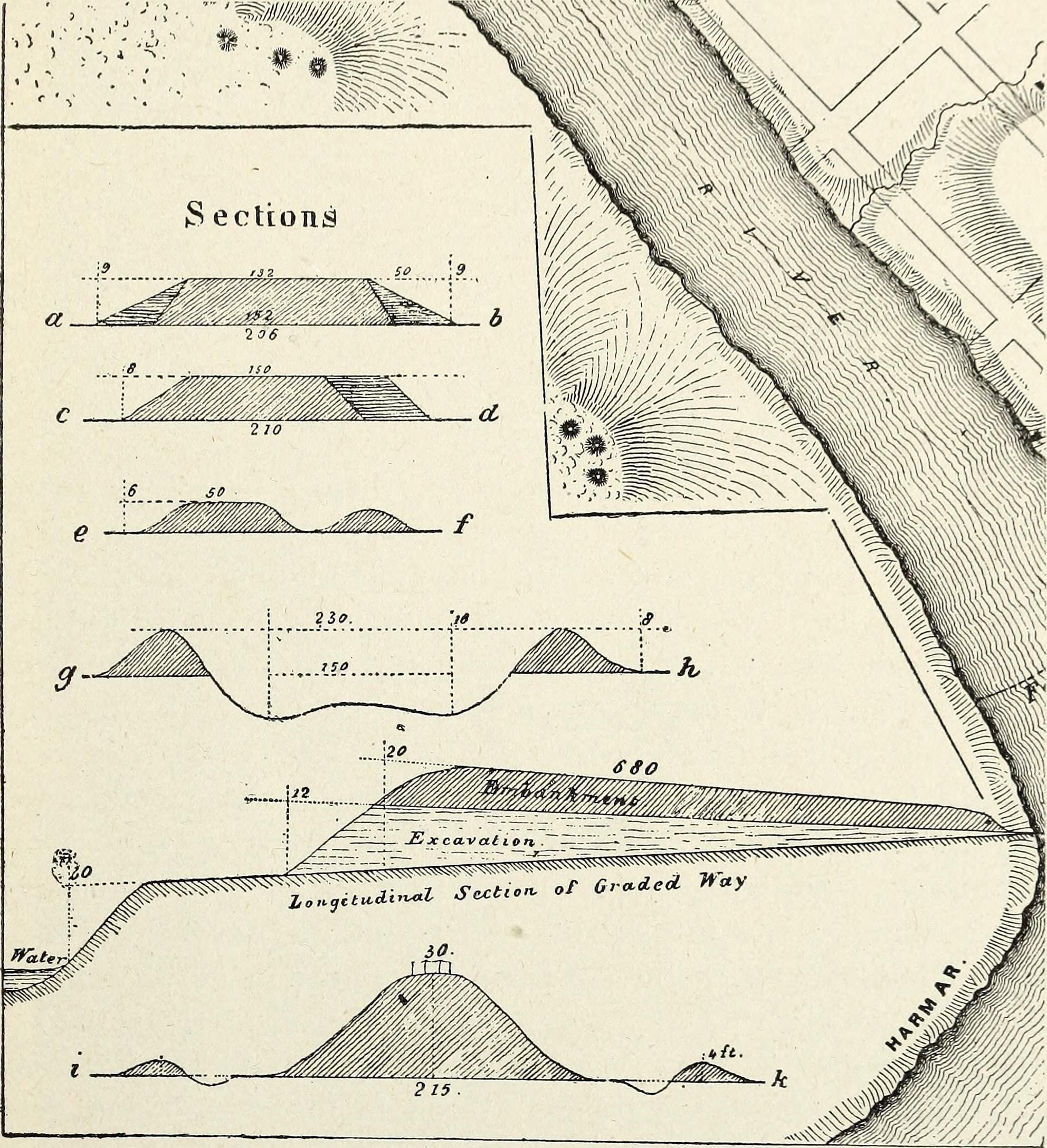
Conical mounds serve as both architecture and archive. Their layers can record decades of community decision-making, from who was mourned to which soils were chosen for color or symbolism. Some mounds begin with a small ceremonial structure or grave and expand outward through time, a literal growth of tradition. Others appear as singular bursts of construction, a communal surge that must have rallied hundreds of hands.
Objects within mounds speak a ceremonial language without words. Tubular pipes imply ritual smoking; carefully crafted stone tools and ornaments mark skilled artisans. The presence of distant materials – copper, marine shell, and mica – adds cosmopolitan threads to local stories. In a world without cities, the mound was the skyline, and the ceremony was the civic stage.
Networks Without Cities
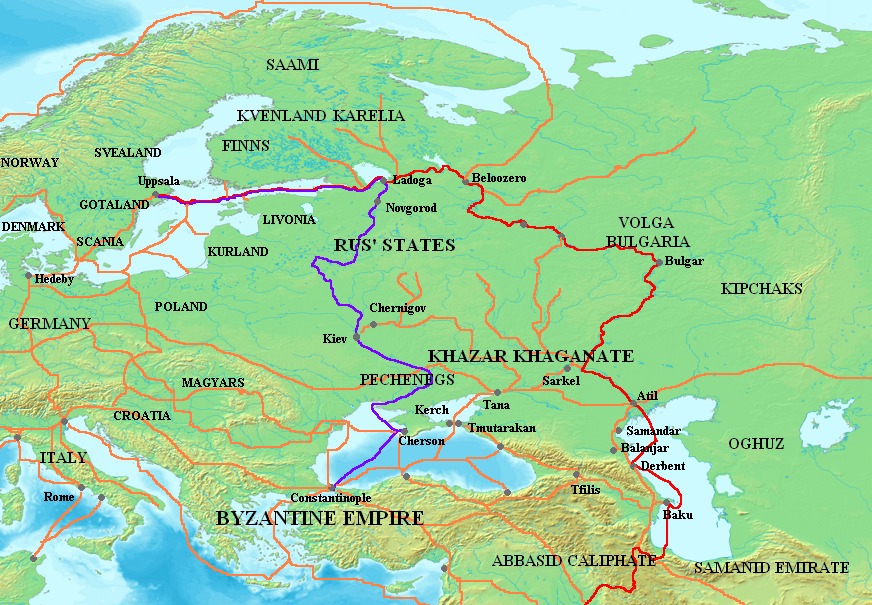
The Adena were network builders, not city builders. Exchange routes funneled raw copper from the upper Great Lakes, shells from the Gulf and Atlantic, and shiny mica from the Appalachian highlands into Ohio Valley communities. These materials were transformed into ornaments and ritual gear that traveled again through kin ties and ceremonial gatherings. The flow of things reveals the flow of ideas.
Critically, Adena exchange predates the maize-driven economies that later supported urban density in the Midwest and Southeast. Here is complexity powered by social obligation, ritual calendars, and shared symbolism rather than bureaucratic administration. Think of it as a lattice rather than a pyramid – distributed influence maintained by ceremony, marriage, and memory. The networks endured because they were woven into the rhythms of life.
Why It Matters
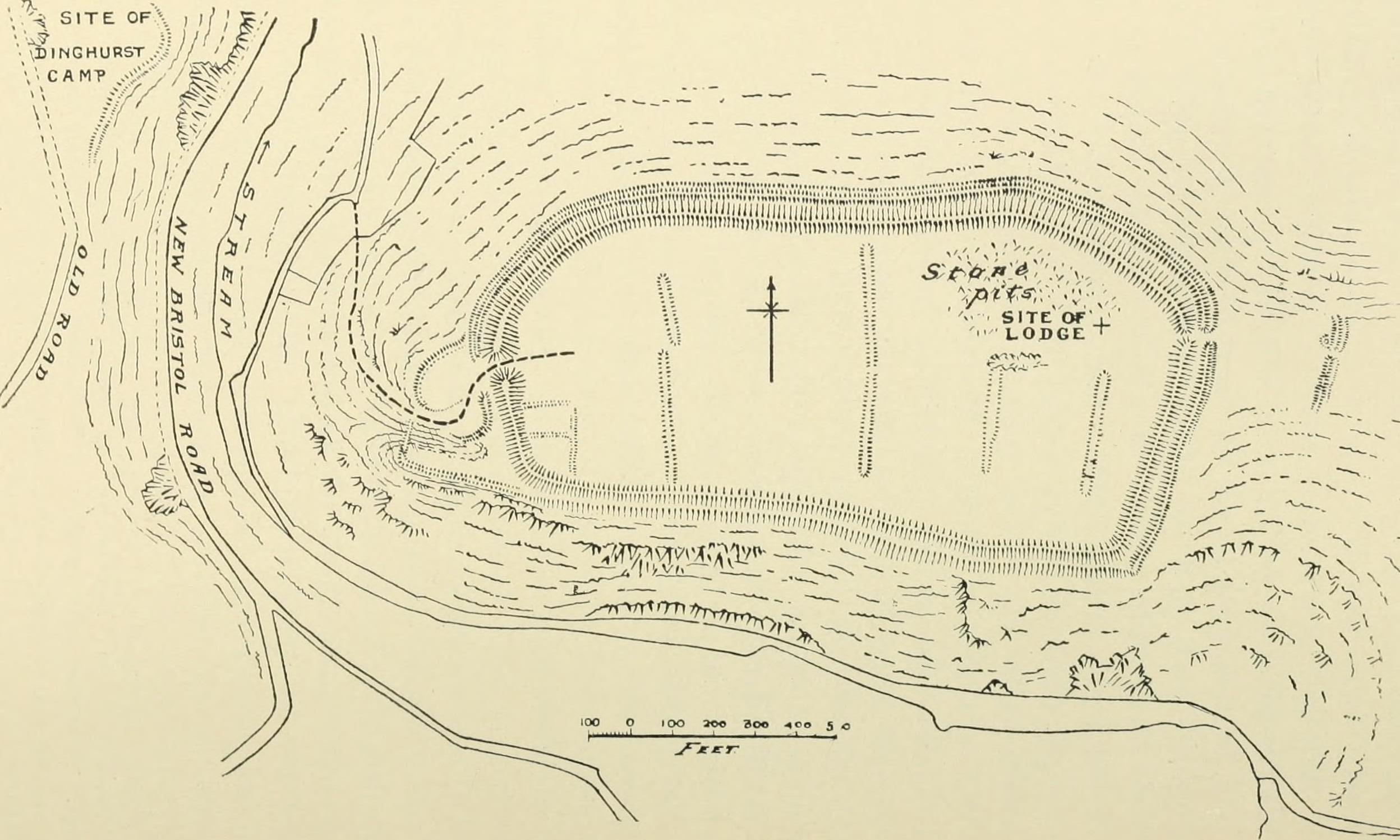
Understanding the Adena reshapes the story of North American complexity. It shows that monumental building, long-distance exchange, and social differentiation took root centuries before maize agriculture and city life rose to prominence. That matters for how we teach history: it places the Ohio Valley alongside the world’s early centers of organized labor and ceremonial spectacle, even without palaces or writing. It also forces archaeologists to refine definitions of hierarchy and leadership in small-scale societies.
For Indigenous communities, these sites are ancestral landscapes, not abstract datasets. Protecting them safeguards both scientific information and living heritage. And for the rest of us, the Adena demonstrate that big ideas do not require big cities – only shared purpose and time. When we recalibrate our expectations, the past comes into better focus.
Global Perspectives
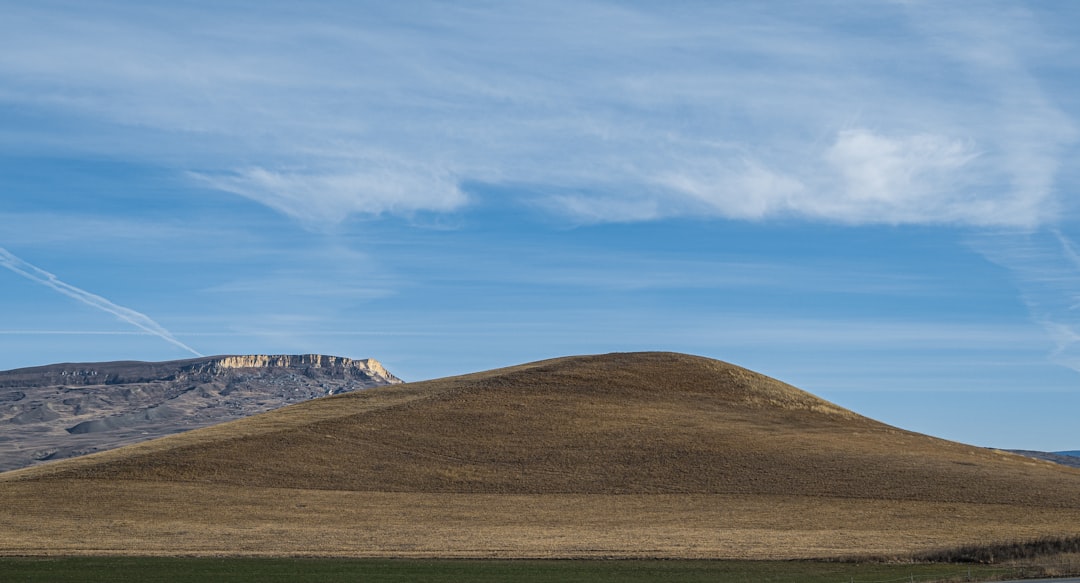
Seen globally, Adena monuments belong in a conversation with Neolithic barrows in Britain, earthen ditched enclosures in continental Europe, and mound traditions across the Americas. Different materials and rituals, yes, but a familiar pattern: communities binding themselves to place through spectacular, repeated acts of construction. In each case, earth becomes a medium for memory and social order. This puts the Adena on the world’s map of early monument makers.
Their story also challenges a city-centric bias in discussions of complexity. Monumentality, exchange networks, and craft specialization can thrive in dispersed settlements when ritual holds the center. In that sense, the Adena help decouple “complex” from “urban,” widening comparative frameworks used by archaeologists everywhere. The insight travels, even if the mounds do not.
The Future Landscape
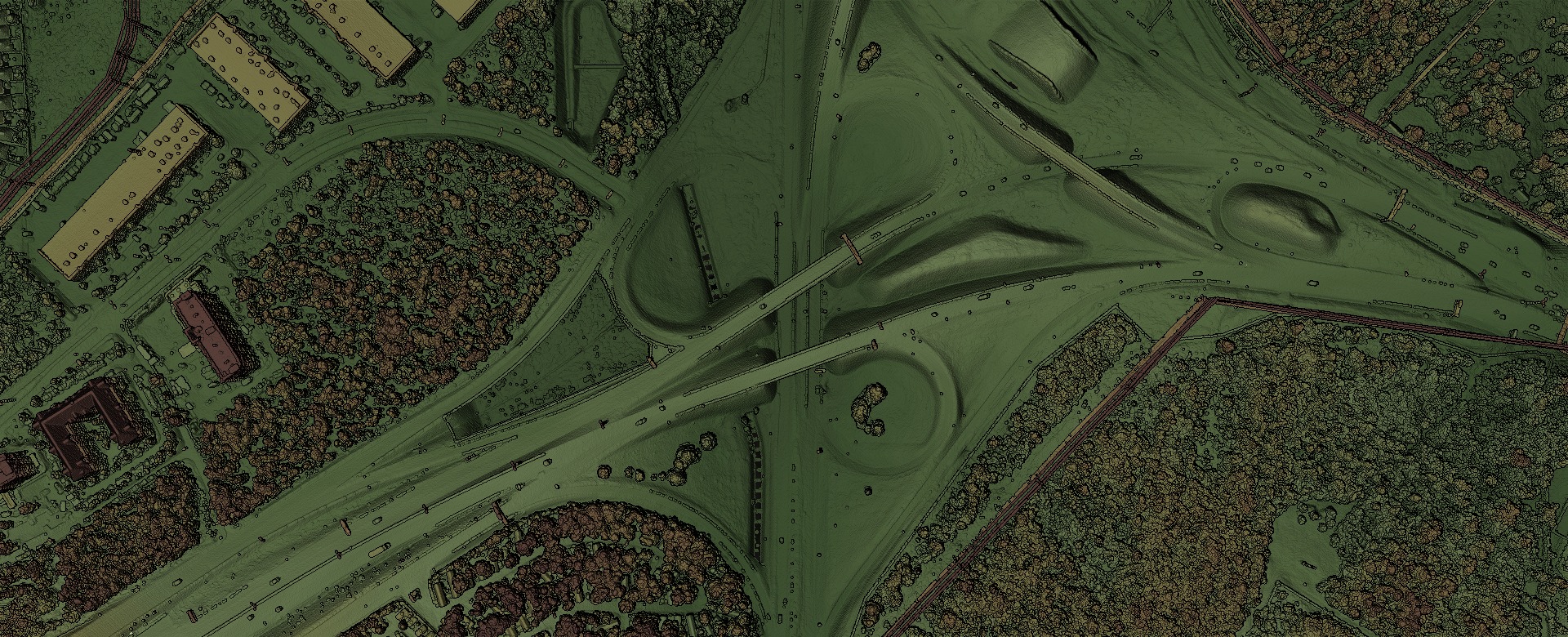
The next decade will be transformative for Adena research. High-resolution LiDAR datasets, now available across much of the eastern United States, are primed to reveal undocumented mounds and ancillary features hidden under forests and suburban lawns. Noninvasive methods – magnetometry, electrical resistivity, and radar – will map site plans in days rather than seasons, reducing disturbance while multiplying discoveries. Refined radiocarbon chronologies will clarify when particular mound traditions surged or paused.
Equally important is collaboration with Tribal nations to guide research design, access protocols, and interpretation. Ethical frameworks that prioritize community consent and data sovereignty are becoming the standard rather than the exception. Museums are auditing legacy collections to reconnect objects with provenience and purpose. The result should be better science and better stewardship, together.
How You Can Help
You don’t need a trowel to make a difference. Support local and state institutions that maintain earthworks, from park districts to history centers, and visit responsibly by staying on paths and respecting site boundaries. Advocate for preservation when development plans intersect with known mounds; public comments and letters can sway outcomes. If you’re a teacher or parent, fold the Adena into lessons so that early Ohio history starts with its original architects.
Volunteer for community science days where permitted, or help fund noninvasive surveys that keep sites intact. Seek out Indigenous-led programs and interpretive tours to deepen understanding beyond artifact lists. The past is closer than it looks on a highway map – often just beyond the tree line – and it needs allies. What story will your own footsteps help protect?
Suhail Ahmed is a passionate digital professional and nature enthusiast with over 8 years of experience in content strategy, SEO, web development, and digital operations. Alongside his freelance journey, Suhail actively contributes to nature and wildlife platforms like Discover Wildlife, where he channels his curiosity for the planet into engaging, educational storytelling.
With a strong background in managing digital ecosystems — from ecommerce stores and WordPress websites to social media and automation — Suhail merges technical precision with creative insight. His content reflects a rare balance: SEO-friendly yet deeply human, data-informed yet emotionally resonant.
Driven by a love for discovery and storytelling, Suhail believes in using digital platforms to amplify causes that matter — especially those protecting Earth’s biodiversity and inspiring sustainable living. Whether he’s managing online projects or crafting wildlife content, his goal remains the same: to inform, inspire, and leave a positive digital footprint.