
Stand on the edge of a canyon at dusk in the American Southwest and it’s almost impossible not to feel it: the sense that other lives, other stories, are still echoing in the stone. Long before highways, suburbs, and neon-lit casinos, sophisticated societies were building great houses, carving roads into solid rock, and mapping the sky with a precision that still stuns archaeologists today. Their names – Ancestral Puebloans, Hohokam, Mogollon, Patayan and others – aren’t always familiar, but their fingerprints are everywhere in the region’s mesas, rivers, and even in modern city layouts.
What makes their legacy so powerful is that it isn’t locked behind museum glass; it’s built into living communities, languages, and rituals that continue in Indigenous nations today. From irrigation canals that inspired modern water systems to architectural designs that quietly influence our homes and public buildings, these ancient peoples shaped the Southwest in ways most travelers never notice. Once you start to see those patterns, though, the desert stops feeling empty and starts feeling like a vast, open‑air archive of human ingenuity.
Ancient Urban Centers That Rivaled Medieval Cities
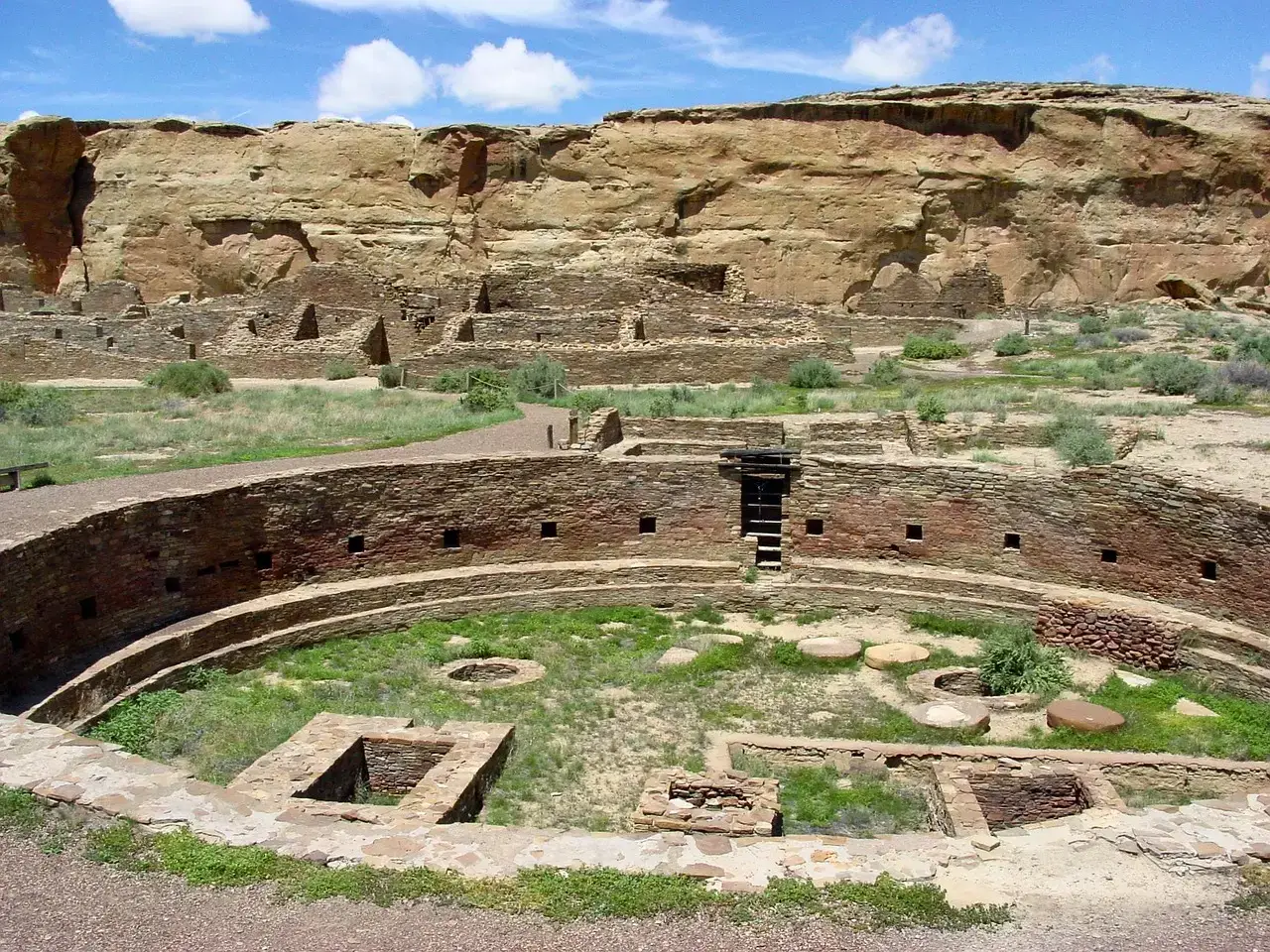
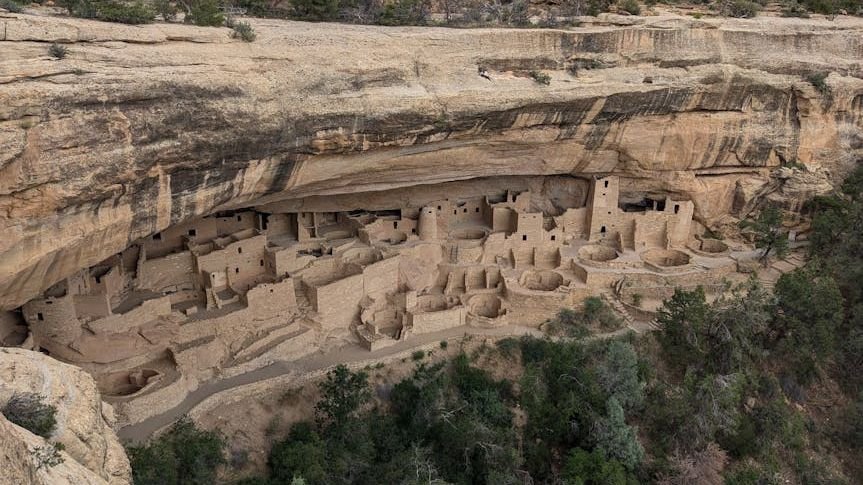
It shocks many people to learn that, while castles were rising in Europe, massive stone “cities” were already thriving in places like Chaco Canyon, Mesa Verde, and Aztec Ruins. Chaco’s monumental great houses, some standing several stories tall with hundreds of rooms, were carefully aligned with solar and lunar cycles, showing that architecture, astronomy, and ceremony were tightly woven together. These weren’t random clusters of huts; they were planned communities with plazas, kivas, storage rooms, and sightlines stretching across the desert.
Archaeologists now see the Chaco system as the core of a vast regional network, with roads radiating out for dozens of miles in unnervingly straight lines. Imagine organizing construction projects on that scale without metal tools, wheeled carts, or draft animals, just through community labor and shared purpose. When you walk through the ruins today, the silence feels heavy, but the design still makes sense: communal gathering spaces near food storage, ritual structures linked to astronomical markers, homes arranged to harness light and shade. It’s a reminder that urban planning in North America didn’t start with European colonization; it had a deep, sophisticated history long before.
Ingenious Water Engineering in a Harsh Desert
In a region where a single dry year can mean disaster, the ancient peoples of the Southwest turned water management into an art form. The Hohokam around what is now Phoenix carved out elaborate canal systems that stretched for many miles, bringing river water to fields of maize, beans, and squash. Some of these canals were so well placed that modern engineers followed their paths when laying out contemporary irrigation and city infrastructure. Standing over a dry canal bed today, it’s hard not to think of it as a fossilized river of human problem‑solving.
Elsewhere, communities built check dams, rock terraces, and runoff fields to capture rare rainfall and coax crops out of seemingly impossible ground. They read the land like a complex manual: where water slowed, where it pooled, where soil held moisture just a little longer. You see similar strategies echoed now in rainwater harvesting, drip irrigation, and xeriscaping across the region. The basic lesson is the same then and now: in a dry world, survival belongs to those who treat every drop of water like a precious relative, not an unlimited resource.
Architecture That Worked With Climate, Not Against It
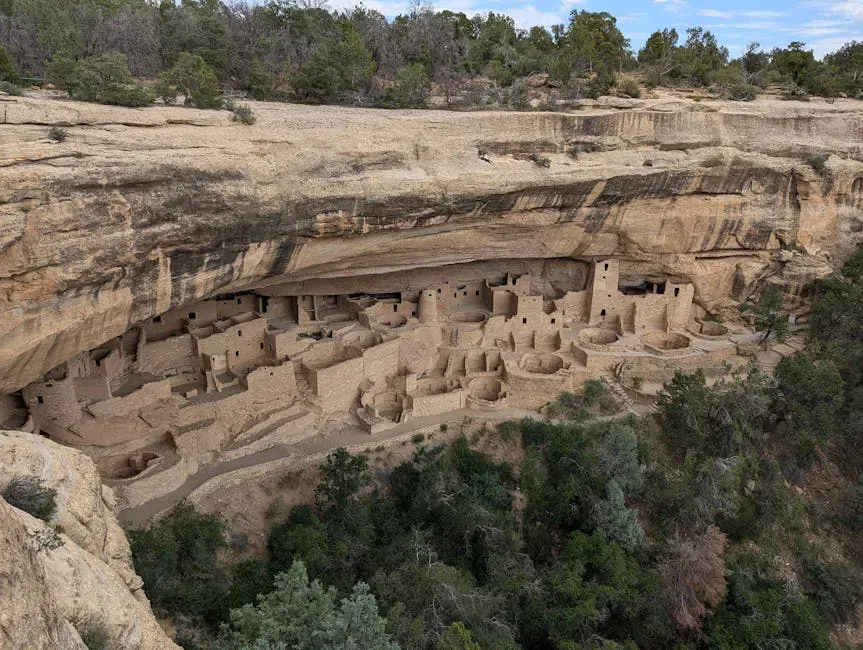
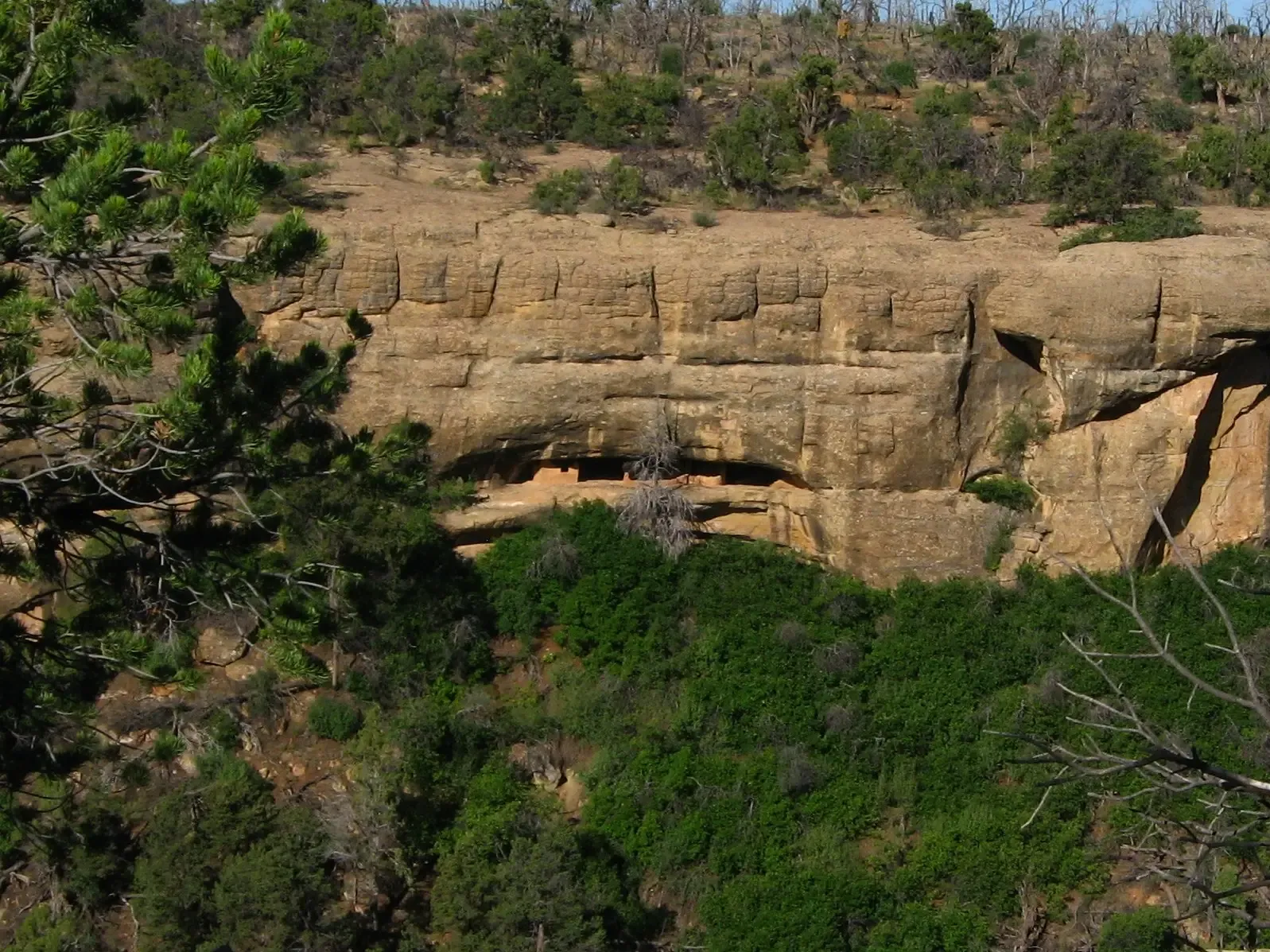
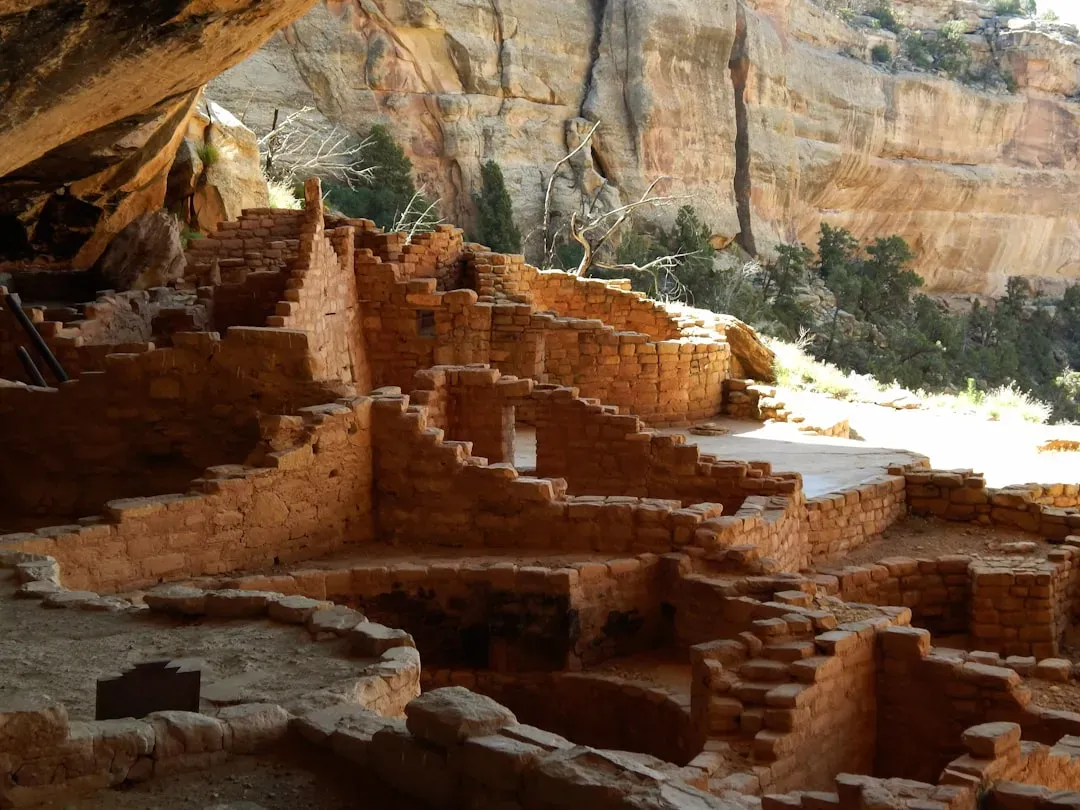
The cliff dwellings of Mesa Verde or Canyon de Chelly look dramatic perched on their sandstone ledges, but they weren’t built that way just for the views. Those overhangs offer natural protection from rain, wind, and the fierce summer sun, creating microclimates that are surprisingly comfortable. Thick stone walls provided insulation, keeping interiors cooler during scorching days and warmer during cold nights, long before anyone used the phrase “passive solar design.” Even the placement of windows and doors was intentional, tuned to catch winter light and avoid the peak heat of summer.
Beyond the cliffs, multistory pueblos built around central plazas used shared walls to conserve warmth and materials. Ladders and rooftop entries added security and changed how people moved through space, turning rooftops into community streets. When modern architects talk about building for the climate – using shade, thermal mass, and natural airflow – they’re often rediscovering ideas that Indigenous builders refined centuries ago. You can stand in a centuries‑old room on a hot day and feel that quiet, practical genius in the way the heat seems to hesitate at the doorway.
Ceremony, Story, and the Sacred Landscape
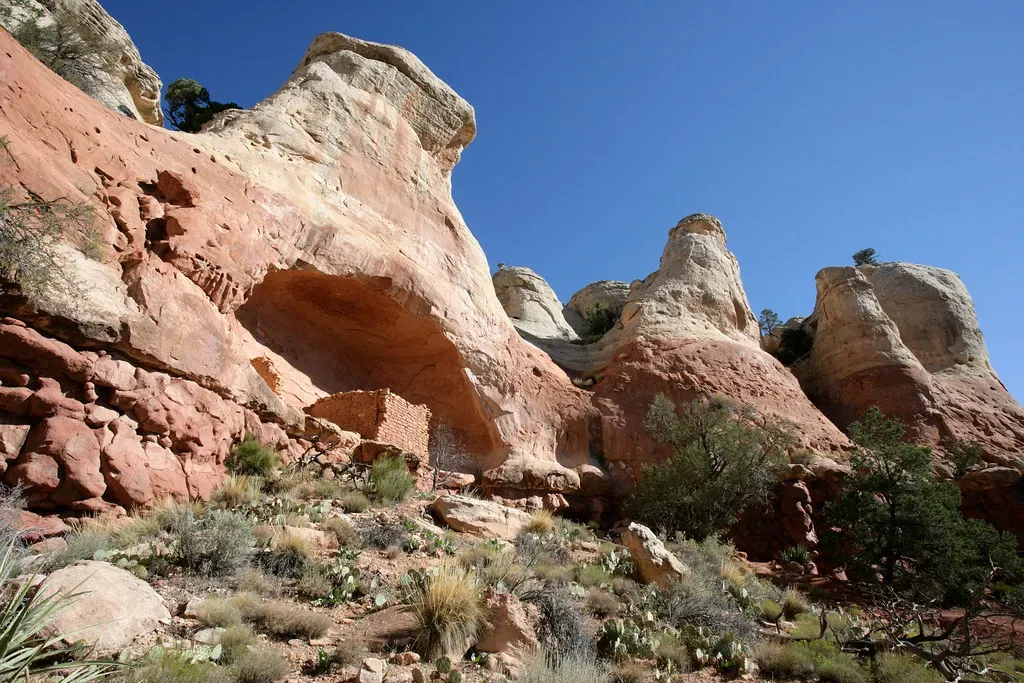
For the ancient peoples of the Southwest, the land itself was part of the story, not just a backdrop to it. Sacred mountains, springs, caves, and rock formations were woven into oral histories that explained origins, migrations, and responsibilities to the world. Kivas – circular, often subterranean spaces found in many Ancestral Puebloan sites – served as ceremonial chambers and symbolic connections to the underworld and ancestors. Entering them meant stepping into a different layer of reality, one where community and cosmos were in direct conversation.
This deep sense of sacred geography shaped where people built, how they traveled, and when they gathered. Ceremonial roads, shrines, and petroglyph sites often align with celestial events, marking solstices, equinoxes, and lunar cycles. Even today, many descendant communities maintain ceremonies linked to these same places and patterns, despite the disruptions of colonization and forced relocation. When you realize that a landscape is mapped not just in miles but in stories and obligations, it becomes harder to see the desert as empty space and easier to see it as a living, spiritual network.
Art on Stone Walls: Petroglyphs and Pictographs
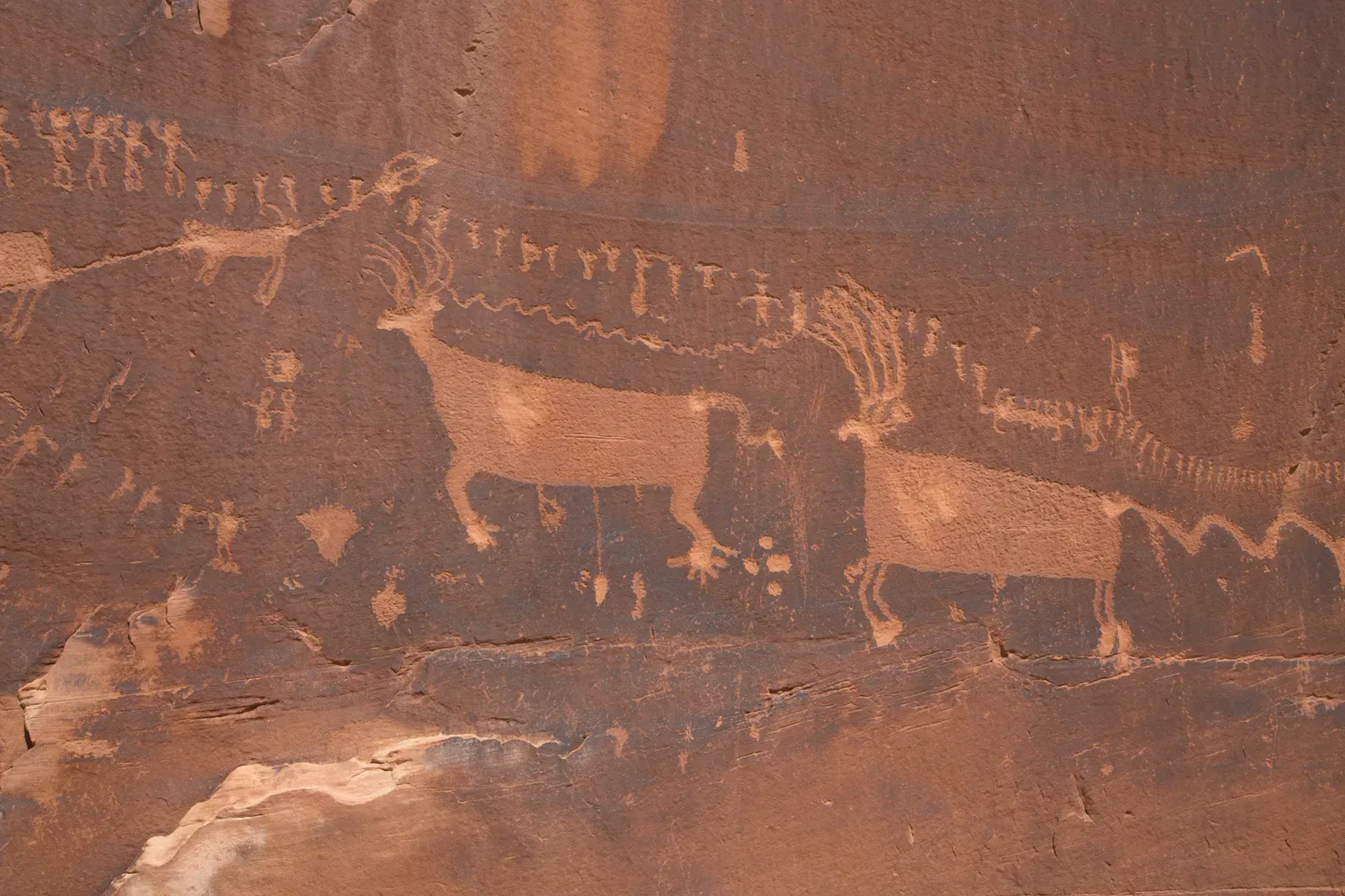
Walk into a canyon where petroglyphs cover the rock and you suddenly feel like you’ve stumbled into an ancient conversation mid‑sentence. Spirals, animals, hunters, corn plants, star shapes, and mysterious abstract forms appear etched or painted on cliffs across the Southwest. Some images likely recorded everyday events – hunts, journeys, seasonal changes – while others hinted at spiritual experiences, clan symbols, or astronomical observations. The same symbols often show up hundreds of miles apart, suggesting shared belief systems and communication across distance.
These images are not just “cave art” to be admired from a distance; for many Native communities they remain active, respected elements of the landscape. Modern researchers have found rock art panels aligned with sunrises, sunsets, and even specific moon standstill events, where light illuminates carvings only on particular days. We may never fully decode every scene, and maybe we’re not meant to, but the persistence of these images over centuries is striking. In a digital age where photos vanish into the cloud, there is something humbling about a hand‑carved spiral that still holds its place in the sun a thousand years later.
Astronomy and the Architecture of the Sky
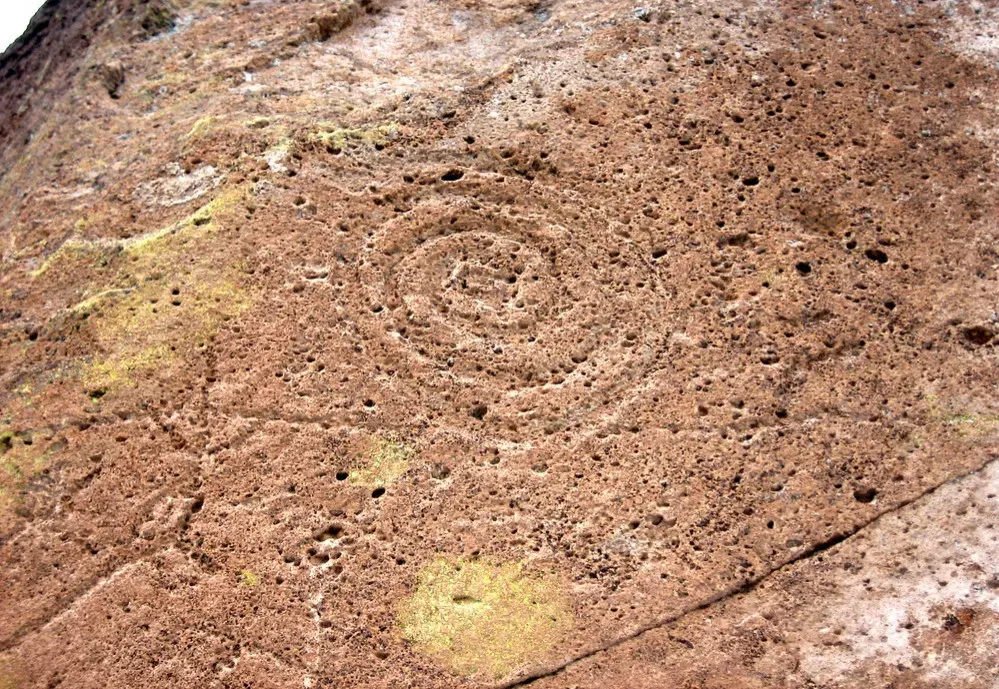
The American Southwest might look like the perfect place to stargaze today, but ancient observers were not just admiring the night sky; they were tracking it with impressive accuracy. Archaeological evidence from Chaco Canyon, for example, shows buildings and sight lines aligned to solstice and equinox sunrise and sunset points. Elsewhere, spiral petroglyphs work together with rock shadows to mark key moments in the solar year, turning entire cliff faces into cosmic calendars. These observations helped communities time planting, harvesting, and ceremonies with seasonal shifts.
Some sites also show attention to more complex cycles, like the long swing of the moon’s rising and setting points over many years. Think about the commitment required to track a cycle that unfolds over nearly two decades without written charts or digital tools. Knowledge like that had to be carefully passed down, embedded in ritual and story so it wouldn’t be lost during hard times. When you watch the sun slip behind a mesa on a solstice from one of these ancient markers, it’s hard not to feel connected to generations of sky‑watchers who stood in the same spot, seeing meaning in the same light.
Resilience, Migration, and Adaptation to Change
Uploaded by Jacopo Werther, CC BY-SA 2.0)
One of the most persistent myths about the Southwest’s ancient peoples is that they “mysteriously vanished.” In reality, they adapted to change the way humans always have: by moving, reorganizing, and reshaping communities in response to shifting climates, resources, and social pressures. Tree‑ring studies show periods of harsh drought that likely strained food supplies and stressed political alliances. Instead of simply collapsing, many groups reoriented their settlements, joined other communities, or shifted their economic focus from intensive agriculture to mixed strategies including foraging and trade.
Descendant communities – such as modern Pueblo nations, O’odham peoples, and others – view these migrations as part of a longer, living history, not as an endpoint. The very idea of “abandonment” starts to feel off once you realize that people left, but their languages, ceremonies, and lineages continued elsewhere. There’s a hard but hopeful lesson in that: sophistication doesn’t guarantee stability, and survival sometimes means letting go of a place you love. In a century facing its own climate upheavals, that story of flexible resilience feels uncomfortably relevant and strangely encouraging.
Living Descendants and Continuity of Culture
It’s easy, standing in a national park ruin, to slip into thinking of the ancient Southwest as a finished chapter. But for the Hopi, Zuni, many Pueblo peoples, O’odham communities, and other Native nations, those “ruins” are part of an ongoing family album. Oral histories speak of migrations through these very places, of ancestors who built and prayed and farmed there before moving on to new homelands. That continuity changes how you see everything: the past isn’t a distant foreign country; it’s yesterday’s neighborhood you still visit for important occasions.
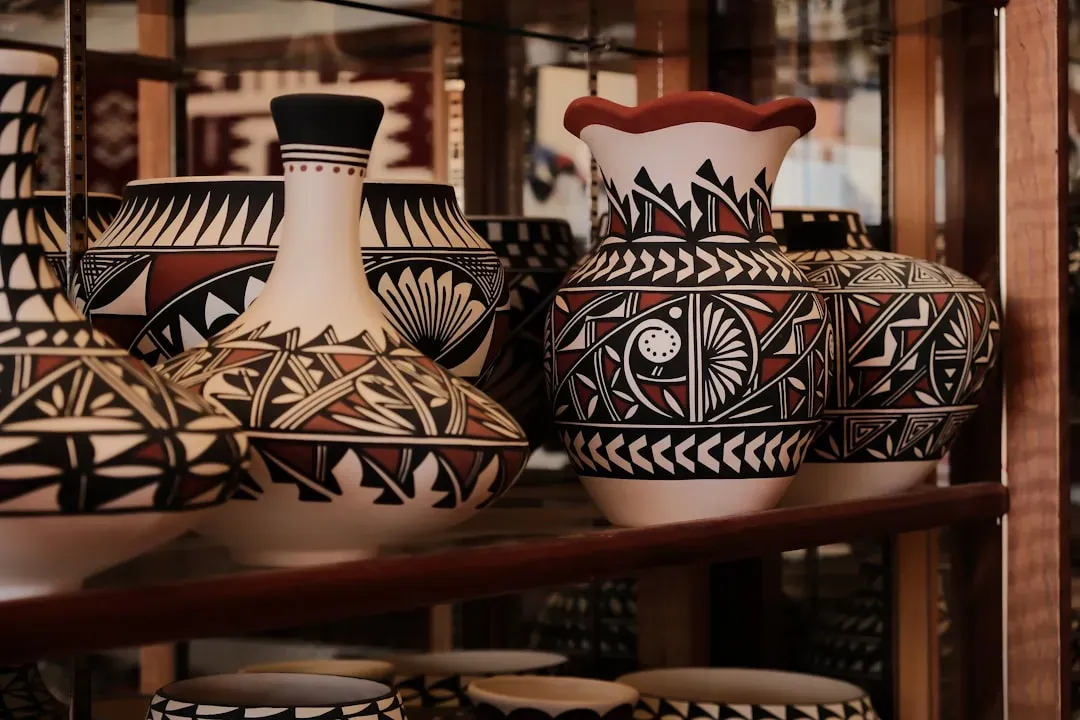
Modern artists, potters, weavers, and ceremonial leaders draw on designs, stories, and practices that stretch back well before written records in the region. Patterns on a contemporary pot can echo designs found on centuries‑old sherds, not as nostalgia but as living language. At the same time, communities negotiate what to preserve privately and what to share with tourism and research, asserting control over their own narratives. When you realize that the people linked to Chaco or Mesa Verde are not gone but sending their kids to school, voting, creating policy, and making art today, the idea of “ancient” culture starts to feel misleadingly shallow.
Lessons for Today: Sustainability and Place‑Based Wisdom
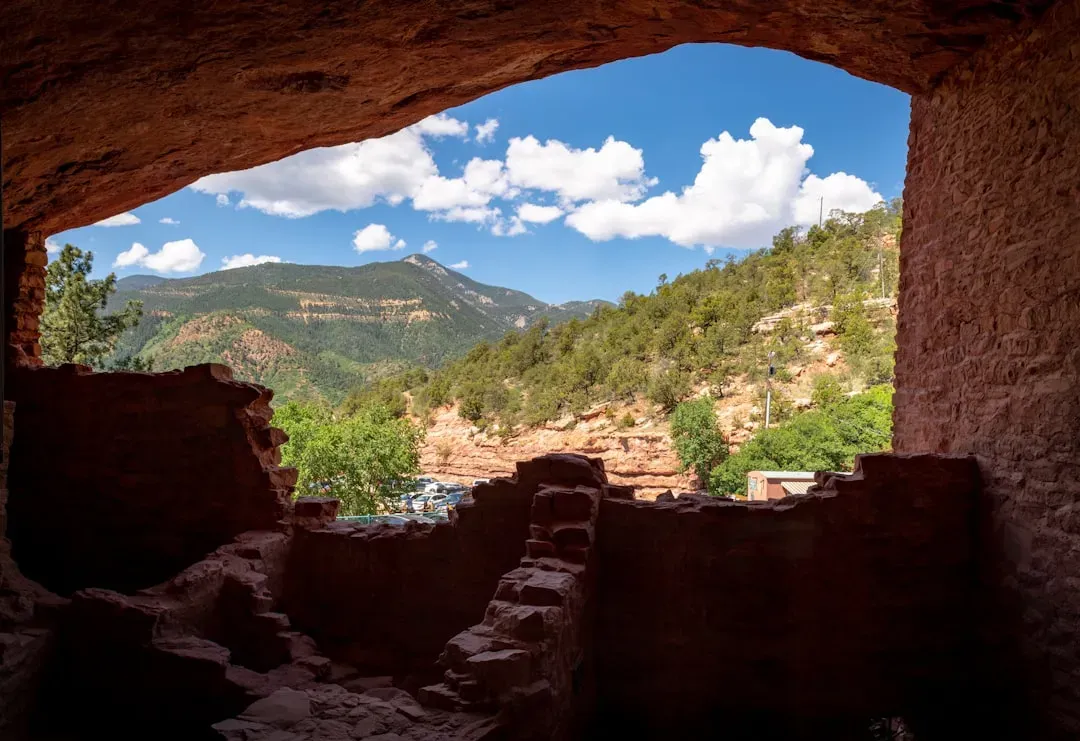
Modern life in the Southwest often feels like it’s sprinting in the opposite direction of ancient wisdom: lawns in the desert, sprawling developments, and heavy dependence on distant water sources. Yet, under the surface, a quiet borrowing is happening. Architects look again at thick walls, shade structures, courtyards, and natural ventilation inspired by pueblos and cliff dwellings. Water managers revisit floodwater farming and canal placement techniques that worked for centuries before dams and pumps took over. The language might be new, but the principles – respect limits, work with the land, not against it – are very old.
On a more personal level, there’s something deeply grounding about acknowledging you live in a place shaped by so many generations before you. It encourages slower decisions: about where to build, what to plant, how much to consume. The ancient peoples of the Southwest did not live in some perfect balance – there were conflicts, strains, and failures – but many of their core strategies assumed long timeframes and community accountability. In a world that rewards quick wins and short attention spans, that long view may be one of their most valuable gifts.
Visiting With Respect: How We Engage These Legacies
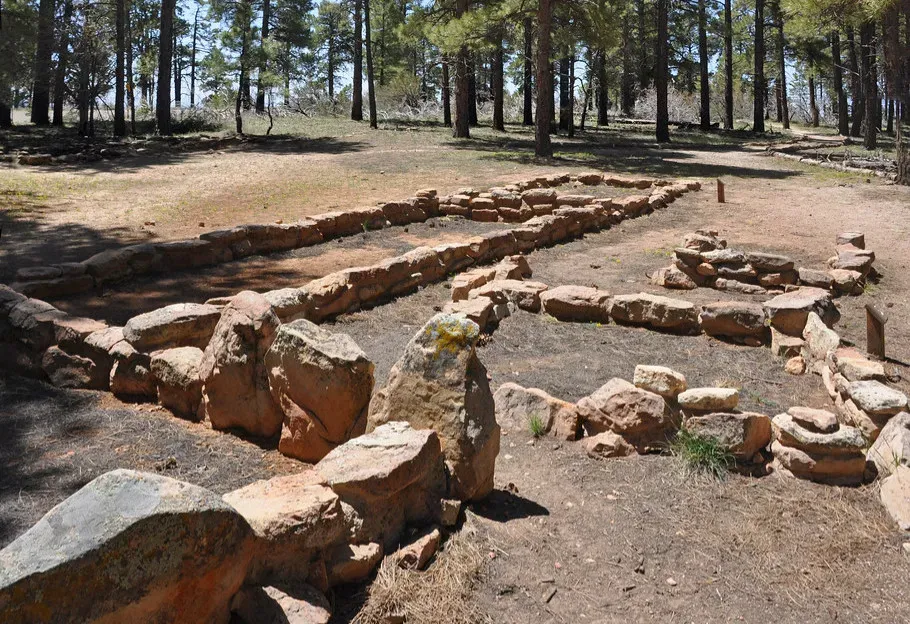
For anyone who has wandered through a silent kiva or stood inside a cliff dwelling, the urge to touch, explore, and photograph everything is totally understandable. But these places are not just scenic backdrops; they’re sacred sites, cemeteries, and ancestral homes. That means simple choices – staying on marked trails, not climbing on walls, never disturbing artifacts or human remains – carry real moral weight. Imagine someone walking through your grandparents’ home and pocketing items for souvenirs; that’s the level of seriousness many Indigenous communities bring to these landscapes.
Listening to descendant communities about how they want their heritage presented is another key part of respectful visiting. Many parks and museums now work directly with tribal nations to shape interpretive signs, exhibits, and guided walks, but that collaboration is still very much a work in progress. As a visitor, asking yourself who is telling the story – and who is missing – can shift how you understand the site. In the end, the most enduring legacy we can help support is not just preserving old stones, but making sure the voices most connected to them are heard clearly and taken seriously.
Conclusion: A Desert Full of Voices
The deeper you look at the ancient peoples of the American Southwest, the more the desert fills up with invisible neighbors. Great houses, canals, petroglyphs, kivas, and star‑aligned shrines stop feeling like disconnected wonders and start to read as chapters in a single, intricate story about how humans learn to live in demanding places. That story is not frozen in the past; it keeps unfolding in Pueblo plazas, O’odham communities, and countless Native households balancing tradition with the realities of the twenty‑first century. Their presence turns every ruined wall into a conversation instead of a mystery.
What lingers most is the realization that ingenuity and reverence can coexist: you can be scientifically sharp about water and stars while also seeing them as kin, not commodities. In a time when the Southwest again faces drought, heat, and rapid change, those older ways of thinking feel less like curiosities and more like roadmaps we’d be foolish to ignore. The ruins will keep standing regardless, but what we choose to learn from them is still very much up to us. What will you see the next time you look out over a canyon and imagine who once stood there before you?