
Imagine waking up to a world where the skies are eerily quiet, farmers pray for rain that never comes, and rivers shrink to muddy trickles. It sounds like the plot of a dystopian novel, but this chilling scenario could become reality if the Amazon—the world’s largest rainforest—collapses. The Amazon isn’t just a sea of trees or a haven for strange creatures; it’s a living, breathing engine that pumps moisture across continents and keeps the planet’s climate on a steady course. Its fate is tied to ours in ways most of us never even realize. Let’s dive deep into the Amazon’s secret powers, its astonishing influence on global rainfall, and what’s truly at stake if its green heart stops beating.
The Amazon: More Than Just a Rainforest
When most people picture the Amazon, they see endless green, tangled vines, and monkeys leaping from tree to tree. But the Amazon is much more than that. It’s the largest rainforest on Earth, sprawling across nine countries and covering an area almost the size of the continental United States. This vast expanse isn’t just a home for wildlife—it acts as a critical regulator of the planet’s climate and weather patterns. Every leaf, every river, and every root system plays a part in a delicate dance that keeps our world in balance. Without it, we’d lose one of the Earth’s most powerful life-support systems.
The Amazon’s Atmospheric River—Nature’s Invisible Plumbing
Here’s something that might surprise you: the Amazon doesn’t just create rain for itself. Its trees release vast amounts of water vapor through a process called transpiration, forming what scientists call an “atmospheric river.” This invisible river of moisture flows high above the forest, traveling thousands of miles and delivering rain to far-off places—even as far as the American Midwest and the African Sahel. The Amazon is like a giant green heart, pumping water across continents with every breath it takes.
The Power of Transpiration: How Trees Make Rain
Think of each Amazonian tree as a natural water pump. Trees draw water from the soil through their roots and release it into the air through their leaves—a process called transpiration. In the Amazon, this means up to 20 billion metric tons of water vapor are sent skyward every single day. This moisture forms clouds and rain, not just above the forest, but far beyond its borders. If you’ve ever wondered how the Amazon creates its own weather, now you know: it’s all about trees, water, and the magic of transpiration.
How the Amazon Shapes South American Weather
The Amazon’s influence on weather isn’t limited to its own backyard. The moisture it releases travels on the wind, feeding rainfall across Brazil, Argentina, Paraguay, and even into the Andes. This natural water cycle supports massive river systems and irrigates farmland that feeds millions. When the Amazon thrives, so do crops and communities across South America. When it falters, droughts and crop failures become dangerously more common.
Rainfall Beyond Borders: The Amazon’s Global Reach
Many people are shocked to learn that the Amazon’s rain-making powers don’t stop at South America’s edge. The forest’s atmospheric river can stretch as far as North America, influencing rainfall patterns in the United States and even reaching as far as Europe and Africa, according to the latest climate models. In a sense, the Amazon is like the planet’s lungs and its sprinkler system rolled into one. Its collapse wouldn’t just be a local tragedy—it would send shockwaves around the world.
The Delicate Balance: Feedback Loops and Tipping Points
The Amazon’s climate engine runs on a delicate balance. If too much of the forest is lost, its ability to create and recycle moisture weakens. Scientists warn of a “tipping point”—a moment when the rainforest can no longer sustain itself and begins to die back rapidly, potentially turning into savannah. This isn’t just a theory; recent research shows that the Amazon is already teetering dangerously close to this edge. Once the tipping point is crossed, the loss could be irreversible.
Deforestation: The Hidden Threat to Global Rainfall
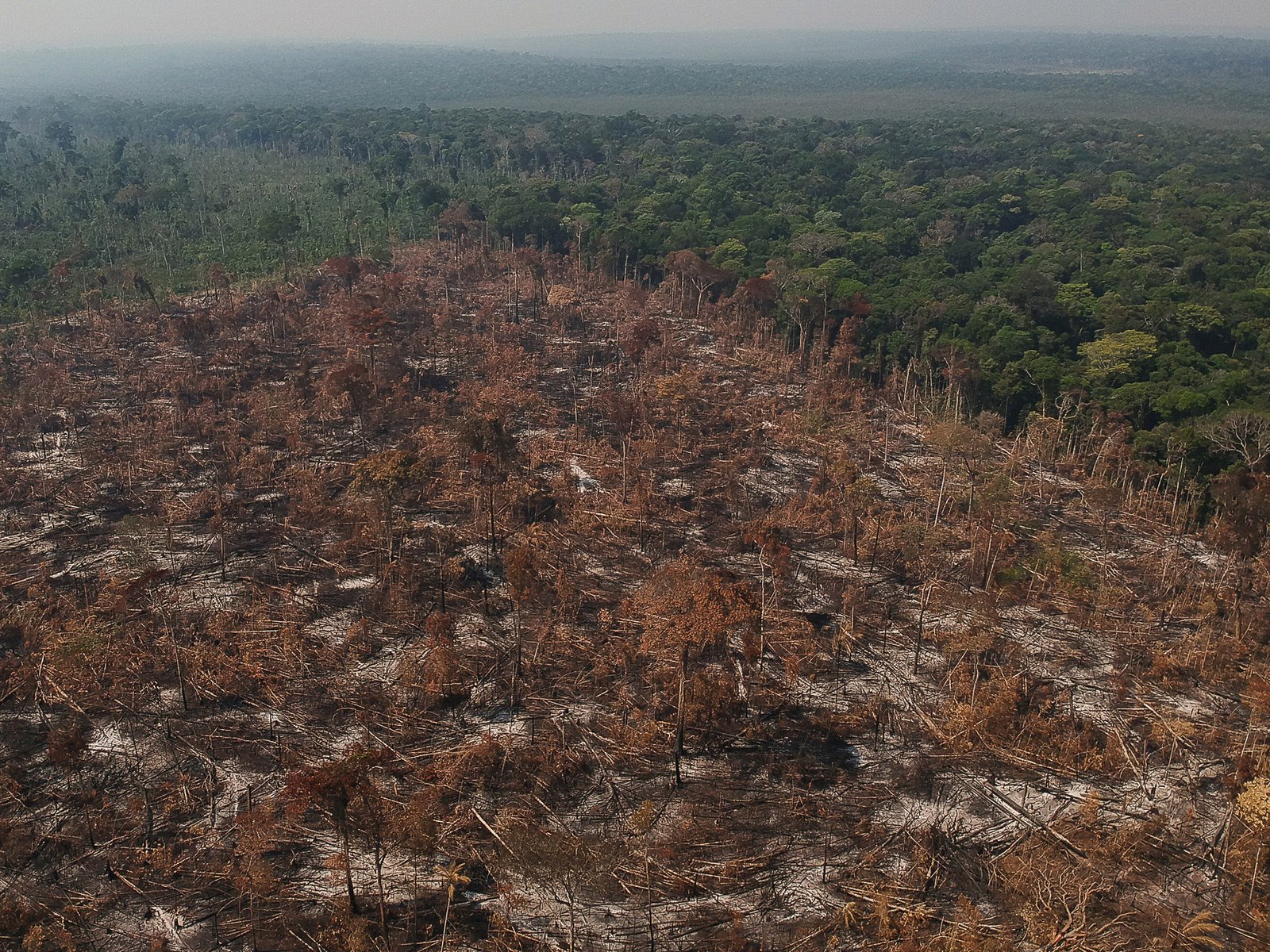
Every year, millions of trees are cut down for cattle ranching, soy farming, and illegal logging. This deforestation doesn’t just destroy wildlife habitat—it rips holes in the Amazon’s ability to generate rain. With fewer trees, there’s less transpiration, less moisture in the air, and less rainfall. The impacts can be seen in real time: parts of the Amazon are experiencing longer dry seasons and more frequent droughts than ever before. What’s happening in the forest doesn’t stay in the forest.
The Role of Fire: When the Forest Burns, the World Dries Out
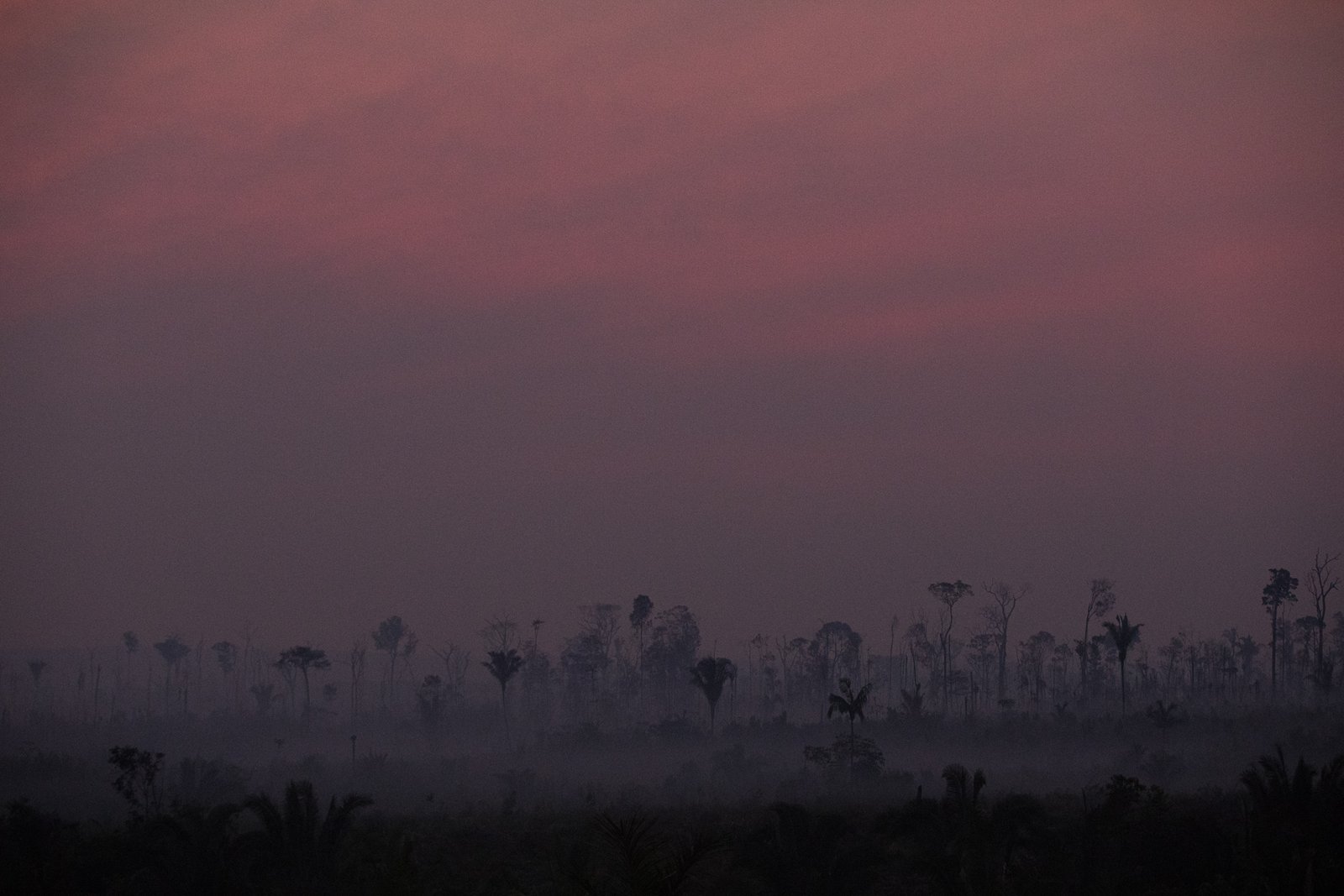
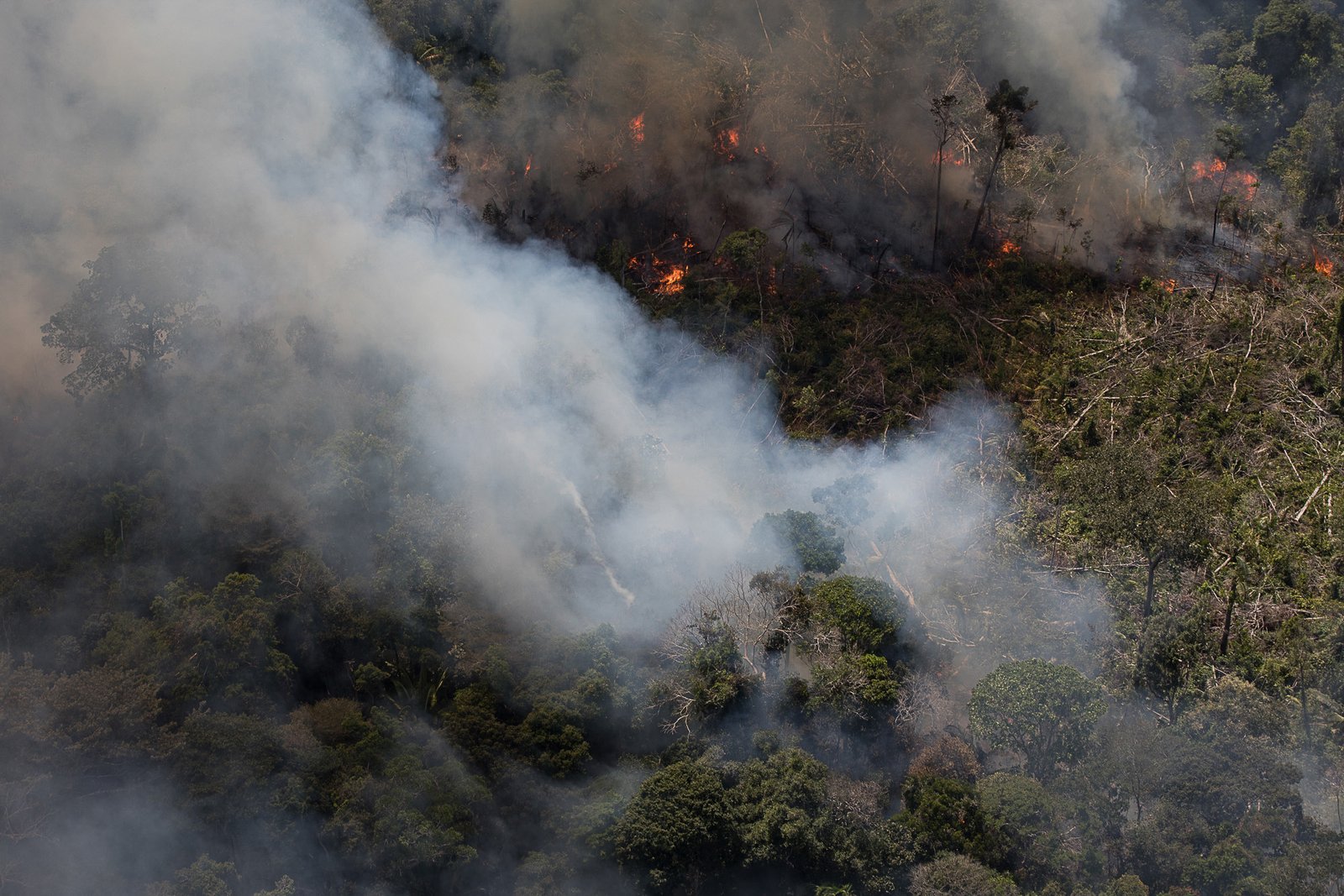
In recent years, wildfires—often set deliberately to clear land—have raged through parts of the Amazon. These fires release massive amounts of carbon dioxide and send plumes of smoke billowing across the continent. But they also destroy the very trees that regulate rainfall. When the Amazon burns, it loses its power to make rain, both for itself and for the world. The more it burns, the closer we come to a point of no return.
Climate Change: Turning Up the Heat on the Amazon
Rising global temperatures are making the Amazon hotter and drier. As the world warms, the forest’s dry seasons grow longer and more intense, stressing trees and making them more vulnerable to disease, fire, and dieback. Climate change acts like a slow poison, weakening the Amazon’s resilience and pushing it toward collapse. The forest is fighting a battle on two fronts: human destruction from within, and climate pressure from without.
The Rainfall Domino Effect: Droughts and Food Insecurity
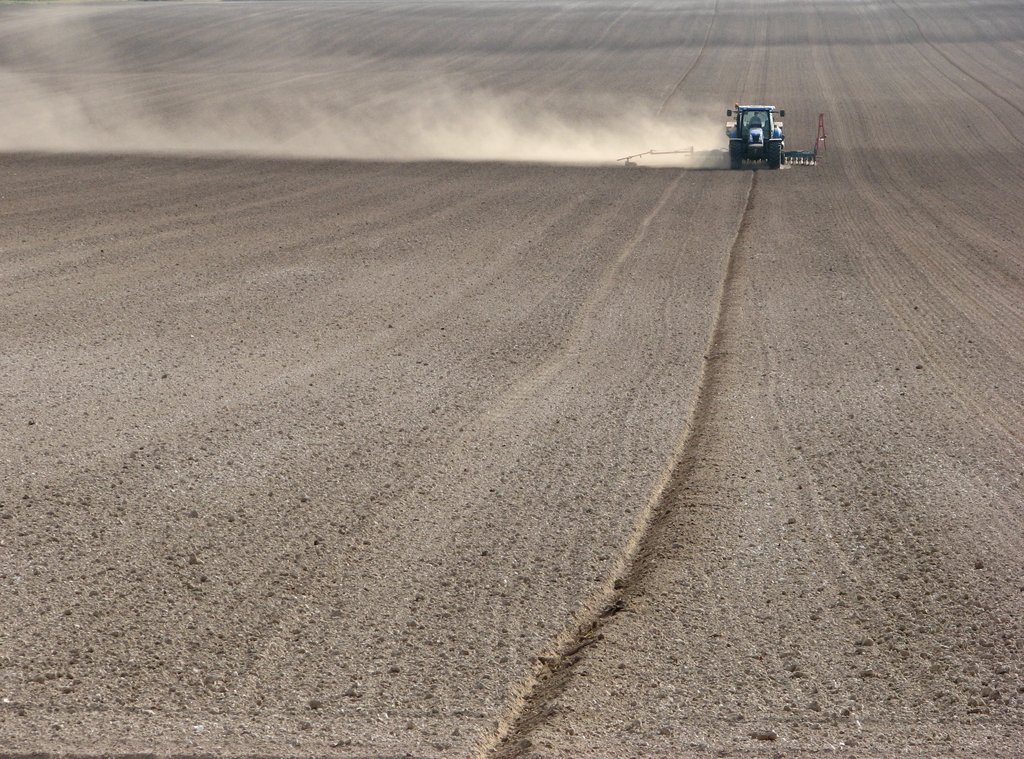
The Amazon’s collapse wouldn’t just be an environmental disaster—it would trigger a domino effect of droughts, crop failures, and food shortages. As rainfall patterns shift, areas that rely on Amazon-fed rains could face devastating dry spells. Farmers might find their fields parched and their harvests shrinking. Rivers could dwindle, threatening drinking water supplies for millions. The human cost would be enormous, spreading hunger and hardship far beyond the forest’s borders.
Impact on Urban Life: Cities at Risk

Cities across South America, including megacities like São Paulo and Lima, depend on the Amazon’s moisture to fill their reservoirs and keep their taps flowing. As the forest’s rainfall engine sputters, these urban centers could face severe water shortages. Imagine a city of 20 million people running dry—suddenly, the Amazon’s fate feels very personal. Urban planners and governments are already sounding the alarm, warning that water crises could become the “new normal” if the forest collapses.
Biodiversity in Peril: Losing More Than Trees
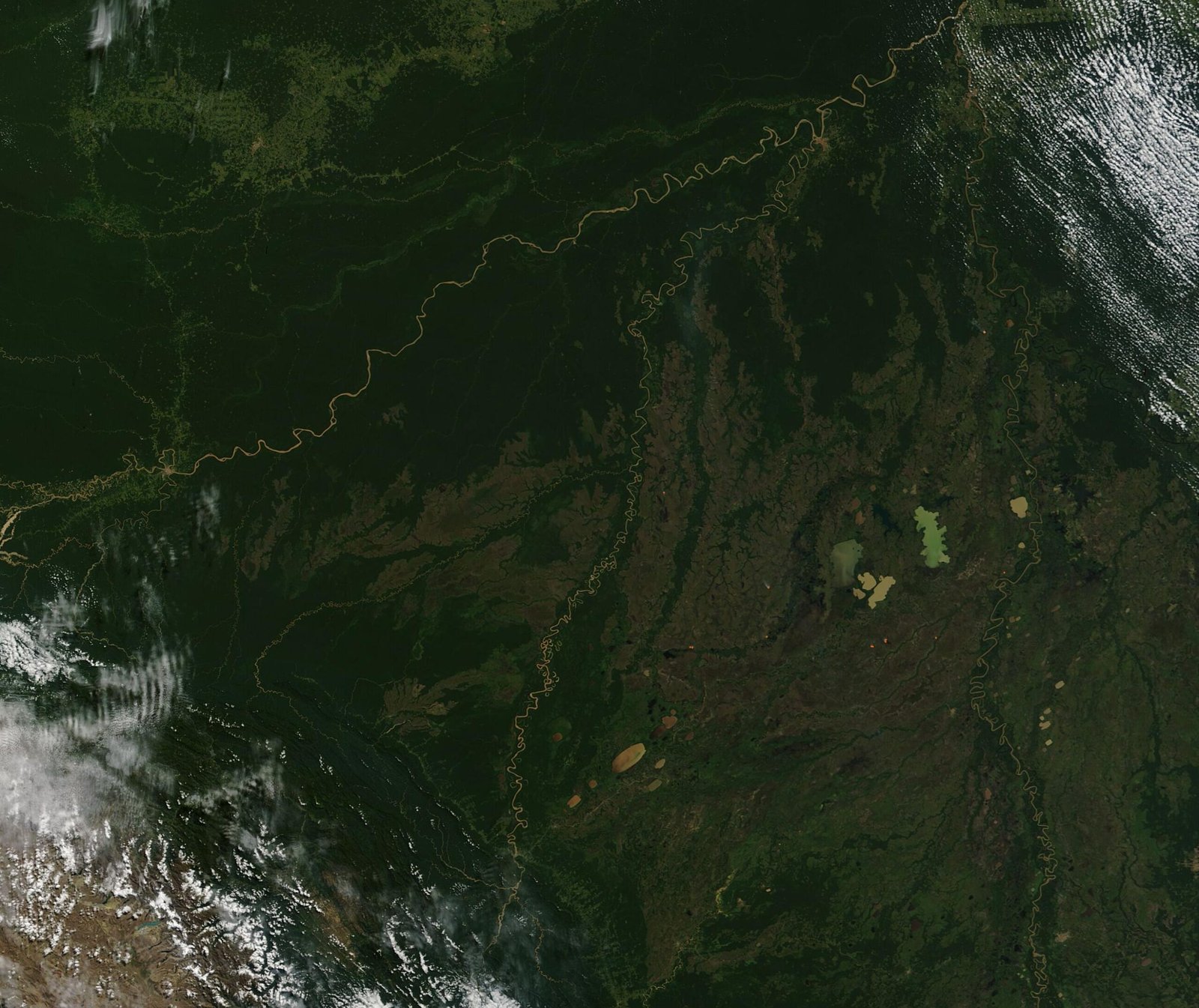
The Amazon is home to one in ten known species on Earth. If the forest collapses, countless animals and plants would be pushed to extinction. Jaguars, howler monkeys, poison dart frogs, and rare orchids could vanish forever. But the loss isn’t just about wildlife—it’s about losing potential cures for diseases, sources of food, and irreplaceable genetic treasures. The forest’s collapse would be a blow to science, medicine, and our sense of wonder.
The Carbon Sink Effect—Or the Carbon Bomb?
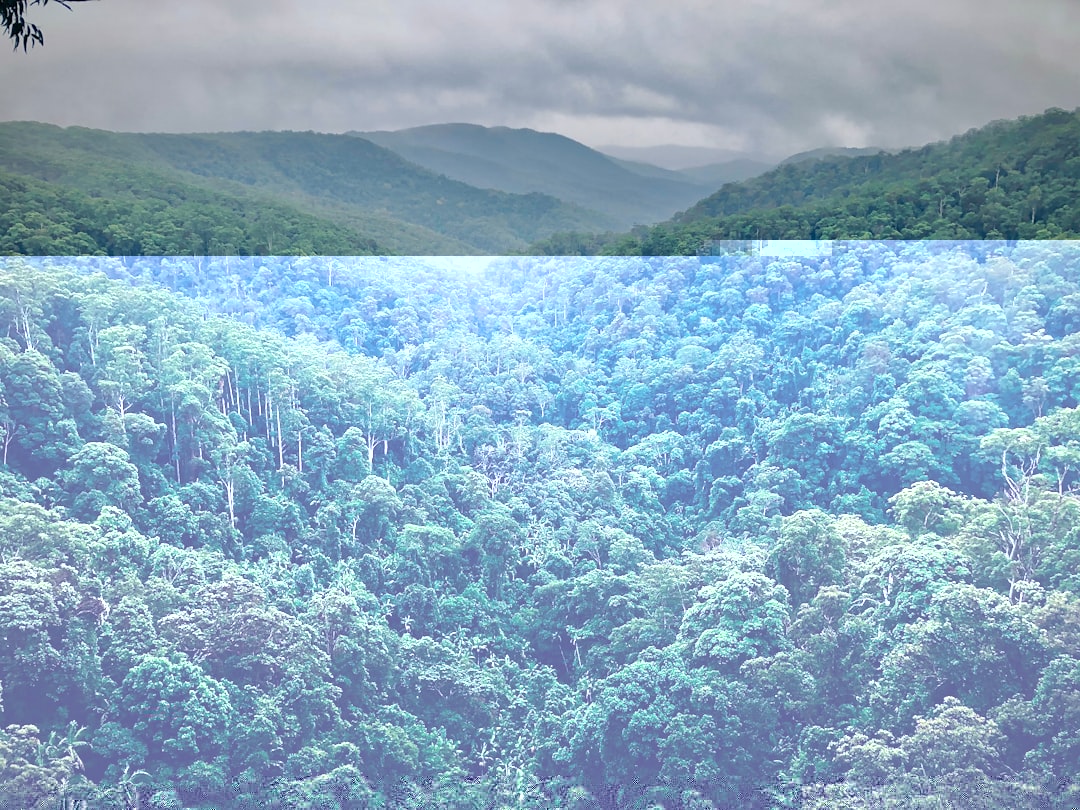
For centuries, the Amazon has acted as a giant carbon sink, absorbing billions of tons of carbon dioxide and slowing the pace of global warming. But if the forest dies, it could flip from being a carbon sink to a carbon source. The trees would release their stored carbon as they decompose, pumping even more greenhouse gases into the atmosphere. This “carbon bomb” could accelerate climate change and make it harder than ever to keep global temperatures in check.
Weather Extremes: From Floods to Droughts
Without the Amazon’s steadying influence, weather patterns across the globe could become more extreme and unpredictable. South America might see longer, harsher droughts, while other regions could be hit by storms and floods. The loss of predictable rainfall would make it harder for farmers, city planners, and entire industries to adapt. The world’s weather would become a roll of the dice—dangerous and uncertain.
Human Health: Breathing Easier or Harder?
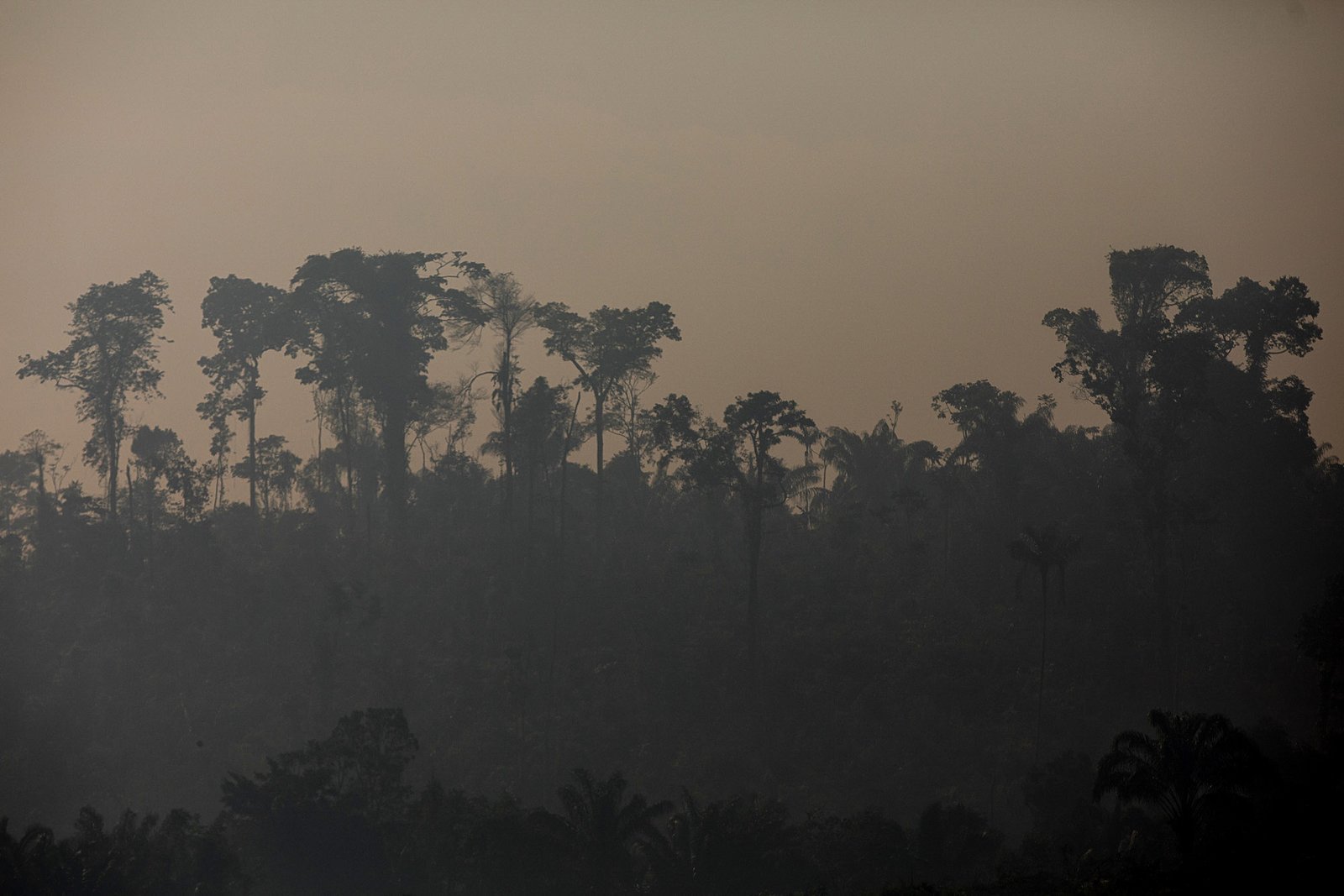
The Amazon doesn’t just make rain; it also cleans the air. Its trees filter pollutants and release oxygen, helping cities far away breathe a little easier. If the forest collapses, air quality could decline, leading to more respiratory problems and health crises. The smoke from burning forests already chokes cities and towns across the region, causing spikes in asthma and other illnesses. Our health is more closely tied to the Amazon than we might think.
Indigenous Communities: Defenders on the Front Lines
Millions of Indigenous people call the Amazon home. They are the forest’s original guardians, relying on its bounty for food, medicine, and cultural survival. As the Amazon faces collapse, Indigenous communities are fighting to protect their land and way of life. Their knowledge and stewardship could be key to saving the forest. Yet they are often ignored or pushed aside in the rush for profit. Their struggle is a reminder that the Amazon’s fate isn’t just a scientific issue—it’s a deeply human one.
Economic Costs: The Price of Losing the Amazon
The economic fallout from an Amazon collapse would be staggering. The forest provides billions of dollars in ecosystem services—from water regulation to climate stabilization—that we often take for granted. Industries from agriculture to energy would suffer as rainfall patterns shift and water supplies dwindle. Insurance costs could skyrocket as floods and droughts become more common. The true cost of losing the Amazon would be felt in wallets and bank accounts around the world.
Restoration and Hope: Can the Amazon Be Saved?
Despite all these threats, there is still hope. Reforestation projects, sustainable farming practices, and Indigenous-led conservation efforts are showing real results. Scientists are racing against time to map the forest’s most critical areas and develop strategies to keep it standing. The Amazon has an incredible ability to recover—if we give it the chance. Restoring lost forest and protecting what remains could help tip the balance back in favor of rain, resilience, and life.
What Can You Do? The Power of Individual Action

It’s easy to feel helpless in the face of something as vast as the Amazon, but every action counts. Supporting organizations that protect the forest, choosing products that don’t drive deforestation, and raising your voice for stronger environmental policies can all make a difference. Even sharing knowledge—like what you’ve learned here—helps build the momentum needed to save this living wonder. The Amazon’s future depends on choices made by people everywhere, not just those who live beneath its canopy.
The Amazon’s Fate Is Our Fate
The Amazon’s collapse isn’t just an environmental crisis—it’s a global emergency that touches every aspect of life, from the food on our plates to the air we breathe. Its power to shape rainfall and climate connects us all, whether we live in the shadow of its giant trees or thousands of miles away. If we lose the Amazon, we lose a vital piece of Earth’s heart and soul. Can we really afford to let that happen?