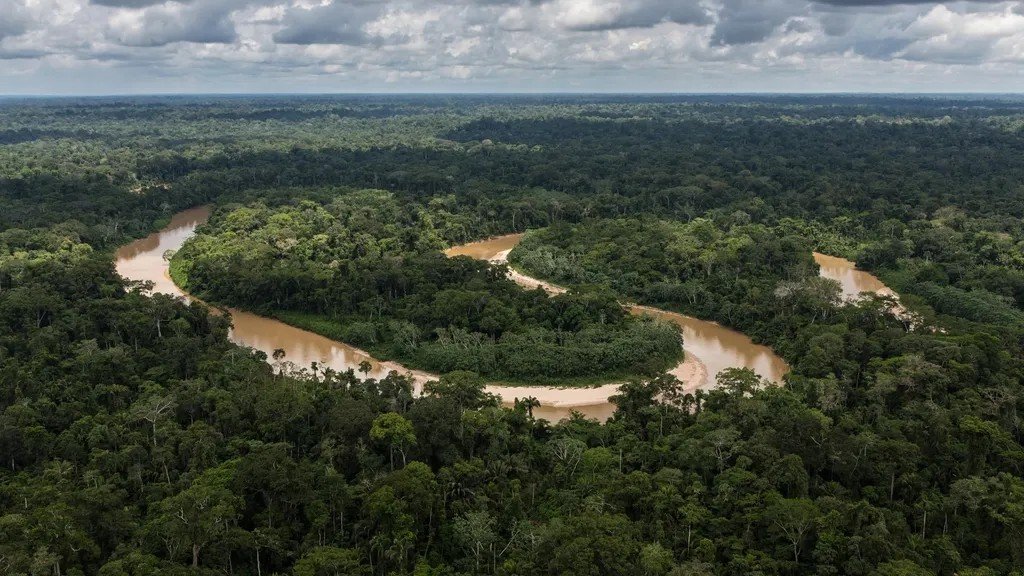

The idea that the Amazon rainforest once held sprawling cities used to sound like fantasy or wishful thinking. For decades, schoolbooks painted the region as a wild, untouched jungle where only small, scattered groups could survive. Now, as laser technology slices through the canopy from far above, that old picture is starting to fall apart in spectacular fashion.
In the last few years, researchers have begun to uncover evidence of planned urban landscapes, massive earthworks, and intricate road systems stretching for miles. It’s like discovering that a supposedly unpaved, remote village was once a major capital city with avenues, plazas, and suburbs. The forest we thought was empty turns out to be layered with memories, and every new scan seems to whisper that we’ve drastically underestimated the people who lived there long before us.
A Hidden World Revealed by Lasers in the Sky
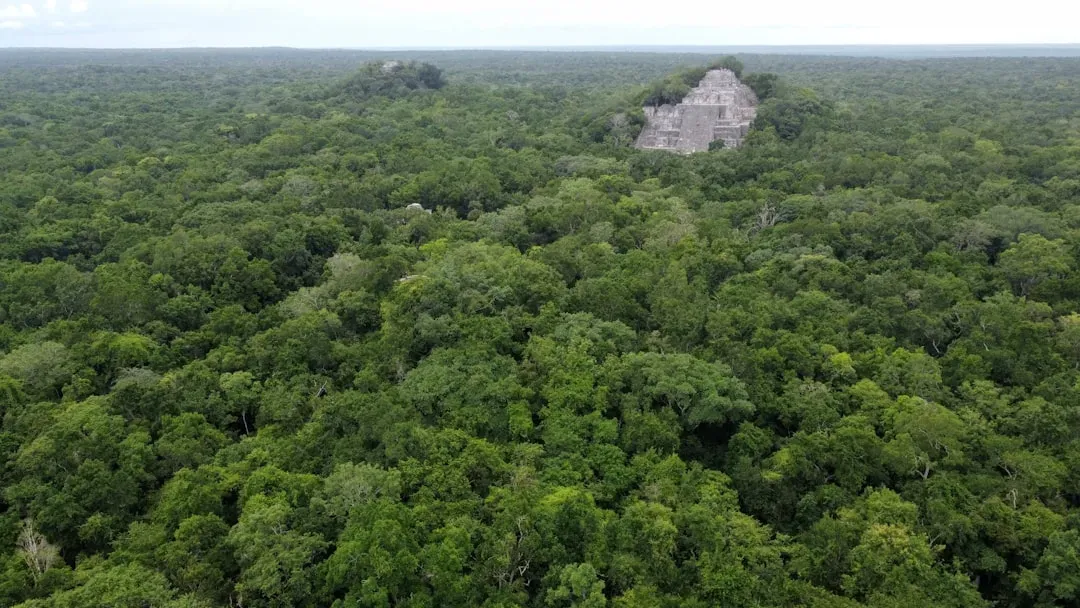
Imagine flying in a plane over endless green, then stripping away the trees with a digital eraser and suddenly seeing entire cities appear underneath. That’s essentially what lidar technology is doing in the Amazon. Lidar uses laser pulses fired from aircraft to measure the distance to the ground, creating a detailed 3D model of the landscape, even through dense vegetation. What looked like random jungle becomes a map filled with straight lines, terraces, platforms, and geometric patterns that nature simply doesn’t make on its own.
This is how researchers have recently identified vast settlement networks in places like Bolivia and Ecuador that nobody knew existed at this scale. Instead of isolated villages, we now see urban layouts with central plazas, causeways, and carefully arranged buildings. A forest that once seemed like an ocean of green is now revealing itself as a palimpsest, where human stories are faint but still legible beneath the trees. It’s the archaeological equivalent of switching on the lights in a dark room and realizing you’ve been standing in a cathedral.
Ancient Cities Where “Only Jungle” Was Supposed to Exist
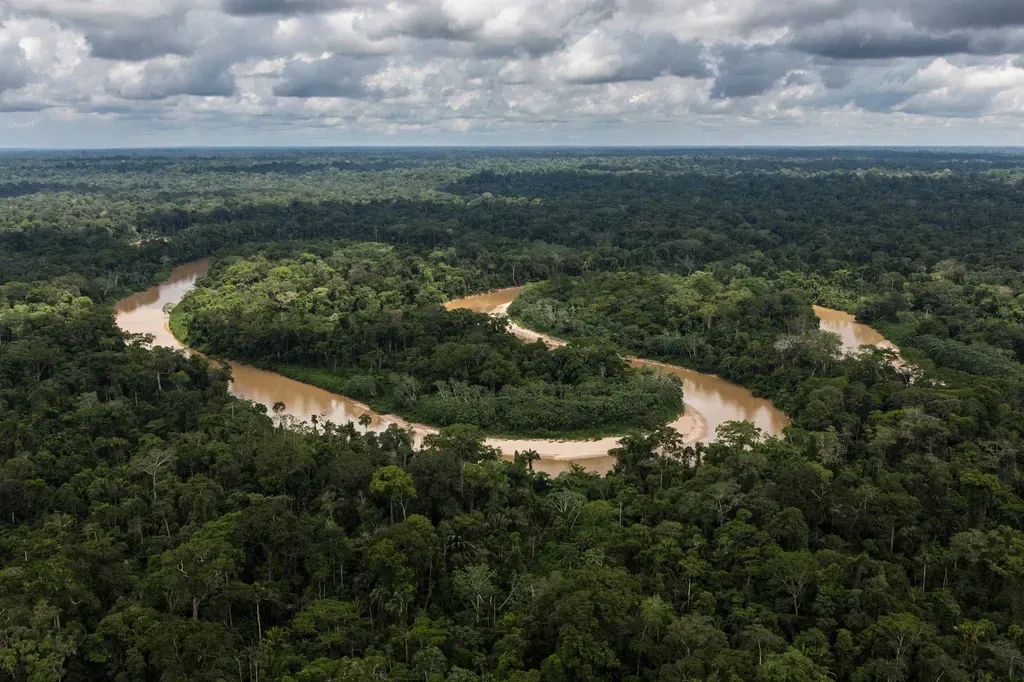
For much of the twentieth century, the dominant belief was that the Amazon’s poor soils and harsh climate could not support large, permanent populations. Archaeologists were taught that, at most, there might have been small, mobile communities living lightly on the land. That assumption shaped where people looked, how they interpreted ruins, and even what questions they bothered to ask. If you start from the idea that cities are impossible, you rarely go hunting for them in the first place.
Now, lidar is forcing a rewrite of that narrative. In some regions, researchers have mapped large, planned settlements connected by straight roads extending for miles, like an ancient highway system hidden under vines and roots. These settlements show evidence of social organization, long-term planning, and complex engineering. The surprise isn’t just that cities existed; it’s that they seem to have formed interconnected networks, more like a constellation than a few isolated stars. The Amazon is turning out to be less of a blank space on the map and more of a lost chapter in urban history.
Engineered Landscapes: Roads, Canals, and Raised Fields
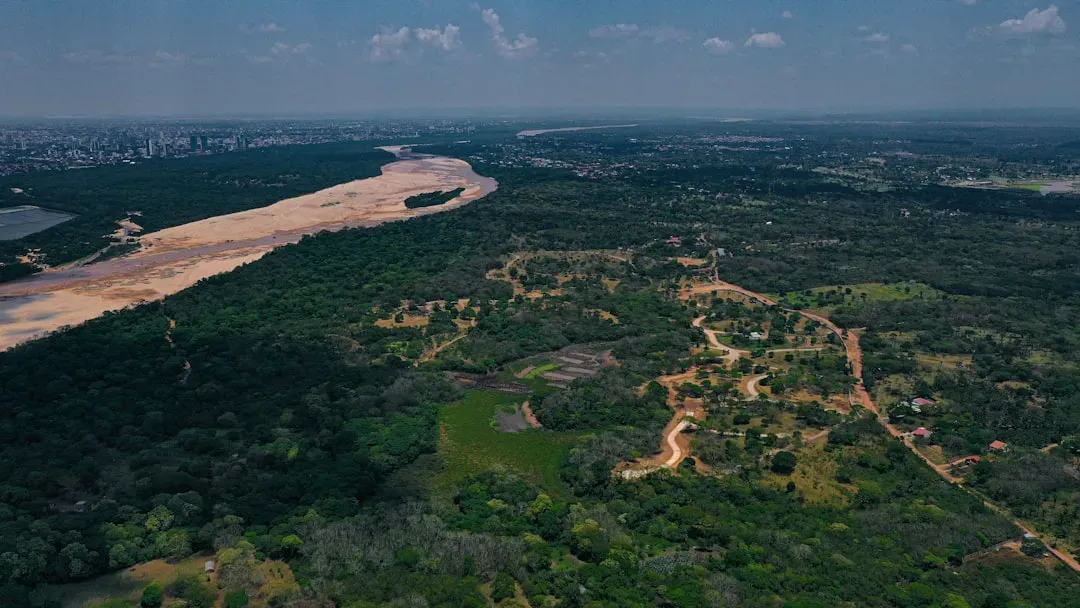
One of the most striking discoveries is that parts of the Amazon look less like untouched wilderness and more like a deliberately engineered garden when you strip away the trees. Archaeologists have found long, straight causeways raised above seasonal floodwaters, linking settlements across challenging terrain. These are not faint trails; they are broad, carefully built roads that would have taken years of coordinated labor. Some connect major centers, while others branch off to smaller sites, suggesting a tiered system of hubs and satellites.
Alongside the roads, researchers have mapped canals, ditches, and large raised agricultural fields. In flood-prone areas, people lifted their crops above the water and used canals to manage fish and soil nutrients, turning seasonal chaos into a predictable food system. It’s like discovering that what looked like a wild swamp was once a carefully managed farm and transportation grid. The more we look, the more it seems that these societies reshaped their environment with intention, rather than simply enduring it.
Dark Earth and the Secret of Feeding a Forest Civilization
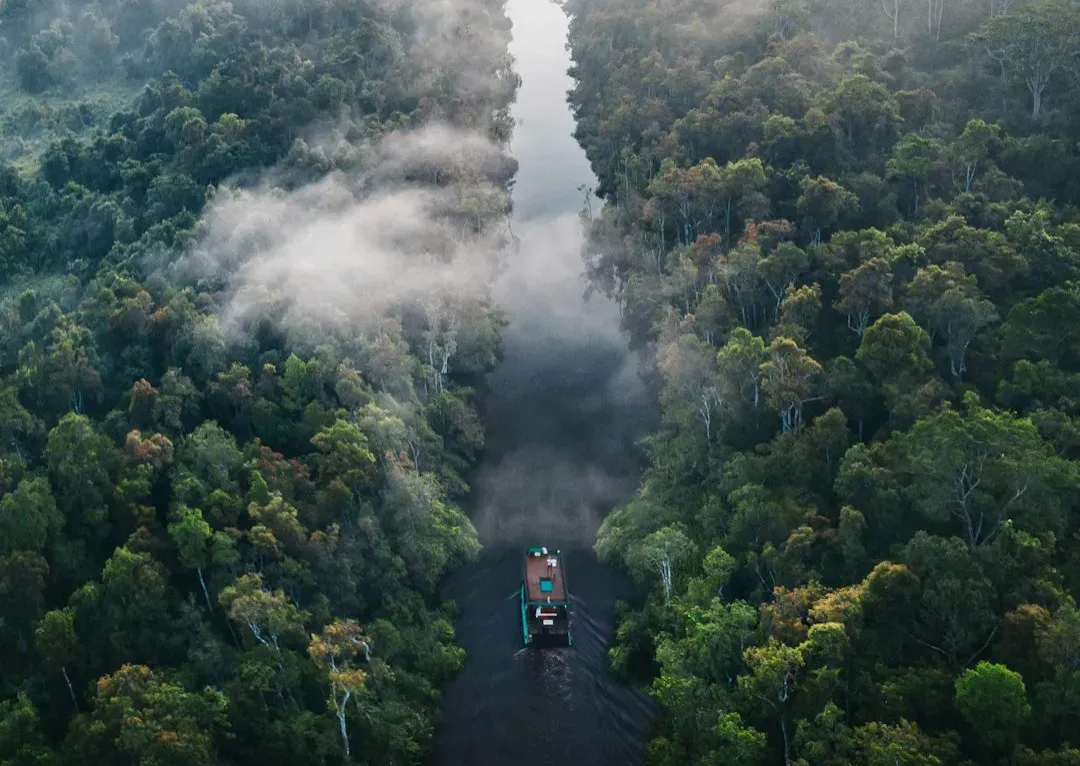
The big question hanging over any ancient city is simple: how did they feed all those people? In the Amazon, this question became even sharper because the natural soils are notoriously poor and easily exhausted. For decades, this was the main argument against the possibility of long-lasting, dense populations. Then researchers began studying patches of unusually fertile soil scattered along rivers and forest edges, known as Amazonian dark earth or terra preta.
These rich, black soils are full of charcoal, bone, and organic waste, and they seem to be the result of long-term human activity rather than natural processes. In other words, people made the soil better, on purpose or as a byproduct of daily life. Terra preta holds onto nutrients and supports farming far more effectively than the surrounding land. That changes the equation entirely: if ancient Amazonians could manufacture fertile soil over large areas, they had a powerful tool for sustaining bigger communities and more complex economies than previously imagined.
Rethinking “Pristine” Wilderness and Indigenous Ingenuity
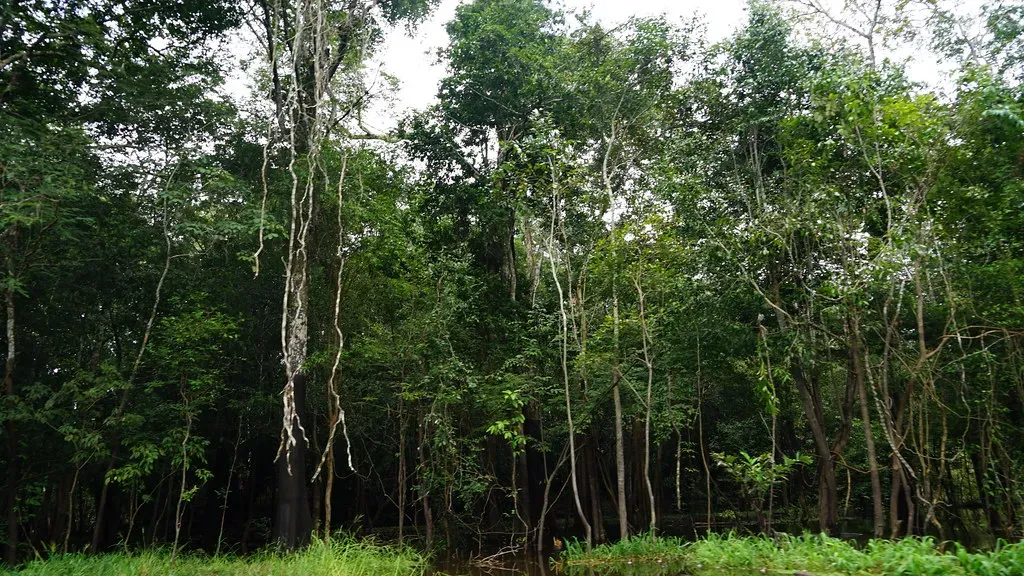
The romantic image of the Amazon as a raw, untouched wilderness has always been comforting for people far away. It made the forest feel like a timeless, separate world, existing outside of human history. The new wave of discoveries shows something more complicated and, honestly, more interesting: the Amazon was not a museum piece; it was a humanized landscape. Indigenous societies shaped it, managed it, and lived in close relationship with it for centuries, long before modern borders or conservation maps existed.
That doesn’t mean the rainforest is less valuable or less wild, but it does mean our definitions need to evolve. Instead of seeing humans as a destructive force that appears late in the story, we have to recognize that Indigenous stewardship and innovation helped create the biodiversity we now want to protect. Forest patches full of useful fruit trees, carefully chosen and encouraged over generations, start to look less like accidents and more like the echoes of ancient planning. The idea that the healthiest forest might be, in part, a cultural legacy is quietly revolutionary.
Why These Cities Stayed Hidden for So Long

It’s tempting to ask how we missed entire urban networks under our noses for so many years. Part of the answer is simply practical: dense rainforest is brutal terrain for archaeology. Visibility on the ground can shrink to just a few meters, and thick roots and vines hide subtle mounds and ditches. You can walk right over a buried platform or plaza and never realize it. Traditional survey methods are like trying to read a book with only a flashlight and half the pages glued together.
Another part of the answer is more uncomfortable: expectations shape perception. Many researchers were trained to believe the Amazon could not host big cities, so ambiguous signs of complexity were often interpreted as minor or localized. On top of that, centuries of disease, colonization, and displacement shattered Indigenous populations and knowledge systems, cutting off direct continuity with many ancient sites. When the people who built, named, and remembered these places were removed or killed, the forest slowly erased the rest. Lidar is now acting as a kind of technological memory, but it’s arriving after an enormous human loss.
What These Discoveries Mean for the Future of the Amazon
The revelation of hidden cities isn’t just a cool historical twist; it has real consequences for how we treat the rainforest today. If the Amazon is layered with ancient roads, canals, and settlements, then clearing land for ranching or mining is not only destroying ecosystems but also erasing irreplaceable cultural heritage. What looks like “empty” land on a satellite image may actually be an unexcavated archive of human ingenuity. Protecting these regions becomes about safeguarding both biodiversity and memory at the same time.
It also underlines how essential Indigenous communities are to any serious conservation strategy. The descendants of the people who built and managed these landscapes still hold knowledge, stories, and practices that can guide modern choices. Listening to them is not a courtesy; it’s a necessity if we want policies grounded in deep experience rather than short-term profit. As more lidar surveys roll out and new hidden sites come to light, we’re not just filling in blank spots on the map. We’re being asked to decide what kind of relationship we want with a forest that has never truly been empty and never truly been separate from us.