The sight of the Amazon rainforest ablaze is nothing short of gut-wrenching. For many, it feels almost unthinkable that the world’s largest tropical forest—often called the “lungs of the planet”—can be so vulnerable. Yet, every dry season, photographs emerge of billowing smoke, scorched earth, and animals fleeing the flames. The truth, however, is far more shocking than a simple story of wildfires; these infernos are not just a product of nature. There’s a much deeper, human-driven story smoldering beneath the canopy, one that links global appetites, political decisions, and even the fate of our climate. What’s really behind the Amazon fires? Let’s pull back the leafy curtain and expose the roots of this crisis.
The Natural Rhythm of the Rainforest
For centuries, the Amazon has experienced occasional fires, but these were rare and usually sparked by lightning in particularly dry years. The rainforest, with its dense, humid canopy, simply isn’t built to burn. Plants here contain so much moisture that fires struggle to take hold naturally. In fact, many native species have no adaptations for fire survival, unlike their cousins in drier forests elsewhere. When flames do break out, they’re often small and quickly extinguished by rain or the sheer humidity. So when we see vast swathes of Amazonian forest going up in smoke, it’s a red flag that something unnatural is at play.
Human Hands Igniting the Flames
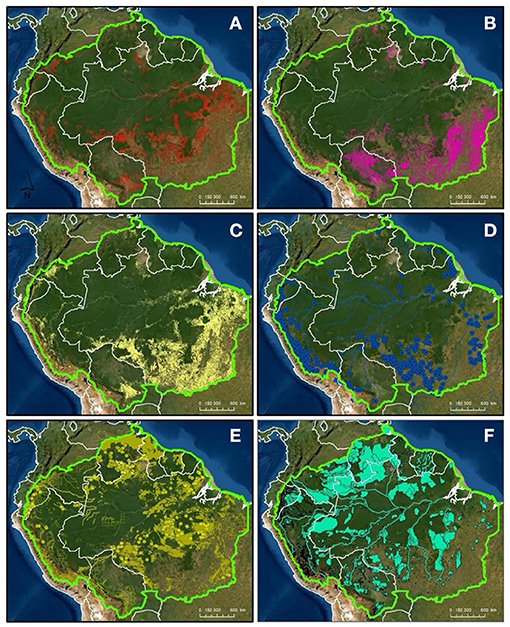
The vast majority of today’s Amazon fires are set by people, not lightning. Farmers, ranchers, and land speculators regularly use fire as a cheap and easy way to clear land for crops or pasture. This practice, known as “slash-and-burn,” leaves behind a patchwork of charred earth that’s ready for planting or grazing. And while this might sound efficient, it’s a disaster for the forest’s complex ecosystem. Human-ignited fires are usually larger, more intense, and harder to control than any natural blaze. The intentional burning transforms a vibrant, living system into a landscape of ash, often with devastating consequences.
Deforestation: The Underlying Engine
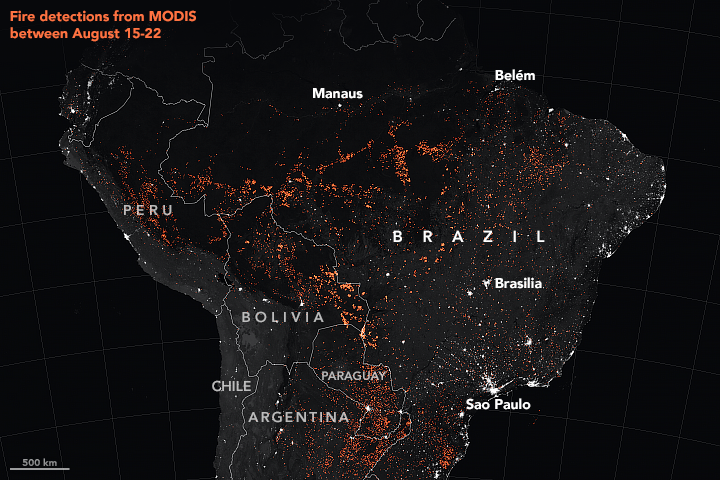
At the heart of the Amazon fire crisis lies deforestation. Trees are cut down for timber or cleared to make way for agriculture—mainly cattle ranching and soybean plantations. Once the valuable wood is removed, the leftover vegetation is torched. This cycle repeats, year after year, nibbling away at the forest’s edges and slicing deep scars into its heart. Between 2001 and 2024, more than 400,000 square kilometers of Amazon forest have vanished. Each cleared patch is a fresh invitation for fire, making the region more flammable with every passing season.
Global Demand for Beef and Soy
What’s driving all this land clearing? Look no further than dinner plates around the world. Brazil is one of the world’s top exporters of beef and soybeans, much of which ends up in Europe, China, and even the United States. Ranchers set fires to convert forest to pasture, while large agribusinesses want fields for soy, often used as animal feed. The link is direct: higher demand abroad means more incentive to clear forest at home. Every juicy burger or carton of eggs can trace a hidden line back to Amazonian flames, making consumers everywhere unwitting participants in this unfolding drama.
Political Winds Fan the Flames
In recent years, political shifts in Brazil have played a dramatic role in the Amazon’s fate. Under certain administrations, environmental protections have been weakened, and enforcement agencies gutted. Politicians eager to promote economic growth have sometimes turned a blind eye to illegal land clearing, or even encouraged it in the name of development. This political climate creates an atmosphere of impunity, where those who profit from destruction feel emboldened. The result? More fires, less oversight, and a rainforest increasingly at risk.
Climate Change: A Dangerous Feedback Loop
The Amazon is not just a victim of climate change—it’s also part of the equation. When trees burn, they release massive amounts of carbon dioxide, fueling global warming. At the same time, a hotter, drier climate makes the forest more flammable, setting the stage for even worse fires. This dangerous feedback loop threatens to turn the Amazon from a carbon sink into a carbon source. Scientists warn that if enough forest is lost, the entire ecosystem could collapse, releasing billions of tons of greenhouse gases and speeding up climate change worldwide.
Illegal Logging and Land Grabbing
Not all Amazon fires are about cattle and soy. Illegal loggers often invade protected areas and Indigenous lands, cutting down valuable hardwoods and leaving behind dry scraps that are easily ignited. Land grabbers—known as “grileiros”—forge documents and burn forest to claim ownership, hoping to sell the land later for profit. These activities are difficult to police in the remote, sprawling Amazon, and enforcement is often hampered by corruption or lack of resources. The result is a chaotic, lawless landscape where fire is just another weapon in the battle for control.
Impact on Indigenous Peoples

The Amazon is home to hundreds of Indigenous groups who have lived in harmony with the forest for generations. Fires threaten not only their homes and food sources, but their entire way of life. Many Indigenous communities have become frontline defenders, risking their lives to fight illegal burning and protect their ancestral territories. Their knowledge of the forest is vast, but even they struggle to keep up with the scale of destruction. The loss of the Amazon is not just an environmental tragedy; it’s a human one, erasing cultures and wisdom that have endured for centuries.
Biodiversity in Peril
The Amazon is a treasure trove of life, sheltering one in ten known species on Earth. Jaguars, macaws, poison dart frogs—the list is endless. When fires sweep through, entire habitats are destroyed in hours. Some species, like the tiny golden lion tamarin, are already teetering on the edge of extinction. Scientists estimate that thousands of plants and animals could disappear before they’re even discovered. The loss of biodiversity isn’t just sad; it also weakens the entire ecosystem, making it harder for the forest to recover and adapt.
Smoke and Health Risks
It’s not just trees and animals that suffer when the Amazon burns—people do too. Smoke from fires can travel hundreds or even thousands of miles, creating toxic haze over cities and villages. Respiratory problems, eye irritation, and heart conditions spike during fire season, especially among children and the elderly. Hospitals in the Amazon basin often fill with patients struggling to breathe. The health impacts linger long after the smoke clears, a silent reminder of the damage wrought by every blaze.
Water Cycles and Rain Patterns

The Amazon doesn’t just soak up carbon; it also acts like a giant pump, recycling water through its endless leaves and branches. Trees release moisture into the air, helping to create rain clouds that water crops and cities far beyond the forest. When fires destroy these trees, the entire water cycle is disrupted. Less rain falls, rivers shrink, and droughts become more frequent—even in places as far away as São Paulo or Buenos Aires. The Amazon’s fires don’t just change the forest; they change the weather for millions.
Economic Pressures and Poverty
Many of those who set fires in the Amazon do so out of desperation, not malice. Small-scale farmers, or “colonos,” often have few alternatives for making a living. Land is their lifeline, and clearing it by fire is the cheapest option. Without access to credit, education, or sustainable farming techniques, they’re trapped in a cycle that harms both the forest and their own future. Addressing the Amazon’s crisis means tackling poverty and inequality, offering people real opportunities so they aren’t forced to choose between survival and destruction.
Weak Enforcement and Corruption
Laws to protect the Amazon exist on paper, but enforcement is often another story. Underfunded agencies struggle to patrol vast territories, and corruption can undermine even the best intentions. Fines go unpaid, illegal operations are overlooked, and whistleblowers face threats or violence. The rule of law is fragile in many parts of the Amazon, allowing those who profit from fire and deforestation to operate with little fear of consequences. Real change will require not just new policies, but a renewed commitment to transparency and justice.
Technology: A Double-Edged Sword
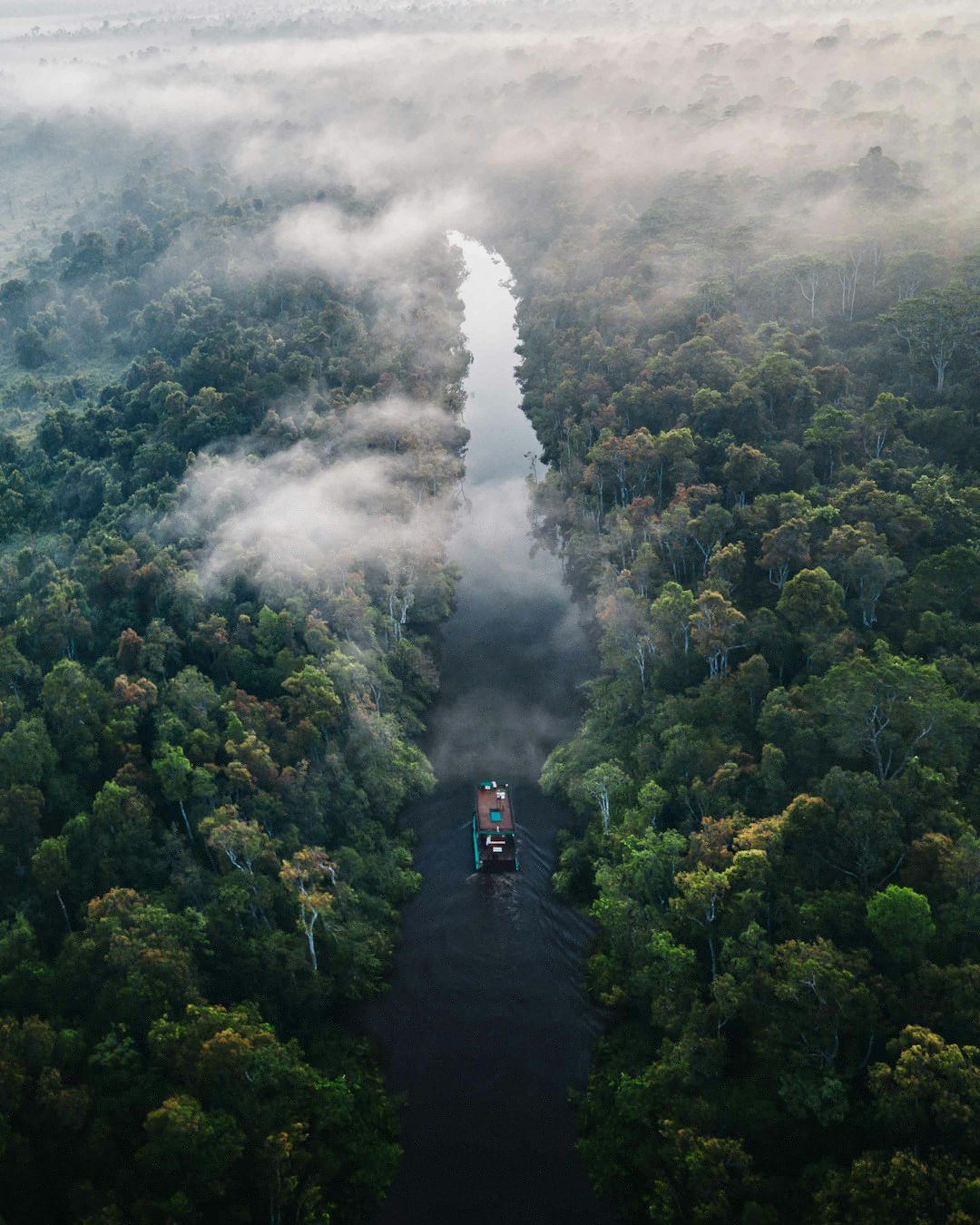
Modern technology is both a blessing and a curse in the fight for the Amazon. Satellites track fires in real time, providing crucial data to scientists and policymakers. Drones and smartphones help Indigenous communities document illegal activity. But technology also enables destruction: bulldozers, chainsaws, and GPS mapping make it easier to clear and claim land. The challenge lies in harnessing innovation for protection, not profit, and ensuring that those fighting for the forest have access to the best tools available.
International Attention and Pressure
The world has watched the Amazon burn with a mix of horror and outrage. International campaigns, celebrity endorsements, and political pressure have sometimes led to policy changes or increased funding for conservation. Trade agreements now include environmental clauses, and some countries have threatened to boycott products linked to deforestation. This global spotlight can be powerful, but it must be sustained and matched by real action on the ground. The Amazon’s fate is not just Brazil’s problem—it belongs to all of us.
Local Heroes: Guardians of the Forest
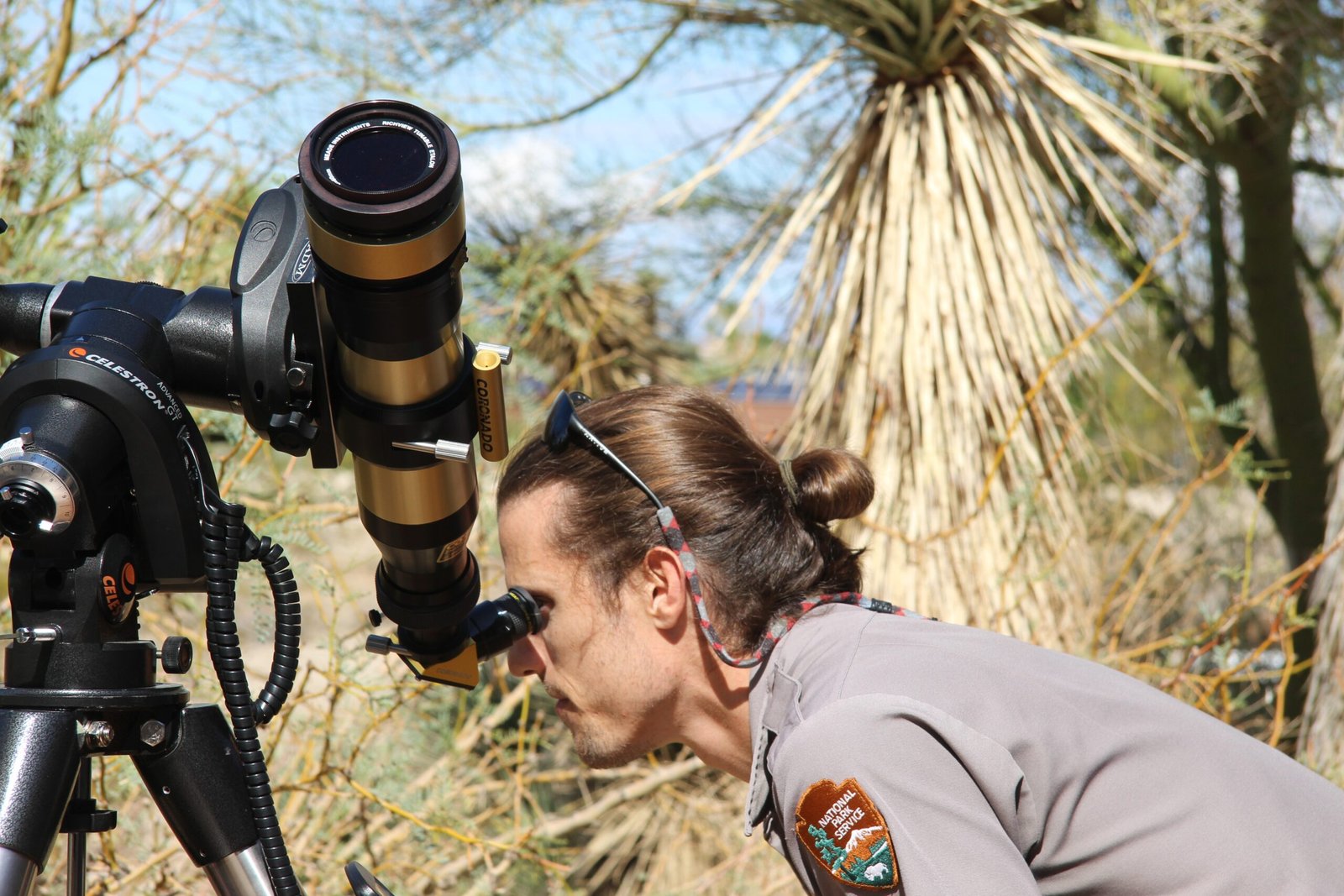
Amid the gloom, there are stories of hope and courage. Indigenous rangers, scientists, and local activists risk everything to protect their lands from fire and invasion. These “forest guardians” patrol on foot, document crimes, and sometimes confront armed loggers face-to-face. Their efforts have saved millions of acres, showing that determined individuals can make a difference. Supporting these local heroes is one of the most effective ways to ensure a future for the Amazon.
Restoration and Reforestation Efforts
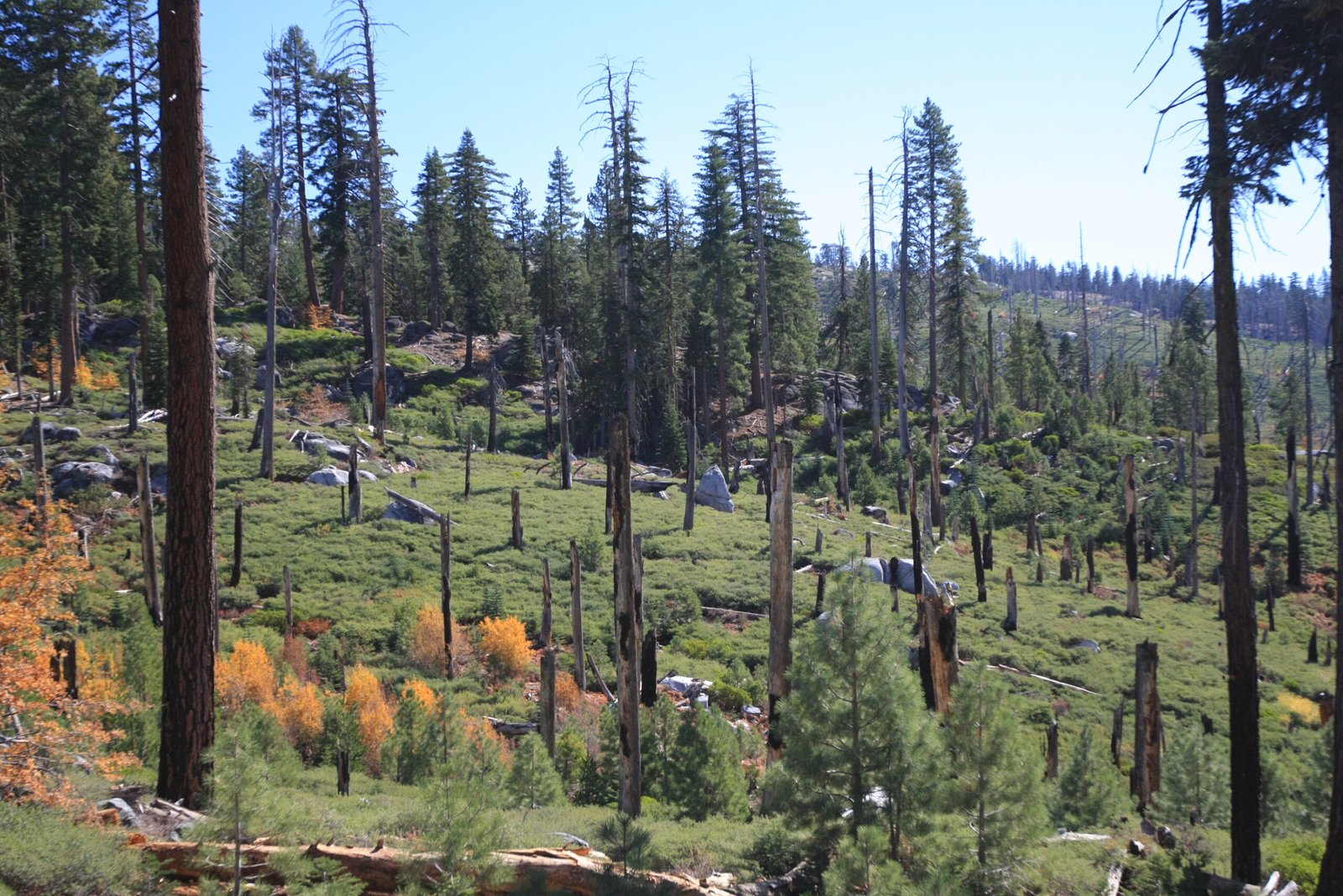
Despite the devastation, the Amazon is resilient. Across the region, projects are underway to restore degraded lands, plant native trees, and bring wildlife back. Reforestation isn’t easy—it takes decades for a new forest to mature—but it’s a vital part of healing the wounds left by fire. These efforts offer a glimmer of hope, proving that with patience and commitment, even the most damaged areas can recover. Success depends on involving local communities and respecting traditional knowledge.
The Role of Science and Research

Scientists play a critical role in understanding and combating the Amazon fire crisis. Through fieldwork, satellite monitoring, and ecological modeling, researchers are uncovering how fires start, spread, and affect the region. Their findings inform policy and help guide reforestation and conservation efforts. But science isn’t just about data—it’s also about storytelling. By sharing the wonders and perils of the Amazon with the world, researchers inspire action and remind us what’s at stake.
Personal Choices Matter
It’s easy to feel powerless in the face of such vast destruction, but individual choices can have ripple effects. Reducing consumption of products linked to deforestation—like beef and soy—sends a message to producers and politicians alike. Supporting organizations that protect rainforests, advocating for stronger environmental laws, and staying informed are all ways to contribute. Change starts with awareness, and every small action helps tip the balance toward a healthier Amazon.
What’s at Stake for the Future
The Amazon’s fires are not just a local tragedy—they’re a global emergency. The outcome will shape not only the fate of countless species and cultures, but the stability of our climate and the well-being of generations to come. The forest is at a tipping point, and what happens next depends on choices made by governments, companies, and ordinary people around the world. Will we let the flames consume one of nature’s greatest wonders, or will we act in time to save it?