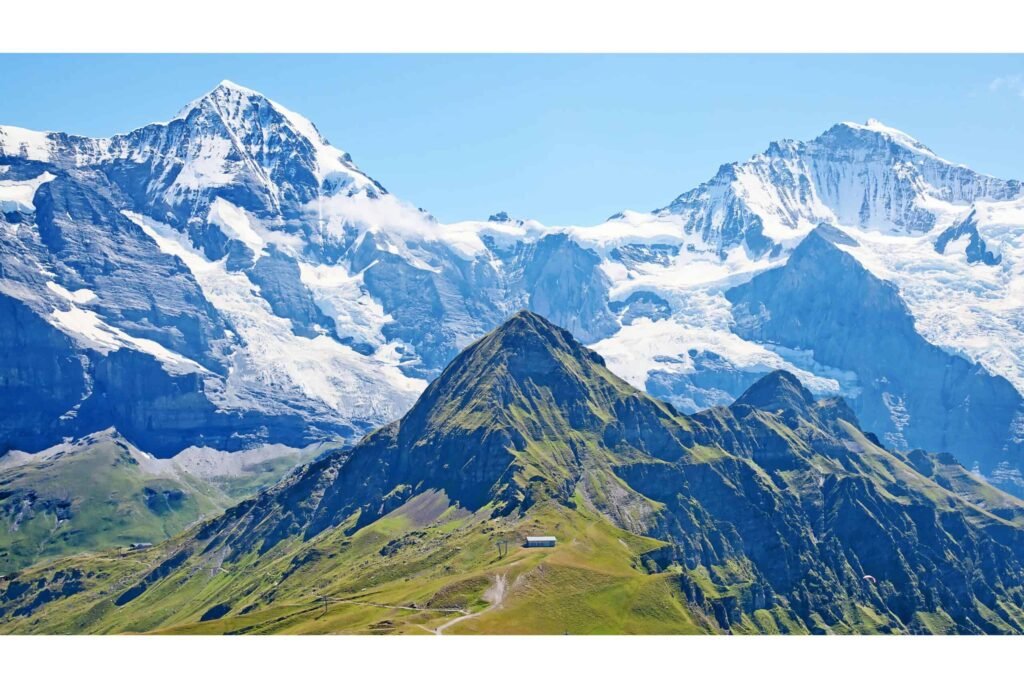

It’s hard to shake the feeling of awe and unease as you watch the mighty Alps—those ancient, snow-capped giants—slowly surrender to warmth. Imagine standing at the edge of a receding glacier, the air thick with history, as objects long buried in ice begin to emerge, startlingly well-preserved. It’s as if the mountains are coughing up their secrets, one chilling artifact at a time. In the race between climate change and archaeology, the Alps have become a macabre time capsule, opening before our very eyes. What exactly is being uncovered? And what do these revelations say about our past, our future, and ourselves? Let’s journey together through these icy tombs and the astonishing, sometimes unsettling, treasures they are surrendering.
A Vanishing Ice Fortress

The Alps have always seemed eternal, their glaciers standing like frozen guardians over Europe. But in recent years, scientists have recorded alarming rates of melting. Each summer, the ice retreats a little further, exposing ground that hasn’t seen the sun in thousands of years. This rapid thaw isn’t just a sign of global warming—it’s a dramatic transformation of the landscape. The glaciers, once impenetrable and mysterious, are now giving up their hidden cargo. For those living in alpine villages, this change is both heartbreaking and eerie, as the very mountains they’ve known their whole lives begin to look unfamiliar.
Frozen in Time: The Discovery of Ancient Bodies

Perhaps the most haunting finds are the human bodies emerging from the ice. When Ötzi the Iceman was found in 1991, preserved for over 5,000 years, it was a global sensation. Now, such discoveries have become almost routine. Hikers, soldiers, and even ancient hunters have been found, their skin, hair, and clothing preserved by centuries of cold. Each body is a time traveler’s message, offering a glimpse into a world so far removed from ours. There’s a strange intimacy in seeing the belongings and faces of people who walked these same paths long before us.
Weapons and Tools of Forgotten Ages

As the glaciers melt, archaeologists have found a treasure trove of ancient weapons and tools. Stone arrowheads, wooden bows, and even leather shoes have emerged from the ice, astonishingly intact. These everyday items tell stories of survival and ingenuity. They reveal how people adapted to the harsh alpine environment, hunting, traveling, and sometimes perishing in the unpredictable weather. The craftsmanship and design often surprise researchers, hinting at a complex culture that thrived in the shadows of these mountains.
Unveiling Prehistoric Animal Remains

It’s not just humans who are reappearing. The thawing ice has brought forth the remains of long-extinct animals—mammoths, ibex, and even ancient dogs. Their fur, bones, and sometimes even stomach contents survive the centuries, frozen snapshots of a lost ecosystem. Examining these animals helps scientists understand the climate and environment of the distant past. It’s a bit like piecing together an ancient puzzle, with each new discovery shedding light on how life once flourished in the icy heights of the Alps.
Lost Artifacts of Alpine Travelers

During the Roman era and the Middle Ages, the Alps were busy trade routes. With the ice receding, archaeologists are finding coins, jewelry, and even wooden sleds left behind by travelers. Some items are mundane, like a shoe or a walking stick; others are more mysterious, like religious amulets or carved figurines. Each artifact provides a snapshot of daily life, reminding us that the Alps were not always as forbidding as they seem today. People crossed these mountains for love, war, trade, and adventure—and sometimes, they never made it to the other side.
Glacial Mummies and Their Secrets

The term “glacial mummy” might sound like something from a horror movie, but it’s a real scientific term for people preserved in ice. These individuals often died in accidents or storms, their bodies quickly buried by snow and glaciers. When the ice lets them go, their clothing and gear can reveal fascinating details. For example, some mummies wore layered clothing made of animal skins and grasses, sophisticated enough to withstand the worst alpine storms. Their lives—and deaths—offer sobering lessons about the dangers and resilience of mountain life.
Ancient Disease and DNA Clues

One of the most surprising aspects of these discoveries is what they can tell us about health and disease. Scientists have extracted ancient DNA from both human and animal remains, sometimes finding evidence of pathogens that plagued early communities. By analyzing the DNA of Ötzi and others, researchers have traced ancient migrations, dietary habits, and even genetic diseases. This frozen genetic archive is helping unravel the deep history of Europe’s people and their struggles against the environment and illness.
Climate Clues Locked in Ice

Every layer of glacier holds a record of past climates—tiny bubbles of air, dust, pollen, and volcanic ash. As glaciers melt, these samples become available for study, revealing not just the history of the Alps, but the story of Earth’s changing climate. Scientists analyze these clues to understand how quickly climate shifts have happened before, and what may be in store for our future. The Alps, it turns out, are like a giant, melting diary of the planet itself.
Religious Relics and Ritual Objects

Among the startling finds are objects clearly meant for rituals or religious purposes. Carved crosses, miniature idols, and offering stones have all been found near ancient passes. These items hint at the spiritual relationship people had with the mountains—perhaps as places of pilgrimage, prayer, or sacrifice. The weather in the Alps can change in an instant, turning serene valleys into deadly traps, so it’s easy to imagine why ancient people might have left offerings to appease the mountain spirits.
Lost Letters and Messages from the Past

Incredibly, letters and written messages have also surfaced from the melting ice. While most paper and parchment disintegrate quickly, a few have survived in the cold, dry conditions. These writings might be simple notes or detailed records of journeys, sometimes scrawled in desperation by travelers lost in a blizzard. Reading these messages is like eavesdropping on the past—hearing, in the words of the long-dead, their hopes, fears, and final thoughts.
The Return of Ancient Pathways

As snow and ice retreat, old trails and roads are reappearing, some of which haven’t been walked in centuries. These paths, once vital for trade, war, and migration, lie etched into the landscape. Archaeologists can study them to map out forgotten routes and settlements, revealing how interconnected ancient Europe really was. Sometimes, hikers stumble upon old stone markers or bridges, connecting today’s footsteps with those of travelers from a thousand years ago.
The Dark Side: Wartime Remnants

The Alps also witnessed some of the most brutal battles of the twentieth century. As glaciers recede, the remnants of World War I and II emerge—helmets, weapons, and even entire bunkers. Some discoveries are grisly, like the remains of soldiers frozen in their last moments. These relics are sobering reminders of conflict and sacrifice, making the mountains not just natural wonders, but silent witnesses to human tragedy.
Artifacts of Lost Civilizations

Long before modern borders, the Alps were home to mysterious cultures whose stories are only now coming to light. Archaeologists are finding pottery, tools, and even the remnants of ancient dwellings. These discoveries challenge our assumptions about the mountains as empty wilderness. Instead, the Alps were once bustling with life, innovation, and even art. Each find rewrites our understanding of the people who called these peaks home.
The Science of Preservation

What makes these discoveries so extraordinary is how well-preserved they are. Ice acts as nature’s deep freezer, halting decay and keeping organic materials almost unchanged for millennia. Scientists race against time to recover these artifacts before exposure to air and sunlight destroys them. The challenge is enormous: each summer brings more melting and more finds, but also more risks of permanent loss.
Creepy and Unsettling Discoveries

Not every find is beautiful or inspiring—some are just plain chilling. Shoes with bones still inside, tools stained with blood, or mysterious objects whose purpose remains unclear. These discoveries remind us that the past was often harsh, and that the mountains have claimed many lives. There’s a strange thrill in uncovering the macabre, but also a deep respect for the people and animals who met their end in these icy tombs.
Modern Treasure Hunters and the Ethics of Discovery

As word spreads about these finds, more people are flocking to the Alps hoping to make their own discoveries. Some are scientists, but others are amateurs or even treasure hunters looking for valuables. This rush raises tough questions: Who owns these artifacts? Should they be displayed in museums, or reburied out of respect? The melting Alps are forcing us to confront not only our past, but also our responsibility to protect what is uncovered.
What the Melting Alps Mean for Our Future

The Alps are changing faster now than at any other time in living memory. Each year brings new discoveries, but also new losses—of glaciers, of history, and of certainty. The artifacts and remains surfacing from the ice are more than just curiosities; they are urgent messages from the past, warning us about the fragility of both nature and civilization. The question lingers: as the mountains reveal their secrets, are we ready to listen?