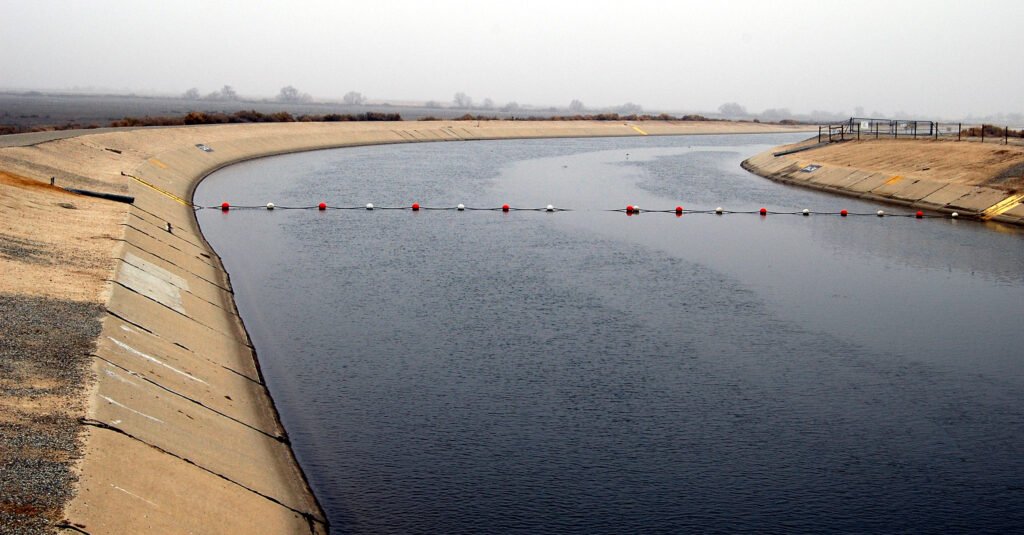

Imagine a river of life, carved not by nature but by human hands, snaking through a sunburned desert and turning it into a green oasis. This is the story of the All-American Canal—a marvel of engineering that’s as vital as it is controversial. Stretching across the blistering sands of California’s Imperial Valley, this waterway doesn’t just carry water; it carries hope, prosperity, and, sometimes, heartbreak. Its shimmering surface belies a tale of bounty and danger, of communities nourished and lives lost. For nearly a century, the All-American Canal has fueled the fields that feed millions, but its hidden costs still ripple through the land and its people.
The Birth of a Desert Oasis
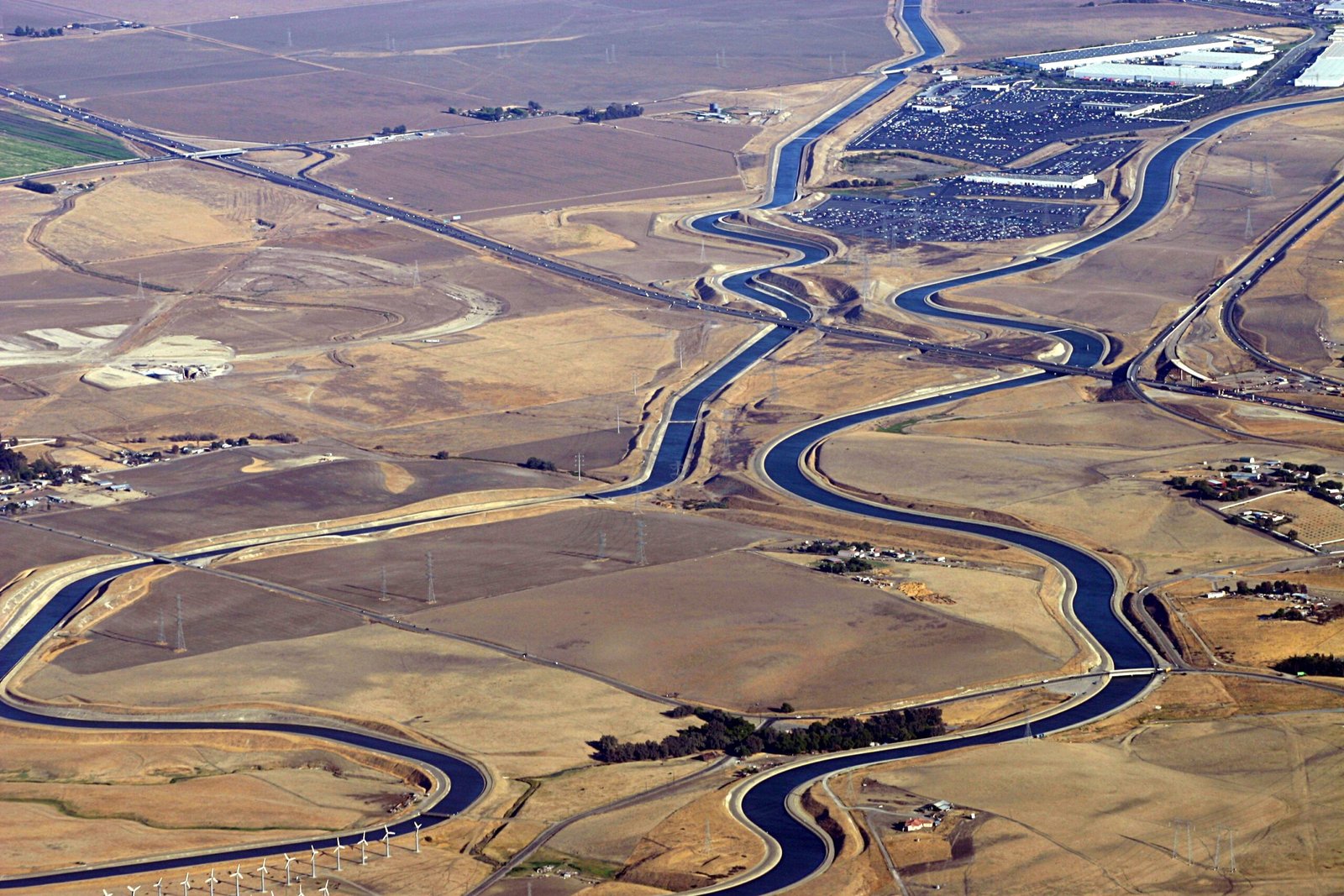
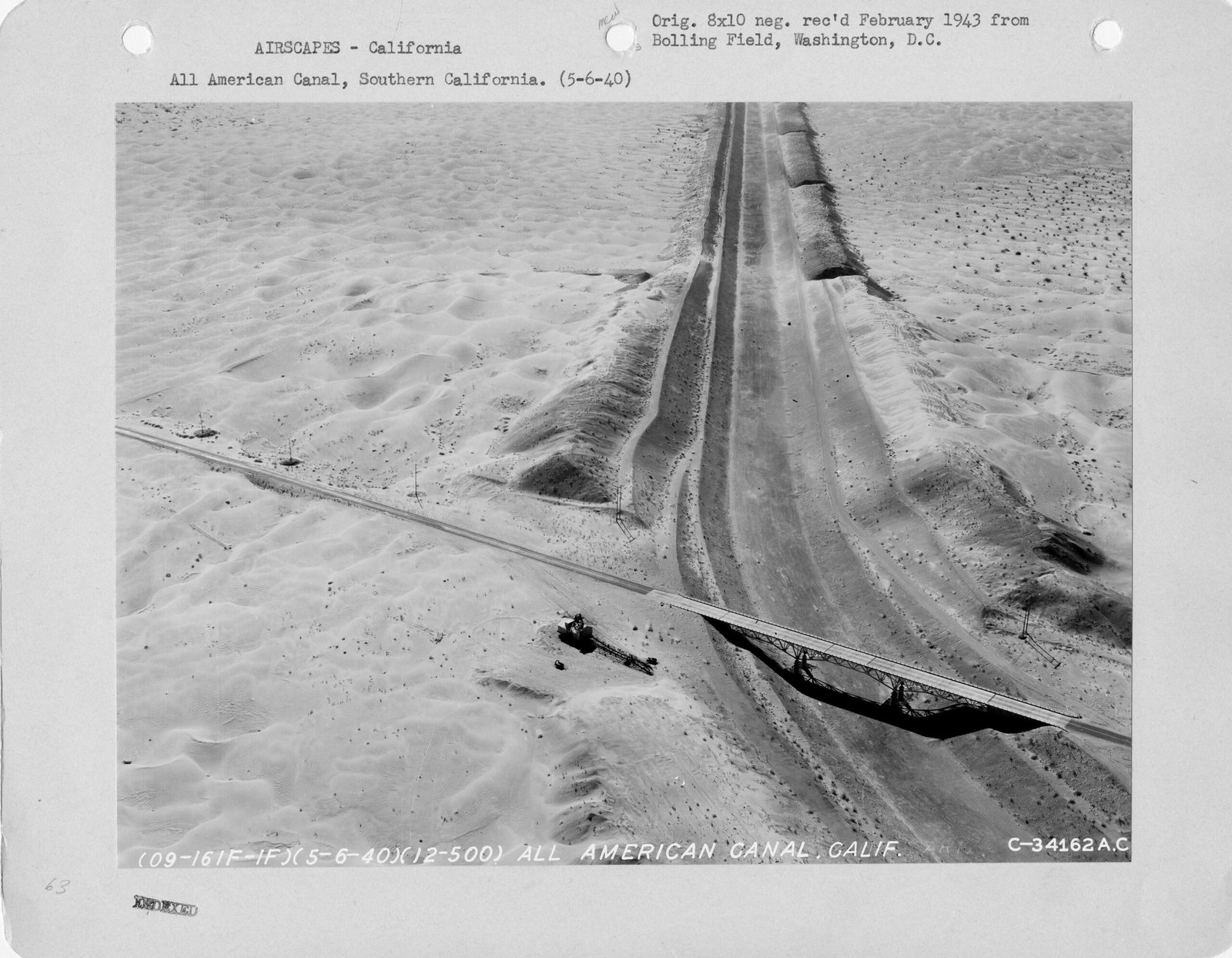
The All-American Canal was born out of necessity in the early 20th century, when Southern California’s arid climate threatened to choke its agricultural ambitions. Before the canal, the Imperial Valley was little more than a barren stretch of desert, inhospitable to crops or settlement. Visionaries and engineers saw an opportunity to transform this wasteland into one of the country’s most productive farmlands. By channeling water from the mighty Colorado River, they hoped to create a lush breadbasket for America’s growing population. Construction began in the 1930s, fueled by the urgency of the Great Depression and the promise of a better life for struggling families. The canal’s completion marked the dawn of a new era, where human ingenuity triumphed over nature’s harshest conditions.
Engineering a Miracle in the Sands
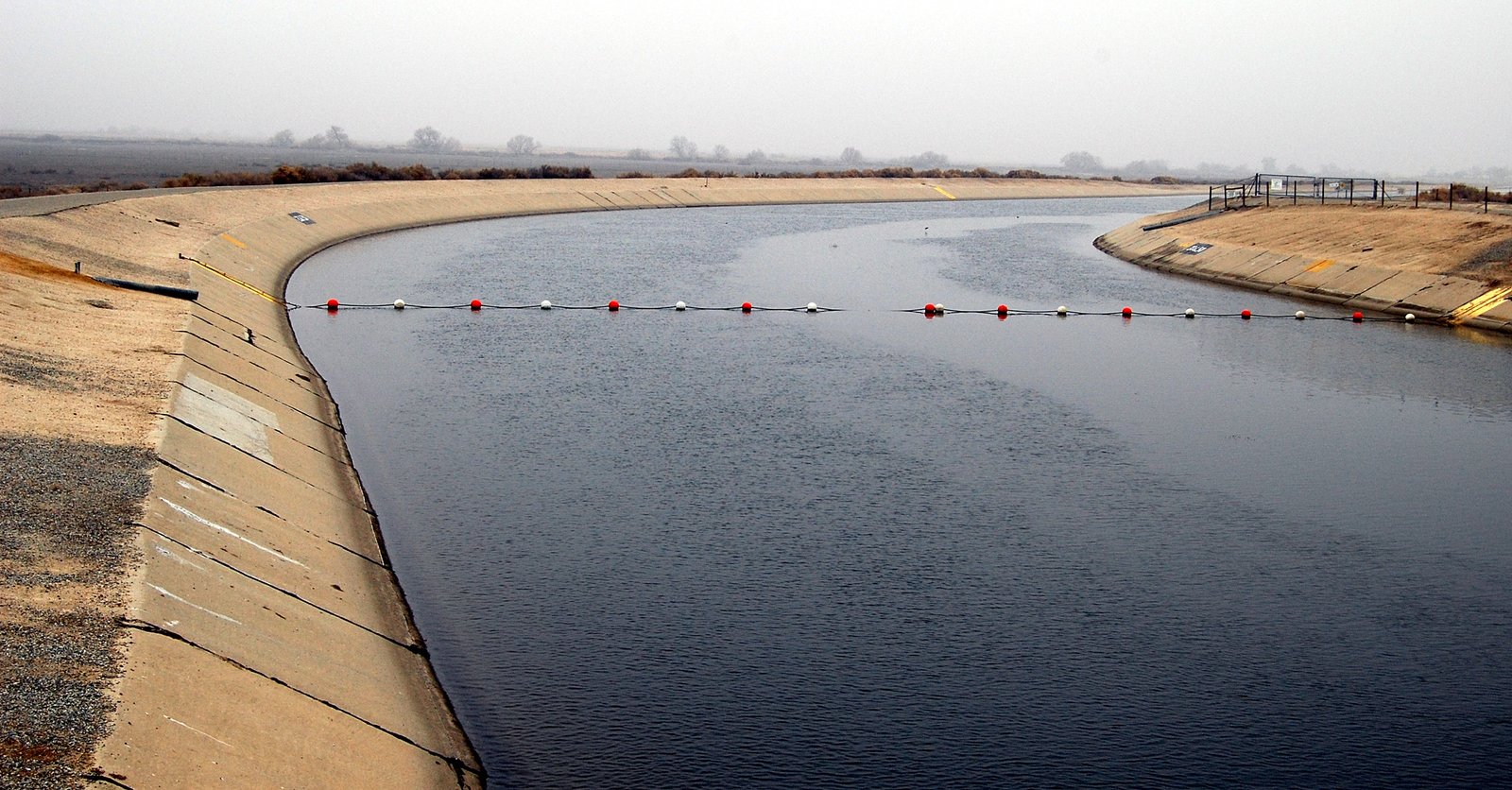
Building the All-American Canal was no simple feat. Workers battled blistering heat, shifting sands, and unpredictable floods as they dug the canal’s 80-mile path. The project demanded not just muscle, but also brilliant minds—engineers who could calculate water flows, design concrete linings, and solve the puzzle of moving millions of gallons each day. The canal itself is a massive open channel, wide enough to rival a river, with a network of lateral canals branching off to irrigate fields as far as the eye can see. This engineering marvel became a symbol of what Americans could achieve when they dared to dream big, showing the world that even the harshest deserts can be conquered.
A River of Gold for Farmers
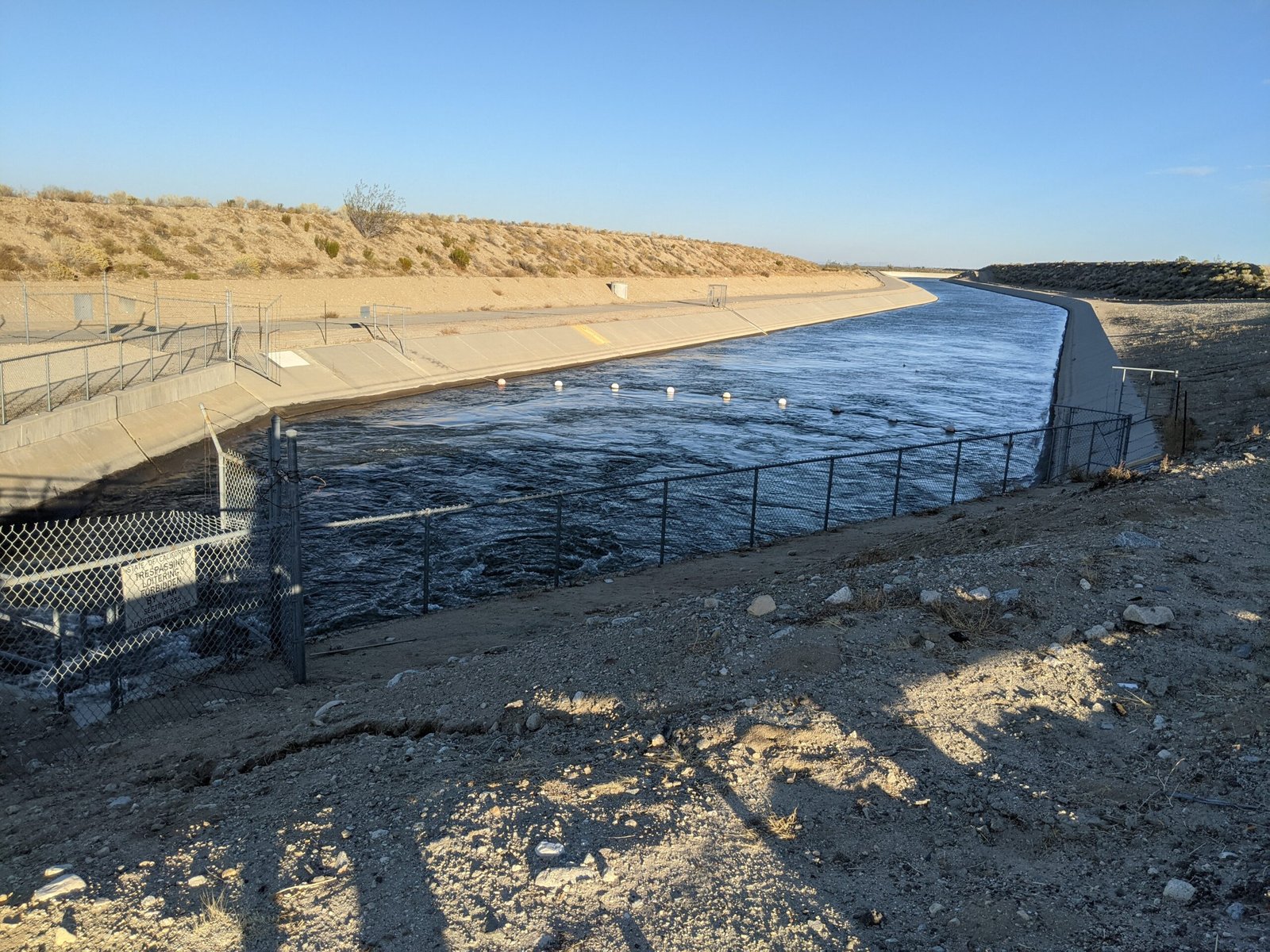
With the arrival of the All-American Canal, the Imperial Valley was reborn. Once dry and desolate, the land now bursts with life—endless rows of lettuce, carrots, alfalfa, and melons stretch toward the horizon. Farmers who once struggled to coax a living from the dust now oversee some of the most productive fields in the nation. The canal provides over 3 million acre-feet of water every year, transforming the valley into a green patchwork that feeds America and beyond. It’s no exaggeration to say that this waterway is the beating heart of Southern California’s agriculture, pumping lifeblood into a region that would otherwise be barren.
The Hidden Costs: Water Loss and Waste
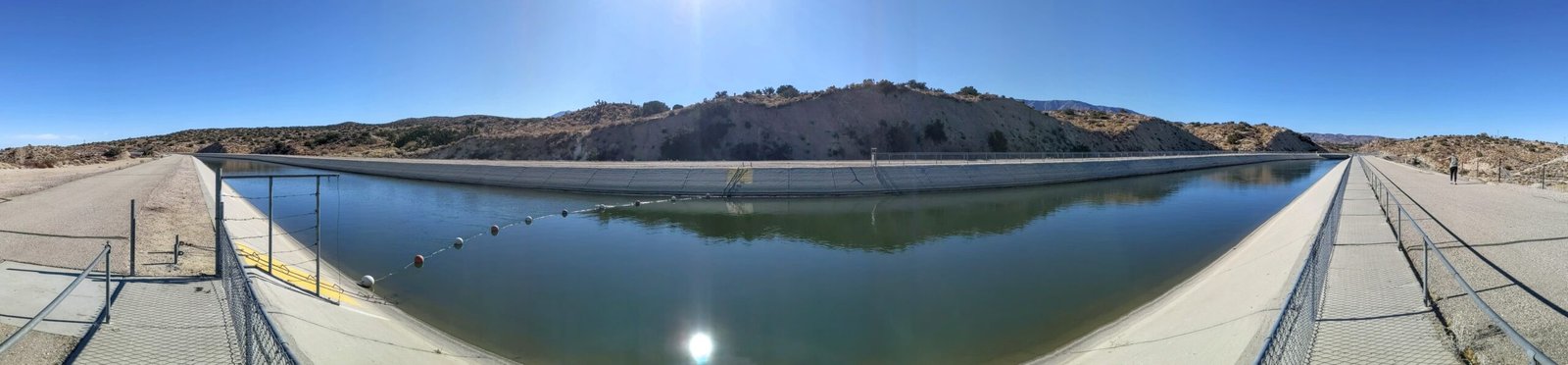
Yet all is not idyllic along the banks of the All-American Canal. As water rushes through the open channel, a significant portion seeps away into the sandy earth and evaporates under the relentless sun. Over the years, millions of gallons have been lost—water that could have sustained more crops or quenched thirsty cities. Efforts to line the canal with concrete have helped, but the problem persists, raising tough questions about efficiency in an age when every drop counts. This invisible waste is a silent reminder that even our greatest achievements come with flaws, and that the fight to conserve water is far from over.
The Perilous Journey of Migrants
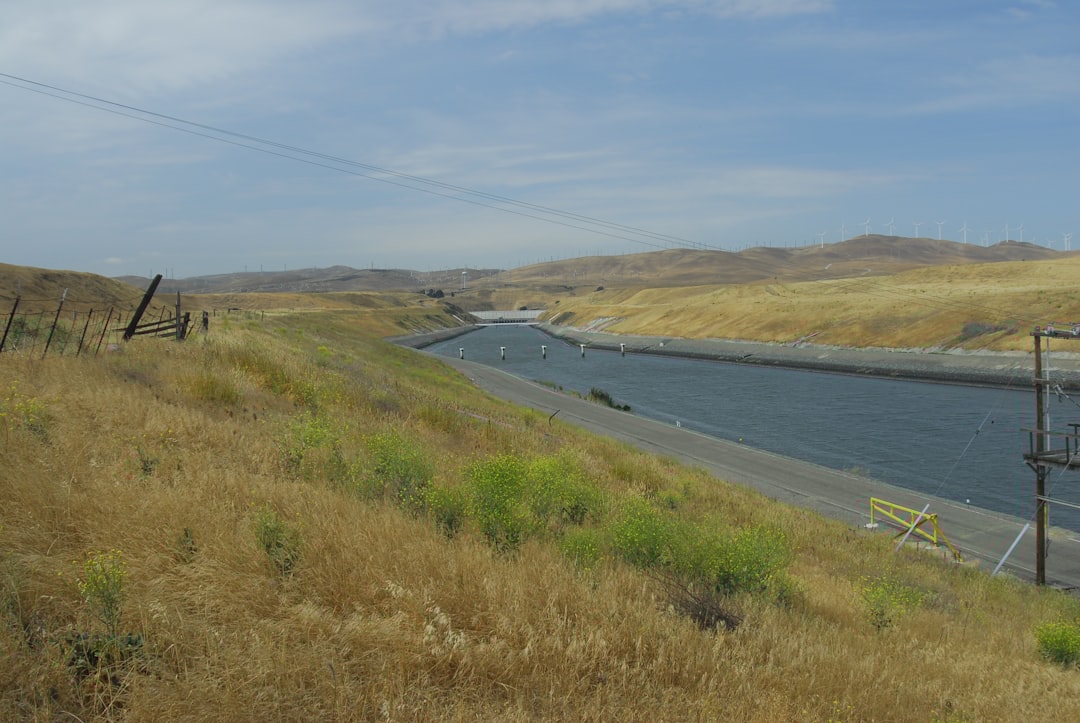
For many, the canal is not just a source of life, but a deadly obstacle. Desperate migrants, attempting to cross from Mexico into the United States, often find themselves facing the swift, deceptively deep waters of the All-American Canal. The canal’s currents are treacherous, and its steep, slippery banks offer little hope of escape. Over the decades, hundreds—perhaps thousands—have drowned in its waters, their dreams of a better life ending in tragedy. This heartbreaking reality casts a long shadow over the canal’s legacy, turning a symbol of prosperity into a site of mourning.
Ecological Consequences: Salinity and the Salton Sea
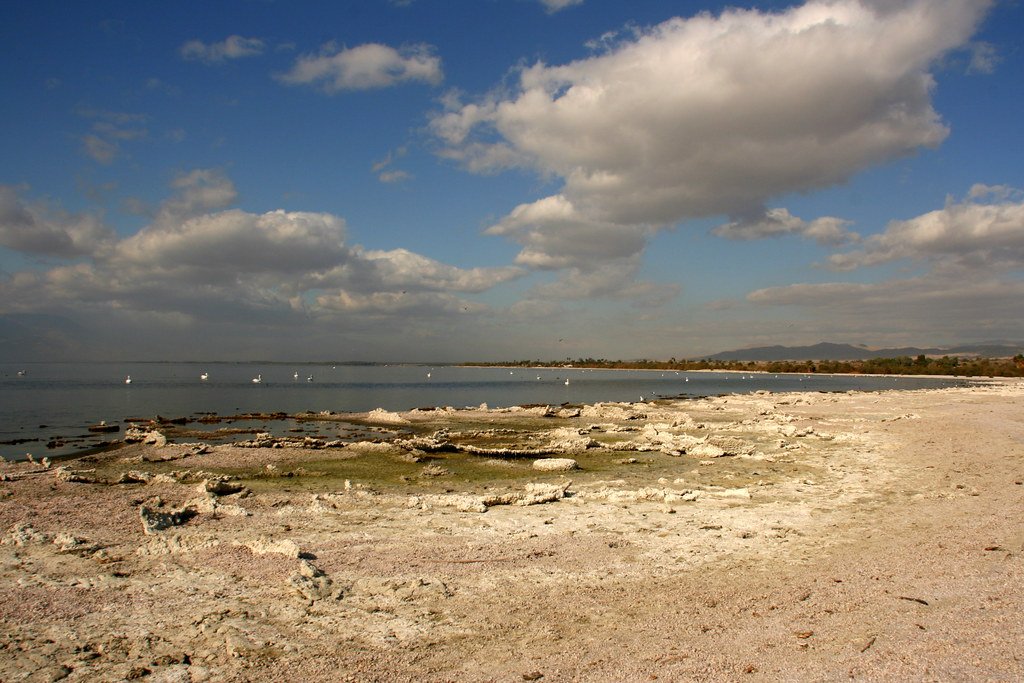
The All-American Canal, while nurturing farmland, has also contributed to environmental problems nearby. Water runoff from the irrigated fields carries salts and agricultural chemicals into the Salton Sea, a vast inland lake already struggling under the weight of pollution. As the sea grows saltier and more toxic, fish die off and migratory birds lose a crucial stopover. The canal, intended to bring life, has inadvertently helped poison one of California’s most unique ecosystems. This unintended consequence is a vivid reminder that tinkering with nature can have far-reaching effects, often far beyond what anyone imagined.
Communities Built on Water
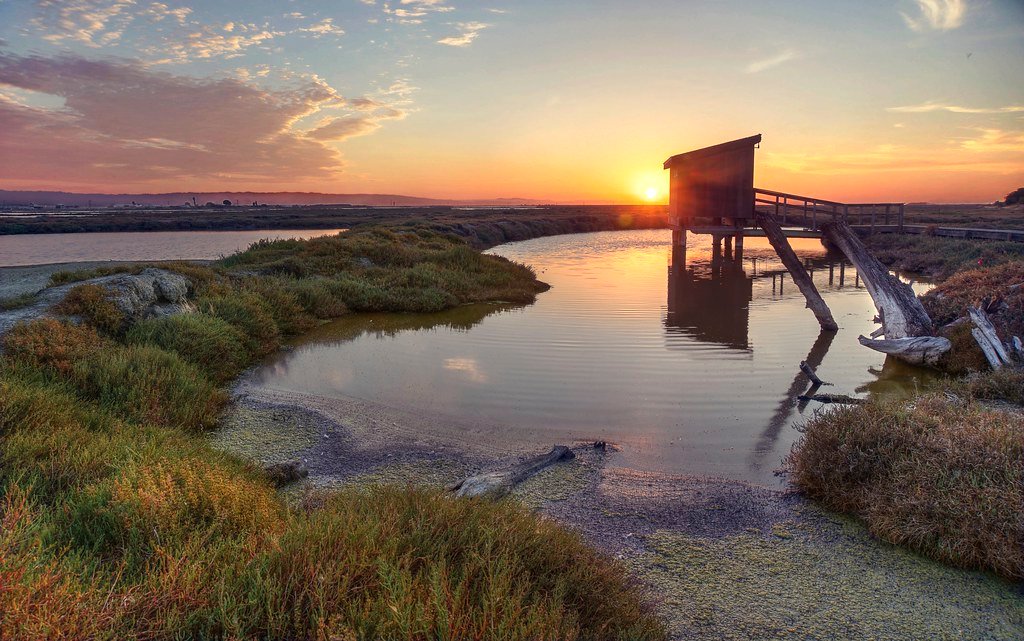
The towns and cities of the Imperial Valley owe their existence to the All-American Canal. From El Centro to Brawley, generations of families have put down roots, drawn by the promise of steady work and green fields. Schools, businesses, and neighborhoods have flourished in the desert, made possible by the steady flow of water. For many residents, the canal is woven into the fabric of daily life—a backdrop to childhood memories, family gatherings, and community celebrations. But there is also an undercurrent of anxiety, a recognition that their fortunes are tied to a fragile lifeline that could one day run dry.
Legal Battles and Water Rights
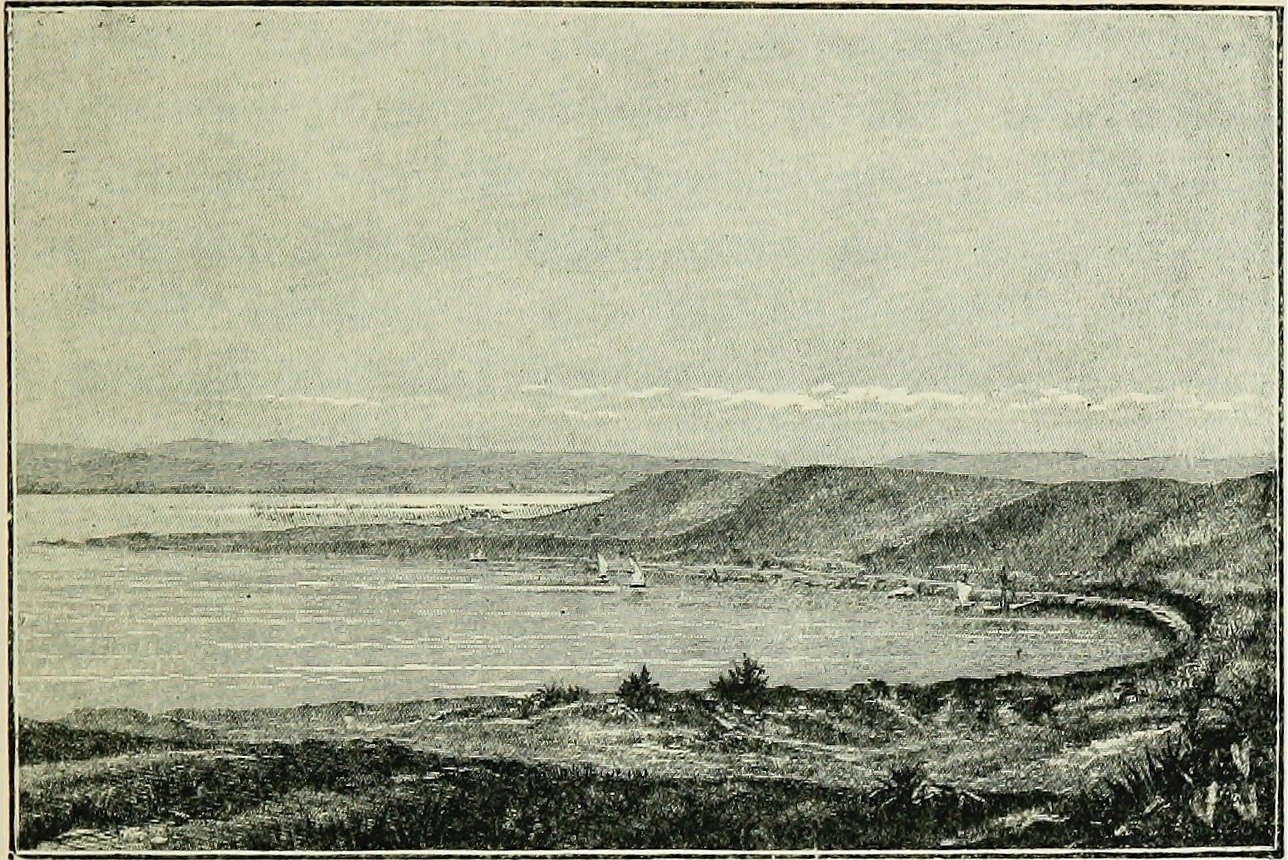
Water has always been a source of conflict in the American West, and the All-American Canal is no exception. Over the years, fierce legal battles have erupted over who gets to use the canal’s water and how much each stakeholder should receive. Farmers, cities, and Native American tribes have all staked claims, sometimes finding themselves at odds as drought and population growth put increasing pressure on supplies. The complex web of rights and regulations governing the canal is a testament to the high stakes involved, as well as the deep passions water inspires in those who depend on it.
Modernization and Conservation Efforts
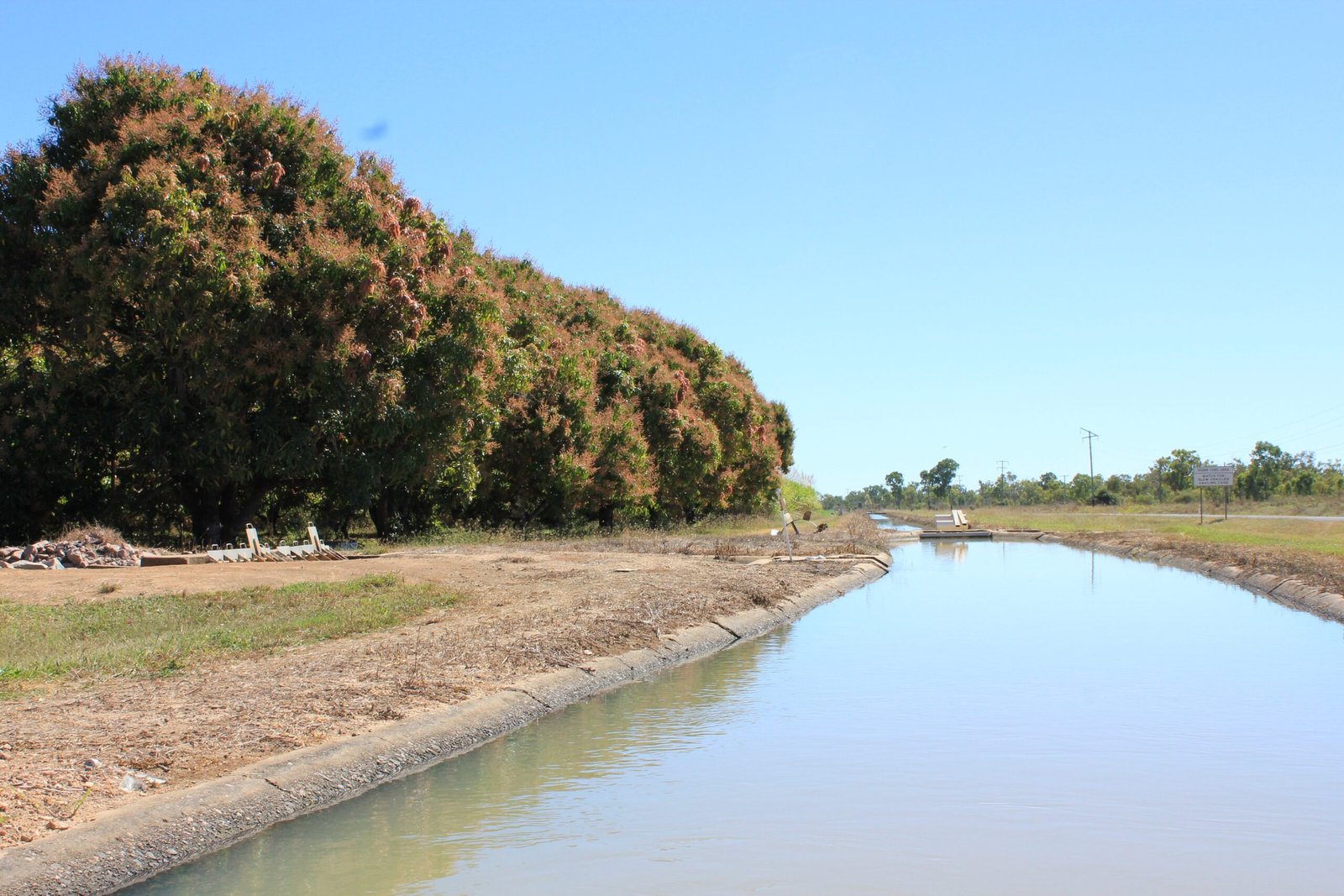
Recognizing the need to safeguard this precious resource, recent decades have seen major efforts to modernize the All-American Canal. Engineers have installed new concrete linings to reduce seepage, and farmers are adopting more efficient irrigation methods to stretch every gallon further. Conservation groups have joined the fight, advocating for smarter water management and habitat protection. These efforts reflect a growing awareness that the canal’s future depends on balancing human needs with environmental stewardship, and on embracing innovation to meet the challenges of a changing world.
The Uncertain Future of the Canal
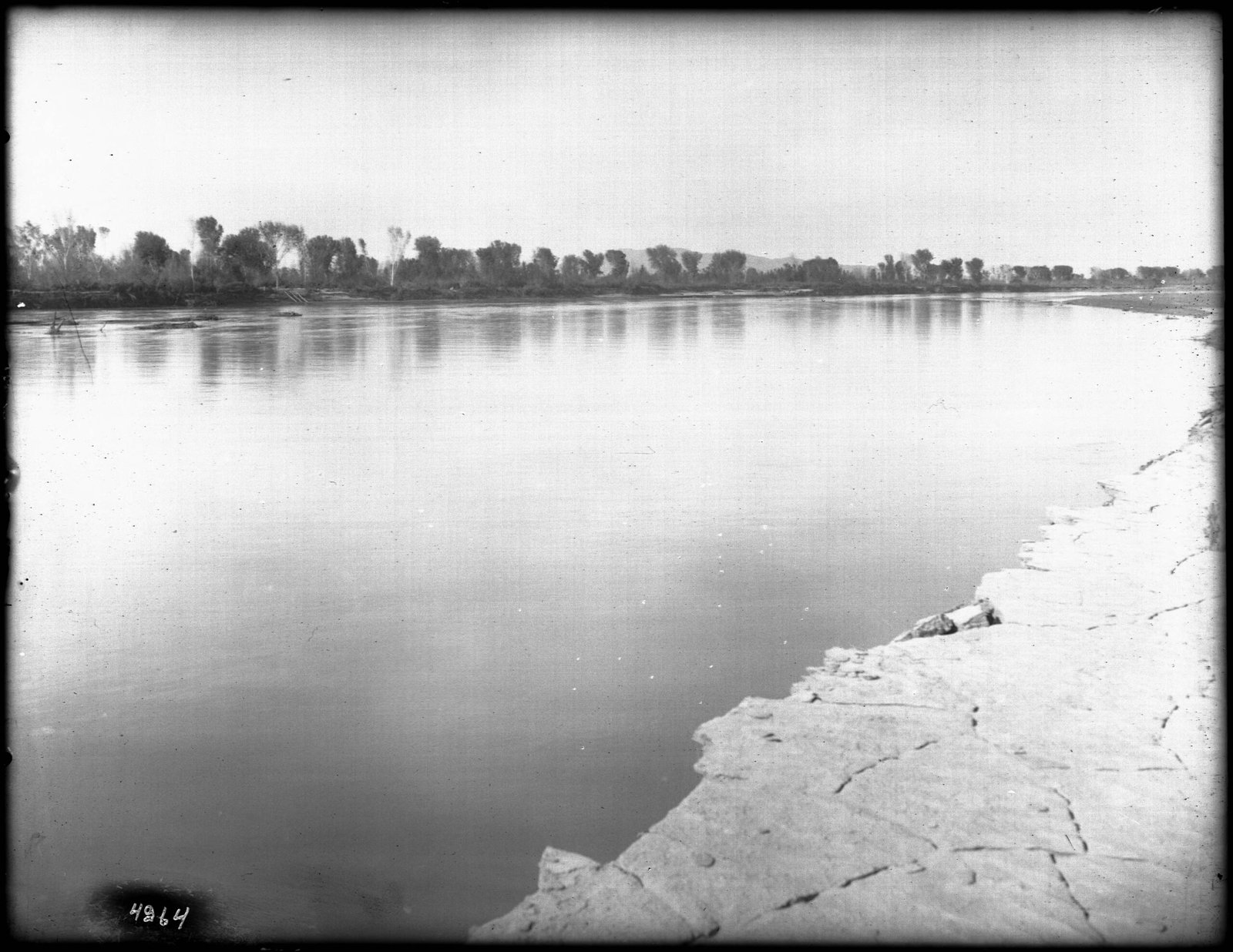
Climate change looms as a threat over the All-American Canal and the communities it sustains. As droughts become more frequent and the Colorado River’s flow diminishes, the canal’s ability to deliver water is increasingly in jeopardy. Experts warn that hard choices may lie ahead—decisions about which crops to grow, which cities to serve, and how to share what little water remains. For the people of Southern California, the canal’s uncertain future is a source of anxiety and debate, fueling urgent conversations about sustainability and survival in a hotter, drier world.
A Symbol of Human Ingenuity and Its Limits
The All-American Canal stands as a monument to what people can achieve when they unite behind a bold vision. It also serves as a cautionary tale, reminding us that even our greatest accomplishments can bring unforeseen risks. The canal’s shimmering surface reflects the hopes, struggles, and dilemmas of a region that depends on water for its very existence. As we gaze into its depths, we are confronted with a question as old as civilization itself: how can we thrive without destroying the very resources that sustain us?