
The countdown to 2026 feels less like a gentle glide into the future and more like the final seconds before a rocket ignition. In just a few years, the world has gone from watching a handful of government launches to witnessing a crowded, fiercely competitive arena where nations and billionaires alike fire payloads toward orbit. Behind the glossy livestreams and dramatic booster landings, a deeper contest is unfolding over who will control the infrastructure of space itself. Is this a replay of the Cold War rivalry, or something stranger, more commercial, and more unpredictable? As 2026 approaches, the question is no longer whether there is a new space race, but who is quietly pulling ahead – and what “winning” even means this time.
The New Contestants: Beyond Two Superpowers
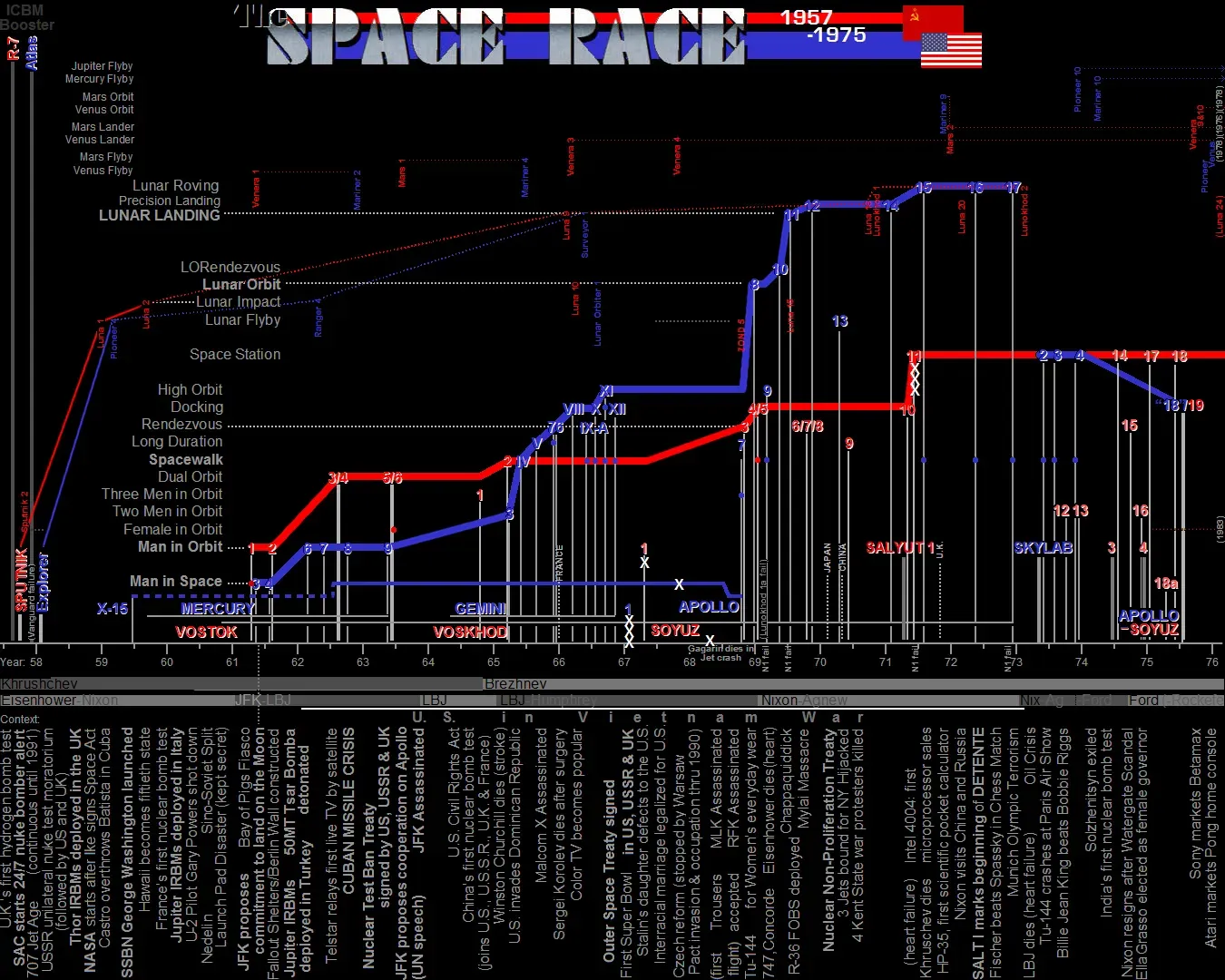
What makes this space race so different from the twentieth‑century version is that it is no longer a simple duel between two superpowers. The United States and China still anchor much of the competition, but they are now flanked by a growing cast of players: India, Europe, Japan, private launch companies, satellite mega‑constellations, and a surge of start‑ups tackling everything from in‑orbit refueling to lunar telecom. Instead of one finish line – planting a flag on the Moon or reaching orbit – there are many overlapping goals and metrics of success.
In practical terms, that means several “races” are happening at once. There is a race to build the most reliable, reusable heavy‑lift rocket; a race to establish the first sustained human presence on the Moon; a race for satellite dominance in low‑Earth orbit; and a quieter but crucial race for resource rights and legal influence. The United States leans heavily on its partnership between NASA and a maturing commercial sector, while China advances with tightly integrated state planning and long‑term lunar ambitions. India, fresh from its successful Chandrayaan‑3 lunar landing, is pushing for a larger role with cost‑effective launches and deep‑space plans. The result is less like a sprint and more like a chaotic, multi‑lane marathon where some runners are secretly jumping ahead by changing the course itself.
Rockets, Reusability, and the Raw Power Game
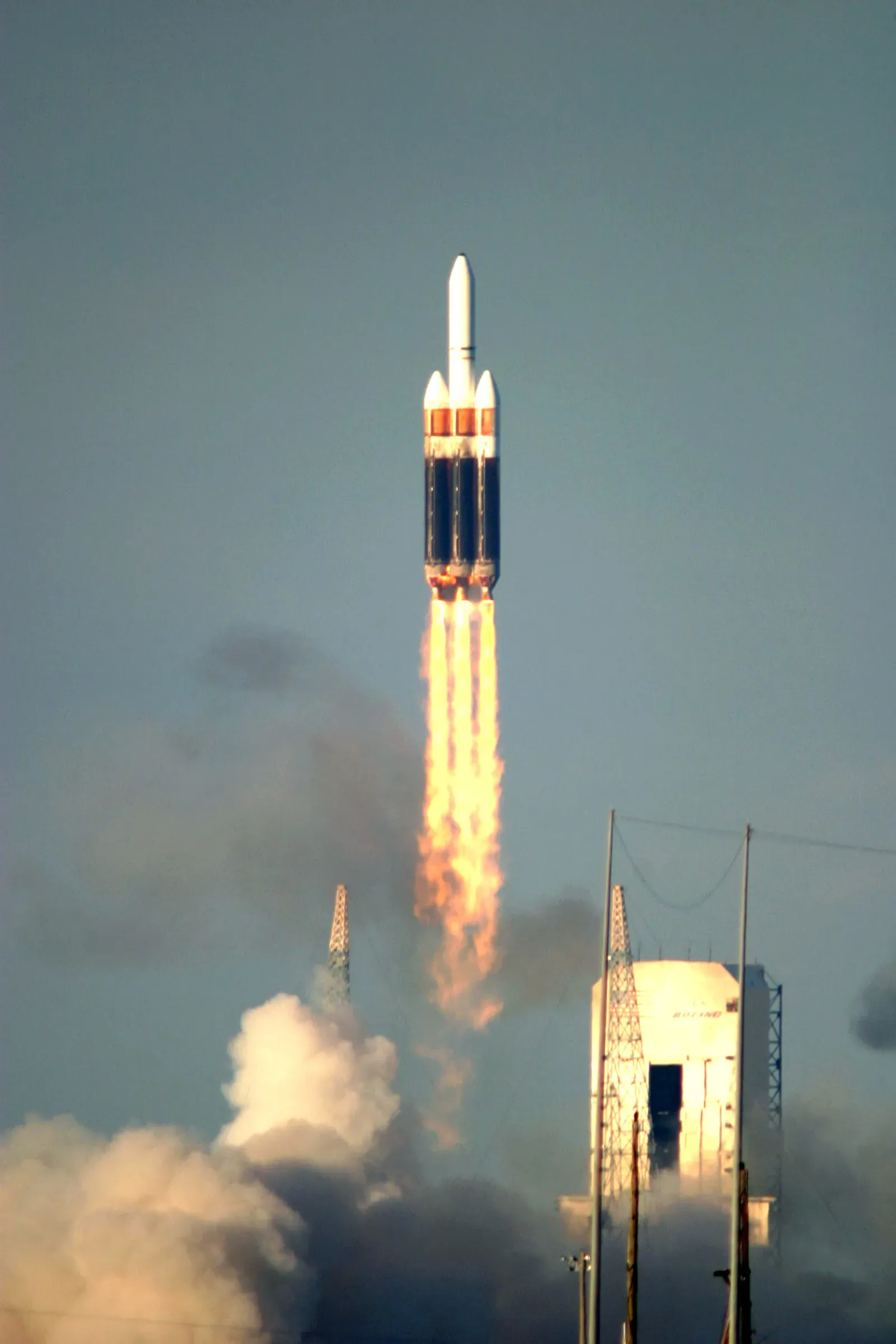
Underneath the politics and the branding, raw launch capability still sets the pace. Heavy‑lift rockets decide who can send large habitats, fuel depots, or fleets of landers to the Moon and beyond. Reusability has shifted from being a daring experiment to a competitive necessity, because the cost per kilogram to orbit determines who can afford ambitious exploration and who remains stuck on the drawing board. A rocket that can fly again and again, with minimal refurbishment, changes the economics of everything that happens in space.
Several key vehicles are at the heart of this contest. In the United States, privately built super‑heavy rockets are being tested with the explicit aim of making orbital flights almost routine and dramatically cheaper. China is developing its own new generation of launchers, moving toward partial and then fuller reusability to close the gap in cost and cadence. Meanwhile, smaller but versatile rockets from India, Europe, and emerging players compete for commercial and scientific missions that keep their ecosystems healthy. The “winner” in this segment may not be whoever builds the biggest rocket, but whoever repeatedly flies a heavy‑lift system at scale, on schedule, and with prices that others simply cannot match.
Lunar Front Lines: Bases, Resources, and Symbolism
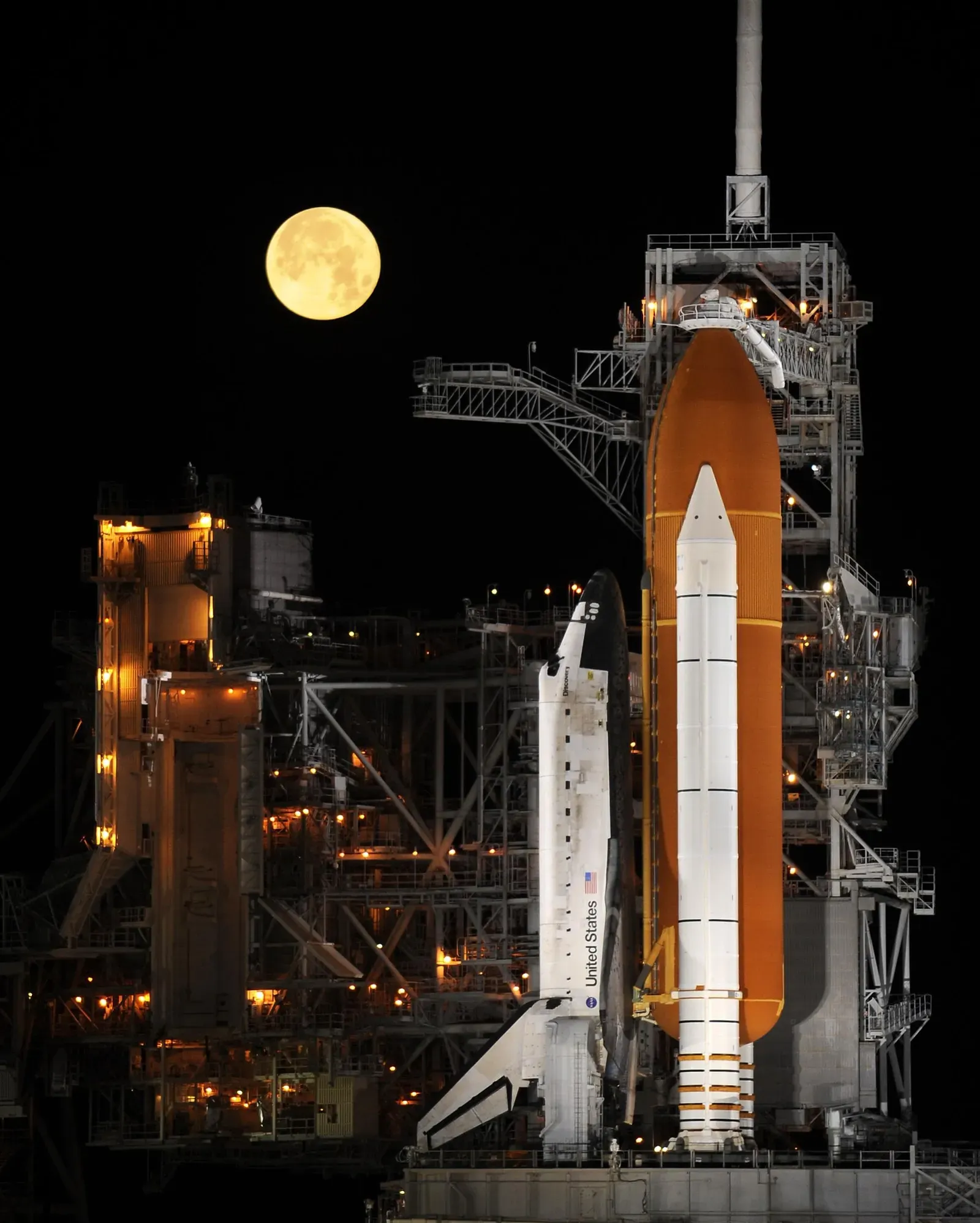
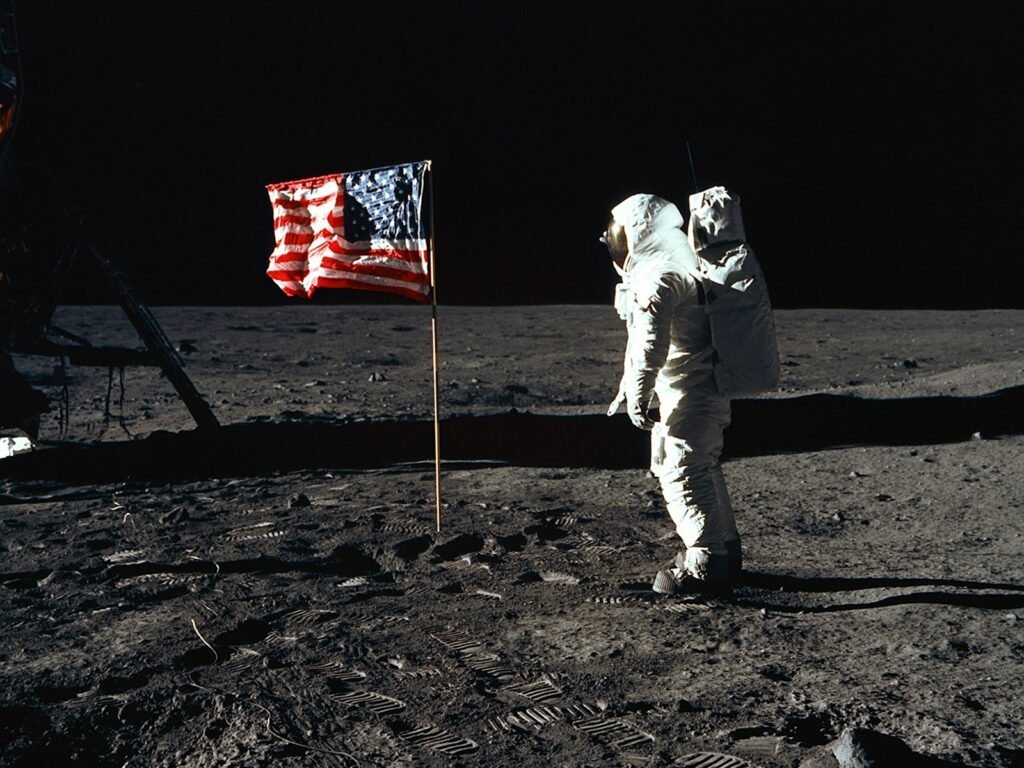
If the last space race planted footprints on the Moon, this one is about who stays. The 2020s have seen a surge of lunar missions: orbiters mapping water ice, landers testing new technologies, and robotic scouts exploring candidate sites for future bases. The Moon is no longer viewed as a dead rock; it is seen as a proving ground for life support, construction, and resource extraction that could enable deeper exploration to Mars and beyond. In that sense, the dusty regolith is becoming the new frontier of both engineering and geopolitics.
By 2026, the competition to establish a sustained foothold at the lunar south pole is expected to intensify. NASA’s Artemis program aims to return astronauts to the lunar surface and build a long‑term presence in collaboration with a wide coalition of partner nations. China and Russia, meanwhile, have outlined plans for a joint lunar research station and are conducting precursor missions to survey promising sites. Water ice lurking in permanently shadowed craters represents both a scientific treasure and a strategic resource, since it can be turned into drinking water, breathable oxygen, and rocket fuel. Whoever can reliably reach, use, and protect those deposits will gain a major advantage in the wider architecture of space exploration.
Low-Earth Orbit: The Invisible High Ground
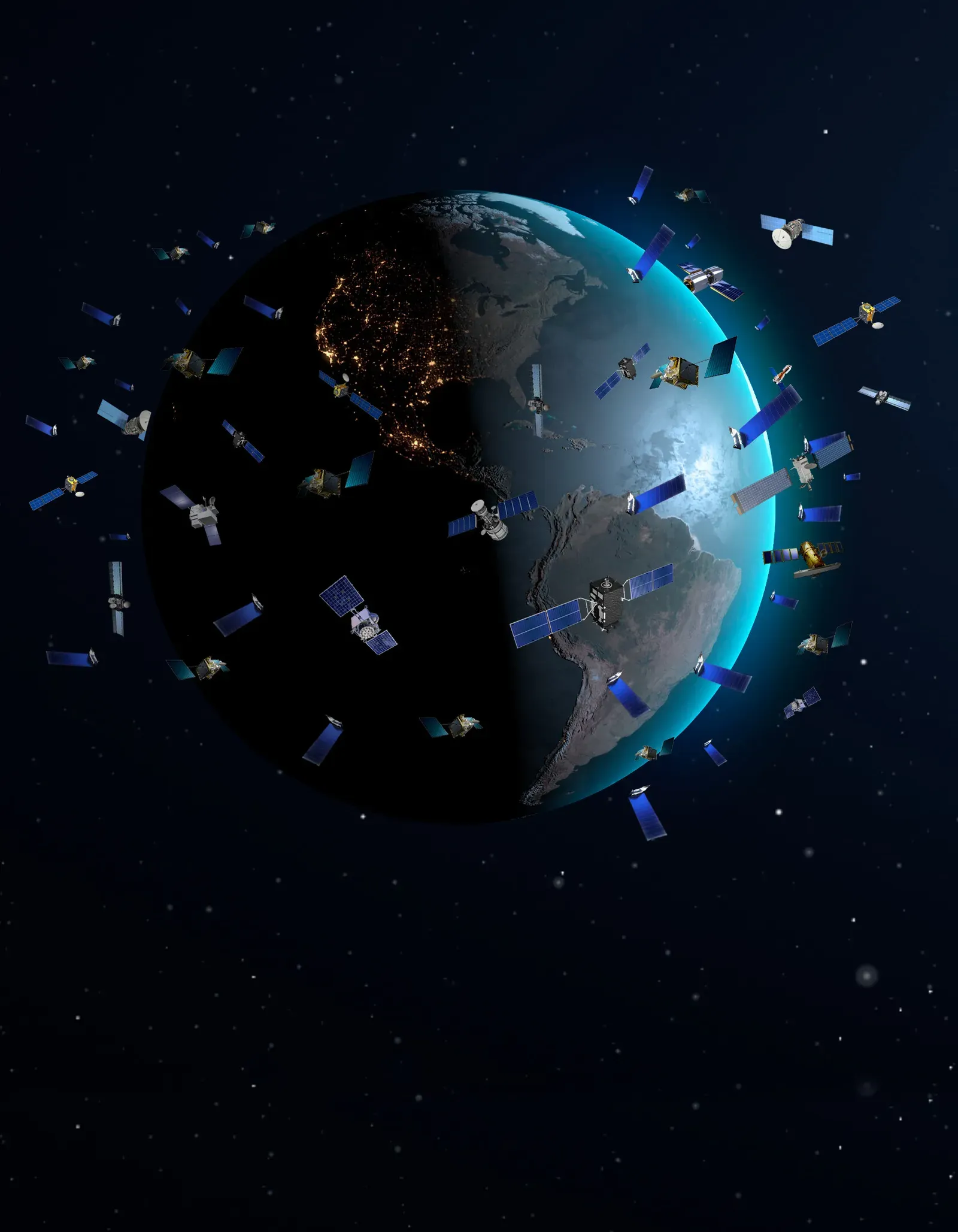
Despite the dramatic allure of the Moon, much of the real power struggle is unfolding much closer to home. Low‑Earth orbit has become an invisible lattice of satellites providing navigation, weather forecasting, communications, and intelligence. The rapid spread of mega‑constellations – networks of thousands of small satellites – has turned orbit into a contested layer of infrastructure, not unlike undersea cables or power grids. Companies and governments alike recognize that whoever controls space‑based data flows wields significant leverage on Earth.
This contest is measured in launch cadence, satellite capability, and regulatory influence. Commercial operators are racing to deploy global broadband constellations, signing deals with airlines, shipping companies, and remote communities. Governments are simultaneously building secure defense constellations and watching nervously as the orbital environment grows more crowded and fragile. There are growing concerns about space debris, light pollution, and the risk of collisions triggering cascading failures. Winning this part of the space race will require not just deployment speed, but a credible plan for long‑term sustainability and coordination, or everyone risks losing access to orbit altogether.
The Hidden Clues: Money, Law, and Soft Power

The most visible markers of the new space race are dramatic launches and glossy mission patches, but the deeper signals are subtler. Investment flows, new laws, and international agreements hint at which countries and companies are quietly positioning themselves for long‑term dominance. The volume of venture capital pouring into launch firms, in‑space manufacturing, and satellite services has turned space into a genuine economic sector rather than a niche government project. Insurance markets and risk models, once skeptical, are beginning to adapt to reusable rockets and high‑tempo operations.
Legal frameworks offer another set of clues. A growing group of nations has signed agreements that outline principles for Moon exploration, resource use, and emergency cooperation, while others are promoting alternative standards. National space laws are being updated to regulate private mining, satellite servicing, and orbital debris management. Soft power also matters: countries that share technology, data, and training build alliances that extend far beyond space. Those that can set the rules, not just build the hardware, may ultimately have more influence over how the rest of the world uses space in the coming decades.
Why It Matters: More Than Flags and Footprints
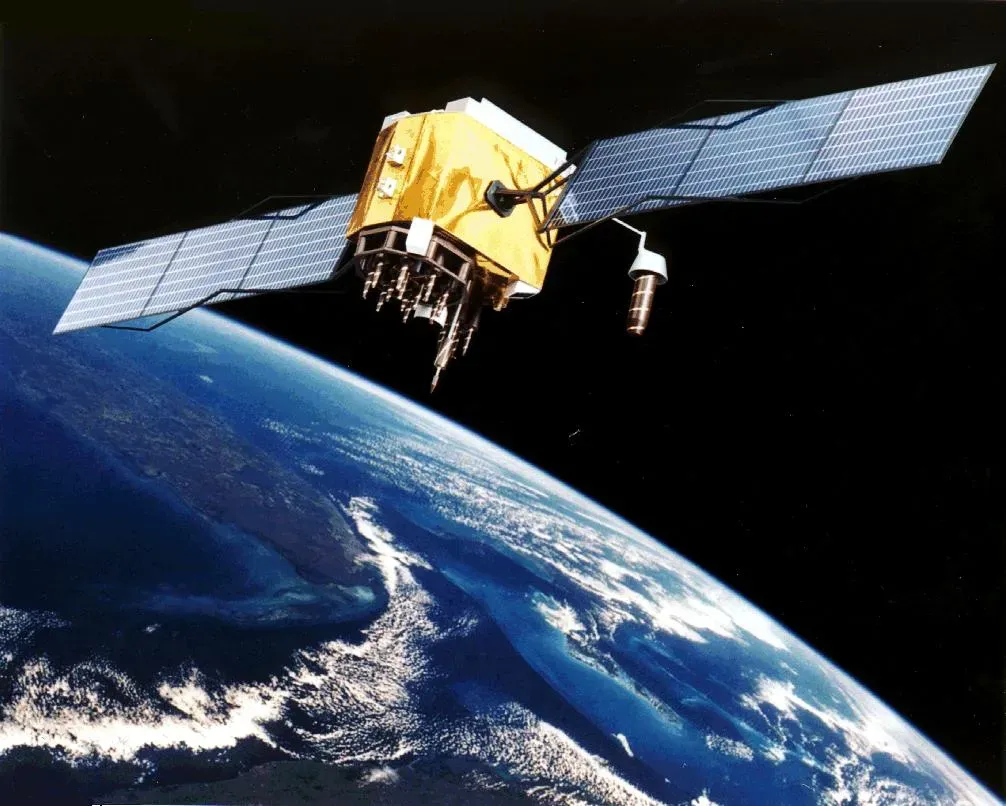
At first glance, the idea of a 2026 space race might sound like an elite spectacle – rockets streaking into the sky while everyday problems remain unsolved. But the technologies being tested in orbit and on the Moon are tightly woven into daily life on Earth. Satellite networks underpin global banking, aviation, agriculture, and disaster response, quietly shaping how food gets to shelves and how emergency teams reach people in danger. A disruption in key orbital services would ripple through supply chains, transportation, and communication almost instantly.
There is also a broader scientific and environmental dimension. Studying the Moon and other bodies helps scientists reconstruct the early history of the solar system and refine models of planetary evolution, which in turn deepen our understanding of climate and habitability back home. The push to make rockets cleaner and launches more efficient is influencing propulsion, materials science, and even sustainable energy systems. However, unchecked competition could worsen space debris, increase military tensions, and make cooperation harder just when global challenges demand shared data and shared infrastructure. The stakes of this race are not just about who gets somewhere first, but about what kind of spacefaring civilization we choose to become.
Future Horizons: Technologies, Risks, and Possible Winners
Looking ahead to 2026 and the years just beyond, several emerging technologies could act as tiebreakers in this crowded field. In‑space refueling, on‑orbit manufacturing, and autonomous robotic construction could sharply lower the cost of building large structures in orbit or on the Moon. Advances in nuclear propulsion and high‑efficiency electric thrusters promise faster deep‑space travel, potentially changing timelines for missions to Mars or the outer planets. Artificial intelligence is being embedded into everything from mission planning to collision avoidance, allowing spacecraft to react in real time to changing conditions.
At the same time, these tools introduce new vulnerabilities. Cybersecurity for satellites and ground systems is becoming as critical as physical reliability, since a hacked constellation can cause chaos without a single rocket failing. International norms for anti‑satellite weapons and military uses of space remain fragile, creating the risk that a regional conflict could spill into orbit. As for who will “win” the 2026 space race, the most plausible outcome is not a single champion but clusters of leadership: one nation or company dominating heavy‑lift launches, another excelling at lunar logistics, another controlling key communications networks. In that sense, winning may look less like a victory lap and more like a constant, uneasy balance of power spread across multiple orbits and worlds.
How You Can Stay Grounded in a Skyward Race
It is easy to watch this all unfold from a distance, as if rockets and satellites belong to some remote, unreachable realm. But ordinary people have more influence over the direction of the space race than it first appears. Public support shapes government space budgets, which in turn decide whether agencies prioritize science, climate monitoring, exploration, or military projects. Consumer choices and advocacy influence which satellite services thrive and which companies feel pressure to operate responsibly. Even how we talk about space – whether as a shared commons or a frontier to be carved up – feeds back into policy and law.
For readers who want to engage, the options are surprisingly concrete. You can support organizations that promote responsible space policy, orbital debris mitigation, and open access to climate data. Following mission updates from multiple space agencies and commercial providers helps maintain a broader, less one‑sided view of progress. Educators and parents can use upcoming lunar missions and satellite images as hooks to get kids into science, engineering, and critical thinking. The 2026 space race is not just a spectacle to watch; it is a chapter we are all, in small but real ways, helping to write.
Suhail Ahmed is a passionate digital professional and nature enthusiast with over 8 years of experience in content strategy, SEO, web development, and digital operations. Alongside his freelance journey, Suhail actively contributes to nature and wildlife platforms like Discover Wildlife, where he channels his curiosity for the planet into engaging, educational storytelling.
With a strong background in managing digital ecosystems — from ecommerce stores and WordPress websites to social media and automation — Suhail merges technical precision with creative insight. His content reflects a rare balance: SEO-friendly yet deeply human, data-informed yet emotionally resonant.
Driven by a love for discovery and storytelling, Suhail believes in using digital platforms to amplify causes that matter — especially those protecting Earth’s biodiversity and inspiring sustainable living. Whether he’s managing online projects or crafting wildlife content, his goal remains the same: to inform, inspire, and leave a positive digital footprint.